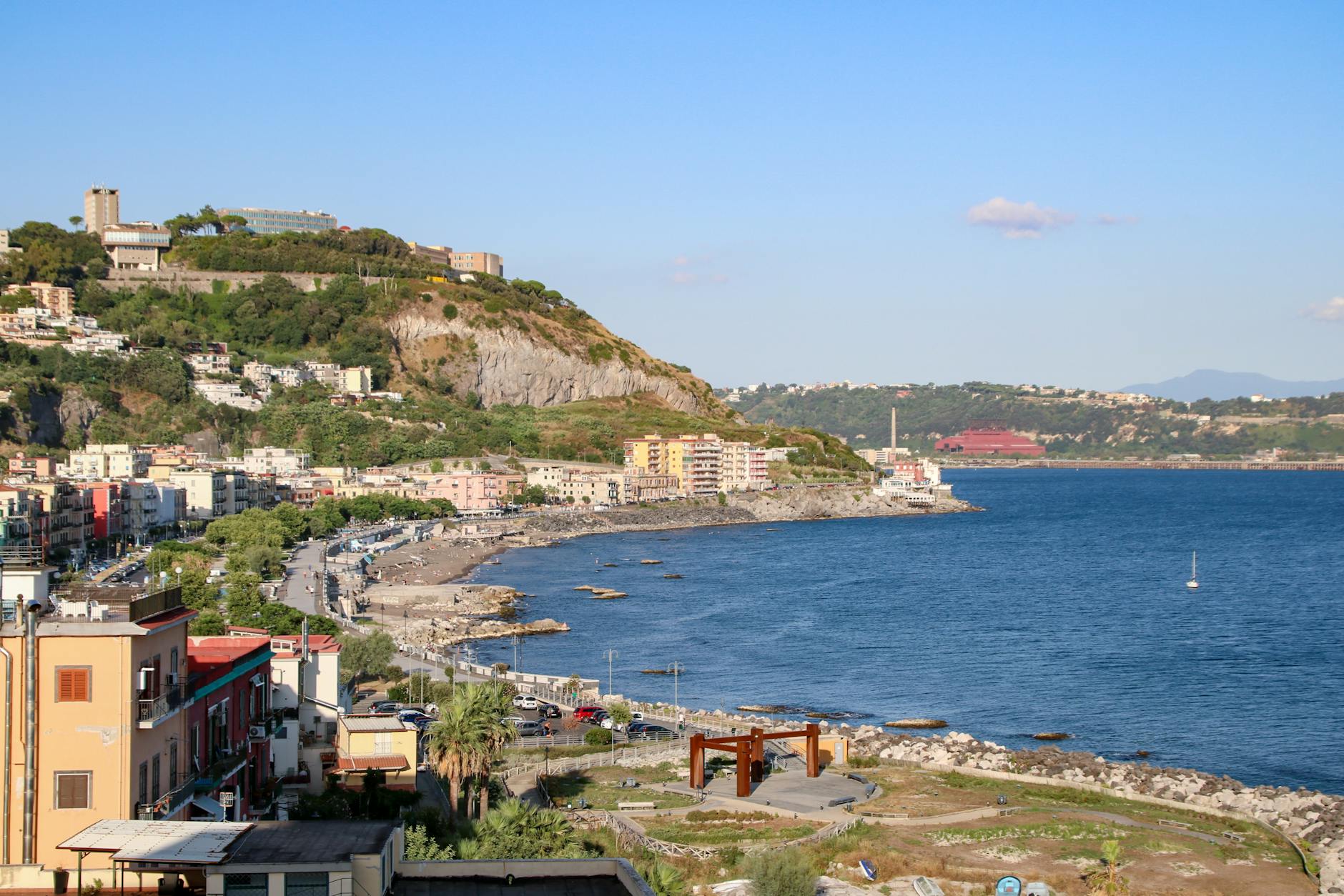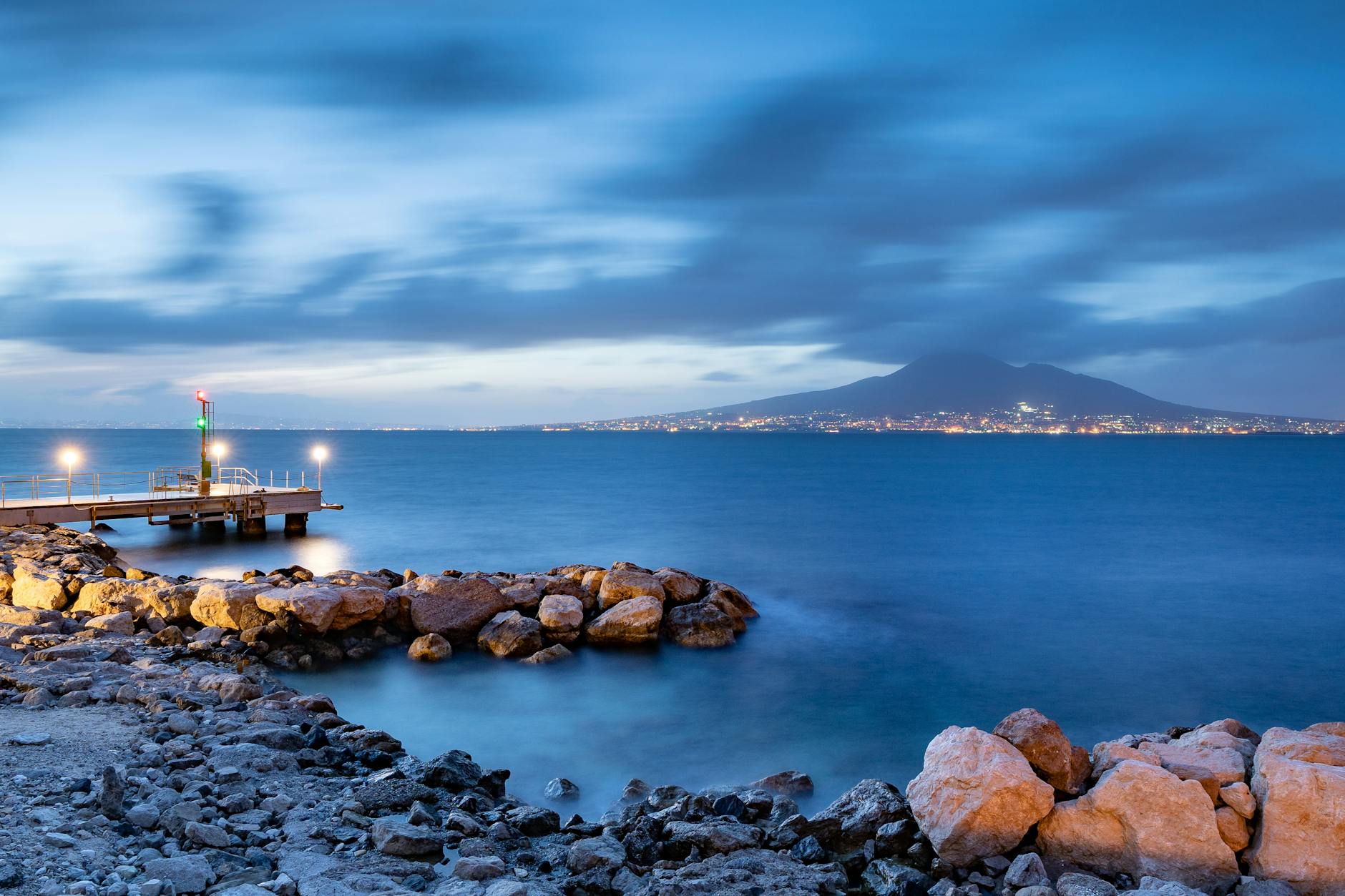
Naples is not only museums and meals. It can be the base for Mount Vesuvius, Pompeii and Herculaneum walking days, the Bay of Naples, Pozzuoli, Procida, Sorrento, coastal viewpoints, ferry movement, and longer regional outdoor plans. The challenge is that these experiences are easy to underestimate from a map. An adventure or outdoor traveler should plan around terrain, heat, transport, ticketing, ferry schedules, shoes, hydration, and recovery. The strongest short Naples outdoor trip is not the one that adds every possible excursion. It is the one that chooses the right outdoor days and keeps enough margin to enjoy them.
Choose the outdoor objective before adding extras
A Naples outdoor trip can mean very different things: hiking Vesuvius, walking Pompeii, using ferries, exploring Procida, adding Sorrento, visiting Pozzuoli, or simply building active city days. Each choice has different weather exposure, walking load, ticketing, transport, and recovery needs. Trying to combine all of them in a short trip usually weakens the experience.
The traveler should decide which outdoor objective matters most and then build the rest of the itinerary around it. A great Vesuvius day and a relaxed Naples evening may be better than a forced chain of volcano, ruins, coast, and late dinner.
- Pick the main outdoor objective before adding secondary excursions.
- Separate volcano, ruins, ferries, coast, and city walking into realistic blocks.
- Avoid stacking every outdoor idea into a short Naples stay.
Treat Vesuvius as a real outdoor day
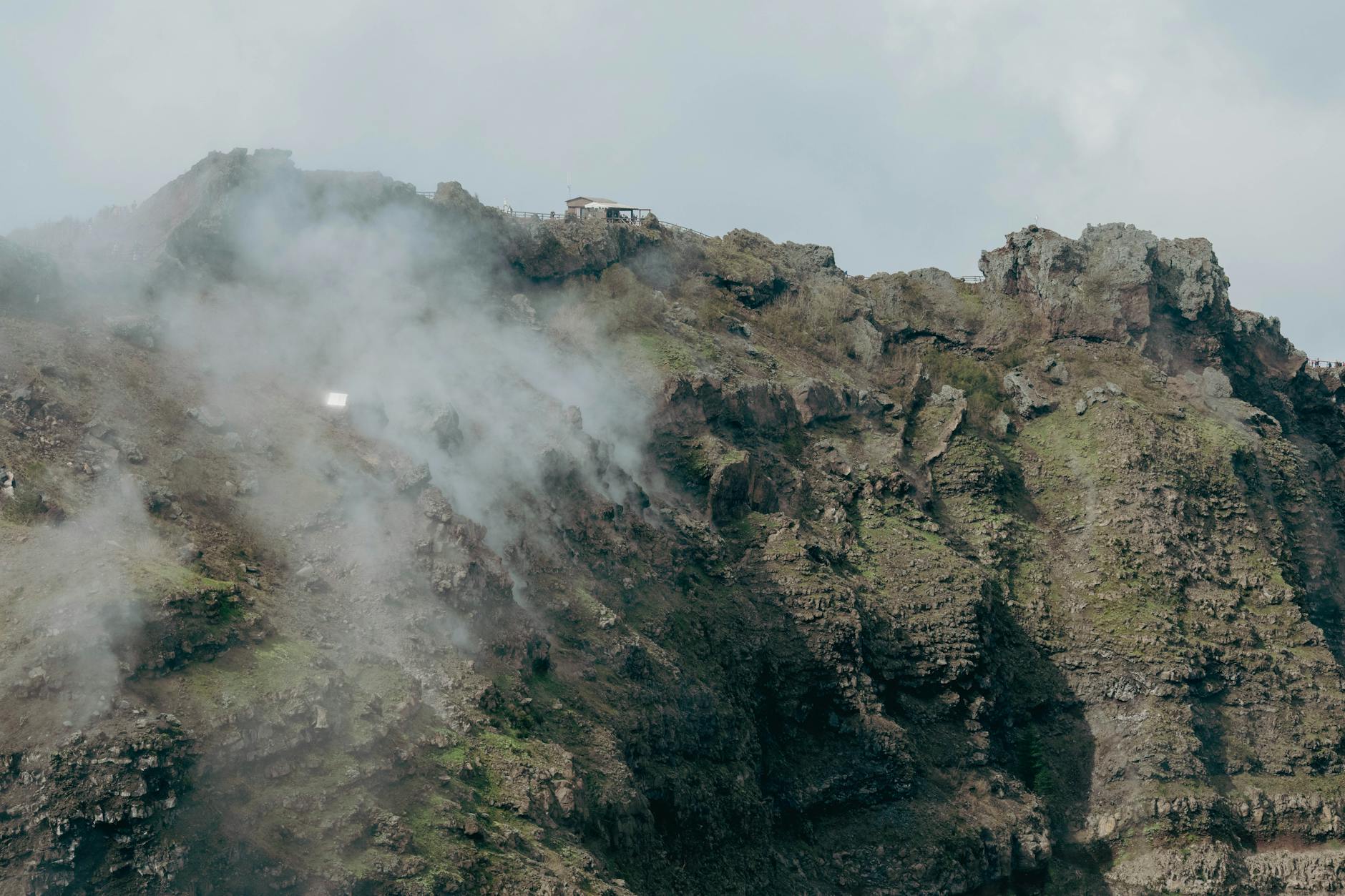
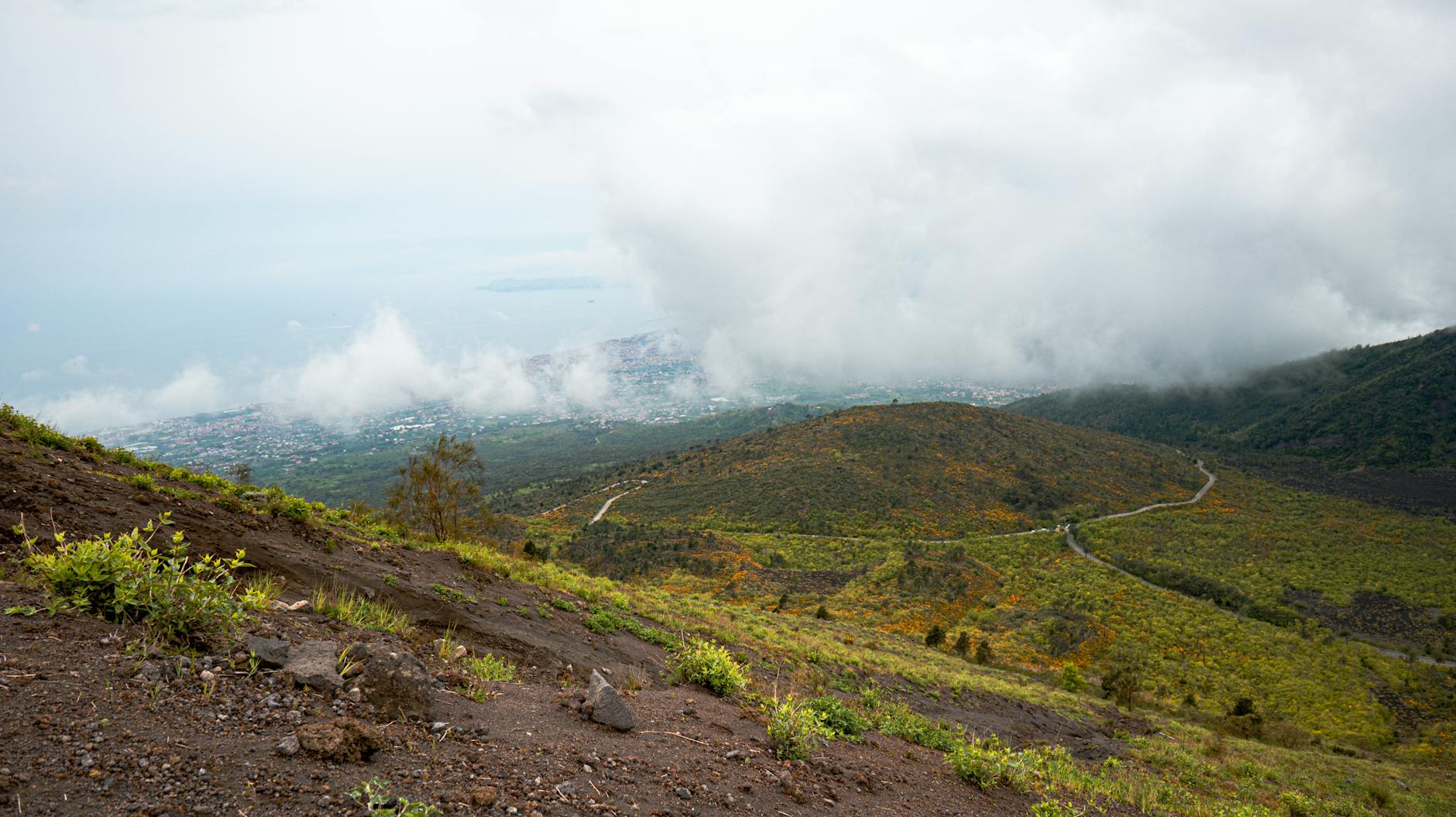
Mount Vesuvius is close enough to tempt casual planning, but it still requires attention to weather, access, tickets, transport, footwear, sun, wind, and timing. The traveler should not assume that a volcano visit fits cleanly between other commitments. The route can involve waiting, shuttles, exposed walking, uneven ground, and limited flexibility once the day begins.
If Vesuvius is central to the trip, it should receive the better weather window and enough recovery time afterward. A rushed volcano visit before a major dinner or transfer can make the day feel more like logistics than adventure.
- Check weather, access, tickets, transport, footwear, sun, and wind before committing.
- Give Vesuvius a protected time block rather than a leftover gap.
- Avoid pairing the volcano with too many same-day obligations.
Plan Pompeii and ruins days by walking load
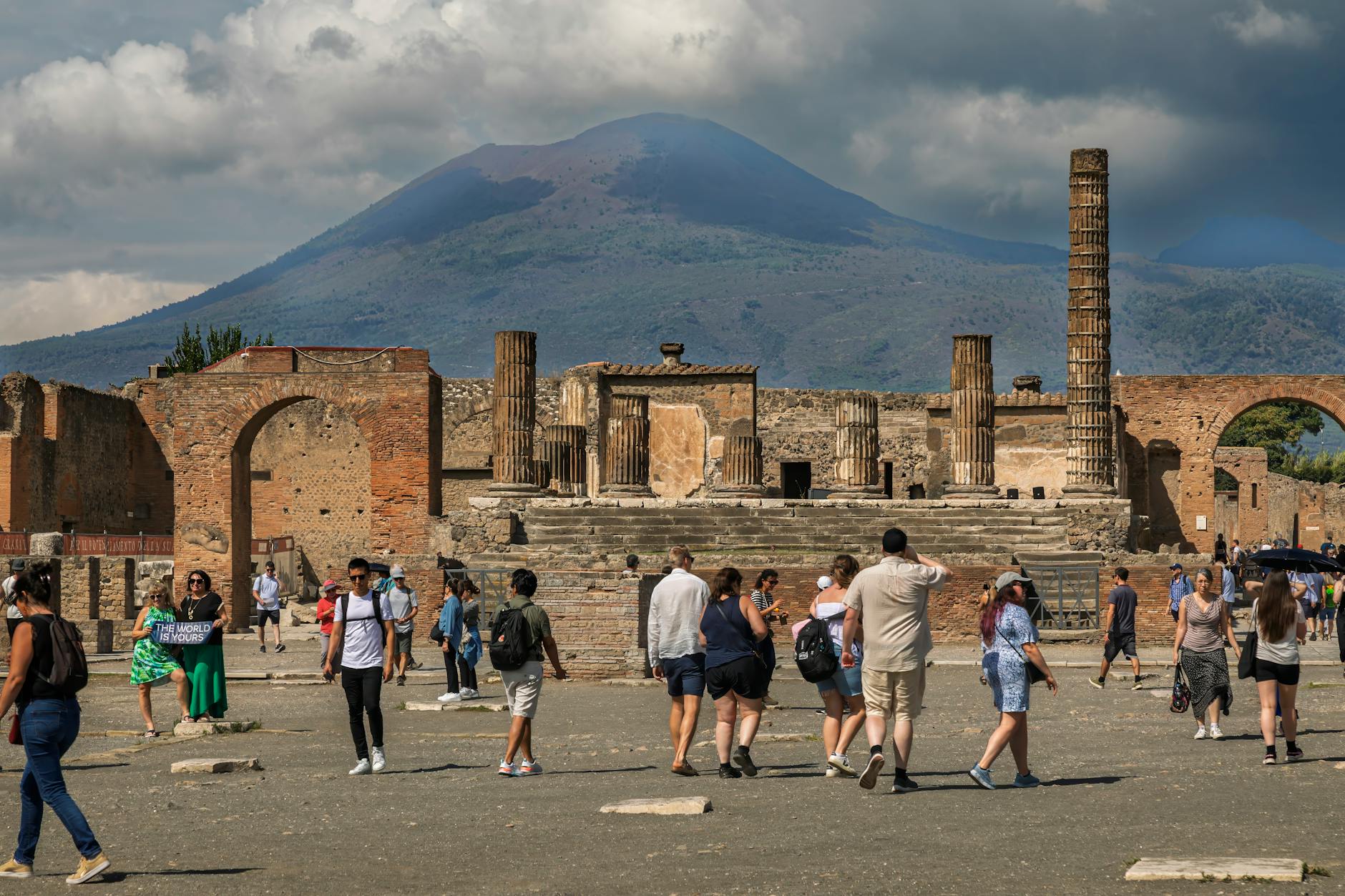
Pompeii, Herculaneum, and related archaeological sites are outdoor walking experiences as much as cultural ones. Heat, stone surfaces, shade, bathrooms, water, guide timing, and train connections all matter. A traveler who treats Pompeii as a quick museum stop may underestimate the physical load.
The ruins should be paired carefully with the rest of the day. A long Pompeii visit followed by a late nightlife plan or another major outdoor segment can create fatigue. Shoes and pacing matter more than trying to see every corner.
- Plan ruins visits around heat, shade, water, bathrooms, footwear, and guide timing.
- Avoid pairing a long Pompeii day with too many evening demands.
- Prioritize the parts of the site that matter most instead of chasing full coverage.
Use ferries and coastal routes with schedule discipline
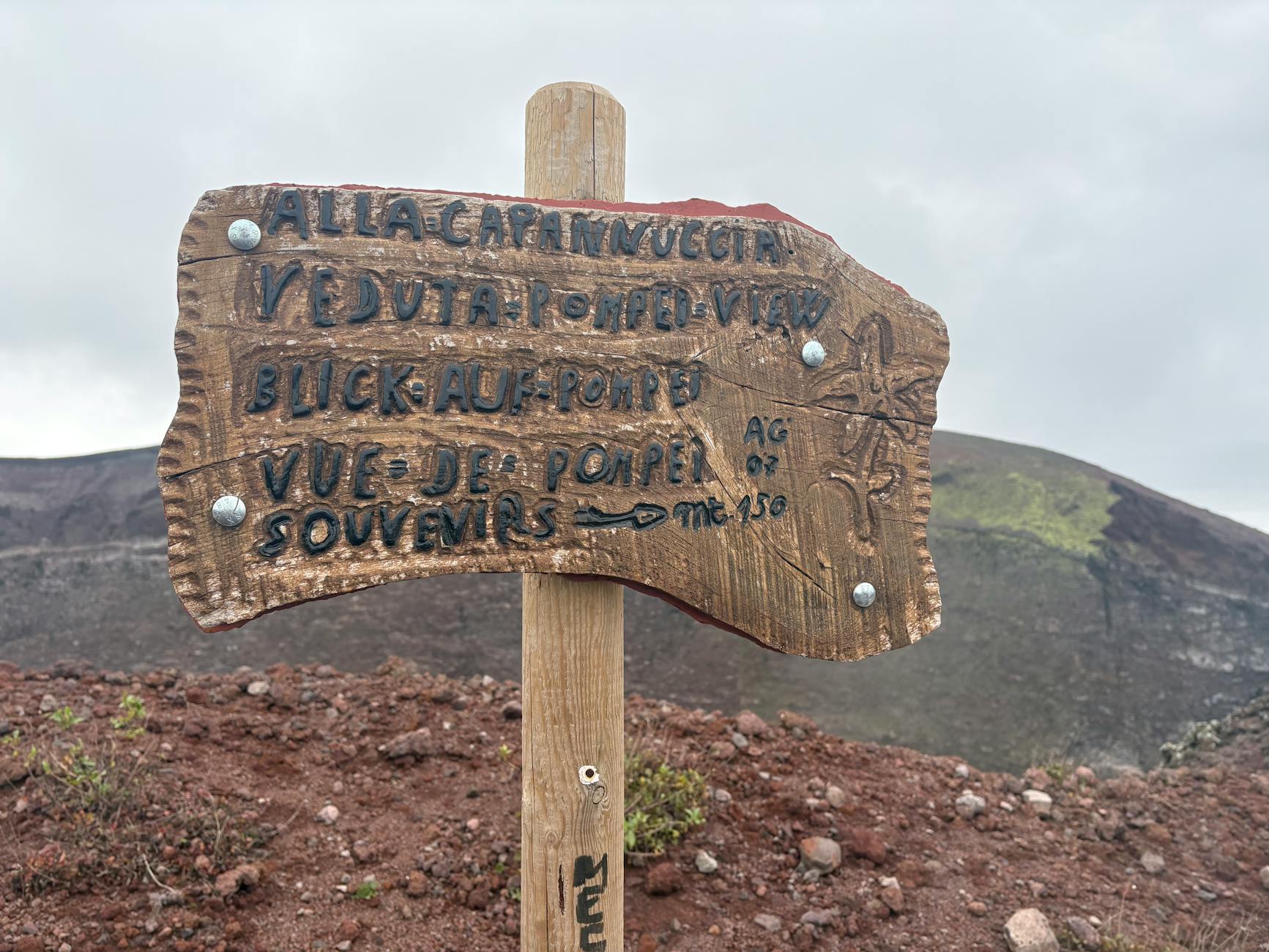
The Bay of Naples can make an outdoor trip feel expansive, but ferries and coastal routes introduce schedule risk. Procida, Sorrento, Capri, and other coastal ideas depend on departure times, return times, weather, seas, crowds, and the traveler's tolerance for a long day. A missed return can affect the entire short trip.
The traveler should plan the return first, then the outbound trip. If the goal is outdoor enjoyment rather than a transportation challenge, one island or coastal plan may be enough.
- Check ferry schedules, weather, return options, and crowd conditions before booking.
- Plan the return route before committing to a coastal or island day.
- Prefer one strong bay or coast experience over several rushed transfers.
Choose lodging for early starts and recovery
An outdoor traveler may need early departures, reliable transit, taxi pickup, breakfast timing, gear storage, laundry, and a quiet place to recover. The best hotel is not always the most atmospheric one. It is the base that makes Vesuvius, Pompeii, the port, train routes, and evening recovery work together.
If the traveler will be returning tired, sun-exposed, or carrying day gear, the route back to lodging matters. A steep or noisy base may be charming at first and annoying after a long outdoor day.
- Check early breakfast, transit access, taxi pickup, laundry, and gear storage.
- Choose lodging around port, rail, and outdoor-day logistics.
- Make sure the return route still works when the traveler is tired.
Pack for heat, stone, and backup plans
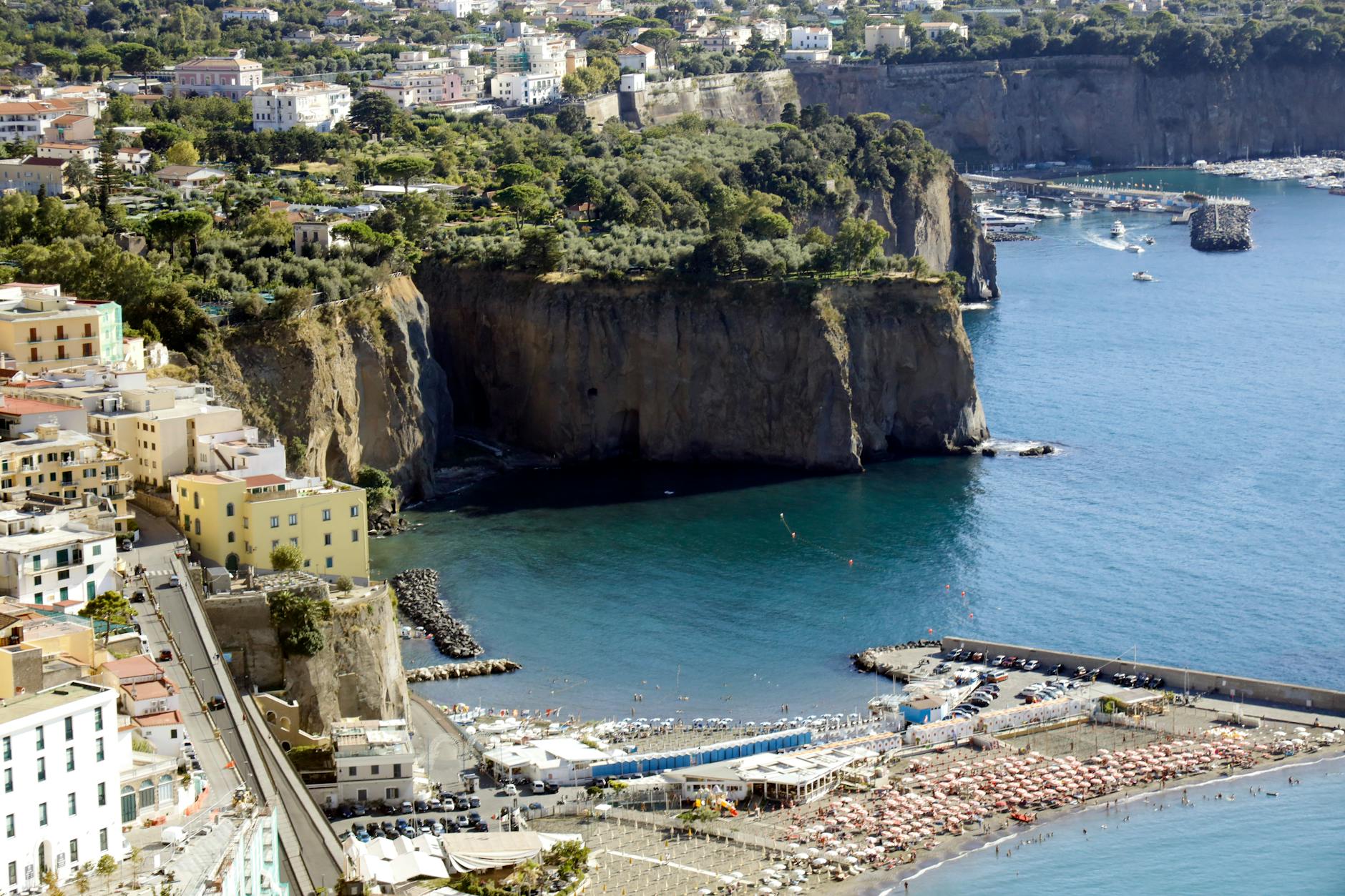
Outdoor Naples travel can involve sun, wind, stone streets, uneven ruins, stairs, dust, ferry spray, sudden rain, and long walking days. Shoes, water, sun protection, layers, portable power, offline maps, and a small first-aid plan matter. The traveler should also know what can be cut if weather changes.
The smartest outdoor itinerary has a bad-weather version and a low-energy version. Naples offers museums, food, churches, and indoor recovery options, so a changed plan does not have to become a failed day.
- Pack shoes, water, sun protection, layers, power, offline maps, and basic first aid.
- Prepare a bad-weather and low-energy version of the itinerary.
- Use Naples indoor options when outdoor conditions turn against the plan.
When to order a short-term travel report
An outdoor traveler with one guided excursion and flexible timing may not need a custom Naples report. A report becomes useful when the traveler is combining Vesuvius, Pompeii, ferries, coastal towns, early starts, medical or mobility needs, heat concerns, nightlife, or a short stay where one bad sequence can undo the trip.
The report should test outdoor-day sequencing, transport, tickets, hotel base, weather alternatives, walking load, recovery time, meals, and what to cut. The value is a Naples outdoor trip that is ambitious without being brittle.
- Order when volcano, ruins, ferries, weather, walking load, and recovery need stress-testing.
- Provide desired outdoor stops, hotel options, dates, fitness limits, and must-do items.
- Use the report to keep outdoor ambition realistic and resilient.