
Munich can be a good city for women traveling independently, with strong museums, cafes, parks, transit, old-town sights, shops, and organized public spaces. It still deserves planning. A woman traveler may be managing late arrival, solo meals, unfamiliar transit, nightlife boundaries, business obligations, family expectations, or a personal need for privacy and control. The right plan should make the trip feel steady rather than improvised. The useful question is not whether Munich is possible for a woman traveler. It is what kind of Munich trip will fit the traveler's purpose, comfort level, schedule, and energy. A work-linked visit, a solo city break, a museum weekend, a shopping trip, or a first independent European itinerary all need different choices.
Choose a base that supports independent returns
The hotel base matters more than the hotel category. A woman traveler should consider the exact street, lobby staffing, late arrival process, elevator access, room quiet, nearby restaurants, taxi access, and the final walk from transit. A central Munich address can be excellent, but a map pin alone does not show how the route feels after dinner, in rain, or with luggage.
The best base is one that makes ordinary decisions easy. If the traveler can return comfortably, find a meal without overthinking it, and leave in the morning without a complicated station transfer, the rest of the city becomes easier to use.
- Check the exact street, late arrival procedure, lobby staffing, elevator access, nearby meals, and taxi access.
- Choose a base that feels practical after dinner and during bad weather, not only in daylight.
- Avoid relying on a long final walk from transit if the trip includes solo evening returns.
Make arrival and transit feel familiar early
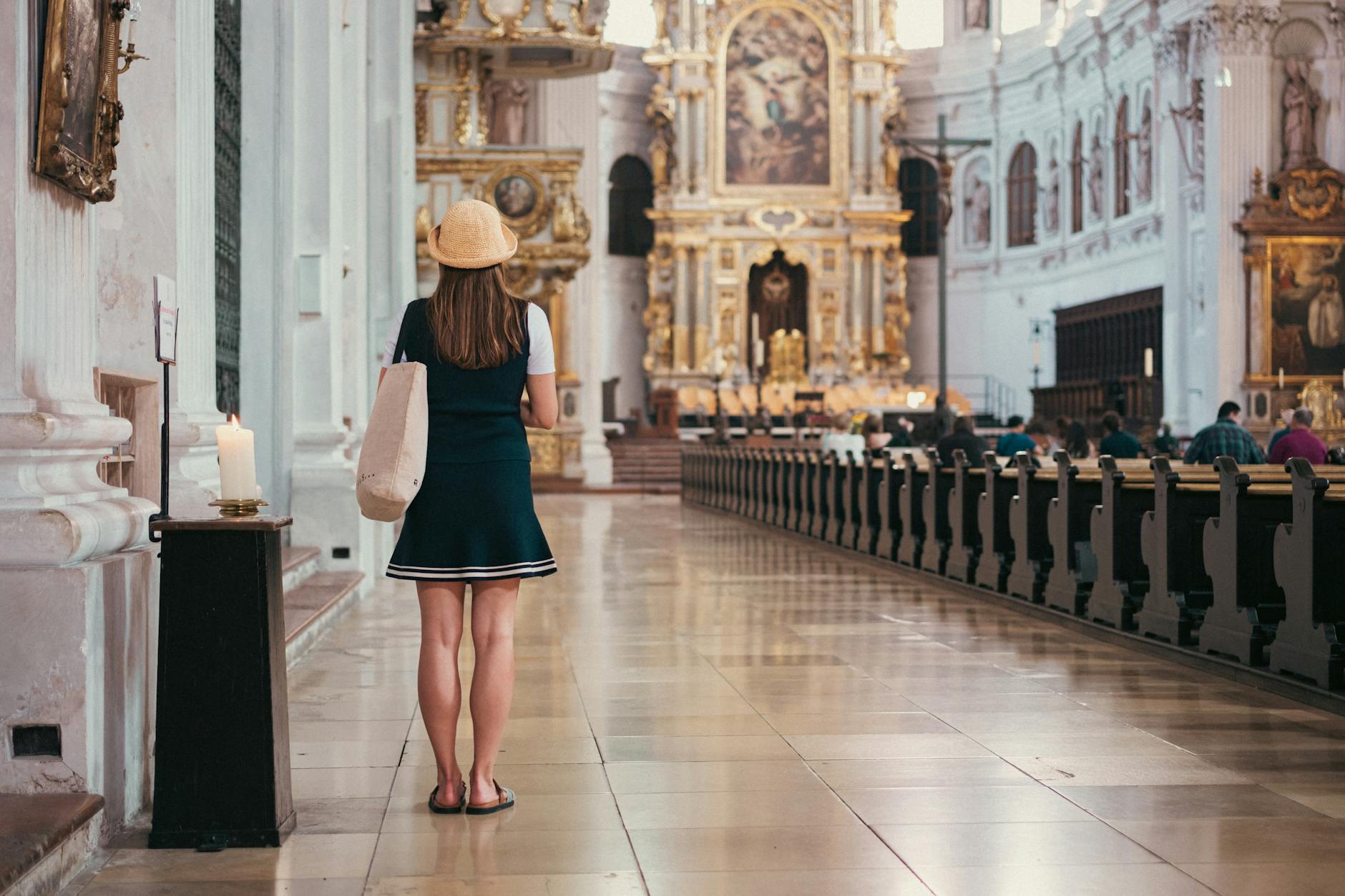
Munich's airport rail, U-Bahn, S-Bahn, trams, and taxis can all work well, but a traveler arriving alone should know the first route before landing. The arrival plan should include ticketing, luggage handling, the final station exit, hotel check-in time, and a taxi fallback. A confident first transfer often shapes the whole trip.
Transit confidence can be built deliberately. The traveler should learn the nearest hotel station, one central transfer point, one reliable taxi or ride option, and the easiest way back from dinner or an evening event. This is not about fear; it is about reducing decision load.
- Plan the first airport or rail transfer before arrival, including ticketing, luggage, station exit, and hotel check-in.
- Learn the hotel station, a central reference point, and a taxi fallback early in the trip.
- Use transit where it feels clear, and use taxis when timing, weather, luggage, or fatigue makes them smarter.
Use central Munich without rushing through it
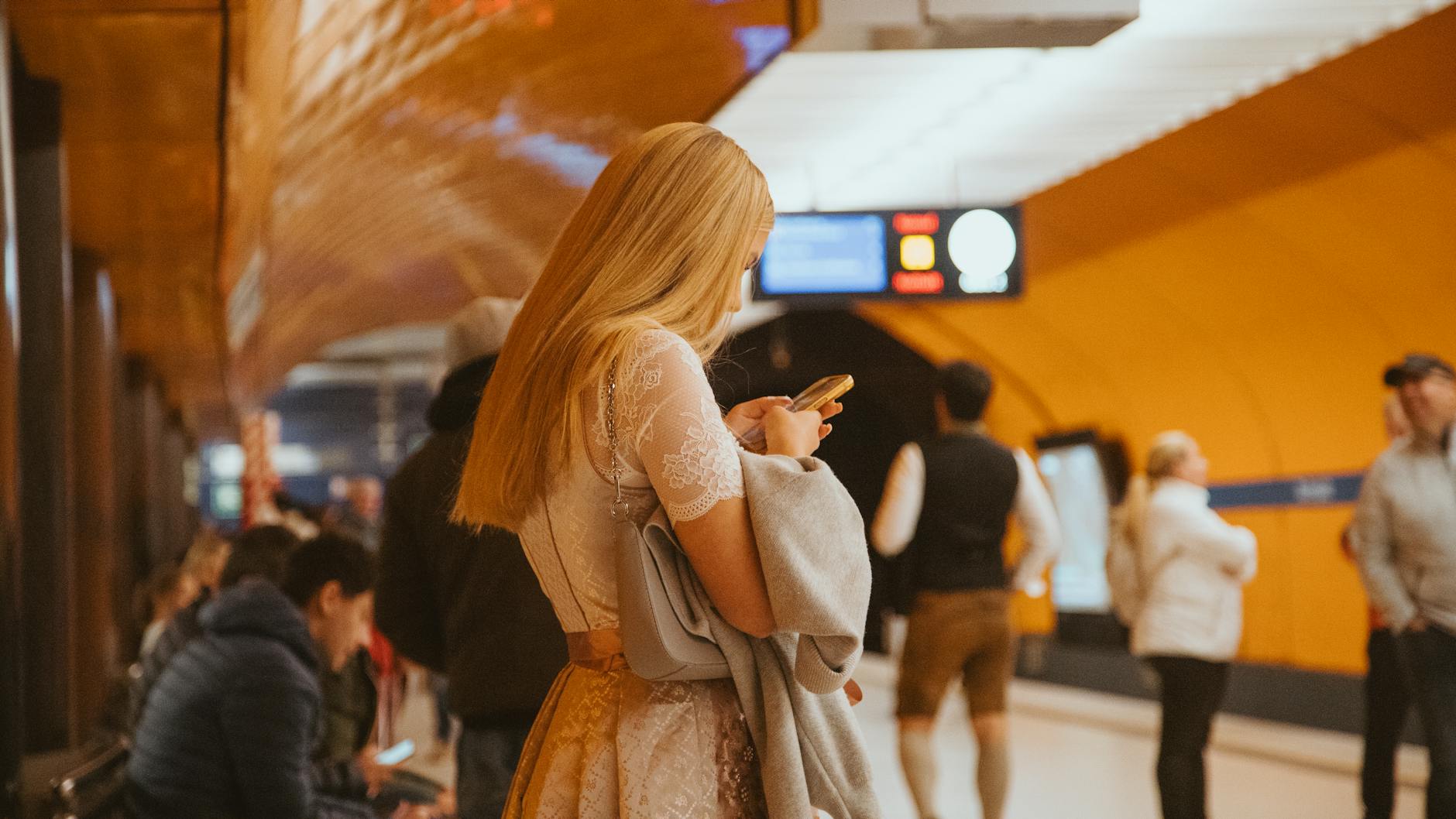
Marienplatz, Asam Church, the Frauenkirche area, Viktualienmarkt, the Residenz, shopping streets, and museum routes can all be rewarding for a woman traveler. The mistake is trying to move through them too quickly while managing bags, phone navigation, photos, meals, and personal comfort at the same time. Central Munich works better when the day has fewer but better-placed stops.
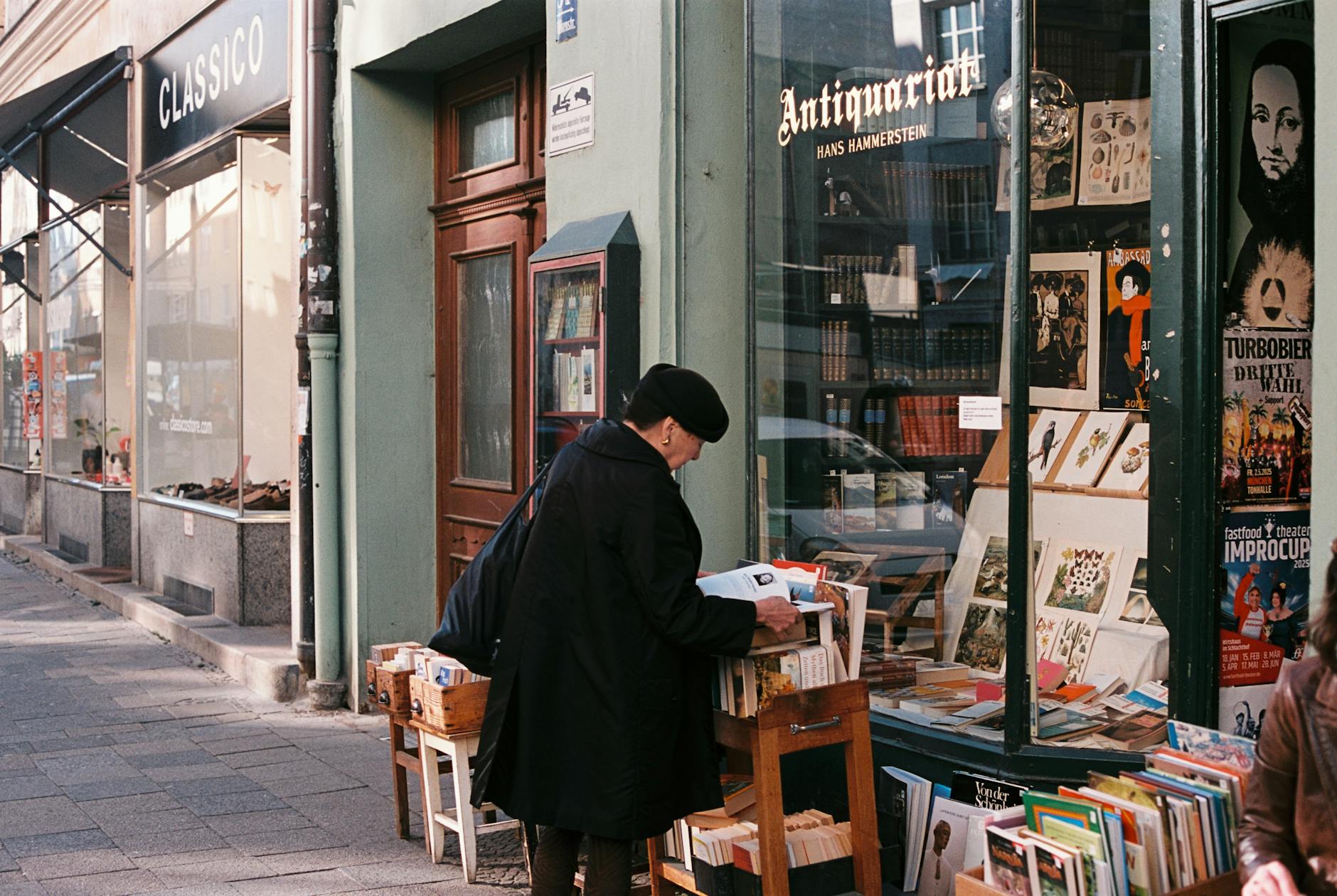
The traveler should cluster sights by walking logic and choose a few places where lingering is part of the plan. A cafe, church interior, museum, bookshop, or garden can be a useful reset as well as a destination.
- Cluster old-town sights, shops, churches, museums, and meals by walking logic.
- Leave room for cafes, interiors, and quieter stops instead of moving constantly.
- Plan photo and navigation time so the traveler is not repeatedly stopped in awkward locations.

Plan solo meals and social settings deliberately
Munich gives women travelers many workable meal settings: cafes, museum restaurants, beer gardens, hotel bars, market lunches, bakeries, casual Bavarian rooms, and more formal restaurants. The traveler should decide which meals are meant to be quiet, which can be social, and which should be close to the hotel. Waiting until hungry or tired can make the city feel less comfortable than it needs to be.
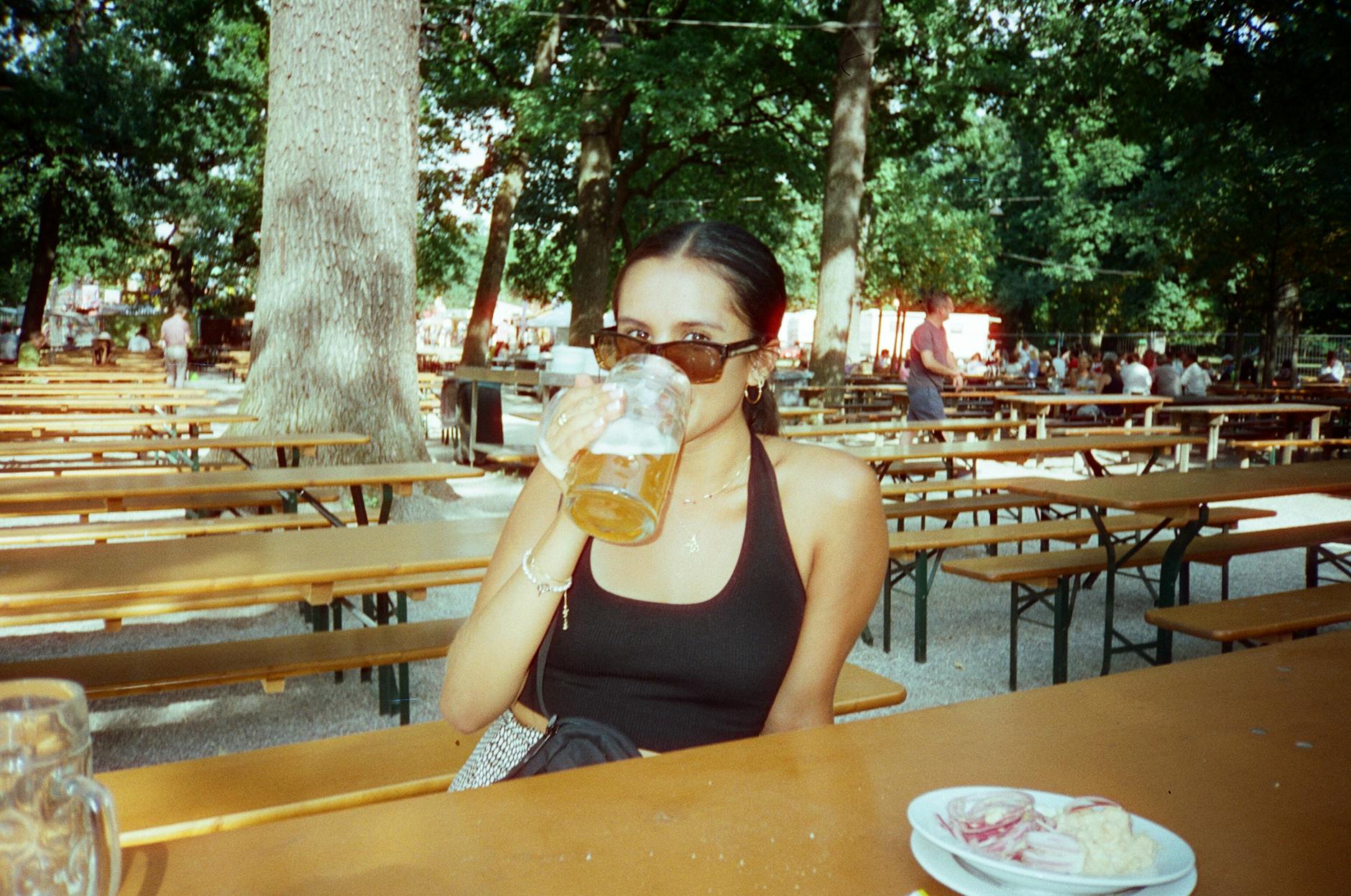
Beer gardens and traditional restaurants can be enjoyable alone, but table style, noise, daylight, distance, and return route matter. A good solo meal plan gives the traveler options without forcing every dinner to become a test of confidence.
- Identify cafes, market lunches, beer gardens, hotel meals, and dinner backups before each day starts.
- Choose meal settings by mood, daylight, table style, noise, and return route.
- Keep one reliable dinner option near the hotel for tired or rainy evenings.
Set evening boundaries before going out
A Munich evening may mean opera, a beer garden, a concert, dinner with colleagues, an old-town walk, shopping, or a quiet hotel bar. The traveler should know the return route, latest comfortable return time, taxi fallback, phone-charge status, and whether the area still feels useful after dark. Good boundaries make the evening easier to enjoy.
The plan should also account for events, festivals, football nights, Oktoberfest period, and late restaurant timing. A woman traveler can choose active evenings, but the route home should not depend on improvisation after fatigue or alcohol enters the picture.
- Decide the return route, taxi fallback, phone-charge plan, and latest comfortable return time before leaving.
- Adjust evening choices for festivals, football nights, Oktoberfest period, crowding, and weather.
- Choose active evenings without letting the return plan become vague.

Build in low-pressure time
Independent travel can become tiring when every decision is made alone. Munich's bookshops, cafes, museums, gardens, hotel lounges, and neighborhood walks can create useful lower-pressure time. These pauses should be planned rather than treated as a failure to use the city.
A woman traveler may also need time for work calls, family check-ins, wardrobe changes, rest, or simply being off the street. A strong itinerary protects those needs so the public-facing parts of the trip are more enjoyable.
- Use bookshops, cafes, museums, gardens, and hotel breaks as planned resets.
- Leave space for work calls, family check-ins, wardrobe changes, and rest.
- Keep the itinerary strong enough to guide the day but flexible enough to preserve energy.
When to order a short-term travel report
A woman traveler who knows Munich well and has a loose schedule may not need a custom report. A report becomes useful when the traveler is arriving alone at night, choosing between hotel areas, planning solo dinners, balancing work and sightseeing, managing weather or event pressure, or using Munich as the first stop in a larger trip.
The report should test hotel base, arrival route, transit confidence, old-town pacing, solo meal settings, evening boundaries, weather substitutions, and what to cut if the plan is too ambitious. The value is a Munich trip that feels independent, specific, and controlled.
- Order when hotel base, late arrival, solo meals, evening returns, weather, or event pressure affects the trip.
- Provide dates, arrival times, hotel candidates, comfort preferences, dinner plans, interests, and constraints.
- Use the report to make the trip feel deliberate rather than improvised.