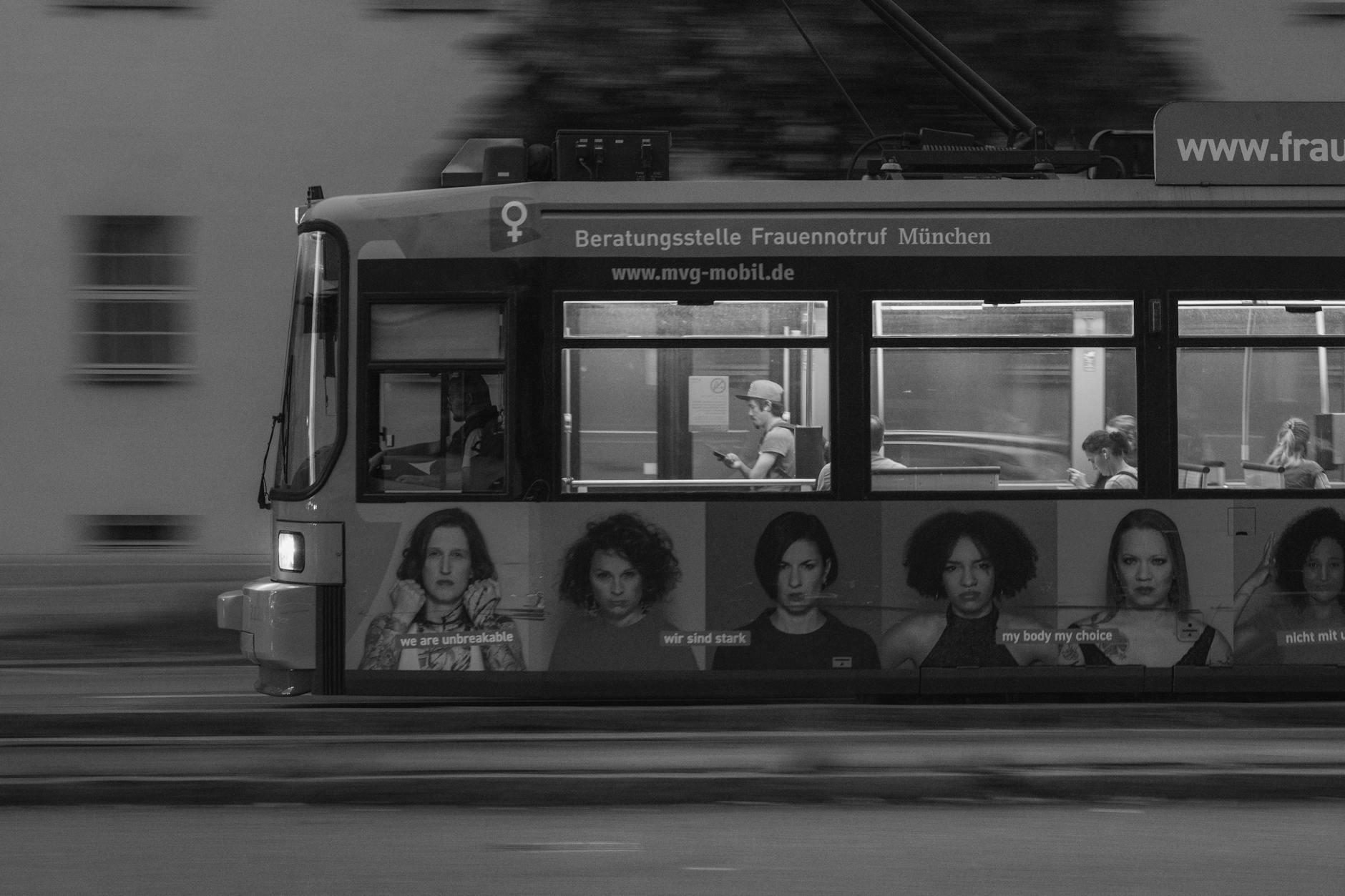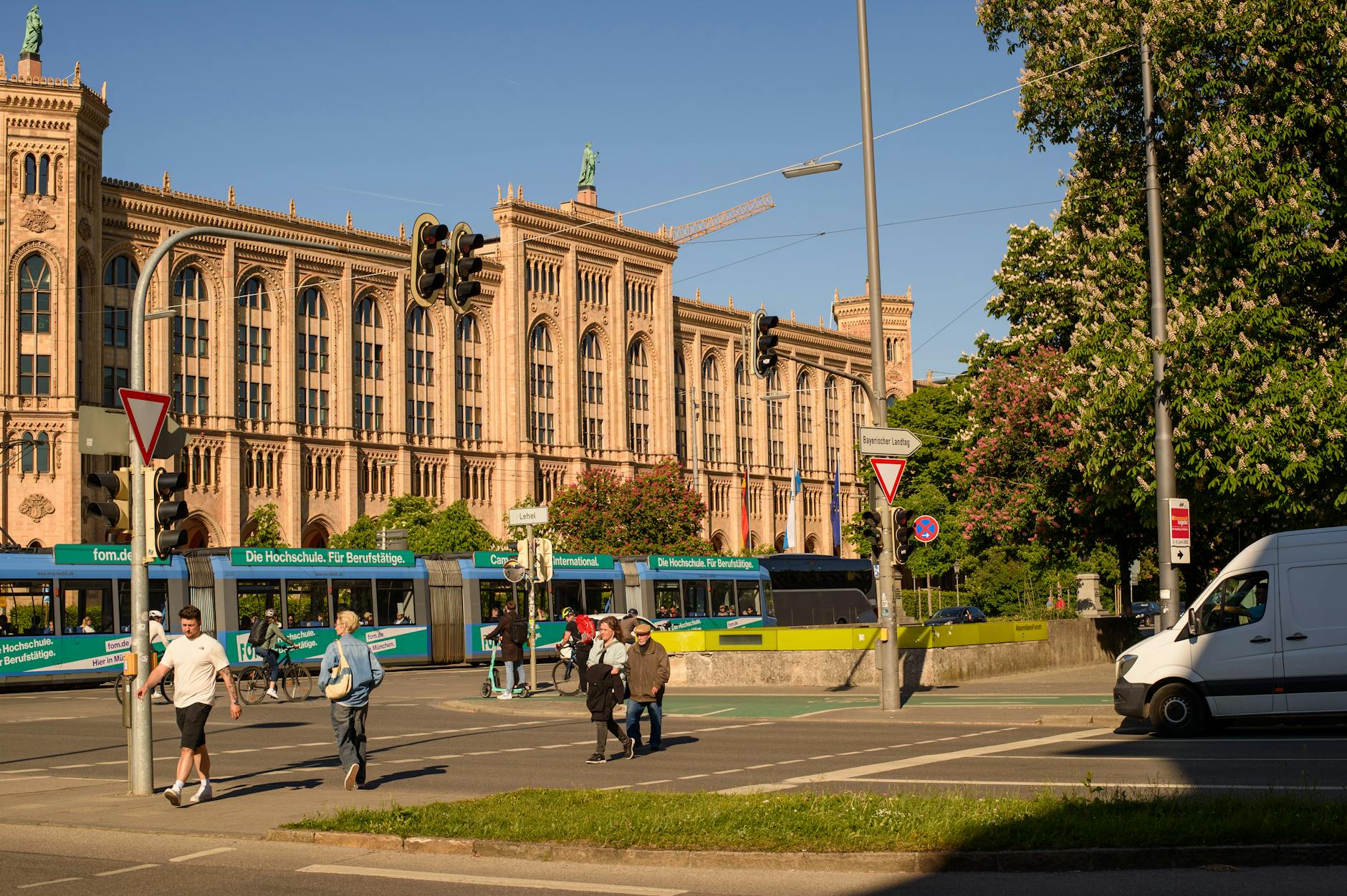
Munich can work for travelers with mobility limitations, but the trip should be planned around the real path through the city rather than around a list of sights. Station exits, cobblestones, curbs, platform changes, hotel steps, elevator reliability, taxi pickup points, and weather can matter as much as the attraction itself. A short Munich visit becomes stronger when the traveler knows which routes are realistic before arrival. The goal is not to make the trip small. It is to make the trip usable. Marienplatz, museums, parks, palaces, restaurants, and airport or rail connections can all fit if the itinerary protects access, rest, and fallback options.
Verify the hotel path before booking
For travelers with mobility limitations, the hotel is part of the route plan. Elevator access, entry steps, bathroom layout, room distance from the lift, breakfast access, taxi pickup, nearby restaurants, and the final approach from transit should be checked before booking. A central hotel can still be a poor choice if the last block is awkward or the building has access details that are not obvious online.
The traveler should confirm the specific access features that matter, not just rely on a general accessibility label. Munich has older buildings, busy streets, and seasonal construction, so the exact route into and out of the hotel deserves attention.
- Confirm elevators, entry steps, room location, bathroom layout, breakfast access, and taxi pickup before booking.
- Check the final approach from transit or taxi rather than trusting the map pin.
- Choose the base that makes daily returns and nearby meals easiest.
Plan airport and rail transfers conservatively
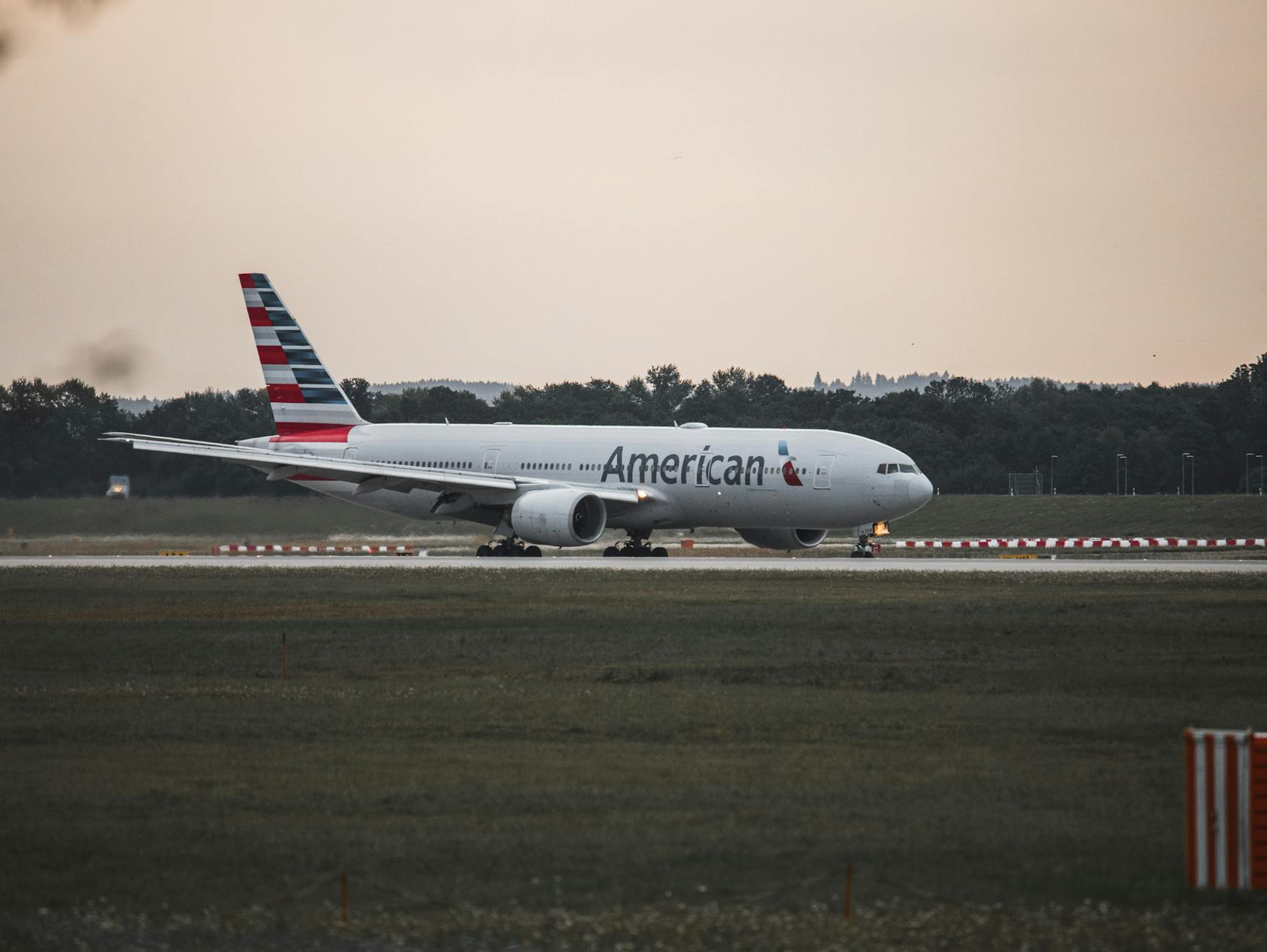
Munich Airport is far enough from the center that transfer planning matters. Airport rail, taxi, private car, hotel transfer, and assistance services each create different levels of walking, waiting, luggage handling, and uncertainty. A traveler with mobility limitations should decide which choice protects the arrival day, not only which one looks efficient.
Rail arrivals at Hauptbahnhof can also require attention to platform changes, elevators, crowding, taxi queues, and the final hotel approach. The departure plan should be more conservative than the arrival plan because there is less room to recover from a late or difficult transfer.
- Choose airport rail, taxi, private car, or assistance by walking distance, luggage, waiting time, and fatigue.
- Check Hauptbahnhof platform, elevator, taxi, and final hotel logistics if arriving by train.
- Add extra departure buffer for mobility equipment, luggage, weather, and station complexity.
Use transit only after checking the exact route
Munich transit can be useful, but mobility planning should go beyond station names. The traveler should check elevators, escalators, platform changes, surface distance, station exits, crowding, and the final walk from the stop. A route with fewer minutes may still be the worse route if it includes stairs, long corridors, or a difficult exit.
Trams can be useful for some surface movements, while U-Bahn and S-Bahn routes may be better for longer segments. Taxis or car service should remain part of the toolkit, especially for evenings, rain, luggage, or routes where step-free details are uncertain.
- Check elevators, escalators, station exits, platform changes, final walks, and crowding before choosing transit.
- Compare tram, U-Bahn, S-Bahn, taxi, and car service by total physical effort.
- Use the simplest route when fatigue, rain, or equipment makes a clever route fragile.
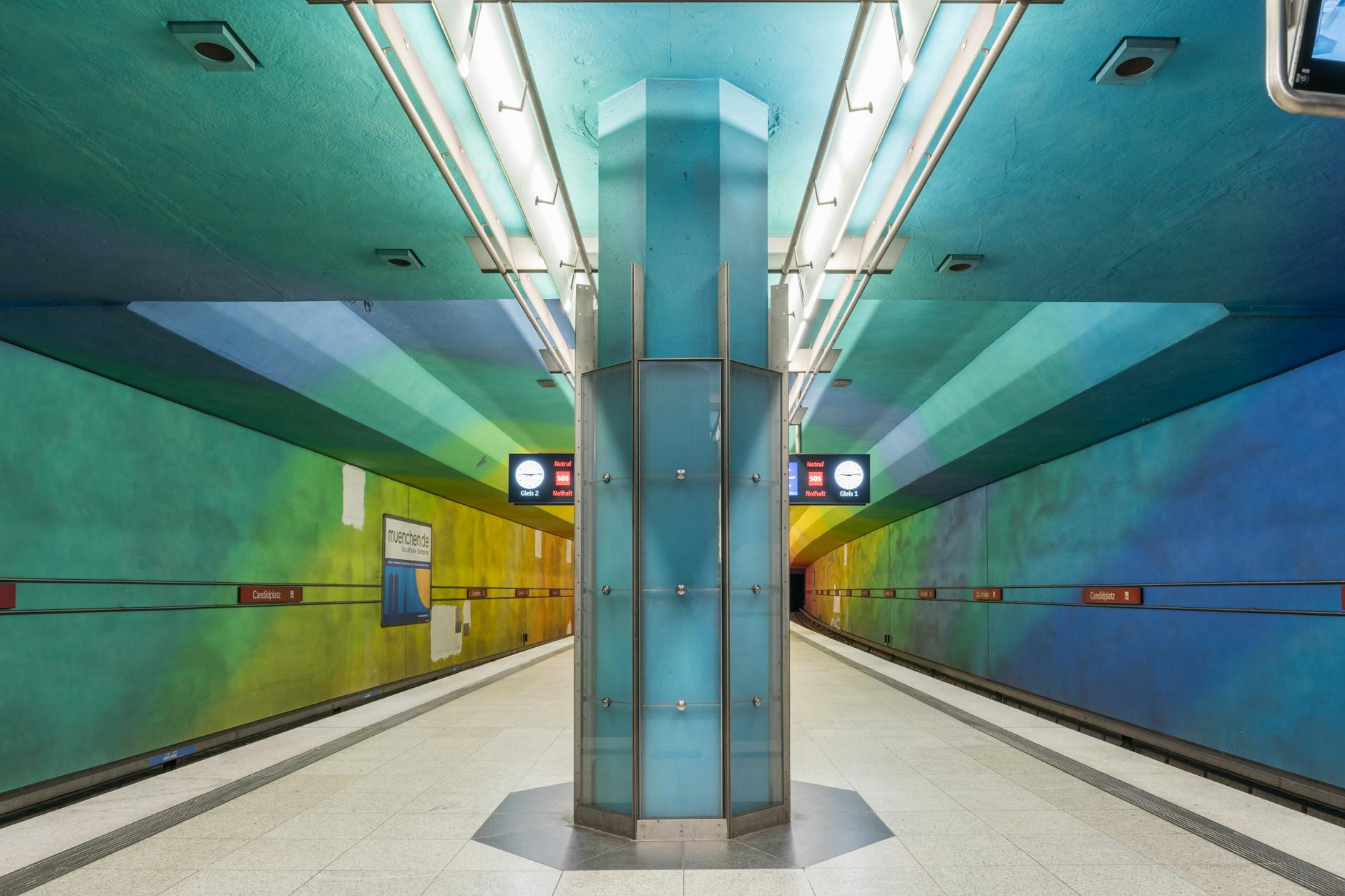
Treat old-town surfaces as part of the itinerary
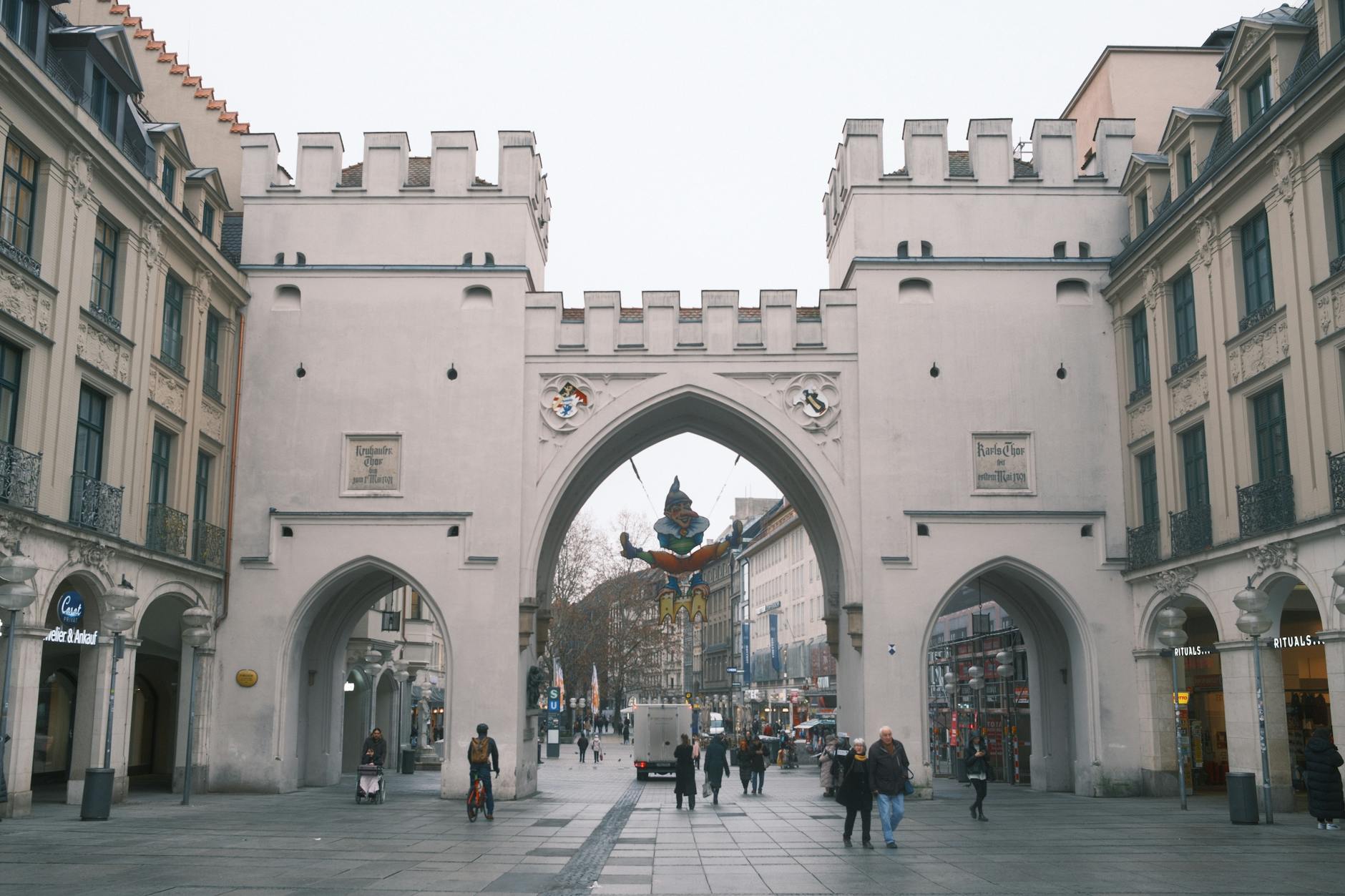
The old town can be rewarding, but surfaces and crowds matter. Marienplatz, market streets, churches, shopping areas, and palace approaches may involve cobbles, curbs, uneven paving, standing time, crowd flow, and limited seating. A traveler with mobility limitations should cluster sights tightly and avoid routes that require constant adjustment.
The itinerary should include planned pauses, accessible interiors where appropriate, and a clear return route. A shorter central loop with enough time at each stop can be much better than a long route that technically reaches more sights.
- Account for cobbles, curbs, uneven paving, crowds, standing time, and limited seating.
- Cluster old-town sights by surface comfort and rest access.
- Build a clear return route into the plan before starting a central loop.
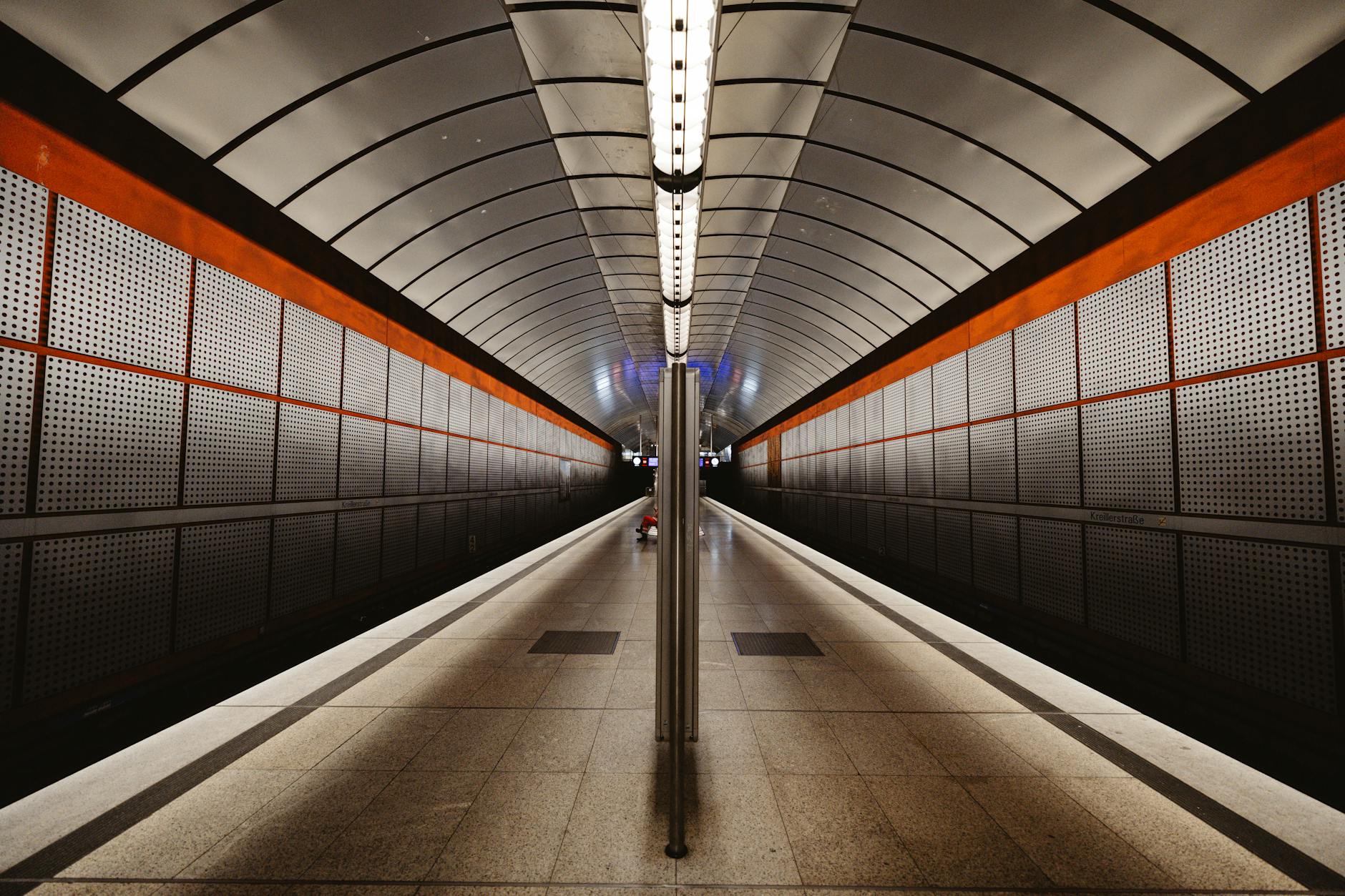
Choose attractions by access, not only interest
Museums, parks, churches, palaces, beer gardens, and markets each have different access realities. A museum may be excellent if elevators, seating, bathrooms, and route lengths work. A park may be pleasant in dry weather and difficult in snow or rain. A palace may need more advance checking than a simple exterior visit.
The traveler should ask what the attraction requires physically: how far from the drop-off, how much standing, whether seating is available, whether bathrooms are accessible, and how easy it is to leave early. Interest alone is not enough if the visit will consume the whole day's capacity.
- Check drop-off distance, seating, bathrooms, elevators, standing time, and early-exit options.
- Choose museums, parks, palaces, and markets that fit the traveler's actual daily capacity.
- Use exterior views or shorter visits when full interiors are too demanding.

Prepare for weather and equipment needs
Weather can change access in Munich. Rain affects footing, taxis, and equipment handling. Winter cold can make waiting outside harder. Heat can shorten walking tolerance. The traveler should plan footwear, coats, mobility equipment, charging, storage, and backup transport around the actual dates.
If the traveler uses a cane, walker, scooter, wheelchair, brace, or other equipment, the plan should account for storage, charging, taxis, hotel room space, and attraction rules. Equipment logistics should be solved before arrival, not negotiated at the curb.
- Adjust routes for rain, snow, cold, heat, short daylight, and slippery surfaces.
- Plan equipment storage, charging, taxi fit, hotel room space, and attraction access in advance.
- Keep weather alternatives ready so one bad forecast does not collapse the trip.
When to order a short-term travel report
A traveler with mild mobility limitations, familiar Munich habits, and generous time may not need a custom report. A report becomes useful when hotel access, airport transfers, station routes, attraction access, mobility equipment, winter weather, taxi availability, or companion pace could affect whether the itinerary works.
The report should test hotel base, arrival and departure transfers, step-free transit choices, taxi and car-service use, old-town surfaces, attraction access, rest stops, weather substitutions, and what to remove if the route is too demanding. The value is a Munich trip that remains ambitious without depending on unrealistic movement.
- Order when hotel access, transfers, transit routes, attraction access, equipment, or weather could affect feasibility.
- Provide dates, arrival details, hotel candidates, mobility equipment, walking limits, stair tolerance, and must-see priorities.
- Use the report to make Munich accessible enough for the trip's real purpose.