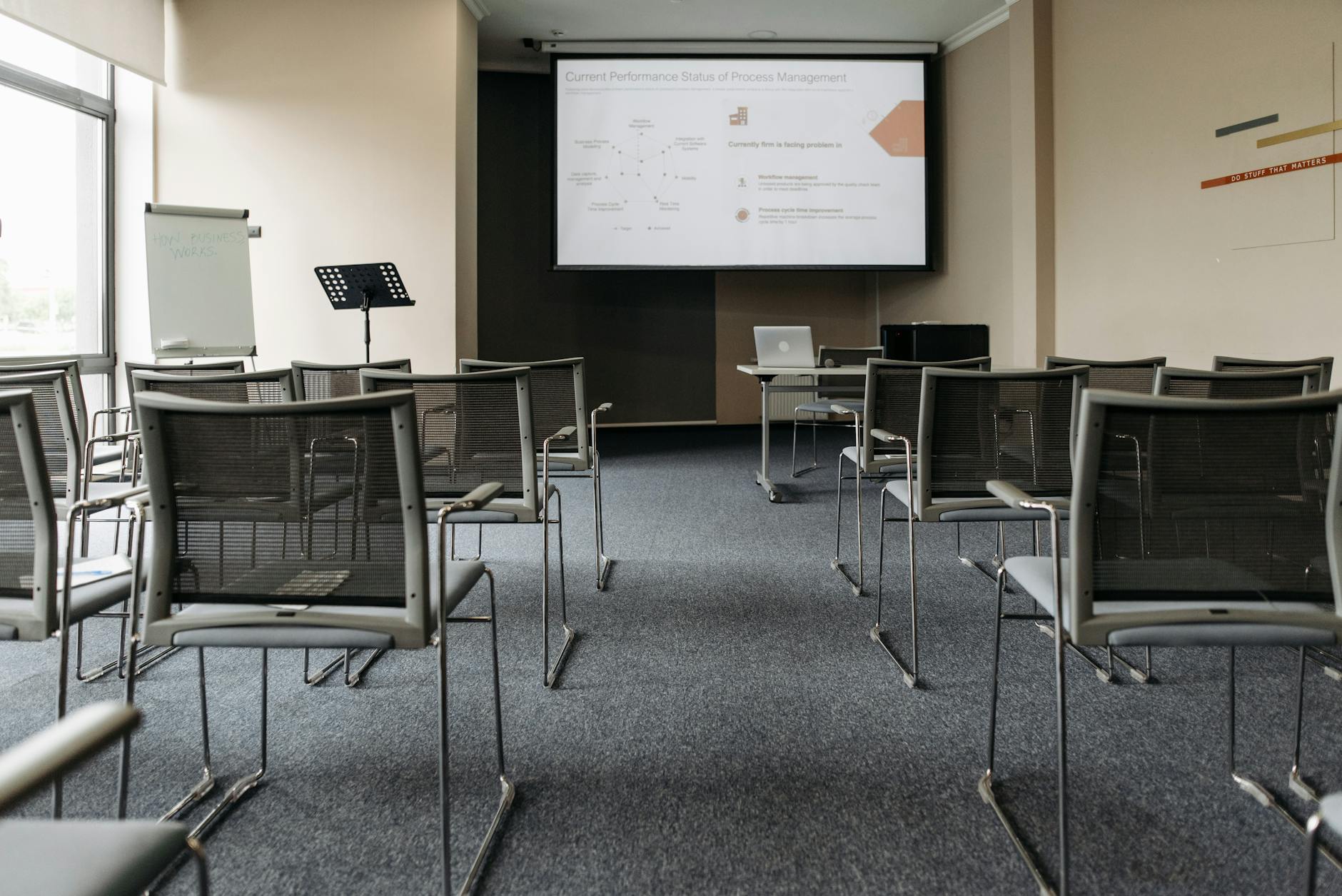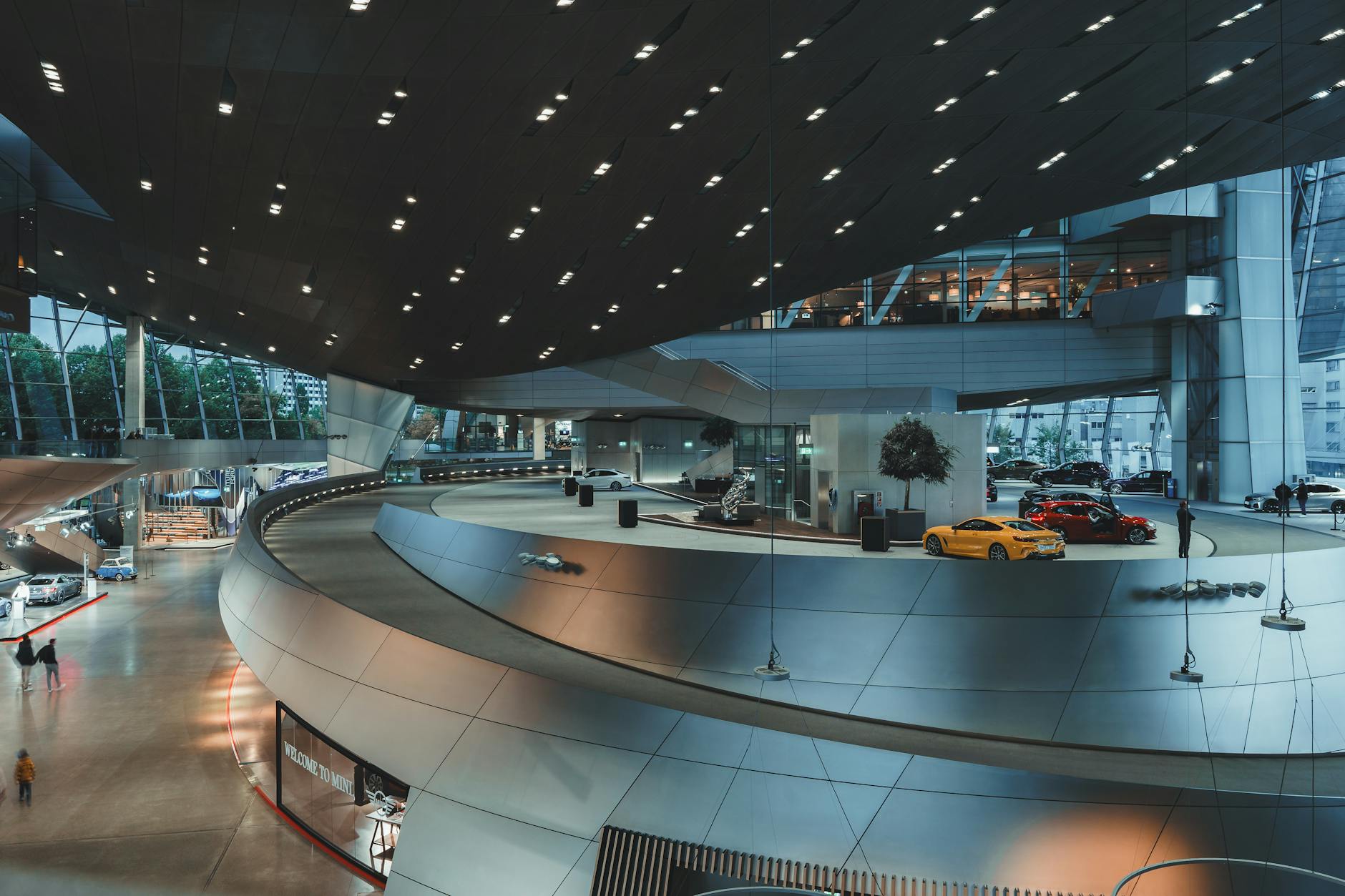
Munich trade-show travel is not ordinary city travel. The venue, hotel availability, booth setup, badge timing, samples, client meetings, dinners, and fatigue shape the trip more than sightseeing does. Messe Munich, BMW Welt, hotel event spaces, and other business venues create different transport and lodging decisions, especially during high-demand weeks. The trade-show attendee should treat Munich as an operating environment. The right plan protects the booth day, the meetings that justify the trip, and the traveler's ability to function after long hours on the floor.
Book around the venue before the city
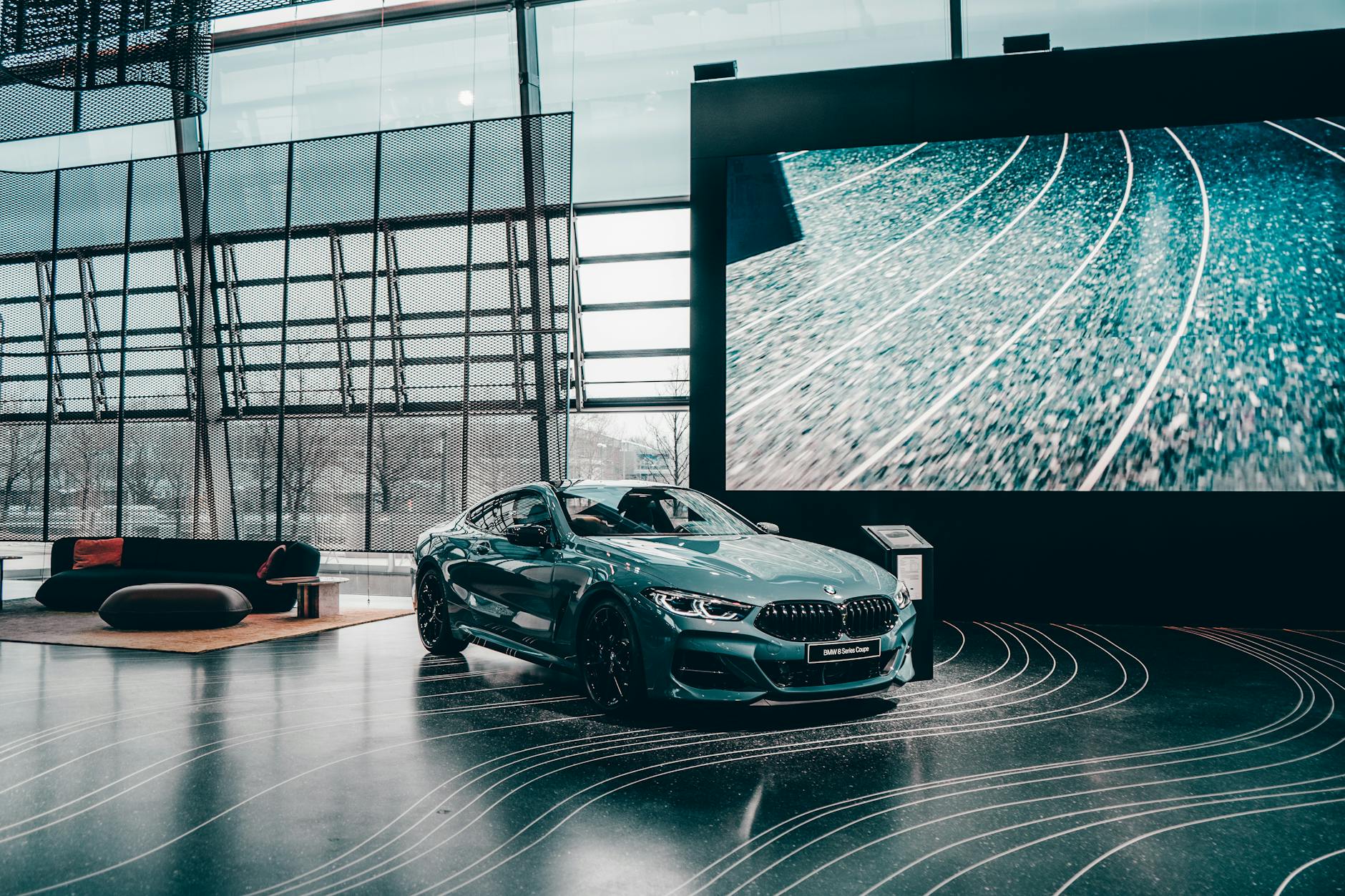
Trade-show attendees should start with the exact venue and entrance, not a vague Munich location. Messe Munich, an automotive or technology venue, a hotel exhibition floor, or a satellite event near a corporate campus can change the best hotel, transfer, dinner, and meeting plan. A central hotel may be pleasant but weak if every morning begins with a long cross-city movement.
The attendee should map venue entrance, booth location, hotel candidates, airport route, client meeting sites, evening events, and onward departure before booking. Trade-show weeks reward early and precise lodging choices.
- Map venue entrance, booth location, hotel, airport route, meetings, dinners, and departure before booking.
- Choose lodging for the trade-show schedule rather than generic centrality.
- Expect hotel scarcity and price pressure during major event weeks.
Protect setup, badge, and first-day timing
Trade-show travel has more setup friction than a normal business trip. Badge pickup, booth materials, samples, shipping, storage, wardrobe, device charging, and early floor access can all affect the first day. An attendee arriving too close to opening time may lose the best part of the event before meetings even begin.
The arrival plan should include airport transfer, hotel check-in, materials handling, food, registration, and a buffer before the first serious appointment. If the traveler has shipped or carried anything important, the plan should include a recovery option if it is delayed.
- Build time for badge pickup, booth setup, materials, samples, charging, meals, and wardrobe changes.
- Avoid same-day arrival when the first event window is high stakes.
- Plan for delayed shipping, delayed bags, or a booth problem before the floor opens.
Move samples and equipment deliberately
Samples, brochures, devices, prototypes, signage, giveaways, and formal clothing change how Munich transport works. A route that is easy with one laptop may be poor with rolling cases or fragile materials. The attendee should decide when transit is acceptable and when taxi, car service, freight support, or venue storage is worth the cost.
The plan should also cover what happens after the show day. Materials may need to return to the hotel, ship onward, stay at the booth, or move to a client dinner. These decisions should not be made while exhausted at closing time.
- Plan transport for samples, brochures, devices, prototypes, giveaways, signage, and formal clothing.
- Use taxis, car service, freight support, or venue storage when transit creates avoidable risk.
- Decide where materials go after the show before the floor closes.
Plan client meetings away from the crowd
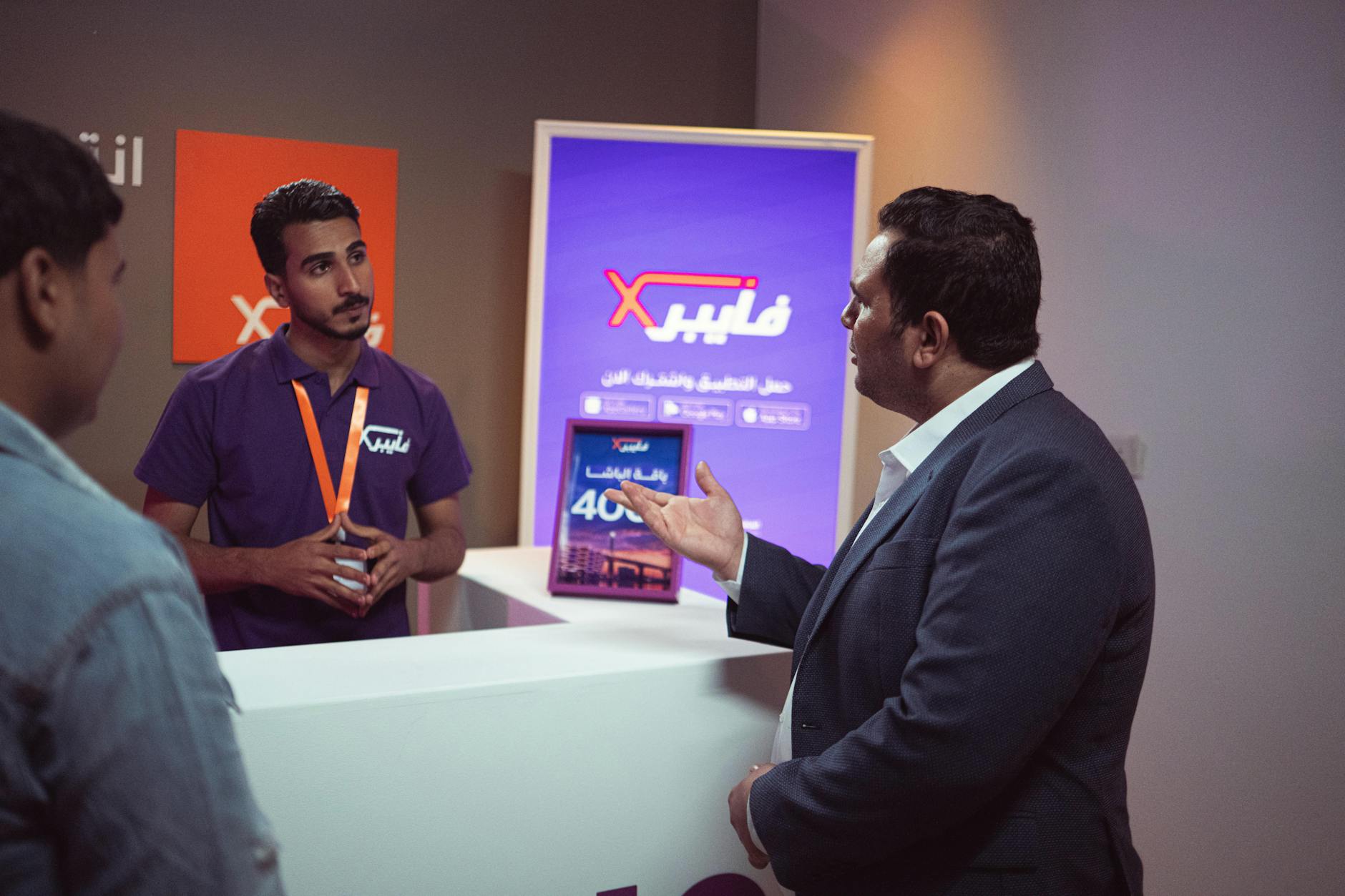
Trade shows create constant contact but not always good conversations. The attendee should identify which prospects, partners, investors, vendors, or internal meetings deserve protected time away from the busiest booth or hallway. A quiet coffee, hotel lounge, reserved table, or off-site meeting can be more valuable than another hurried exchange on the floor.
Munich geography matters here. A meeting that looks close on a map may require a venue exit, transit wait, taxi queue, or long walk. The attendee should schedule meetings with movement time, badge re-entry, and meal timing in mind.
- Separate high-value meetings from casual booth traffic.
- Use quiet cafes, hotel lounges, reserved tables, or meeting rooms for important conversations.
- Add time for venue exits, badge re-entry, taxi queues, transit, and walking inside large complexes.
Treat dinners as business infrastructure
Trade-show dinners in Munich can carry real value. A traditional room, beer garden, hotel restaurant, quiet client dinner, or group meal can each support a different business purpose. The choice should reflect relationship stage, noise tolerance, dietary needs, distance, and the next morning's first obligation.
During major events, restaurant availability can tighten quickly. The attendee should reserve high-value dinners early and keep a lower-effort backup near the hotel. The best trade-show evening is one that creates value without damaging the next day on the floor.
- Choose dinner settings by relationship value, noise level, dietary needs, distance, and next-day timing.
- Reserve important dinners early during major event weeks.
- Keep one easy hotel-area meal option for exhausted evenings.
Manage fatigue across the full event
Trade-show days are physically and mentally demanding. Standing, walking, booth conversations, noise, lights, networking, late dinners, and early starts can drain the traveler quickly. The plan should include breakfast, water, footwear, charging, quiet call space, a midday reset, and a realistic end time.
Weather and Munich event pressure add more variables. Rain, snow, heat, crowded transit, and taxi demand can turn a loose plan into a difficult one. A disciplined attendee protects capacity across the entire event, not only the first day.
- Plan footwear, water, breakfast, charging, quiet calls, and recovery windows.
- Adjust transfers for rain, snow, heat, crowded transit, and taxi demand.
- Avoid filling every evening if the next show day carries the highest value.
When to order a short-term travel report
A trade-show attendee with a simple hotel, no materials, and a flexible program may not need a custom Munich report. A report becomes useful when the trip includes booth responsibilities, samples, tight arrival timing, multiple client dinners, Messe or venue uncertainty, high hotel prices, winter weather, or a need to protect work capacity across several dense days.
The report should test venue geography, hotel base, airport transfer, booth and materials logistics, client meeting placement, dinner strategy, weather substitutions, recovery windows, and what to cut if the schedule becomes too full. The value is a Munich trade-show trip that runs as an operating plan, not just a reservation.
- Order when venue logistics, hotel scarcity, booth duties, materials, meetings, dinners, or fatigue affect the trip.
- Provide event venue, dates, booth needs, hotel candidates, arrival details, meetings, dinners, materials, and constraints.
- Use the report to protect the commercial purpose of the trade-show visit.