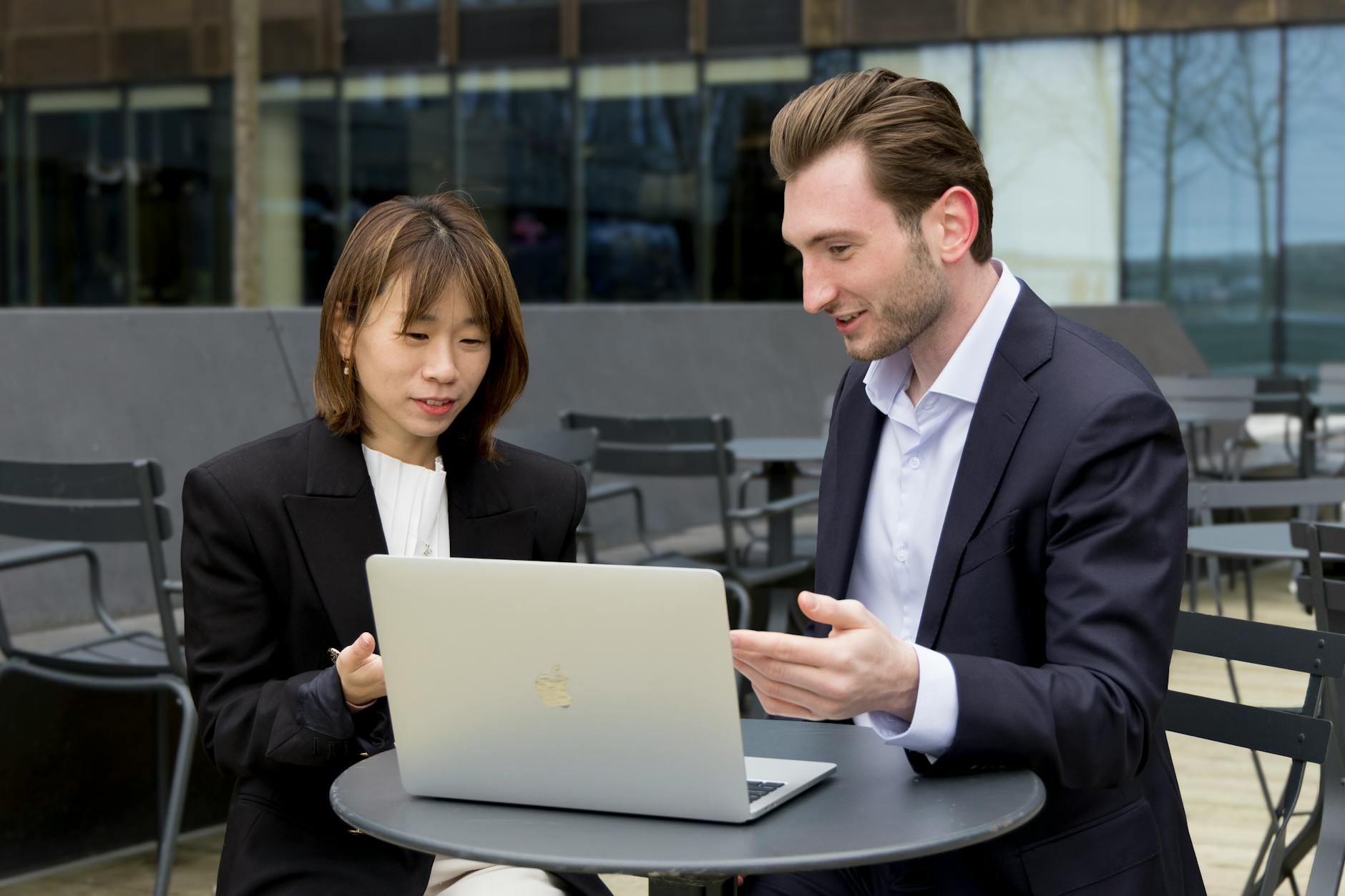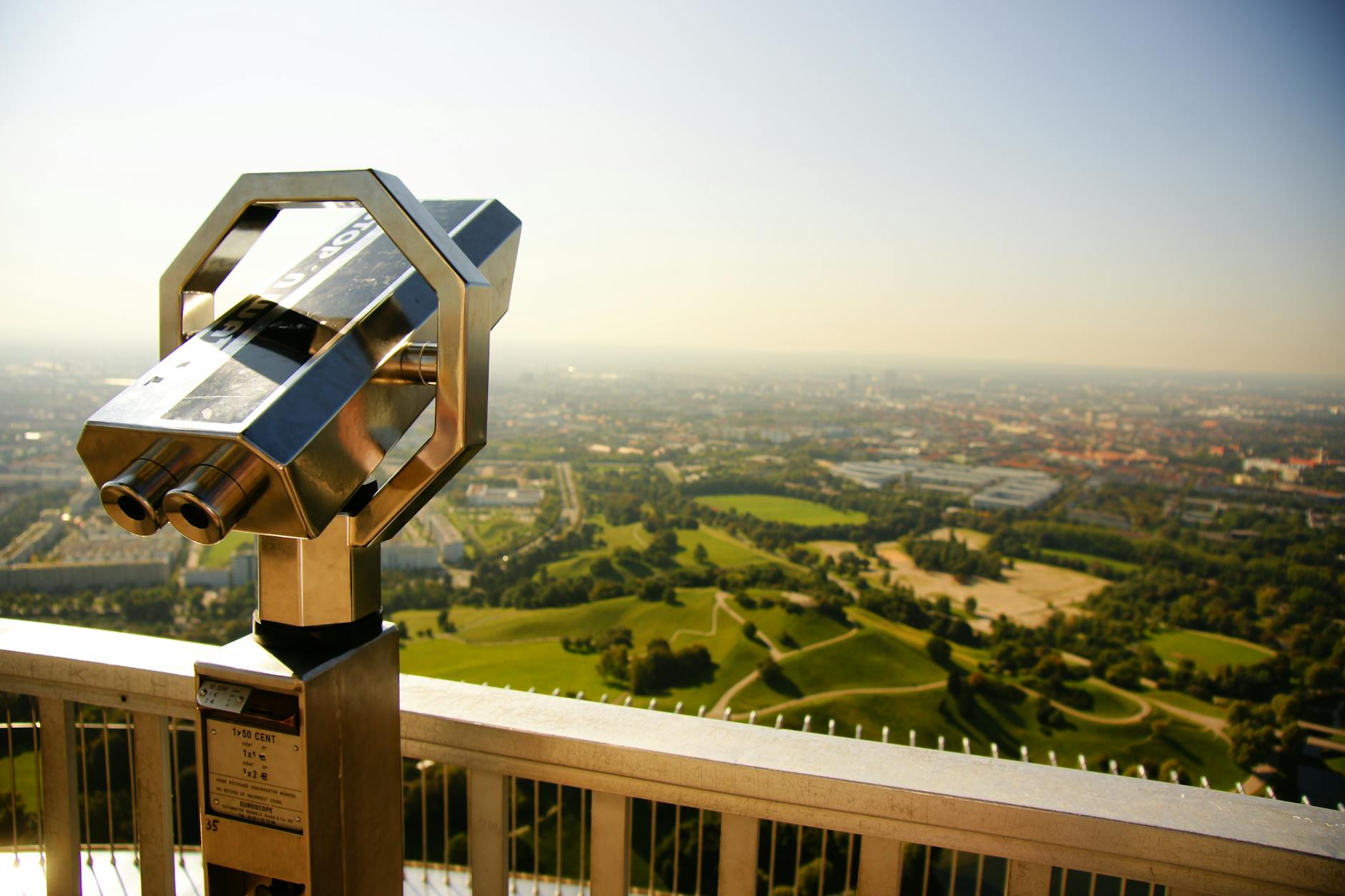
Consulting travel to Munich can look straightforward until the traveler maps the actual client day. The airport, Hauptbahnhof, corporate offices, BMW-area sites, old-town hotels, suburban campuses, client dinners, and workshop rooms may not sit in one convenient line. A consultant who plans only from flight time to hotel time may lose the buffers that protect meeting quality. The consultant should decide what the Munich visit has to accomplish: discovery meetings, executive presentation, workshop facilitation, client interviews, diligence support, implementation check-in, or a short internal working session. That purpose should shape the hotel, transport, workspace, meals, and recovery plan.
Map the client geography before booking
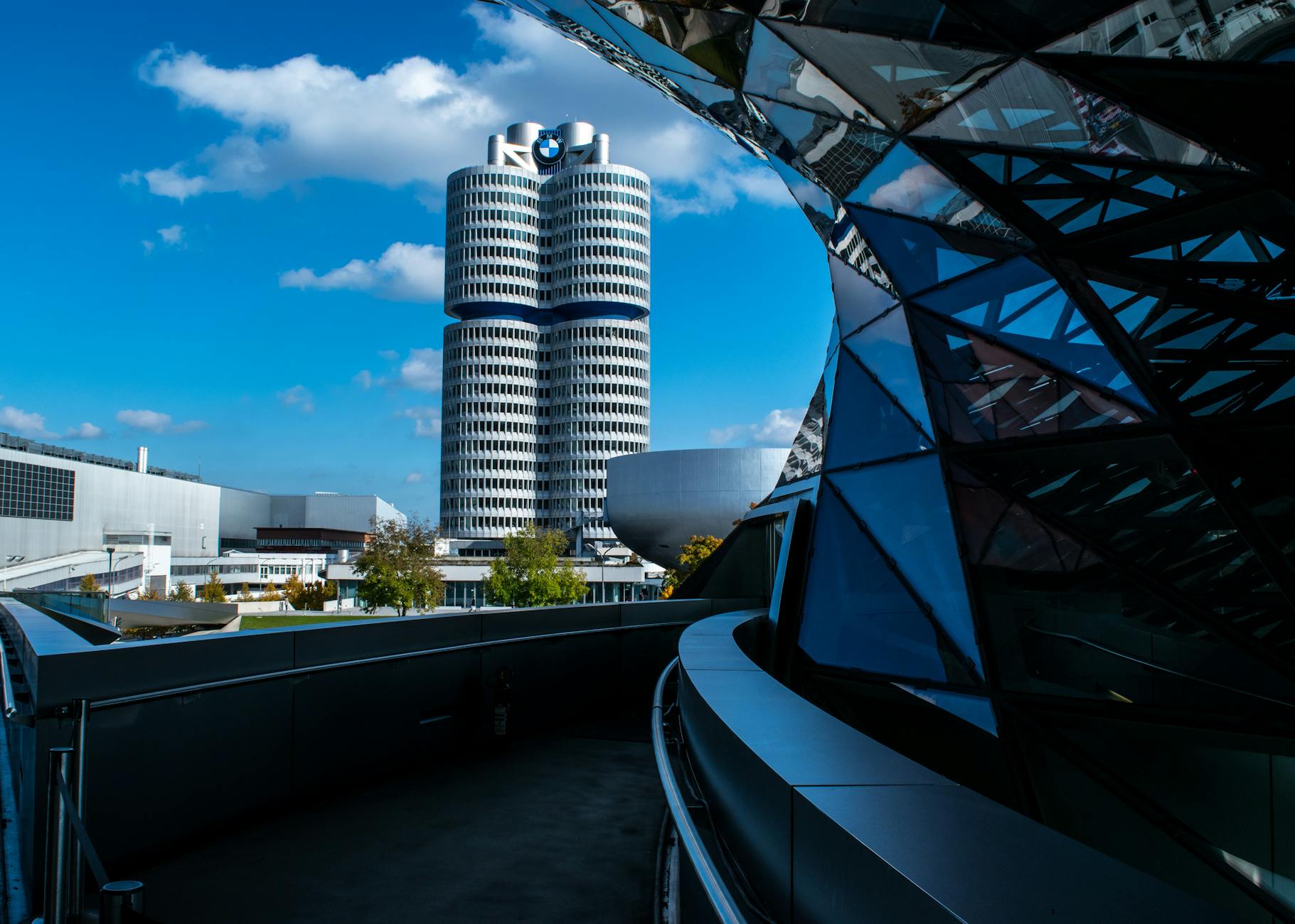
Munich consulting trips depend on where the client actually is. A central office, BMW-area meeting, suburban campus, industrial site, university-linked team, or hotel workshop can change the right base. A charming central hotel may be wrong if the first meeting sits across town and starts early. A venue-adjacent hotel may be efficient but poor for dinners or onward rail.
The consultant should map arrival point, hotel, client site, workshop location, dinner, call blocks, and departure before making travel choices. Consulting trips reward geography that protects the day, not geography that looks impressive on a booking site.
- Map airport or rail arrival, hotel, client site, workshop room, dinners, calls, and departure before booking.
- Choose the base around the highest-stakes client obligation.
- Avoid a hotel that makes the first meeting the hardest movement of the trip.
Protect arrival timing and meeting readiness
Munich Airport is far enough from the city that same-day meetings deserve caution. Immigration, baggage, transfer, hotel check-in, clothing, food, and device charging all affect readiness. A consultant may arrive on time but still be underprepared if the plan does not include a reset before the client meeting.
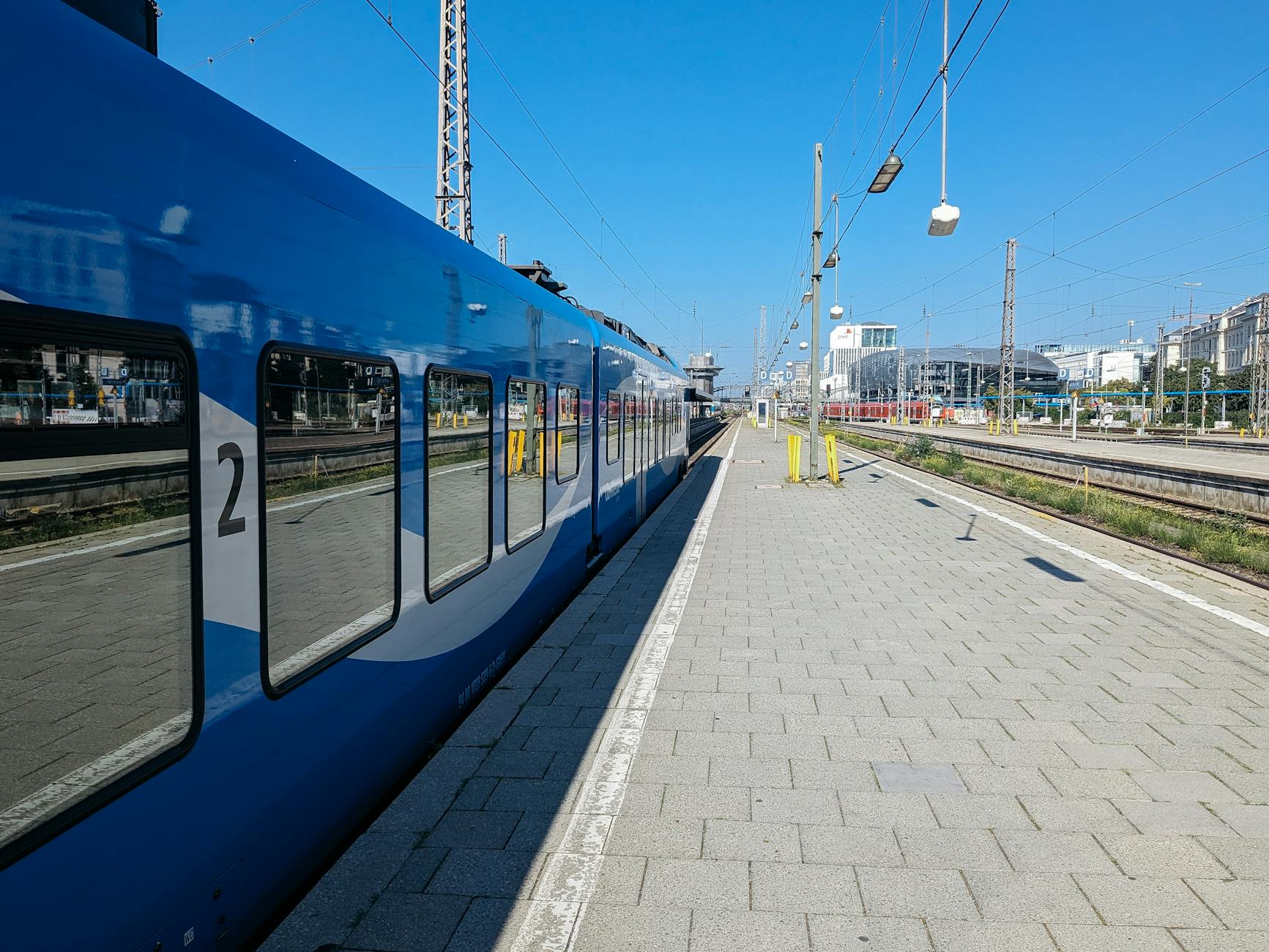
Rail arrivals can be easier for some itineraries, but Hauptbahnhof logistics, luggage, station exits, and weather still matter. The schedule should create a readiness buffer, not only a travel buffer.
- Build time for transfer, hotel check-in, clothing, food, device charging, and document review.
- Avoid same-day arrival before a high-stakes presentation unless there is real margin.
- Treat readiness before the client meeting as a deliverable, not a luxury.
Choose a hotel that supports work
A consultant's hotel should support quiet work as much as sleep. Desk quality, Wi-Fi, room quiet, breakfast timing, lobby or lounge suitability, printer or business support, taxi access, and proximity to the client can all matter. A hotel that is good for leisure may be weak for late-night deck revisions or early client calls.
The consultant should decide where work will happen if the room is not ready, if the client day ends early, or if a confidential call must happen between meetings. Munich has many pleasant places to sit, but not every pleasant place is appropriate for client work.
- Check desk quality, Wi-Fi, quiet rooms, breakfast timing, lounge suitability, and taxi access.
- Know where confidential calls and last-minute edits can happen before arrival.
- Choose the hotel for work quality as well as location.
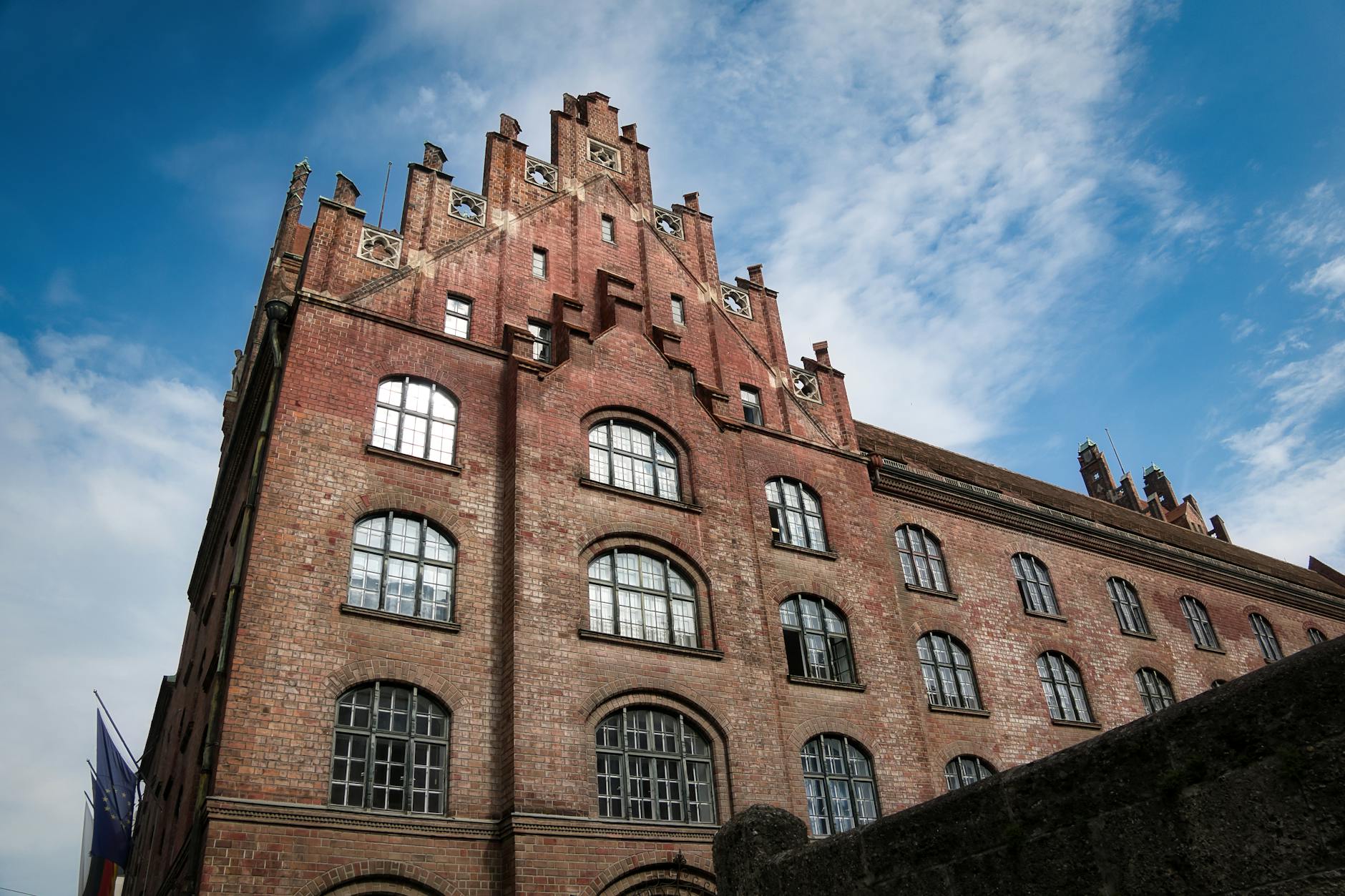
Control documents, devices, and confidentiality
Consulting trips often carry confidential materials, sensitive conversations, and devices that must work on demand. The traveler should plan laptop charging, backup files, adapters, secure connectivity, notebook handling, screen privacy, and where documents will be reviewed or discussed. A train platform, busy cafe, or hotel lobby may be convenient but wrong for certain work.
The meeting day should include time to organize notes after each session. Munich's efficient movement is useful, but the consultant still needs space to convert conversations into usable work before the next meeting begins.
- Protect laptop charging, backup files, adapters, secure connectivity, notes, and screen privacy.
- Avoid sensitive calls or document review in spaces that do not fit the work.
- Reserve time after client meetings to organize notes before the next obligation.
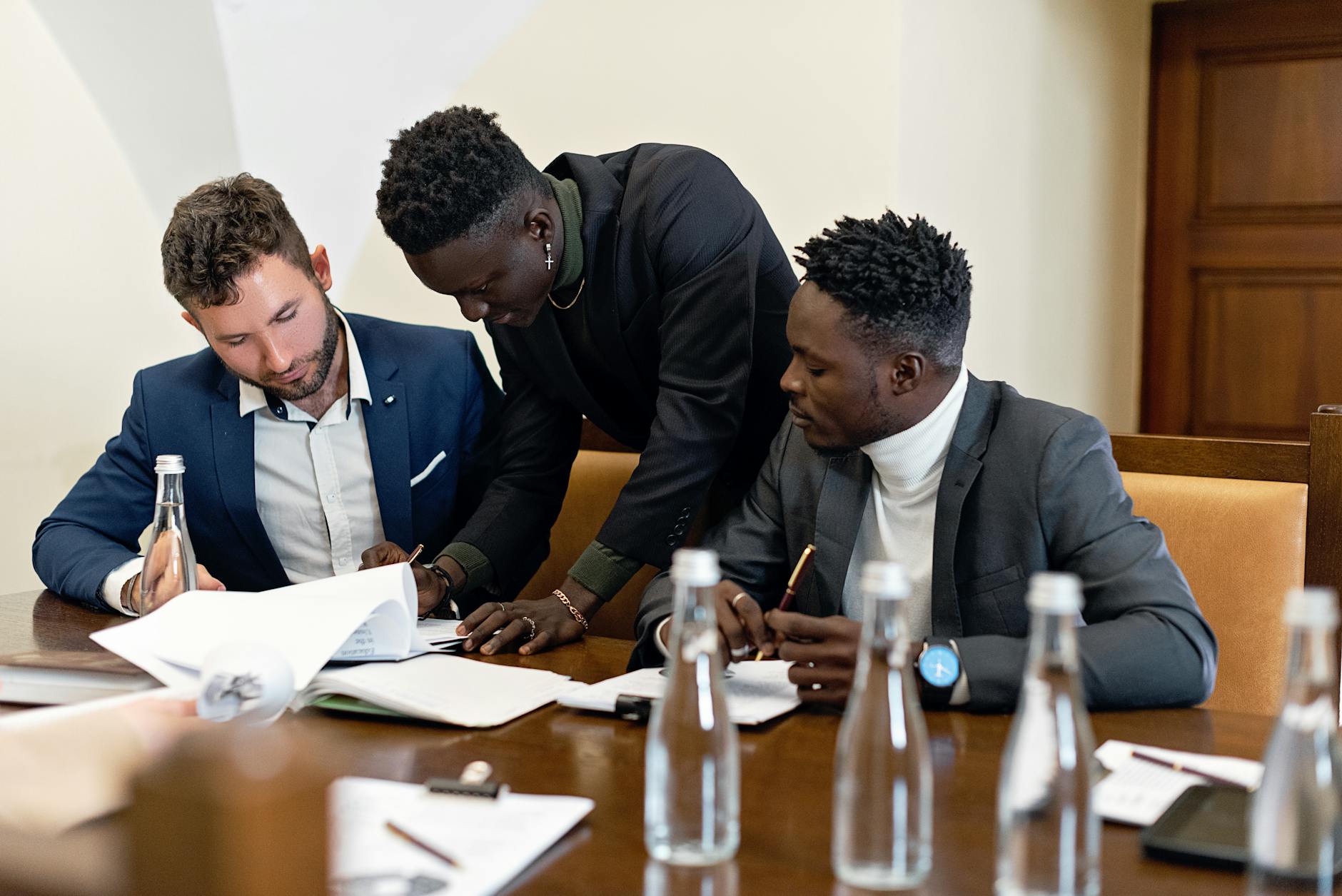
Sequence workshops, interviews, and dinners carefully
A consultant may need to facilitate a workshop, run interviews, attend an executive dinner, and prepare follow-up materials in the same short trip. These obligations use different kinds of energy. A workshop day followed by a loud dinner and an early airport transfer may be possible but poor.
The traveler should place dinners and informal client time where they support the work. A quiet restaurant near the hotel may be better than a famous room across town if the next morning contains the real deliverable.
- Sequence workshops, interviews, executive meetings, dinners, and preparation time by energy level.
- Choose dinner settings that support the relationship without damaging the next day.
- Leave enough time for follow-up notes and internal alignment after client sessions.
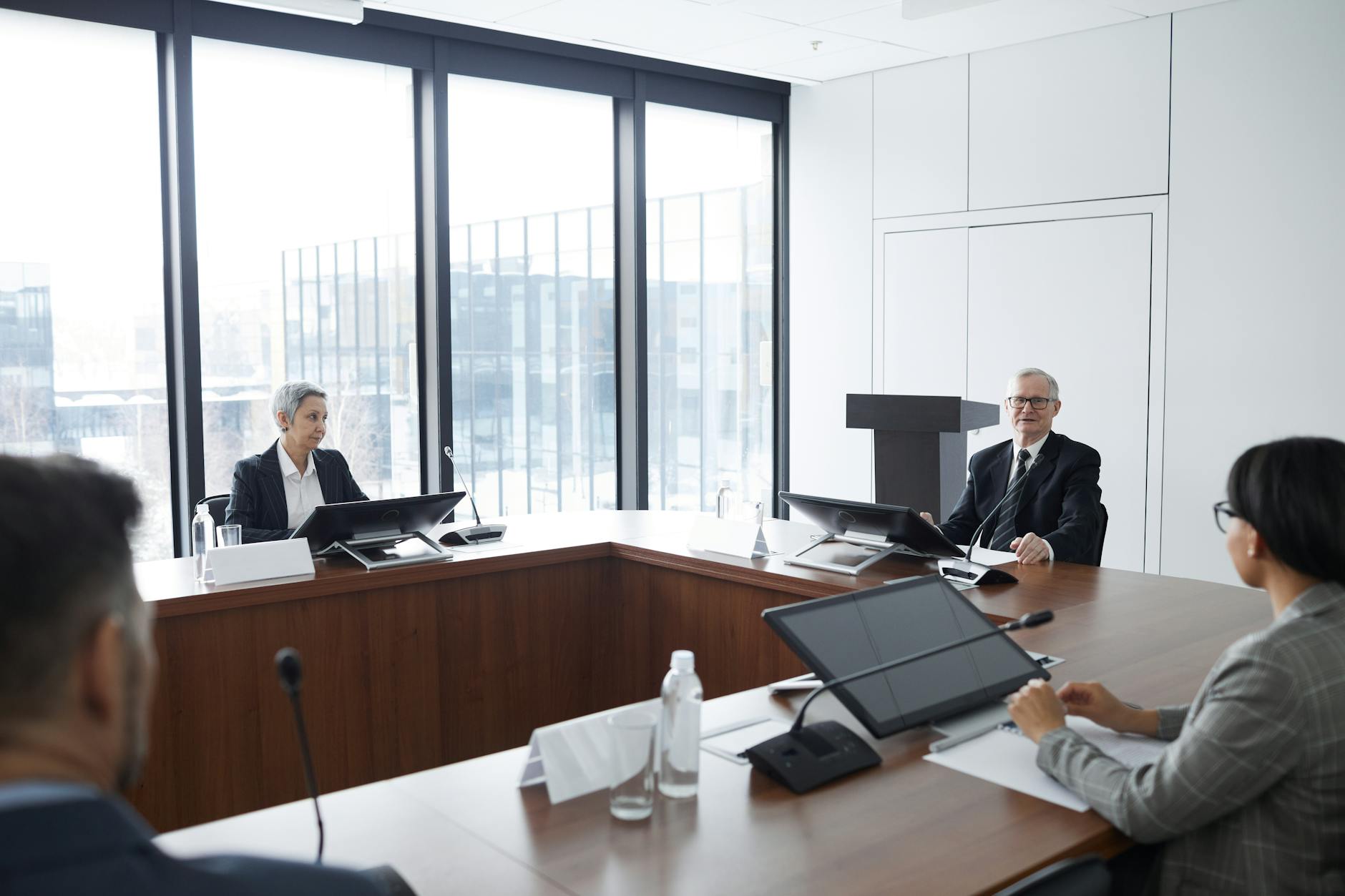
Use transit and taxis by segment
Munich transit may be excellent for one segment and wrong for the next. A consultant with a laptop bag and no samples may use rail easily in the morning, then need a taxi after dinner or before a client presentation. Weather, formal clothes, luggage, client expectations, and final walking distance should shape each movement.
The consultant should know the standard route and the fallback route. If a meeting runs late, rain starts, or the client changes the location, the day should not depend on one fragile assumption.
- Choose transit, taxi, or car service by meeting stakes, clothing, luggage, weather, and final walk.
- Know the fallback route for delayed meetings, rain, or changed client locations.
- Do not optimize for the cheapest movement when the client-facing hour matters more.
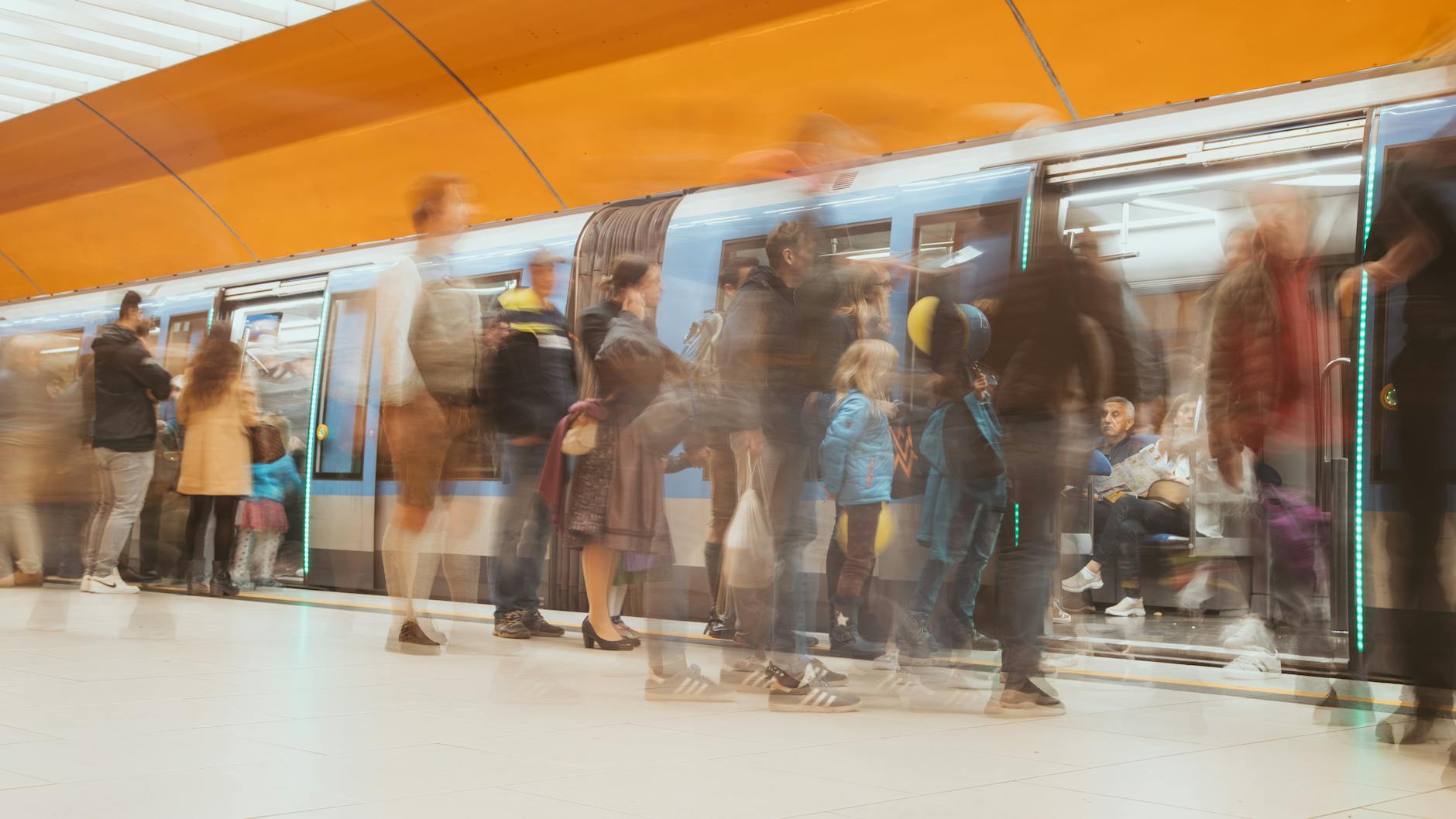
When to order a short-term travel report
A consultant with one flexible central meeting may not need a custom Munich report. A report becomes useful when the trip includes multiple client sites, a same-day arrival, workshop facilitation, executive dinners, confidential work needs, suburban offices, tight rail or flight timing, or weather and event pressure during the visit.
The report should test client geography, hotel workspace, airport and rail transfers, meeting sequence, confidential work locations, dinner placement, weather substitutions, recovery windows, and what to cut if the schedule is too dense. The value is a Munich consulting trip that protects judgment and client delivery.
- Order when meeting geography, same-day arrival, workspace, confidentiality, dinners, or transfer risk affects delivery.
- Provide client locations, meeting times, hotel candidates, arrival details, dinner plans, work requirements, and constraints.
- Use the report to protect the quality of the consulting work, not just the logistics around it.