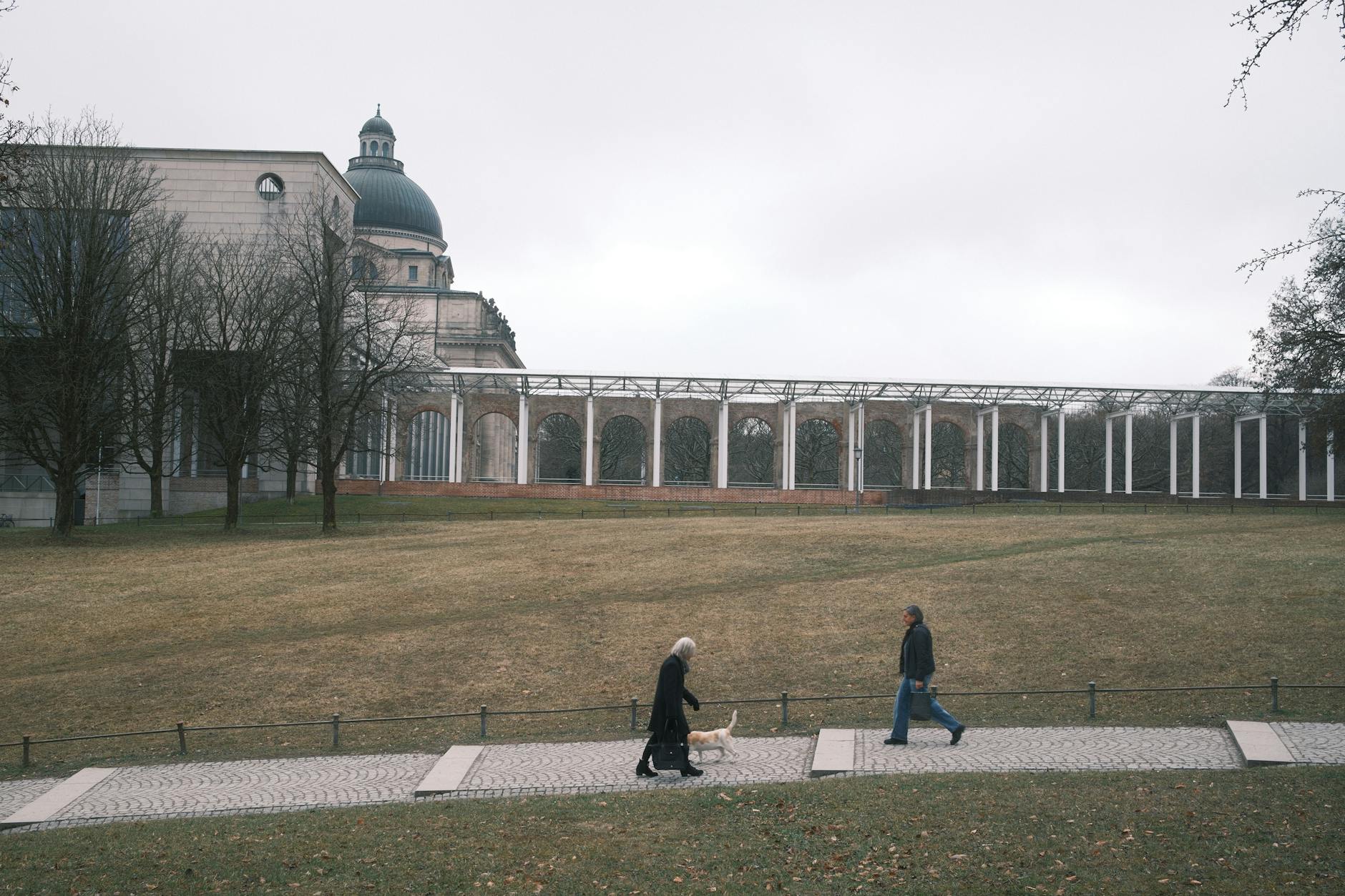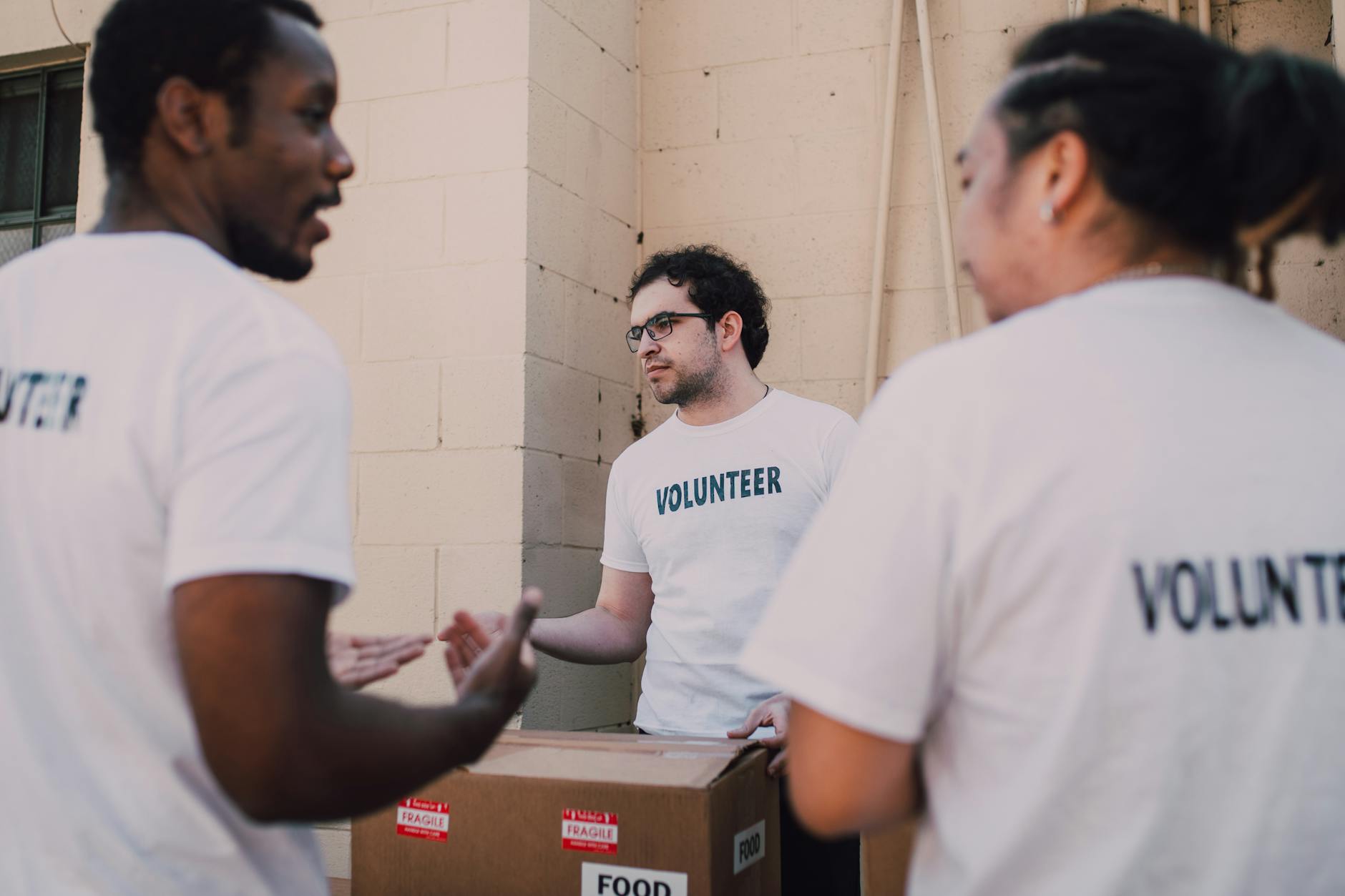
A short volunteer or NGO trip to Munich should be planned with more discipline than a leisure visit. The city is organized and generally easy to use, but the work may involve vulnerable communities, field visits, language barriers, local partners, changing schedules, and emotional pressure. A good trip is not only about arriving with good intentions. It is about knowing who is responsible for the traveler, where the work actually happens, and what practical limits apply. Munich can be a strong base for program work, conferences, civil-society meetings, refugee support, student initiatives, cultural projects, or short NGO coordination visits. The traveler should separate the parts of the trip that are supervised from the parts that are independent. That distinction affects housing, transport, documents, phone use, after-dark movement, and how much flexibility is truly available.
Confirm the sponsor before confirming the trip
The first question is not where to stay. It is who is accountable for the traveler. A volunteer or NGO traveler should know the legal name of the host organization, the local contact, the emergency contact, the work site, the schedule, the supervision model, and whether the activity is appropriate for a short-term visitor. Munich's orderliness does not remove the need for due diligence on the organization itself.
This matters most when the work involves vulnerable people, youth, migrants, religious communities, public advocacy, health support, or sensitive documentation. The traveler should understand privacy rules, photography restrictions, consent expectations, data handling, and whether any background check, insurance, or formal permission is required before participating.
- Confirm the host organization, local supervisor, work site, schedule, and emergency contact before travel.
- Ask about privacy rules, photography limits, consent, insurance, and any required checks.
- Avoid informal placements that cannot explain supervision, scope, or traveler responsibility.

Choose housing around the work site
Volunteer housing should be judged by daily reliability, not charm. The traveler may need early starts, predictable transit, a safe return route, laundry, simple meals, quiet sleep, and easy contact with program staff. A hostel or budget hotel can work, but only if it supports the rhythm of the placement. A cheaper room that creates a long cross-city commute can weaken the work day quickly.
If the program provides housing, the traveler should still understand the neighborhood, transport, curfew or guest rules, room sharing, storage, and who handles problems. If the traveler books independently, the base should make it easy to reach the placement without relying on late improvisation or a single fragile route.
- Evaluate housing by commute, sleep, laundry, storage, meals, and safe return routes.
- Clarify rules for shared housing, guests, curfew, keys, and emergency support.
- Avoid a budget choice that makes every service day harder to start or finish.
Plan daily movement as part of the assignment
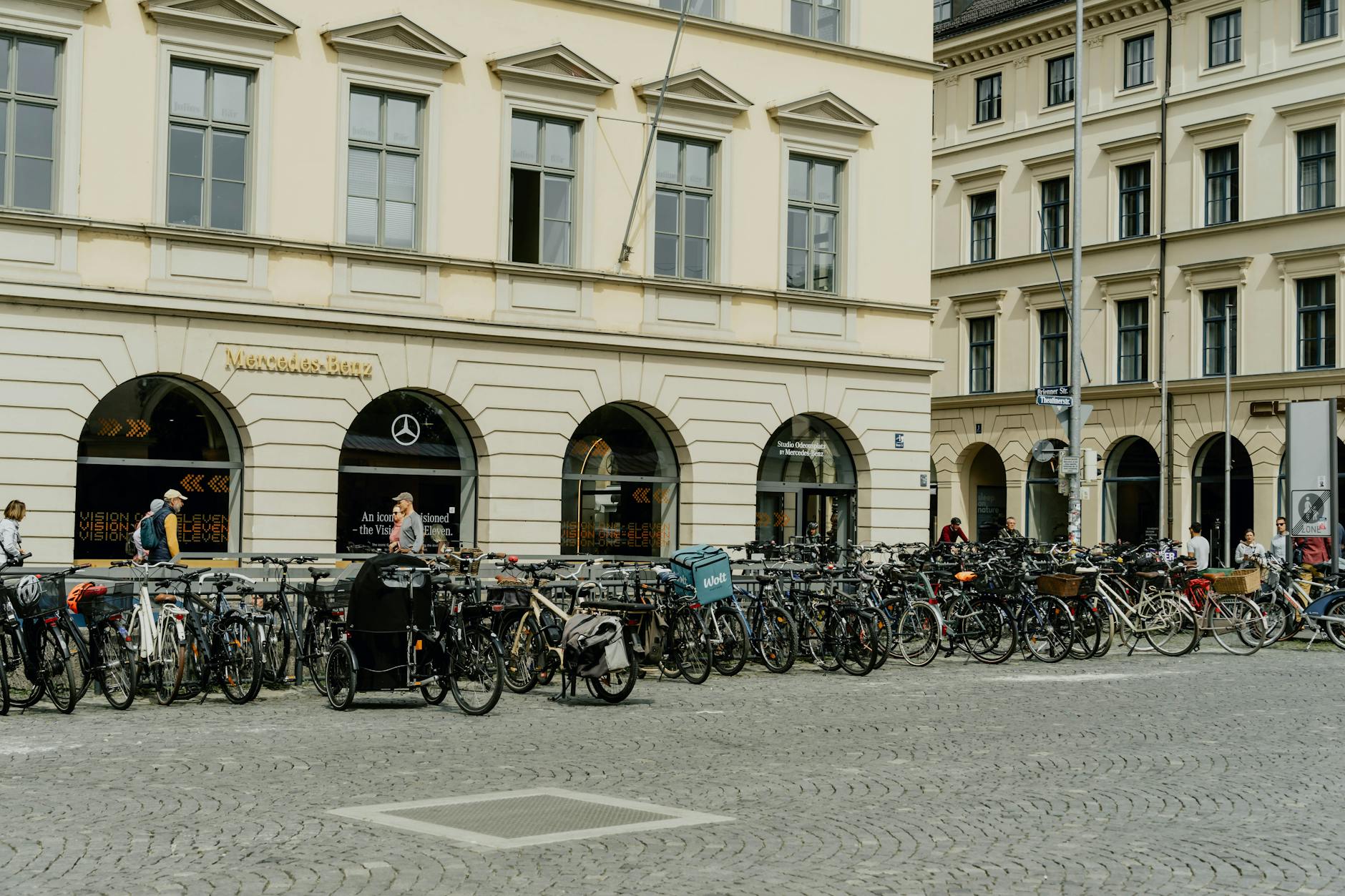
A volunteer schedule often changes. The traveler may move between a central office, community site, supply pickup, school, shelter, meeting room, church hall, or partner organization. Munich transit is useful, but the traveler should know ticket rules, transfer points, walking distances, evening frequency, and backup options before the first work day.
Language friction also matters. Many Munich systems are easy to navigate, but a short-term volunteer may still face German-language signage, local instructions, and program-specific vocabulary. Saving addresses offline, carrying the host contact, and learning the exact destination names reduces dependence on the group.
- Map the office, placement, partner sites, supply points, and housing before the first work day.
- Know transit tickets, transfer points, walking distances, and evening return options.
- Save addresses and host contacts offline in case phone signal or battery becomes a problem.
Keep service work separate from sightseeing
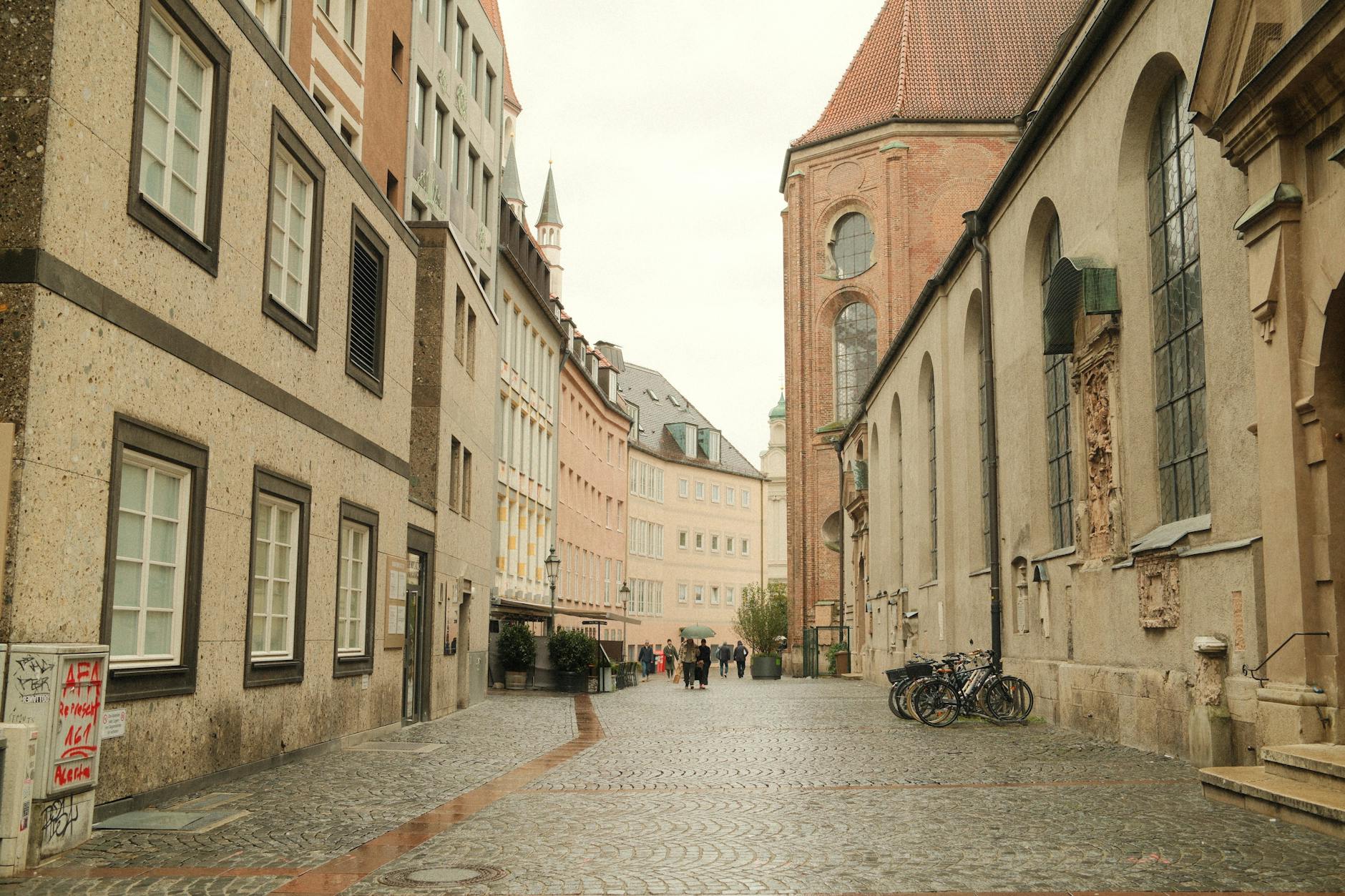
Munich gives a short-term volunteer plenty of appealing free-time options, but the traveler should keep a clear boundary between service work and leisure. Photos, social posts, casual stories, and public commentary can create problems when the work involves identifiable people, sensitive locations, or local partners. The safest standard is to ask before documenting anything connected to the placement.
Free time should also be planned realistically. A full volunteer day followed by a long sightseeing evening may leave the traveler tired, late, or emotionally depleted. The best schedule leaves room for recovery, reflection, basic meals, and sleep, not only a checklist of attractions.
- Ask before photographing, posting, or describing anything connected to the placement.
- Treat clients, community members, and partner sites as private unless told otherwise.
- Protect recovery time instead of filling every evening with sightseeing.
Use group accountability without going passive
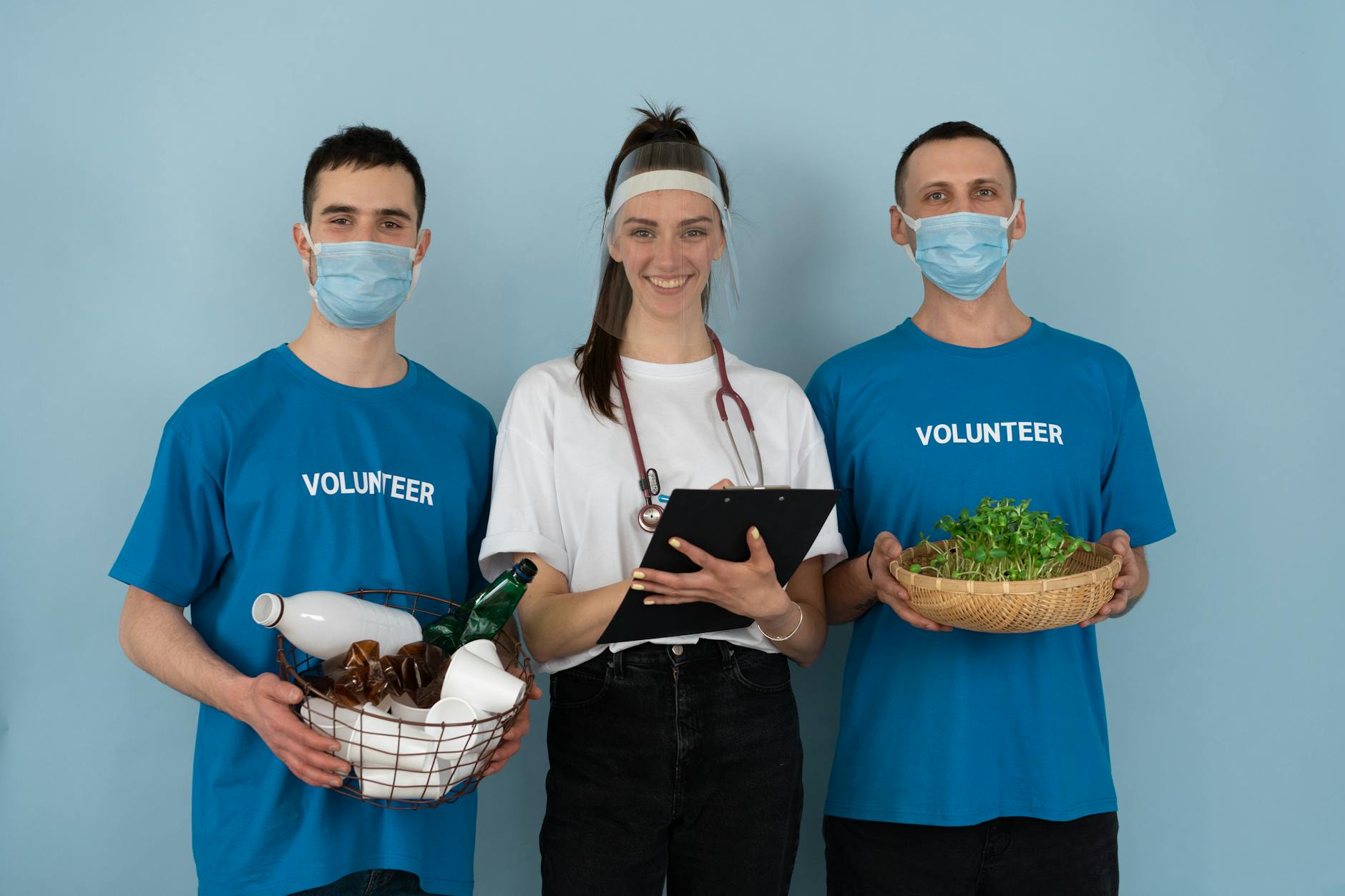
Volunteer and NGO travelers often move in groups, which helps, but group movement can also create blind spots. People assume someone else knows the route, has the address, checked the return time, or told the program lead about a change. Every traveler should know the plan well enough to recover if the group splits or a phone dies.
The traveler should share independent plans with the right contact, avoid wandering from the group after dark without a return plan, and decide in advance how to handle a sick participant, delayed train, lost bag, or changed work location. Group travel works best when each person carries enough situational awareness to reduce burden on the whole group.
- Know the address, route, return plan, and contact person even when traveling with a group.
- Tell the responsible lead before changing evening plans or separating from the group.
- Agree on what happens if someone gets sick, delayed, lost, or separated.
Prepare for health, weather, and emotional load
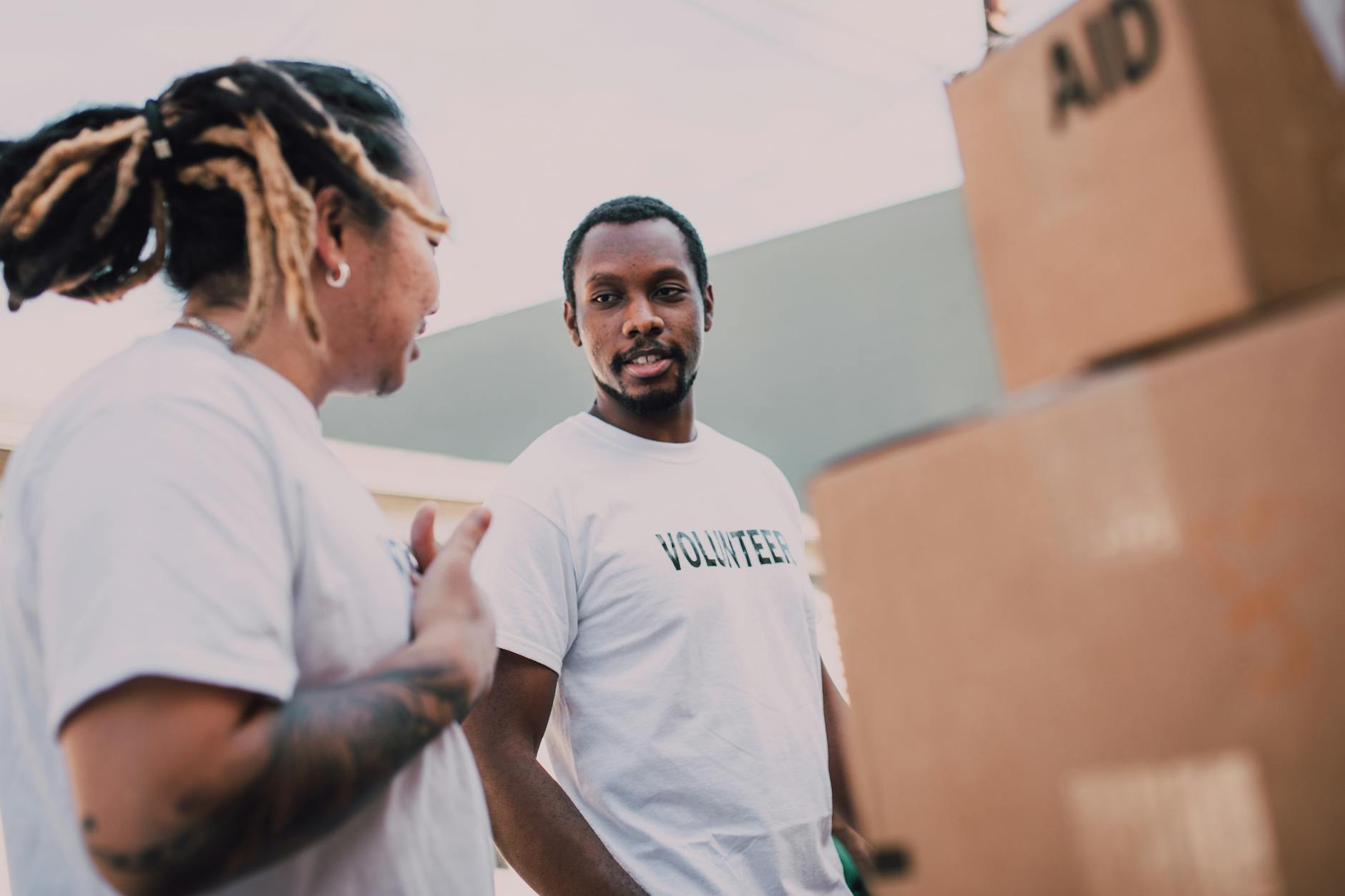
Short-term service work can be physically and emotionally heavier than expected. The traveler may stand for long periods, carry supplies, work outdoors, hear difficult stories, manage language stress, or handle a schedule that changes quickly. Shoes, rain gear, warm layers, medication, snacks, water, and a realistic sleep plan matter.
The traveler should also know how the program handles illness, injury, distress, or conflict. A short visit is not long enough to solve every problem, and that can be frustrating. Better preparation helps the traveler stay useful without absorbing more responsibility than the placement can support.
- Pack for walking, standing, weather, supply movement, and long days.
- Know the program process for illness, injury, distress, conflict, and emergency escalation.
- Leave emotional recovery time after difficult placement days.
When to order a short-term travel report
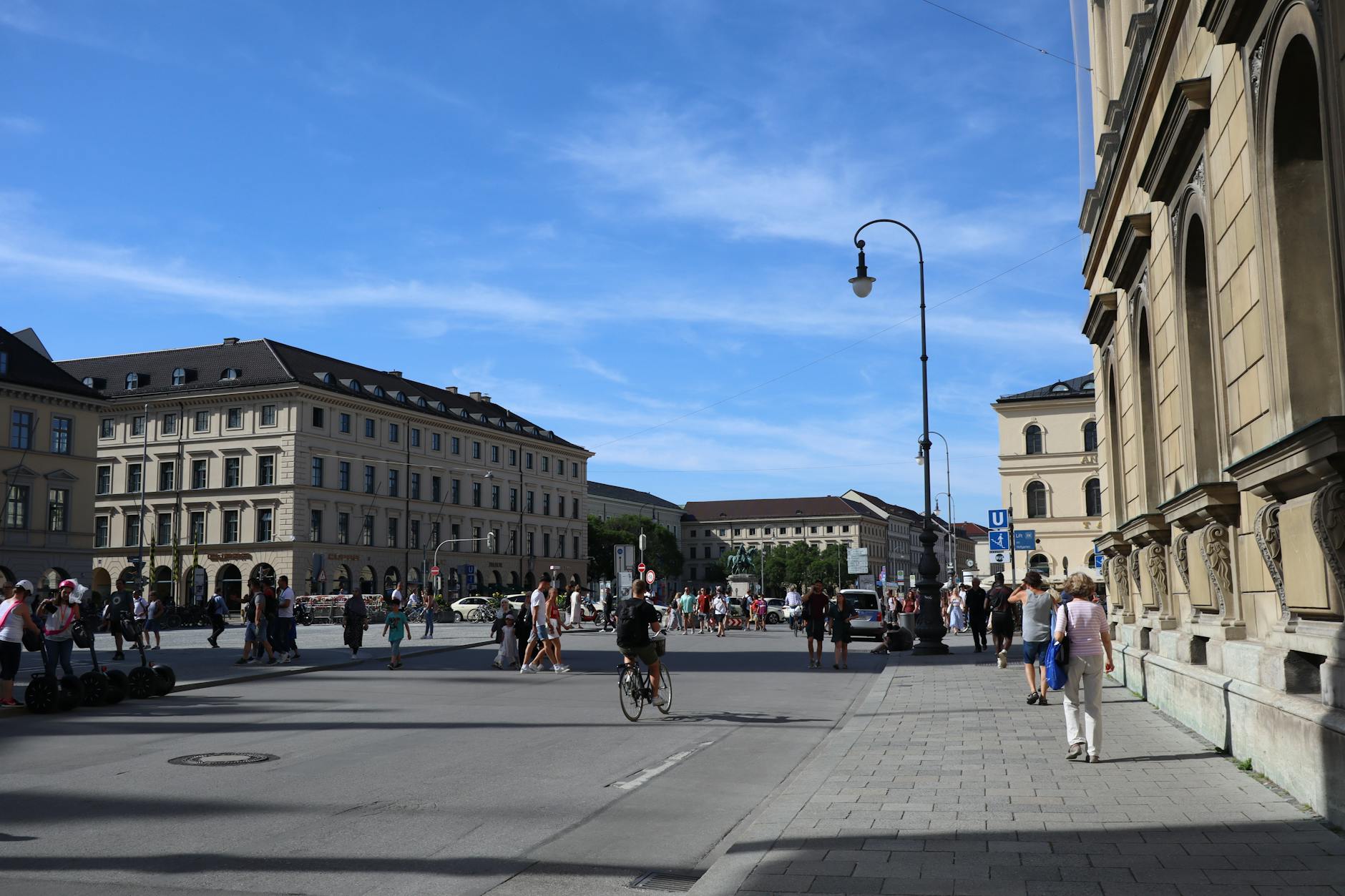
A volunteer with a fully supervised placement, simple housing, and clear group rules may not need a custom Munich report. A report becomes useful when the traveler is booking housing independently, arriving before the group, moving between multiple sites, handling medical needs, working with sensitive populations, planning free-time travel, or traveling as a parent, coordinator, donor, or NGO staff member with obligations beyond participation.
The report should test sponsor details, placement geography, housing, daily routes, documentation, privacy rules, health support, evening movement, side-trip plans, and what the traveler should confirm before departure. The value is a Munich service trip that is useful, bounded, and practical.
- Order when housing, independent movement, sensitive work, health needs, or multiple sites create planning risk.
- Provide host details, placement locations, housing, schedule, group rules, health needs, and free-time plans.
- Use the report to clarify responsibility, movement, and boundaries before the traveler arrives.