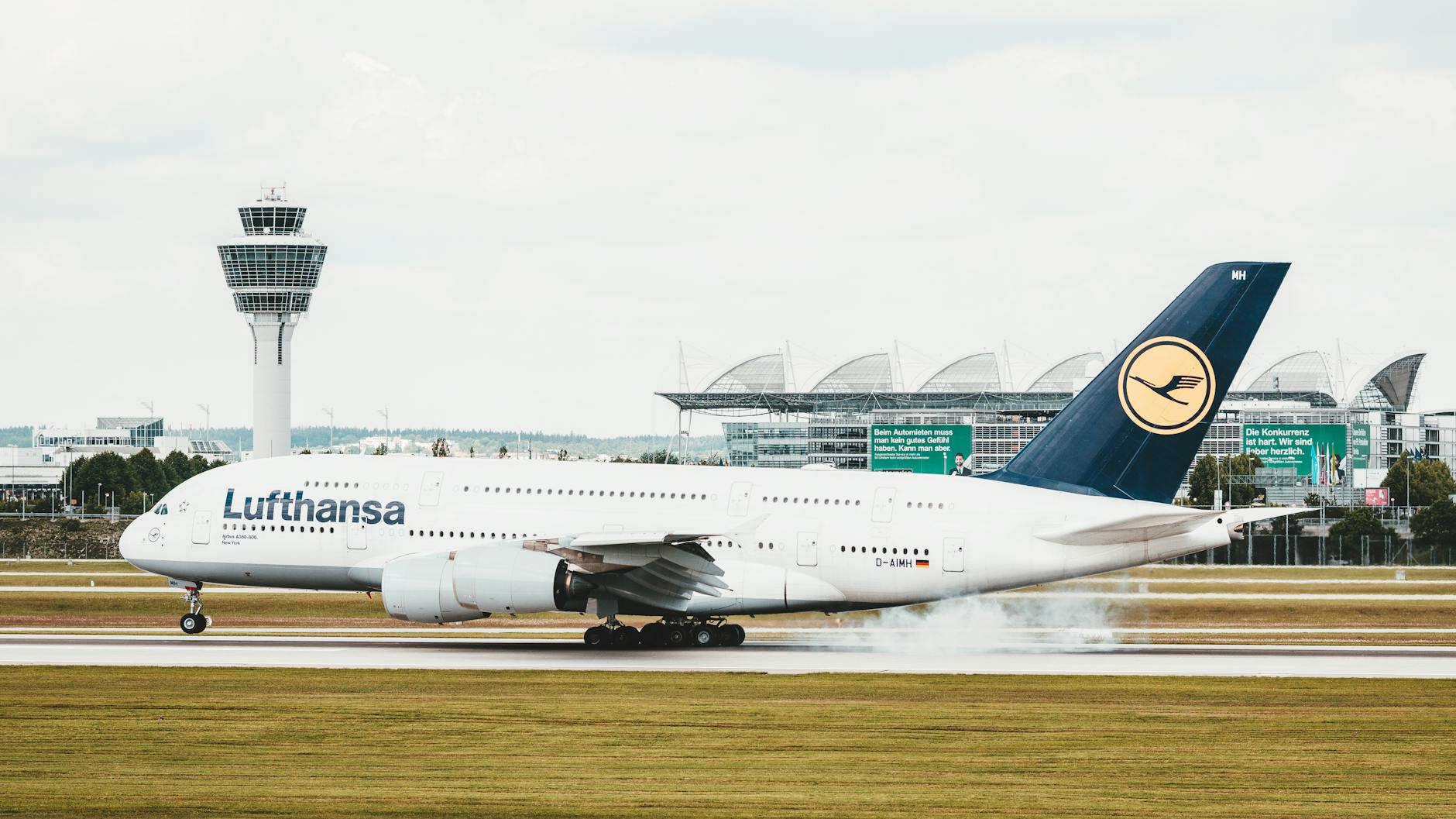
Munich can be manageable for travelers with medical constraints when the trip is planned around energy, access, medication routines, rest, and contingency decisions. The city has useful transit, parks, museums, hotels, taxis, pharmacies, and airport connections, but a short visit can become difficult if the itinerary assumes perfect stamina, perfect weather, or no recovery time. This planning is not a substitute for medical advice. The traveler should use their clinician's guidance for health decisions. The travel question is different: which hotel, transfer, route, meal timing, rest window, and backup plan will make Munich usable without putting too much stress on the traveler.
Translate medical limits into travel rules
Before choosing sights, the traveler should translate medical constraints into practical travel rules. Those rules may involve maximum walking time, stair avoidance, medication timing, meal intervals, hydration, temperature sensitivity, bathroom access, quiet rest, infection exposure, or how quickly the traveler needs to return to the hotel if symptoms change.
Munich planning becomes clearer once these limits are stated plainly. A route that looks attractive can be rejected if it violates the travel rules. A less glamorous plan may be the right plan if it protects the condition that makes the trip possible.
- Define walking limits, stair tolerance, medication timing, meal intervals, rest needs, and temperature sensitivity before routing.
- Use personal medical guidance to set boundaries; use the travel plan to respect those boundaries.
- Reject attractive itinerary ideas when they create predictable strain.
Make arrival and departure conservative
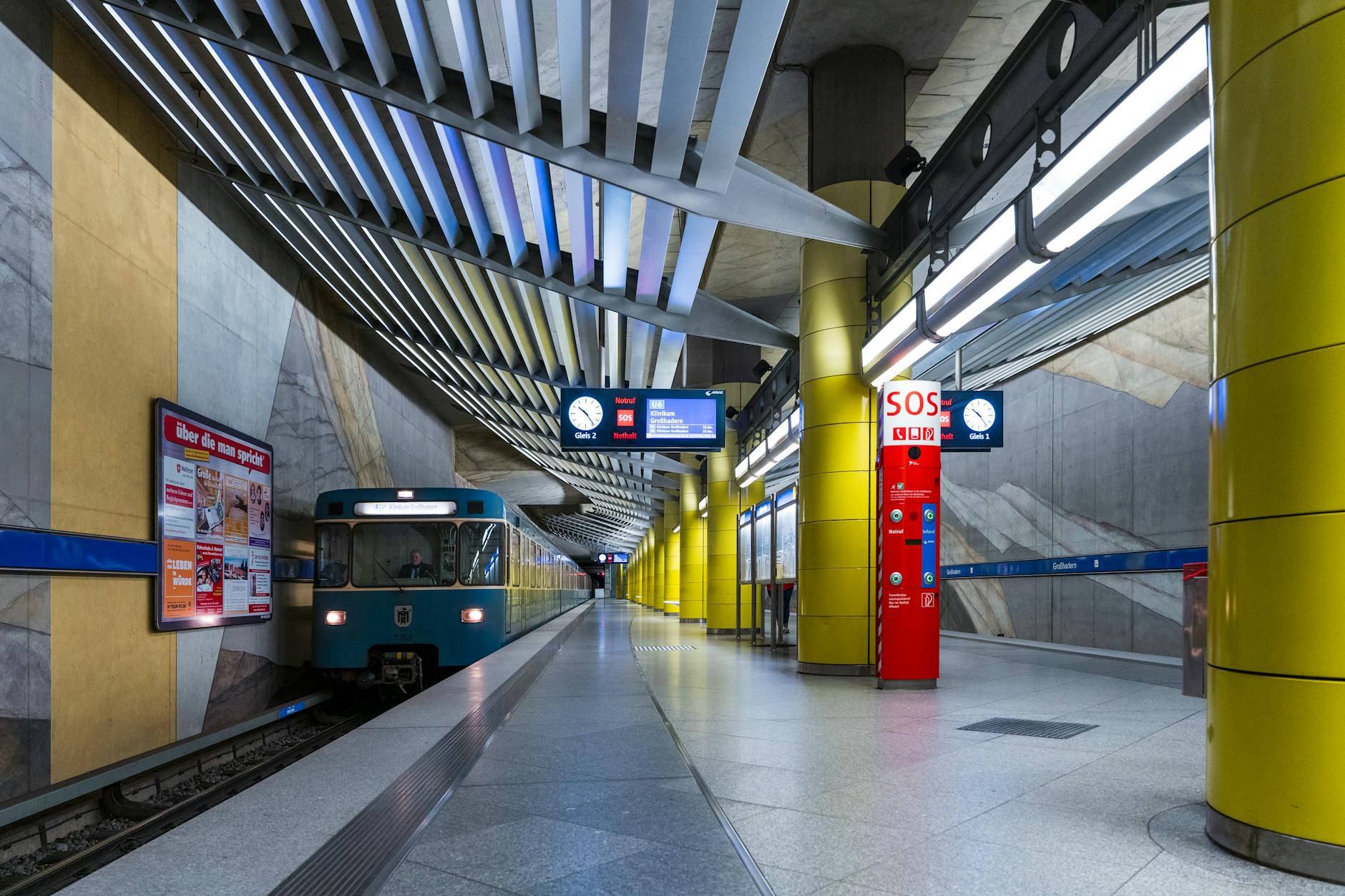
Munich Airport, airport rail, taxis, car service, and Hauptbahnhof can all work, but the best transfer depends on the medical constraint, luggage, fatigue, weather, and time of day. A traveler who can use rail on a normal day may still need a car after a long flight. A traveler who prefers independence may still need assistance for a specific arrival window.
The departure plan should be even more conservative. It should include packing time, medication timing, breakfast, bathroom access, transfer buffer, and a fallback if symptoms, weather, or traffic change the morning.
- Choose airport rail, taxi, car service, or assistance by health needs, fatigue, luggage, weather, and arrival time.
- Protect the departure morning with medication, breakfast, bathroom, packing, and transfer buffers.
- Avoid making the first or last day depend on peak stamina.
Choose a hotel that supports care routines
The hotel should support the medical routine, not merely the sightseeing plan. Elevator access, step-free entry, quiet room placement, air-conditioning or heat control, refrigerator needs, breakfast timing, nearby pharmacies, taxi access, room-service options, and proximity to a calm walking area can all matter. The traveler should confirm critical details rather than assuming they exist.
A hotel near every attraction is not always the best hotel. For a traveler with medical constraints, the strongest base may be the one that makes rest, meals, medication storage, and rapid returns simple.
- Check elevators, entry steps, room quiet, climate control, refrigerator needs, breakfast, and taxi access.
- Confirm any essential hotel feature directly before booking.
- Choose the base that supports care routines and fast returns, not only the densest sightseeing area.
Use transit only where it reduces strain
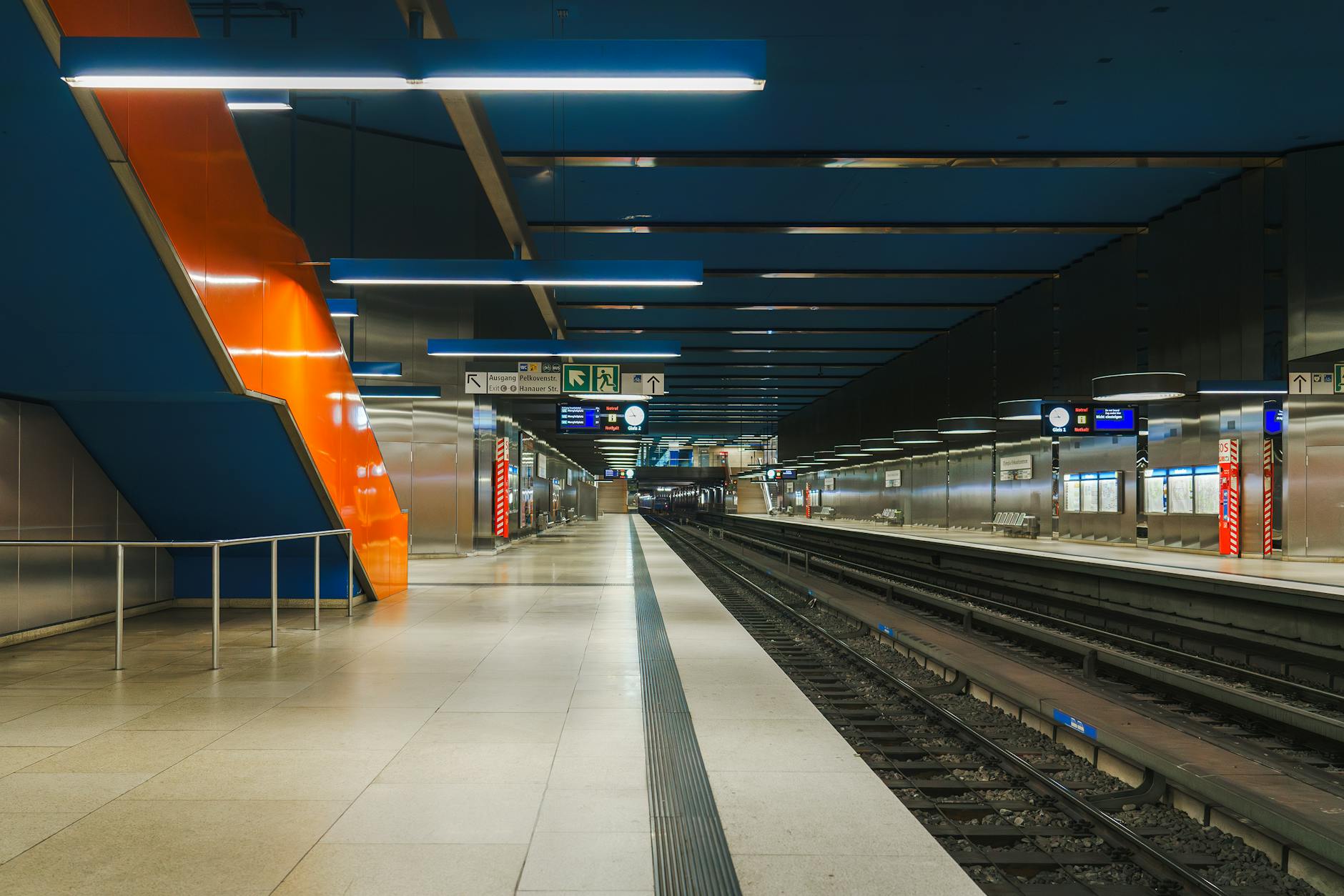
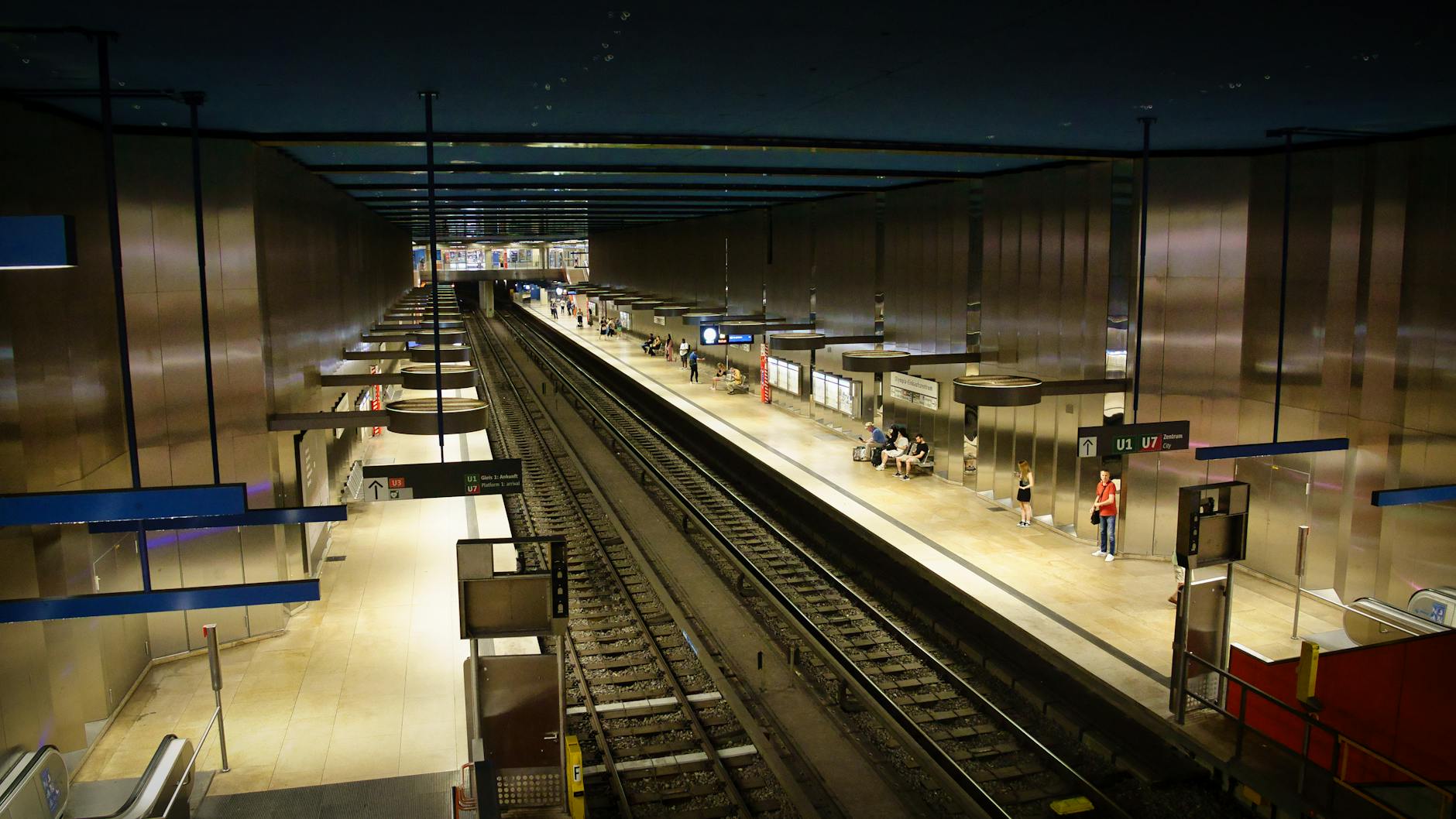
Munich transit can be useful, but a traveler with medical constraints should not judge a route only by travel time. Stairs, escalators, platform gaps, long corridors, crowding, station exits, temperature, and final walks may matter more than the number of minutes shown on a map. The same route can be sensible in the morning and too demanding after dinner.
The traveler should mix modes without apology. Trams, U-Bahn, S-Bahn, taxis, private cars, and short walks are tools. The best route is the one that preserves enough energy for the reason the traveler came to Munich.
- Check station access, stairs, escalators, platform changes, final walks, and crowding before choosing transit.
- Use taxis or car service when they preserve energy or reduce risk.
- Choose routes by total physical burden, not only by travel time.
Build low-exertion Munich days
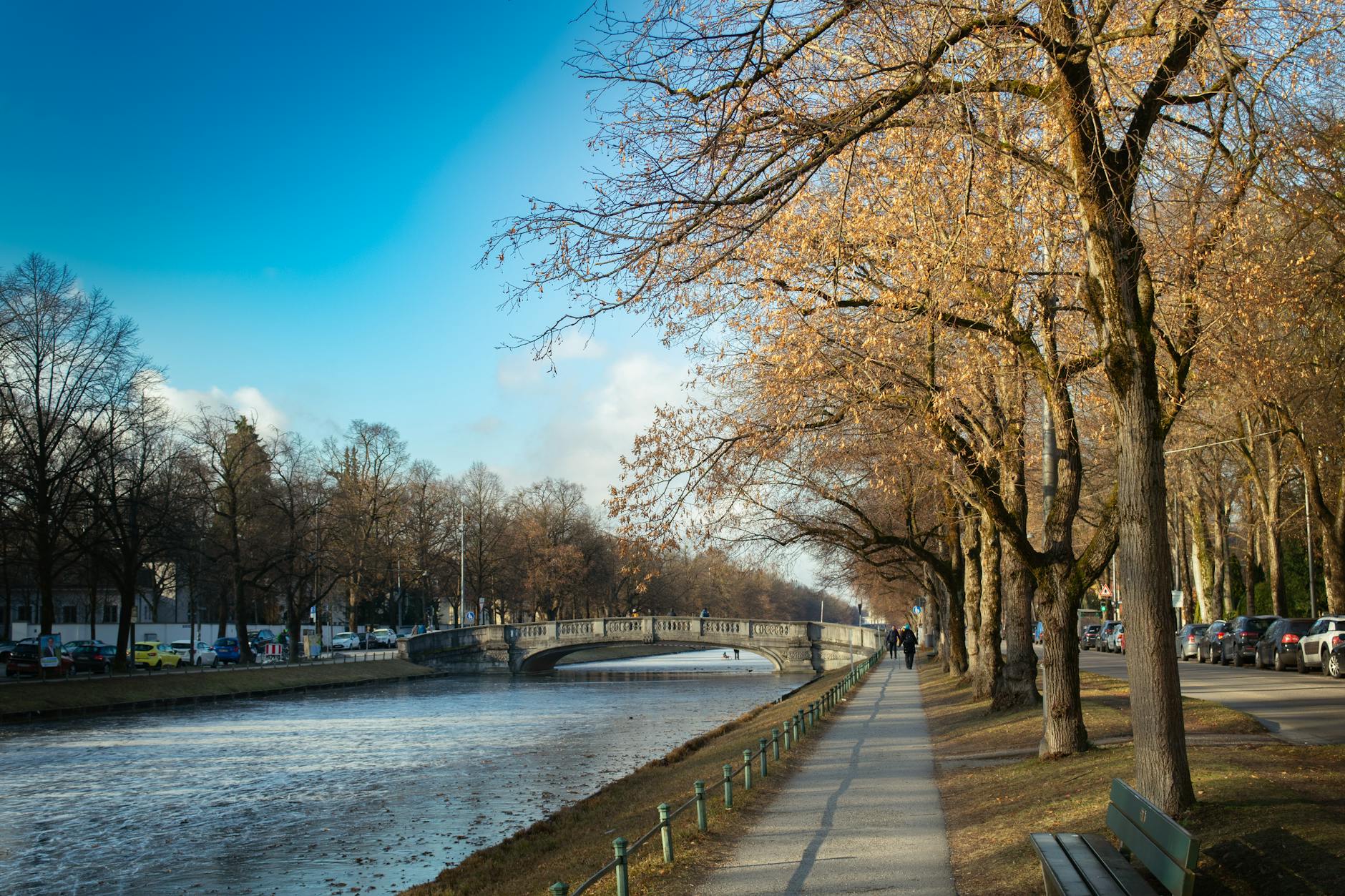
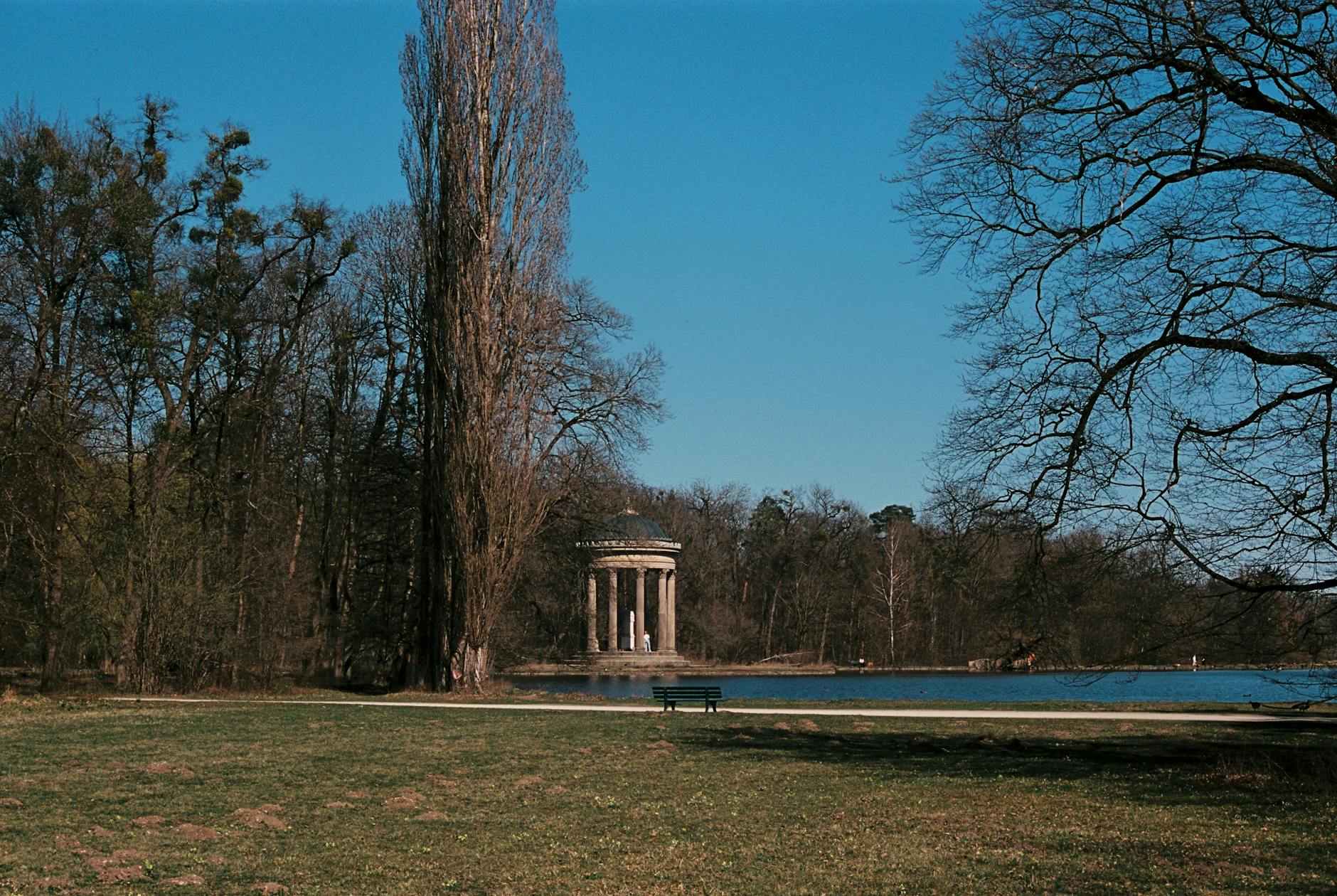
A medically realistic Munich day can still be satisfying. The traveler might pair one museum with a cafe, one old-town cluster with a hotel rest, or one park with a nearby meal. English Garden, Hofgarten, quieter churches, museum cafes, Nymphenburg grounds, and gentle neighborhood walks can all support a meaningful visit when they are placed well.
The plan should include a clear exit route from each major activity. If symptoms change, weather worsens, or fatigue arrives early, the traveler should know what to cut and how to return without rebuilding the day from scratch.
- Pair one main sight with nearby rest, food, bathrooms, and a simple return route.
- Use parks, museum cafes, churches, and quiet walks as real itinerary components.
- Decide in advance what to cut if symptoms, weather, or fatigue change the day.
Plan documentation, supplies, and weather protection
The traveler should prepare medication, prescriptions, clinician guidance, insurance details, emergency contacts, device chargers, medical supplies, and any translated or written notes that may be useful. Essentials should be carried in a way that still works if luggage is delayed, the room is not ready, or the day lasts longer than planned.
Weather also has medical consequences. Rain, cold, heat, short daylight, and slippery surfaces can change stamina and safety. Munich's seasonal conditions should shape footwear, coats, hydration, meal timing, transport choices, and the amount of outdoor walking.
- Carry medication, supplies, prescription information, insurance details, emergency contacts, and chargers accessibly.
- Prepare written or translated notes if they would help in a care or pharmacy situation.
- Adjust footwear, clothing, hydration, transport, and outdoor time for rain, cold, heat, and short daylight.
When to order a short-term travel report
A traveler with mild constraints and generous time may not need a custom Munich report. A report becomes useful when the constraint affects hotel choice, transfers, walking distance, meal timing, medication routines, weather tolerance, infection caution, day-trip decisions, or whether the trip should proceed in its current form.
The report should test hotel access, airport and rail transfers, transit versus taxi choices, low-exertion routes, rest windows, pharmacy and care awareness, weather substitutions, documentation needs, and what to remove if the plan is too demanding. The value is a Munich itinerary built around the traveler, not around a generic list of sights.
- Order when health constraints affect hotel base, transfers, walking, meals, weather, rest, or trip feasibility.
- Provide dates, flights or trains, hotel candidates, constraints, medication timing, mobility limits, care needs, and priorities.
- Use the report to make Munich usable without relying on ideal health conditions.