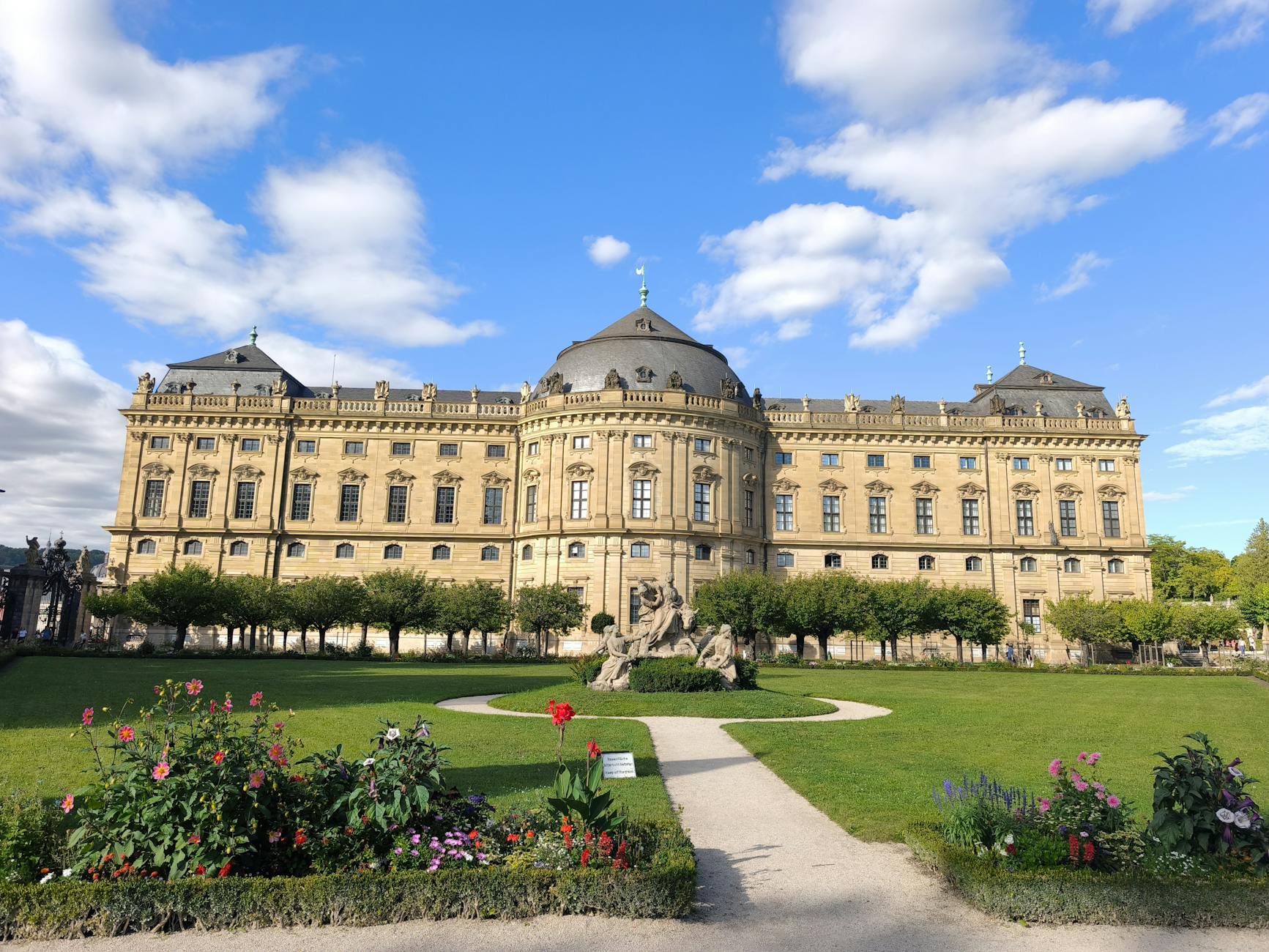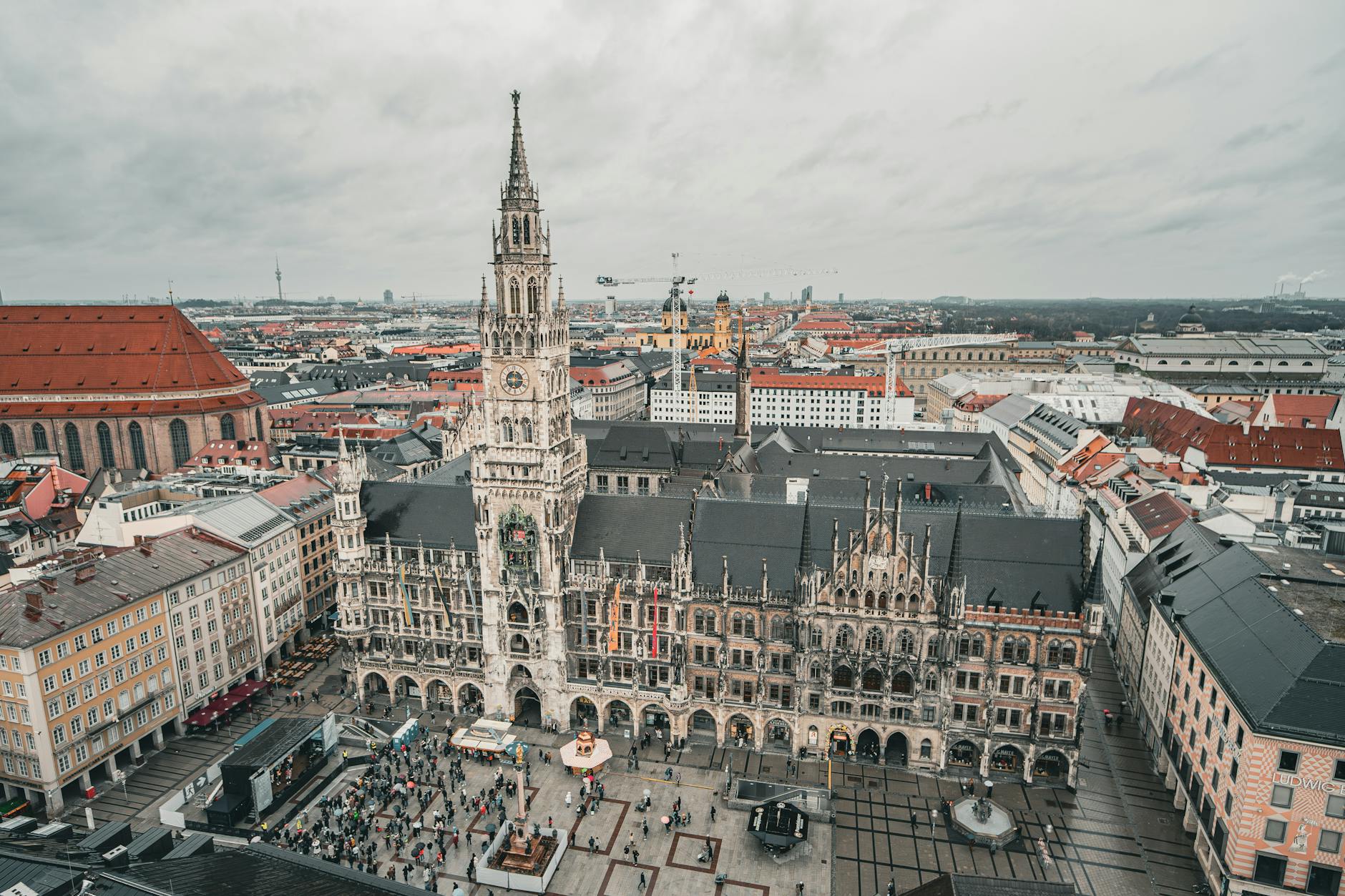
Munich gives tourists a dense first impression: Marienplatz, the New Town Hall, the Frauenkirche, the Residenz, Viktualienmarkt, beer gardens, museums, Nymphenburg, and English Garden can all compete for the same short stay. The city is easier than many large destinations, but it still punishes a plan that treats every sight as equally important. A tourist should decide what kind of Munich trip this is before filling the schedule. A classic first tourist visit, a culture-heavy weekend, a food and beer-garden trip, a palace-and-park stay, or a Munich-plus-Bavaria itinerary all need different pacing. The better tourist trip is not the one with the longest list. It is the one where the route, meals, weather, and recovery support the experiences that matter most.
Use Marienplatz as an orientation point
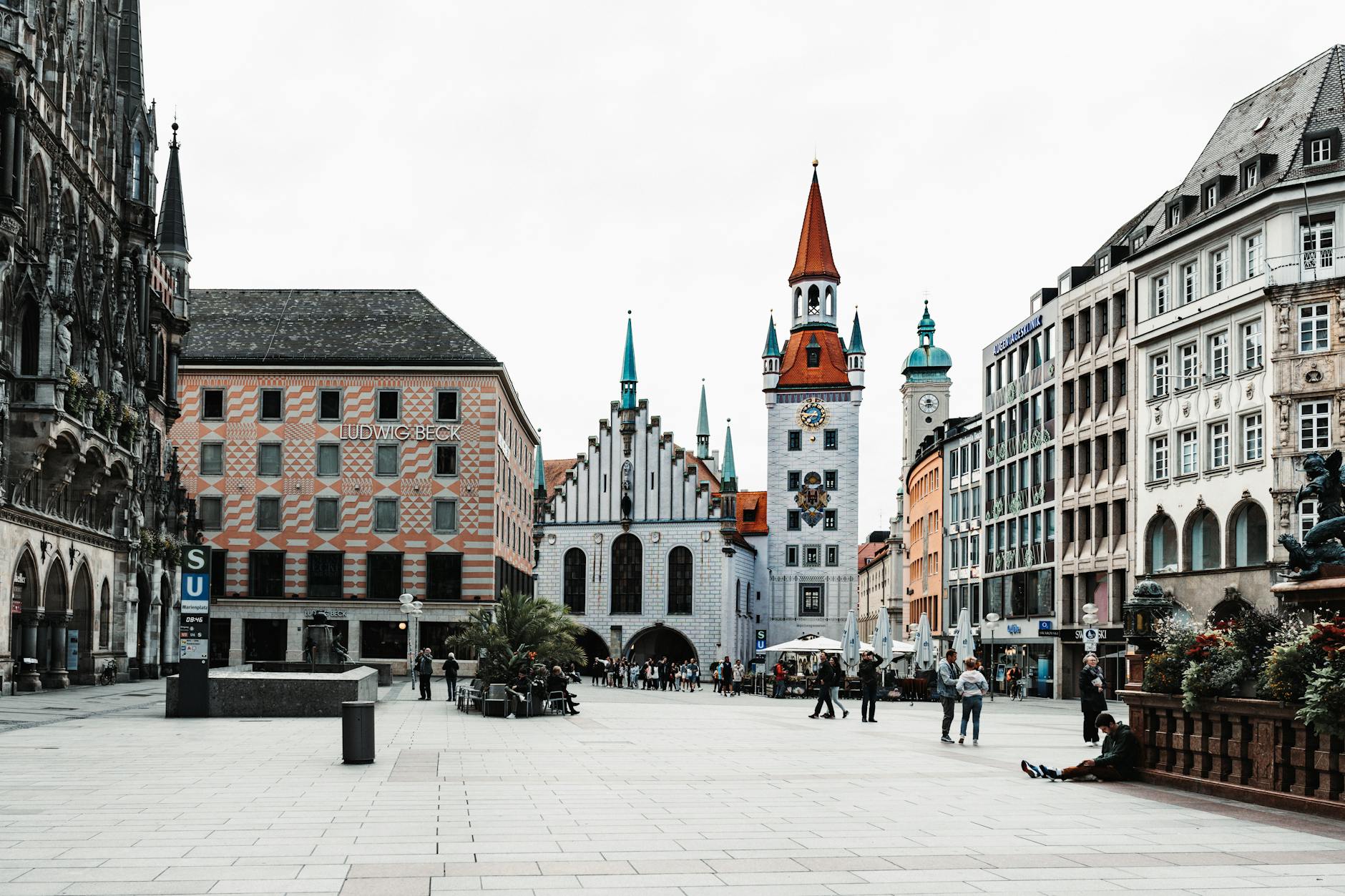
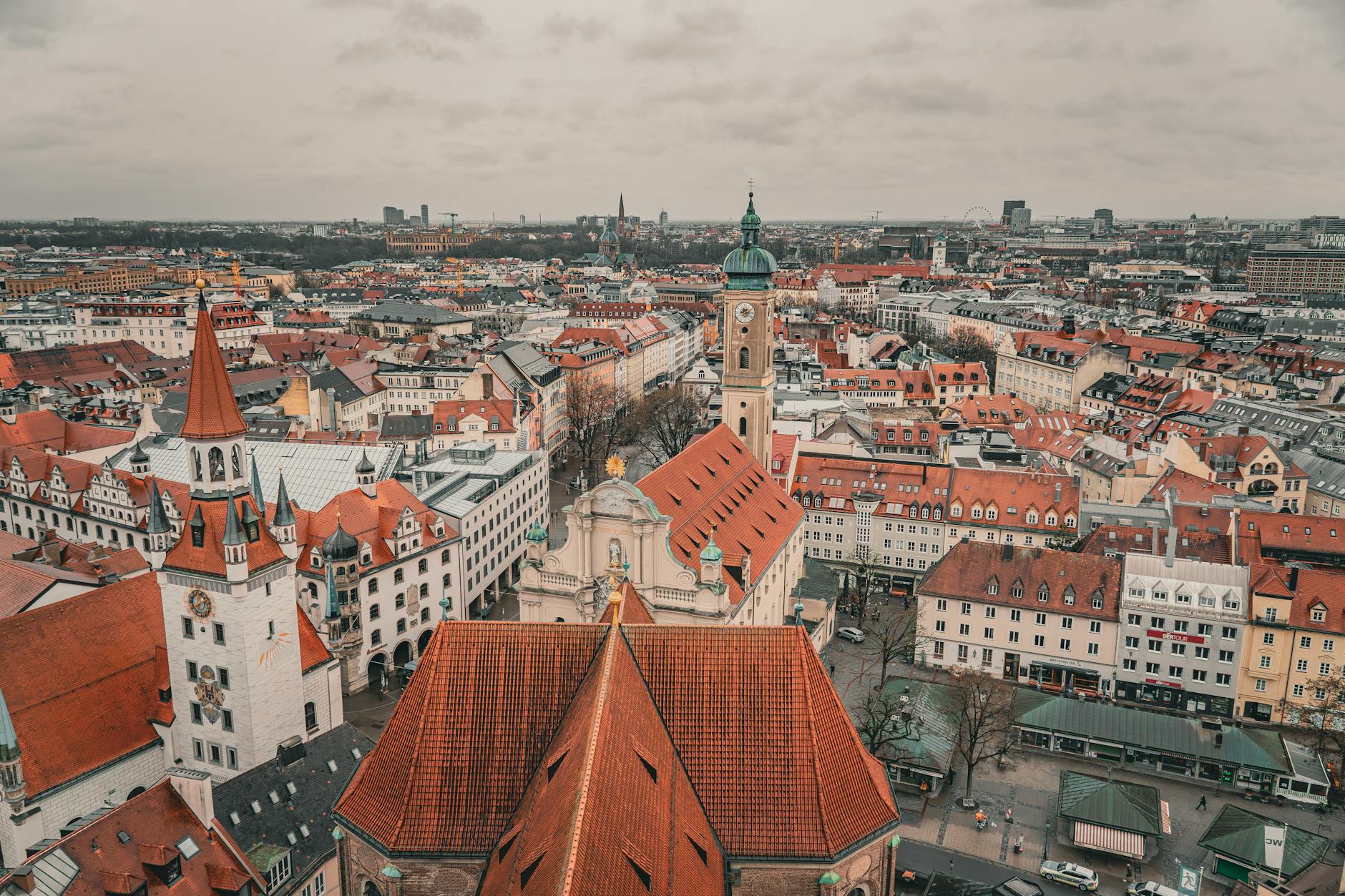
Marienplatz is a natural first anchor for a tourist because it connects the New Town Hall, nearby churches, shopping streets, Viktualienmarkt, old-town lanes, and useful transit. It should not be treated as a quick photo stop before rushing elsewhere. A tourist who understands the central area early will make better decisions for the rest of the trip.
The first central route should be compact. Marienplatz, the Frauenkirche area, Viktualienmarkt, Asam Church, and the Residenz can be combined in different ways, but not every stop needs the same depth. The traveler should decide whether the day is about overview, interiors, food, shopping, or photography.
- Use Marienplatz to orient the old town before adding distant attractions.
- Cluster central sights by walking logic instead of crossing back and forth.
- Decide whether the first day is about overview, interiors, markets, shopping, or photos.
Give the Residenz and major interiors enough room
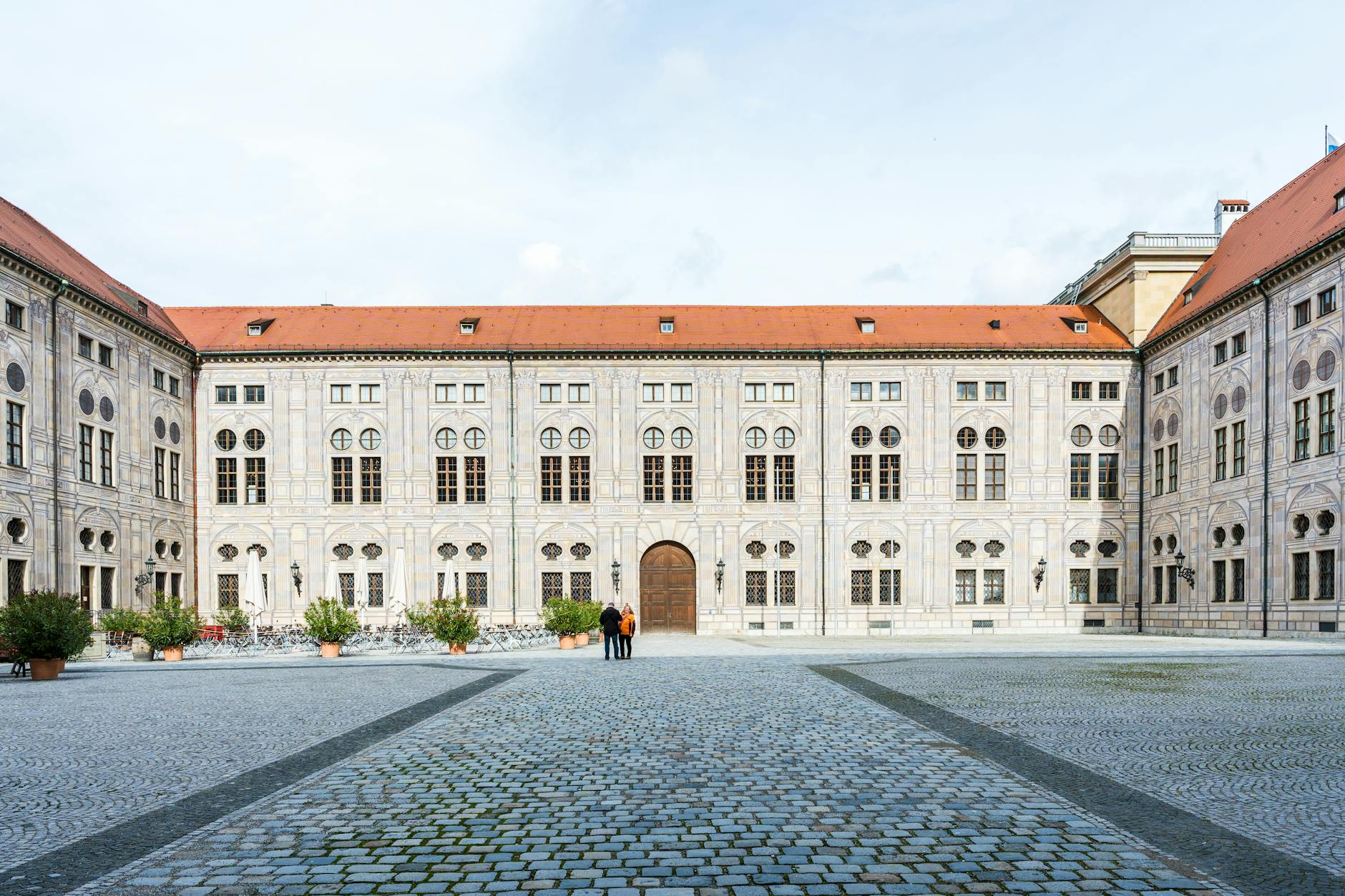
Munich's major interiors can absorb more time than expected. The Residenz, churches, museum rooms, courtyards, and palace spaces are not best experienced as quick interruptions between outdoor landmarks. A tourist who wants culture should reserve a serious block rather than tucking the main interior visit between lunch and a distant park.
The question is not only what to see but what to skip that day. If the Residenz becomes the main cultural anchor, the rest of the route should stay nearby or deliberately light. Otherwise the traveler may remember the day as a sequence of fatigue rather than a strong Munich experience.
- Give the Residenz, churches, and museum interiors enough time to feel worthwhile.
- Keep the surrounding route lighter when a major interior is the day's anchor.
- Check opening hours, ticket windows, and last-entry times before arrival.
Separate palace time from old-town time
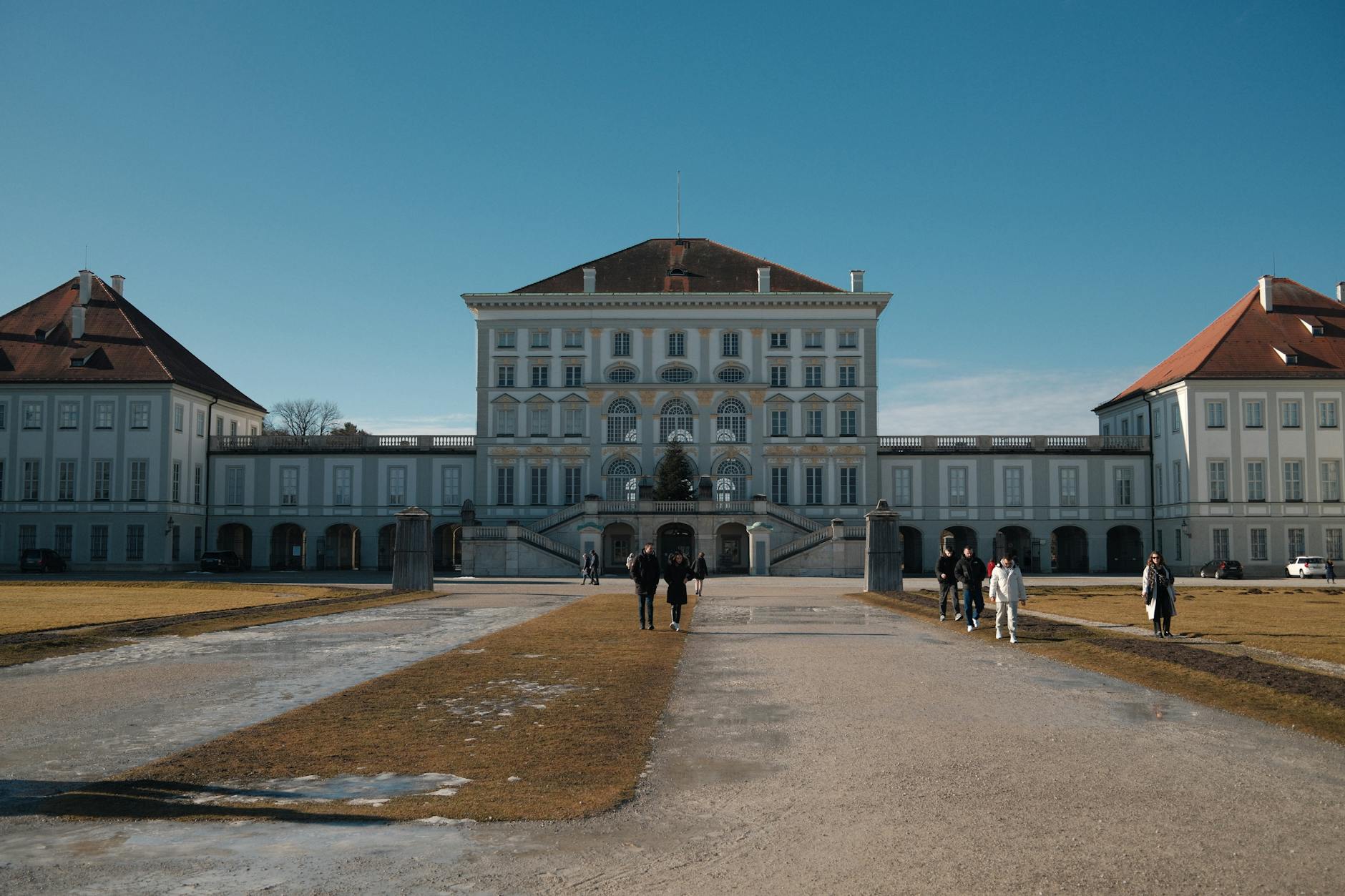
Nymphenburg can be a highlight, but it is not just another central stop. The palace, gardens, water, pavilions, and surrounding approach deserve separate planning. A tourist who adds Nymphenburg casually after an old-town morning may arrive tired, underfed, or too late to enjoy the grounds properly.
The better approach is to decide whether Nymphenburg is a half-day anchor, a slower afternoon, or something to save for another trip. It can pair well with a quieter meal and a less demanding evening, but it should not be forced into a route that already has too much walking.
- Treat Nymphenburg as a substantial palace-and-garden block, not a minor add-on.
- Pair it with a calmer meal or evening rather than another heavy sightseeing sequence.
- Check transit, weather, daylight, and garden time before committing.
Use parks and beer gardens to slow the trip
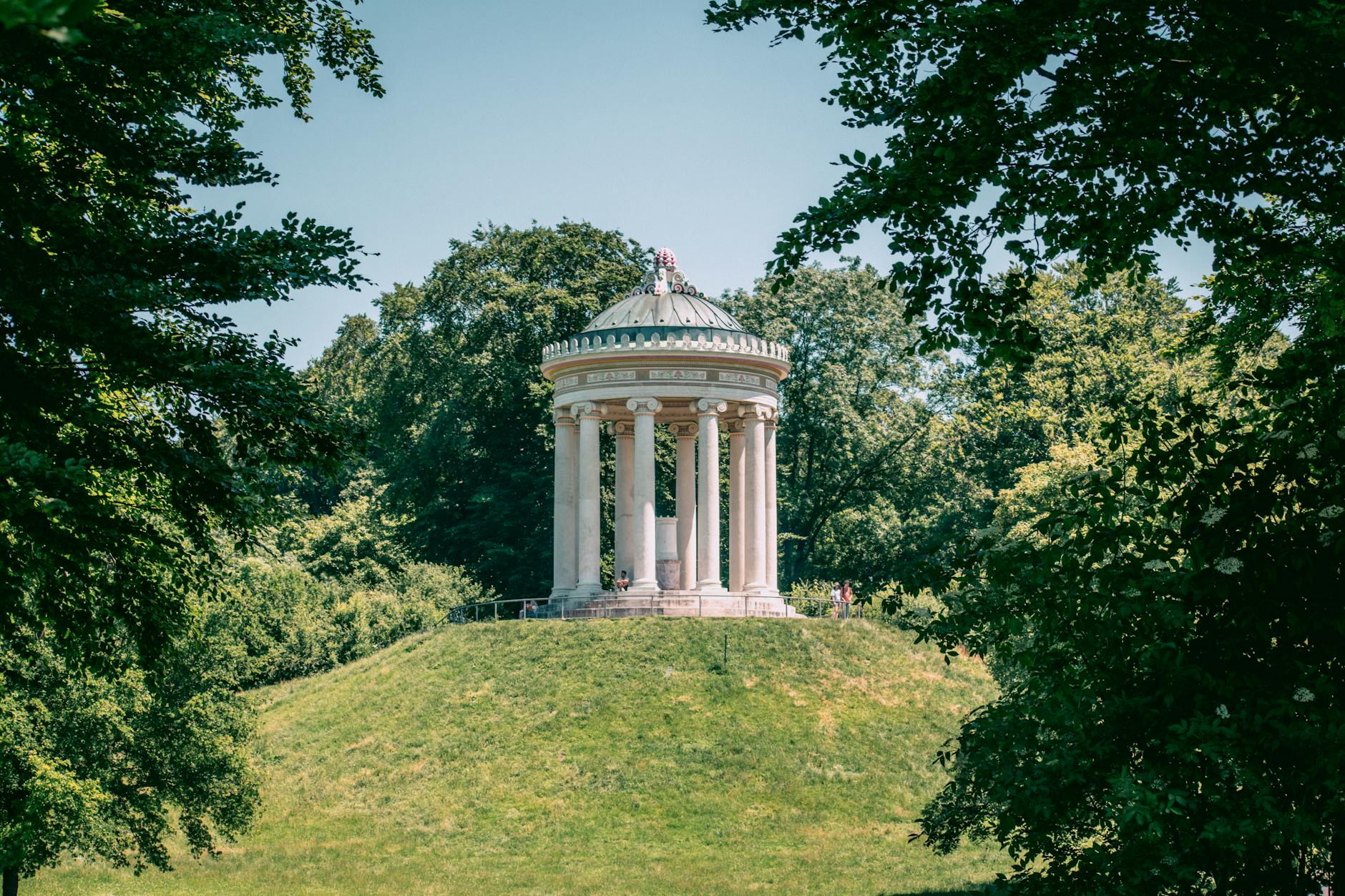
English Garden, Hofgarten, beer gardens, shaded paths, and outdoor meals can keep a tourist itinerary from becoming too rigid. These are not filler stops. They are part of Munich's rhythm. The traveler should use them to recover between interiors, markets, shopping, and transport.
Weather and season matter. A beer garden or park walk can be excellent in good conditions and weak in cold rain. The tourist should have an indoor alternative ready rather than forcing an outdoor plan because it looked good in a guide.
- Use English Garden, Hofgarten, and beer gardens as real pacing tools.
- Place outdoor time where meals, bathrooms, and return routes are practical.
- Keep an indoor alternative ready for rain, heat, cold, or short daylight.
Choose meals before the day becomes crowded
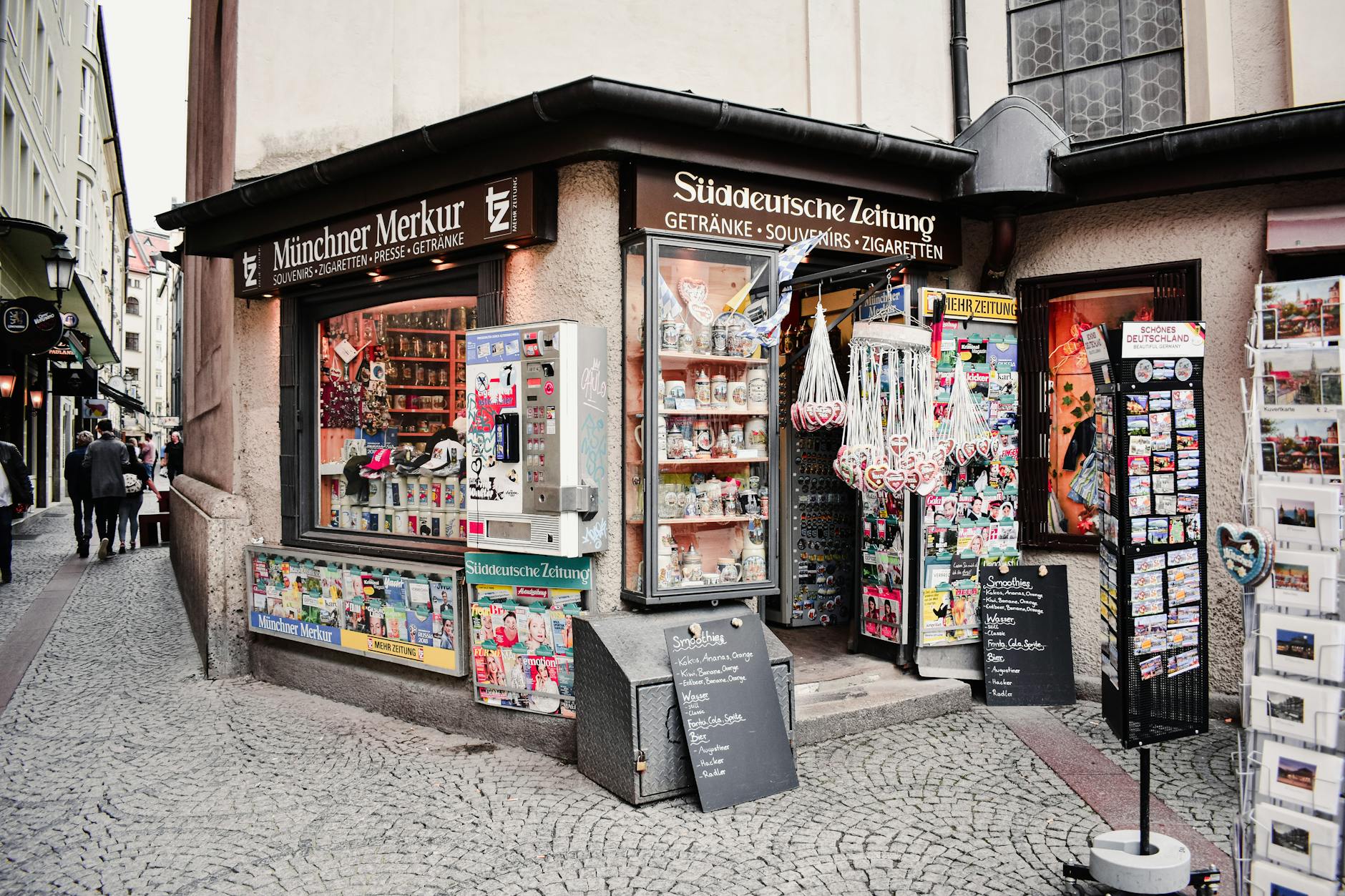
Tourist meals in Munich can be a pleasure or a source of friction. Traditional restaurants, beer halls, beer gardens, market lunches, cafes, bakeries, museum restaurants, and hotel meals all have a place. The problem is waiting until the old town is crowded, everyone is hungry, and the nearest available table shapes the day.
The traveler should identify meal areas near each main route. Viktualienmarkt may suit one day, a quieter neighborhood dinner another, and a hotel-adjacent meal after a long palace or museum day. Food works better when it supports the itinerary instead of interrupting it.
- Identify lunch, snack, and dinner options near each major route before the day starts.
- Use market lunches, beer gardens, cafes, and hotel-adjacent dinners according to energy and weather.
- Reserve or simplify meals during busy seasons, weekends, festivals, and trade-fair periods.
Do not underestimate transit and event pressure
Munich's transit can make tourist movement efficient, but airport distance, station exits, ticket choices, and final walks still matter. The tourist should understand the difference between S-Bahn, U-Bahn, tram, walking, and taxi use before the schedule depends on all of them. Day trips add another layer of timing risk.
Events can also change the experience. Oktoberfest period, Christmas markets, football nights, trade fairs, concerts, public holidays, and heavy tourism can affect hotel prices, restaurant availability, taxis, and crowding. A tourist itinerary should be dated, not generic.
- Check airport rail, U-Bahn, S-Bahn, trams, ticket needs, and final walks before relying on transit.
- Account for Oktoberfest period, Christmas markets, trade fairs, football nights, holidays, and concerts.
- Add more buffer when crowds or event demand can distort normal movement.
When to order a short-term travel report
A tourist with generous time, few priorities, and a flexible mood may not need a custom Munich report. A report becomes useful when the stay is short, the hotel base is unclear, the traveler wants both old-town sights and farther attractions, seasonal events affect availability, or Munich is one stop in a larger Bavaria itinerary.
The report should test hotel base, arrival and departure timing, old-town routing, Residenz or museum depth, Nymphenburg, parks, meal placement, weather substitutions, day-trip temptation, and what to remove if the plan is too full. The value is a tourist visit that feels complete without becoming overloaded.
- Order when timing, hotel base, old-town routing, farther sights, event pressure, or Bavaria connections affect the trip.
- Provide dates, arrival and departure times, hotel candidates, interests, must-see priorities, meal preferences, and constraints.
- Use the report to choose the right Munich tourist route instead of trying to include everything.