A short program in Munich can be one of the easiest ways for a student to experience a major European city with structure. That structure can also hide the practical decisions that still matter. Housing, class location, transit passes, group meeting points, food budget, evening plans, documentation, and health needs all affect how the program feels day to day. The student should not treat Munich only as a safe backdrop to coursework. It is a real city with weather, crowded stations, nightlife choices, neighborhood differences, and administrative details. A strong short program plan keeps the student independent enough to use the city well and disciplined enough not to create avoidable problems for the program.
Understand the program geography
A short program may use a university classroom, rented seminar room, language school, museum space, company visit, hostel, hotel, or homestay. Those locations may not sit close together. The student should know the daily route before arrival, including the first meeting point, backup route, last train or late-night return option, and how much walking is involved.
Program structure does not remove the need for personal route awareness. A student who knows the city pattern can arrive calmly, notice when a group plan is thin, and avoid becoming dependent on whoever seems most confident in the moment.
- Map housing, class location, meeting points, site visits, grocery options, and return routes.
- Learn the normal route and one backup route before the first full program day.
- Do not assume every program activity starts near the housing area.

Make transit routine quickly
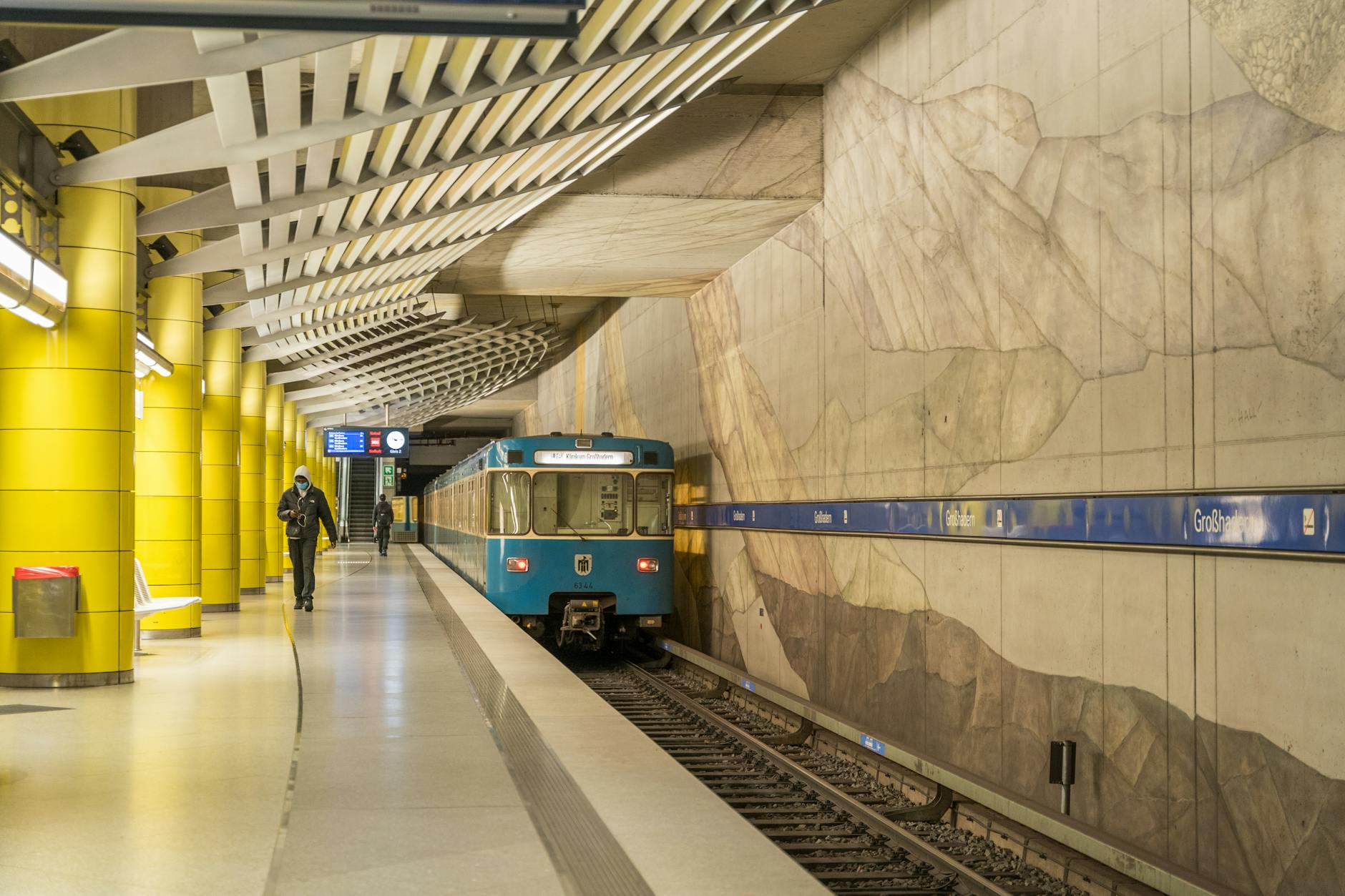
Munich transit can be very useful for students, but the first few days matter. Tickets, zones, validation rules, platform direction, transfers, night schedules, bike etiquette, and walking distances should be understood early. A student who treats transit casually may waste money, miss a required session, or end up uncertain after an evening activity.
The student should save key stops, keep the program address offline, and understand how to get home without relying on a phone battery at five percent. Independence in transit is one of the best ways to make a short program feel safe rather than restrictive.
- Learn ticket rules, zones, platform direction, transfer points, and evening return options early.
- Save housing and program addresses offline.
- Keep enough phone battery or written backup to return without improvising.
Budget for the real day, not the brochure day
Munich can feel expensive to students who planned only for headline program costs. Meals, transit, coffee, snacks, museum entry, laundry, mobile data, pharmacy items, social plans, and weekend side trips can add up quickly. A student on a short program should make a daily spending plan that still leaves room for emergencies and one or two worthwhile choices.
The cheapest plan is not always the best plan. Skipping food before a long site visit, walking too far in bad weather to save a fare, or joining every paid group outing without thinking can all make the program worse. Budget discipline should support energy and judgment.
- Budget for meals, transit, coffee, laundry, data, pharmacies, museums, social plans, and weekend movement.
- Keep a small emergency reserve separate from daily spending.
- Spend deliberately on the choices that support learning, health, and safety.

Respect group rules without going passive
Short programs usually have rules for attendance, curfew, alcohol, guests, housing, excursions, and emergency contact. Those rules matter, but students still need personal awareness. A group leader cannot manage every pharmacy need, late train, lost bag, dietary issue, or social plan.
The student should know who to contact, what information the program needs, when independent movement is allowed, and when a plan should be cleared first. The goal is mature independence inside the program's boundaries, not either rebellion or helplessness.
- Know rules for attendance, curfew, alcohol, guests, excursions, housing, and emergency contact.
- Understand when independent movement is allowed and when permission is needed.
- Keep program contacts, housing details, ID, insurance, and emergency information accessible.

Plan evenings before the group splits
Munich evenings can be easy and enjoyable, but students should plan them before energy drops and the group separates. Beer halls, cafes, parks, concerts, football viewing, and nightlife areas all create different return problems. The practical questions are simple: who is going, how does everyone return, what is the latest reasonable departure, and what happens if someone wants to leave early?
Alcohol deserves direct planning. A short program can be damaged quickly by overconfidence, lost phones, missed curfews, arguments, or a student walking back alone without a clear route. The point is not to remove fun; it is to keep the evening from creating the next morning's crisis.
- Decide return routes, group size, departure time, and early-exit options before going out.
- Use a buddy system when the group splits after evening activities.
- Treat alcohol, phone battery, transit timing, and curfew as real planning details.
Handle health, documents, and weather early
Students often delay practical issues until they become disruptive. Prescriptions, allergies, insurance details, copies of documents, emergency contacts, suitable shoes, rain gear, winter clothing, and sleep all matter during a short program. Munich weather can turn a normal walking day into a hard day if the student packed for the wrong version of the city.
The student should know where the nearest pharmacy is, how the program handles illness, what documents must be carried, and what should stay secured at housing. A small amount of preparation can prevent a minor problem from consuming a full program day.
- Prepare prescriptions, allergy notes, insurance details, document copies, and emergency contacts.
- Pack for rain, cold, walking, and long days rather than only for social photos.
- Know the nearest pharmacy and the program's illness reporting process.
When to order a short-term travel report
A student on a tightly managed program with simple housing and clear rules may not need a custom Munich report. A report becomes useful when the student will move independently, manage medical or dietary needs, arrive before the group, stay after the program, use multiple campuses or sites, plan side trips, or balance coursework with evening freedom.
The report should test housing location, class and site geography, transit passes, arrival timing, neighborhood fit, budget pressure, medical support, evening return options, side-trip risk, and what a parent, student, or program coordinator should confirm before departure. The value is a Munich short program that feels structured without leaving important decisions vague.
- Order when independence, medical needs, side trips, multiple locations, or arrival timing create planning risk.
- Provide housing, program locations, dates, arrival details, rules, health needs, budget, and planned side trips.
- Use the report to turn the short program into a practical student operating plan.