A sales trip to Munich should not be planned as a loose sequence of calls and dinners. The city can support serious commercial work, but it rewards travelers who know where prospects are, how long movements really take, and which parts of the day must remain protected for preparation and follow-up. A visitor who books a central hotel without mapping the actual account list may spend the trip crossing the city at the wrong moments. The point is not to make Munich sound difficult. It is to treat the sales visit as a compact operating plan. Flights, hotel, client offices, demo materials, meals, evening relationship-building, and departure timing all affect whether the traveler arrives prepared, credible, and able to respond when the schedule changes.
Map prospects before choosing the hotel
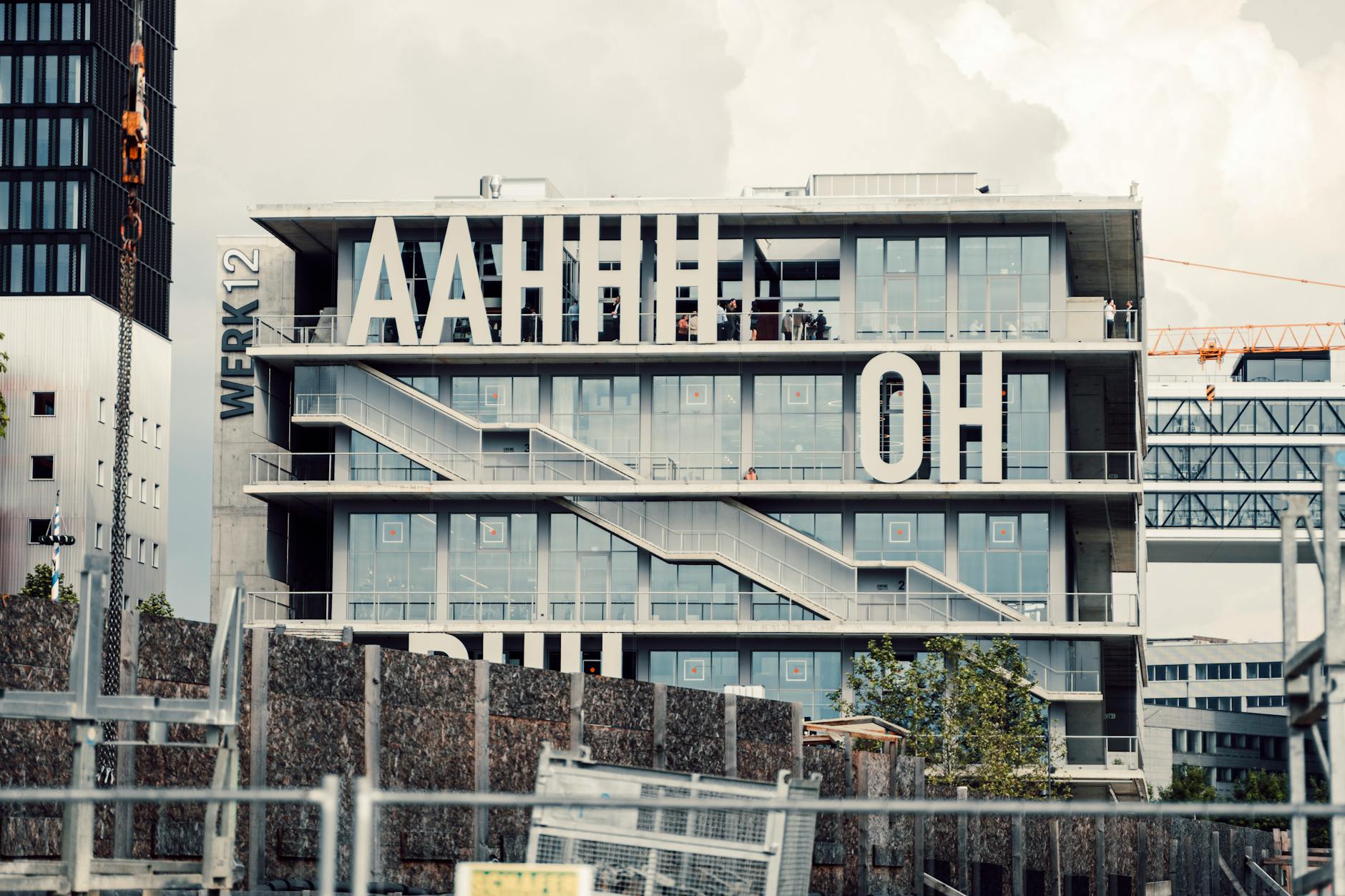
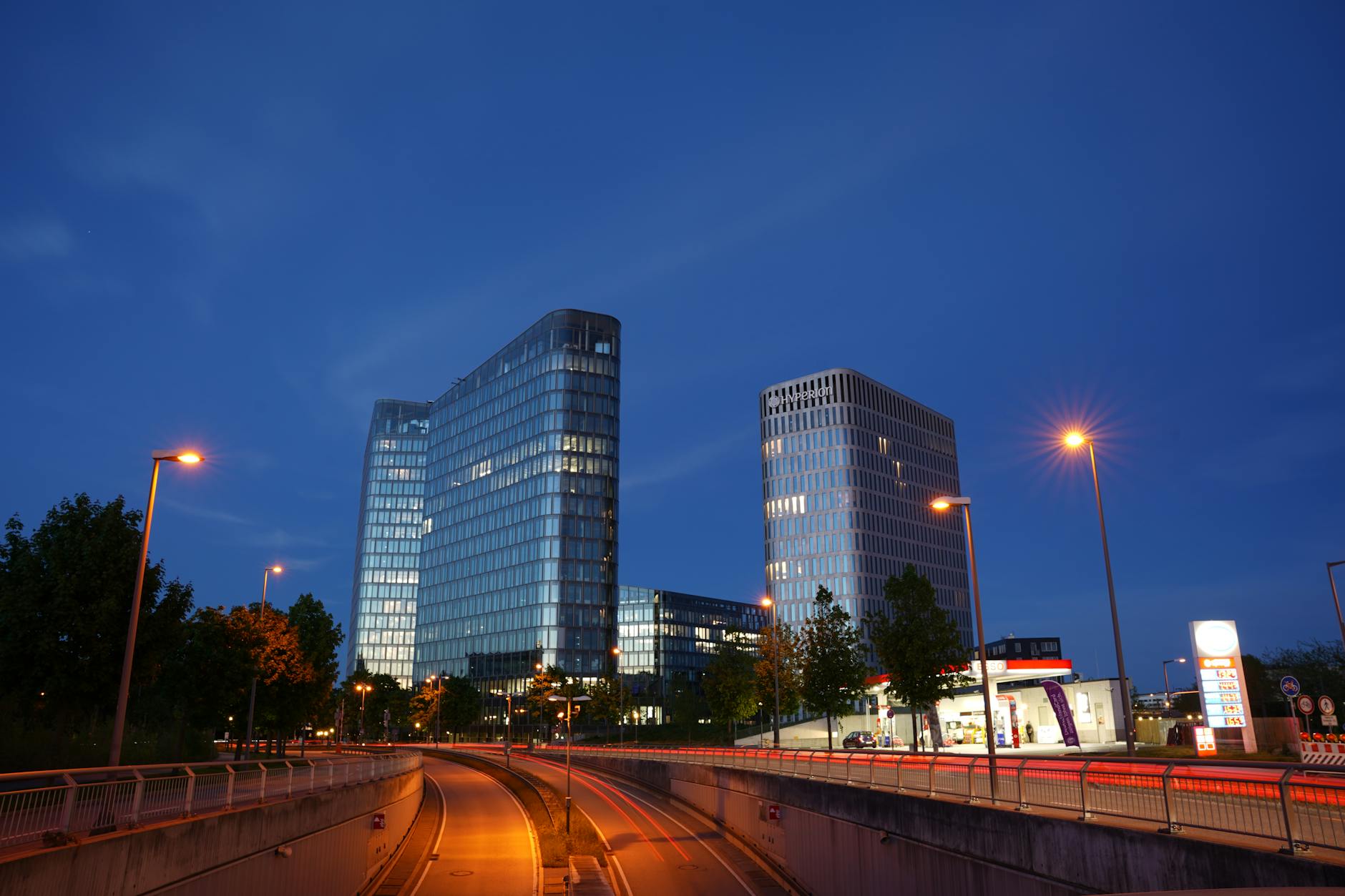
Munich sales travel often involves more than one version of the city. A prospect may be near the old center, a corporate office may sit by the BMW and Olympiapark corridor, another meeting may be in a suburban business area, and dinner may pull the day back toward a central restaurant. The hotel should be chosen after the account map is built, not before.
For a short sales visit, the best base is the one that protects the highest-value conversation. If the first morning meeting is decisive, staying near that meeting may beat a better-known central address. If the trip depends on several central dinners and flexible calls, a more central hotel may be smarter. The sales traveler should know which account is driving the geography.
- Map every prospect, office, dinner, demo site, and departure point before booking.
- Choose the hotel around the highest-value meeting or the densest cluster of appointments.
- Avoid making the first client movement the most fragile movement of the trip.
Protect the first client-facing hour
Sales travelers are vulnerable to arriving technically on time but commercially unready. Munich Airport is efficient, yet it is far enough from many hotels and offices that immigration, bags, transfer, check-in, food, clothing, and device charging need real time. A same-day arrival before a major pitch can work only when there is enough margin to reset.
The first client-facing hour should be treated as the first deliverable of the trip. The traveler should know where to change, where to review notes, how to reach the meeting, and what to do if the flight, taxi, or hotel room is delayed.
- Build time for transfer, check-in, food, clothing, charging, and account review.
- Avoid a same-day arrival before a high-stakes pitch unless the schedule has real slack.
- Plan a backup place to prepare if the hotel room is not ready.

Treat demos and samples as logistics
A sales trip changes shape when the traveler is carrying demo equipment, samples, brochures, product cards, display materials, or gifts. A route that is easy with a laptop bag may be poor with fragile or heavy materials. Weather, stairs, client-site security, taxis, storage, and hotel luggage handling all become part of the sales plan.
The traveler should decide in advance what goes to each meeting, what stays at the hotel, and what happens if a bag is delayed. If the account depends on a live demo, the plan should include offline backups, adapters, battery capacity, and a tested presentation path.
- Plan movement for demo equipment, samples, gifts, brochures, and backup devices.
- Know what can stay at the hotel and what must be carried into each meeting.
- Prepare offline demos, adapters, chargers, and backup files before leaving home.
Use meals to advance the relationship
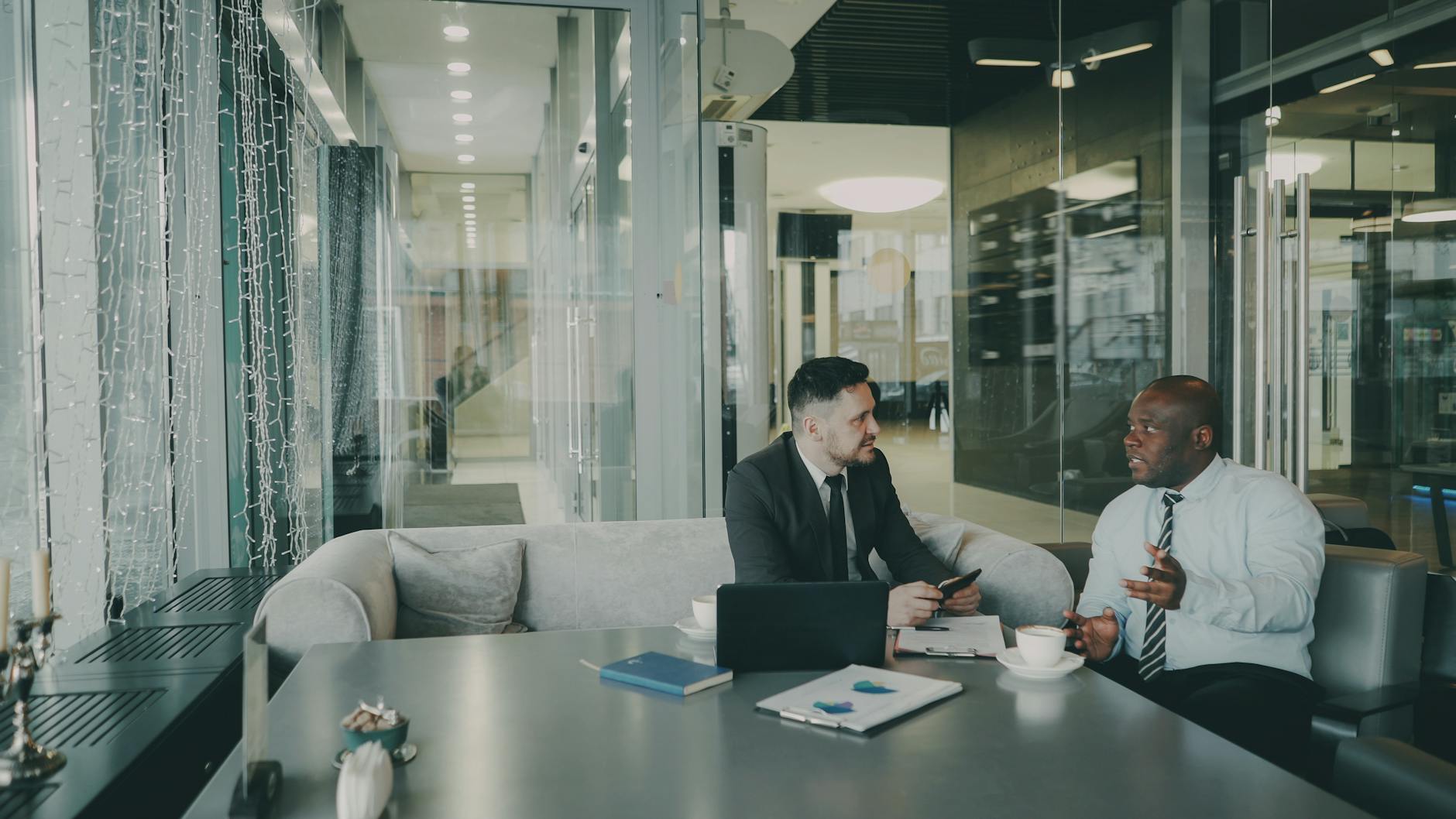
Munich gives sales travelers several useful meal modes: quiet hotel restaurants, traditional Bavarian rooms, polished central dining, relaxed beer gardens in season, and quick meeting-adjacent cafes. The right choice depends on the relationship, not just the restaurant rating. A first meeting may need calm and privacy. A warmer account may benefit from a more local setting. A tired prospect may prefer convenience over charm.
During major event weeks, dinner availability and taxi demand can tighten quickly. The traveler should reserve important meals early, keep one easy backup near the hotel, and avoid making the evening so long that the next morning's account suffers.
- Choose meals by relationship stage, privacy needs, noise level, location, and next-day obligations.
- Reserve important dinners early during large trade-show or event periods.
- Keep one lower-effort meal option near the hotel for recovery or schedule changes.
Protect follow-up time between meetings
Sales travel often fails in the gaps. A strong meeting produces follow-up work: notes, pricing questions, CRM updates, internal messages, proposal changes, and next-step commitments. If the day is packed from breakfast through dinner, the traveler may leave Munich with warm conversations but weak execution.
The schedule should include short protected blocks after important meetings. Those blocks can happen in the hotel room, a quiet lounge, a client office, or a controlled cafe, but they should not depend on finding a calm corner by accident. Follow-up is part of the sales work, not an administrative afterthought.
- Reserve time for notes, pricing questions, internal alignment, CRM updates, and proposal changes.
- Identify quiet work locations before the meeting day starts.
- Do not let every travel gap disappear into movement, calls, or low-value coffee meetings.

Match transport to the account value
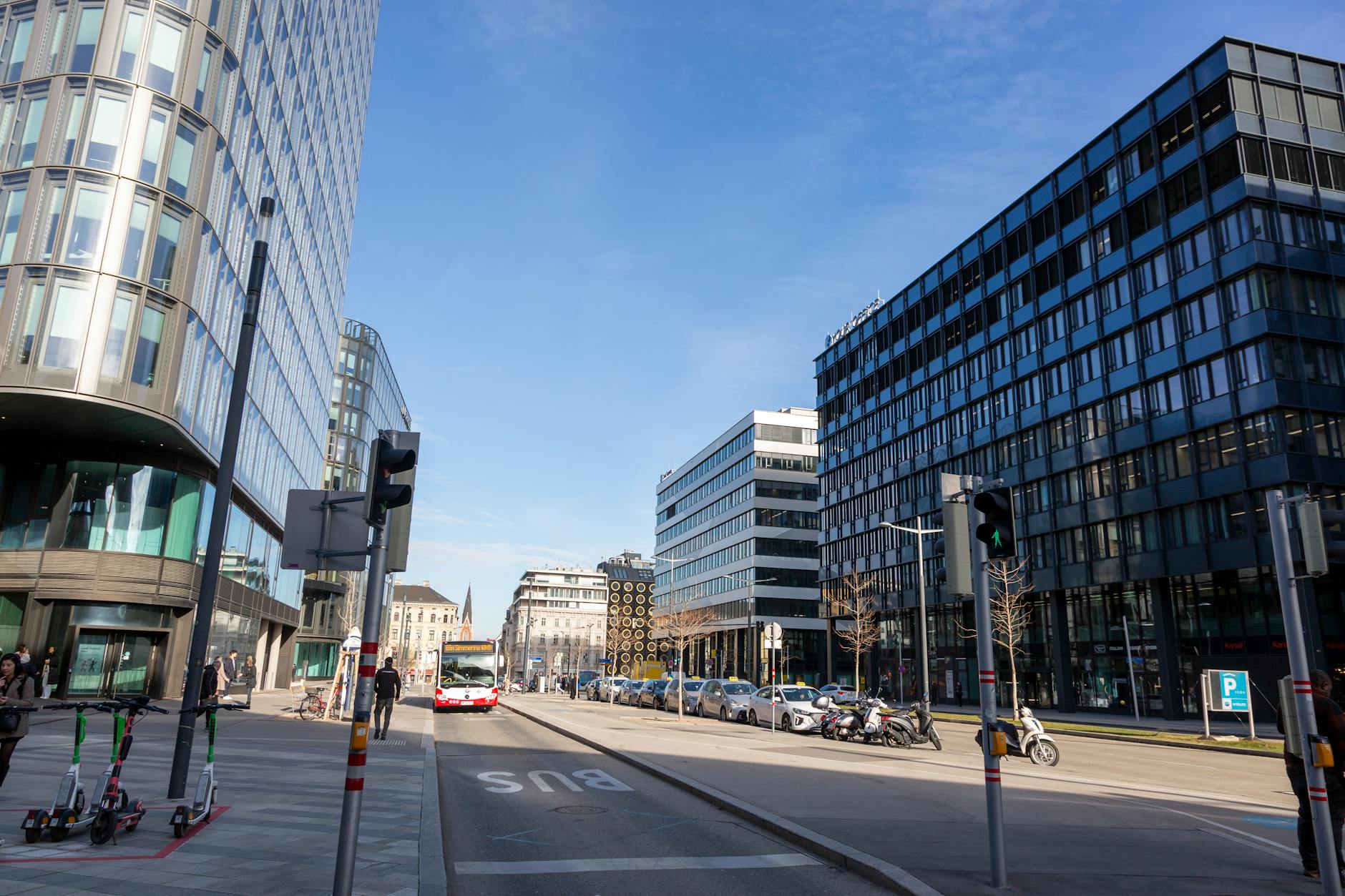
Munich transit, taxis, walking, and rail links can all be useful, but a sales traveler should not choose movement only by cost or habit. Formal clothing, weather, materials, prospect seniority, the final walking distance, and punctuality all matter. A simple transit route may be ideal for one meeting and wrong before a high-stakes presentation with samples.
The practical standard is to know the normal route and the fallback. If rain starts, a meeting runs long, or a prospect changes location, the traveler should be able to adjust without losing the commercial purpose of the visit.
- Choose transit, taxi, or walking by account value, weather, clothing, luggage, and meeting stakes.
- Know the fallback route for each important appointment.
- Do not save a small amount of money at the cost of readiness or credibility.
When to order a short-term travel report
A sales traveler with one flexible meeting and no materials may not need a custom Munich report. A report becomes useful when the trip includes multiple prospects, demos or samples, same-day arrival, executive dinners, trade-show overlap, suburban offices, weather exposure, or tight departure timing.
The report should test prospect geography, hotel placement, airport and rail transfer options, meeting sequence, demo logistics, dinner strategy, follow-up windows, backup routes, and what to cut if the schedule becomes too full. The value is a sales trip that protects the revenue opportunity instead of merely confirming that reservations exist.
- Order when account value, demos, materials, timing, dinners, or meeting geography make improvisation expensive.
- Provide prospect addresses, hotel options, arrival details, meeting times, meal plans, materials, and constraints.
- Use the report to protect the commercial purpose of the Munich visit.