A repeat Munich visit should not feel like a faded version of the first one. Once Marienplatz, the headline museums, the classic beer halls, and the easiest old-town loop are familiar, the city opens in a different way. The returning leisure traveler can use the Isar, garden districts, smaller museums, repeat restaurants, seasonal events, neighborhood cafes, and slower walking routes without the pressure to prove they have seen the essentials. The challenge is choosing a new purpose for the return. A second or third Munich trip might be about parks and rivers, architecture, a specific exhibition, food, music, Christmas markets, summer beer gardens, day trips, or simply a calmer version of the city. The itinerary should be built around that purpose, not around repeating the old checklist.
Choose a new anchor instead of repeating the first trip
A repeat leisure visitor should begin by naming the new anchor. It might be the Isar, Kunstareal, Nymphenburg in a different season, a garden route, a music evening, a food weekend, or a neighborhood stay. Without a new anchor, the trip can drift back to the same old-town loop and feel less satisfying than expected.
The returning traveler has permission to skip famous sights. If Marienplatz, the Residenz, or the main beer-hall experience has already been done well, the next trip can spend that time on places that would have been too slow or too specific the first time.
- Name the return-trip anchor before choosing hotels or daily routes.
- Skip first-visit sights that do not serve the new purpose.
- Use familiarity to go slower, not just to add more stops.
Consider a different hotel neighborhood
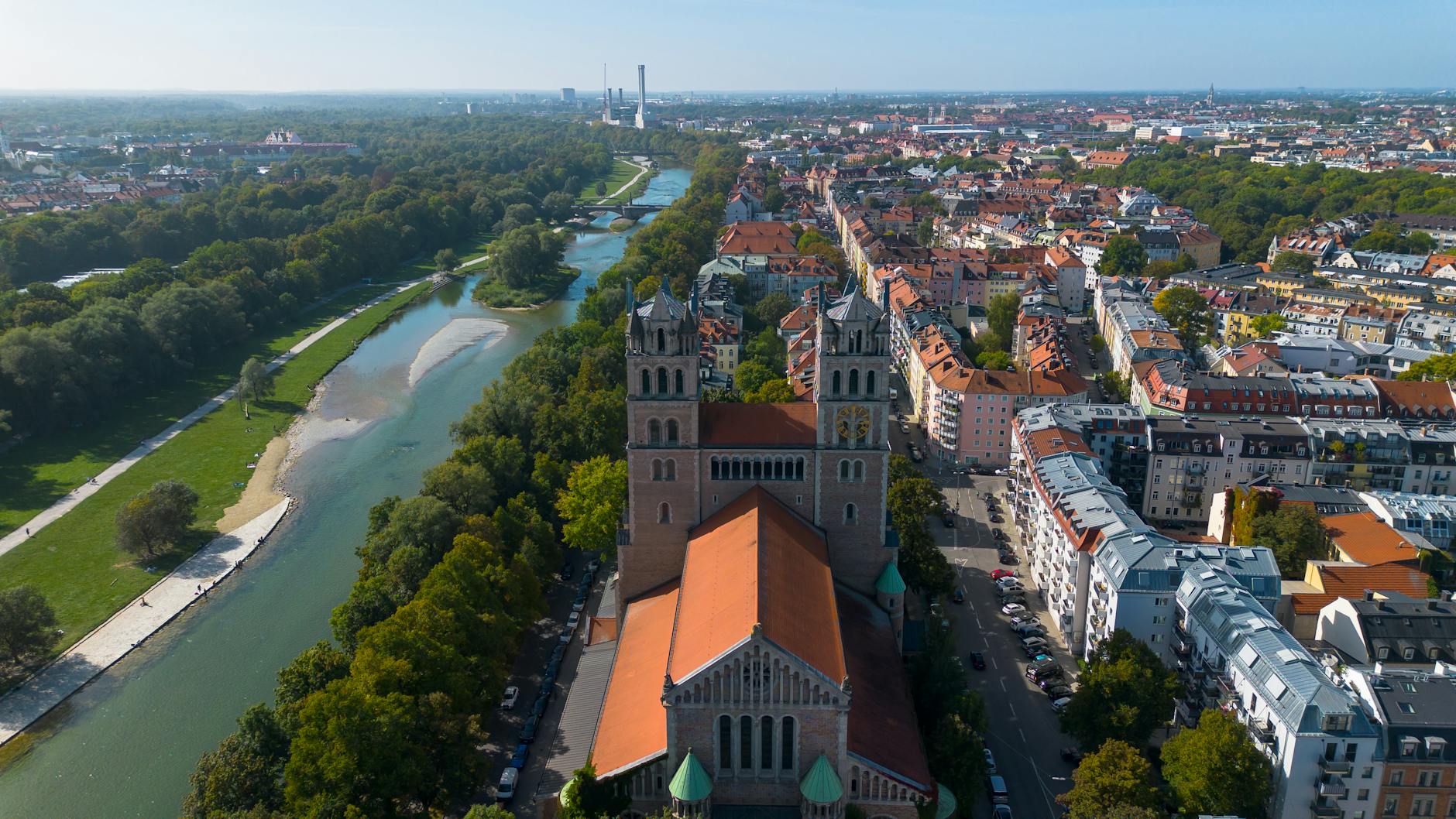
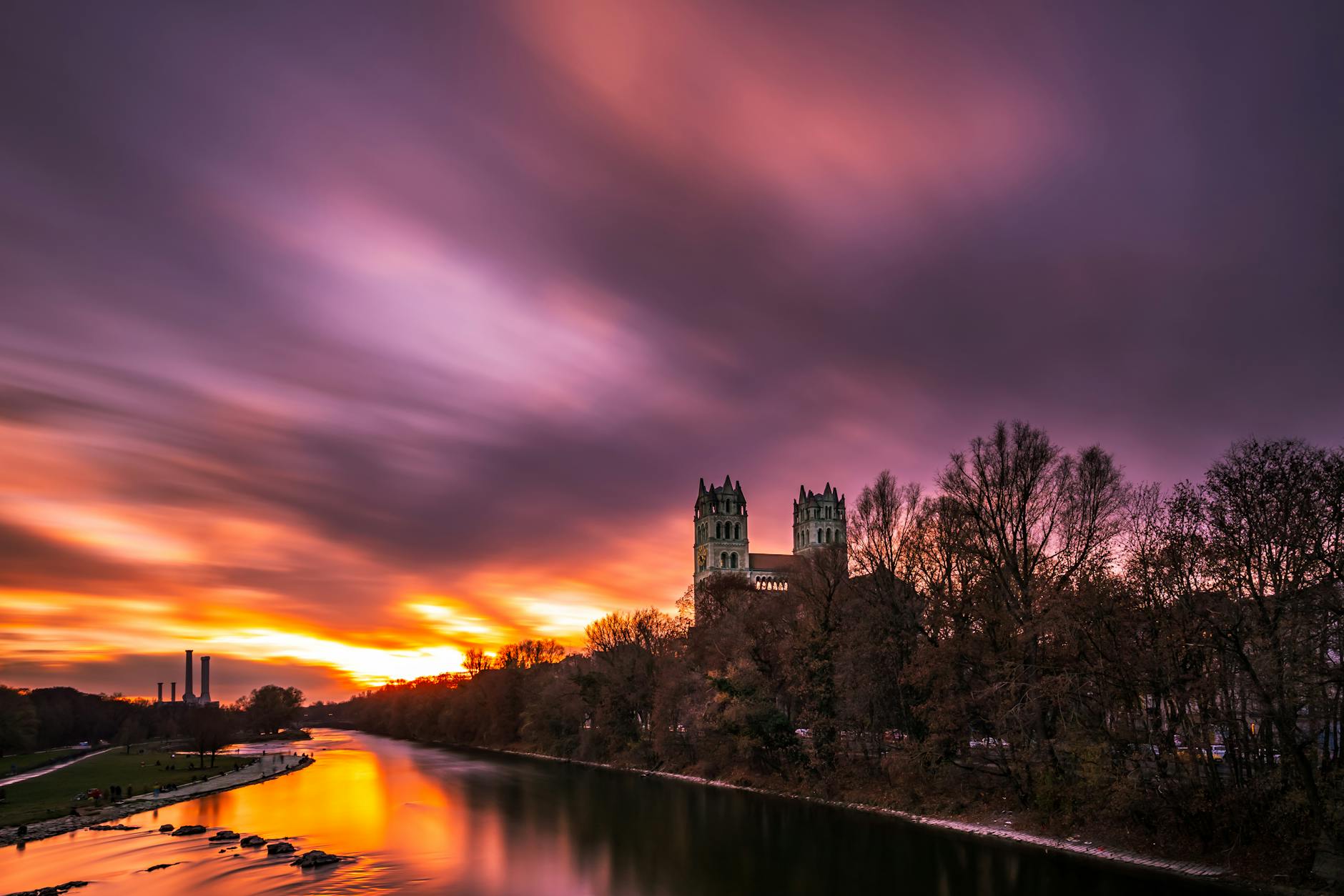
The best base for a repeat Munich visit may not be the same central base that worked on the first trip. A returning visitor may want easier access to the Isar, a quieter restaurant district, museums, parks, a rail station for day trips, or a neighborhood that feels more residential. The base should support the new rhythm rather than the old orientation needs.
This does not mean rejecting the old town. It means being precise. If the trip is still old-town focused, stay central. If the trip is about river walks, cafes, exhibitions, or calmer evenings, a different base may make the return feel fresher.
- Choose the base around the return-trip anchor, not the first-trip checklist.
- Compare old-town convenience with Isar, museum, park, restaurant, and rail access.
- Check evening meals and transit before choosing a quieter neighborhood.
Use the Isar and outdoor spaces differently
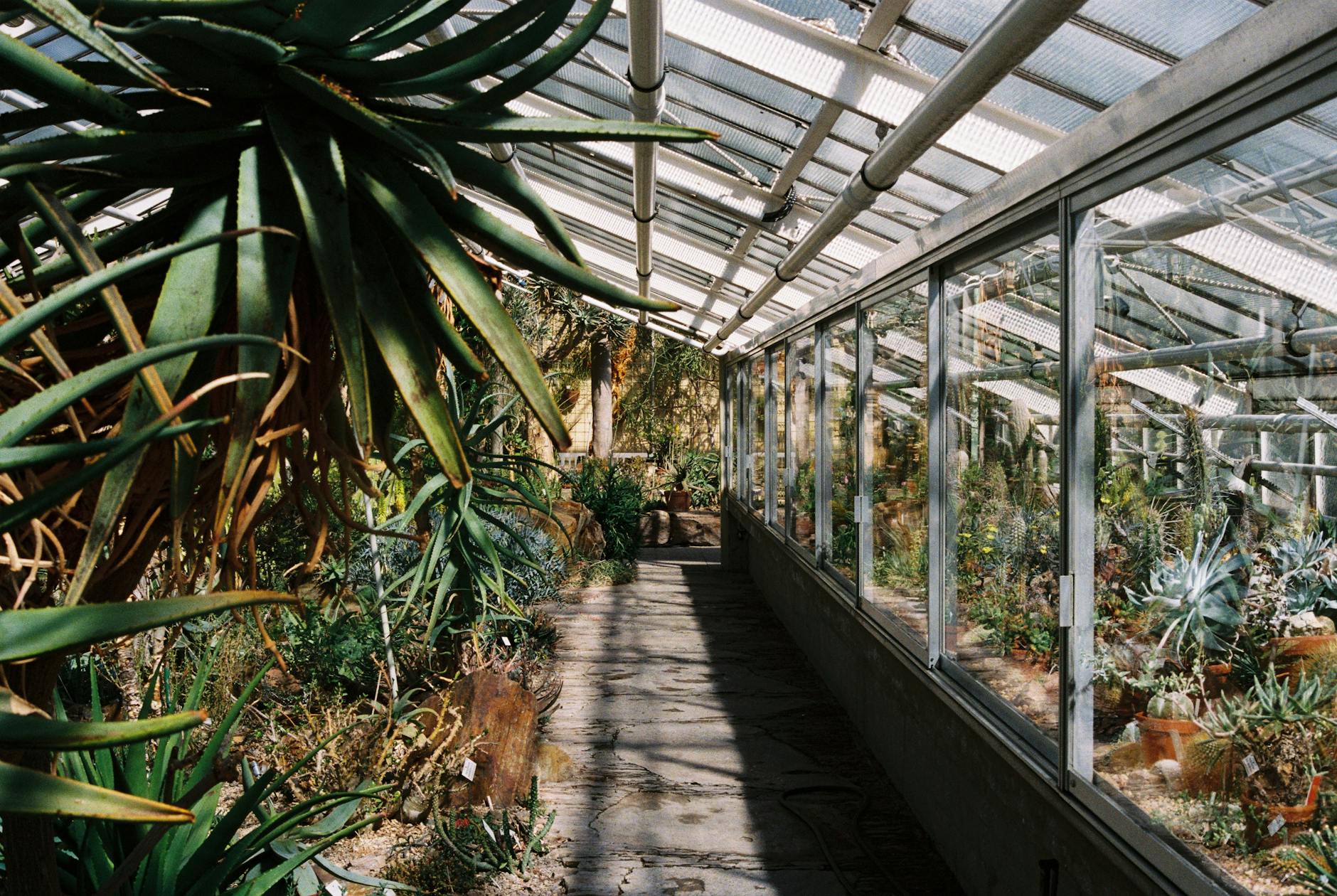
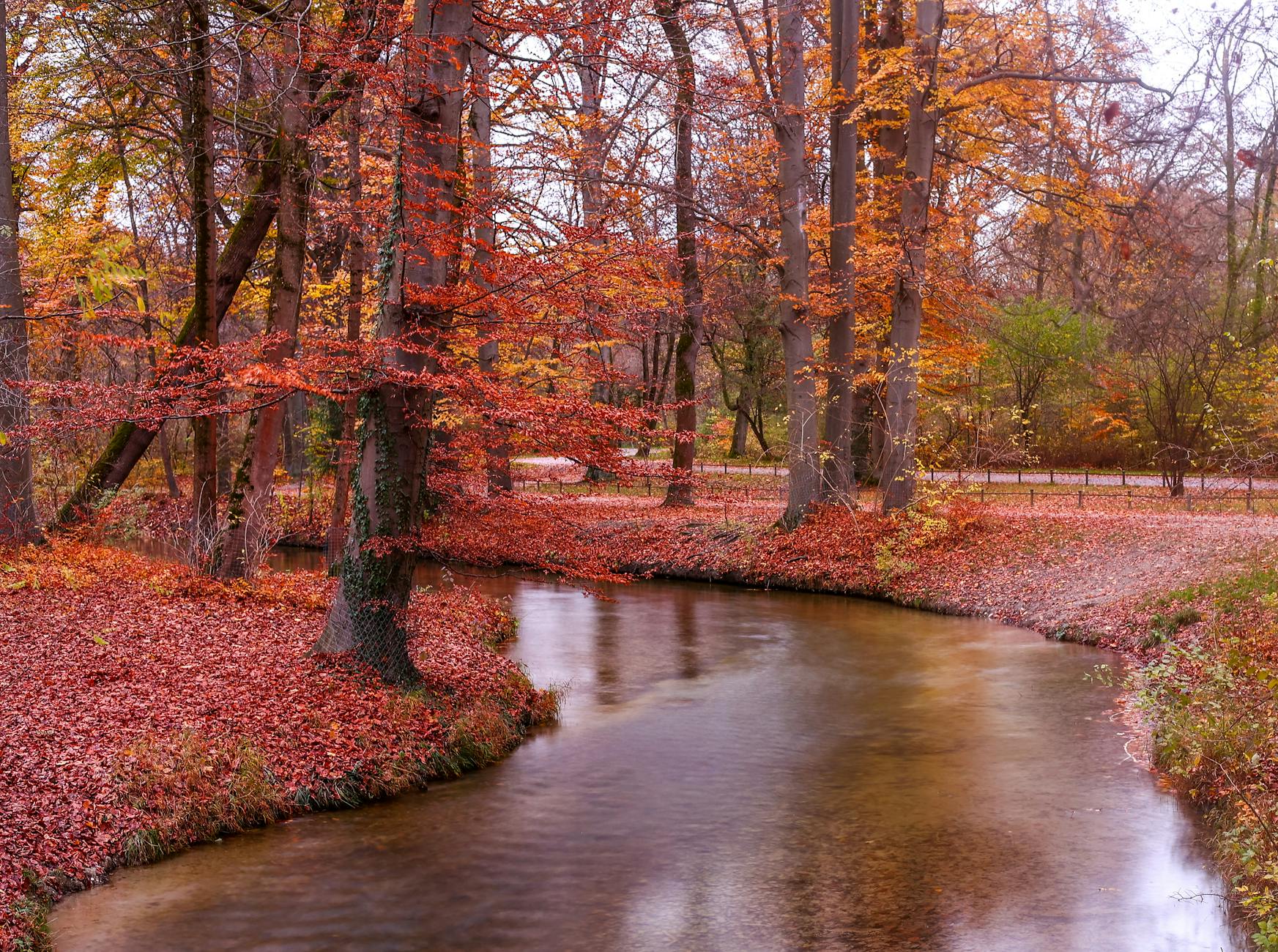
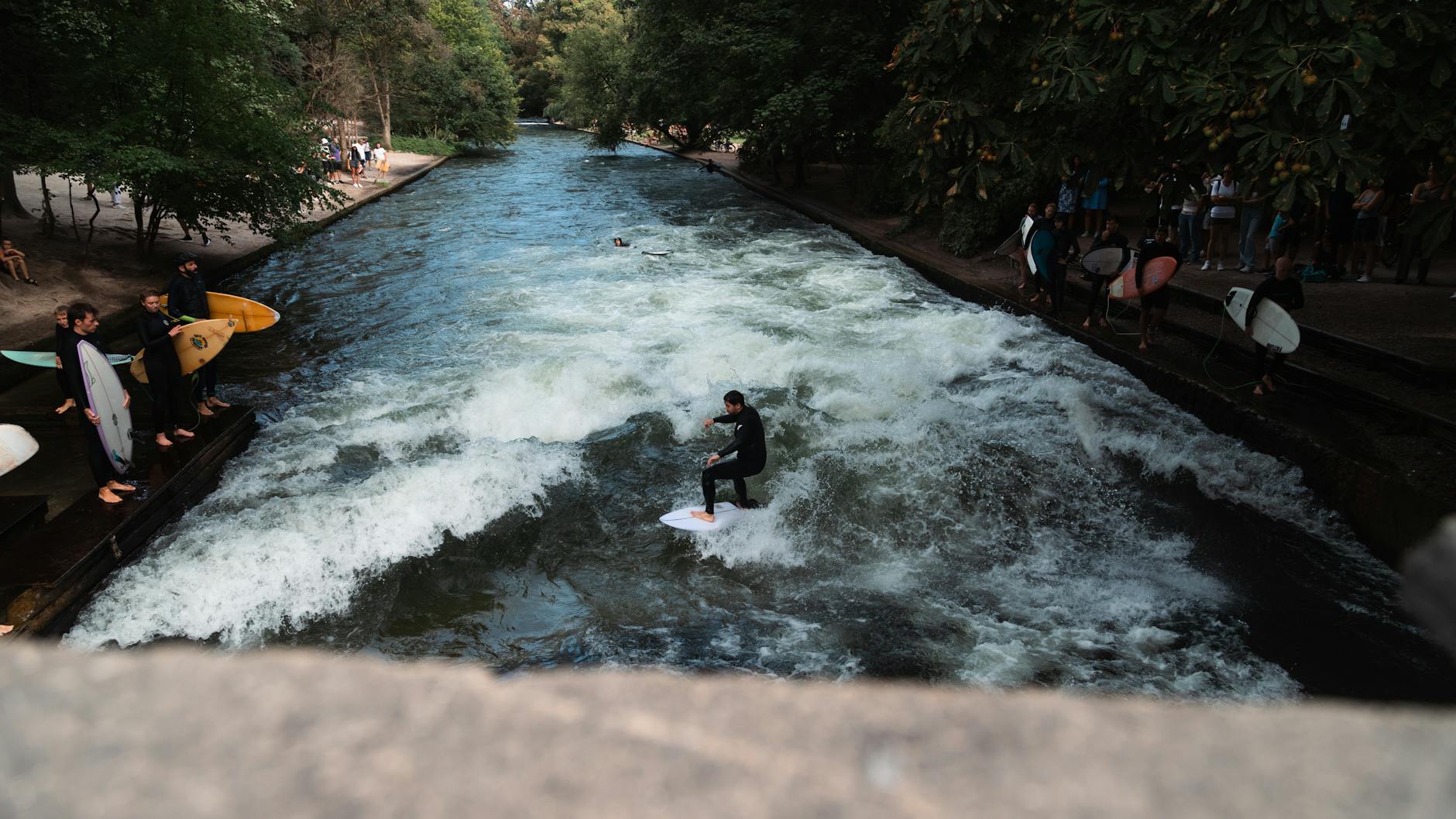
Repeat visitors can give Munich's outdoor life more room. The Isar, English Garden, Hofgarten, botanical garden, Olympic Park, and quieter green spaces do not need to be short breaks between headline sights. They can become the structure of the day, especially in good weather.
The traveler should plan outdoor time with meals, bathrooms, weather, and transit in mind. A river walk or garden visit is more satisfying when it is not squeezed between two distant obligations. On a return trip, a slower outdoor block may be the point.
- Let the Isar, parks, gardens, or Olympic Park shape the day rather than fill leftover time.
- Pair outdoor routes with nearby meals, bathrooms, and simple transit.
- Keep a museum or cafe fallback for rain, cold, heat, or short daylight.
Go deeper on museums and architecture
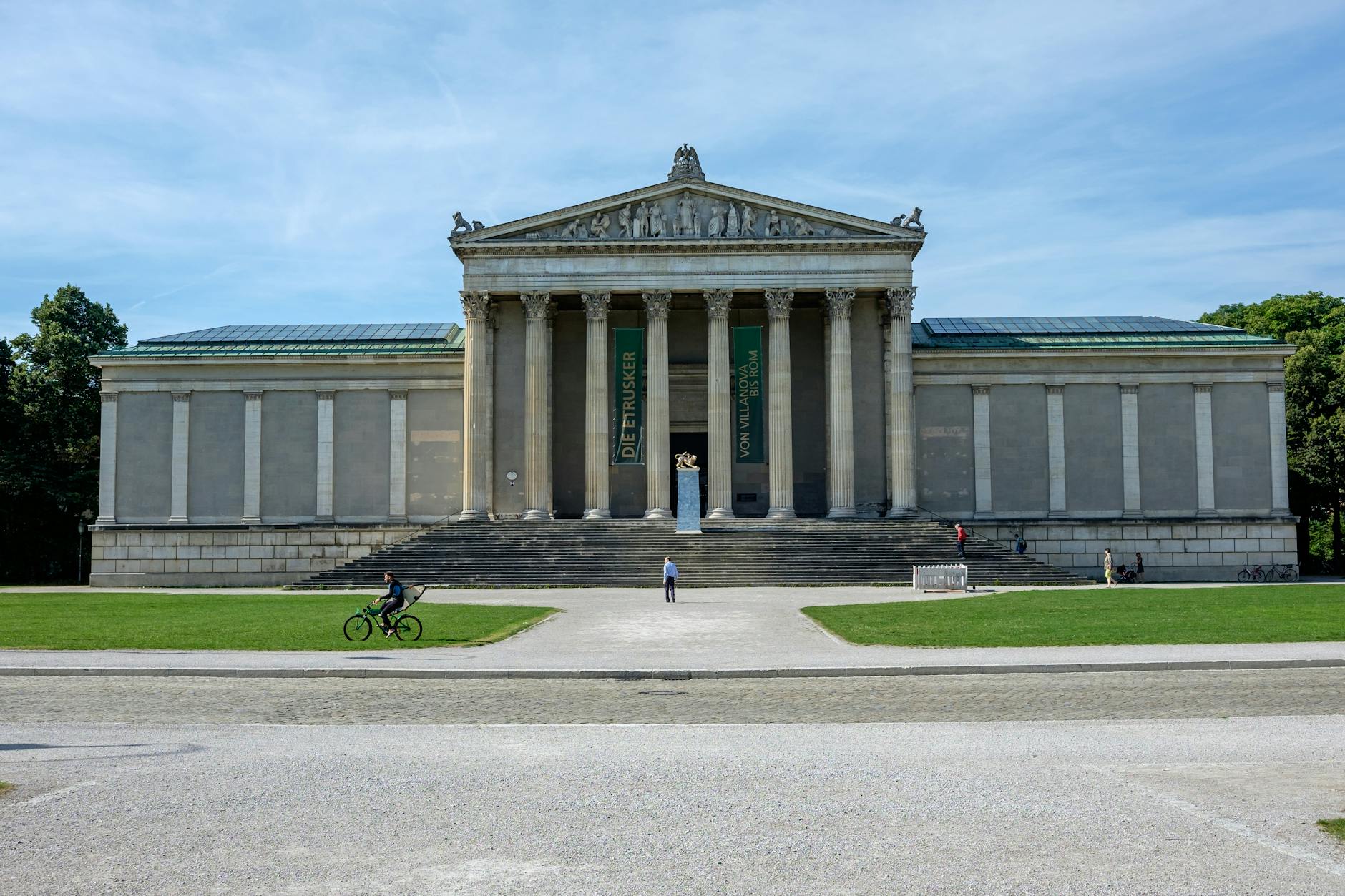
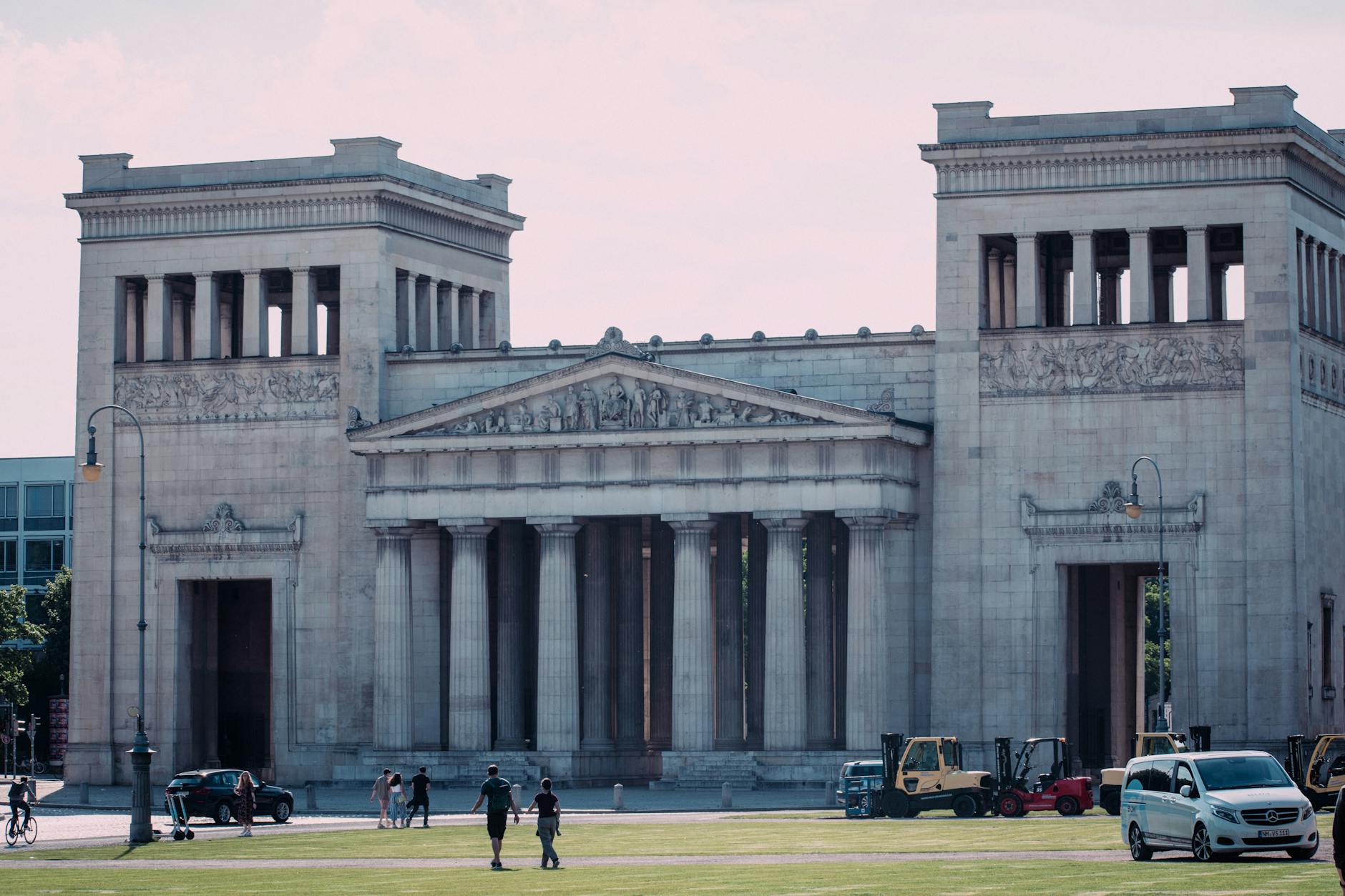
A returning visitor can choose more specific cultural stops: a museum missed the first time, a special exhibition, Konigsplatz, smaller collections, architectural interiors, or a careful revisit to a favorite site. The point is not to exhaust the museum list. It is to give one or two cultural choices the time they deserve.
The traveler should check exhibition calendars, opening days, and whether the museum visit fits the season. A repeat Munich trip can be built around a single exhibition or collection if the rest of the day is paced around it.
- Use return visits for specific museums, exhibitions, Konigsplatz, or architecture rather than broad coverage.
- Check opening days, special exhibitions, and late hours before arrival.
- Give one or two cultural choices enough time instead of collecting quick stops.
Let meals become part of the return purpose
Food can be a strong reason to return to Munich, but repeat visitors should move beyond default tourist meals. A favorite beer garden, a quieter neighborhood dinner, a market lunch, a bakery route, a modern restaurant, or a seasonal menu can give the trip a new shape. The traveler should reserve meals that matter and leave casual room where spontaneity is safe.
The biggest mistake is treating meals as logistics only. On a return trip, a well-placed lunch or dinner can be the thing that makes the city feel personal rather than familiar.
- Use favorite restaurants, beer gardens, bakeries, markets, and seasonal menus as trip anchors.
- Reserve meals that matter during busy weekends, event periods, and holiday seasons.
- Keep casual options near the hotel for lower-energy evenings.
Use seasonality as a reason to return
Munich changes enough by season that repeat visits can be built around timing. Spring gardens, summer beer gardens, autumn river walks, winter museums, Christmas markets, opera calendars, football nights, and major festivals all create different versions of the same city. The traveler should plan around the actual dates rather than reusing a previous itinerary.
Seasonality also affects cost and crowding. Oktoberfest period, trade fairs, and holiday markets can make hotels expensive or central areas crowded. A repeat visitor can use that knowledge to choose quieter dates or a deliberately event-focused trip.
- Build the return around spring, summer, autumn, winter, markets, festivals, opera, or exhibitions.
- Check Oktoberfest period, trade fairs, football nights, and holiday-market demand before booking.
- Adjust hotel base and dinner strategy for the actual season.

When to order a short-term travel report
A repeat visitor who already knows exactly what they want may not need a custom Munich report. A report becomes useful when the traveler wants a fresh version of the city, is choosing a new hotel area, is planning around a specific season or exhibition, wants quieter restaurants, or needs to fit Munich into a larger leisure itinerary without repeating old habits.
The report should test the new trip anchor, hotel neighborhood, Isar and park routes, museum or exhibition choices, restaurant placement, seasonal demand, weather substitutions, and what to leave out because the traveler has already done it well. The value is a return trip with a reason.
- Order when the return needs a new theme, neighborhood, season, exhibition, restaurant strategy, or pacing model.
- Provide prior Munich visits, dates, hotel candidates, favorite and disliked areas, interests, and constraints.
- Use the report to make the repeat visit feel intentional rather than repetitive.