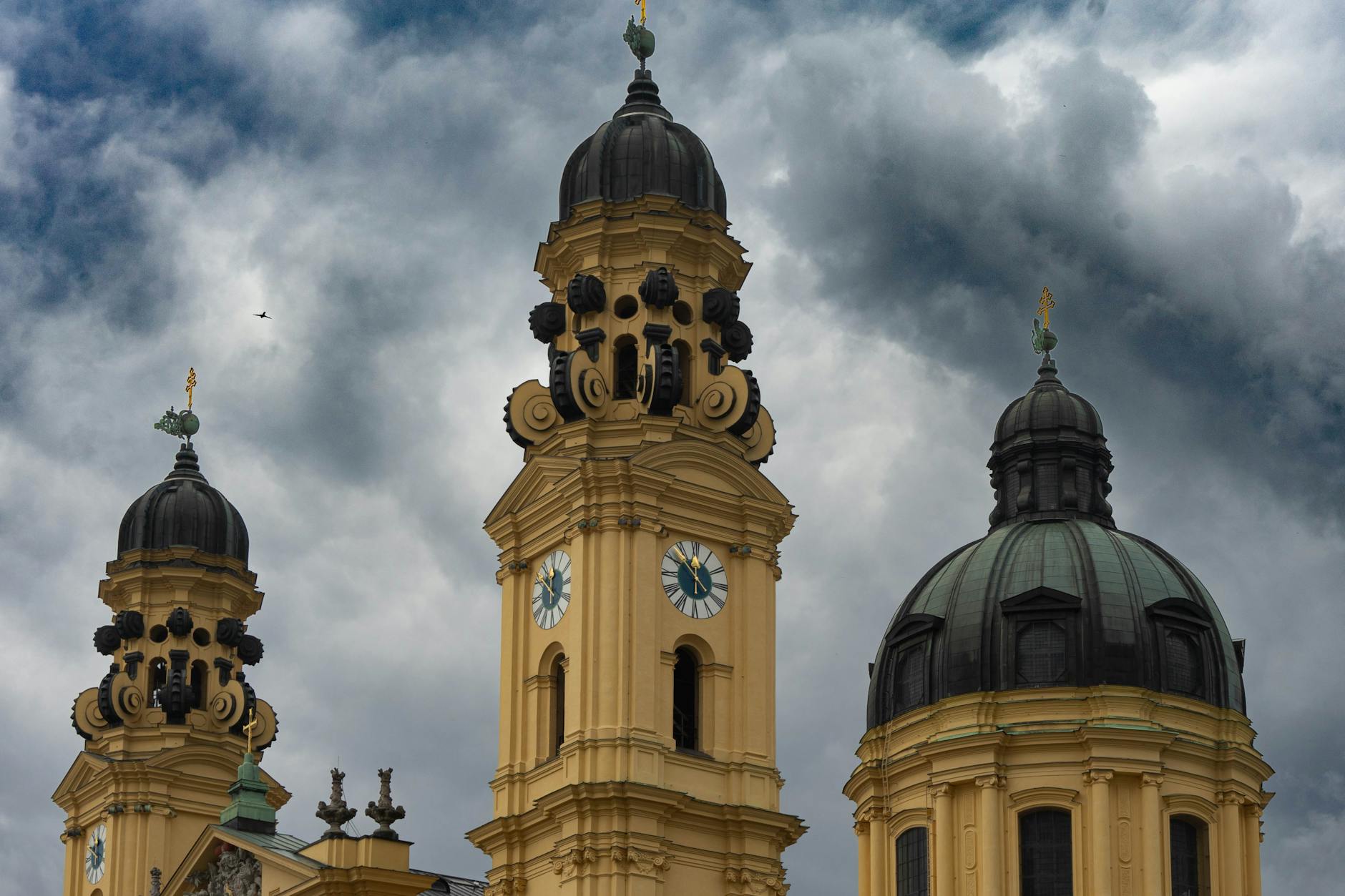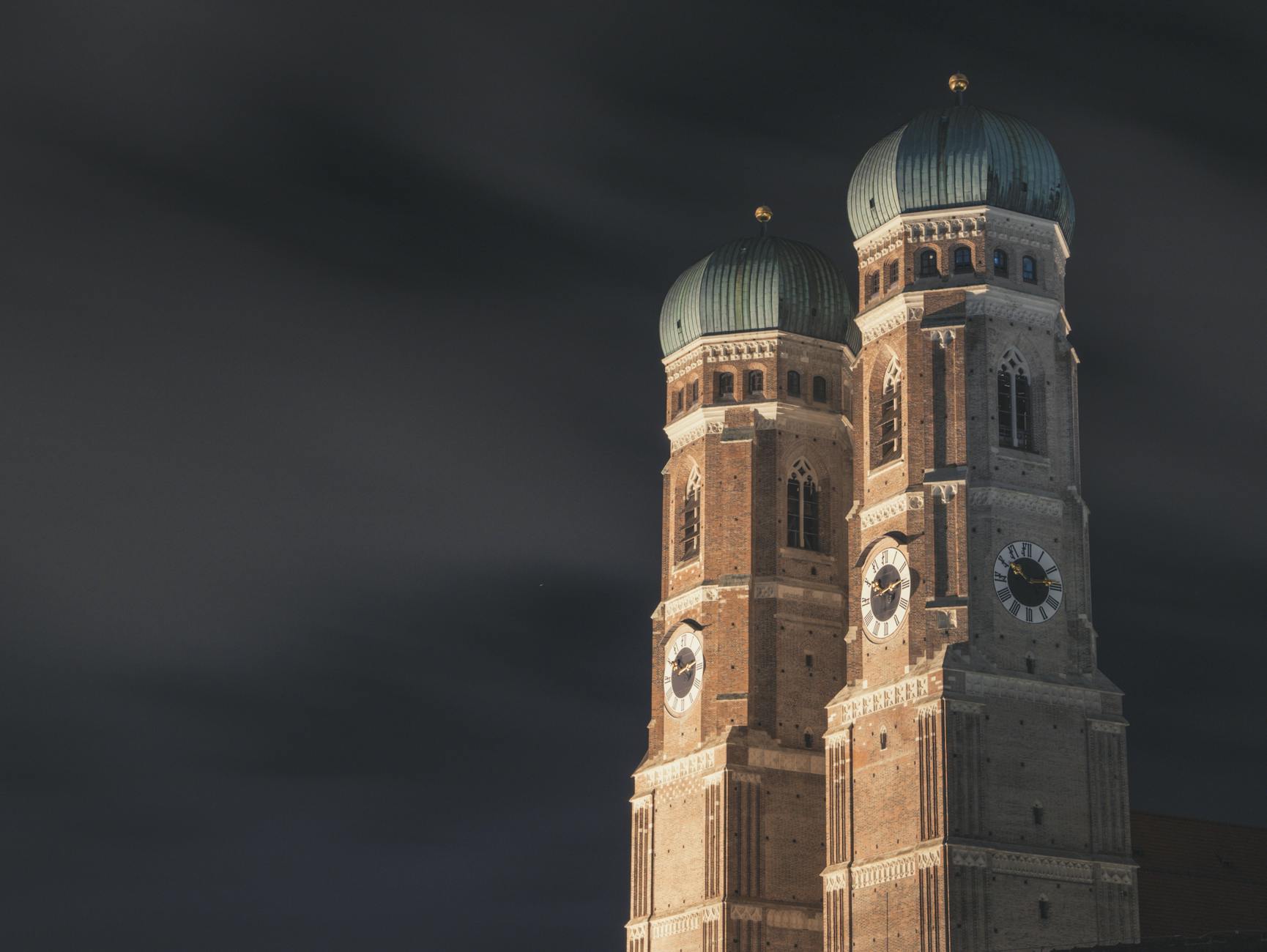
Munich can be a meaningful destination for travelers whose trip includes Catholic churches, sacred architecture, music, prayer, religious history, Christmas-season observance, or a quieter form of personal pilgrimage. The city is not usually planned like a classic pilgrimage destination, which is exactly why the traveler should be deliberate. Churches may sit close together in the old center, but opening hours, services, restoration work, crowds, and photography rules can still shape the day. The best religious trip to Munich balances reverence with practical movement. A traveler may want Frauenkirche, St. Peter's, Theatine Church, St. Michael's, Asam Church, quiet chapel time, organ music, a Christmas market setting, or a broader Bavarian religious history route. Those goals should determine hotel placement, pacing, dress, transit, and how much ordinary sightseeing belongs in the schedule.
Start with the purpose of the visit
A religious traveler should decide whether the Munich visit is primarily devotional, architectural, musical, historical, seasonal, or personal. The practical plan changes with that answer. A traveler seeking quiet prayer may need early or less crowded church visits. A traveler interested in sacred architecture may need better daylight and more walking. A traveler focused on Christmas-season worship or music may need ticketing, seating, and evening return planning.
The purpose also determines what to leave out. Munich has enough secular attractions to dilute a short trip quickly. If the sacred component is central, it should receive protected time rather than being inserted between shopping, museums, and meals.
- Decide whether the trip is devotional, architectural, musical, historical, seasonal, or personal.
- Protect quiet or service-based time before filling the itinerary with general sightseeing.
- Match each church or sacred site to the kind of visit the traveler actually wants.
Check opening hours and worship schedules
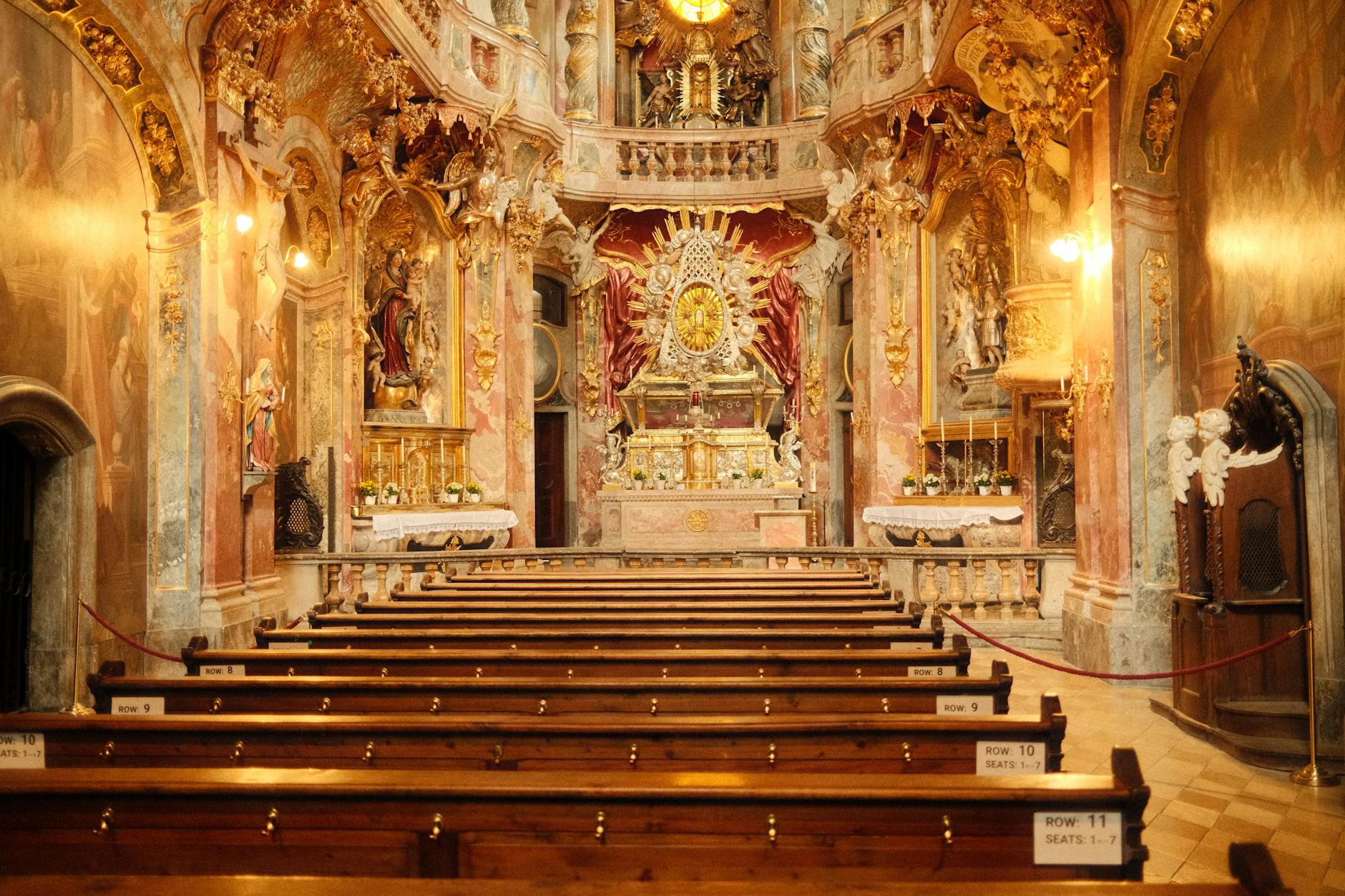
Churches are not museums with uniform access. Services, private events, restoration work, concerts, holidays, and seasonal crowding can affect what a visitor can do inside. A traveler should check current opening hours and service schedules close to the visit, especially when a specific Mass, organ program, or quiet devotional window matters.
The same applies to photography and movement inside sacred spaces. Some churches allow casual visitor movement outside services. Others ask for more restraint, restrict certain areas, or limit photography. The traveler should be ready to change from visitor mode to worship-space mode as soon as the setting requires it.
- Check church opening hours, service schedules, restoration notices, and concert times close to travel.
- Assume access can change during services, holidays, private events, or restoration work.
- Treat photography and movement rules as part of the plan, not a surprise at the door.
Choose the base around sacred-site clustering
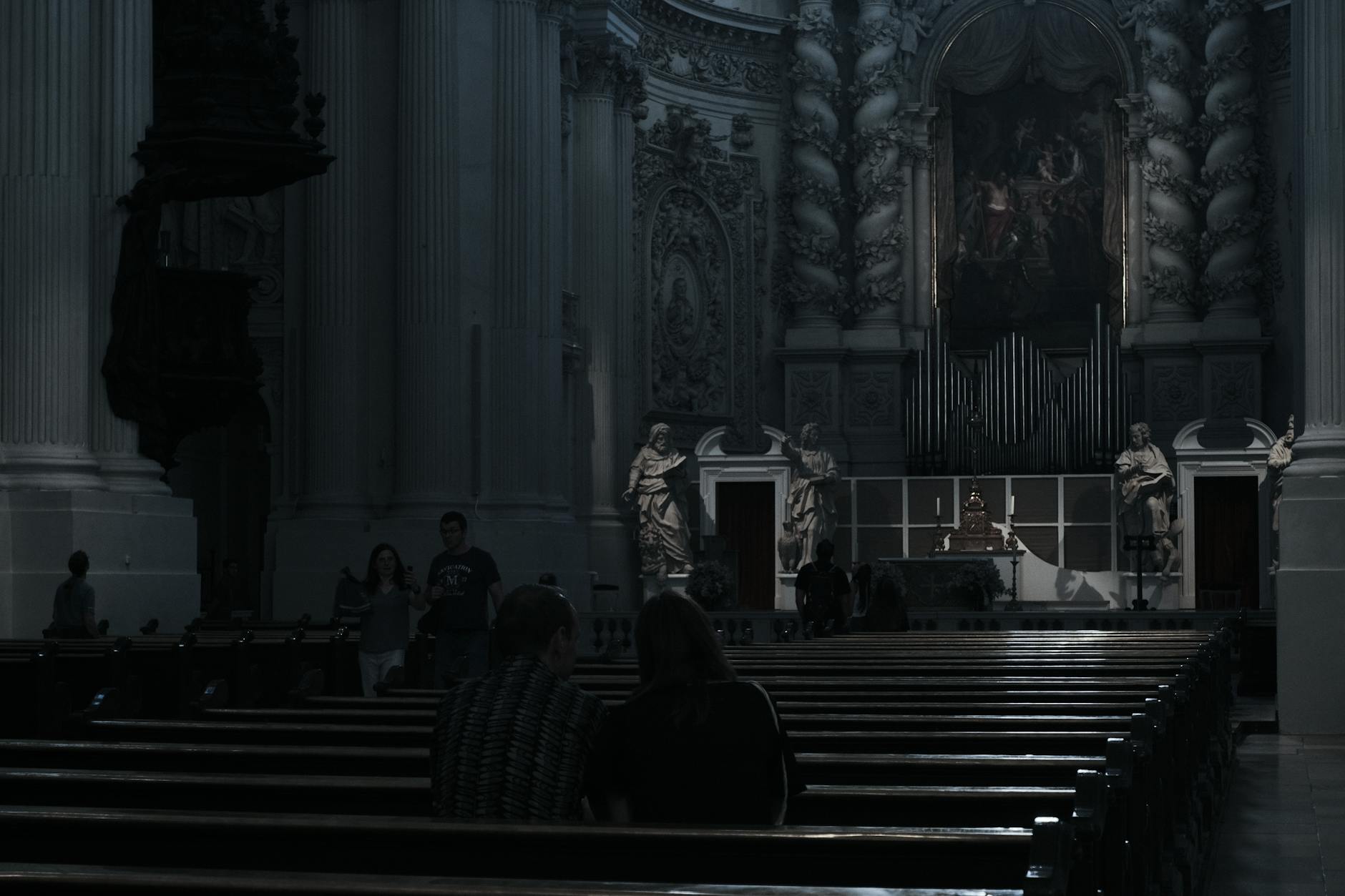
Many of Munich's central churches are walkable from old-town hotels, but that does not make every base equal. A traveler who wants several churches, evening services, Christmas markets, or low-effort returns may benefit from a central base. A traveler pairing Munich with day trips or a larger Bavarian religious route may need better rail access instead.
Mobility matters here. Cobblestones, stairs, winter weather, crowds, and long standing periods can make a short route harder than it looks. The hotel should support the devotional rhythm: easy rests, simple meals, and a clear return path after evening activity.
- Choose the hotel around the sacred-site cluster, evening plans, rail needs, and rest requirements.
- Account for cobblestones, stairs, standing time, crowds, and winter weather.
- Keep the return route simple after services, concerts, or evening market visits.
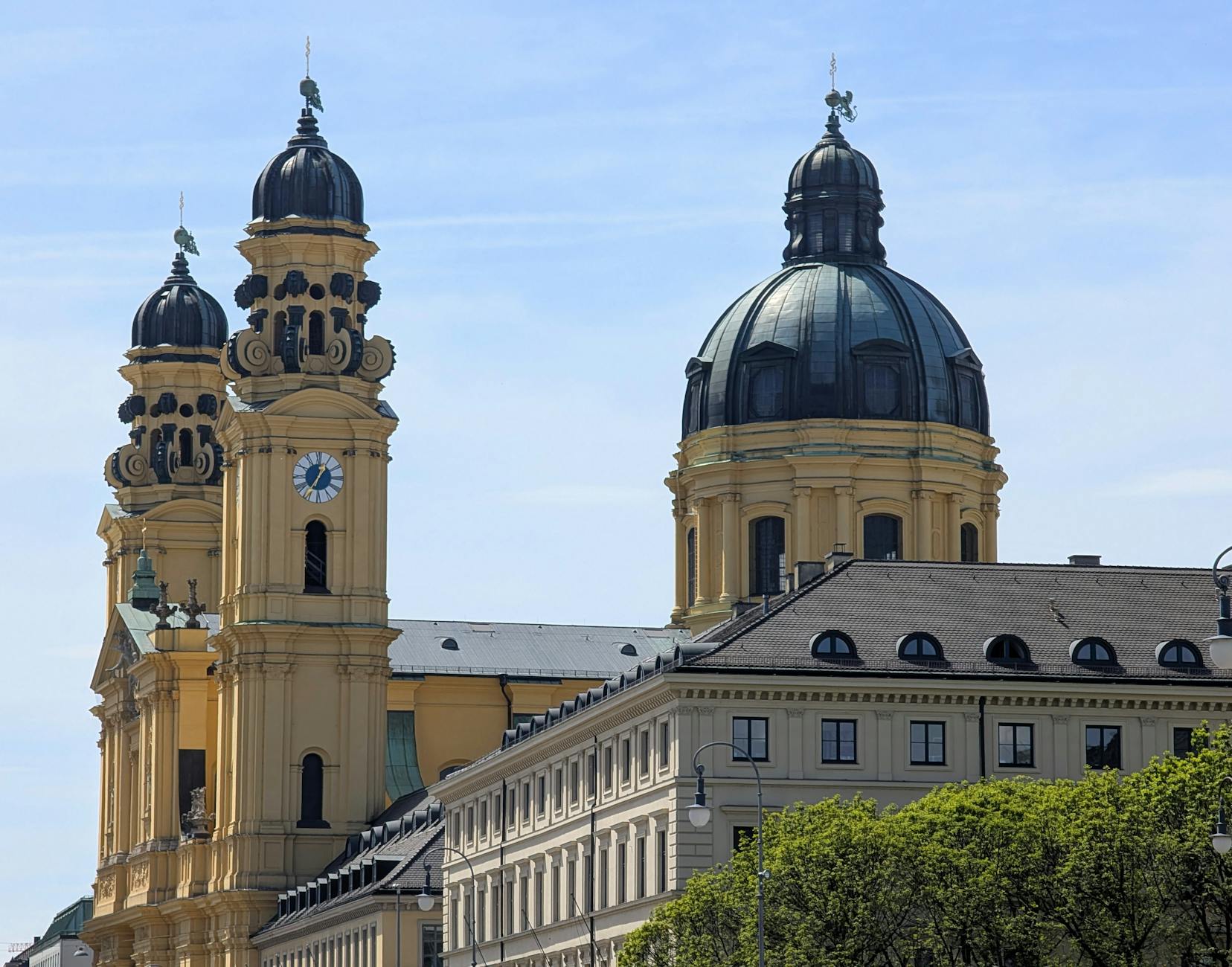
Respect dress, silence, and photography boundaries
Munich's churches are accustomed to visitors, but that does not make them neutral tourist interiors. Dress should be respectful, voices should drop, phones should be controlled, and photography should never interrupt worship. A traveler who wants to photograph architecture should choose the right time and stay aware of people praying nearby.
This is especially important for group travel. One careless person can change how the whole group is received. The traveler should set expectations before entering: no loud explanations, no flash, no blocking aisles, and no filming people in worship without permission.
- Dress and behave as though worship may be happening even during visitor hours.
- Avoid flash, loud commentary, blocked aisles, and intrusive filming.
- Set group expectations before entering sacred spaces.
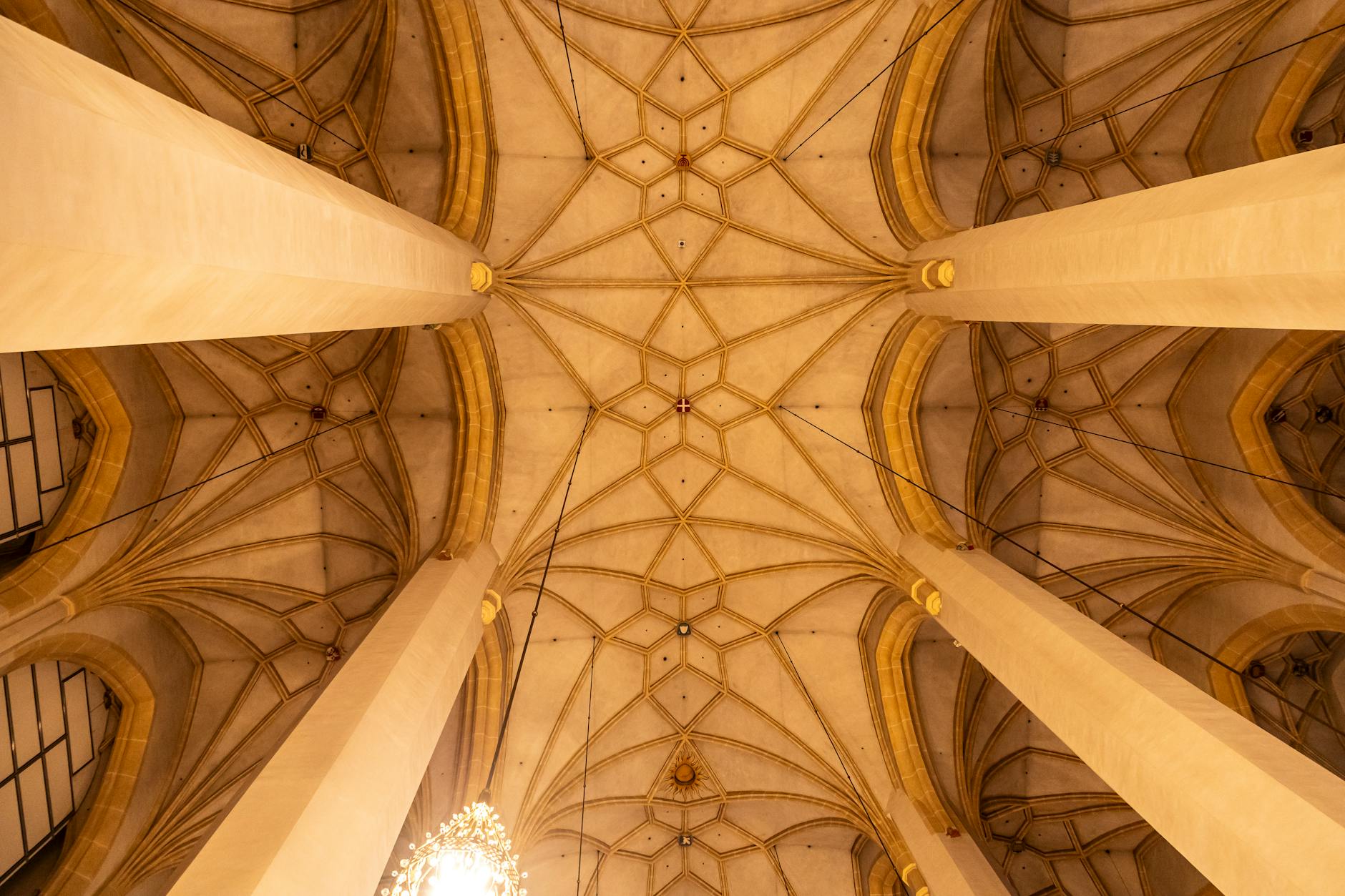
Pace the day for attention, not volume
A religious itinerary can become too dense if the traveler tries to collect every church in one day. Sacred spaces reward attention. The traveler may get more from fewer stops, longer quiet periods, and a meal or walk between heavy interiors than from rushing through a list.
This pacing also protects older travelers, families, and anyone with medical or mobility needs. Munich's central cluster makes overpacking tempting. A better day alternates sacred visits with rest, food, weather shelter, and enough time to move without making the devotional purpose feel hurried.
- Prefer fewer sacred stops with better attention over an exhausting church checklist.
- Build in meals, rest, weather shelter, and time to sit quietly.
- Avoid stacking several ornate interiors without time to absorb them.
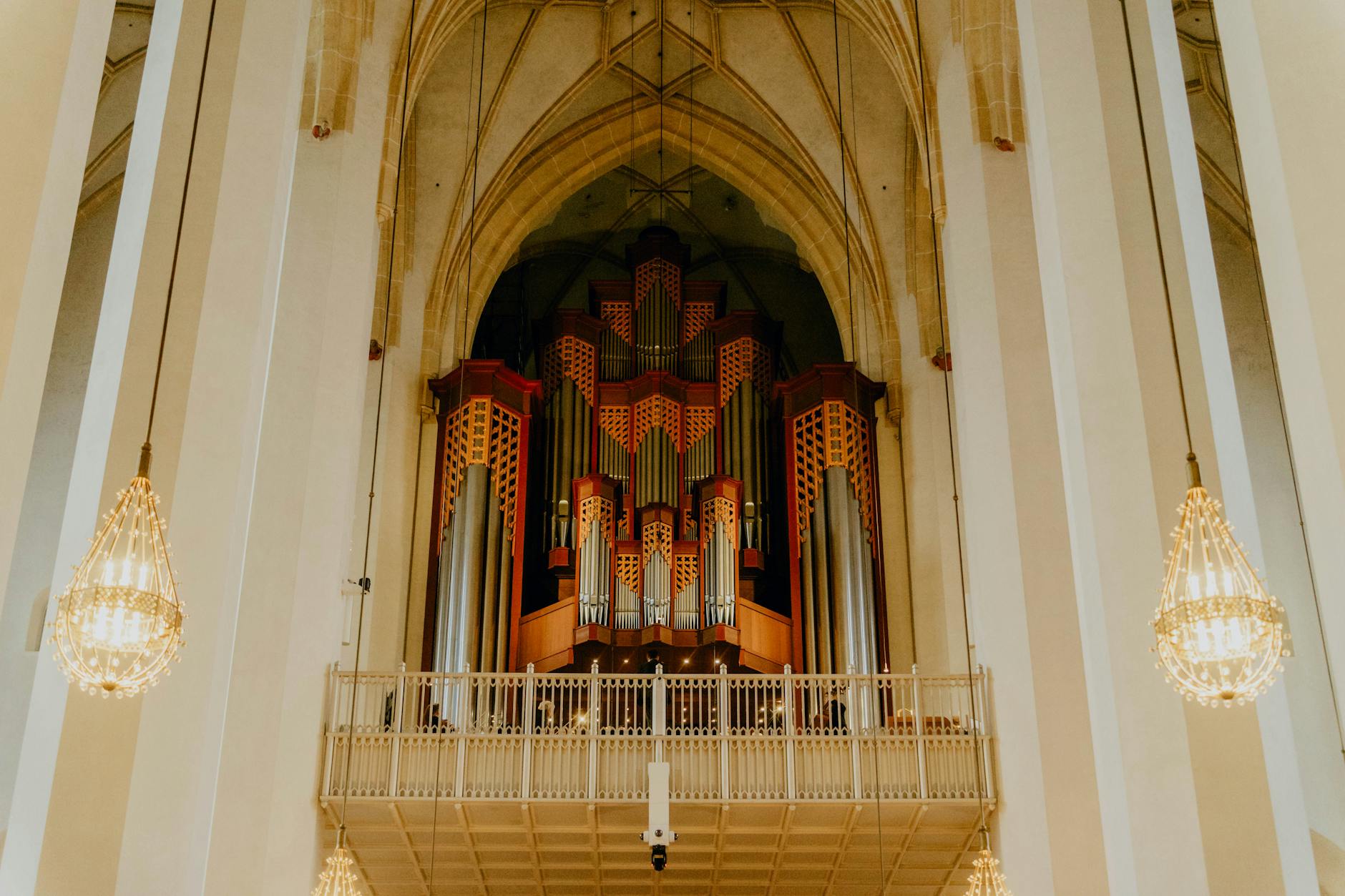
Plan seasonal and evening worship carefully
Christmas markets, evening services, concerts, and winter darkness can make Munich especially atmospheric for religious travelers, but they also change movement. Crowding, cold, wet streets, market closures, restaurant demand, and late returns should be planned before the evening begins.
The traveler should know how to get back to the hotel, where to eat before or after the event, and what to do if a service or concert is full. Evening religious travel works best when the spiritual purpose is supported by simple logistics.
- Plan cold-weather clothing, dinner, return routes, and crowd timing for evening services or concerts.
- Expect Christmas-season areas to be busy and slower to move through.
- Keep one backup sacred or quiet stop in case the planned event is full or inaccessible.
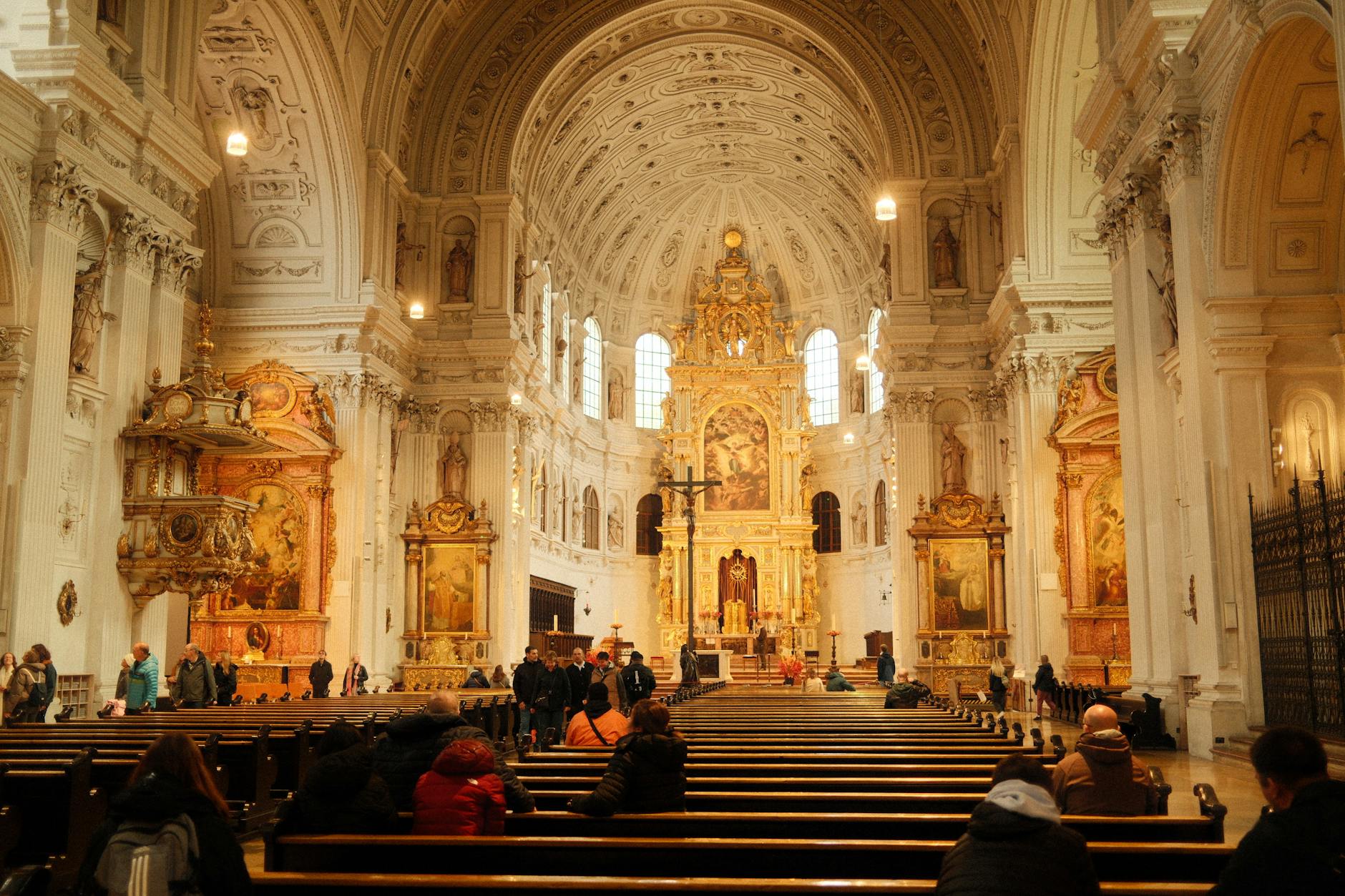
When to order a short-term travel report
A traveler making one casual church visit may not need a custom Munich report. A report becomes useful when the trip includes specific services, mobility concerns, older travelers, family members, Christmas-season crowding, a day-trip pilgrimage route, religious music, multiple sacred sites, or a need to balance devotional time with general sightseeing.
The report should test sacred-site geography, current access, hotel placement, worship and music schedules, weather, mobility, restaurant timing, evening returns, and what to cut if the itinerary becomes too crowded. The value is a Munich religious trip that feels deliberate rather than improvised.
- Order when worship schedules, mobility, seasonality, day trips, or multiple sacred sites matter.
- Provide desired sites, dates, hotel options, mobility needs, worship priorities, and evening plans.
- Use the report to protect the sacred purpose of the trip.