Munich can work very well for older travelers, but the trip should be planned with access, pacing, weather, and recovery in mind. The city has good transit, strong museums, historic streets, parks, cafes, hotels, and rail connections, yet a short visit can become tiring if every day depends on long walks, crowded stations, stair-heavy transfers, or late meals far from the hotel. The older traveler does not need a smaller Munich experience. The traveler needs a better-structured one: sensible arrival timing, a hotel that supports rest, routes that account for surfaces and crowds, and a schedule that leaves enough energy for the experiences that matter.
Choose a hotel that reduces daily strain
For an older traveler, the Munich hotel is part of the mobility plan. Elevator access, step-free entry, room layout, bathroom design, breakfast location, quiet sleep, taxi access, nearby restaurants, and the distance to useful transit can matter more than a slightly more atmospheric street. A beautiful hotel can be the wrong hotel if every day starts with avoidable friction.
The traveler should check the final approach to the hotel, not just the map pin. A short distance can still include uneven paving, stairs, construction, crowded sidewalks, or a station exit that is harder than expected. The right base should make rest easy and movement predictable.
- Check elevators, entry steps, bathroom layout, breakfast access, taxi access, and nearby meals before booking.
- Evaluate the final walk from transit, not just the hotel's central location.
- Choose the base that makes the highest-value days easier to execute.
Make arrival and departure deliberately calm
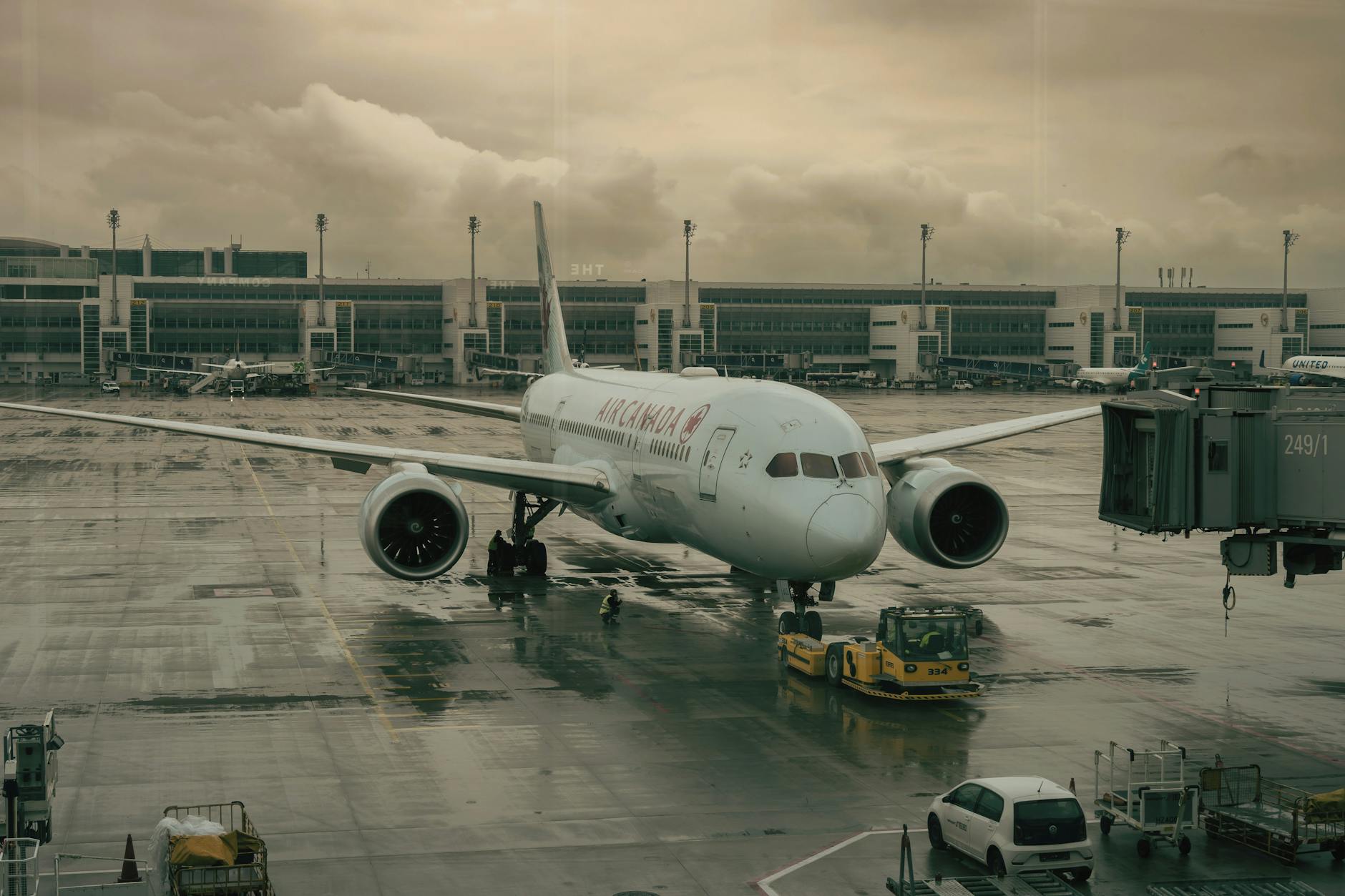
Munich Airport and Hauptbahnhof can both be manageable, but arrival and departure should not be treated as ordinary sightseeing days. Long flights, baggage, immigration, rail platforms, station navigation, weather, and hotel check-in can drain energy before the trip has properly begun. A calm transfer can be worth more than squeezing in one extra sight.
The older traveler should decide in advance whether airport rail, taxi, car service, or a hotel-arranged transfer is the right choice. The best answer may differ between arrival and departure depending on luggage, time of day, weather, and fatigue.
- Choose airport rail, taxi, car service, or hotel transfer by luggage, weather, fatigue, and timing.
- Keep the arrival day lighter if the flight, station, or hotel check-in creates strain.
- Protect the departure morning with a route that does not depend on perfect conditions.
Plan old-town walking by surface and crowd
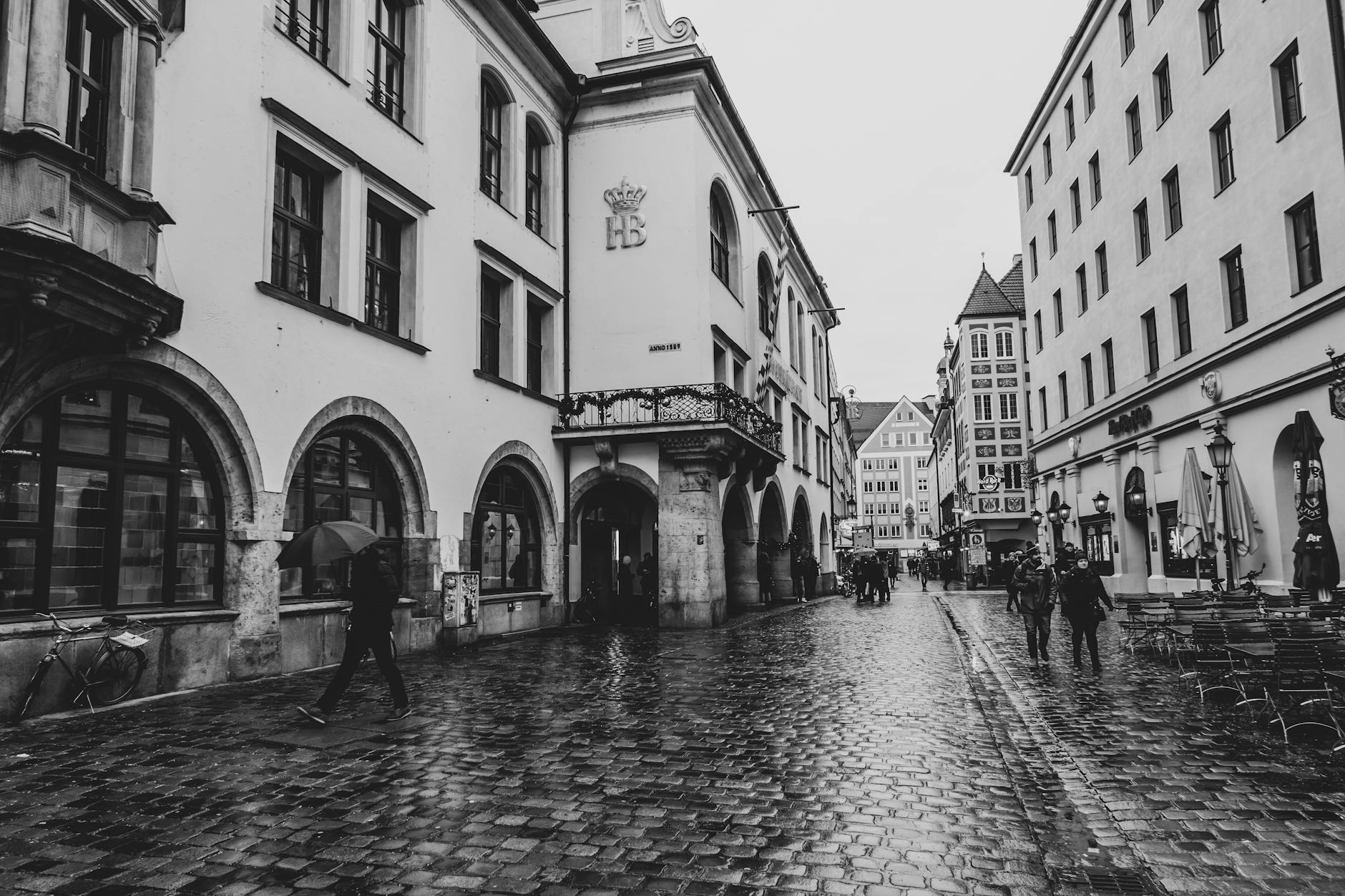
Marienplatz, the Frauenkirche area, Viktualienmarkt, the Residenz, and nearby old-town streets can be rewarding, but the experience depends on pacing. Crowds, cobbles, curbs, standing time, street crossings, and limited seating can make a central route more tiring than it looks on a map. The traveler should cluster nearby sights and build in pauses.
A good old-town day might include fewer stops with more time at each one. Munich is more enjoyable when the traveler has enough energy to notice the buildings, markets, cafes, and church interiors rather than simply reaching them.
- Cluster Marienplatz, the Frauenkirche, Viktualienmarkt, and nearby sights by walking comfort.
- Account for cobbles, crowds, curbs, standing time, and limited seating.
- Use cafes, museums, churches, and hotel breaks as planned rests rather than emergency pauses.
Use transit, taxis, and trains selectively
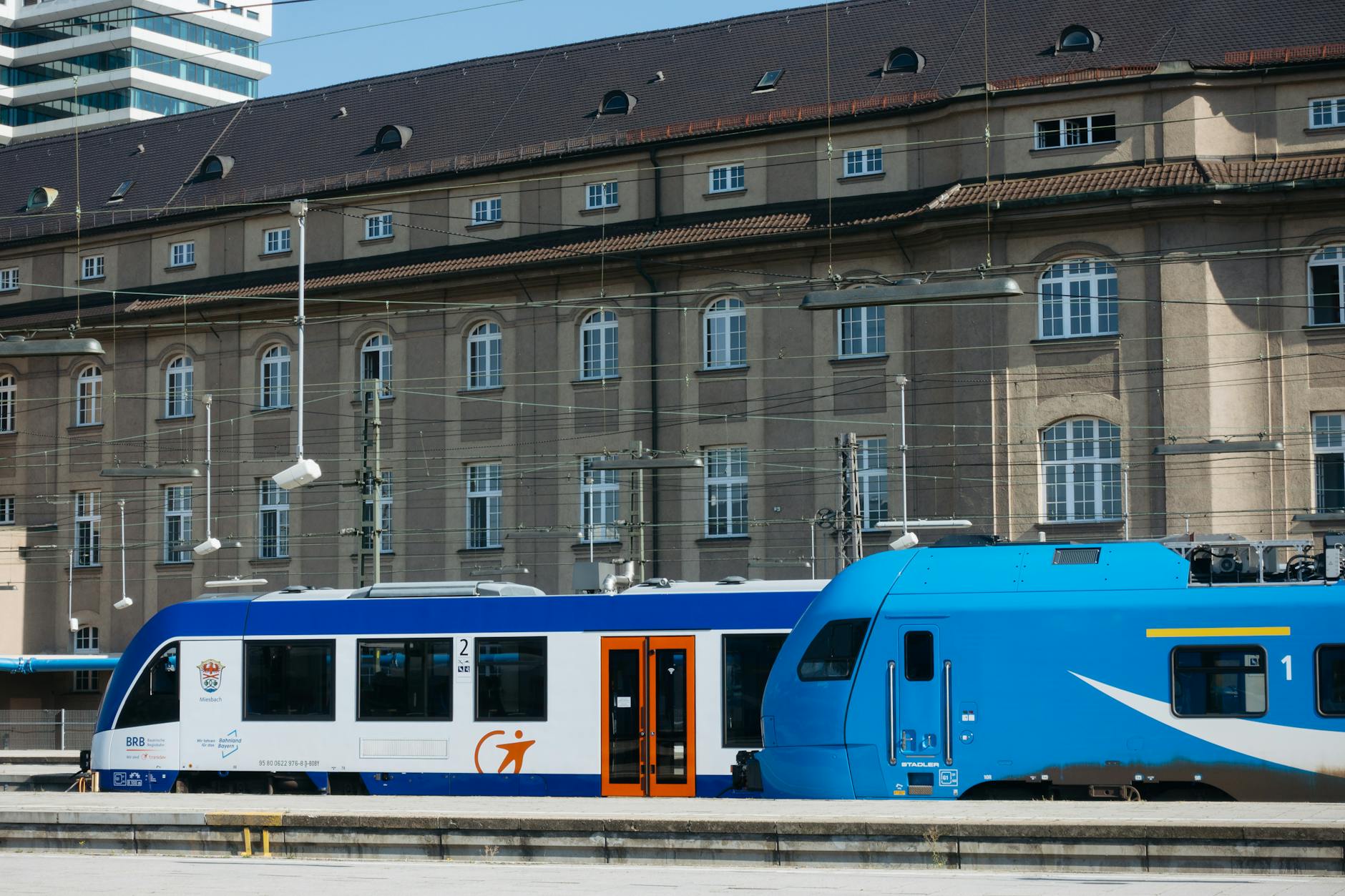
Munich's transit network can reduce walking, but it can also add stairs, escalators, long corridors, crowding, and station decisions. An older traveler should check the exact stations, exit choices, final walks, and whether a tram, U-Bahn, S-Bahn, taxi, or short car ride is the better tool for each segment. One mode does not have to solve the whole trip.
Rail can be excellent for arrivals, departures, and day trips, but luggage handling and platform changes should be considered. The traveler should protect energy for the destination, not spend it proving that every route can be done independently.
- Check station exits, stairs, escalators, walking corridors, and final approaches before relying on transit.
- Use taxis or car service when they protect energy, luggage handling, or bad-weather movement.
- Treat rail day trips as optional only if the station logistics and return timing are comfortable.
Use parks and quieter sites for recovery
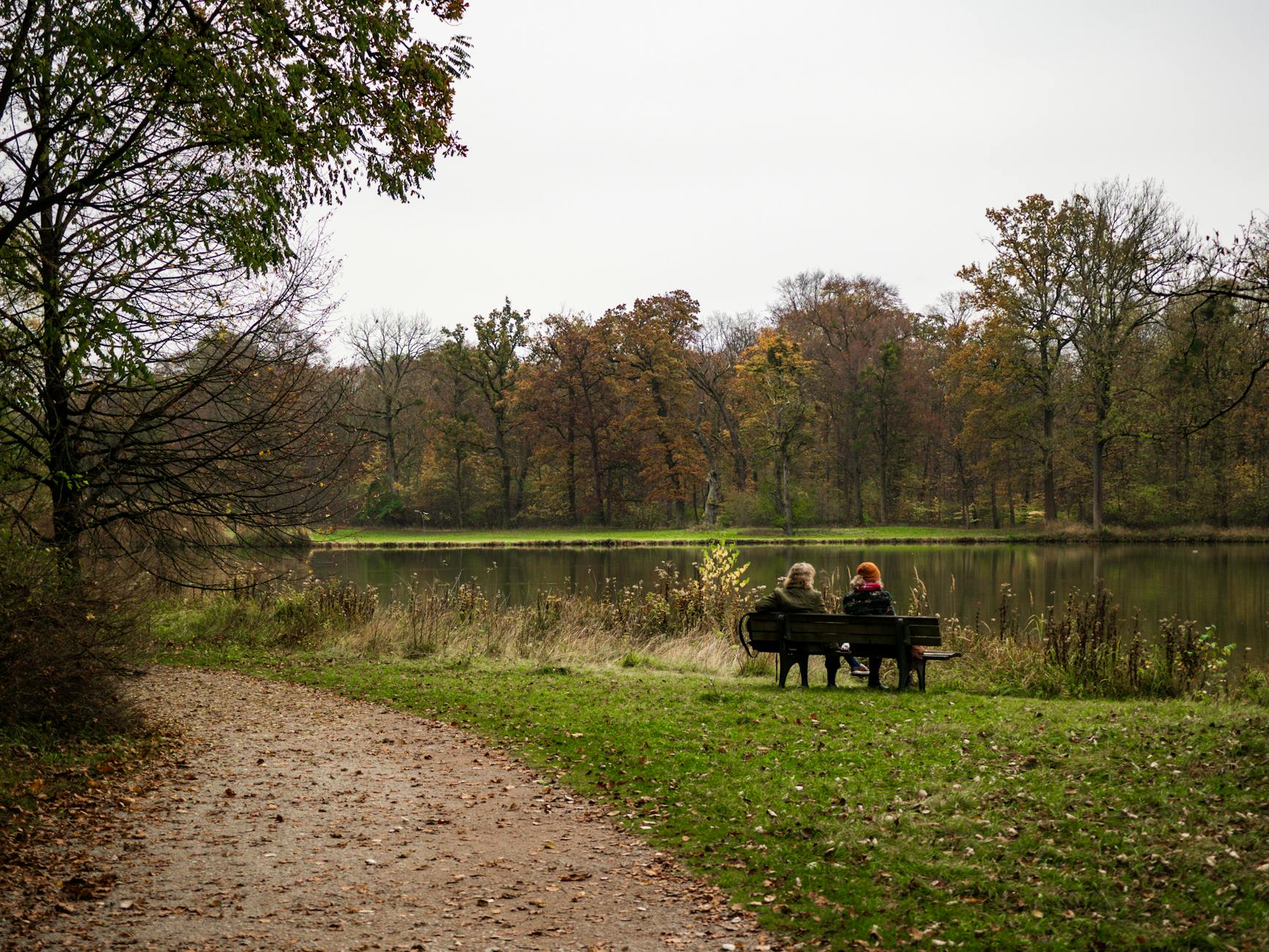
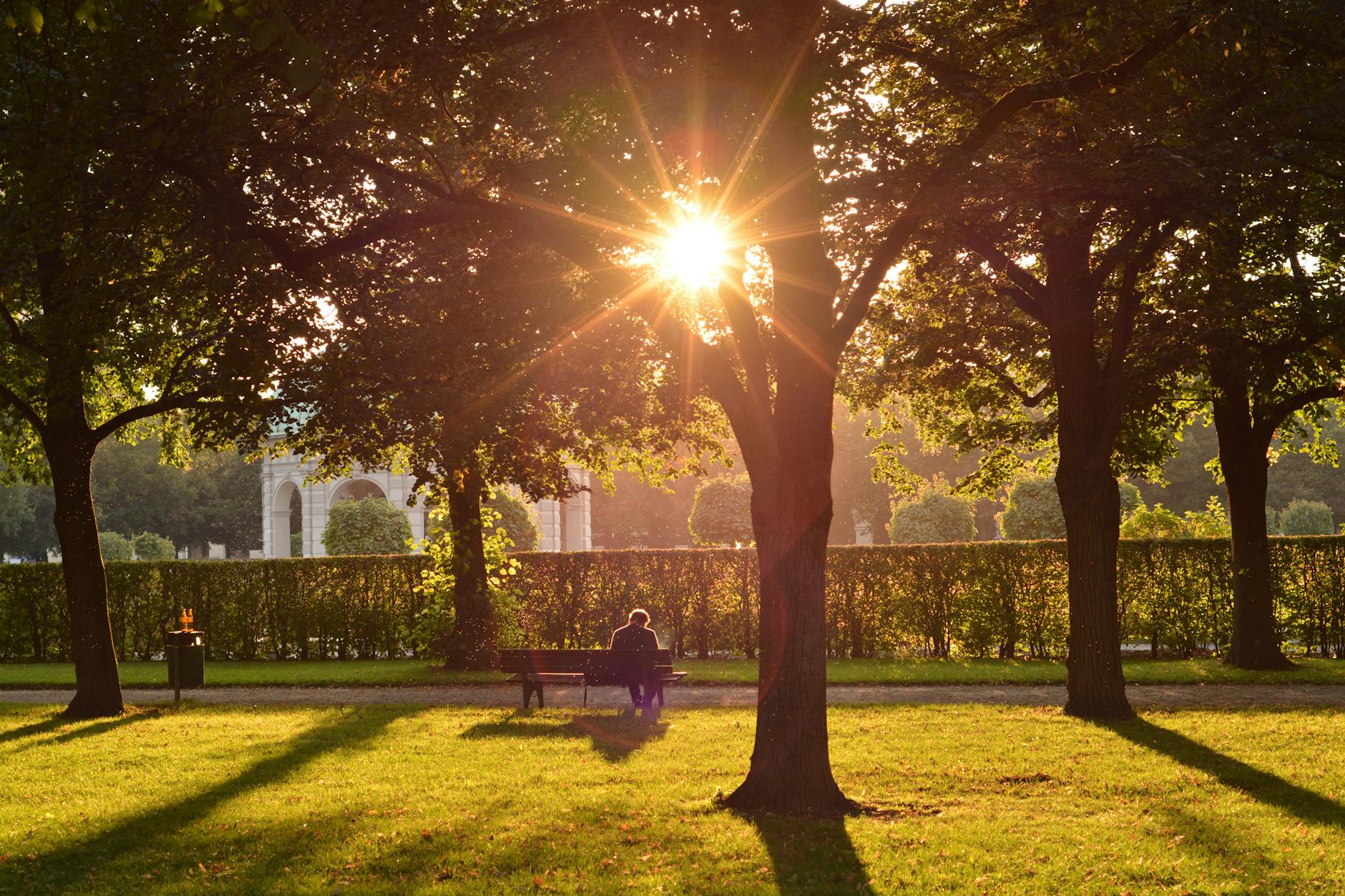
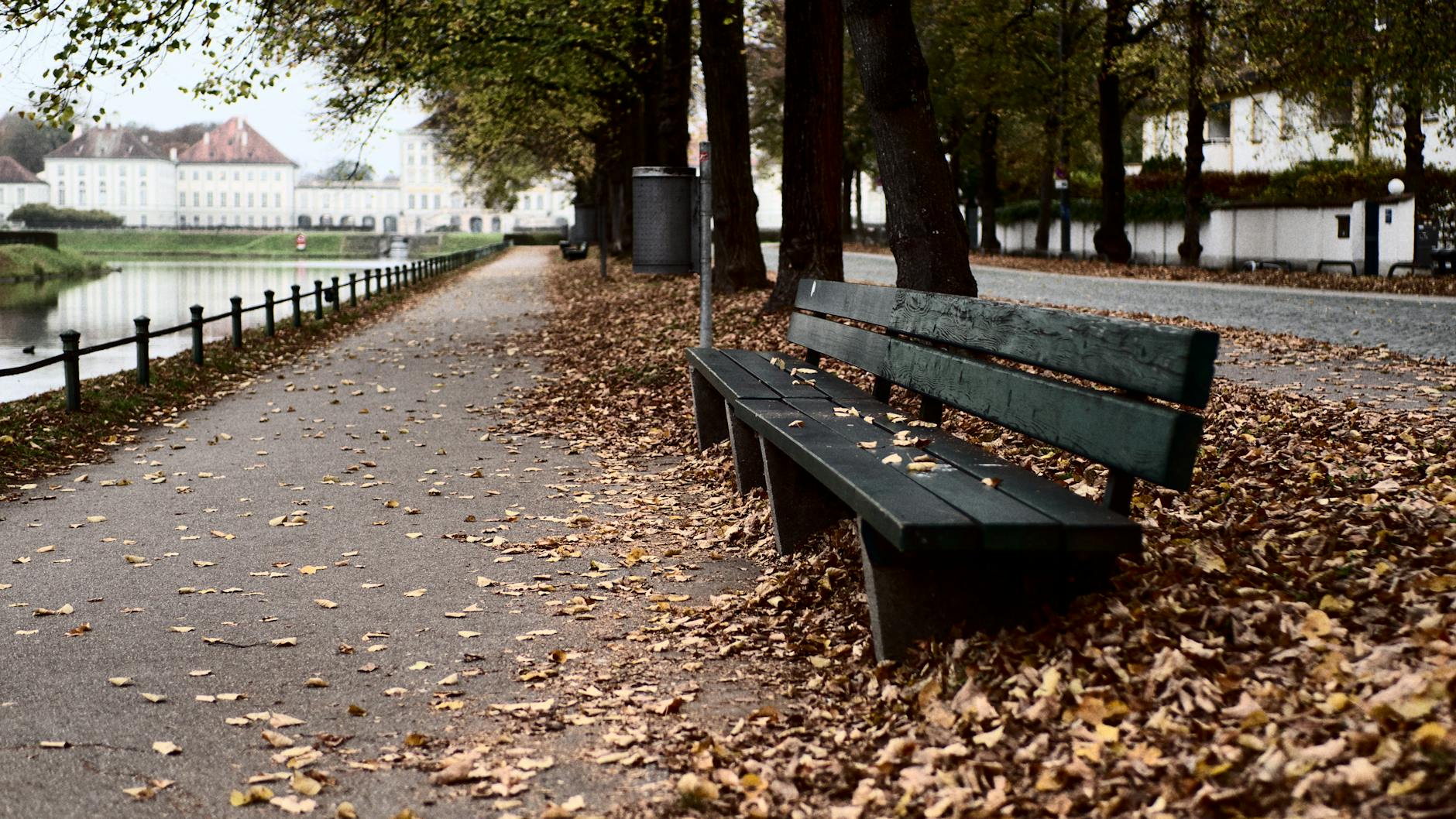
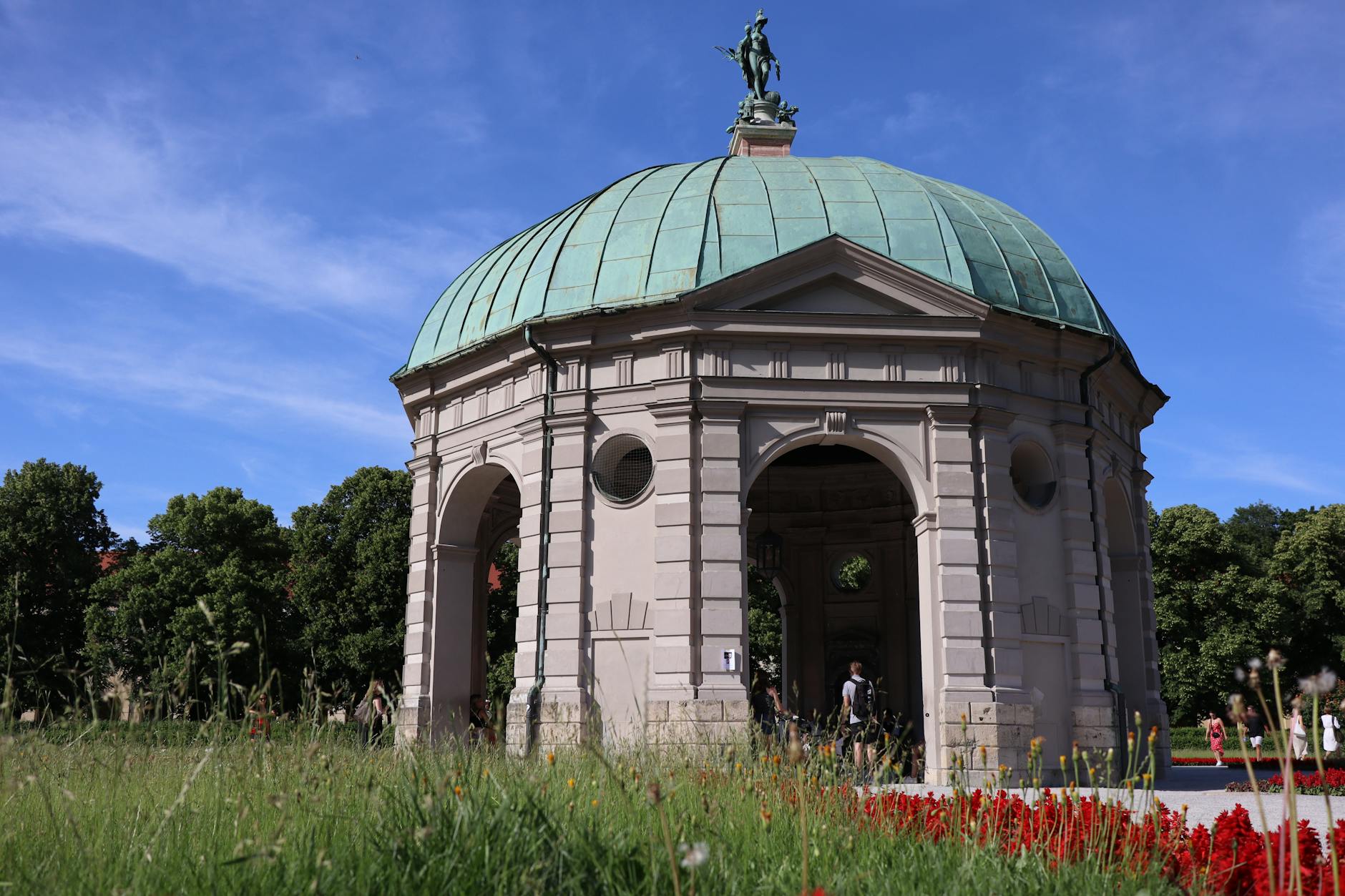
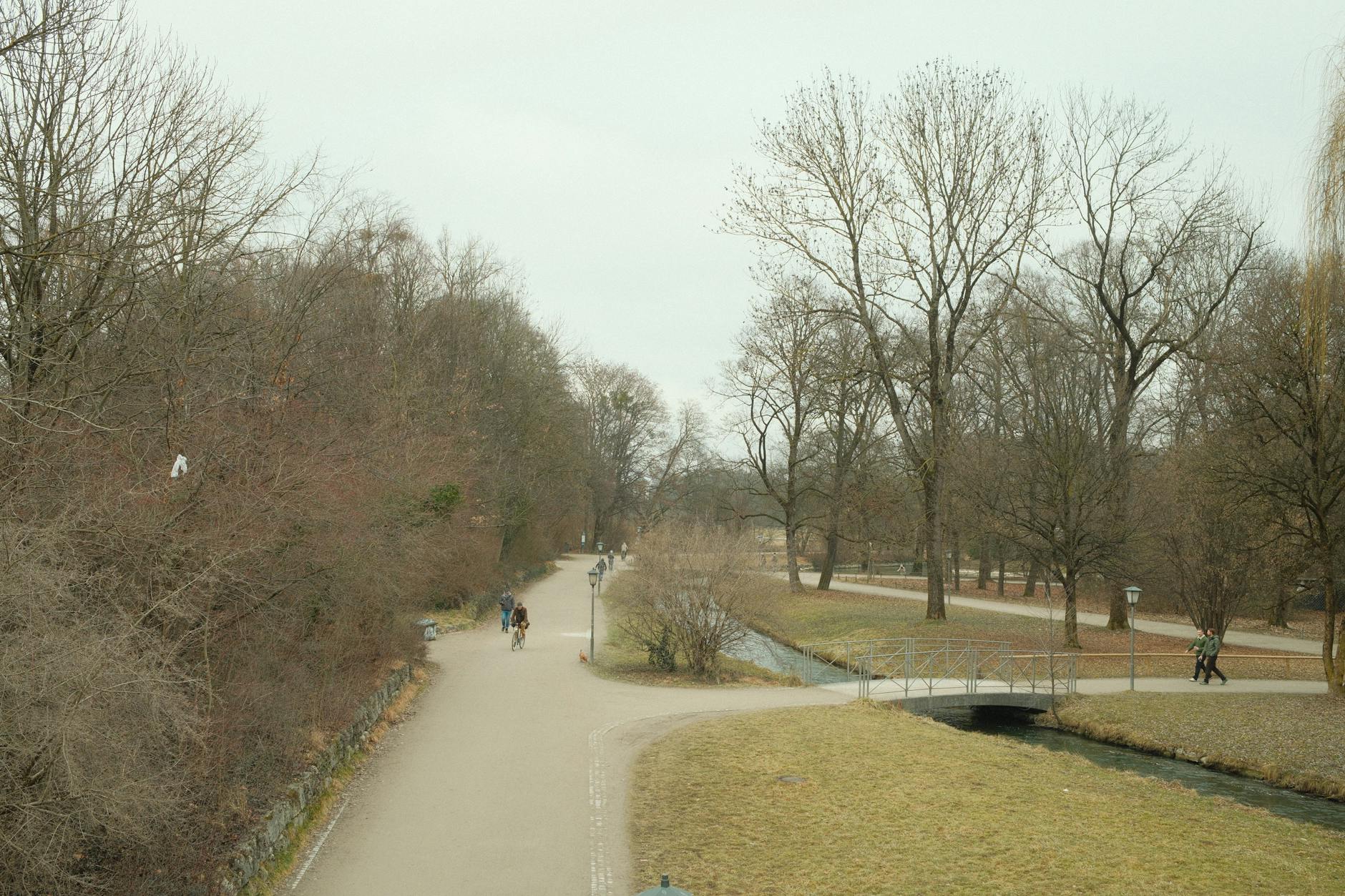
Munich gives older travelers good recovery options when they are planned intentionally. Hofgarten, English Garden, Nymphenburg grounds, museum cafes, quieter churches, hotel lounges, and neighborhood meals can create a satisfying day without constant intensity. The key is to place those slower blocks before fatigue dictates the schedule.
A park bench, garden walk, or calm museum hour is not wasted time. It can be what allows the traveler to enjoy dinner, sleep well, and continue the next day. A short Munich trip should include recovery as a real part of the itinerary.
- Plan slower blocks in Hofgarten, English Garden, Nymphenburg, museum cafes, or quiet restaurants.
- Use rest before fatigue becomes the main decision-maker.
- Protect the evening and next morning by spacing active sightseeing across the day.
Plan for weather, medication, and daily routines
Weather has practical consequences for older travelers in Munich. Rain can affect footing and taxis. Winter cold can make station platforms and outdoor waiting more difficult. Summer heat can make long walks tiring. Short daylight can compress the day. Medication timing, hydration, meals, sleep, and bathroom access should be planned around the itinerary, not handled after the fact.
The traveler should carry essentials in a way that works even if luggage is delayed or the hotel room is not ready. A sensible plan includes pharmacy awareness, prescription copies, weather-appropriate footwear, and realistic meal timing.
- Adjust routes for rain, winter cold, heat, short daylight, and slippery or uneven surfaces.
- Protect medication timing, hydration, meals, bathroom access, and sleep routines.
- Keep essentials available during arrival, departure, and any day trip rather than buried in luggage.
When to order a short-term travel report
An older traveler with familiar Munich habits and generous time may not need a custom report. A report becomes useful when the trip is short, the hotel choice is uncertain, the traveler has mobility or medical considerations, the arrival is long-haul, winter or rain may affect movement, museum and old-town priorities compete, or a companion has a different pace.
The report should test hotel access, airport and rail transfers, old-town walking routes, transit versus taxi decisions, rest placement, weather substitutions, meal timing, medical routines, and what to remove if the plan is too demanding. The value is a Munich visit that remains full without becoming punishing.
- Order when access, hotel base, weather, medical routines, arrival fatigue, or mixed traveler pace affects the trip.
- Provide dates, flights or trains, hotel candidates, mobility details, medical constraints, must-see sights, and rest preferences.
- Use the report to keep Munich comfortable enough to be memorable for the right reasons.