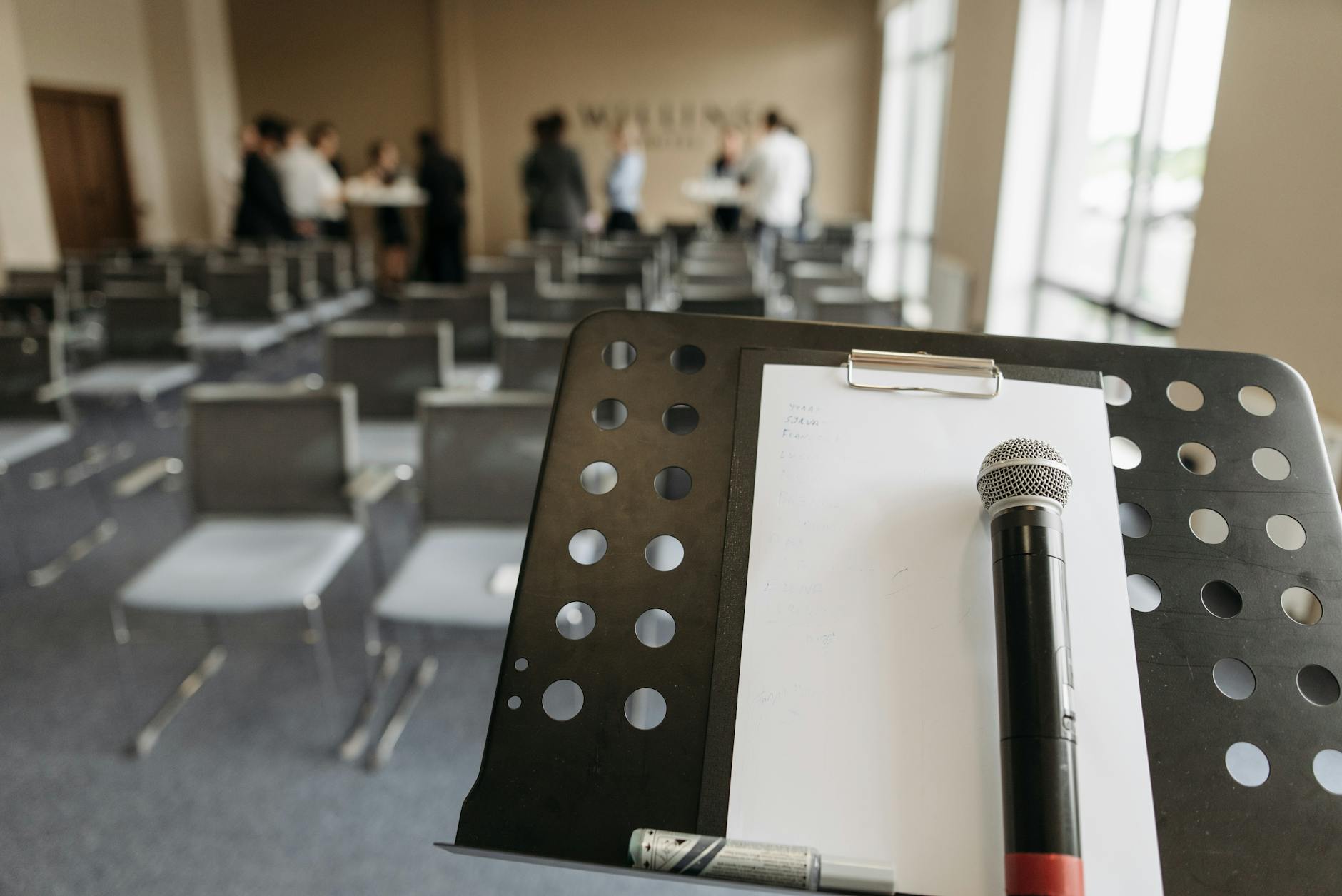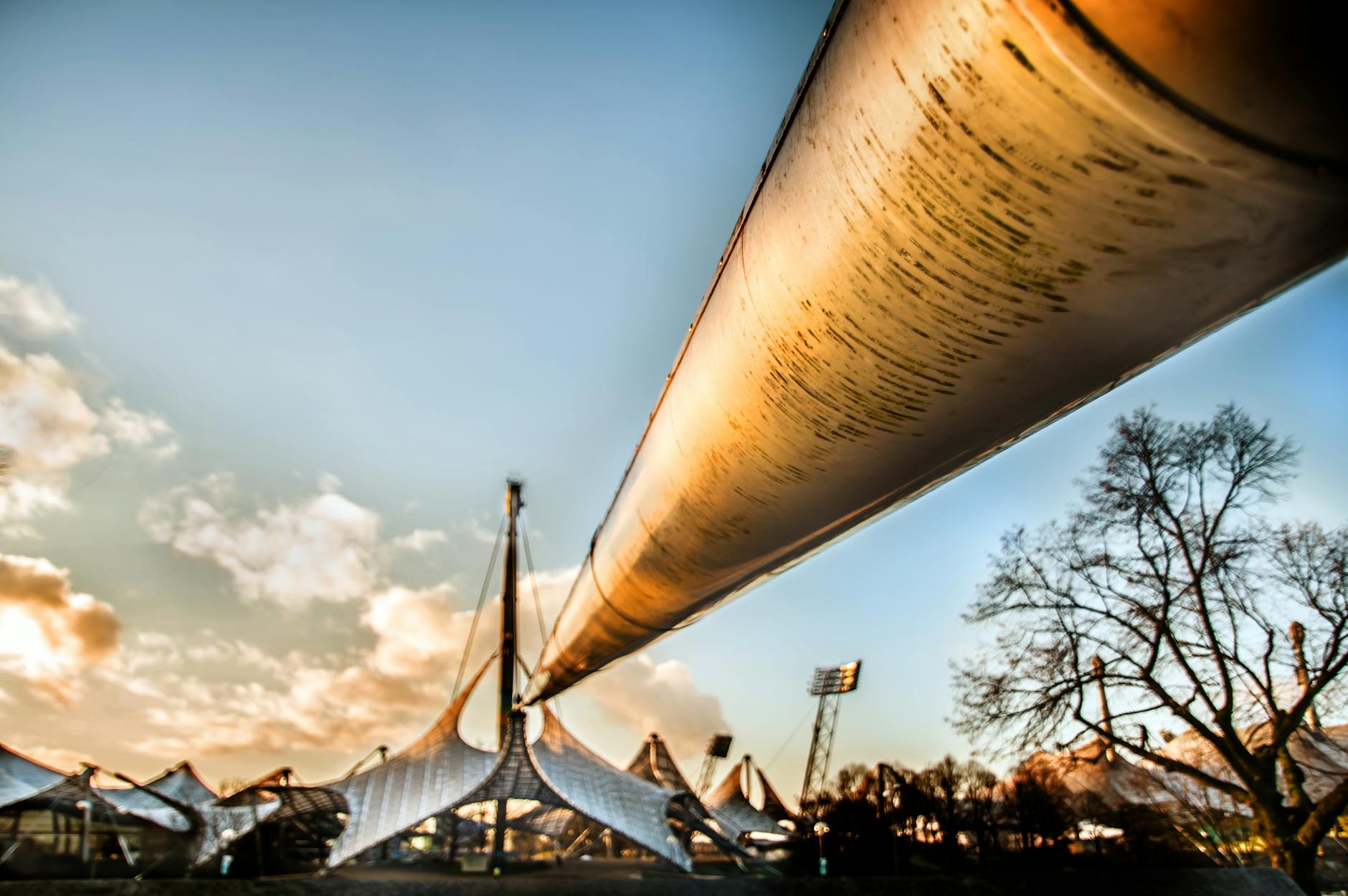
Munich conference travel depends heavily on the venue. A meeting at Messe Munich, a central hotel, BMW Welt or Olympic Park, a corporate campus, a university venue, or an arena-linked event creates different decisions about airport transfer, hotel base, restaurants, networking, and daily movement. The attendee who books only for central sightseeing can make the actual conference harder than it needs to be. The conference traveler should decide what success means for the trip: attending key sessions, managing a booth, meeting clients, networking, presenting, recruiting, hosting a dinner, or using the event as one stop in a larger business itinerary. That answer should drive the schedule before optional Munich time is added.
Map the venue before choosing the hotel
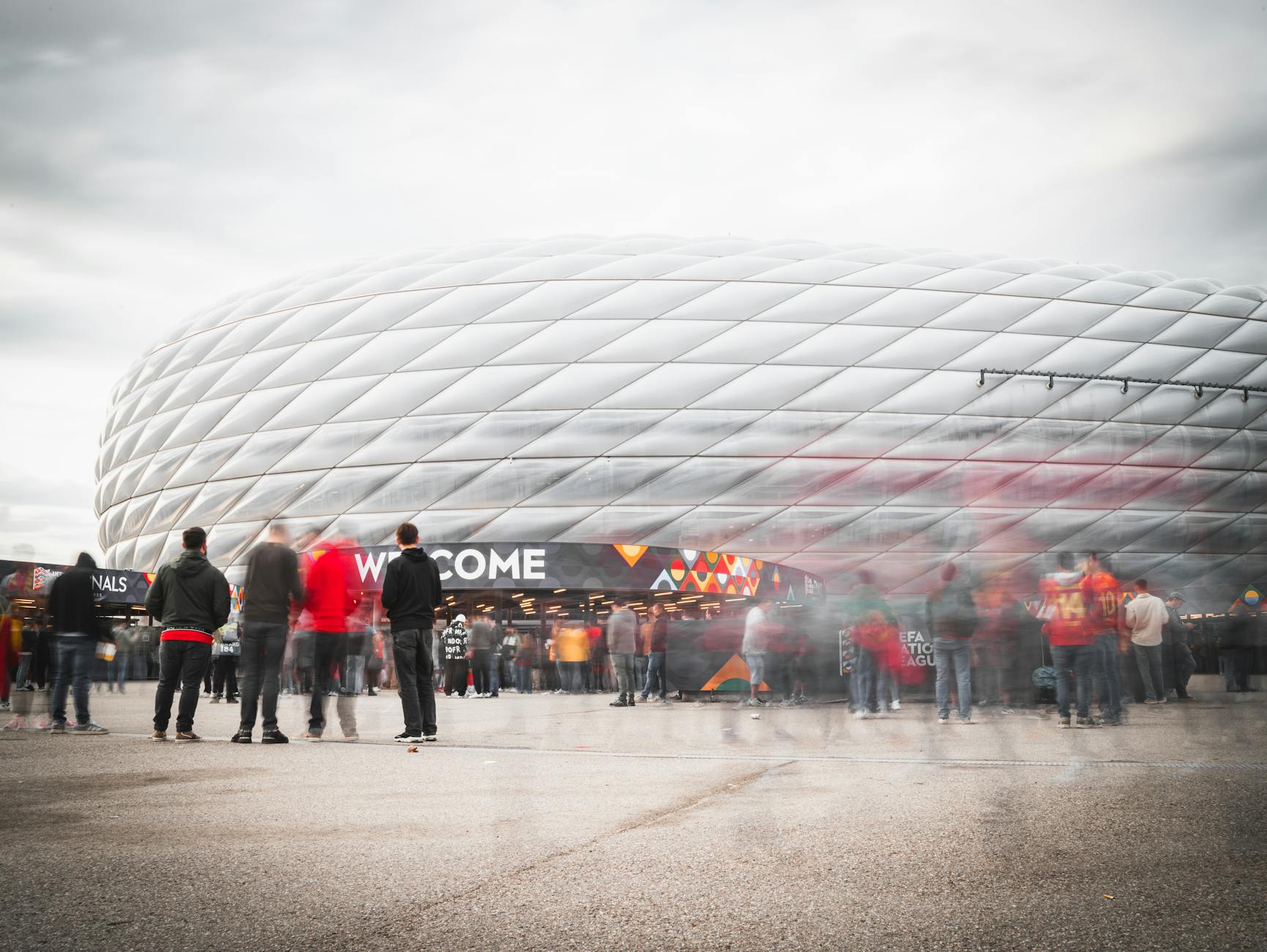
Munich conference venues are not interchangeable. Messe Munich, Olympic Park, BMW Welt, Allianz Arena event areas, central hotels, and institutional sites each change the hotel decision. A central old-town base can be excellent for restaurants and rail, but weak for early sessions across town. A venue-adjacent hotel can protect mornings but make dinners and city time less flexible.
The attendee should map the exact entrance, registration area, hotel candidates, airport arrival, rail departure, receptions, dinners, and side meetings. The right base is the one that protects the conference obligation first.
- Map venue entrance, registration, hotel, airport, rail station, receptions, dinners, and side meetings before booking.
- Treat Messe, Olympic Park, central hotels, and corporate campuses as different trip types.
- Choose a base that protects the first session and the highest-value meeting.
Protect registration, badge, and first-session timing
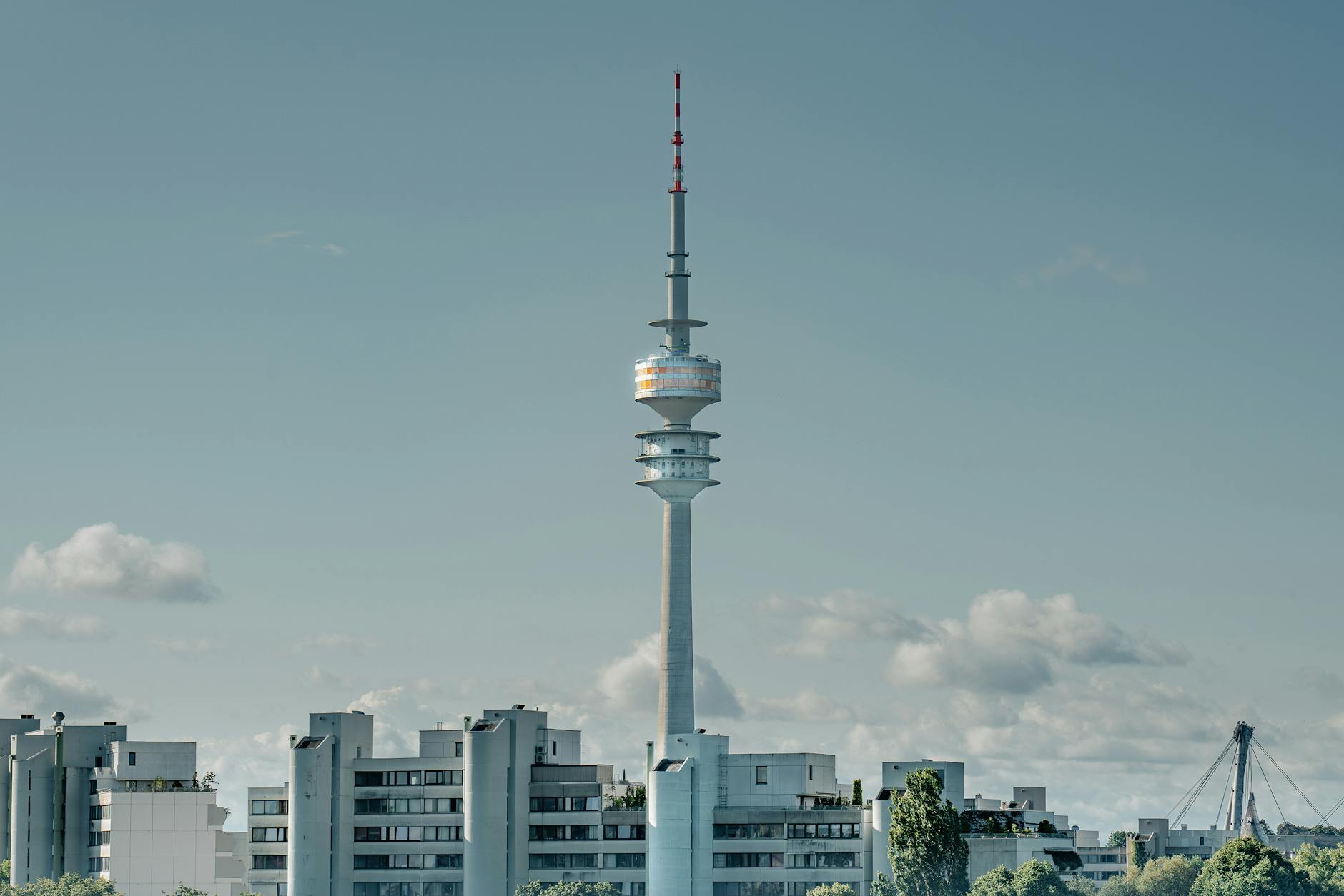
A conference trip often fails at the edges: late airport arrival, hotel check-in delays, badge collection lines, wardrobe changes, booth setup, laptop charging, or a first session that starts before the traveler has recovered. Munich's airport distance makes this especially important for attendees landing the same day.
The arrival plan should include a realistic transfer, hotel buffer, registration window, food, shower time if needed, and a backup for delayed bags. If the first session matters, the traveler should arrive in Munich early enough for the trip to settle.
- Build time for transfer, check-in, badge pickup, food, charging, and wardrobe changes before the first obligation.
- Avoid placing a high-value session too close to a long-haul arrival.
- Plan for delayed bags if conference clothing, samples, or presentation materials matter.
Decide how to move between venue, hotel, and city
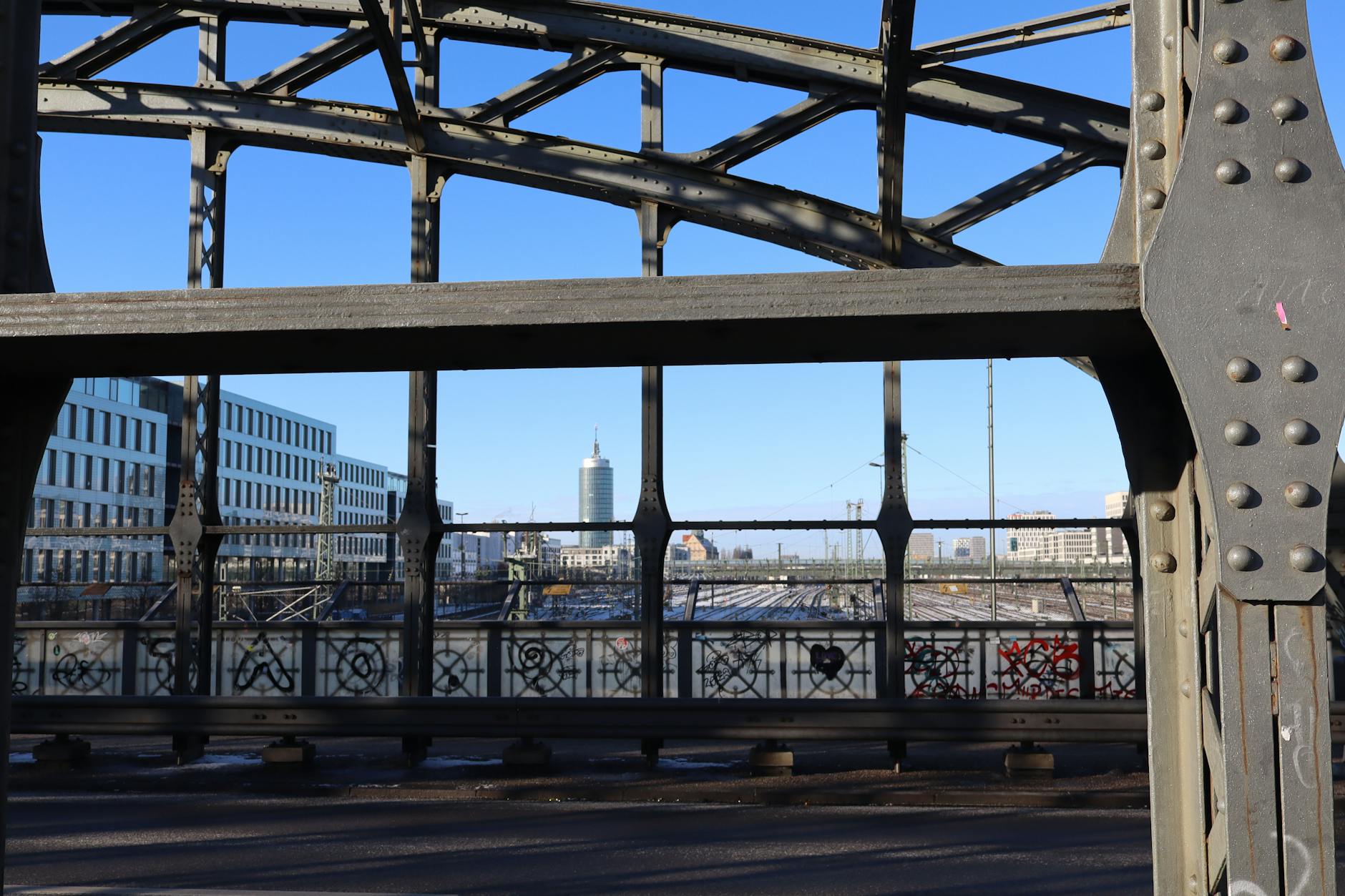
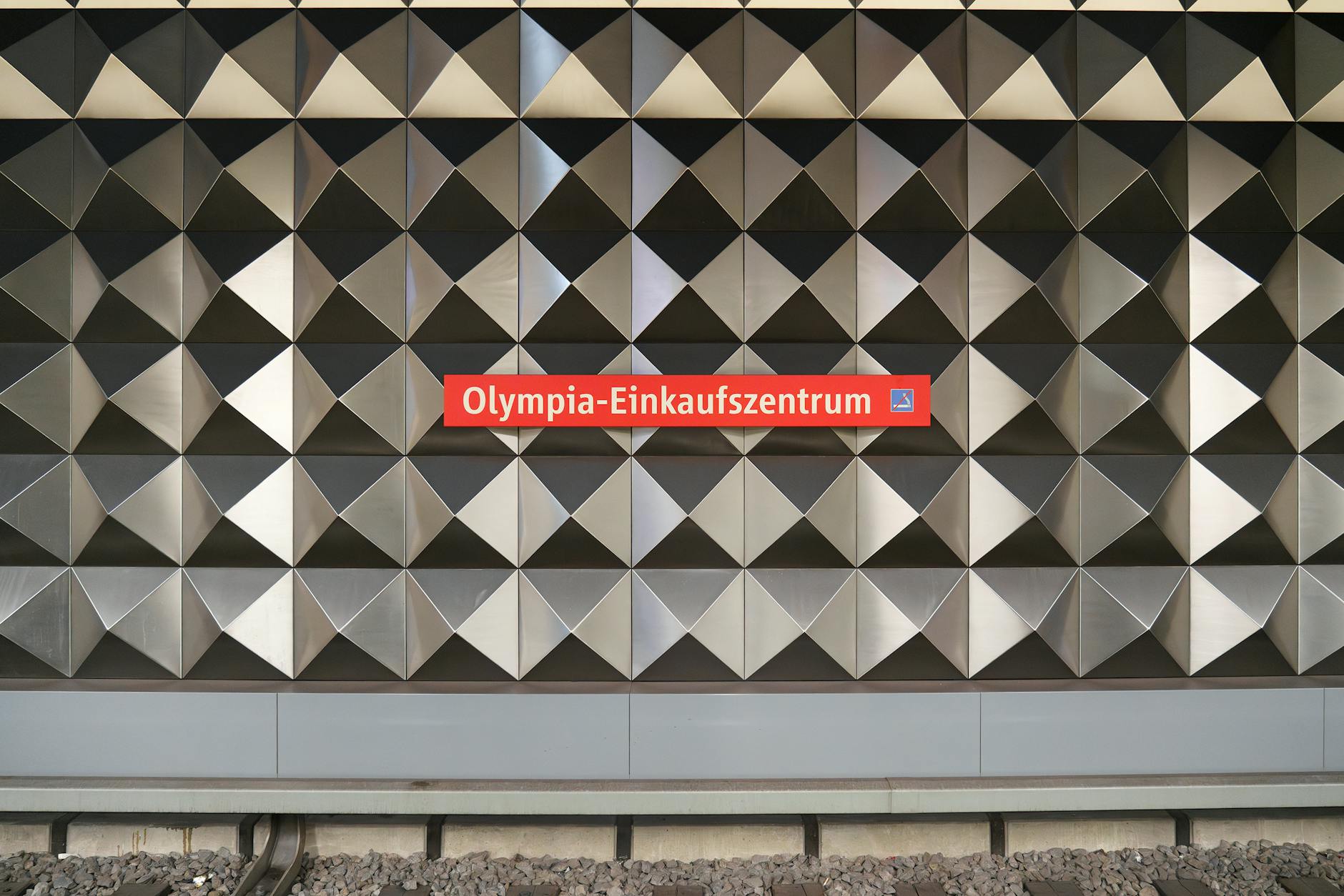
Munich's transit network can help conference attendees, but the right route depends on time of day, crowding, bags, samples, formal clothes, weather, and whether the attendee is alone or moving with colleagues. A route that works for one morning may not work after an evening reception. Taxis and car service may be justified for certain segments even when transit is available.
The attendee should identify the standard route and the fallback route. If a session runs long, rain begins, or a dinner moves across town, the trip should not depend on one fragile transport assumption.
- Check transit routes, final walks, station exits, crowding, and weather exposure before relying on them.
- Use taxis or car service where samples, luggage, formal clothing, or late timing make transit weaker.
- Create a fallback route for delayed sessions, rain, or changed dinner plans.
Separate conference goals from optional city time
Conference programs are dense. Keynotes, breakout sessions, booths, client meetings, sponsor events, receptions, and informal conversations can fill the day before the traveler adds any Munich sightseeing. The attendee should identify the sessions and meetings that matter most, then decide where the city can fit without weakening those goals.
A short old-town walk, one museum block, or one dinner can be enough for a conference trip. Trying to turn a serious event into a full leisure itinerary can damage both versions of the trip.
- Identify the sessions, meetings, booths, and receptions that justify the trip.
- Add Munich time only where it does not weaken conference performance.
- Choose one or two city experiences instead of forcing a full tourist itinerary around the event.
Plan networking and dinners with intent
Munich conference networking can happen in hotel bars, beer gardens, traditional restaurants, fine-dining rooms, old-town walks, sponsor receptions, and small client dinners. The attendee should decide which relationships deserve protected time. A noisy group dinner may be useful for one goal and poor for another.
Restaurant geography matters. A dinner far from the hotel or venue can be worthwhile, but it needs a return plan and a next-morning buffer. Conference travel often creates value after hours, but only if the attendee remains functional the next day.
- Choose networking meals by relationship value, noise level, distance, dietary needs, and next-day obligations.
- Reserve high-value dinners early during conference-heavy dates.
- Plan the return from receptions and dinners before the evening starts.
Protect work capacity across the whole event
A conference attendee needs more than transportation. They need sleep, breakfast, hydration, device charging, quiet call space, clothing care, note time, and enough recovery to make good decisions. Munich's appealing city options can tempt travelers to spend every open hour outside, but the conference itself may already be enough stimulation.
The plan should include intentional pauses. A hotel reset, a quiet lunch, or an early night can be more valuable than one additional reception if the next morning contains the trip's most important meeting.
- Protect sleep, breakfast, hydration, charging, quiet calls, clothing care, and note time.
- Use hotel resets and quiet meals to keep later sessions productive.
- Do not let optional receptions damage the next morning's highest-value obligation.
When to order a short-term travel report
A conference attendee with a simple central hotel and a flexible program may not need a custom Munich report. A report becomes useful when the venue is far from the preferred hotel, arrival is tight, the event overlaps with major city demand, dinners or client meetings matter, booth or presentation materials are involved, or the traveler needs to preserve work capacity over several days.
The report should test venue geography, hotel base, transfer choices, registration timing, session priorities, dinner placement, networking windows, weather substitutions, recovery, and what to cut if the conference schedule becomes too dense. The value is a Munich event trip that protects the reason for attending.
- Order when venue geography, hotel choice, arrival timing, dinners, materials, weather, or recovery affects the event.
- Provide dates, venue address, program highlights, hotel candidates, arrival details, meetings, dinner plans, and constraints.
- Use the report to keep the conference trip decision-ready instead of merely booked.