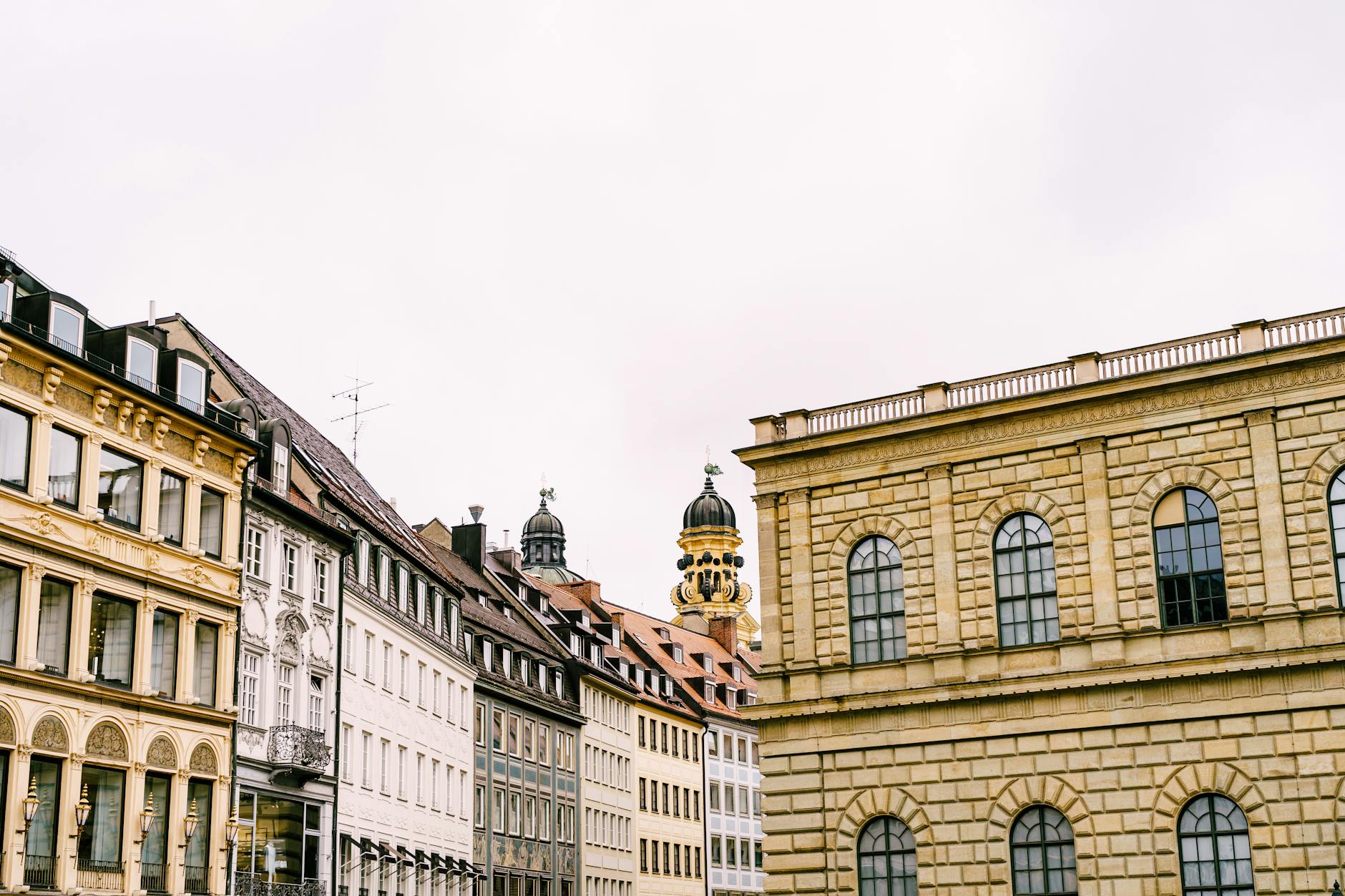
Munich suits luxury travel best when the trip is designed around ease, timing, and access rather than simply booking the most expensive hotel. The city can support palace visits, opera, fine restaurants, private transfers, design shopping, museums, spas, and quiet neighborhood meals, but those elements sit across different parts of the city. A luxury trip can lose its value quickly if every day depends on rushed transfers, late reservations, or a hotel chosen for prestige rather than movement. The luxury traveler should decide what the trip is meant to protect: privacy, food, culture, shopping, recovery, family comfort, a romantic weekend, a pre- or post-business stay, or a polished introduction to Bavaria. Munich can deliver several versions of high-end travel, but the itinerary should choose one primary version instead of trying to make every day maximal.
Choose the hotel for the version of luxury you want
Munich has several plausible luxury bases, and they create different trips. A central old-town or Maximilianstrasse base can support shopping, opera, restaurants, and classic sightseeing. A quieter property can support sleep, discretion, and car-based movement. A palace or garden-focused itinerary may benefit from different geography than a business extension or museum-heavy weekend.
The traveler should evaluate the hotel by arrival experience, room quiet, breakfast, concierge quality, spa access, car pickup, nearby restaurants, and the actual evening return. A beautiful address is less useful if it makes the trip feel over-managed or hard to move through.
- Choose the hotel around culture, shopping, privacy, wellness, business extension, or family comfort.
- Check arrival experience, car access, quiet rooms, breakfast, spa, concierge support, and evening returns.
- Avoid assuming the most prestigious location is automatically the easiest base.
Make arrival and departure feel controlled
Munich Airport is efficient, but a luxury trip should not begin with improvisation after a long flight. The traveler should decide whether airport rail, taxi, private car, meet-and-greet, or hotel transfer best fits the luggage, arrival time, weather, privacy preference, and first appointment. The same question applies to an outbound flight or a rail departure from Hauptbahnhof.
A controlled transfer does more than save time. It protects clothing, luggage, energy, and mood. If the first evening includes dinner, opera, or a meeting, the arrival plan should include shower time, unpacking time, and a realistic buffer before leaving the hotel again.
- Choose private car, taxi, airport rail, or hotel transfer according to luggage, privacy, weather, and timing.
- Protect shower time, unpacking, clothing, and recovery before the first high-value evening.
- Do not let the departure transfer depend on a tight dinner, shopping, or sightseeing finish.
Reserve dining and performance nights deliberately
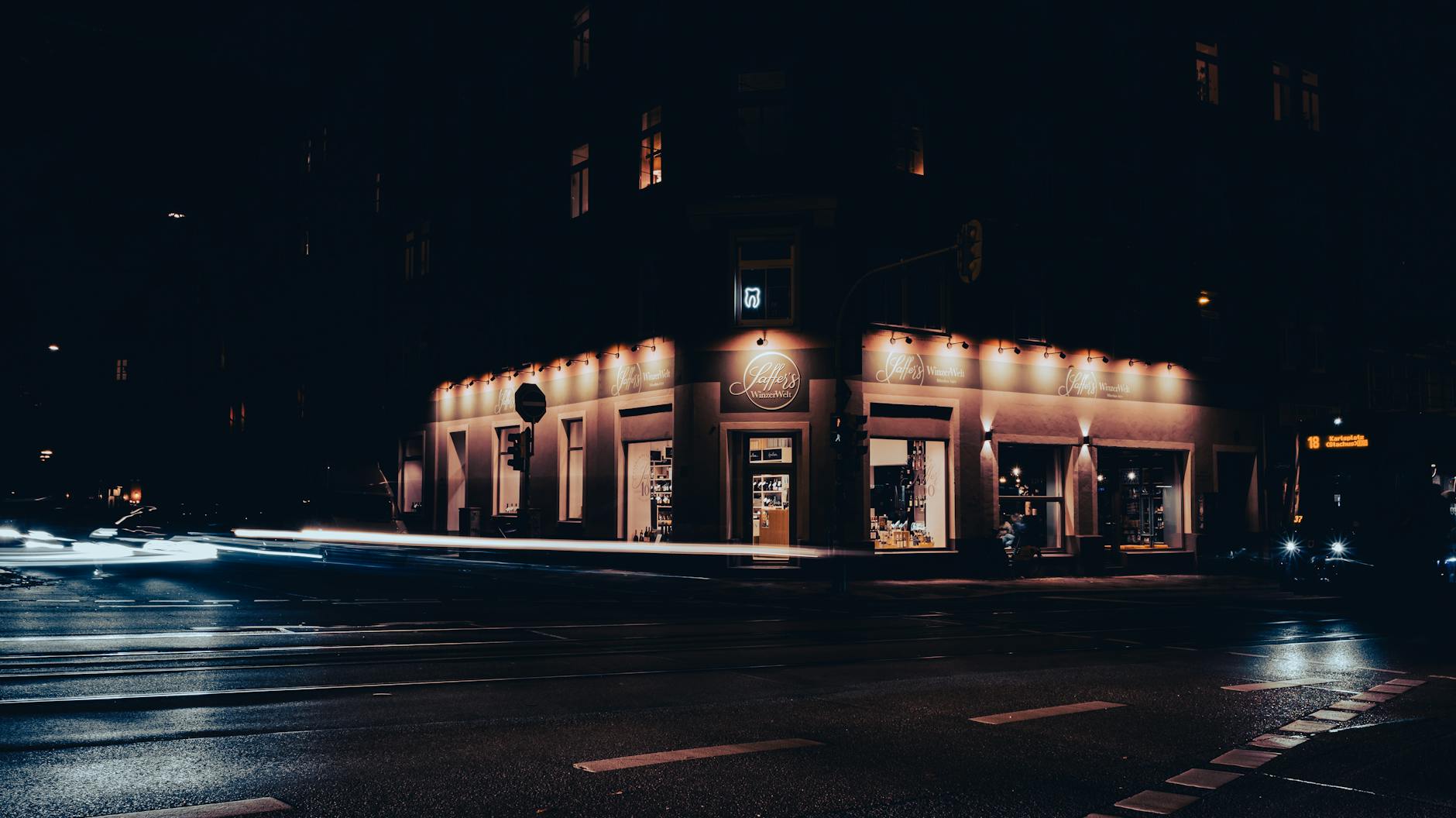
Munich can support elegant dining, traditional Bavarian rooms, hotel restaurants, fine-dining tasting menus, wine-focused evenings, and opera or concert nights. Those plans should be sequenced carefully. A heavy dinner before an early museum appointment, a distant restaurant after a long arrival day, or an opera evening without a transport plan can make the luxury choices feel less graceful than they should.
The traveler should place reservations around energy, dress, distance, and the next morning. Some nights should be formal and memorable. Others should be intentionally easy, close to the hotel, and designed for recovery.
- Match restaurants and performance nights to energy level, dress, distance, and next-day plans.
- Reserve early for high-demand dining, opera, concerts, and seasonal weekends.
- Keep at least one evening close to the hotel when the trip includes long travel or dense sightseeing.
Use museums and palaces as the spine of the trip
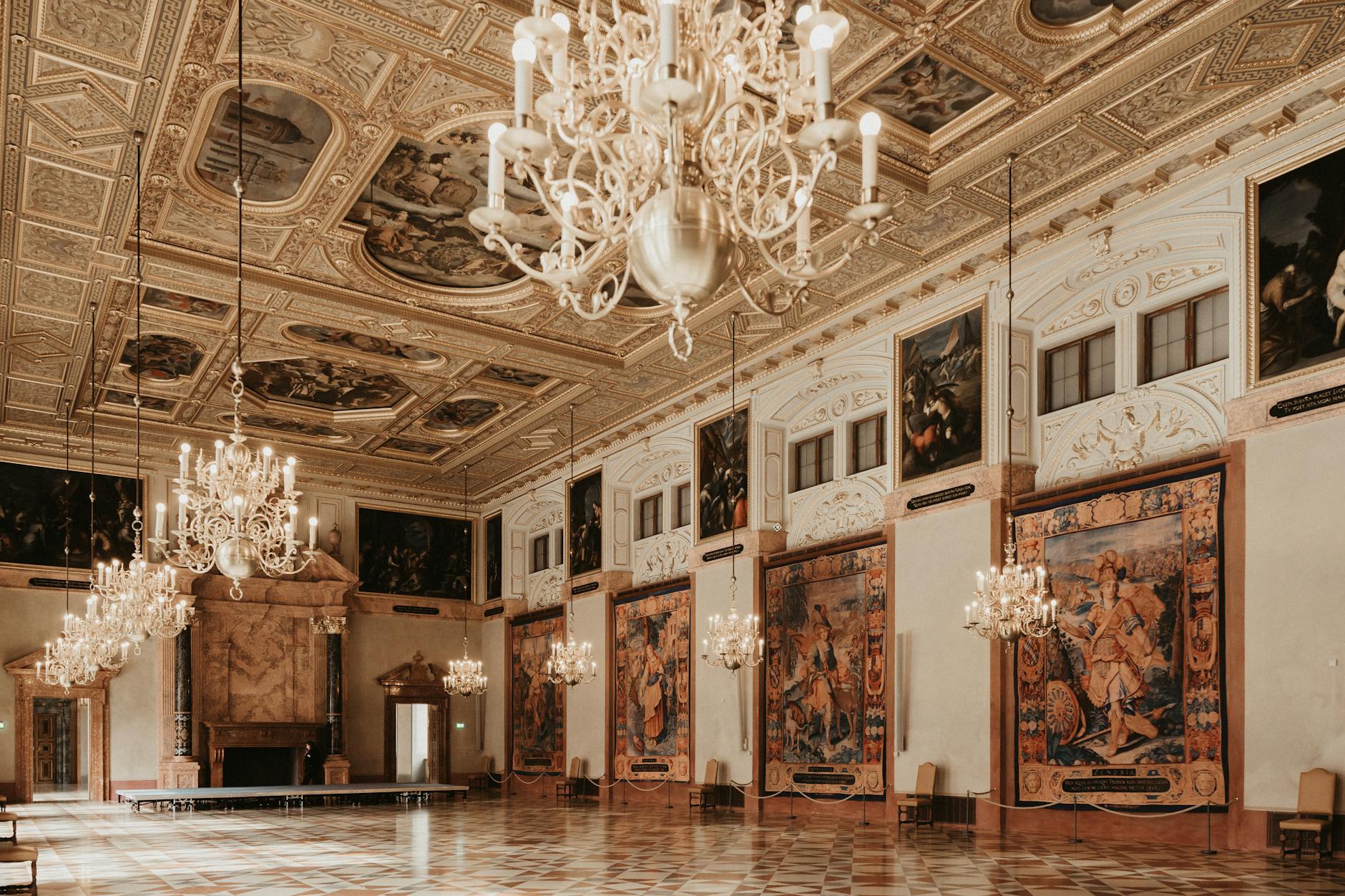
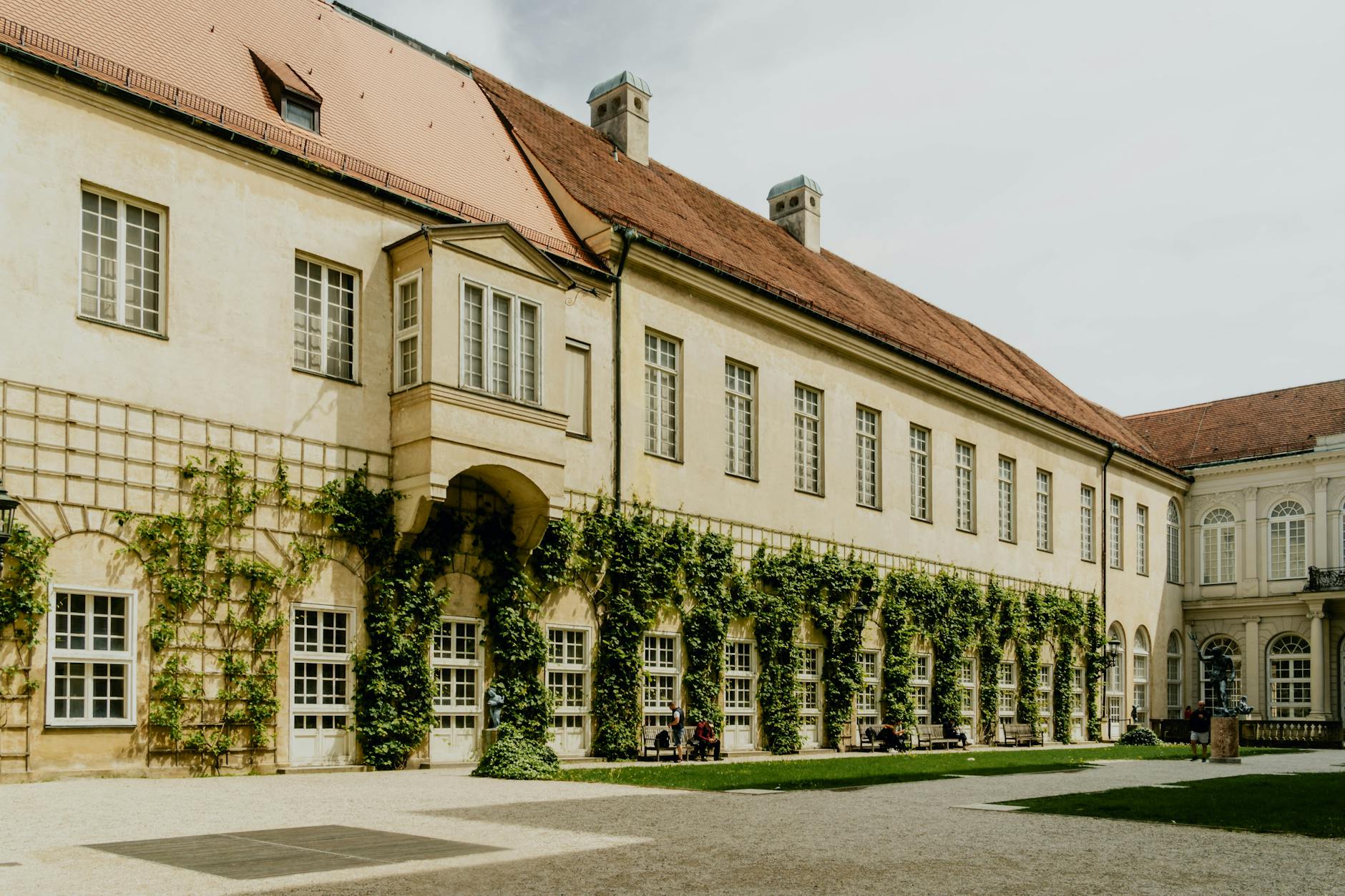
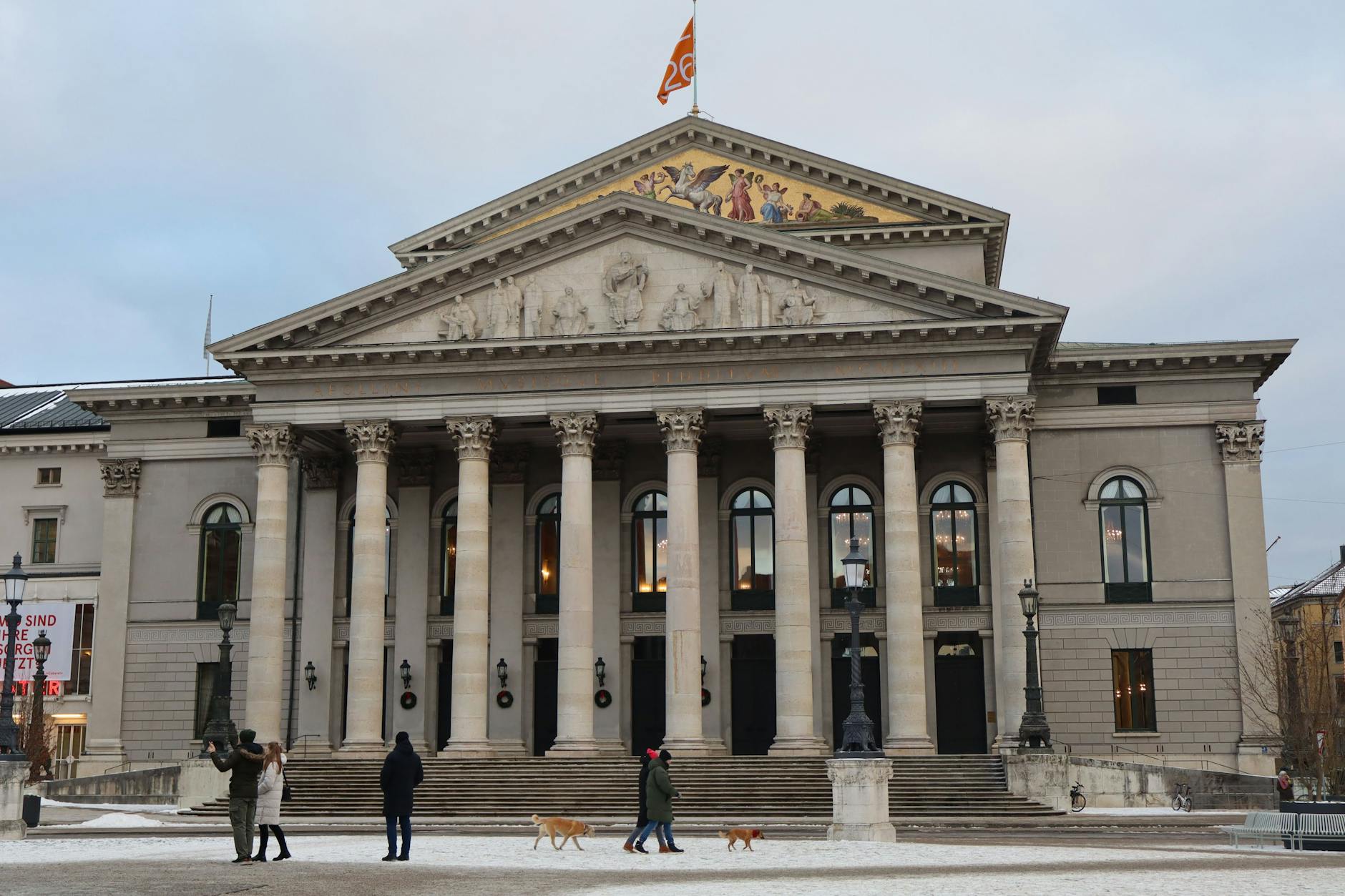
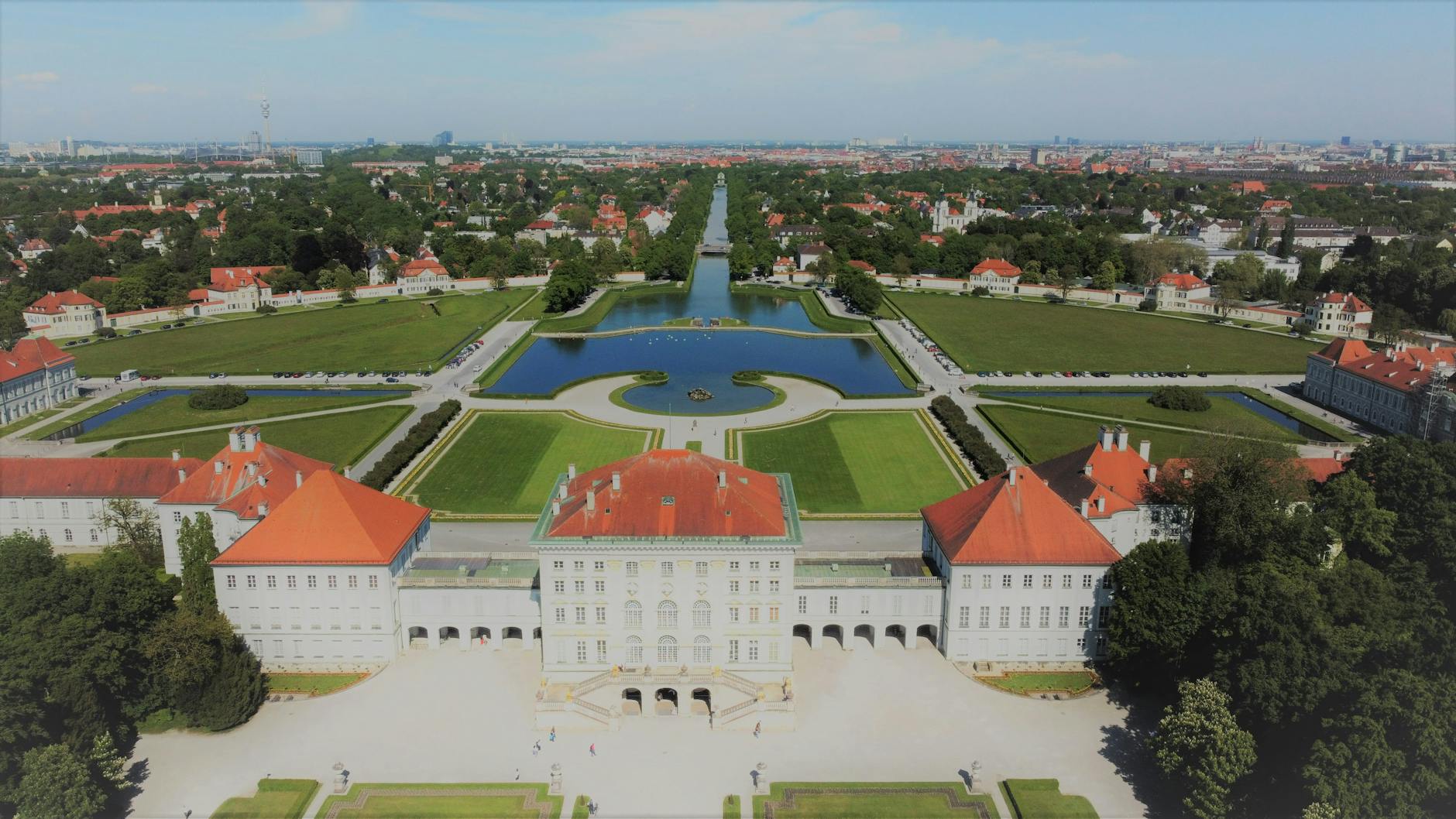
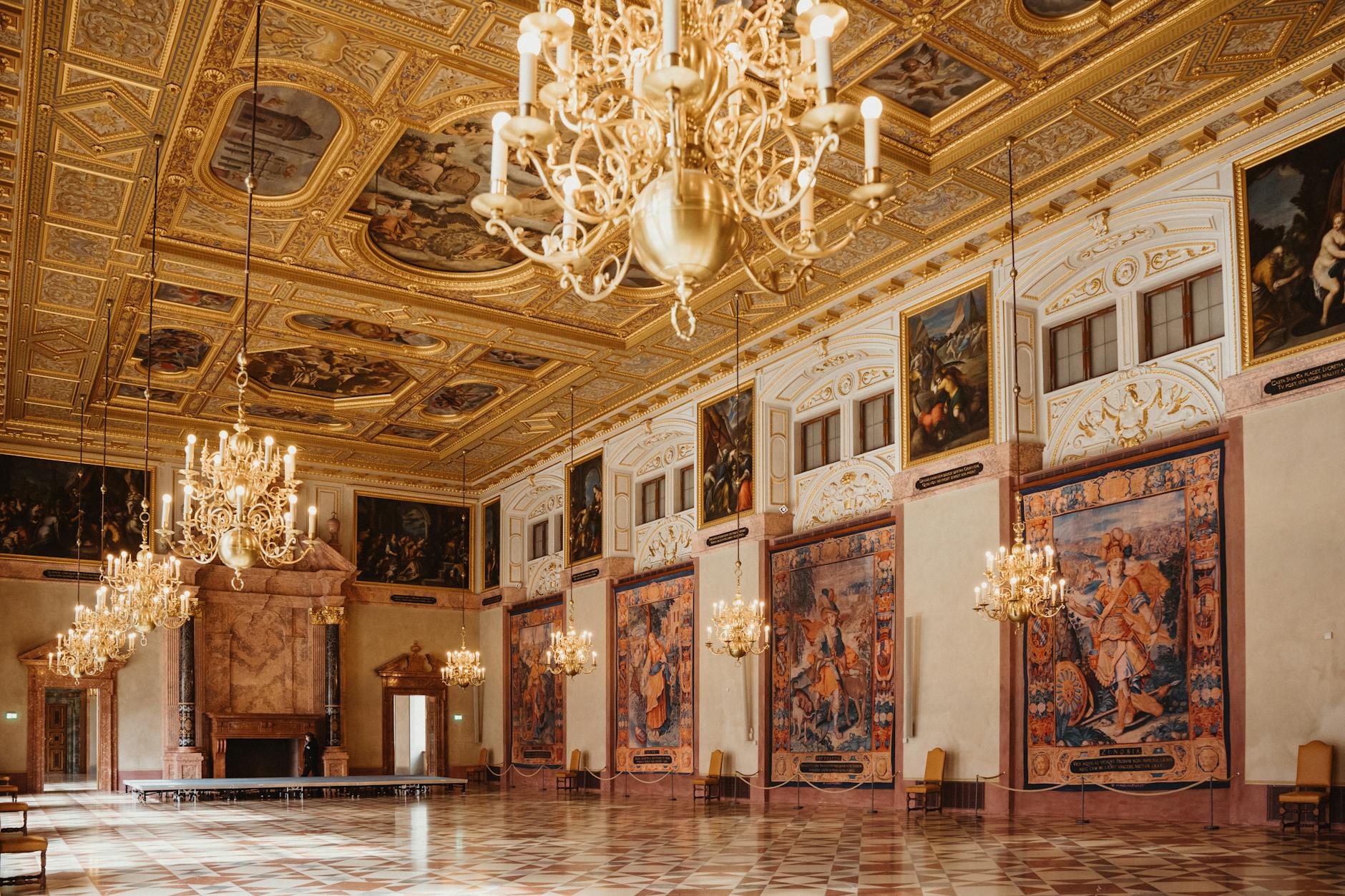
Luxury in Munich often means access to time, not only access to expensive services. Nymphenburg Palace, the Residenz, Kunstareal museums, architecture walks, and quieter cultural interiors reward a slower pace. A traveler who rushes between palace rooms, shopping streets, and dinner reservations may miss the very refinement that makes Munich appealing.
The better approach is to give one major cultural block real room and then build the day around it. A palace visit can pair with a driver, a relaxed lunch, or a late-afternoon hotel reset. A museum day can pair with shopping or dinner only if the route is coherent.
- Give Nymphenburg, the Residenz, or a museum block enough time to feel substantial.
- Pair culture with nearby meals, private transport, or hotel recovery instead of constant cross-city movement.
- Choose fewer premium experiences and give them better timing.
Protect privacy, service, and recovery
A high-end Munich trip can be undermined by small frictions: a noisy room, a crowded breakfast, a car pickup in the wrong place, poor weather planning, or too many public-facing moments when the traveler wanted discretion. Privacy and service should be specified before arrival, especially when the trip includes executives, public figures, family milestones, or sensitive business conversations.
Recovery matters too. Spa time, quiet mornings, room service, a slower lunch, or a private guide with a lighter route can preserve the quality of the trip. Luxury travel should feel controlled enough that the traveler can enjoy Munich rather than manage it constantly.
- Clarify room quiet, privacy needs, car pickup points, breakfast preferences, and concierge tasks before arrival.
- Use spa time, slower mornings, and lighter guided routes to protect the trip's quality.
- Avoid filling every open hour just because premium services are available.
Account for events, seasons, and shopping pressure
Munich's luxury experience changes with the calendar. Oktoberfest period, major trade fairs, football nights, Christmas markets, opera schedules, holidays, and summer weekends can affect hotels, cars, dining, shopping, and museum crowding. Rain, winter cold, and heat also change footwear, coats, taxis, and the amount of walking that still feels elegant.
Shopping routes around Maximilianstrasse and the old town should be planned with closing times, appointments, tax-free documentation, and hotel drop-offs in mind. A polished day can become inefficient if purchases, weather, and dinner clothes are all handled casually.
- Check Oktoberfest period, trade fairs, football nights, holidays, Christmas markets, and opera schedules before booking.
- Plan shopping with closing times, appointments, tax-free paperwork, luggage, and hotel drop-offs in mind.
- Adjust clothing, footwear, cars, and walking routes for rain, winter cold, heat, and crowding.
When to order a short-term travel report
A luxury traveler with a single hotel stay and few fixed plans may not need a custom Munich report. A report becomes useful when the trip includes high-end dining, opera or concert tickets, private transfers, shopping appointments, family comfort, privacy requirements, a business extension, seasonal demand, or a desire to compare hotel bases before committing.
The report should test hotel geography, transfer strategy, dining sequence, cultural priorities, shopping time, spa and recovery windows, weather substitutions, event pressure, and what to remove if the plan becomes too dense. The value is not a busier Munich trip. It is a smoother one.
- Order when hotel base, privacy, premium reservations, transfers, shopping, seasonality, or family comfort affects the decision.
- Provide dates, flight or rail times, hotel candidates, restaurants, performances, shopping priorities, and service requirements.
- Use the report to make the trip feel composed rather than merely expensive.