A journalism trip to Munich can be straightforward only when the assignment is straightforward. A reporter, photographer, producer, editor, or documentary team may need to move between official offices, public spaces, corporate sites, courts, cultural events, demonstrations, neighborhoods, hotel workspaces, and airport or rail exits. The city is workable, but the assignment can become fragile if access, equipment, data, and timing are treated casually. The journalist should define the trip by the reporting requirement, not by the city brand. Munich may be the setting for business coverage, politics, culture, sport, technology, migration, education, security, or lifestyle work. Each version of the city requires a different movement plan, different backup locations, and different rules around source handling.
Define the assignment geography first
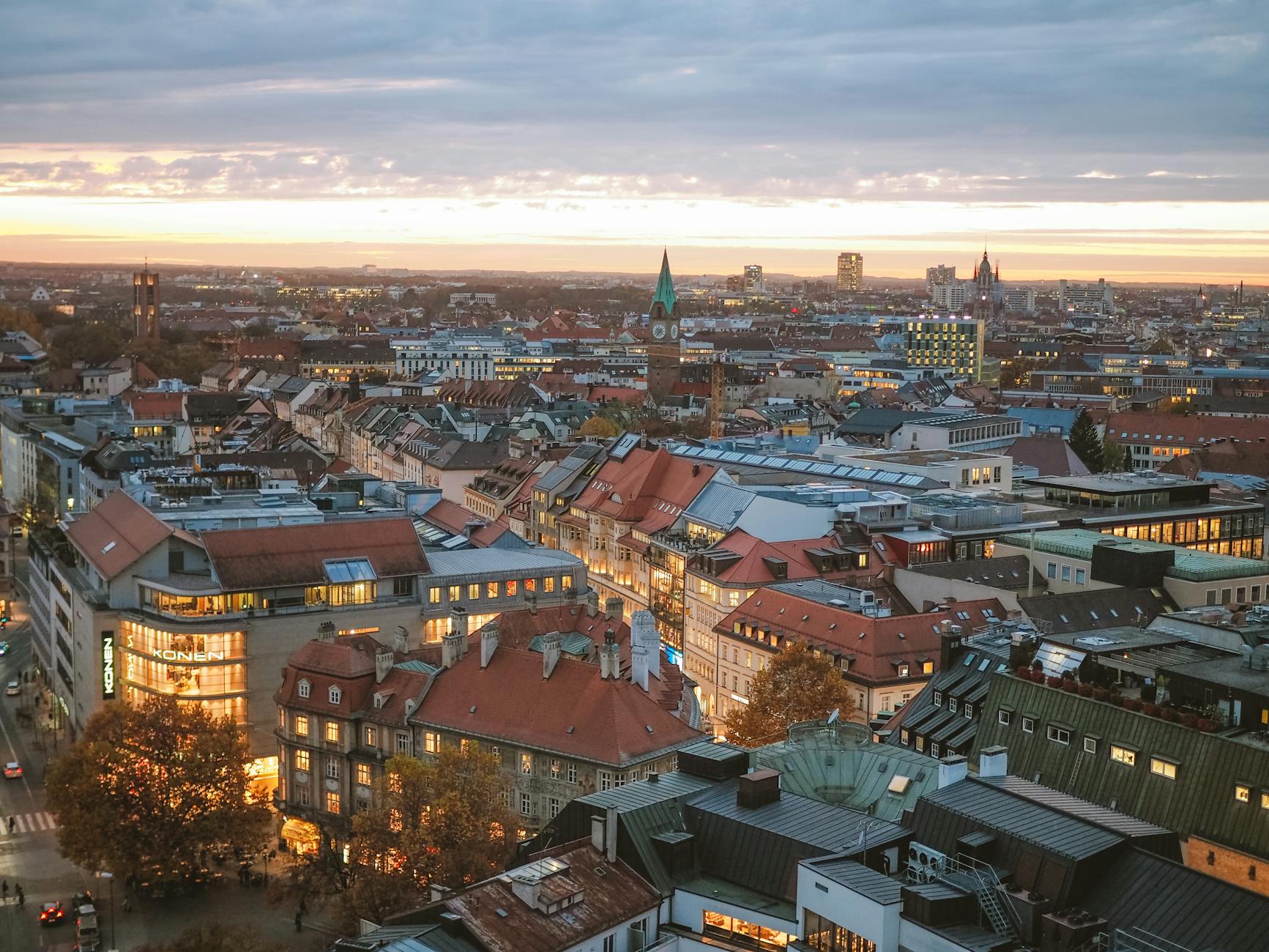
Munich is not one reporting surface. City hall, courts, corporate sites, university districts, stadium areas, cultural venues, transport hubs, and residential neighborhoods all operate differently. A journalist should map the reporting locations, interview sites, pickup points, hotel workspace, filing location, and departure route before booking the base.
This is especially important for tight trips. A hotel that is pleasant for leisure may be poor for an early interview, a live hit, or a late filing deadline. The assignment should decide the base, not the other way around.
- Map reporting sites, interview locations, official offices, hotel workspace, and departure route before booking.
- Choose the hotel around access and filing needs, not only neighborhood appeal.
- Avoid cross-city movements immediately before a live segment, interview, or deadline.
Confirm access, credentials, and restrictions
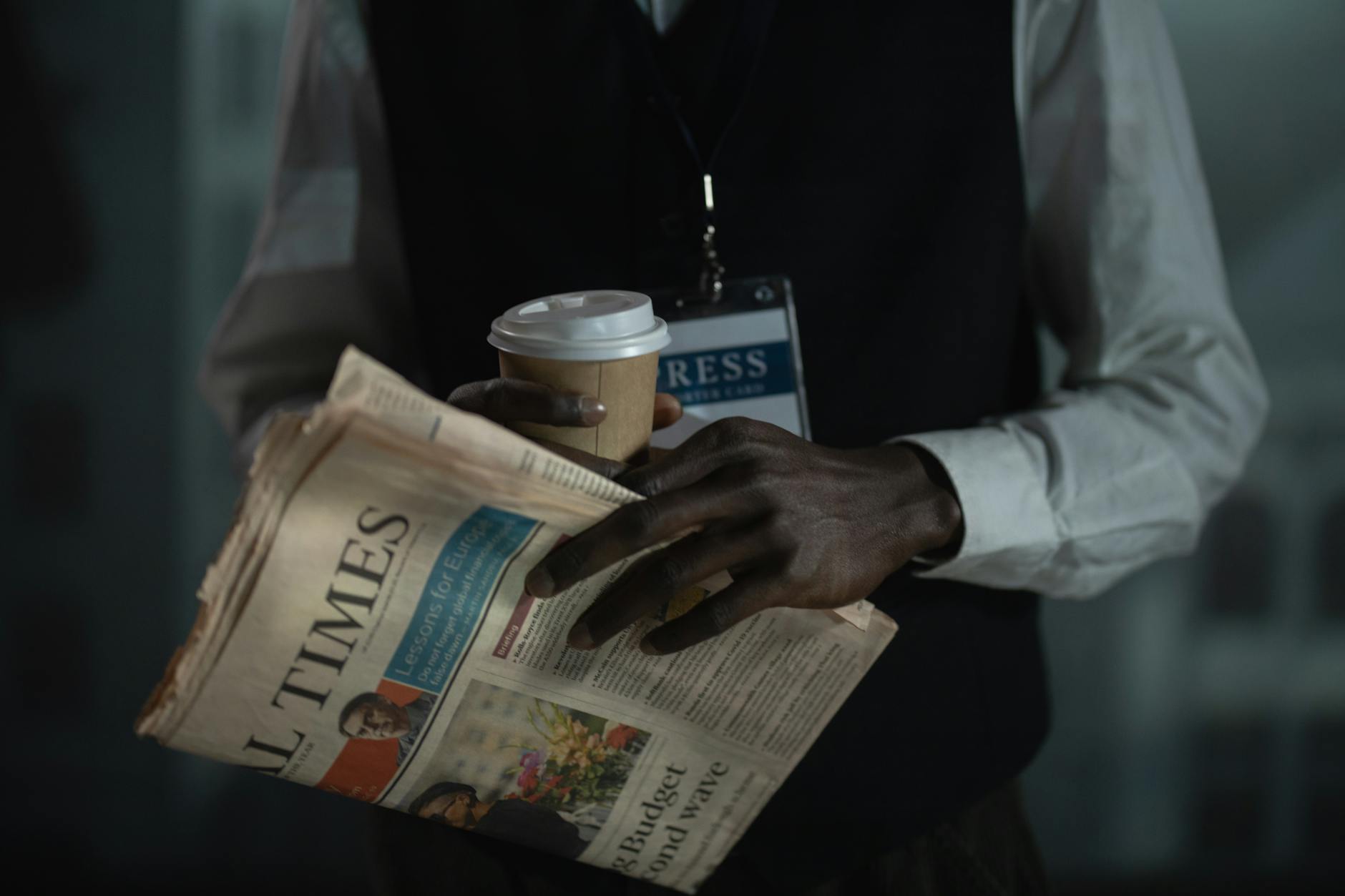
Access should be confirmed before arrival whenever possible. Press accreditation, interview approval, venue rules, camera permissions, tripod limits, drone restrictions, courthouse or official-building entry, event badges, and ID requirements can all affect the day. A journalist should not assume that a public-facing event is simple to cover professionally.
Some assignments also require sensitivity around privacy, minors, vulnerable sources, workplace interiors, police activity, protests, or private property. Munich may feel orderly, but documentation rules and host expectations still need to be respected.
- Confirm accreditation, badges, ID requirements, camera rules, tripod limits, and venue access in advance.
- Ask about privacy, minors, sensitive locations, and source consent before filming or photographing.
- Carry contact details for fixers, press officers, hosts, and editors offline.
Protect equipment and source material
Journalism travel often concentrates value in bags, drives, cameras, audio gear, phones, notebooks, and laptops. The traveler should plan how equipment moves, where it is stored, how batteries and cards are managed, and how material is backed up. A crowded station, hotel breakfast room, or cafe can create avoidable exposure when the journalist is tired or focused on the story.
Source protection is part of the logistics. Sensitive notes, contact lists, unpublished footage, and private messages should not be handled casually in public spaces. The filing workflow should include secure connectivity, backups, and a plan if a device fails.
- Plan gear movement, battery charging, card handling, backups, and secure storage before the reporting day.
- Keep source lists, notes, messages, and unpublished material controlled in public spaces.
- Use secure connectivity and redundant backups for material that cannot be replaced.
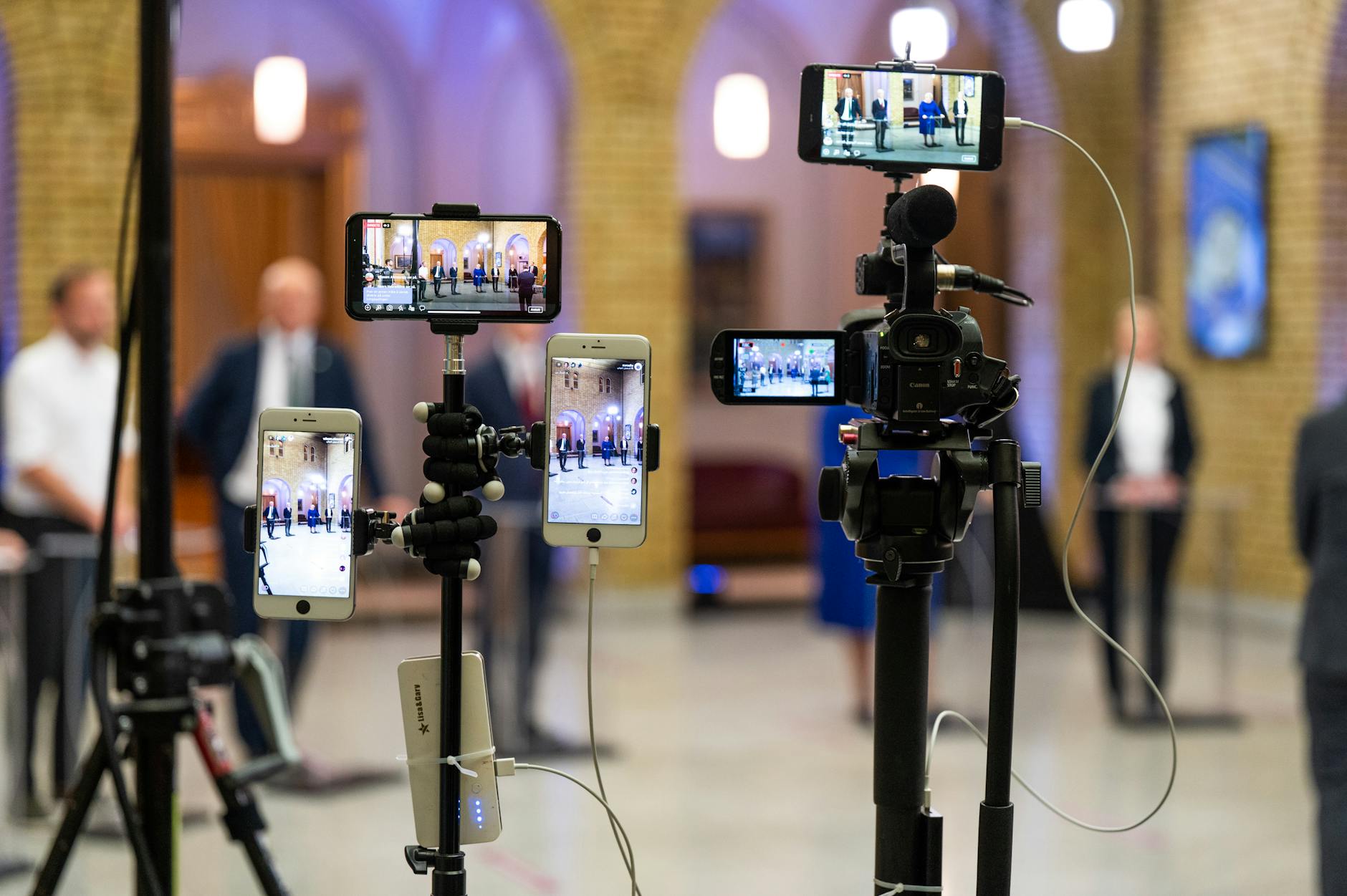
Schedule interviews with recovery time
Interviews rarely run exactly as planned. A source may arrive late, need a quieter location, change language preference, request anonymity, or extend the conversation. The journalist should avoid a schedule that leaves no space for note cleanup, translation review, fact checks, or a follow-up call.
Munich's transit can support multiple interviews in a day, but the final walking distance and waiting time still matter. A responsible plan gives each important source enough room to be useful and gives the journalist enough room to process what was said.
- Build time for late arrivals, quieter locations, translation, fact checks, and follow-up questions.
- Choose interview locations by privacy, noise, transit access, and source comfort.
- Reserve short blocks after important interviews for notes and editor updates.
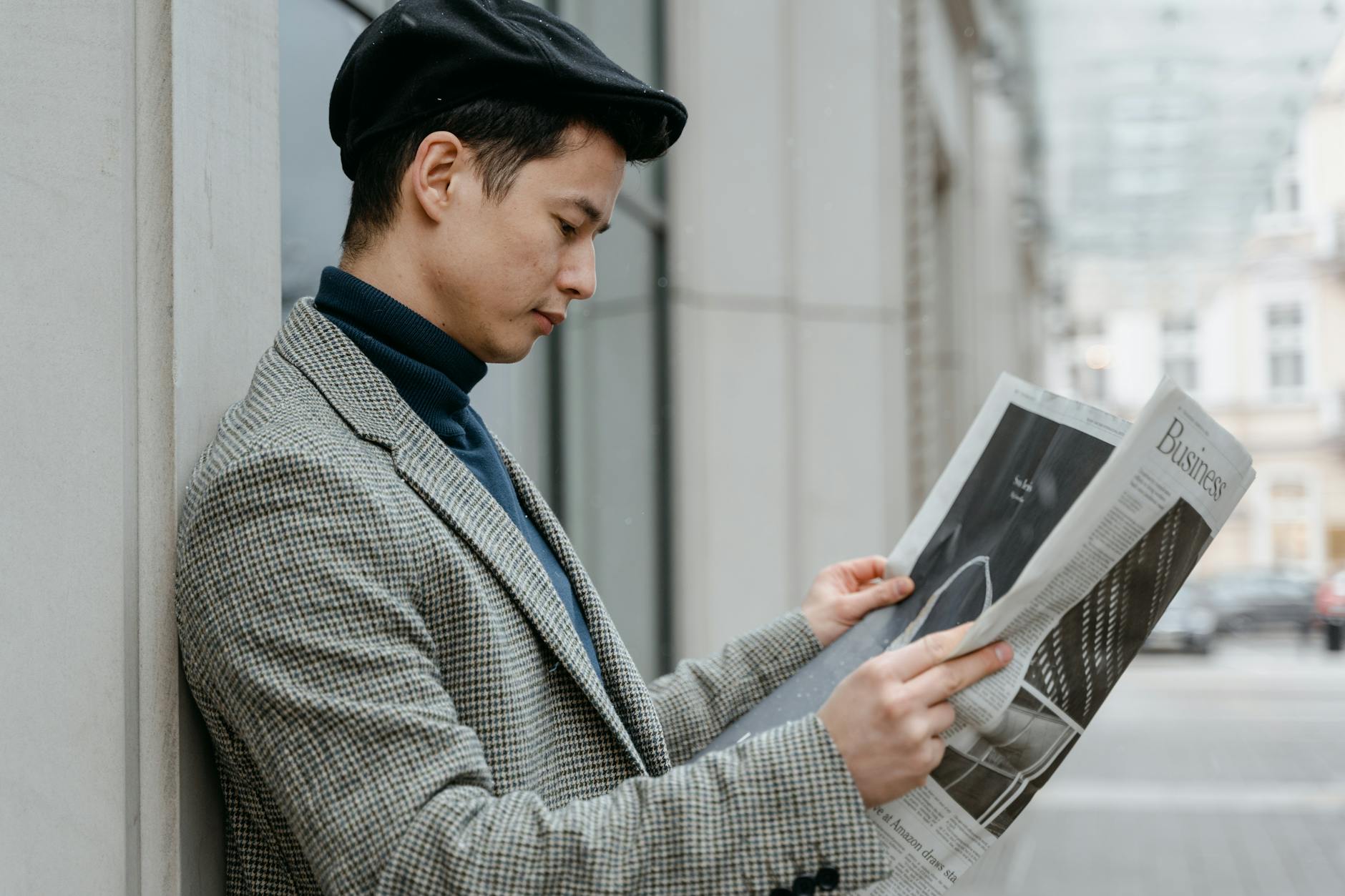
Plan for public events and crowd pressure
Munich can produce crowd pressure around football, festivals, conferences, demonstrations, Christmas markets, major transport disruption, and political or civic events. A journalist covering public activity should know entrances, exits, meet points, police lines, alternate streets, and where to step away to file safely.
The goal is not to overstate risk. It is to avoid becoming trapped by the mechanics of the story. Cameras, microphones, bags, and a visible press role can change how people interact with the traveler. The journalist should preserve situational awareness while working.
- Identify entrances, exits, meeting points, alternate streets, and safe filing locations before public events.
- Keep equipment compact enough to move when crowds shift.
- Do not let the camera view narrow awareness of the surrounding environment.
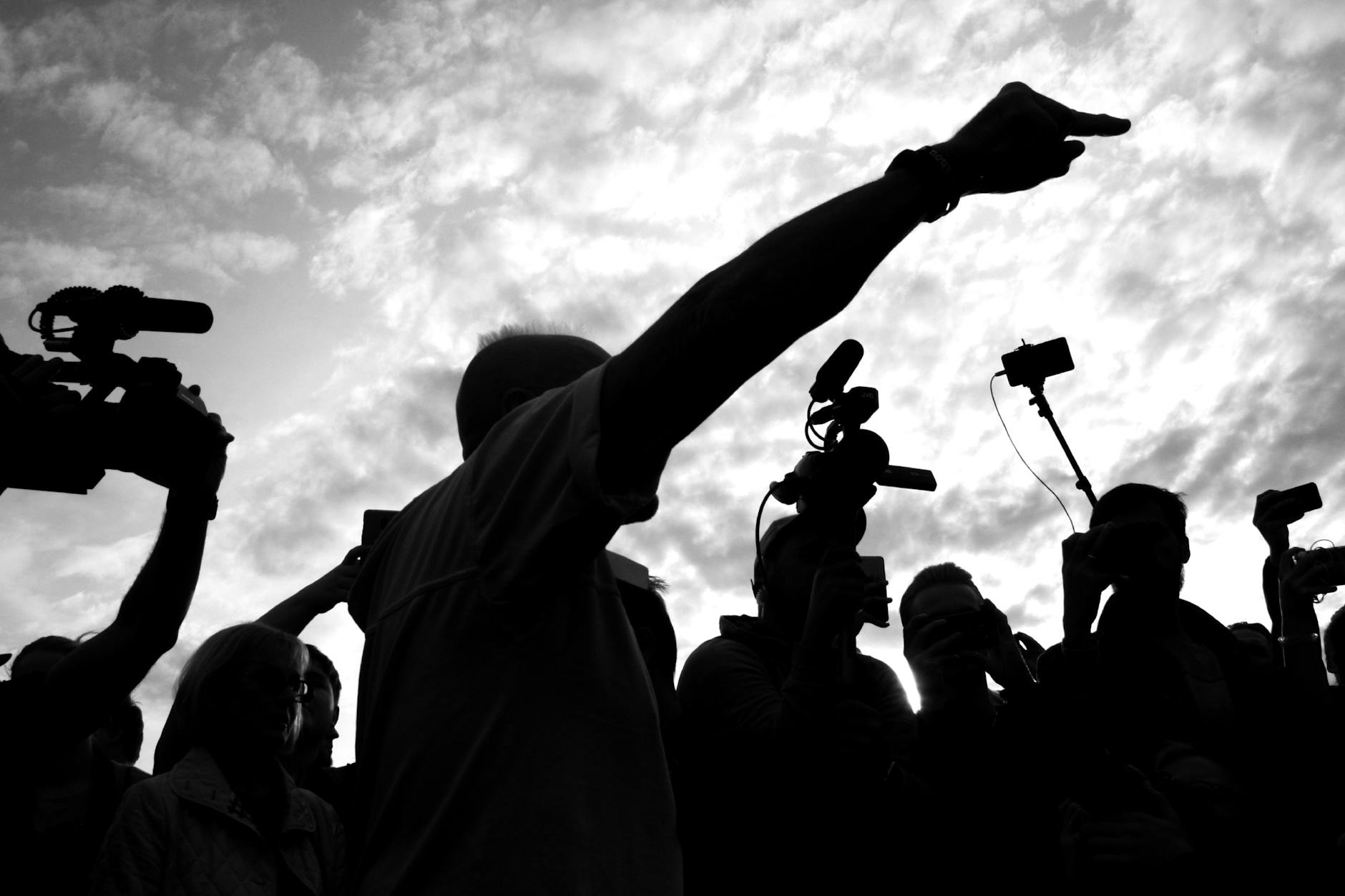
Protect filing and transmission
A strong reporting day can still fail if the journalist cannot file cleanly. Hotel Wi-Fi, mobile data, power, quiet audio conditions, upload speed, image transfer, editor calls, time-zone overlap, and backup devices should be tested before the deadline window.
The traveler should identify at least two filing options: the hotel room, a newsroom or host office, a coworking space, a quiet lounge, or a reliable mobile setup. A cafe is fine for light work, but it may be wrong for sensitive calls or large file transfers.
- Test hotel Wi-Fi, mobile data, power, upload speed, and editor-call conditions before deadline.
- Know two usable filing locations in case the first one fails.
- Avoid relying on crowded cafes for sensitive calls or large media uploads.
When to order a short-term travel report
A journalist with one confirmed interview and a flexible deadline may not need a custom Munich report. A report becomes useful when the trip includes multiple interviews, public events, sensitive sources, equipment-heavy coverage, tight filing deadlines, official access, suburban locations, or limited margin between arrival and assignment work.
The report should test reporting geography, hotel workspace, access requirements, transit and taxi options, public-event movement, equipment security, source protection, filing locations, weather exposure, and what to cut if the schedule becomes too dense. The value is a Munich reporting trip that protects both the story and the journalist's ability to deliver it.
- Order when access, source sensitivity, equipment, crowds, deadlines, or multiple locations affect the assignment.
- Provide reporting sites, interview times, access rules, gear needs, hotel options, deadlines, and constraints.
- Use the report to keep logistics from weakening the story.