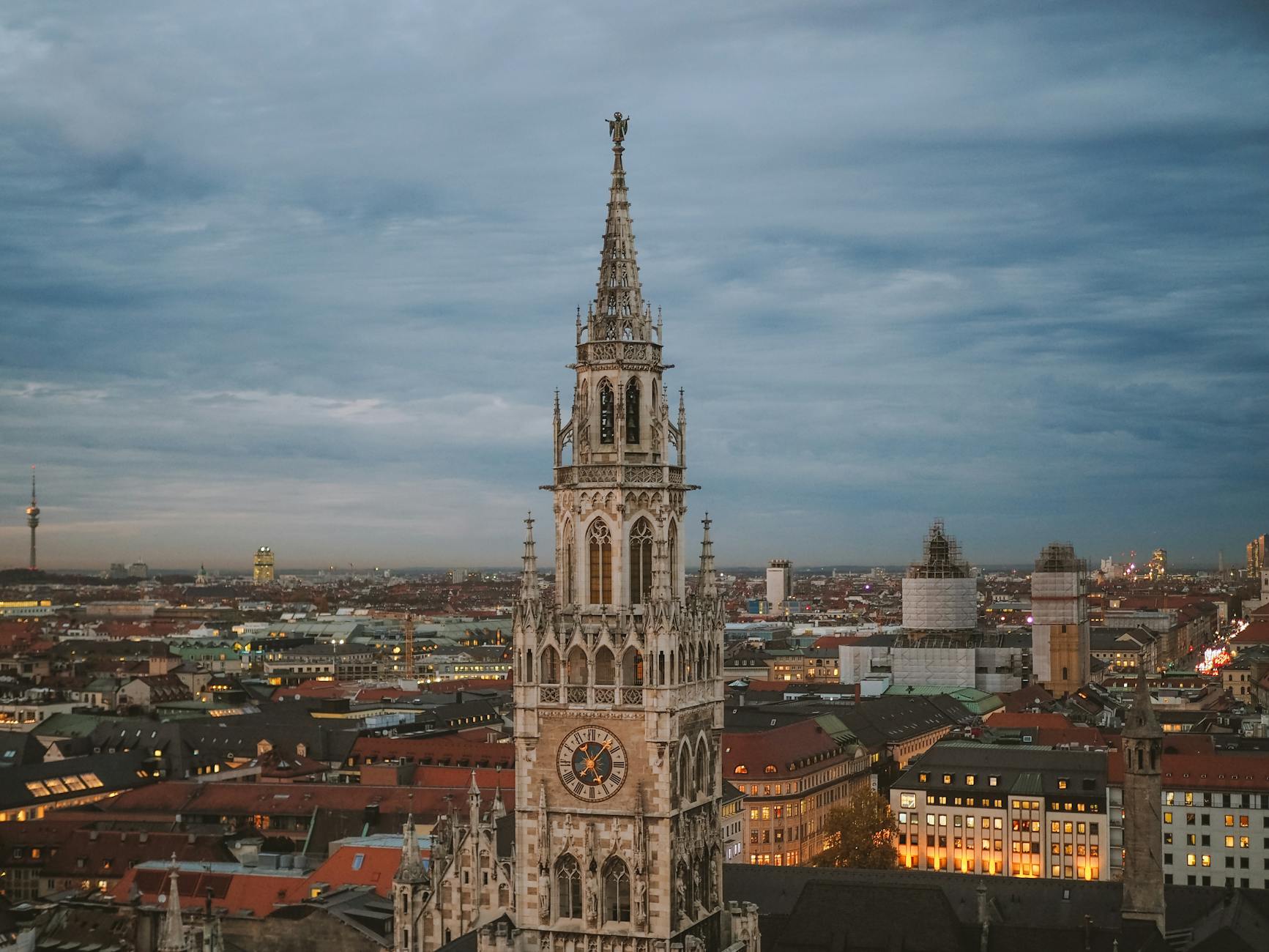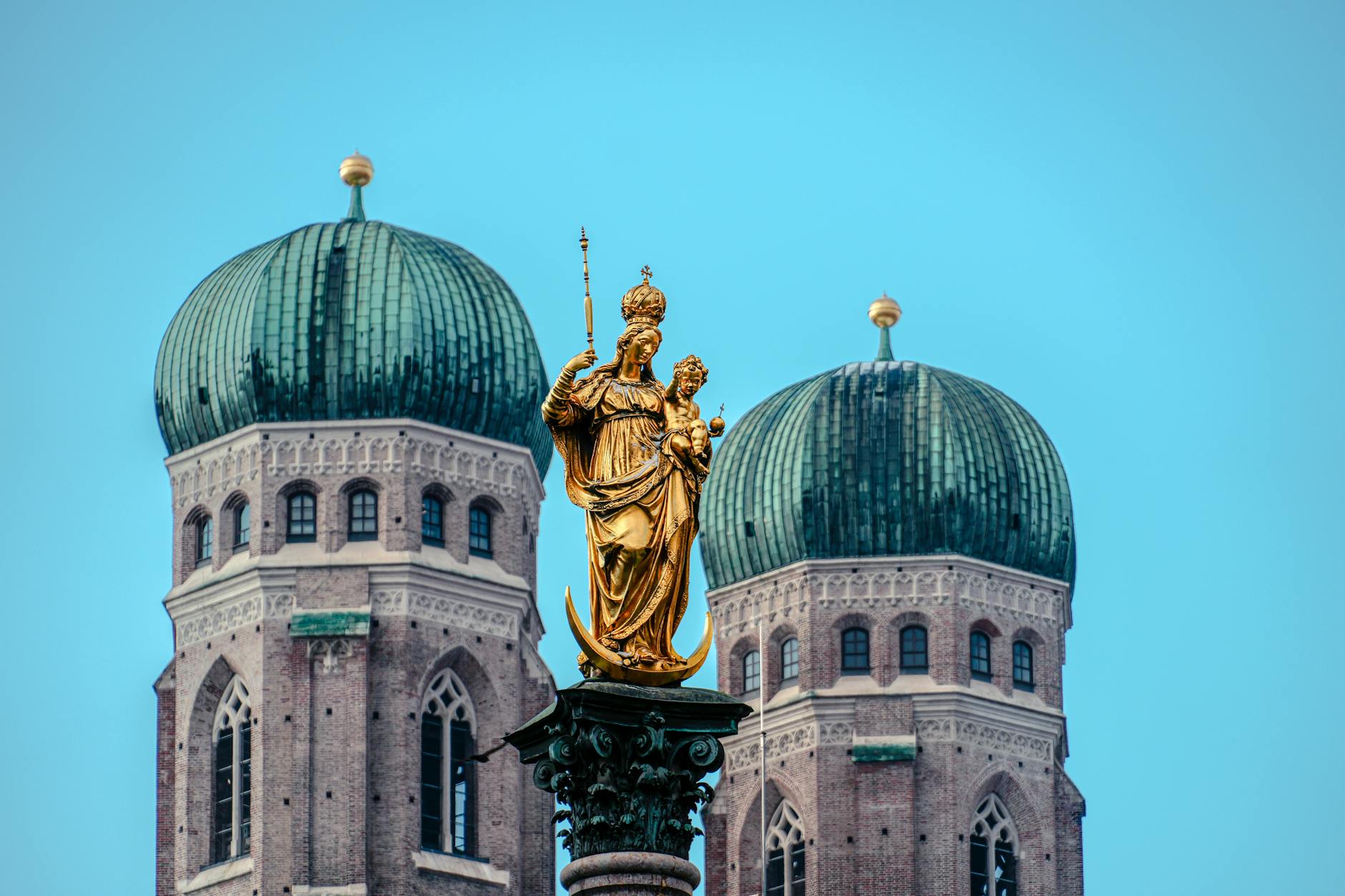
Munich is approachable for a first visit, but it is not a city to treat as one small old-town loop. Marienplatz, the Frauenkirche, the Residenz, museums, English Garden, beer gardens, Olympic Park, Nymphenburg, and airport or rail logistics all compete for time. A first-time visitor who tries to include every famous name can spend too much of the trip crossing the city and too little time understanding what they came to see. The useful question is not whether Munich has enough to fill a short trip. It does. The question is which version of Munich should anchor the first visit: historic core, art and design, Bavarian food culture, parks, royal sites, architecture, shopping, or a careful introduction before traveling elsewhere in Bavaria.
Build the first day around orientation
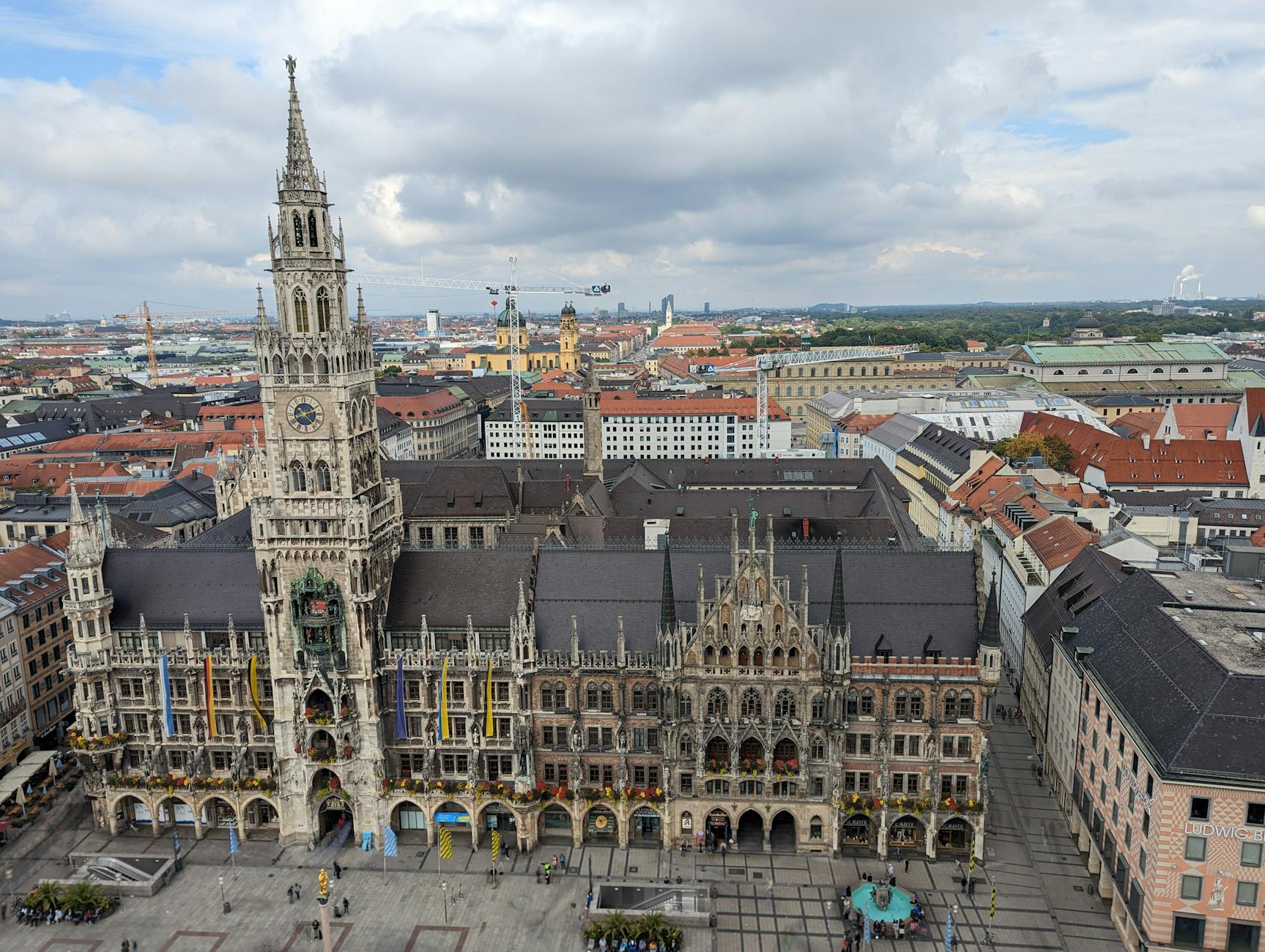
Marienplatz is a logical first anchor because it gives the visitor old-town bearings, transit connections, historic facades, the New Town Hall, and easy routes toward the Frauenkirche, Viktualienmarkt, the Residenz, and nearby shopping streets. It should be used as an orientation tool, not as a place to rush through while checking boxes.
A first-time visitor should decide how much time to spend in the old town before adding farther sites. If the trip is short, a well-paced central day can be more satisfying than a scattered route that includes every landmark from a list.
- Use Marienplatz to understand the old town before adding distant attractions.
- Pair nearby sights by walking logic rather than by fame.
- Leave enough time to absorb the central area instead of treating it as a transit corridor.
Choose the hotel base for the trip style
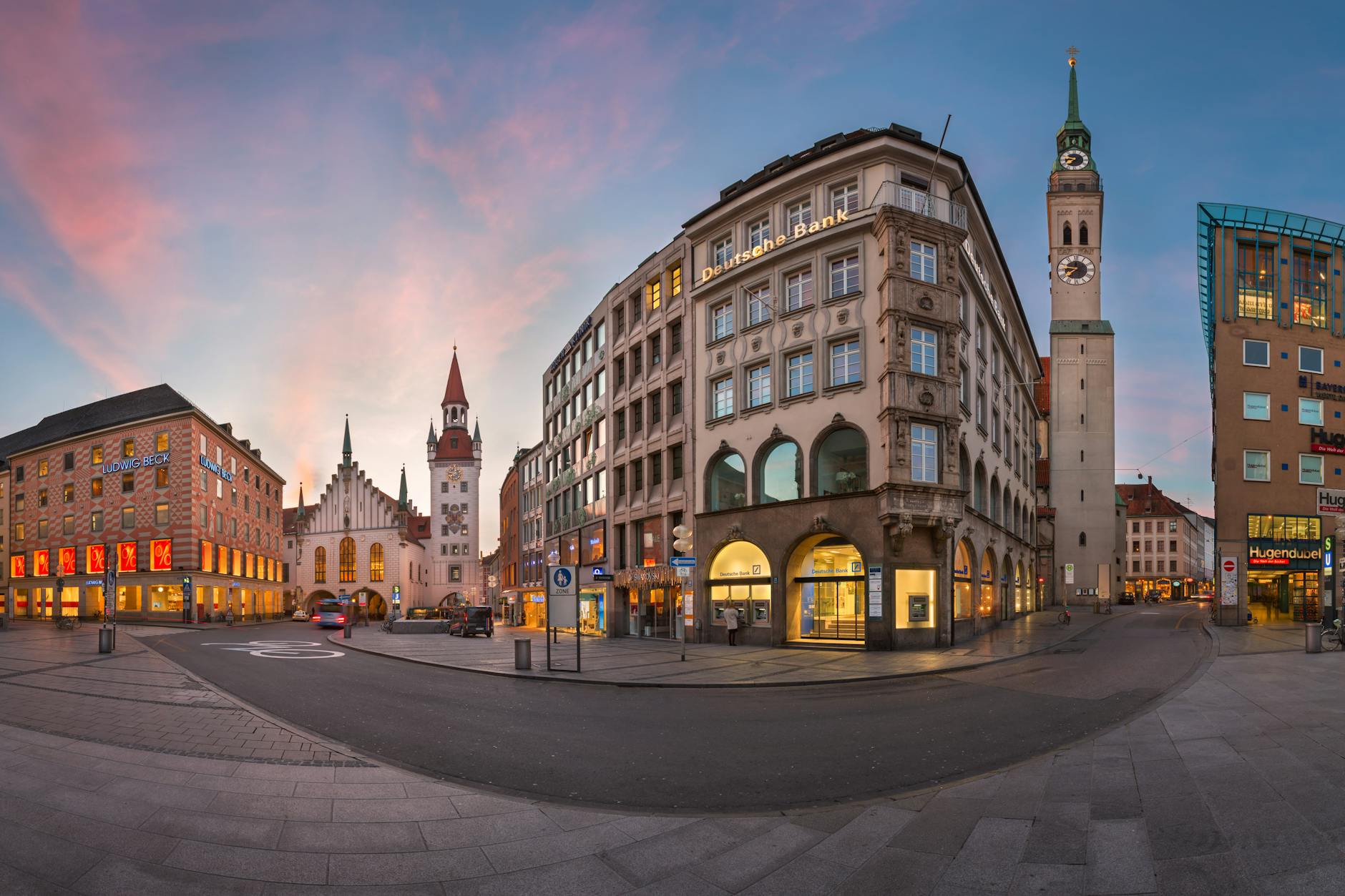
A first-time Munich hotel can sit near the old town, Hauptbahnhof, a quieter residential district, a museum area, or a transit line that suits a specific itinerary. The best base depends on arrival mode, luggage, evening plans, museum interest, day trips, and tolerance for crowds. A hotel that is perfect for old-town walking may be less convenient for an early train, while a station-area base may trade atmosphere for practical movement.
The visitor should decide whether the hotel is meant to support strolling, transit, food, quiet sleep, day trips, or a mixed itinerary. Munich rewards this choice because the city has several plausible bases, not one universal answer.
- Choose a base for old-town walking, rail access, quiet sleep, museums, or day trips rather than for generic centrality.
- Check the final walk from transit with luggage and weather in mind.
- Avoid booking only by map distance if the surrounding streets do not fit the planned evenings.
Do not let the old town crowd out the museums
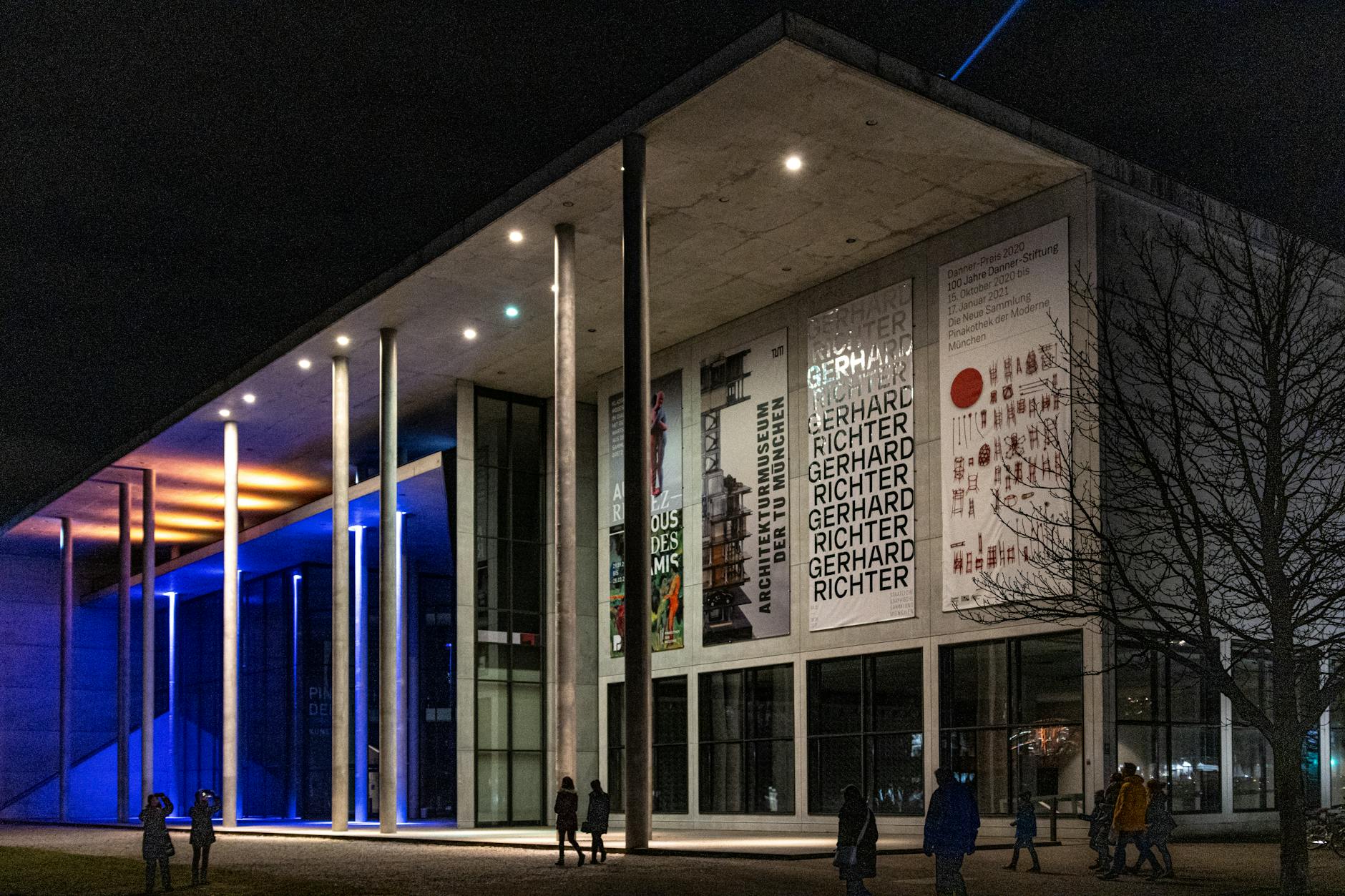
Munich's museum and gallery strength is easy to underestimate on a first visit. The Kunstareal, Pinakothek museums, Lenbachhaus, design and technology collections, and special exhibitions can justify a serious part of the itinerary. The problem is not lack of options; it is choosing too many without allowing the mind to settle.
A visitor interested in art, design, history, science, or architecture should give one museum block enough space and then build the rest of the day around nearby meals or walks. Trying to combine too many indoor sites can turn a good cultural day into a sequence of ticket lines and tired rooms.
- Reserve one serious museum block if art, design, science, or history matters to the trip.
- Check opening days, late hours, special exhibitions, and ticket requirements before arrival.
- Pair museums with nearby meals or walks instead of crossing the city after every visit.
Use parks and beer gardens as structure, not filler
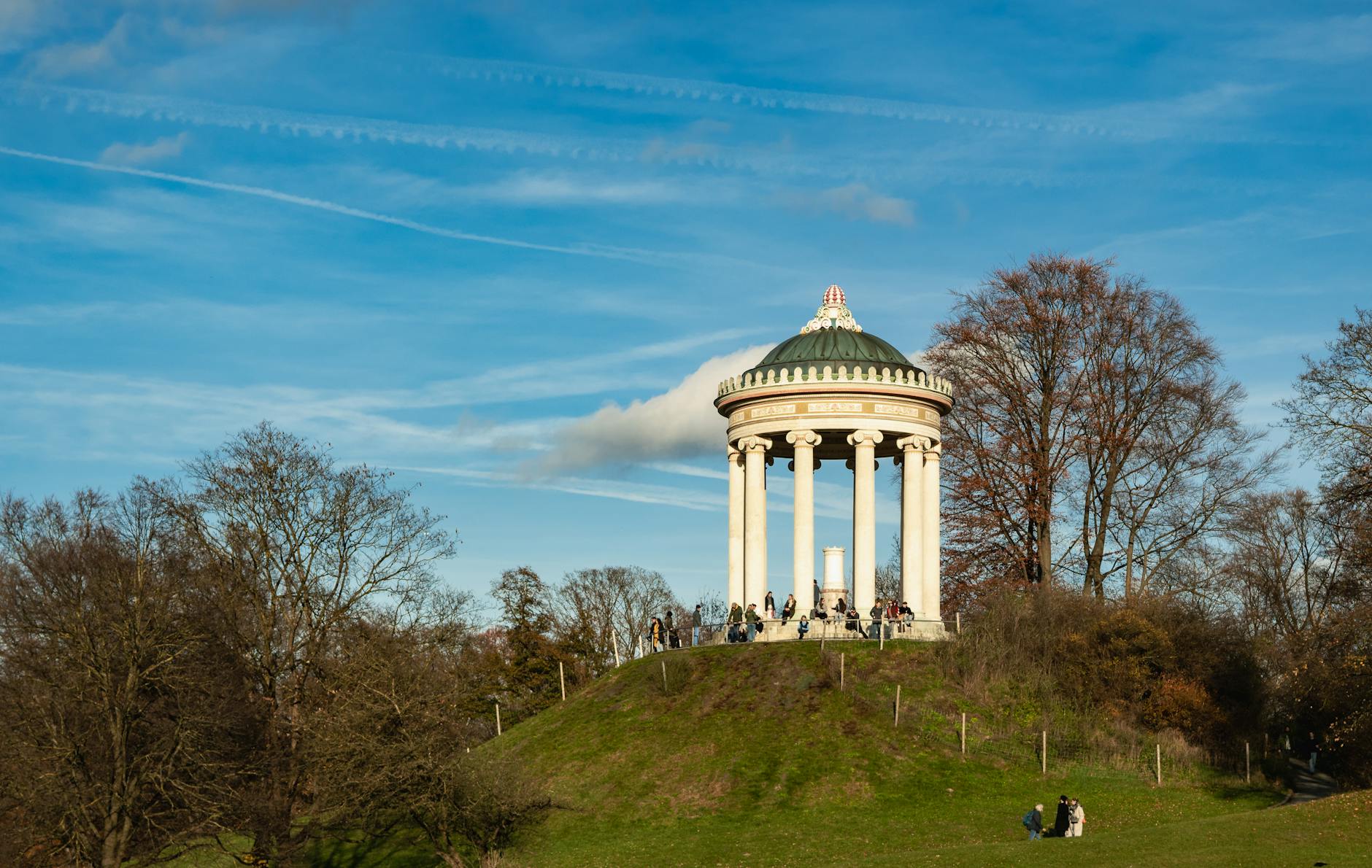
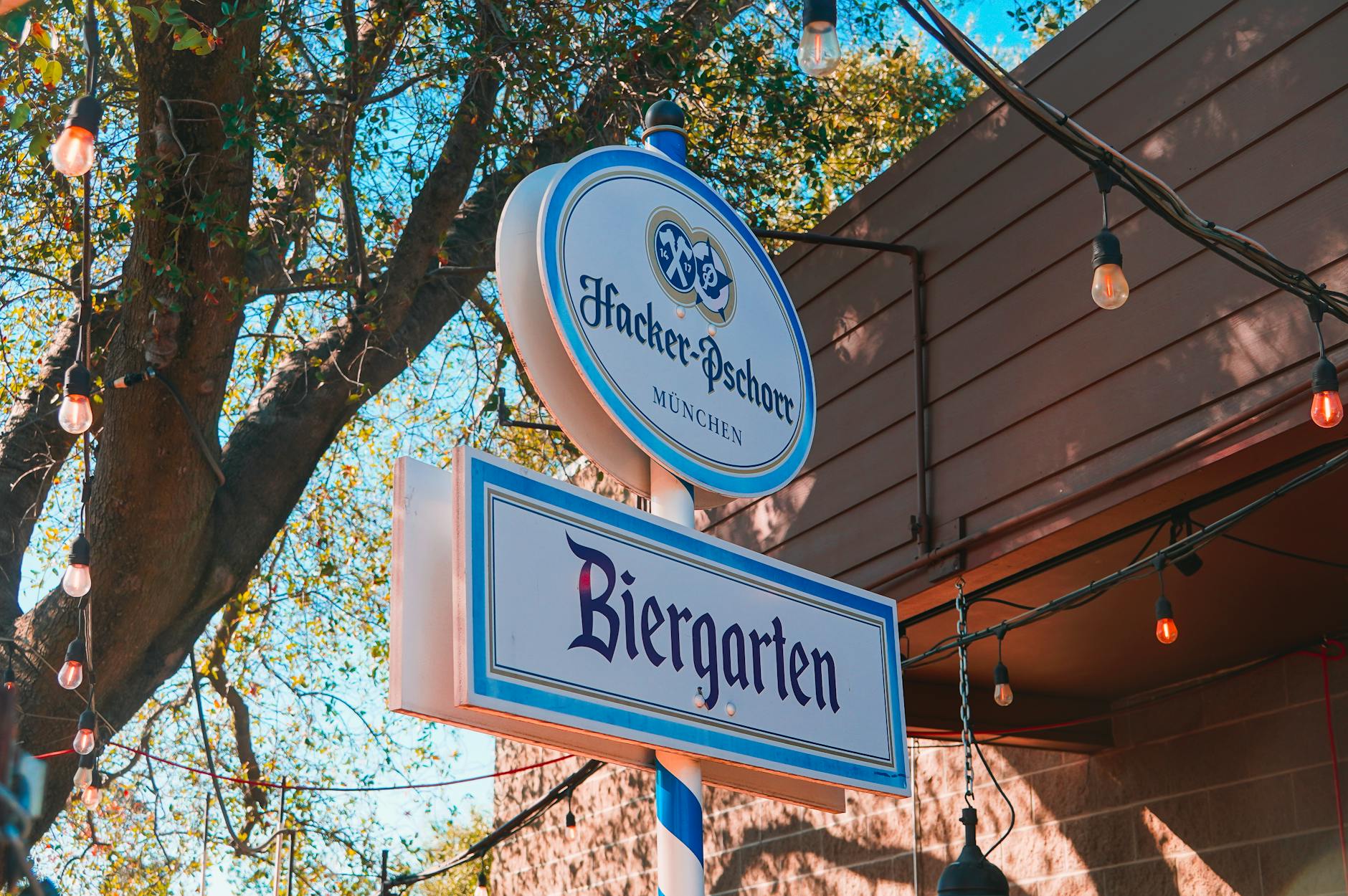
The English Garden, Hofgarten, beer gardens, riverside areas, and shaded outdoor meals are not just pleasant extras. For many first-time visitors, they reveal the rhythm of Munich better than another rushed interior stop. A beer garden or park walk can also create recovery between museums, churches, shopping, and formal sightseeing.
The visitor should treat outdoor time as part of the plan. Weather, daylight, season, table availability, and distance from the previous stop all matter. A relaxed outdoor block is only relaxing if it is placed where the rest of the day can support it.
- Use English Garden, Hofgarten, or a beer garden to slow the day rather than merely fill leftover time.
- Plan outdoor meals around weather, daylight, and the surrounding route.
- Avoid placing a distant park stop where it creates unnecessary backtracking.
Learn the transit pattern before depending on it
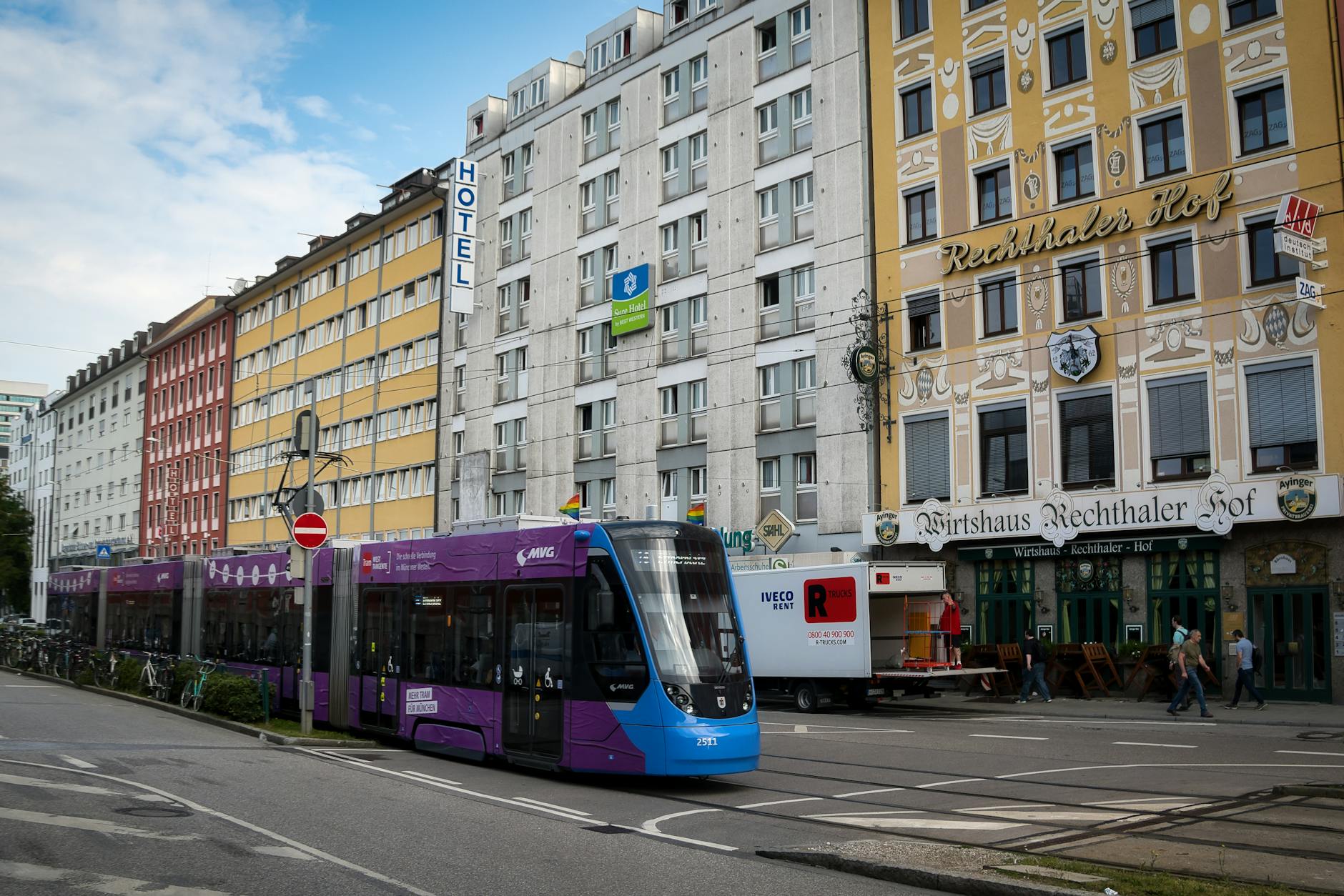
Munich transit can make a first visit much easier, especially for moving between the airport, Hauptbahnhof, museums, parks, and outer sites. The visitor should still understand ticket zones, station names, tram versus U-Bahn versus S-Bahn choices, and the final walking distance. A route that looks simple on a phone can feel less simple with luggage, rain, jet lag, or a missed connection.
Short taxi or ride segments can be sensible when they protect the day, especially after dinner, with bags, or when weather changes. The goal is not to use transit everywhere; it is to keep the first Munich trip coherent.
- Understand airport rail, U-Bahn, S-Bahn, tram, ticket zones, and final walks before relying on transit.
- Use taxis or car service selectively when luggage, weather, fatigue, or dinner timing makes transit weaker.
- Keep routes simple on the first day while orientation is still forming.
Match the season to the pace
Munich changes with season. Rain can make cobbled streets and outdoor meals less attractive. Winter adds coats, shorter daylight, and cold station platforms. Summer can make parks and beer gardens excellent but also raise crowd and heat considerations. Major events, holidays, Oktoberfest period, football nights, trade fairs, and Christmas markets can change hotel prices and the feel of central streets.
A first-time visitor should not use one generic Munich itinerary all year. The same three-day trip may need a museum-heavy version, an outdoor version, or a crowd-avoidance version depending on the dates.
- Adjust the itinerary for rain, cold, heat, daylight, and seasonal event pressure.
- Check major events, holidays, trade fairs, Oktoberfest period, and Christmas-market timing before booking.
- Create indoor and outdoor versions of the day rather than forcing one fixed plan.
When to order a short-term travel report
A first-time visitor with several open days and a relaxed attitude may not need a custom Munich report. A report becomes useful when the trip is short, the arrival is late, the traveler wants museums and old-town sights without overloading the day, the hotel choice is unclear, the season adds risk, or Munich is one stop inside a larger Bavaria or Central Europe itinerary.
The report should test hotel base, airport or rail arrival, old-town routing, museum choices, outdoor blocks, dinner placement, weather substitutions, day-trip temptation, and what to cut if the plan is too ambitious. The value is a first Munich visit that feels deliberate rather than merely busy.
- Order when hotel base, arrival timing, museums, weather, event pressure, or a larger itinerary affects the first visit.
- Provide dates, arrival and departure times, hotel candidates, interests, mobility needs, food preferences, and must-see priorities.
- Use the report to choose the right first version of Munich instead of trying to cover every possible Munich.