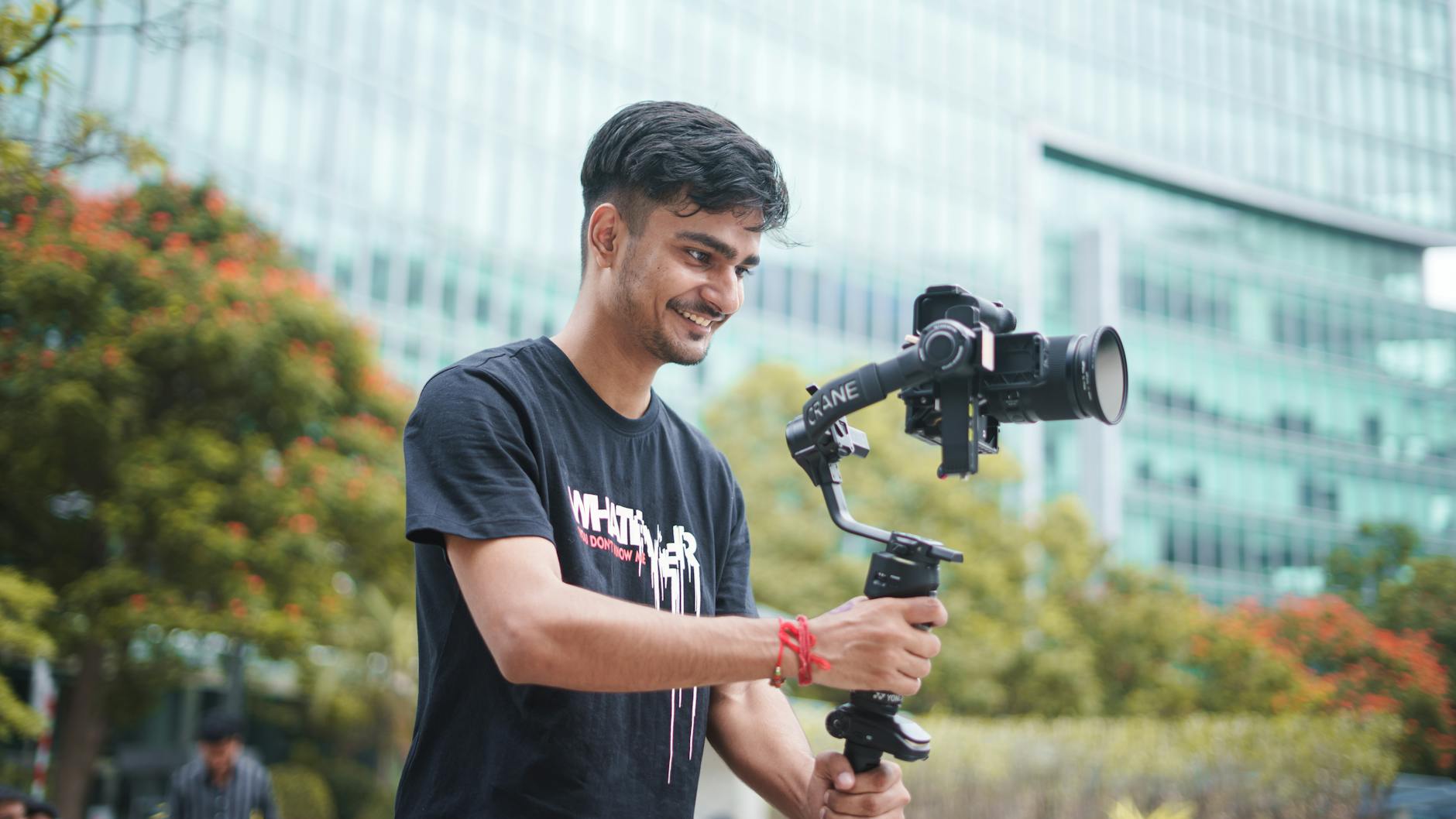
A content-focused trip to Munich works best when the creator treats the city as a set of real locations, not a backdrop. Marienplatz, old-town streets, transit stations, parks, markets, museums, hotel interiors, cafes, beer gardens, business districts, and seasonal events all create different rules for light, crowds, permissions, sound, safety, and output. The creator who arrives with only a shot list may lose time to avoidable friction. The useful question is what the trip has to produce: short-form video, photography, brand work, travel writing, hotel review, food coverage, student content, business content, or a mixed editorial package. That answer should shape housing, equipment, daily routes, backup locations, and how much spontaneity the schedule can actually support.
Match the concept to Munich's real rhythm
Munich can support polished luxury content, student travel, markets, architecture, parks, public transit, football, cultural events, food, beer halls, and business travel. It does not all work at the same pace or in the same areas. The creator should decide which Munich is leading the trip before choosing a hotel or daily route.
A creator chasing every visual category may end up with thin material. A stronger plan clusters the city by concept: old-town landmarks, neighborhood texture, modern architecture, hotel interiors, food stops, parks, or event coverage. The goal is not to over-script the trip. It is to give each planned output enough context to look intentional.
- Define the main content purpose before choosing hotel, locations, and daily routes.
- Cluster locations by concept instead of chasing unrelated visuals across the city.
- Leave room for spontaneous material without making the whole itinerary dependent on luck.
Plan light, crowds, and weather together
Munich's strongest public locations can become crowded, flatly lit, wet, or difficult to record in. Marienplatz, market areas, parks, transit stations, seasonal events, and restaurant interiors all change by time of day. A creator should match each location to light, crowd level, permission needs, and weather backup before the day starts.
Rain or cold does not have to ruin the trip, but it changes the content. Covered arcades, transit interiors, museums, hotel spaces, cafes, and night streets may become better choices than forcing the original outdoor plan. The best schedule has a bad-weather version already built in.
- Match each shoot location to light, crowd level, weather, sound, and backup options.
- Use covered, indoor, or transit-adjacent locations when weather weakens the outdoor plan.
- Avoid arriving at the most famous locations only when crowds and light are at their worst.

Check permissions before the shoot depends on them
Content creators can run into limits around tripods, drones, hotel interiors, museums, restaurants, shops, private courtyards, concerts, sports venues, transit spaces, and people who did not consent to be featured. A quick phone video may be fine where a tripod, microphone, light, or branded shoot is not.
The creator should ask early when a location matters to the deliverable. If the work is sponsored, commercial, or involves recognizable people, the permission standard should be higher. Losing a key location on the day can damage the whole trip.
- Check rules for tripods, drones, microphones, lights, interiors, venues, transit spaces, and commercial work.
- Ask before filming staff, guests, children, private spaces, or sponsored deliverables.
- Have a backup location for every shoot that requires permission.
Keep gear light enough to move
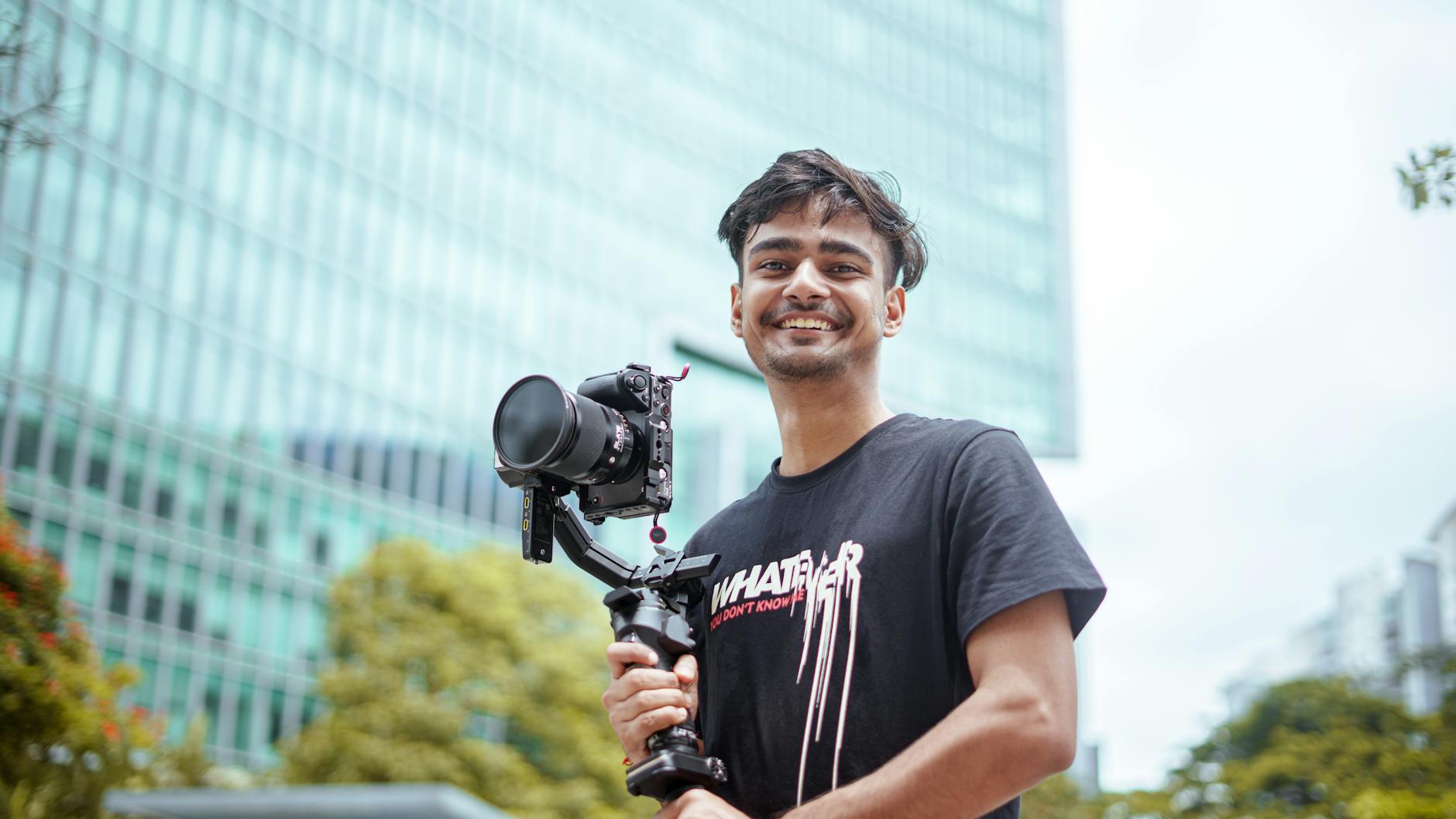
Munich is easier when the creator can move without turning every transfer into a production load-in. Cameras, lenses, gimbals, microphones, tripods, lights, laptops, batteries, chargers, and wardrobe changes should be chosen by the actual day, not by the fantasy of having every option available.
Gear security also matters. A creator focused on framing can become inattentive to bags, pockets, and devices. Crowded stations, markets, cafes, and event areas deserve basic discipline: keep bags controlled, separate backups, and avoid leaving expensive equipment exposed while reviewing shots.
- Pack the gear needed for the day's real locations, not every possible shot.
- Keep bags controlled in stations, markets, cafes, hotels, and event areas.
- Separate backups, cards, batteries, and critical files so one loss does not end the trip.
Build editing and upload time into the itinerary
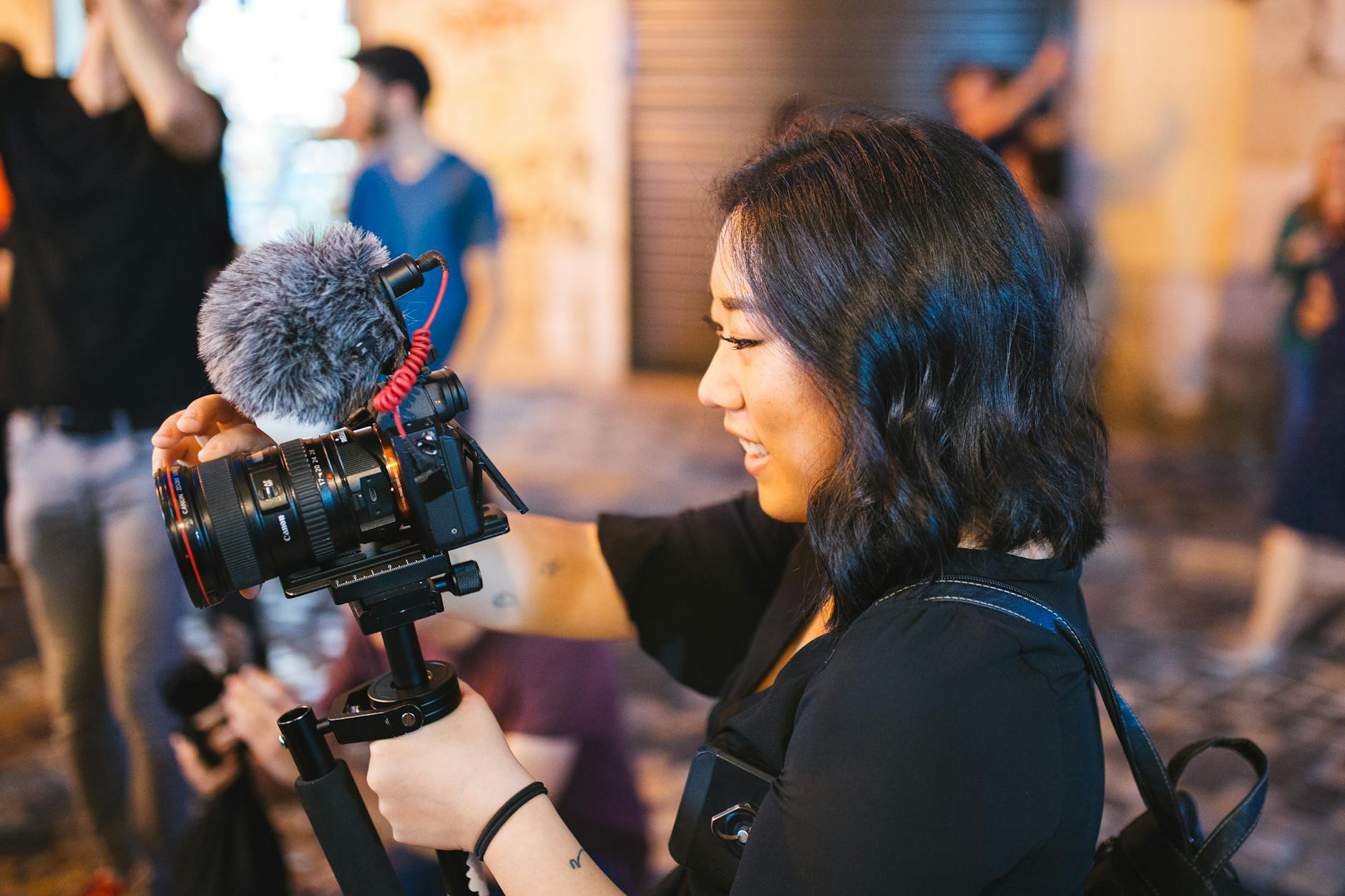
A creator's day does not end when the shooting stops. File transfer, backup, caption notes, rough edits, brand review, metadata, charging, laundry, and the next day's shot list all take time. A schedule that fills every hour with location movement can leave the creator with plenty of footage and no usable workflow.
The hotel should support this work. Desk quality, Wi-Fi, quiet, power outlets, room lighting, and backup upload options matter more than they might on a normal leisure trip. If a sponsored deadline or timed post is involved, the creator should test upload conditions before relying on them.
- Reserve time for file transfer, backup, editing, caption notes, charging, and next-day planning.
- Choose lodging with usable desk space, Wi-Fi, quiet, outlets, and secure storage.
- Test upload conditions before a sponsored deadline or timed release.
Stay locally respectful while producing
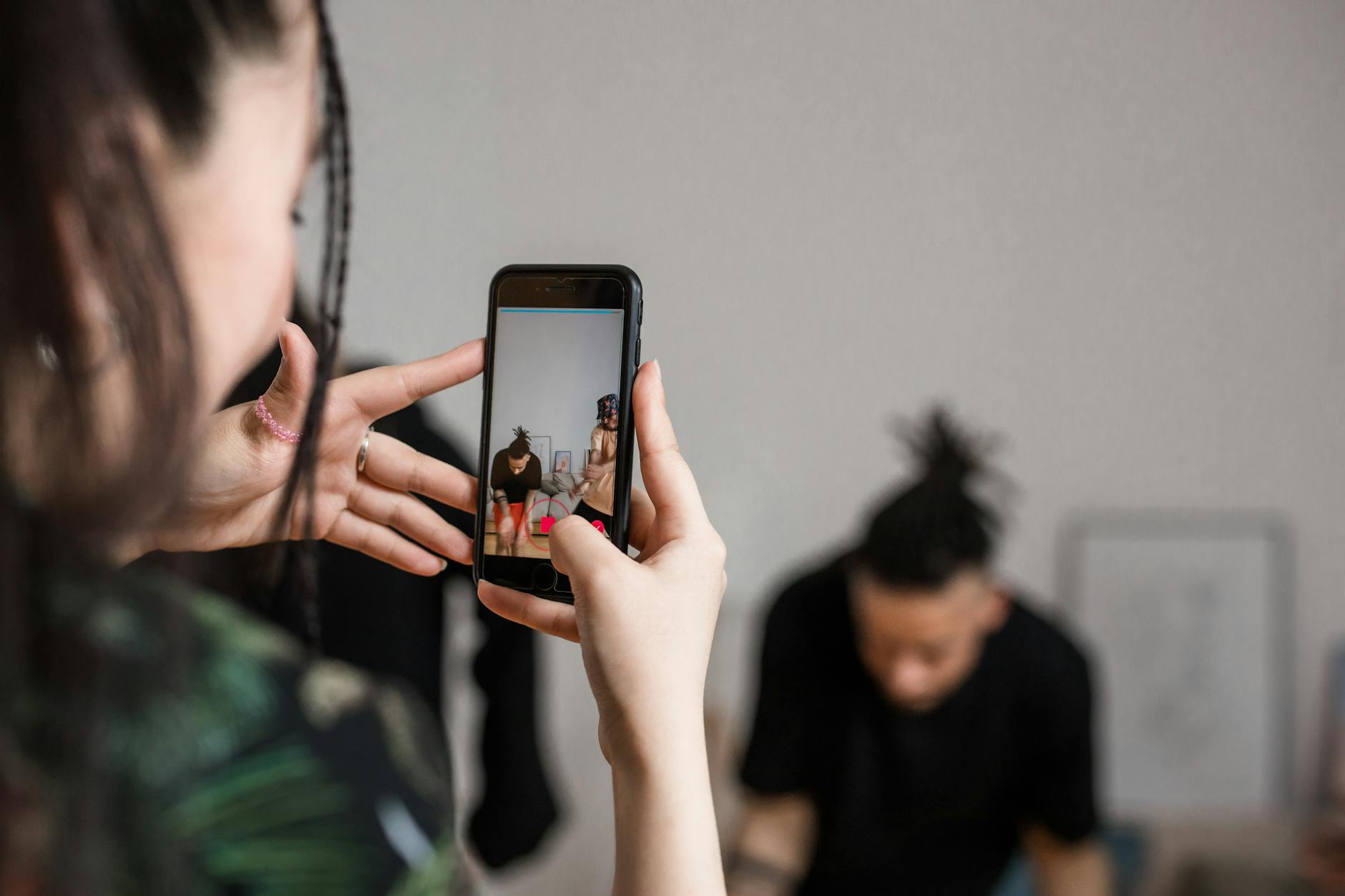
The most visible content behavior can age badly in a city like Munich. Blocking doorways, filming strangers too closely, treating service workers as props, speaking loudly in quiet interiors, or staging shots in sensitive places can create friction quickly. Munich is visitor-friendly, but it is also a lived-in city with norms.
Creators should make the work without making the city absorb the work. That means stepping aside to review shots, asking before filming identifiable people, keeping production small in crowded spaces, and recognizing when a religious, memorial, residential, or private setting calls for restraint.
- Avoid blocking entrances, transit flows, sidewalks, restaurant service, or private residential spaces.
- Ask before filming identifiable people or staff in a way that centers them.
- Use extra restraint in religious, memorial, residential, and quiet cultural settings.
When to order a short-term travel report
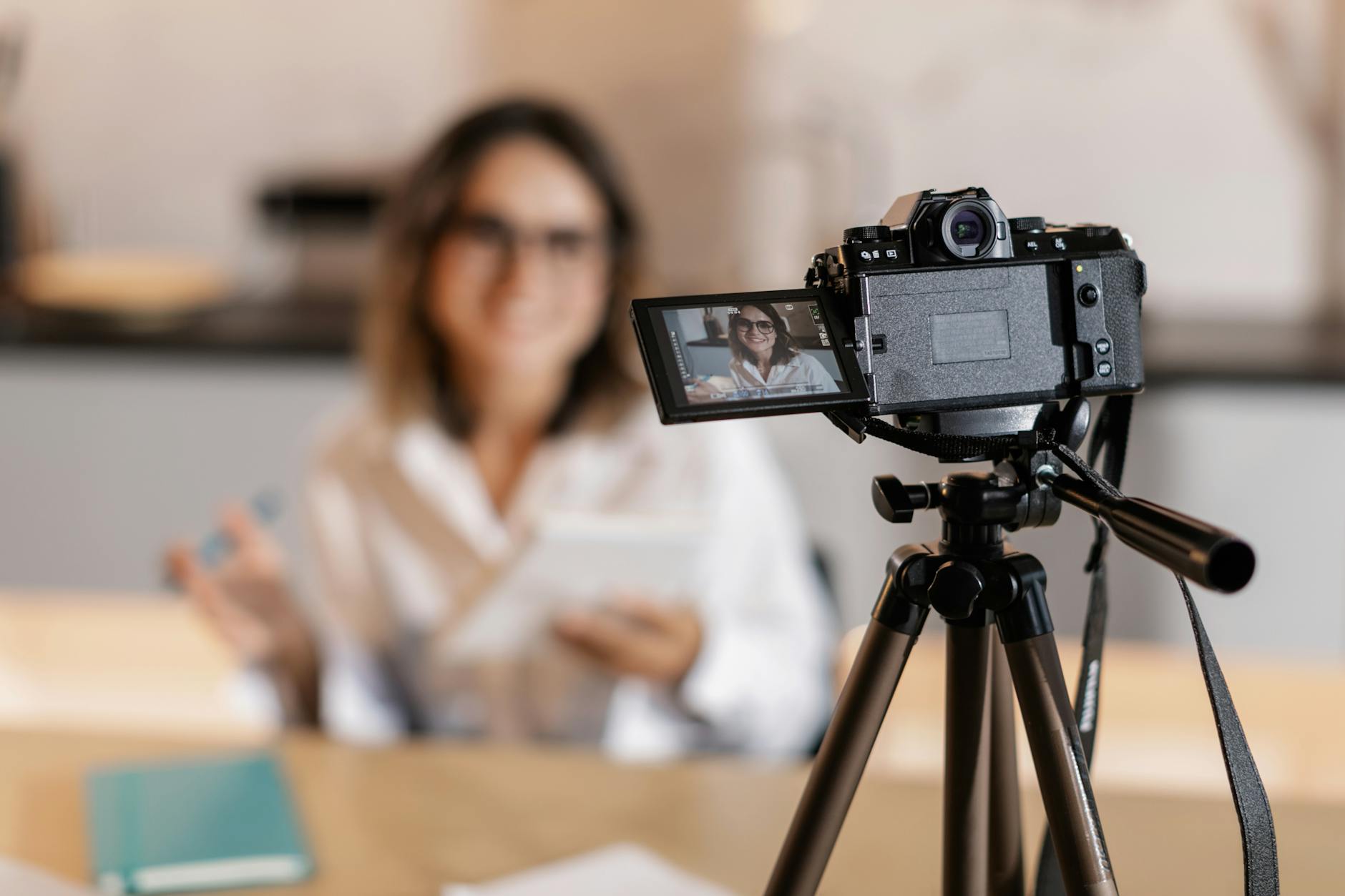
A creator making casual personal content may not need a custom Munich report. A report becomes useful when the trip includes paid deliverables, hotel or brand obligations, equipment-heavy work, multiple locations, weather-sensitive shoots, limited time, accessibility needs, restaurant or venue permissions, or a need to balance content production with actual travel.
The report should test location sequence, hotel workspace, light and weather windows, transit, permission risks, gear movement, backup interiors, editing blocks, upload reliability, and what to cut if the content plan becomes too ambitious. The value is a Munich creator trip that produces usable work without turning every day into improvisation.
- Order when paid deliverables, weather, permissions, equipment, locations, or timing affect the content plan.
- Provide planned shoots, hotel options, gear list, deliverables, permissions, accessibility needs, and deadlines.
- Use the report to protect both the travel experience and the output.