Munich can be an efficient business city when the trip is planned around its actual geography. The airport, Hauptbahnhof, Marienplatz, corporate campuses, Messe locations, hotels, old-town dinners, and suburban office parks do not all sit inside one simple business core. A visitor who treats Munich as a compact meeting city can waste time in transfers and arrive with less margin than the schedule appears to show. The business traveler should decide what kind of Munich trip this is: one headquarters meeting, a trade-fair or Messe visit, a client dinner, a technical site visit, an investor day, or a multi-stop schedule across the city and region. The right hotel, transport mode, clothing, and dinner plan depend on that answer.
Map the meeting geography before booking
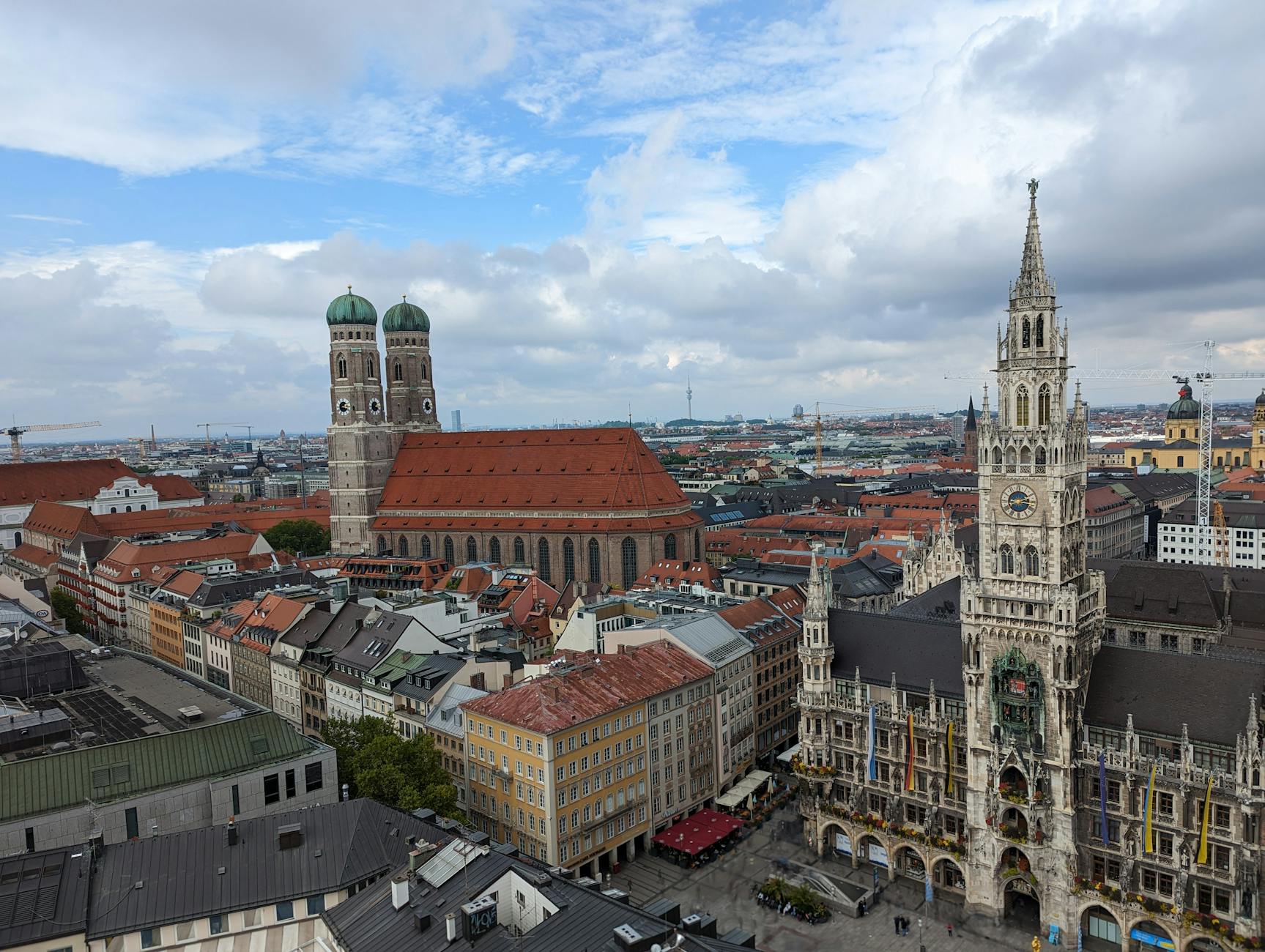
Munich business trips can look simple until the traveler maps the actual meeting locations. A central hotel may be excellent for dinners and rail access, but weaker for a suburban corporate site. A hotel near Messe or a major office campus may save morning time but isolate the traveler from old-town meals or rail departures. A trip that mixes both needs a base chosen for the sequence, not for a generic sense of being central.
The visitor should identify the fixed points first: airport arrival, first meeting, last meeting, hotel, dinner, and onward departure. Once those are mapped, the correct base usually becomes clearer.
- Map airport, hotel, meeting sites, Messe or campus locations, dinners, and onward departure before booking.
- Choose the base around the actual sequence rather than a vague central location.
- Avoid a hotel that makes the highest-stakes meeting the hardest transfer.
Build airport timing with enough margin
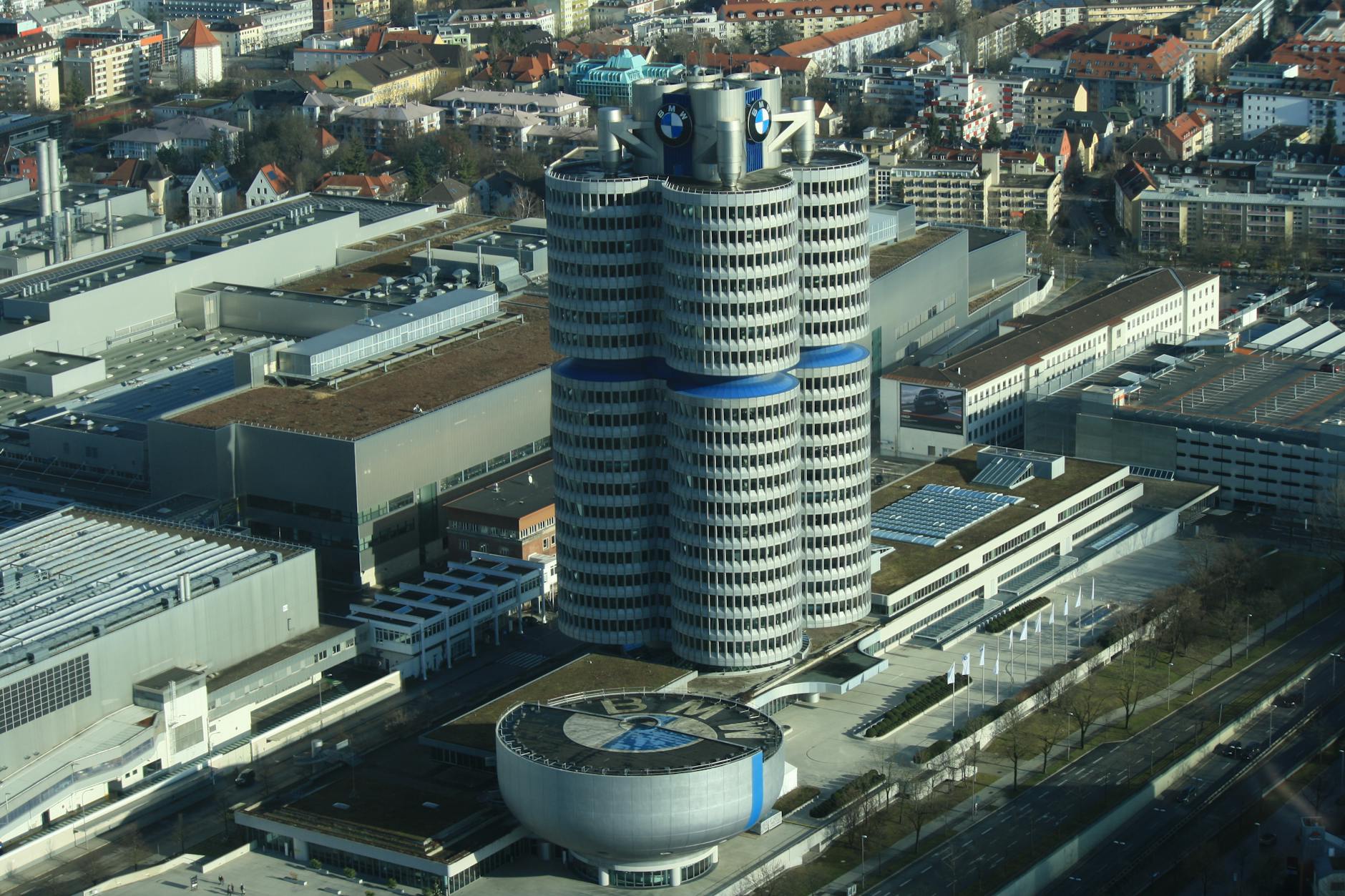
Munich Airport can work well for business travelers, but it is far enough from the city that transfer planning matters. The traveler should decide whether rail, taxi, car service, or a meeting host pickup is the right answer for the arrival time, luggage, weather, and first appointment. A morning arrival followed by a client meeting needs more protection than a leisure arrival followed by hotel check-in.
The return transfer should be planned with the same seriousness. A late meeting, trade-fair traffic, rain, snow, or a distant office can compress the departure window quickly.
- Choose airport rail, taxi, car service, or host pickup by timing, luggage, weather, and meeting stakes.
- Add margin before the first appointment and before the outbound flight.
- Treat late meetings and distant office locations as departure-risk variables.
Use rail and transit deliberately
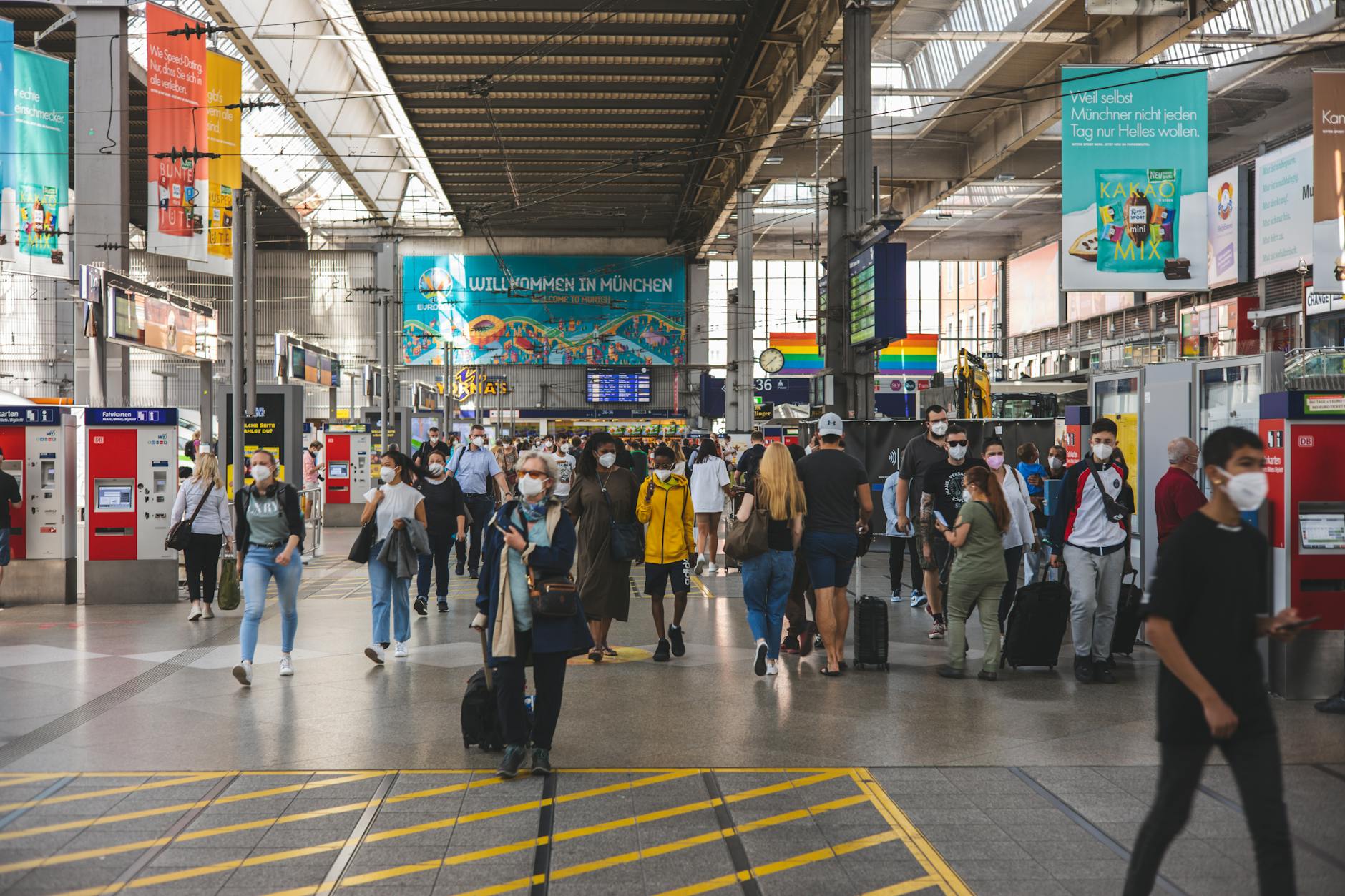
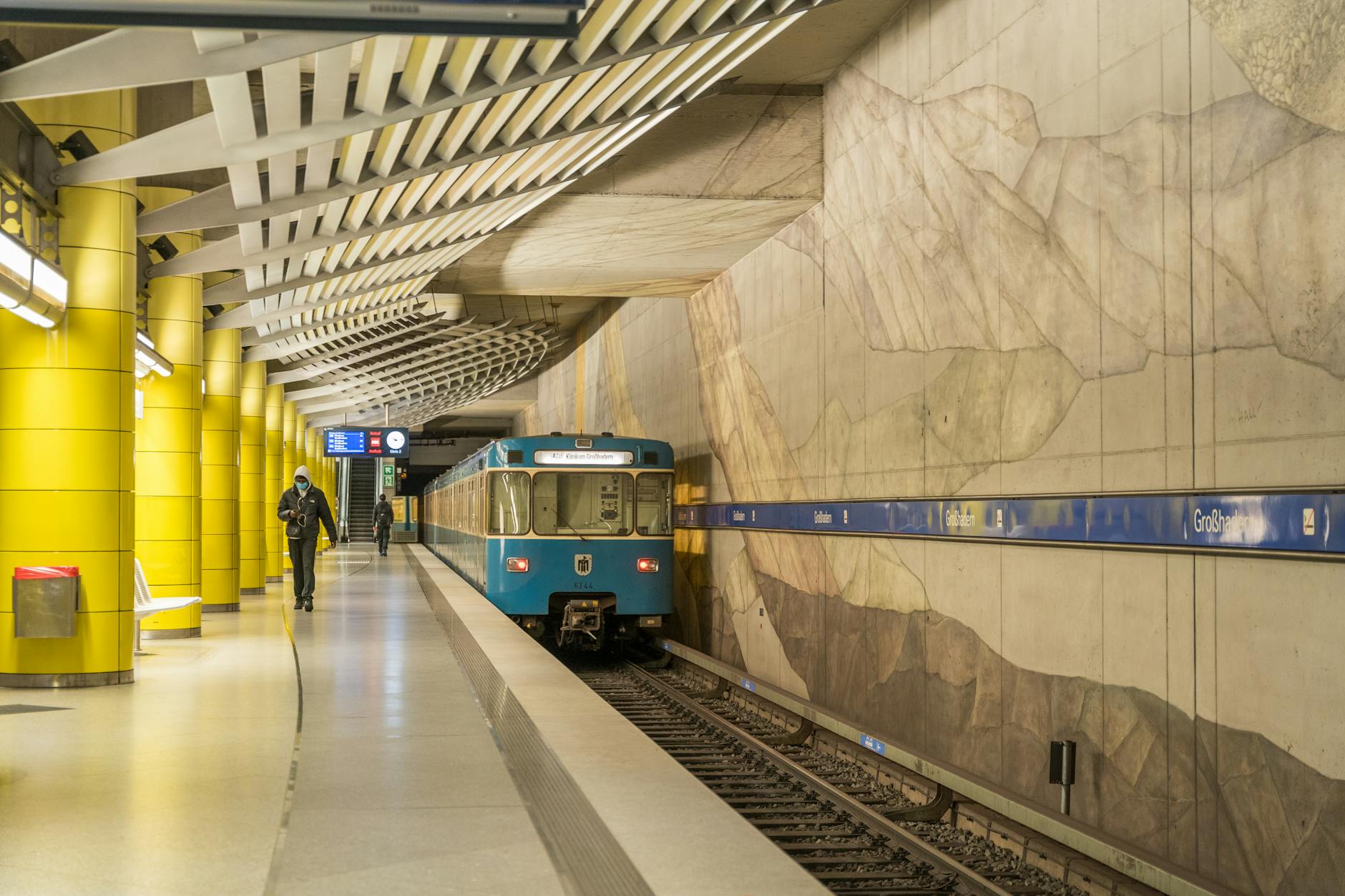
Munich's rail and transit network can be a major business advantage, especially for central hotels, Hauptbahnhof access, and predictable point-to-point movement. It should still be chosen deliberately. A traveler with samples, formal clothes, a rolling bag, or a high-stakes meeting may need a car for one segment and transit for another.
The business visitor should check the final walk, station complexity, weather exposure, and whether arriving by transit fits the meeting context. Efficient travel is the goal, not proving that every transfer can be done the cheapest way.
- Use rail and transit where they make the meeting day more predictable.
- Check final walking distance, station complexity, luggage, weather, and clothing before relying on transit.
- Mix transit and cars when different segments have different stakes.
Protect punctuality and meeting readiness
A Munich business schedule should protect punctuality, but punctuality is not only a transport issue. It also depends on jet lag, breakfast timing, hotel elevators, coat storage, weather, document preparation, device charging, and whether the traveler has a quiet place to take a call before or after the meeting. A technically on-time arrival can still feel poor if the traveler arrives overheated, wet, underfed, or unprepared.
The plan should include a readiness buffer before important meetings. For some trips, that buffer is more valuable than another short cultural stop.
- Protect time for breakfast, documents, charging, calls, coat handling, and arrival composure.
- Add readiness buffers before high-stakes meetings instead of only travel buffers.
- Do not schedule sightseeing or errands where they threaten meeting quality.
Plan dinners and hospitality with purpose
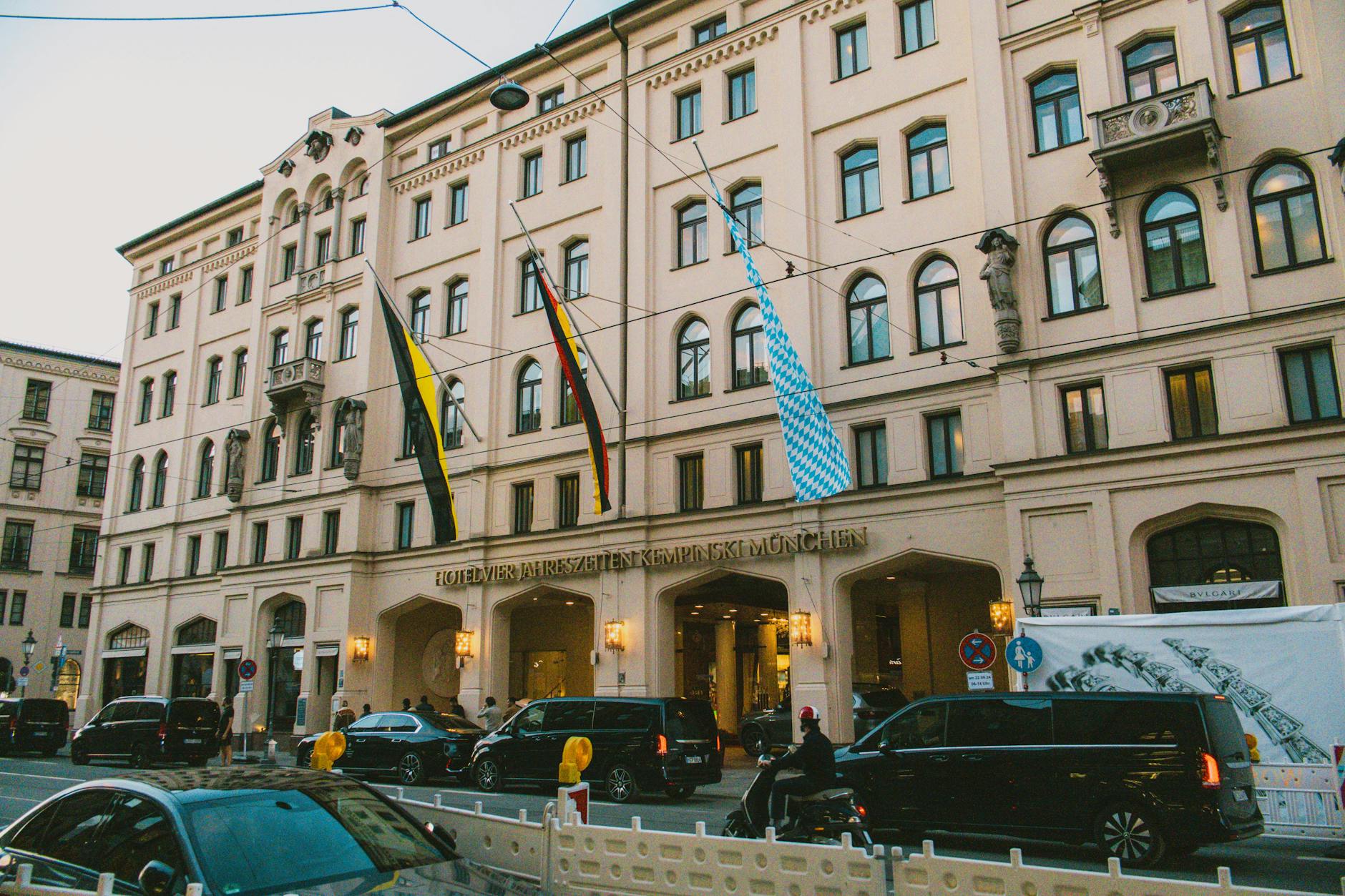
Business dinners in Munich can be useful, memorable, and culturally specific, but they should not be left to chance. A traditional Bavarian dinner, hotel restaurant, old-town meal, beer-hall setting, fine-dining reservation, or quiet client dinner all send different signals. The choice should fit the relationship, schedule, dietary needs, and next morning's obligations.
The visitor should also plan the return from dinner. A good evening can become sloppy if the traveler underestimates distance, weather, alcohol, or an early meeting the next day.
- Choose dinner style by relationship, noise tolerance, dietary needs, schedule, and next-day obligations.
- Use reservations when the meal has business value or the group is hard to seat.
- Plan the return from dinner before the evening starts.
Account for weather, events, and trade-fair pressure
Munich business travel changes with weather and city demand. Rain, snow, cold, heat, trade fairs, major events, football nights, holidays, and seasonal markets can affect hotels, taxis, restaurants, walking comfort, and meeting movement. A visitor arriving during a high-demand period should not assume normal prices, normal availability, or normal travel time.
The traveler should plan clothing, footwear, hotel location, and dinner bookings around the actual dates. A business trip is not protected from the city calendar simply because the meetings are fixed.
- Check weather, trade fairs, events, holidays, and seasonal demand before locking the operating plan.
- Protect clothing, footwear, restaurants, taxis, and hotel location from date-specific pressure.
- Add more buffer when city demand or bad weather can distort normal movement.
When to order a short-term travel report
A business visitor with one flexible central meeting may not need a custom Munich report. A report becomes useful when the trip includes multiple meeting sites, Messe or trade-fair pressure, a same-day arrival, high-stakes client dinner, airport timing risk, suburban offices, winter weather, tight onward travel, or a traveler who needs to preserve work quality rather than merely arrive.
The report should test hotel base, airport transfer, meeting geography, rail and taxi choices, dinner placement, weather and event pressure, recovery time, contingency movement, and what to cut if the plan is too tight. The value is a Munich business trip that protects judgment, punctuality, and client-facing energy.
- Order when meeting geography, airport timing, Messe pressure, weather, dinners, or onward travel raises the stakes.
- Provide meeting addresses, hotel candidates, flight or rail times, dinner plans, luggage, traveler constraints, and non-negotiable appointments.
- Use the report to keep the trip decision-ready instead of merely transportation-ready.