Munich can be expensive for budget travelers, especially when hotels fill, events raise prices, and meals cluster around tourist areas. It is still possible to build a strong short trip if the traveler treats cost as an operating condition rather than an afterthought. The right base, transit pass, food plan, free sights, and seasonal timing can change the whole value of the trip. Budget travel in Munich should not mean a weak version of the city. It should mean spending carefully on the things that matter, using public space well, avoiding avoidable transport mistakes, and protecting enough comfort that the traveler can enjoy the trip instead of constantly recovering from poor choices.
Treat lodging as the main budget decision
For many budget travelers, the Munich hotel or hostel decision determines the rest of the trip. A cheaper bed far from transit can cost more in time, late returns, and fatigue than it saves. A station-area stay can be practical, but the exact street, luggage storage, check-in time, noise, and evening comfort should be checked. A modest but well-connected base can outperform a cheaper awkward one.
The traveler should compare total cost, not nightly rate alone. Transit fares, airport access, breakfast, luggage storage, laundry, late arrival, and meal options near the bed all belong in the calculation.
- Compare lodging by total cost, transit access, luggage storage, breakfast, noise, and evening returns.
- Check the exact street and final walk before choosing the cheapest available bed.
- Avoid saving on lodging in a way that forces costly taxis or lost time every day.
Use public transport as a budget tool
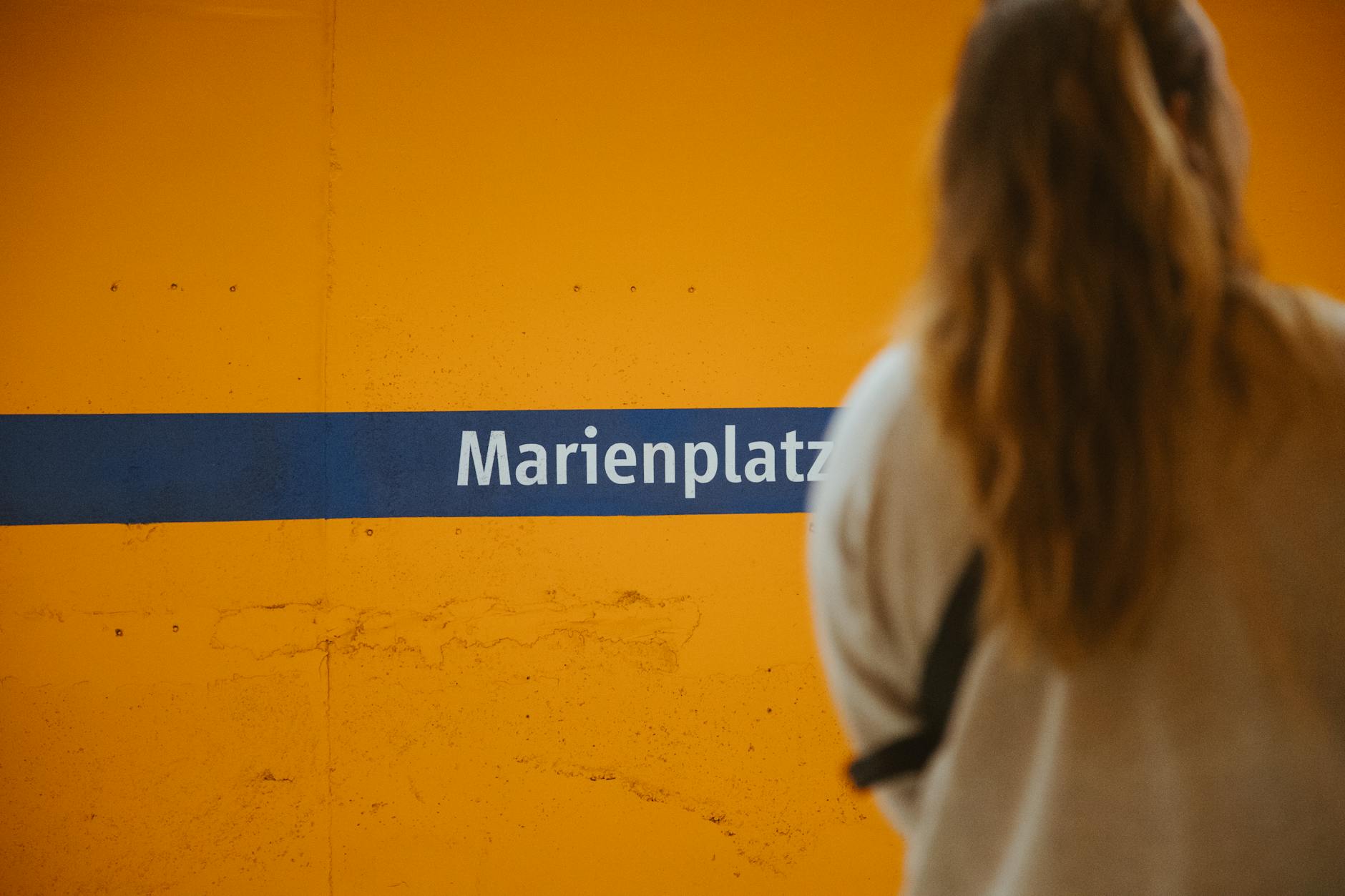
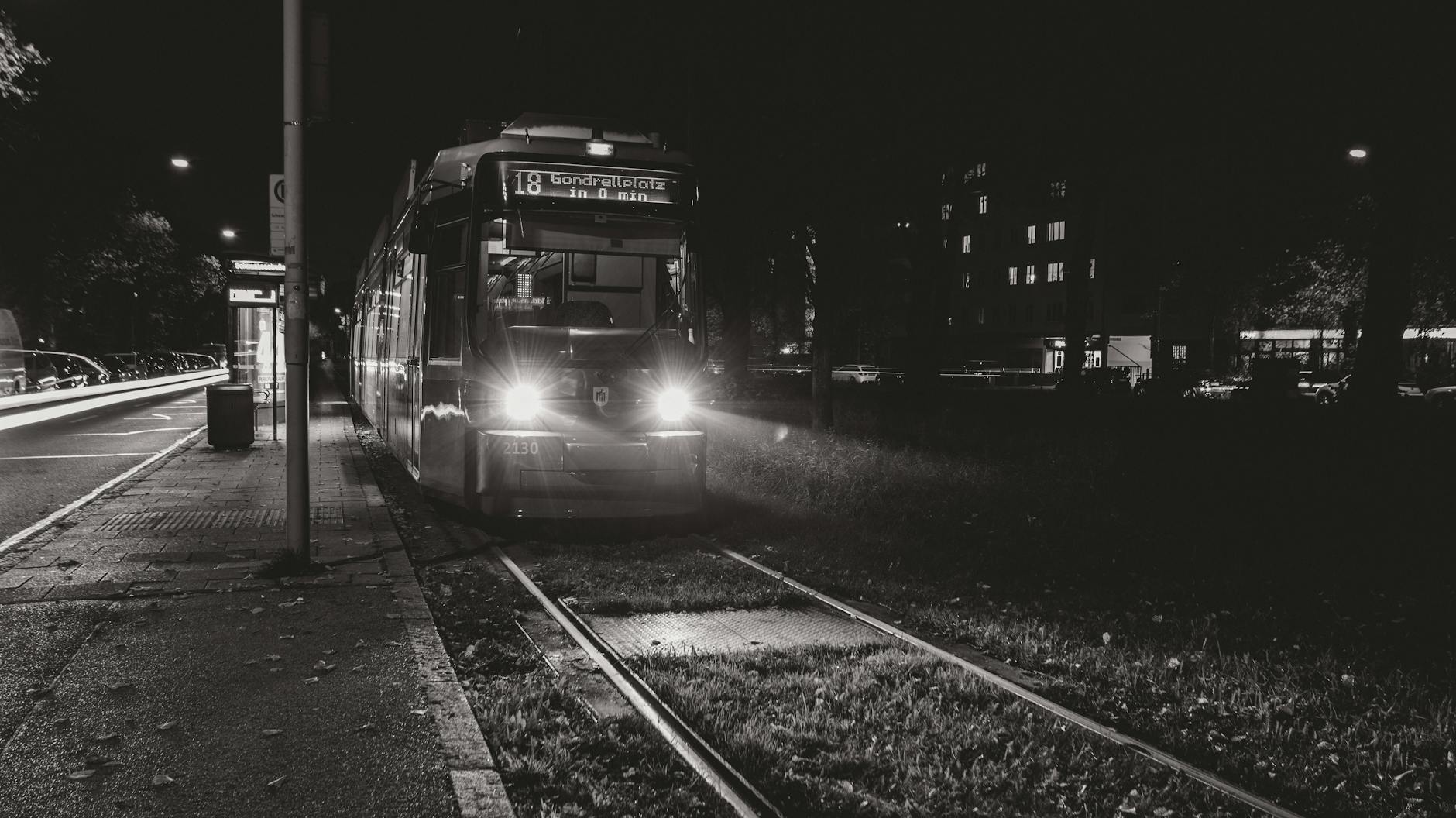
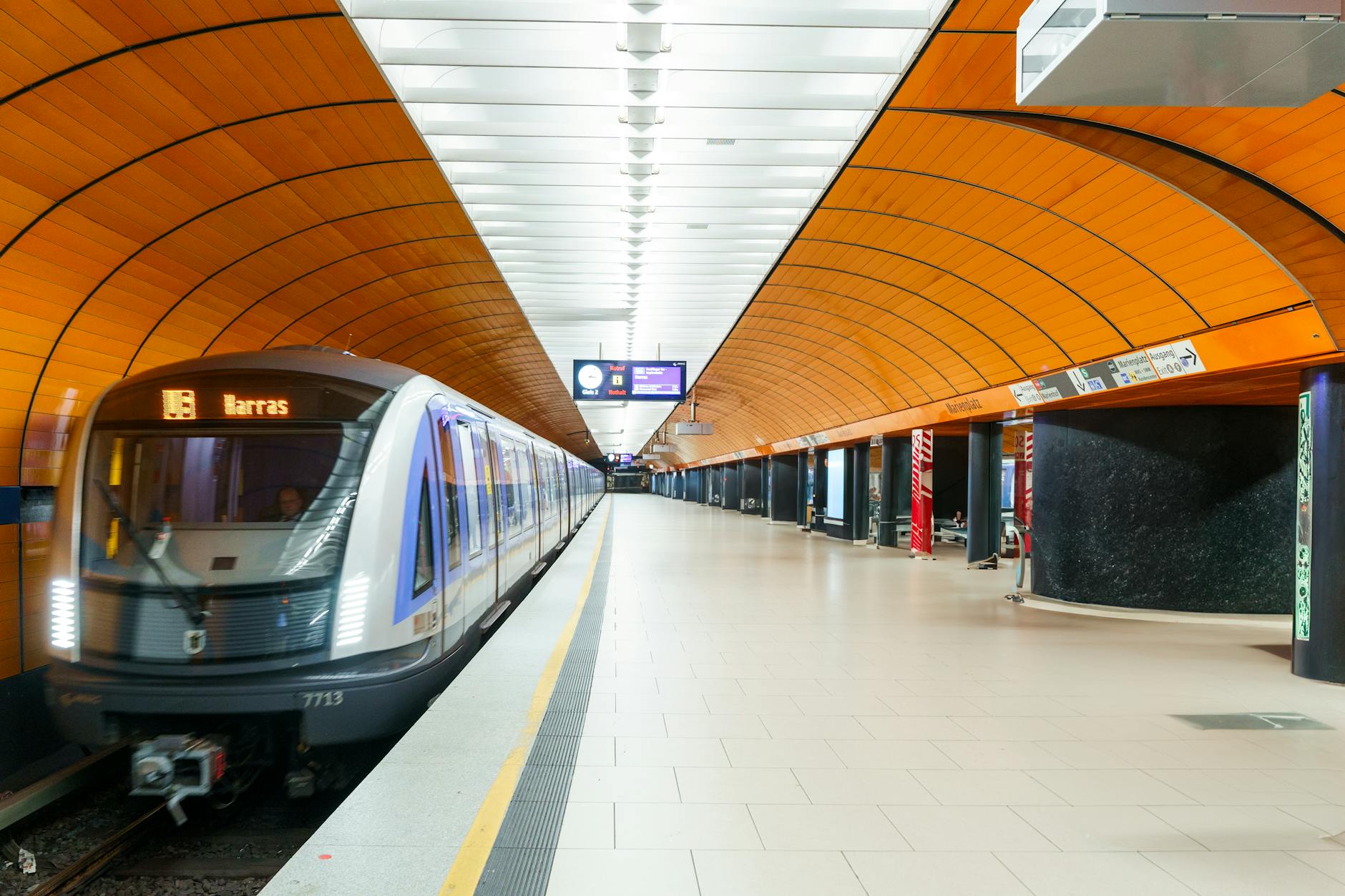
Munich's public transport can protect a budget when the traveler understands zones, passes, airport access, U-Bahn, S-Bahn, tram, and final walking distances. The airport is far enough from the city that transfer choices should be planned before arrival. A mistake with ticketing, zones, or lodging location can eat into the savings quickly.
Budget travelers should also know when a short paid ride is justified. If a late arrival, heavy bag, bad weather, or missed connection would damage the next day, the cheapest transfer may not be the best value.
- Understand airport rail, zones, day tickets, U-Bahn, S-Bahn, trams, and final walks before arrival.
- Choose lodging and routes that make transit useful every day.
- Spend selectively on taxis only when they prevent bigger costs in fatigue, missed timing, or safety.
Build the itinerary around free and low-cost sights
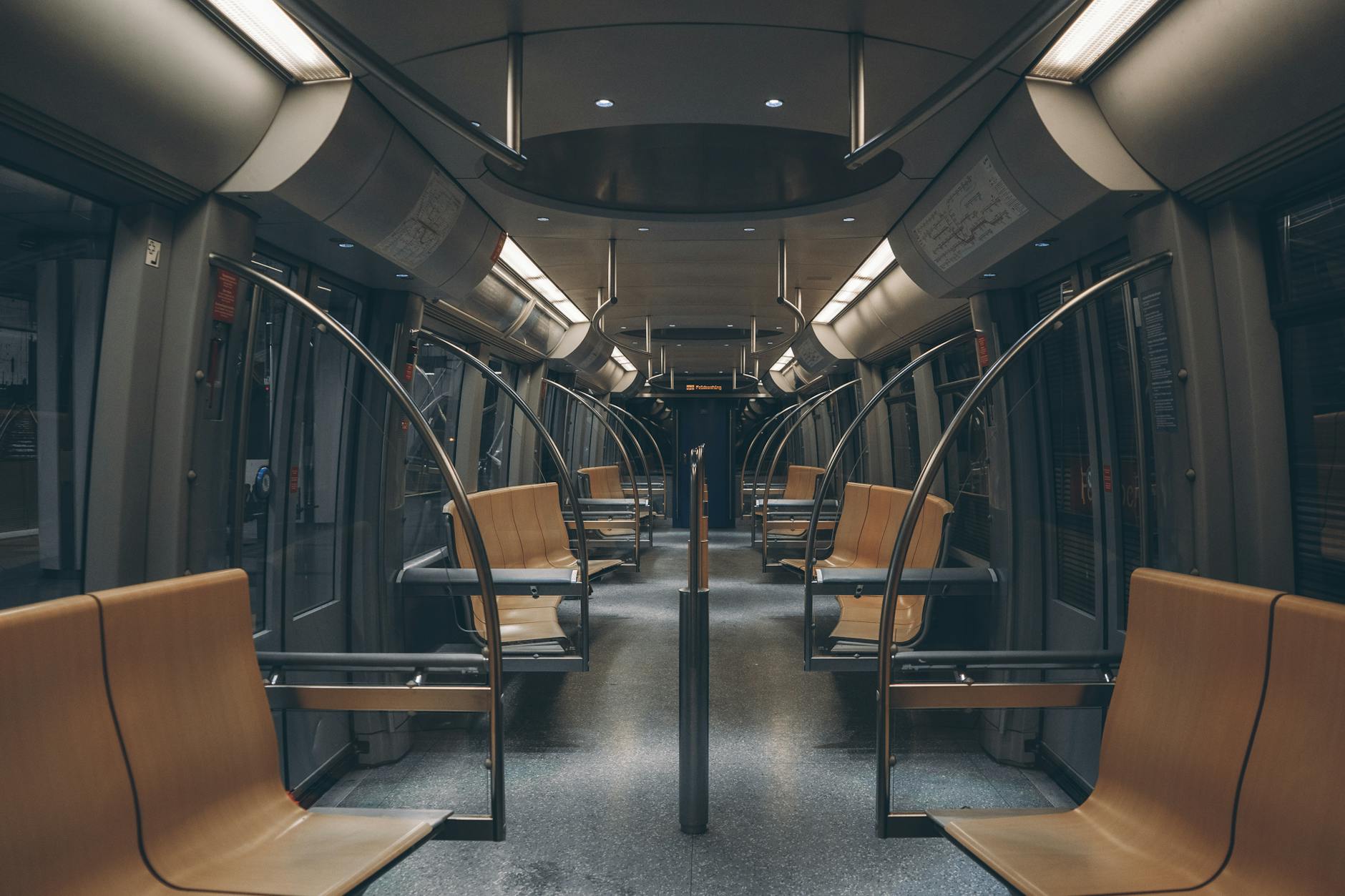
A budget Munich trip can still include strong experiences. Marienplatz, old-town streets, churches, markets, English Garden, Hofgarten, Isar walks, Olympic Park exteriors, viewpoints, and seasonal street life can all create value without requiring every hour to be ticketed. Paid museums and palace entries should be chosen carefully rather than added automatically.
The traveler should decide which paid experiences genuinely justify the cost. One museum or palace with enough time can be better value than several admissions squeezed into a day.
- Use Marienplatz, churches, markets, parks, Isar walks, and old-town routes as real itinerary anchors.
- Choose paid museums or palace entries by interest and available time, not by obligation.
- Do not overpay for a crowded attraction when the free route nearby is stronger for the day.
Plan food before tourist prices take over
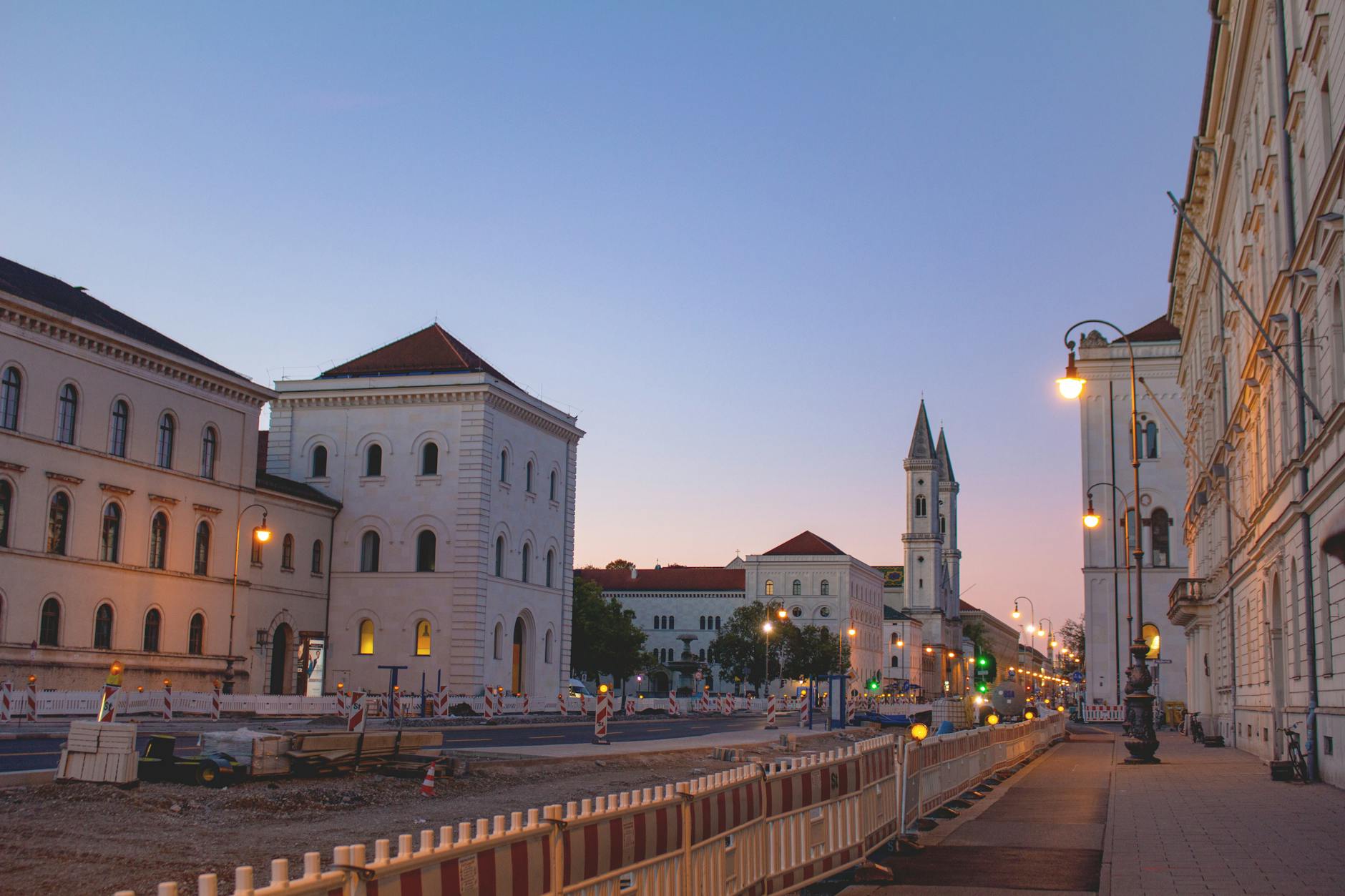
Food costs in Munich can rise quickly around the most obvious tourist routes. Budget travelers should use bakeries, markets, supermarket snacks, casual cafes, lunch specials, beer gardens, museum cafes, and simple neighborhood meals deliberately. The goal is not to avoid all classic Munich food. It is to avoid paying too much for weak versions at the wrong time.
A good food plan includes breakfast strategy, water, snacks, one or two worthwhile local meals, and backup options near the hotel. This keeps hunger from forcing expensive decisions in the busiest part of the old town.
- Use bakeries, markets, supermarket snacks, lunch specials, beer gardens, cafes, and simple neighborhood meals.
- Budget for one or two worthwhile Munich meals rather than spreading money across weak tourist stops.
- Keep snacks and hotel-area backups ready so hunger does not control spending.
Avoid event-driven price traps
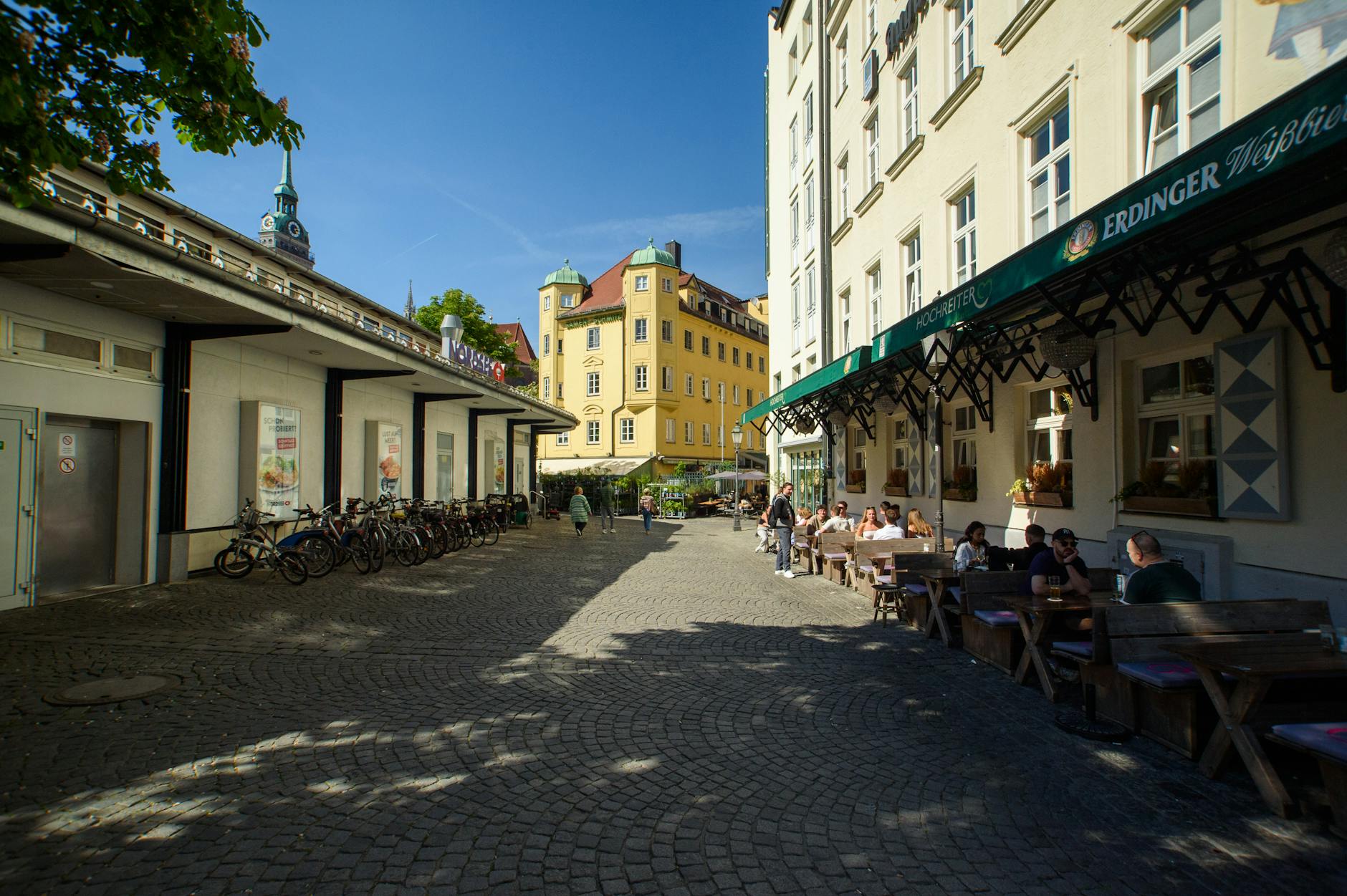
Munich prices can change dramatically with Oktoberfest period, trade fairs, football nights, Christmas markets, concerts, holidays, and peak weekends. A budget traveler who ignores the calendar may find that the cheapest room is far out, transit is crowded, restaurants are full, and the trip costs much more than expected.
The traveler should check the city calendar before booking flights or rail. Sometimes the correct budget decision is to change dates. Sometimes it is to stay farther out with excellent transit. Sometimes it is to embrace the event but cut other costs deliberately.
- Check Oktoberfest period, trade fairs, football nights, Christmas markets, holidays, and concerts before booking.
- Change dates if the event premium does not serve the purpose of the trip.
- If an event is the point, cut other costs deliberately instead of pretending prices are normal.
Protect energy as carefully as money
Budget travel can become expensive in hidden ways when the traveler saves money by adding friction. Long walks with luggage, weak sleep, skipped meals, far-out lodging, and too many late returns can make the trip less useful. Munich rewards a budget traveler who spends a little where it prevents a larger loss of time or energy.
The daily plan should include rest points, weather alternatives, bathroom access, and a clear return route. A lower-cost trip still needs enough comfort to remain enjoyable.
- Do not save money in ways that create avoidable exhaustion, missed meals, or poor sleep.
- Plan rest points, weather alternatives, bathrooms, and return routes into each day.
- Spend small amounts where they protect the whole trip's value.
When to order a short-term travel report
A budget traveler with flexible dates, simple lodging, and generous time may not need a custom Munich report. A report becomes useful when event demand has distorted prices, the traveler is choosing between far-out lodging and higher central rates, airport transfers are unclear, paid attractions need prioritizing, or Munich is part of a multi-city itinerary where mistakes will carry forward.
The report should test lodging value, airport and rail transfers, transit passes, free and paid sights, meal strategy, event pressure, weather substitutions, rest points, and what to cut if the budget or energy plan is too tight. The value is a Munich trip that protects money without wasting the visit.
- Order when lodging, events, transfers, transit, paid sights, food, or multi-city timing affects the budget.
- Provide dates, arrival and departure details, lodging candidates, budget range, interests, constraints, and must-pay priorities.
- Use the report to spend carefully without making the trip feel stripped down.