Munich is not only museums, beer halls, and business districts. It can be a strong outdoor base for the English Garden, the Isar, urban cycling, running, park time, winter walks, outdoor beer gardens, lake or mountain day trips, and watching or joining the city's more active rhythms. The challenge is that a short trip can blur easy outdoor time with unrealistic adventure planning. An outdoor traveler should decide whether Munich itself is the outdoor destination or whether the city is a base for a larger Bavarian movement. Those are different trips. The first depends on parks, rivers, neighborhoods, gear, weather, and daily pacing. The second depends on rail, road, daylight, mountain conditions, and return margins.
Decide whether the outdoor trip is urban or regional
Munich can support a satisfying outdoor trip without leaving the city. The English Garden, the Isar, Hofgarten, Olympiapark, running routes, cycling, and seasonal outdoor dining can fill a short stay. But some travelers imagine Munich as a launch point for lakes, Alps, hiking, skiing, or more ambitious day trips. That requires a different level of planning.
The traveler should decide this before booking. A central hotel may be excellent for urban outdoor days. A rail-oriented base may be better for regional movement. A car-based plan may create parking and city-driving friction. The trip should not pretend those choices are interchangeable.
- Decide whether Munich itself is the outdoor focus or a base for regional day trips.
- Choose hotel geography around parks, river routes, rail, or road access accordingly.
- Avoid mixing ambitious regional plans with dense city sightseeing unless there is real time.
Treat weather as a central planning variable
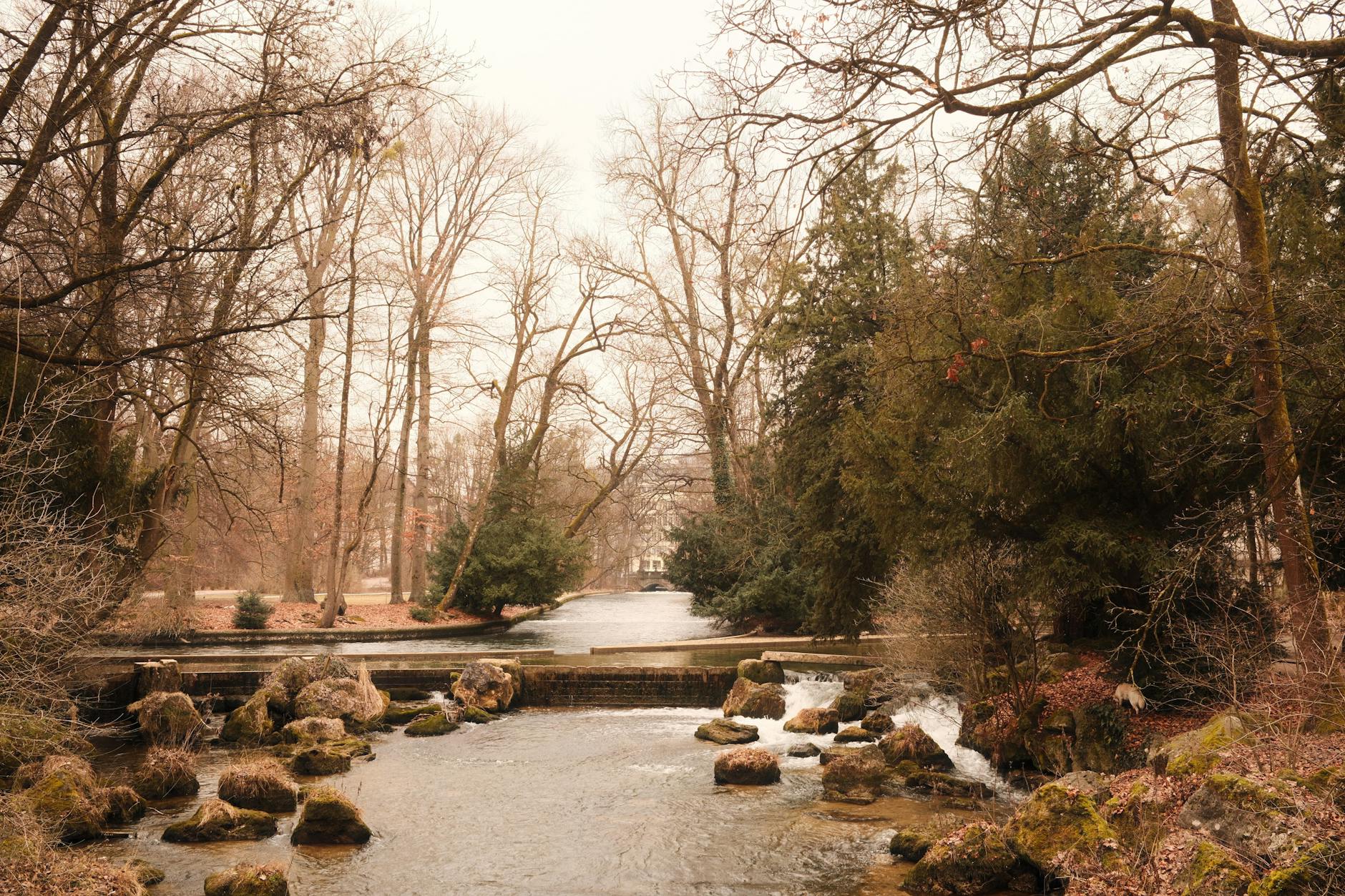
Munich weather can change the outdoor value of a short trip quickly. Rain, cold, snow, heat, wind, early darkness, or wet paths can affect walking, cycling, river time, park visits, and day trips. A traveler coming for outdoor activity should not pack or schedule as though the best weather version of the city is guaranteed.
The itinerary should include wet-weather substitutes and gear choices that keep the traveler functional: shoes, layers, rain protection, gloves in cold periods, water in warm periods, and a plan for drying clothes. Outdoor Munich is much better when the traveler can adapt without losing the whole day.
- Check rain, temperature, daylight, wind, and path conditions close to travel.
- Pack shoes, layers, rain protection, cold-weather items, or heat support for the season.
- Keep indoor or covered substitutes for the most weather-sensitive outdoor blocks.
Do not underestimate urban outdoor logistics
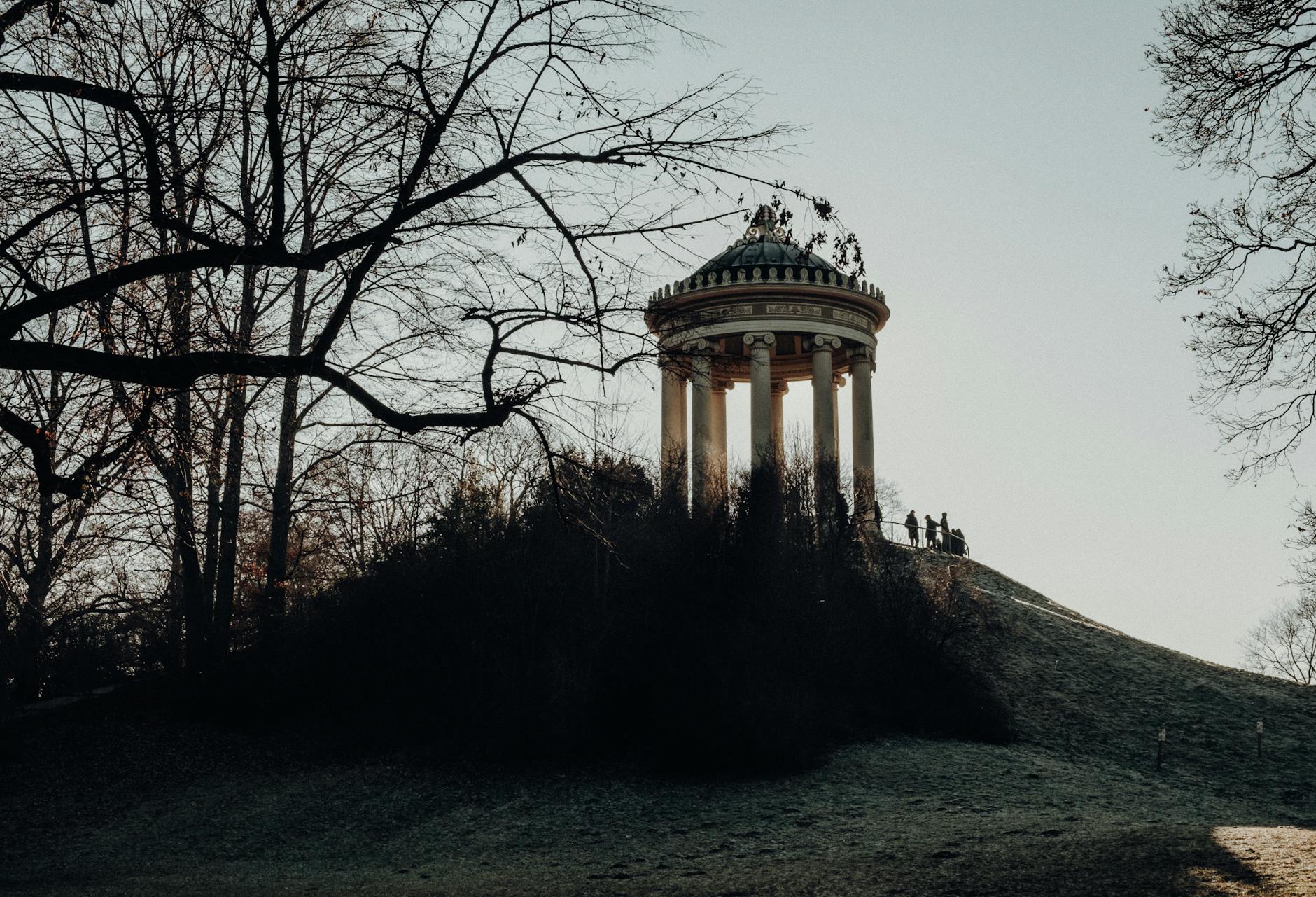
Urban outdoor time still needs logistics. A traveler may need transit to the start point, a route that avoids backtracking, restrooms, water, food, storage for extra layers, a place to charge the phone, and a simple return plan. Long park walks and river routes can feel casual until weather, fatigue, or a wrong turn makes them less so.
Cycling and scooter use require more caution than a visitor may expect. Rules, lanes, pedestrian areas, traffic, weather, and unfamiliar intersections matter. The traveler should use the mode only when comfortable with local conditions, not because it looks scenic in a short clip.
- Plan start point, route, food, water, restrooms, phone battery, and return transport.
- Use bikes or scooters only when local rules and traffic feel manageable.
- Avoid treating a long urban route as effortless just because it stays inside the city.
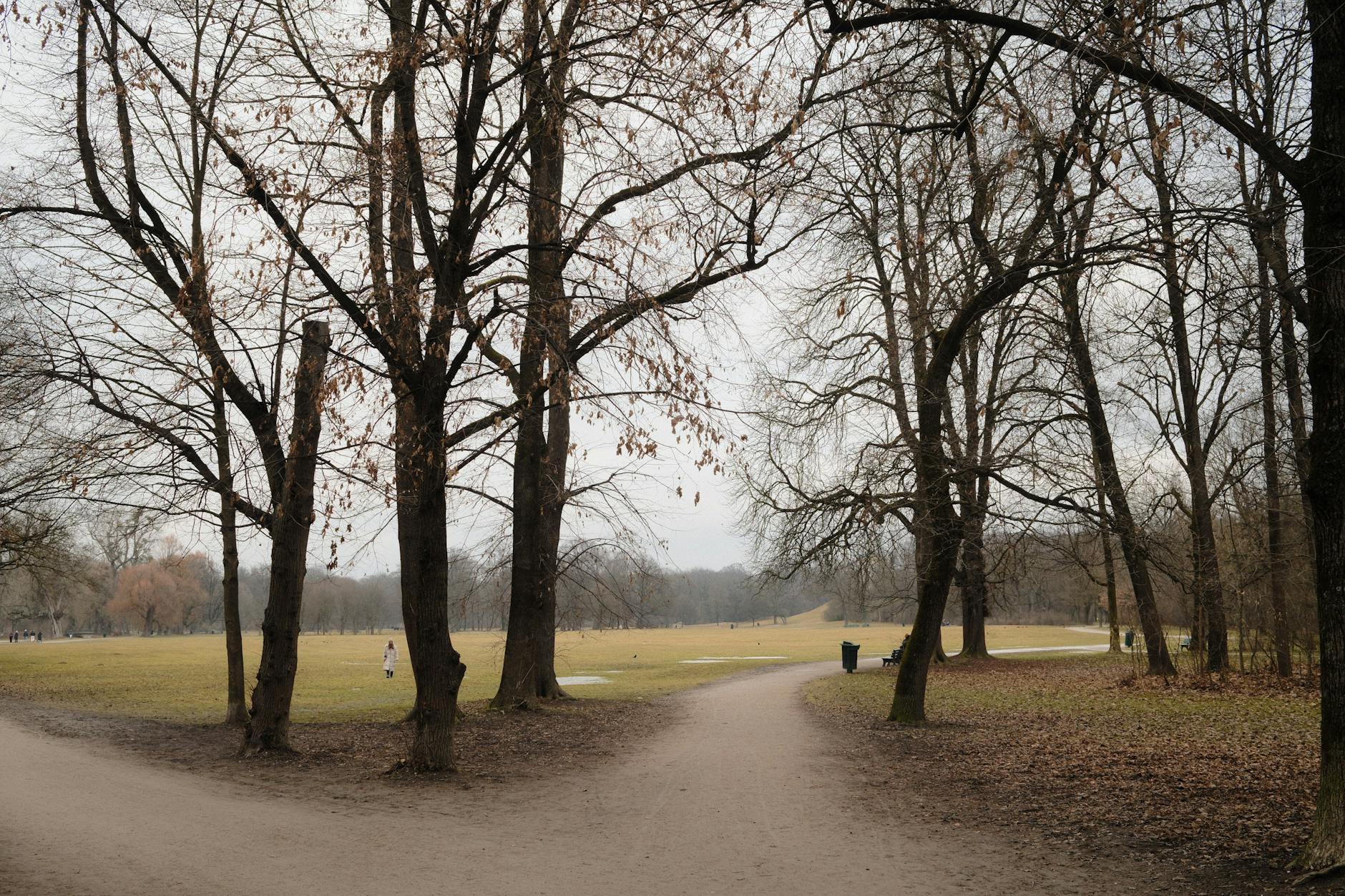
Handle the Eisbach and river culture realistically
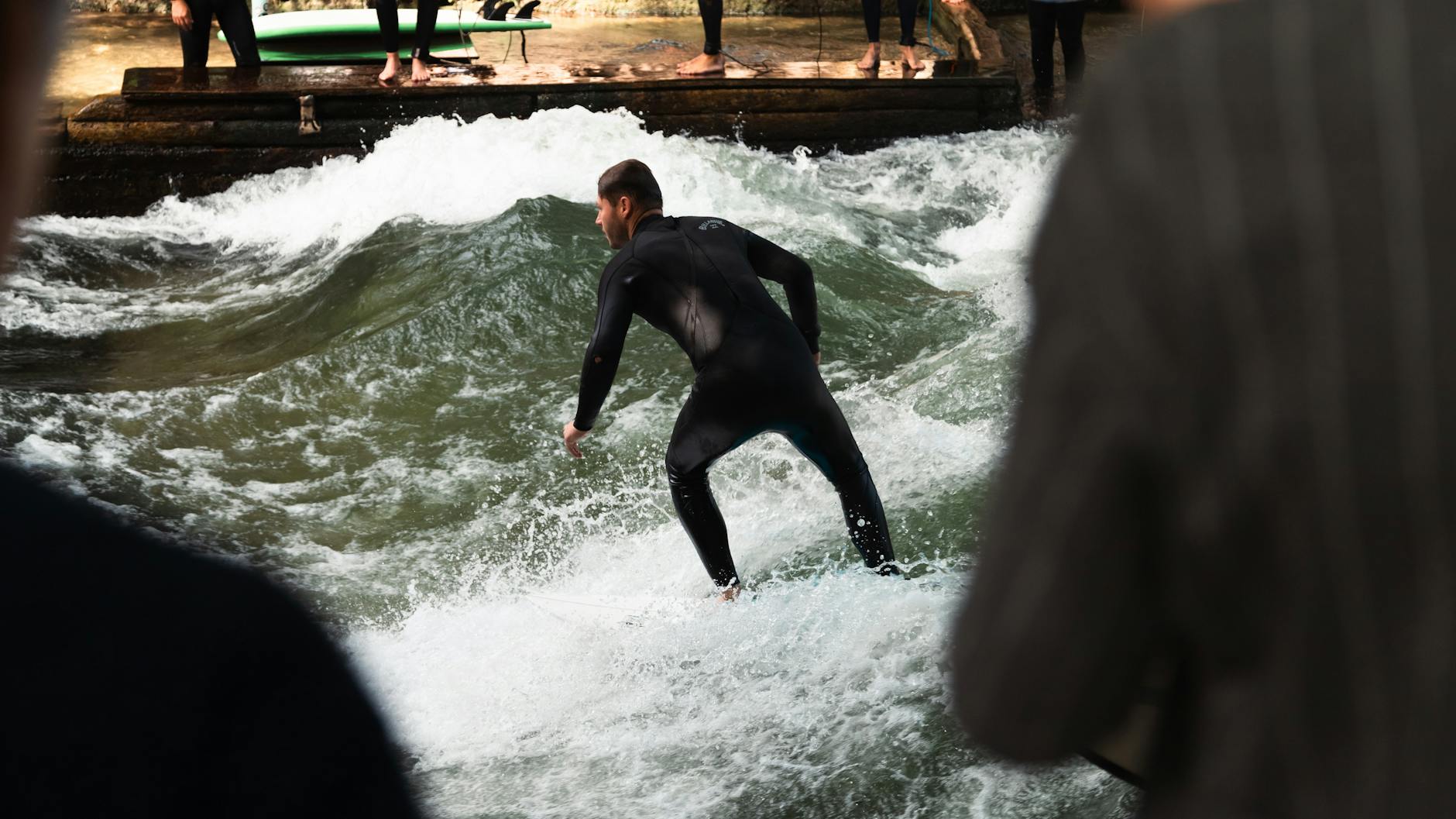
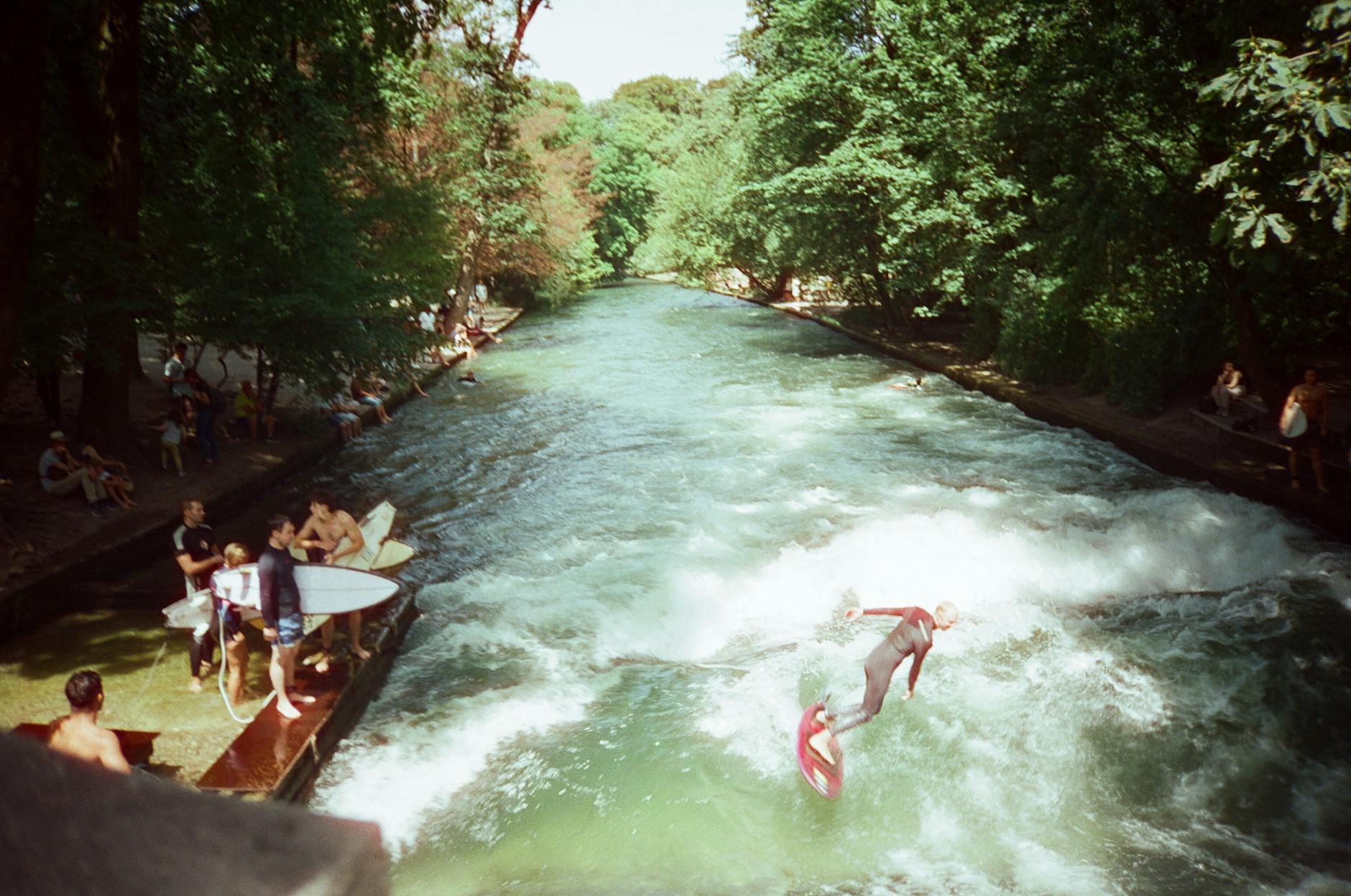
The Eisbach wave is one of Munich's most distinctive outdoor scenes, but watching and participating are different things. Most travelers should treat it as a viewing experience unless they are genuinely experienced, equipped, and aware of local conditions. The same principle applies to any river or water-adjacent activity: beauty does not remove risk.
For many visitors, the better plan is to watch, walk, photograph respectfully, and build the rest of the day around nearby green space. Crowds, wet surfaces, and narrow viewpoints can create their own practical issues. The traveler should keep bags controlled and avoid stepping into risky positions for a better angle.
- Treat the Eisbach primarily as a viewing experience unless properly skilled and equipped.
- Respect local users and avoid blocking viewpoints or access routes.
- Stay careful around wet surfaces, crowds, bags, cameras, and river edges.
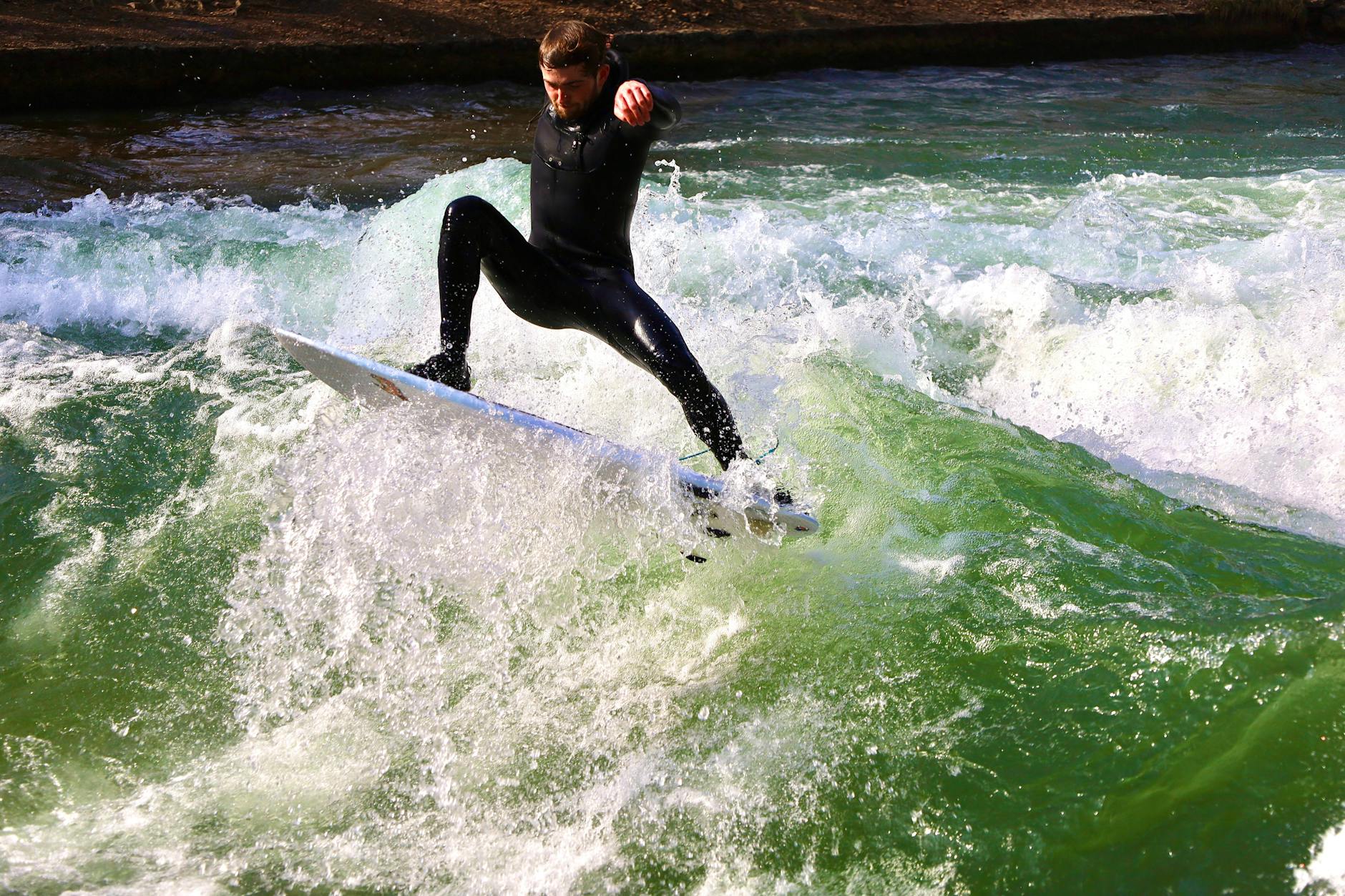
Plan day trips with conservative margins
Munich invites outdoor day-trip thinking: lakes, mountains, castles, winter scenery, and Bavarian towns can all pull attention away from the city. The problem is that short visits often leave too little margin for rail delays, weather, darkness, equipment, crowds, and return fatigue. A day trip that looks simple online may use the whole day.
The traveler should decide whether the day trip is truly worth cutting Munich time. If it is, the plan should include exact departure, backup train, weather check, food, cash or card needs, return options, and what to do if the outdoor condition is poor. A vague day trip is where outdoor travel starts to unravel.
- Use exact train, road, weather, daylight, food, and return plans for outdoor day trips.
- Keep a backup if mountain, lake, or winter conditions make the original plan weak.
- Do not add a regional outing unless it is worth losing a full Munich day.
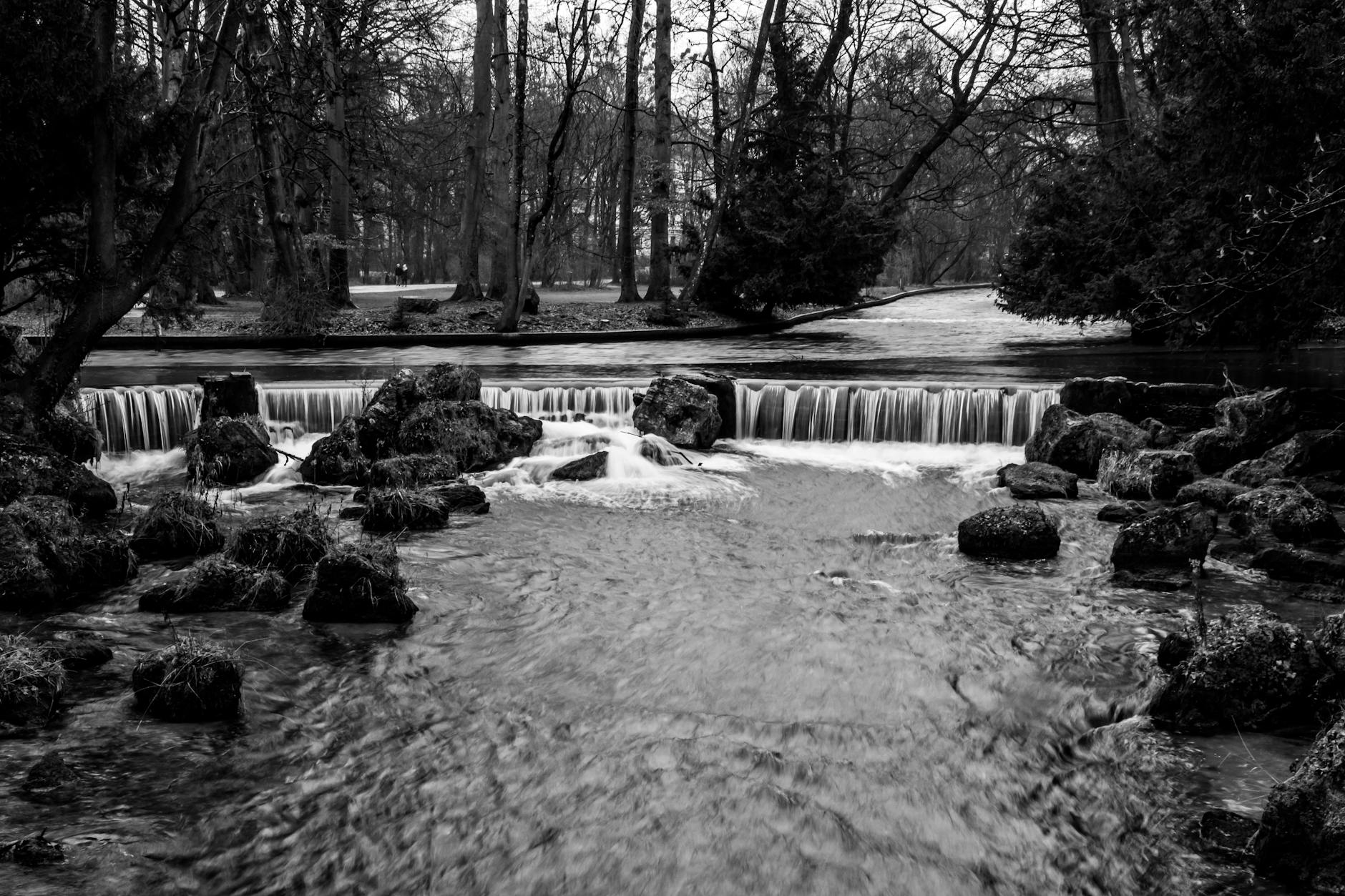
Build recovery into active days
Outdoor travelers often overpack the calendar because activity feels healthier than sightseeing. In practice, long walks, cold weather, cycling, standing, photography, and evening plans all use energy. A traveler who wants to enjoy Munich at night should not schedule the most demanding outdoor block immediately before a late dinner or event.
Recovery is practical: food, hydration, dry socks, a warm layer, a hotel return, and time to sit down. The best outdoor Munich day leaves enough energy to enjoy the city afterward rather than collapsing into the room.
- Add food, water, rest, dry clothing, and hotel reset time to active days.
- Avoid pairing the hardest outdoor block with the latest evening commitment.
- Keep the final day lighter if airport or rail departure follows.
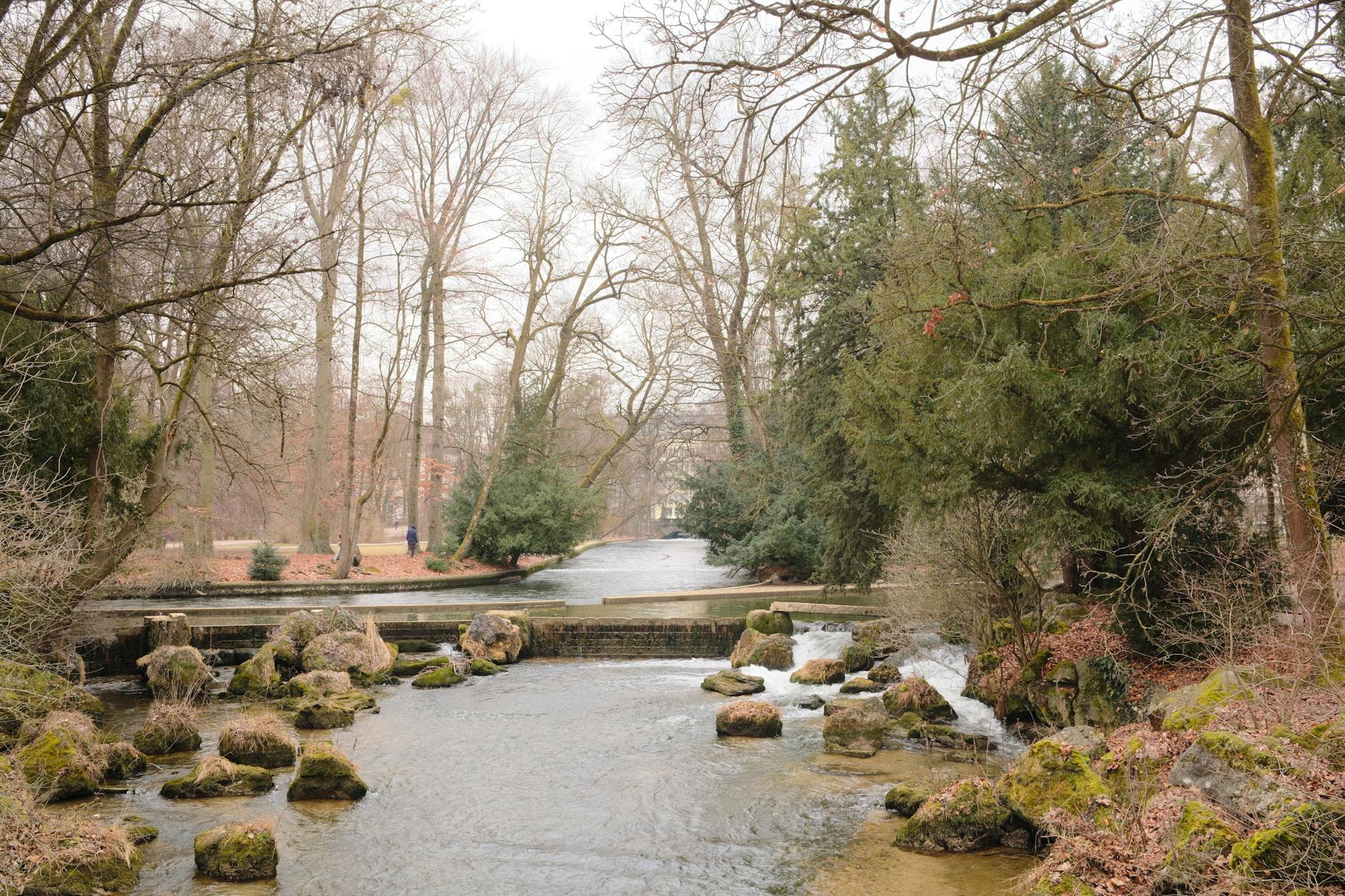
When to order a short-term travel report
A traveler planning one easy park walk may not need a custom Munich report. A report becomes useful when the trip includes weather-sensitive outdoor goals, day trips, older travelers, children, mobility concerns, winter travel, cycling, regional rail, early starts, or a need to balance outdoor activity with restaurants, events, and departure timing.
The report should test outdoor route choices, hotel placement, seasonal weather, transit, day-trip feasibility, equipment needs, rest timing, evening plans, and what to cut if conditions change. The value is a Munich outdoor trip that stays enjoyable because the traveler knows when to adapt.
- Order when weather, day trips, cycling, mobility, winter conditions, or regional movement affect the plan.
- Provide desired activities, dates, hotel options, fitness limits, gear needs, and evening commitments.
- Use the report to keep outdoor ambition realistic inside a short Munich visit.