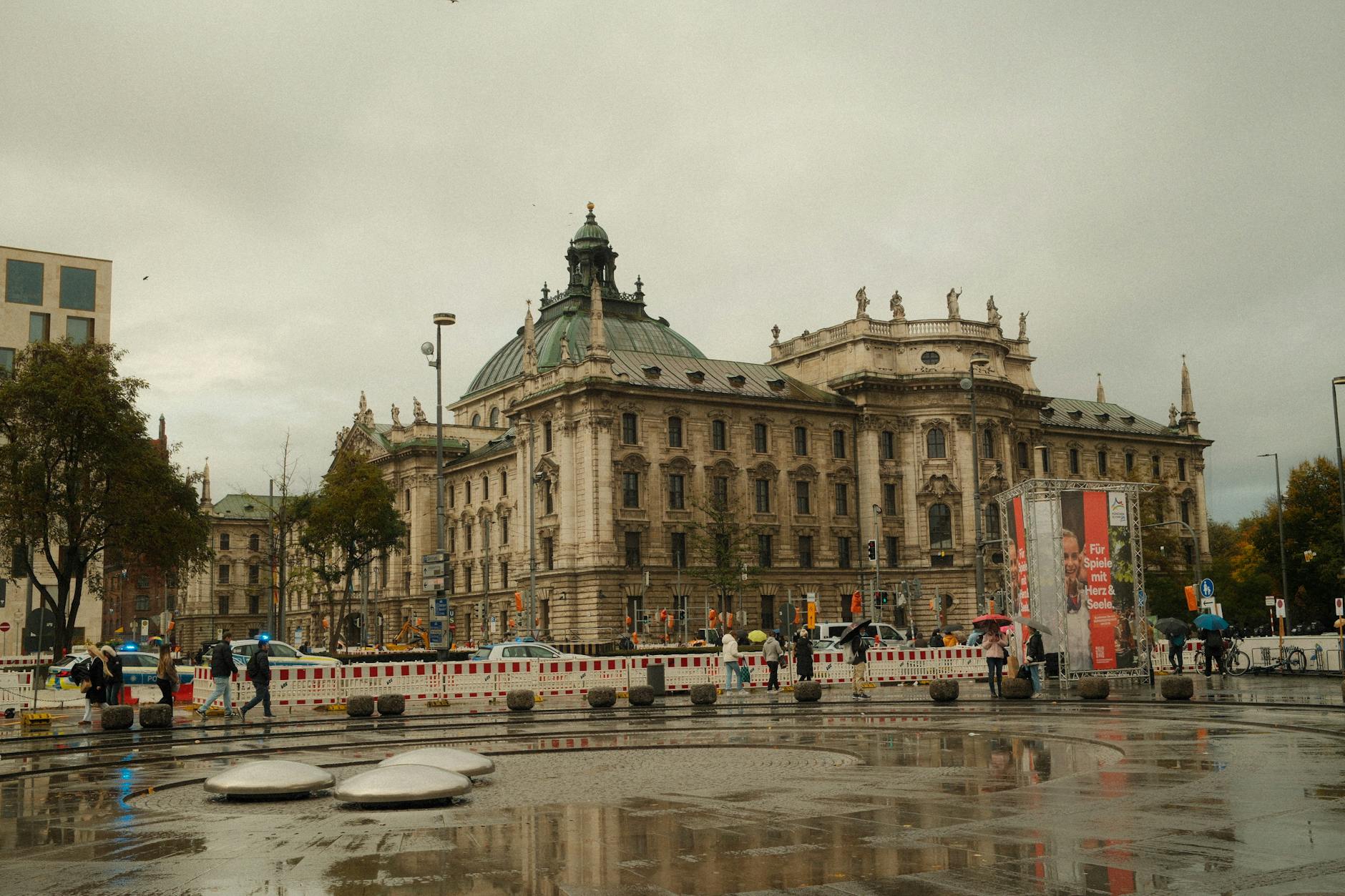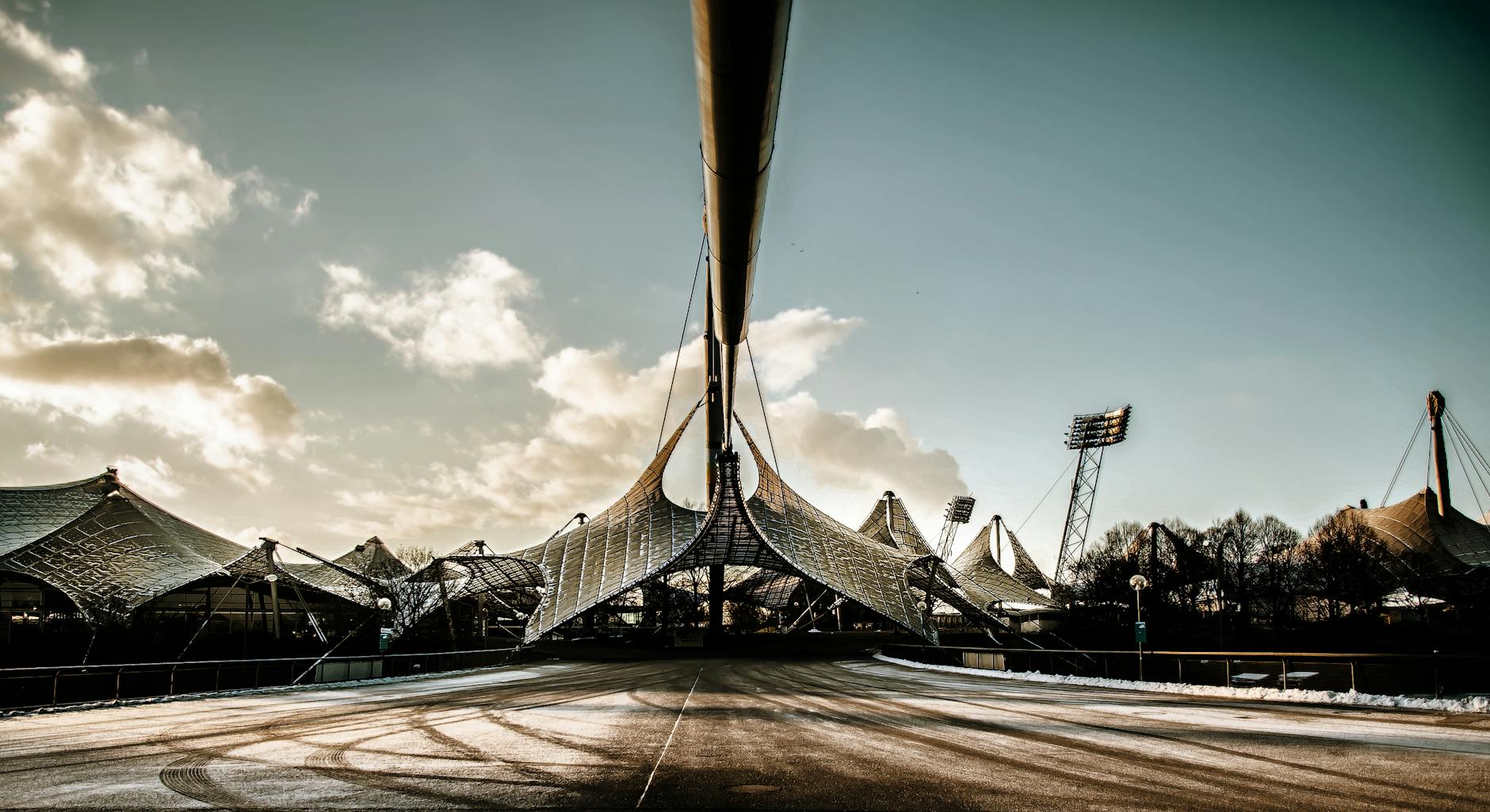
Munich can be a strong academic conference city, but it rewards attendees who plan around the actual venue rather than the city name. A meeting at a university institute, Messe Munich, BMW Welt, an old-town hotel, or a cultural venue near Konigsplatz creates very different transport, lodging, meal, and networking decisions. The attendee who books only for sightseeing appeal may find the important sessions harder to reach than expected. The academic traveler should decide which part of the conference matters most: presenting a paper, protecting a poster session, attending a workshop, meeting collaborators, recruiting, chairing a panel, or using the trip for research conversations. That priority should shape the hotel base, arrival timing, clothing, luggage, meals, and how much Munich sightseeing can realistically fit around the program.
Start with the conference venue, not the postcard map
Munich conference logistics change sharply by venue. A central hotel conference may make Marienplatz, Hauptbahnhof, and old-town dinners easy. A university meeting may require a different rail line and a calmer nearby hotel. A Messe Munich event can make an old-town base feel elegant at night but punishing before the first session. A specialized industry or research event near BMW Welt, Olympic Park, or an institutional campus may sit outside the route a visitor imagines when they think of Munich.
The attendee should map the venue entrance, hotel candidates, airport or rail arrival, evening reception, poster hall, and any side meetings before booking. If the conference has parallel locations, workshop days, or an off-site dinner, those details belong in the first planning pass.
- Map the venue entrance, hotel, arrival point, reception site, and any off-site events before choosing a base.
- Treat Messe Munich, university venues, central hotels, and specialist campuses as different trip types.
- Avoid a hotel that makes the highest-value session or presentation the hardest morning transfer.
Protect arrival timing before the first obligation
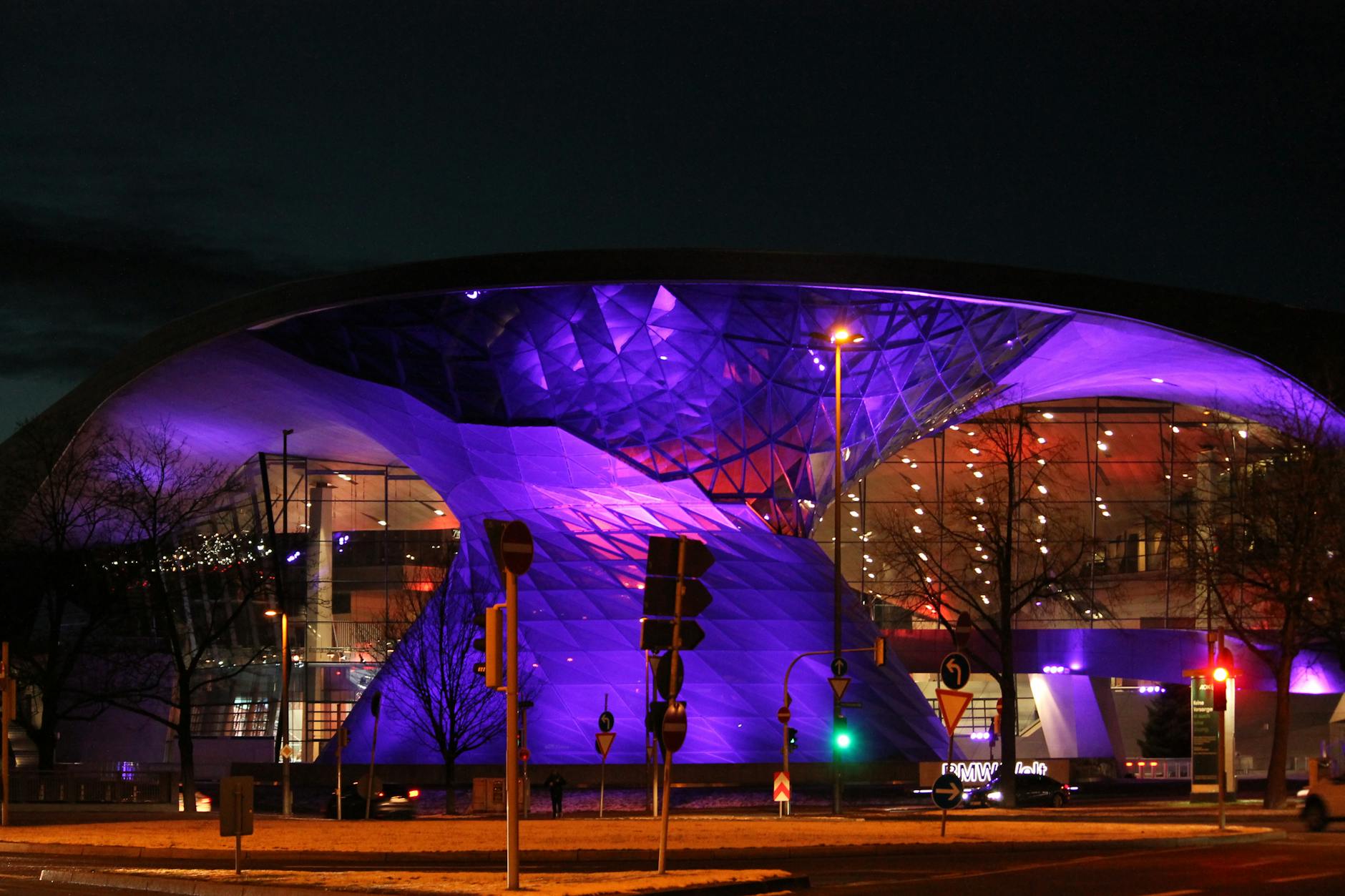
Munich Airport works well for many international arrivals, but it is far enough from the city that first-day timing deserves respect. An attendee landing before a keynote, doctoral consortium, registration deadline, welcome reception, or evening panel should not plan as if airport arrival equals city readiness. Immigration, baggage, rail timing, hotel check-in, shower time, and the final approach to the venue all matter.
Rail arrivals into Hauptbahnhof can be easier for central events, but station orientation, luggage, weather, and platform changes still require margin. If the first day carries academic or professional value, the itinerary should protect composure before it protects sightseeing.
- Build separate buffers for landing, baggage, transfer, hotel check-in, and the final walk to the venue.
- Do not place a high-value presentation or reception too close to a long-haul arrival.
- Use Hauptbahnhof, airport rail, taxi, or car service according to luggage, timing, and first-day stakes.
Choose lodging for the academic day you actually have
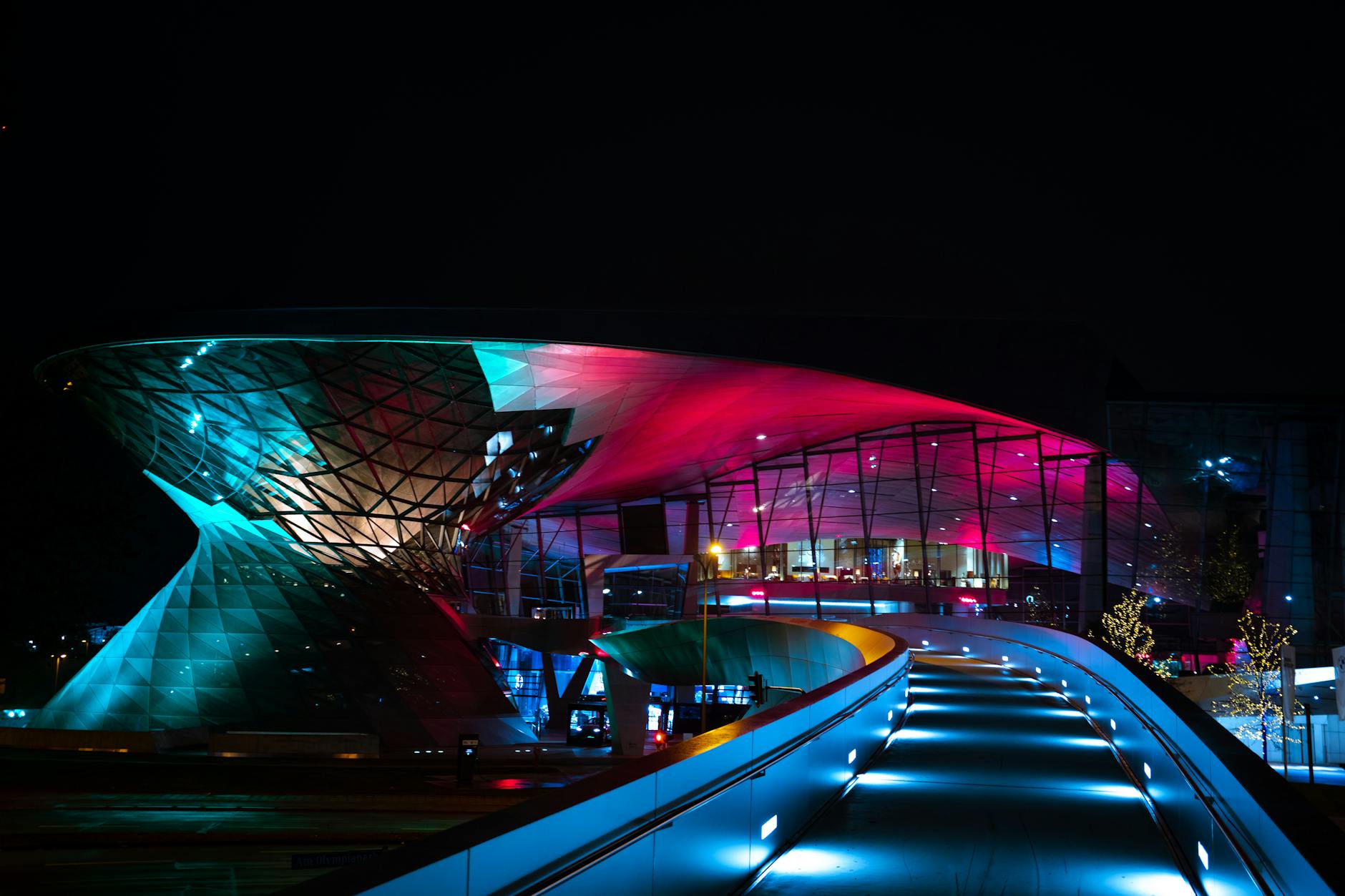
The best Munich hotel for an academic attendee is not always the most charming hotel. A presenter may need a quiet room, reliable breakfast, a short transfer, an elevator, ironing options, stable Wi-Fi, and a place to review slides. A collaborator-heavy trip may benefit from being near receptions, restaurants, or transit. A conference with early sessions and late networking needs a base that supports both discipline and recovery.
Attendees should also check whether the conference hotel is actually convenient. Sometimes it is the strongest choice. Sometimes it is overpriced, sold out, or poorly placed for side meetings, museums, rail departure, or the airport. The right answer depends on the schedule, not the label.
- Prioritize quiet sleep, breakfast, Wi-Fi, elevators, clothing care, and short transfers before decorative hotel appeal.
- Check whether the conference hotel helps the whole trip or only the official program.
- Choose a base that supports early sessions, late receptions, and the next morning's recovery.
Plan poster, laptop, and presentation logistics
Academic travel often fails in small operational details. A poster tube, formal jacket, laptop, adapters, printed notes, name badge, book samples, or research materials can make a normal Munich transfer more awkward. The attendee should know how materials will move from airport or rail station to hotel, from hotel to venue, and from venue to dinner if there is no time to return to the room.
If a talk or poster is central to the trip, the plan should include backup slides, offline copies, charger access, poster handling, weather protection, and time to arrive before the room fills. The academic value of the trip deserves more protection than the cheapest transfer.
- Plan movement for posters, laptops, samples, jackets, adapters, and printed materials before arrival.
- Keep offline slide copies, chargers, and weather protection available on presentation day.
- Add arrival time before a talk or poster session so setup problems do not become visible problems.
Use networking time without exhausting the trip
Munich can make academic networking easier because dinners, museum visits, beer gardens, hotel lounges, and old-town walks can all support conversation. The risk is overcommitting. A conference attendee may accept too many coffees, receptions, informal dinners, and late conversations, then lose the next morning's sessions or the quality of their own presentation.
The traveler should identify the few meetings that matter most and give them real placement. A quiet coffee near the venue may be better than a far-flung dinner. A short museum walk can support collaboration without turning the evening into a second full program.
- Prioritize the collaborator meetings, recruiting conversations, or mentoring sessions that justify the trip.
- Place meals and coffees near the venue or hotel when the next morning matters.
- Avoid letting every informal invitation become a commitment.
Respect weather, transit complexity, and city demand
Munich weather and demand can change the conference experience. Rain can make a poster tube, laptop bag, or formal shoes more difficult. Winter can add coat logistics and slower movement. Summer heat can make a rushed transfer unpleasant. Major events, football nights, trade fairs, and seasonal markets can affect hotel prices, restaurant availability, taxis, and crowding around central areas.
The attendee should test each important movement against the actual dates. A route that looks clean in mild weather may not fit a wet evening after a reception. A beautiful central hotel may be a poor choice during heavy event pressure if the conference sits across town.
- Check weather, event pressure, football nights, trade fairs, and seasonal markets before finalizing the plan.
- Protect formal clothes, laptops, poster tubes, and walking routes from rain, cold, heat, and crowding.
- Use transit where it is predictable, but check station transfers and final walks with conference materials in mind.
When to order a short-term travel report
An academic attendee with a flexible central conference and no presentation may not need a custom Munich report. A report becomes useful when the trip includes a talk or poster, tight arrival timing, Messe or university venue uncertainty, multiple conference sites, collaborator meetings, formal dinners, winter weather, luggage constraints, or a traveler who must preserve academic performance across several dense days.
The report should test venue geography, hotel base, arrival and departure timing, transit and taxi choices, poster or laptop logistics, meal placement, networking windows, weather substitutions, and what to cut if the schedule is too ambitious. The goal is not to see the most Munich; it is to protect the intellectual and professional reason for being there.
- Order when presentation stakes, venue geography, arrival timing, materials, meetings, or weather could affect performance.
- Provide the program schedule, venue addresses, hotel candidates, arrival times, materials, meetings, and constraints.
- Use the report to protect the academic purpose of the trip before adding optional Munich time.