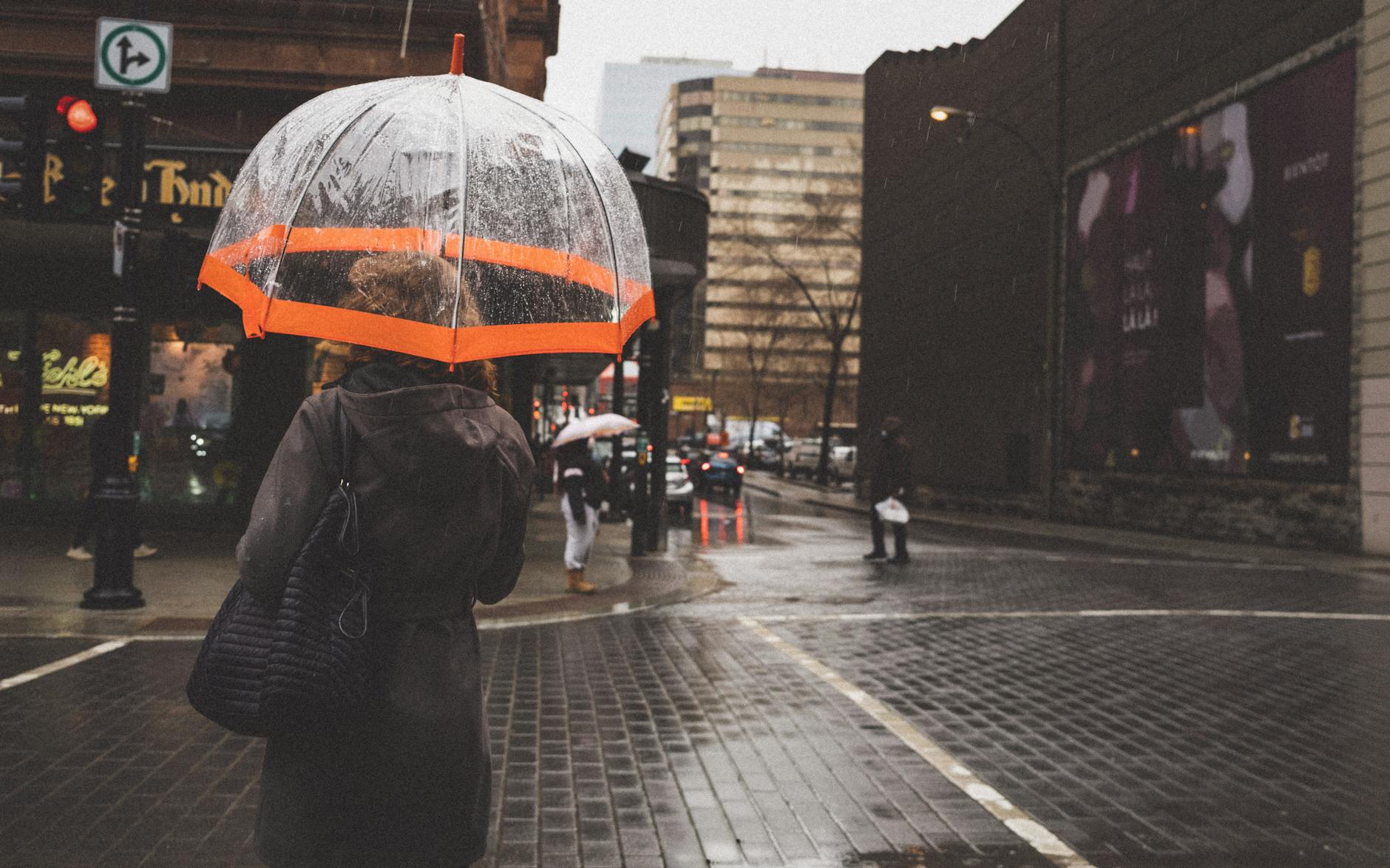
Montreal can be a good city for women traveling alone, with friends, for work, or as part of a mixed-purpose short trip. It offers walkable historic areas, cafes, museums, shopping, nightlife, parks, food neighborhoods, and a public-transit network that can be useful when planned well. The trip still deserves practical judgment: weather, late returns, hotel district, phone battery, social plans, and the difference between daytime wandering and nighttime movement all matter. The goal is not to make Montreal sound unusually difficult. The goal is to help a woman traveler keep choice and control. A strong plan makes it clear where she is staying, how she will arrive, which neighborhoods fit the trip, how evenings end, and when taxis, shorter routes, or quieter meals are the better decision.
Choose the base by return routes
A woman traveler should choose a Montreal base by how it works at the end of the day, not only by how charming it looks in the morning. Old Montreal can be atmospheric and convenient for historic streets, dinners, and the waterfront. Downtown can be easier for taxis, museums, shopping, transit, and winter movement. Plateau and Mile End can be rewarding for cafes and food, but the route back should be understood before late plans are made.
The hotel should have practical strengths: clear entrance, reliable front desk, easy vehicle pickup, nearby meal options, room quiet, and a block that feels comfortable for the traveler's arrival and evening pattern. A good base creates options instead of forcing every movement decision.
- Choose the hotel by evening return, transit, taxi access, nearby food, and winter practicality.
- Use Old Montreal, downtown, Plateau, and Mile End for different trip styles.
- Check the immediate block and front-desk logistics before relying on a hotel.
Make arrival calm and already decided
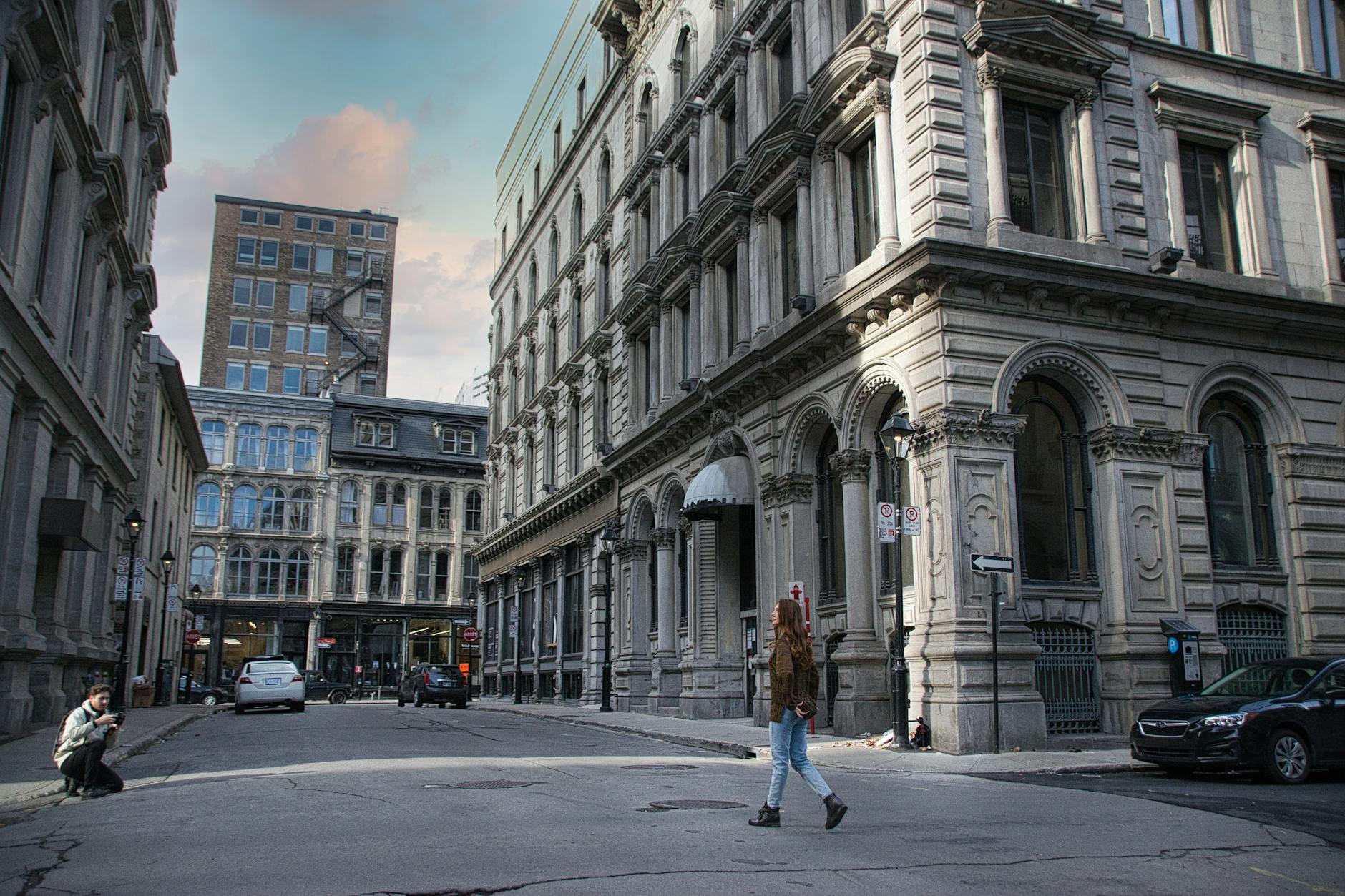
Arrival is one of the moments when avoidable friction matters most. The traveler should know the plan from YUL to the hotel, how late check-in works, where the first meal will come from, and what to do if weather, baggage, or fatigue changes the first evening. Making those decisions before landing protects energy and attention.
This is especially important when arriving after dark, carrying luggage, traveling in winter, or meeting someone soon after arrival. A short taxi or car decision can be more sensible than proving the cheapest route immediately.
- Plan airport transfer, hotel check-in, first meal, and payment backup before arrival.
- Use simpler transport when arriving late, tired, in winter, or with luggage.
- Keep hotel address, booking details, and emergency contacts accessible offline.
Separate daylight exploring from evening movement
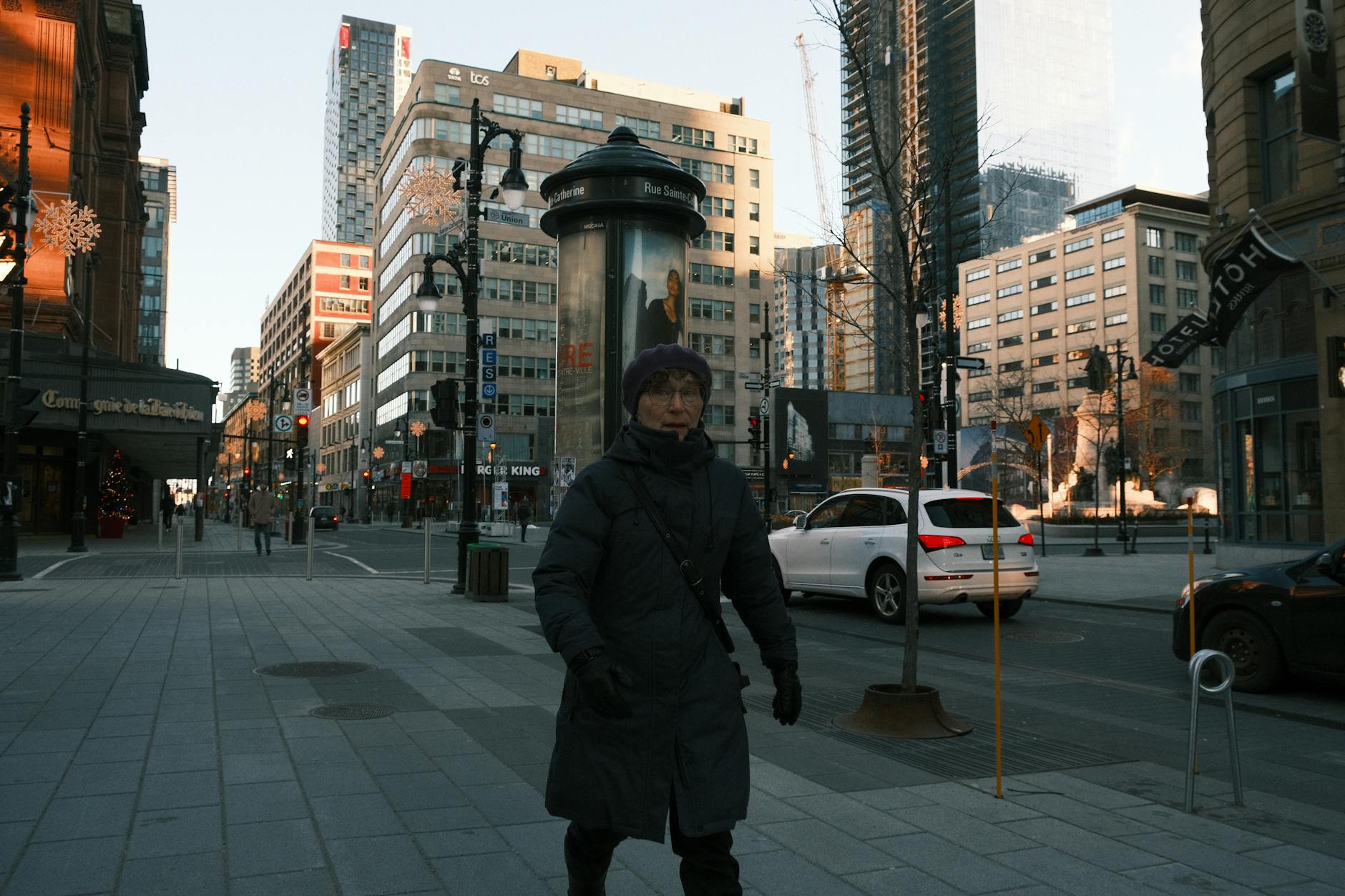
Montreal rewards wandering in daylight. Old Montreal, downtown, Mount Royal, Plateau, Mile End, Chinatown, the waterfront, shops, cafes, and museums can all work well when the traveler has time, light, weather awareness, and phone battery. Evening movement should be more deliberate. The destination, return route, pickup point, and fallback should be known before dinner, drinks, concerts, or late walks.
The difference is not fear; it is control. A woman traveler can enjoy Montreal more when the after-dark plan is not being improvised at the end of a long day.
- Use daylight for more exploratory walking and after-dark hours for deliberate routes.
- Know the pickup point, return route, and fallback before evening plans begin.
- Treat weather, fatigue, alcohol, and phone battery as movement factors.
Use transit with situational judgment
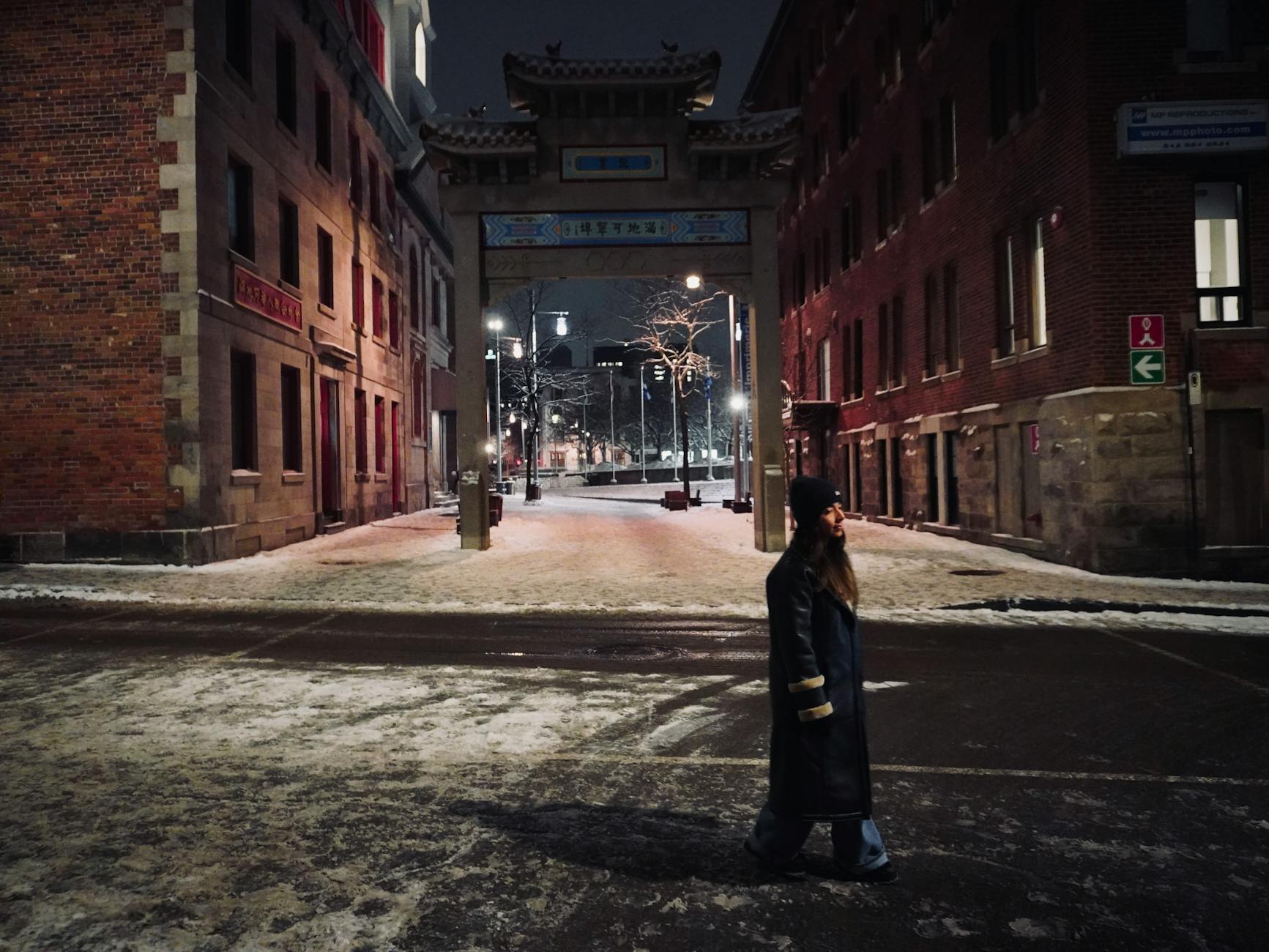
The metro can be useful for a woman traveler in Montreal, especially for moving between downtown, Olympic Park, neighborhoods, museums, and weather-protected routes. It should still be used with situational judgment. The traveler should know the station, transfer, exit, final walk, crowd level, and whether the same route feels right after dark or in winter conditions.
Taxis or rides can be the better choice after a late dinner, with shopping bags, in heavy rain, or when a route requires too many transfers. The plan should preserve choice rather than forcing one mode.
- Check station, transfer, exit, final walking segment, and after-dark comfort.
- Use taxis or rides when weather, bags, fatigue, or late timing makes transit less practical.
- Keep phone battery, offline addresses, and payment backup ready.
Plan clothing for weather, not performance
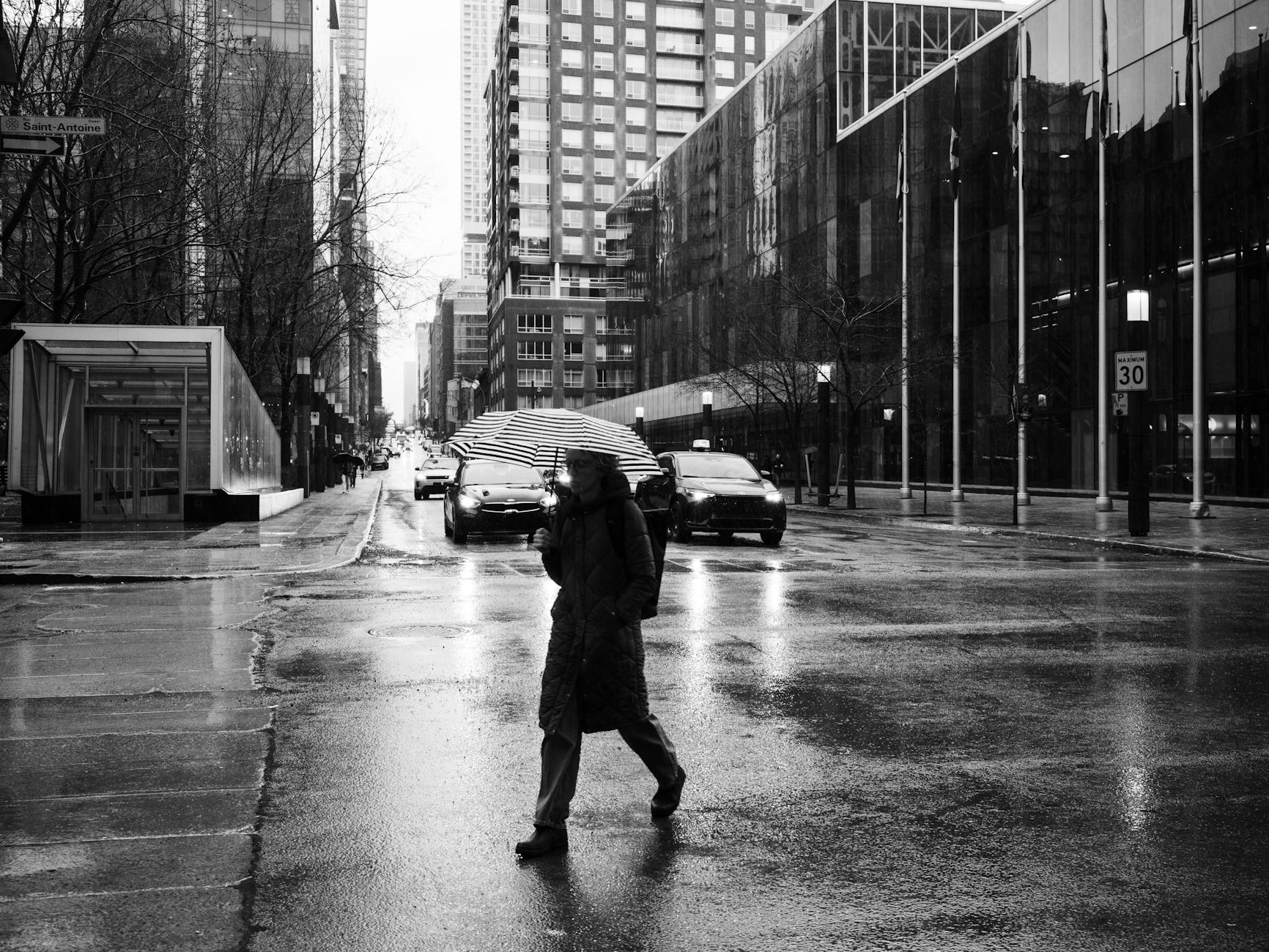
Montreal style can be expressive, but the practical layer matters first. Winter cold, slush, ice, rain, summer humidity, restaurant temperature, and walking surfaces can all affect what clothing and footwear make sense. A woman traveler should not let an outfit plan create pain, exposure, or avoidable transport dependence.
Packing should support the actual itinerary: shoes for old streets and stairs, warm layers for winter, a bag that keeps documents and phone secure, and evening clothing that still works for the return route. The best look is the one that lets the traveler keep moving comfortably.
- Choose footwear and layers for Old Montreal streets, stairs, rain, slush, ice, and humidity.
- Use a bag setup that keeps documents, phone, payment, and hotel details controlled.
- Plan evening clothing around the return route, not only the reservation.

Set boundaries for social and nightlife plans
Montreal can be enjoyable for social evenings, restaurants, concerts, bars, and events, but a woman traveler should decide boundaries before the evening is already in motion. That can include where to meet, how long to stay, whether to share lodging details, how to leave independently, and when a plan no longer feels worth it.
Group travel has its own version of this. Friends may have different thresholds for walking, drinking, late returns, or splitting up. Agreeing on a return plan and fallback protects the evening from becoming complicated.
- Decide meeting place, exit plan, lodging privacy, and independent return options in advance.
- Use reservations and known districts when social plans matter.
- Agree on group return and split-up rules before nightlife or events begin.
When to order a short-term travel report
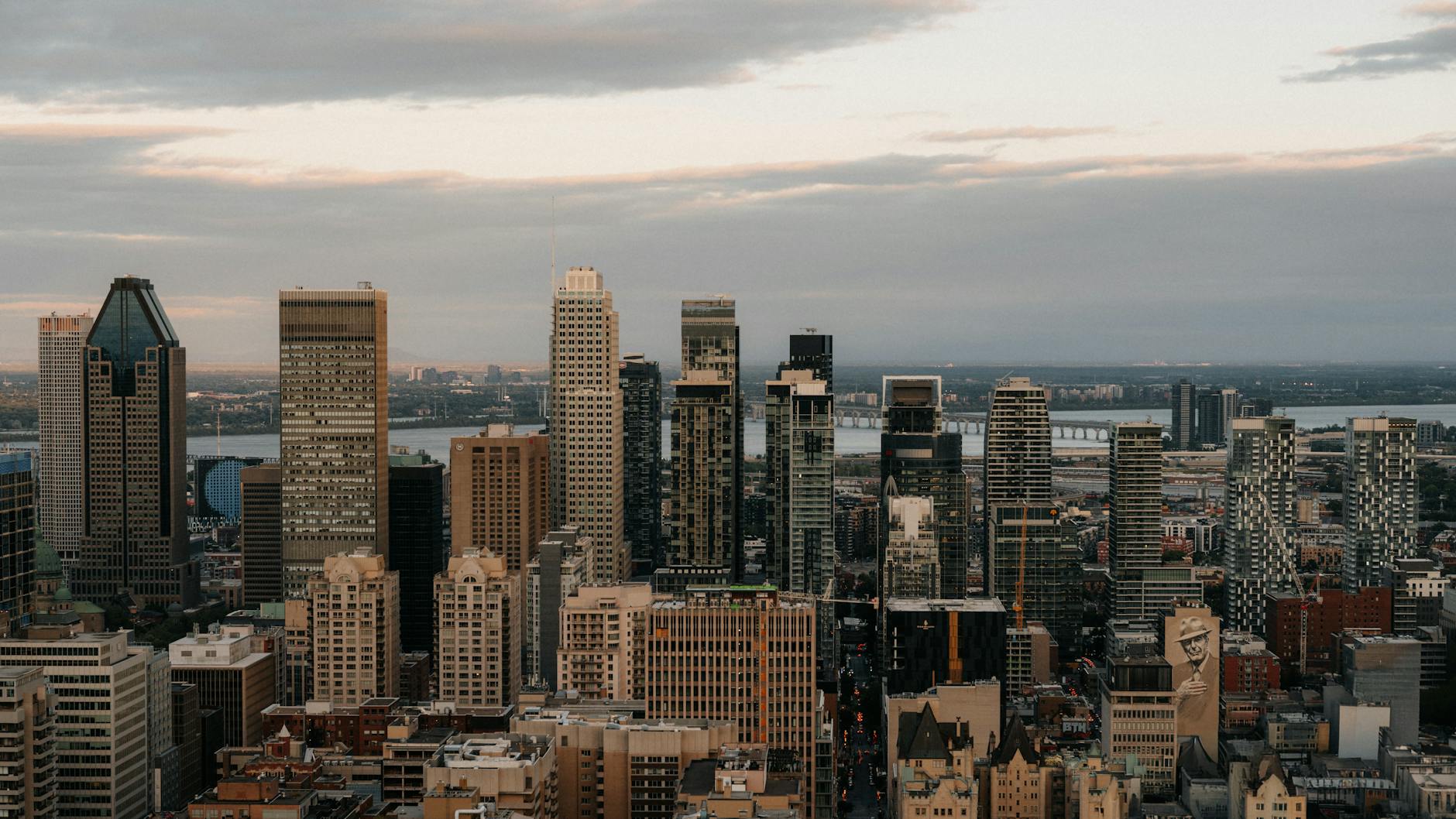
A woman traveler with a central hotel, mild weather, and simple daytime plans may not need a custom Montreal report. A report becomes useful when the traveler is arriving late, visiting in winter, choosing between neighborhoods, planning nightlife, traveling solo, managing medical or mobility constraints, coordinating a group with different comfort levels, or trying to balance cafes, shopping, Old Montreal, transit, and evening events in a short stay.
The report should test hotel base, arrival transfer, daylight and evening routes, winter exposure, transit and taxi choices, meal geography, personal boundaries, phone and payment backup, and what to cut if the plan becomes too spread out. The value is a Montreal trip that keeps the traveler in control without making the city feel closed off.
- Order when late arrival, winter, neighborhood choice, nightlife, solo travel, or group comfort levels affect the trip.
- Provide hotel candidates, arrival time, evening plans, must-see areas, constraints, and comfort boundaries.
- Use the report to keep movement, weather, and return plans clear before adding more activities.