
Montreal can be a meaningful destination for a volunteer, NGO worker, mutual-aid visitor, community organizer, field researcher, or short-term program participant, but the trip should not be planned as goodwill plus a hotel booking. The traveler may be moving between a host organization, community site, housing, transit stops, meetings, supply points, and unfamiliar neighborhoods. Weather, language, safeguarding, local politics, and expectations from the host all matter. A good Montreal volunteer or NGO trip starts with humility and logistics. The traveler should understand the organization's legitimacy, what role they are actually meant to play, how they will move safely and respectfully, and which parts of the city are relevant to the work rather than simply interesting to the visitor.
Verify the host and the actual role
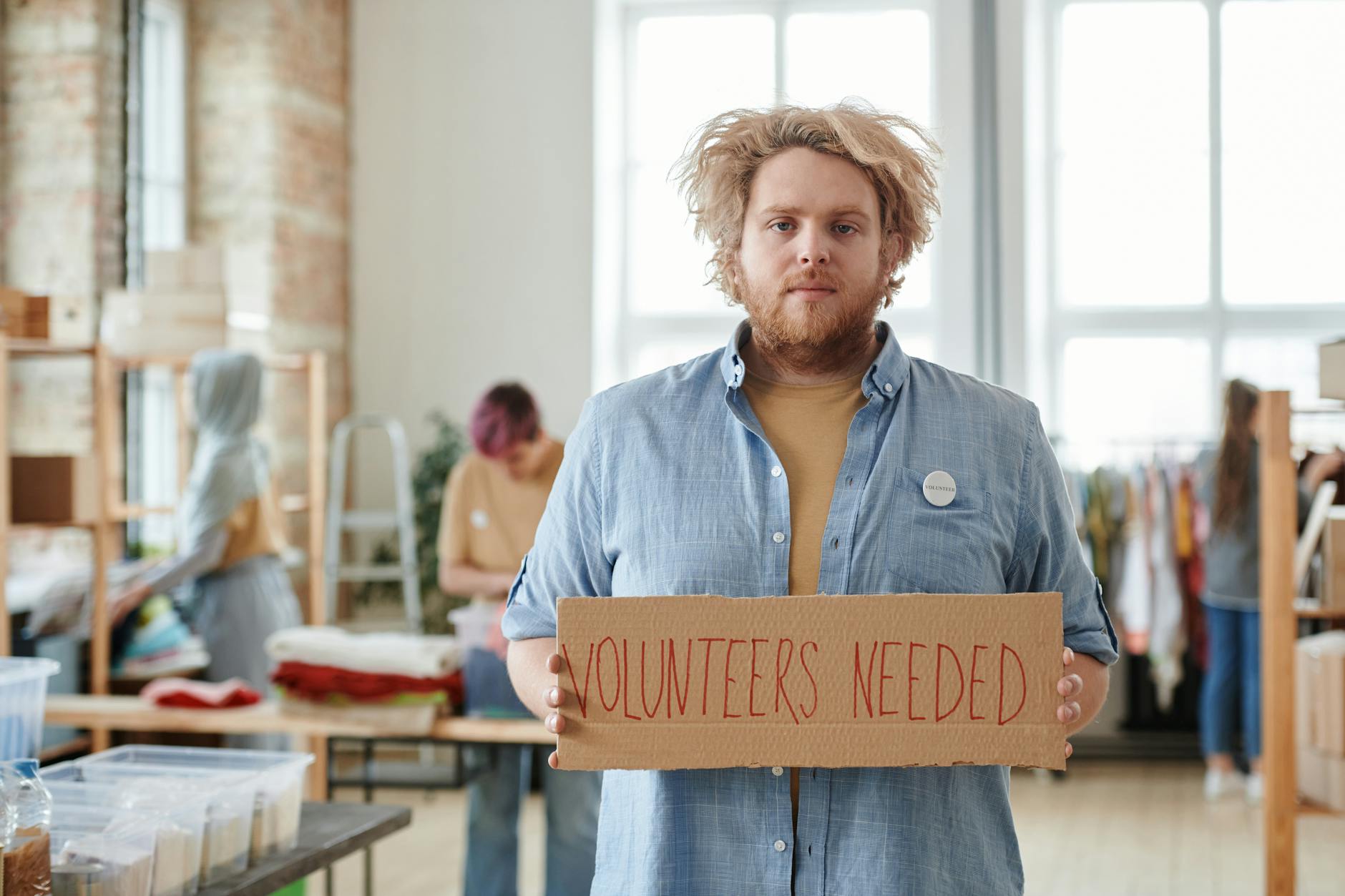
The traveler should verify the host organization before building the trip around it. That means understanding its legal status, local reputation, program structure, supervision, safeguarding practices, insurance expectations, cancellation rules, and what the traveler is actually allowed to do. A volunteer role that sounds generous can become inappropriate or ineffective if the visitor arrives without training, language ability, continuity, or clear boundaries.
The most useful question is not whether the cause is good. It is whether the short-term visitor's presence helps the work more than it complicates it. Montreal has serious local capacity and community knowledge; the visitor should support that rather than center themselves.
- Confirm host legitimacy, supervision, safeguarding, insurance, program structure, and cancellation rules.
- Clarify the exact task, schedule, training, language needs, and limits of the volunteer role.
- Be honest about whether short-term help is genuinely useful for the host.
Choose housing around the work site
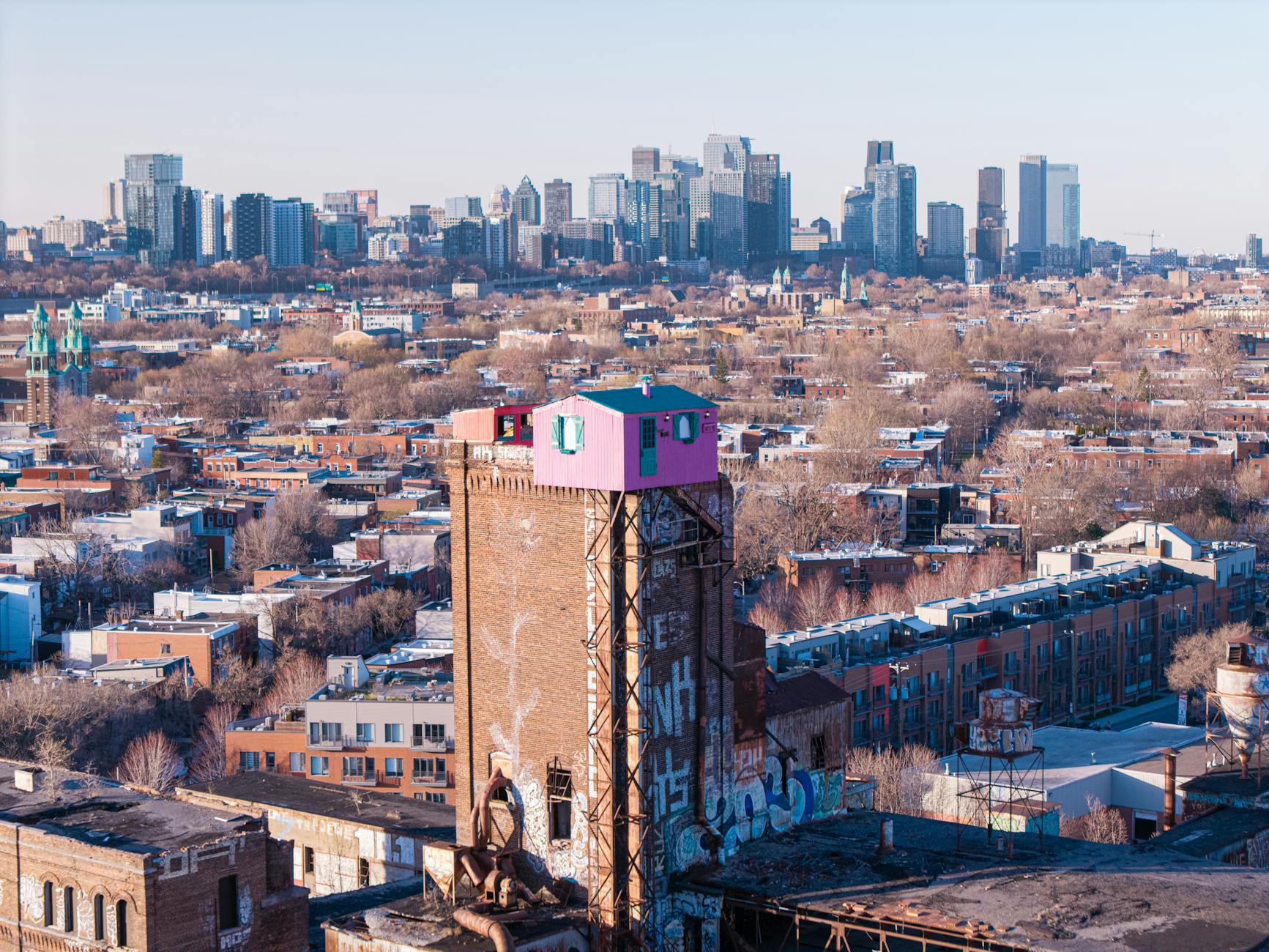
Volunteer and NGO travelers often choose housing by price or atmosphere, then discover that the daily route is the real burden. The lodging should be checked against the host site, transit route, late returns, winter weather, grocery access, laundry, quiet, and the ability to decompress after emotionally demanding work. A cheap bed far from the work can create daily friction that weakens the visit.
If the program places the traveler in shared housing, the traveler should understand room setup, house rules, visitor policy, storage, kitchen access, and what happens if the placement does not work. Housing is part of the operating plan, not a side detail.
- Check housing against host site, transit, winter routes, groceries, laundry, quiet, and late returns.
- Understand shared housing rules, storage, kitchen access, and contingency options.
- Do not let a low nightly rate create a weak daily service route.
Respect language, community, and consent
Montreal volunteer work can involve English, French, bilingual settings, immigrant communities, youth, older adults, unhoused people, health-adjacent services, arts organizations, faith communities, or neighborhood groups. Each setting has its own norms. The traveler should ask how names, language, photography, social media, documentation, and introductions should be handled before assuming visitor habits are welcome.
Consent is not a formality. It applies to photos, stories, quotes, case notes, locations, and anything that might turn another person's life into the traveler's content. A good NGO traveler leaves people with more dignity than they found them.
- Prepare for English, French, or bilingual settings depending on the host and community.
- Ask explicit rules for photography, social media, names, stories, notes, and locations.
- Treat consent and dignity as operational requirements, not public-relations language.

Plan transit and winter as service risks
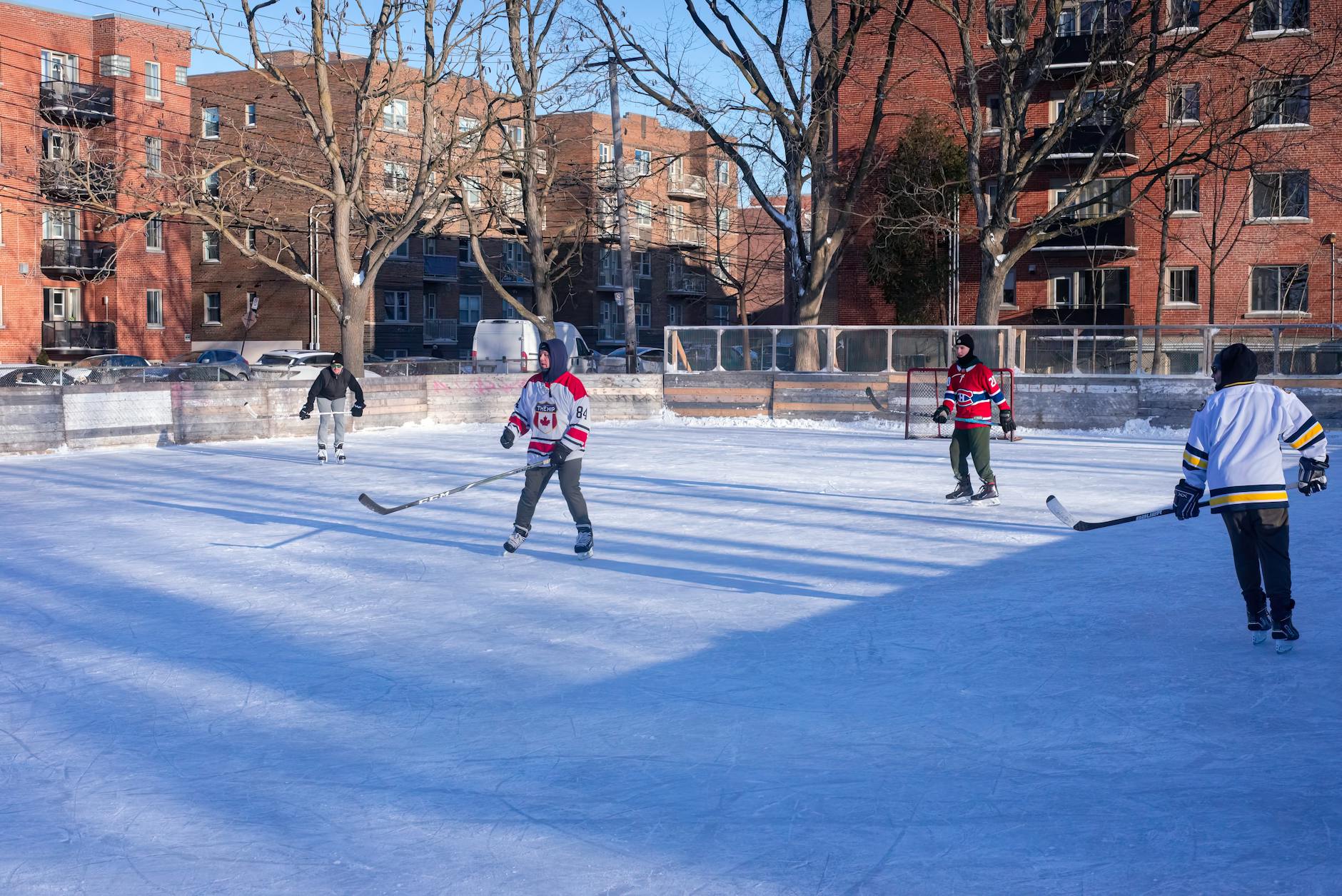
A volunteer cannot help if they cannot arrive reliably. Montreal transit may work well for many sites, but the traveler should check routes by time of day, final walking distance, winter surface, station access, and whether the return route feels appropriate after an evening shift. Snow, slush, cold, rain, and darkness can change the plan quickly.
The traveler should set taxi thresholds for early, late, or weather-disrupted shifts. Saving money on every movement can be false economy when it causes lateness, exhaustion, or avoidable exposure.
- Check transit routes, final walks, station access, evening returns, and winter surfaces before each shift.
- Set taxi thresholds for early starts, late returns, bad weather, or fatigue.
- Keep the service schedule realistic enough to be reliable.
Handle supplies, documents, and boundaries
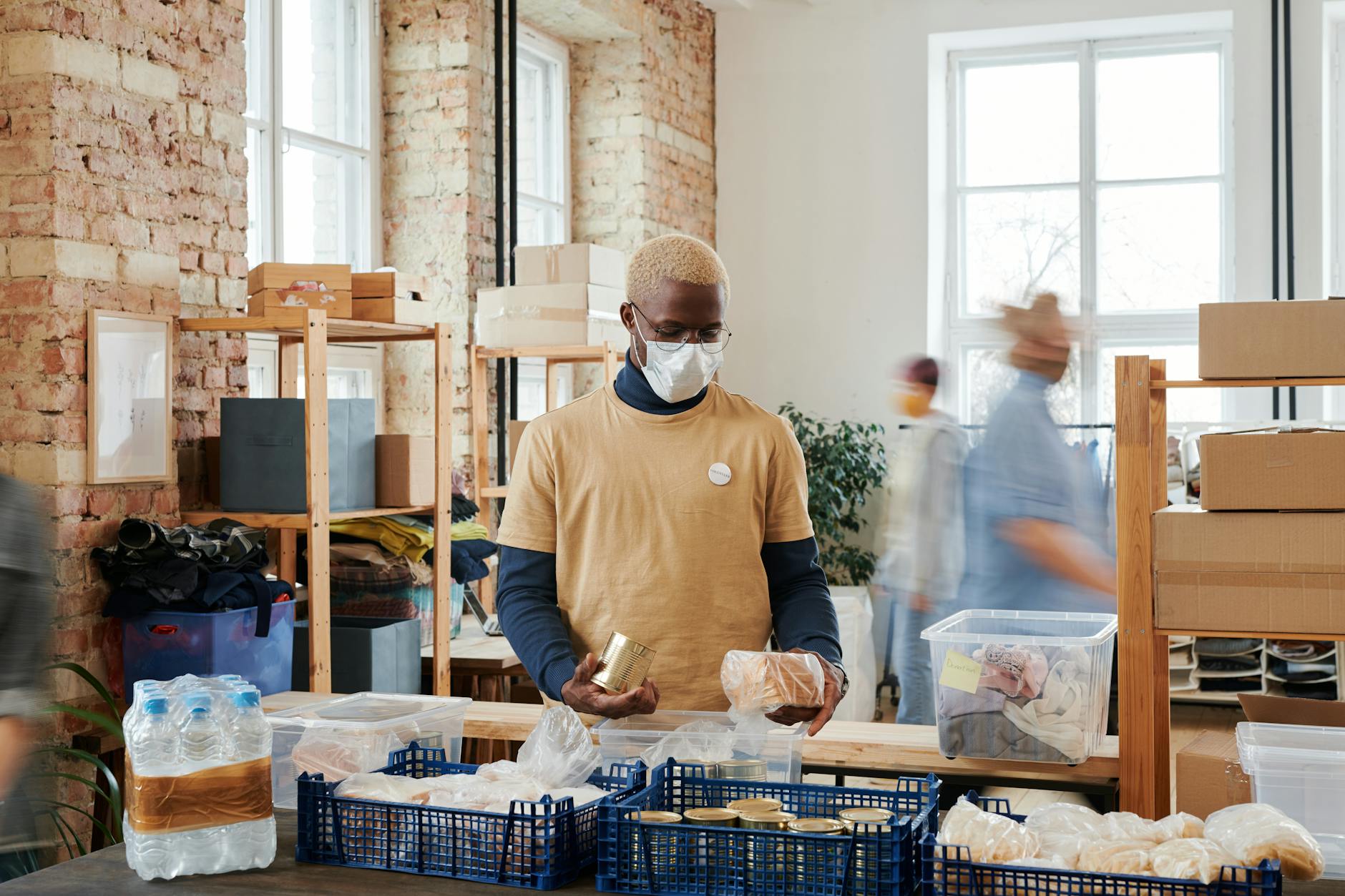
Some volunteer trips involve documents, donations, equipment, medications, teaching materials, food, clothing, or program supplies. The traveler should know what can be brought, what should be purchased locally, what the host will provide, and what customs, storage, or reimbursement questions apply. Good intentions do not remove the need for clean records.
Boundaries matter as much as supplies. The traveler should understand hours, emergency contacts, escalation rules, privacy rules, and when to step back. Short-term volunteers should not improvise policy in the field.
- Confirm what supplies are needed, provided, bought locally, reimbursed, stored, or documented.
- Keep program documents, emergency contacts, privacy rules, and escalation pathways accessible.
- Follow host boundaries instead of improvising beyond the assigned role.
Leave room for recovery and context
Community-facing work can be emotionally demanding, even on a short trip. The traveler should plan recovery time, meals, laundry, quiet evenings, and a little contextual exploration that helps them understand Montreal without turning the trip into self-centered tourism. Markets, neighborhoods, parks, museums, and guided walks can be useful when they fit the work rhythm.
The traveler should also avoid filling every off-hour with social activity. Reflection, notes, and rest can make the volunteer work better and reduce the risk of burnout, poor judgment, or performative engagement.
- Schedule meals, laundry, rest, and quiet time around emotionally demanding work.
- Use contextual city exploration without making the community work secondary to sightseeing.
- Protect reflection time so the trip stays useful and measured.

When to order a short-term travel report
A volunteer with a supervised program, clear housing, and simple daytime shifts may not need a custom Montreal report. A report becomes useful when the traveler is arranging independent housing, working across several neighborhoods, traveling in winter, managing medical or mobility constraints, bringing supplies, coordinating with an NGO, or needing a careful plan for language, safeguarding, transport, and community boundaries.
The report should test host-site geography, housing, arrival transfer, transit and taxi choices, winter exposure, schedule realism, food and laundry routines, documentation, privacy rules, rest windows, and what to cut if the service plan is too ambitious. The value is a Montreal volunteer trip that helps without becoming careless.
- Order when housing, winter, multiple sites, supplies, safeguarding, language, or constraints affects the service work.
- Provide host addresses, schedule, housing candidates, arrival details, supplies, constraints, and supervision structure.
- Use the report to make the trip useful, respectful, and logistically controlled.