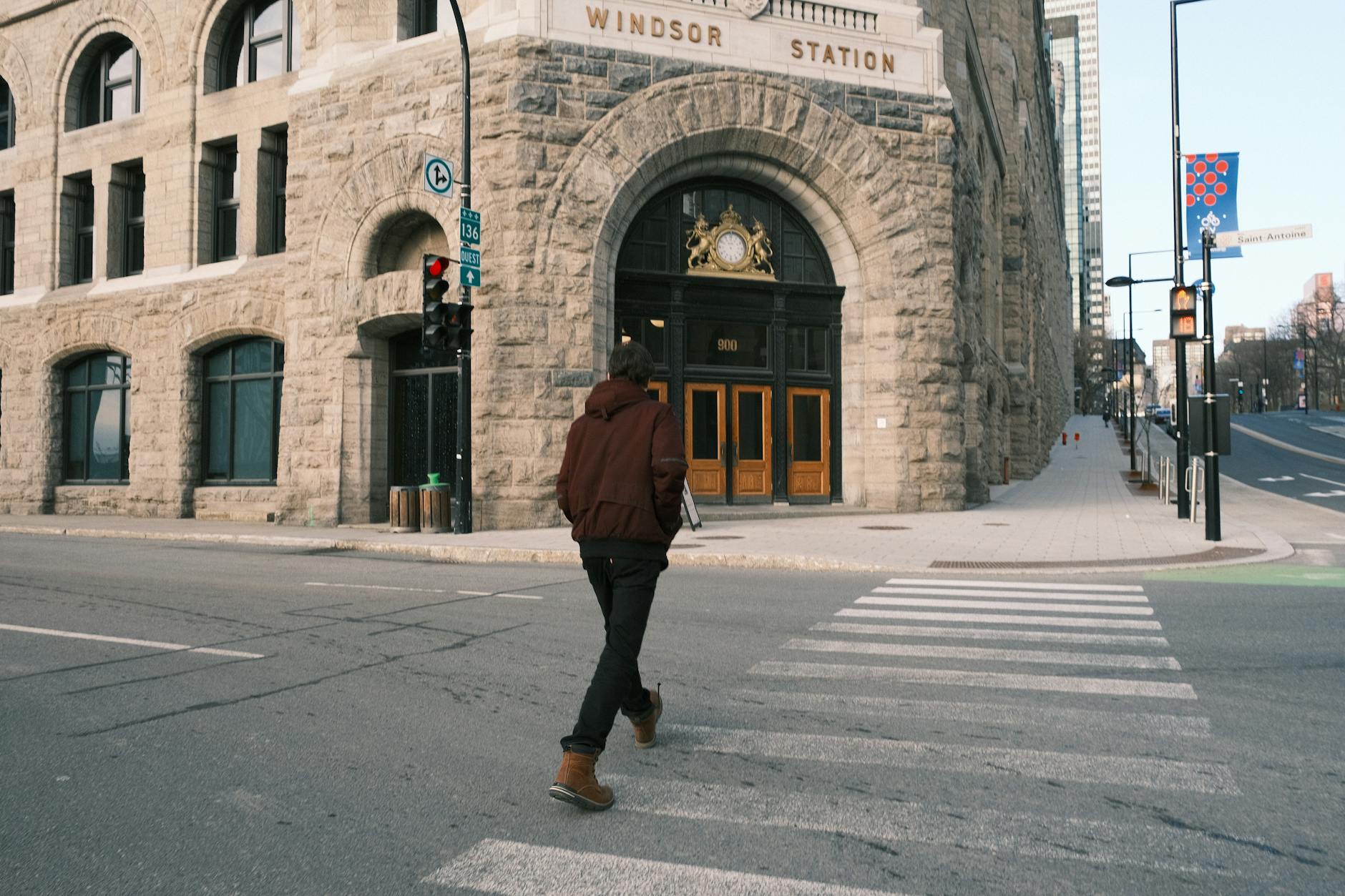
Montreal can still be a rewarding short-term destination for a traveler with mobility limitations, but it should not be treated as a city where distance alone explains difficulty. Old Montreal's atmosphere comes with cobblestones and uneven surfaces. Winter can add snowbanks, slush, ice, and narrow curb cuts. Some metro routes are useful, while others require station-by-station checking. A route that looks short can become demanding once entrances, hills, weather, and final walking distance are included. The right Montreal plan is not timid. It is precise. The traveler should know which hotel functions as a practical base, which attractions are worth the access effort, when taxis are better than transit, and which days need a smaller radius. Mobility planning should protect the trip's pleasure, not reduce the traveler to logistics.
Choose the hotel as the access system
The hotel is the mobility system's anchor. A traveler should confirm step-free entry, elevator reliability, room layout, bathroom setup, bed height, storage space, lobby seating, taxi pickup, nearby food, and how easily they can return for rest. A charming property in the wrong building or on the wrong surface can cost more energy than it gives back in atmosphere.
The district matters as much as the room. Downtown may be stronger for taxis, museums, shopping, and practical sidewalks. Old Montreal may be beautiful, but it needs careful surface and route review. Airport-side lodging can be rational for very late arrivals, early flights, or a traveler who needs the lowest-transfer trip.
- Confirm entry, elevators, bathroom layout, bed height, taxi pickup, nearby food, and return-to-room ease.
- Choose the district by practical movement before choosing by atmosphere.
- Treat the hotel as the base that makes every day easier or harder.

Read Old Montreal honestly
Old Montreal is often central to the trip, but it should be read honestly. Stone streets, curb transitions, crowds, restaurant steps, winter surfaces, and distance between rest points can all change the experience. The traveler does not have to skip the area. They do need a route that identifies which streets, entrances, meals, and pickup points are realistic.
A smaller Old Montreal plan can be better than an ambitious one. A basilica visit, a short waterfront segment, a carefully chosen meal, or a taxi-supported loop may be more satisfying than trying to force the whole historic district into one continuous walk.
- Check surfaces, curbs, crowds, restaurant access, rest points, and pickup locations before committing.
- Use a smaller Old Montreal route when the historic core is the priority.
- Do not confuse a short map distance with an easy mobility day.
Check transit station by station
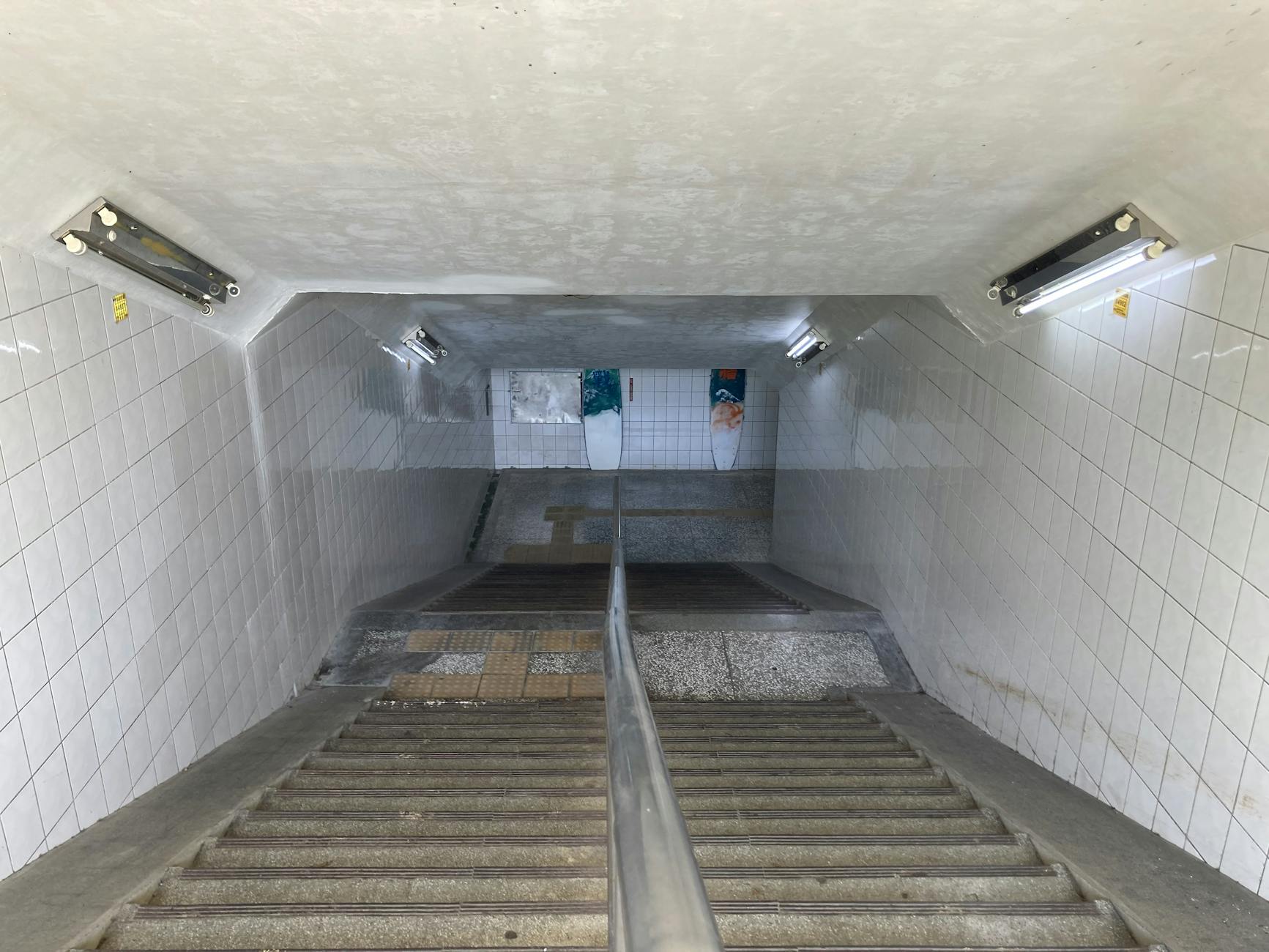
Montreal transit can be useful, but a mobility-limited traveler should not assume that every station, transfer, escalator, elevator, or final exit works the same way. The route should be checked station by station, including the entrance, platform access, transfer path, exit direction, and final sidewalk segment. The question is not whether transit exists. The question is whether the whole route works for this traveler on this day.
A taxi, rideshare, or shorter route may be the better decision when the traveler is carrying luggage, using a mobility aid, managing fatigue, or dealing with winter weather. Transit is valuable when it reduces strain; it is not a moral test.
- Check station entrance, platform access, transfer path, exit direction, and final walking segment.
- Use taxis or shorter routes when luggage, fatigue, mobility aids, or weather raise the stakes.
- Keep a backup route for every high-value movement.
Treat winter as an access issue
Winter changes Montreal mobility more than many visitors expect. Snowbanks can narrow crossings. Ice and slush can make short walks difficult. Gloves and cold can affect phone use, ticket handling, and grip. Wind can make waiting outside for a ride feel longer than the clock says. A winter trip needs shorter outdoor segments, better footwear, more taxi buffer, and indoor alternatives.
The traveler should not measure success by how much of the original plan survived. In poor conditions, the successful plan may be the one that protects a museum, a meal, and a comfortable return rather than forcing every outdoor stop.
- Plan snow, slush, ice, wind, and cold into routes, footwear, taxi timing, and phone use.
- Build indoor alternatives before the forecast deteriorates.
- Cut exposed stops early when surfaces or fatigue begin to affect the trip.
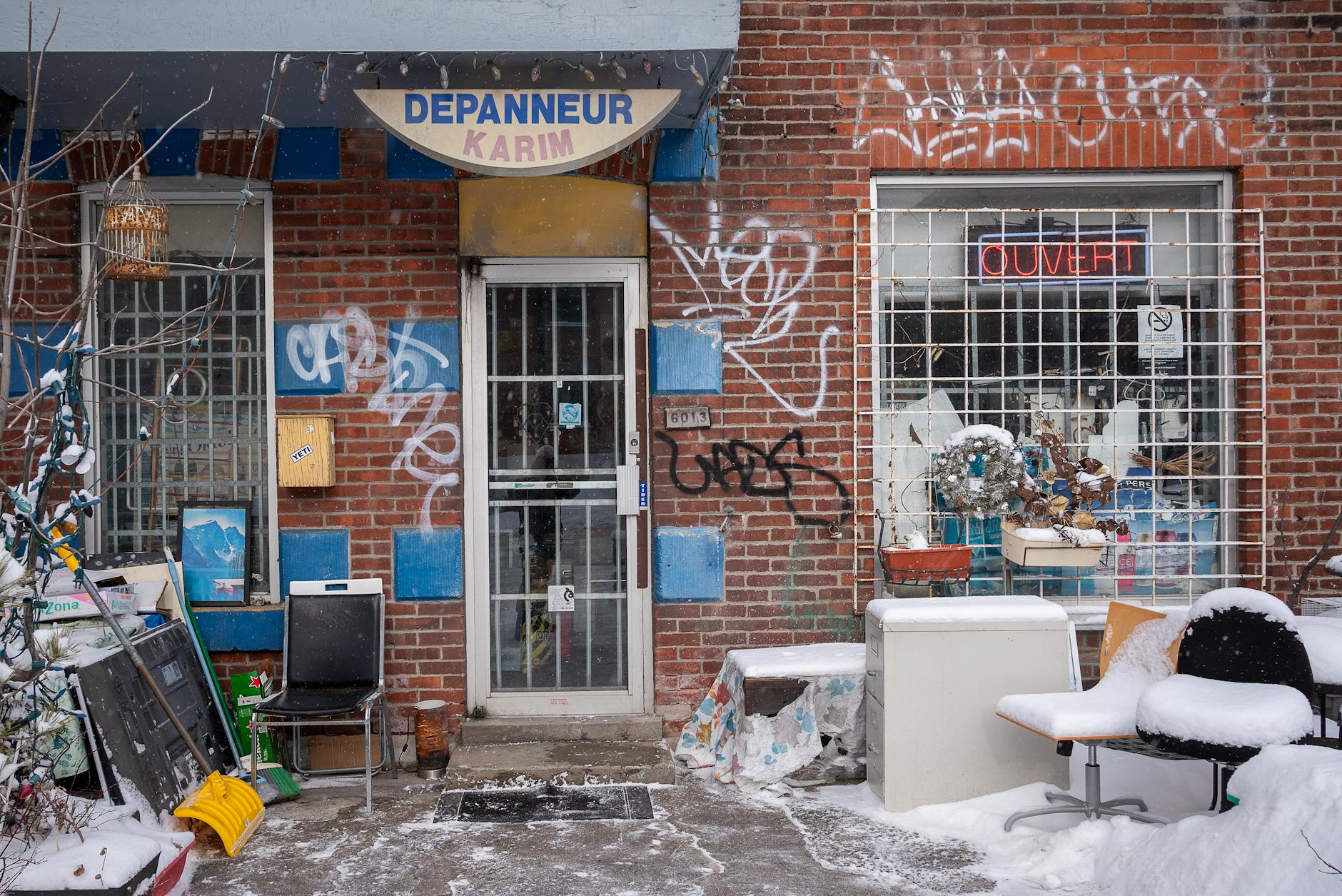
Select attractions by access effort
A mobility-aware Montreal itinerary should rank attractions by access effort as well as interest. Museums, gardens, the Old Port, Mount Royal, markets, churches, and neighborhood walks all ask for different kinds of movement. Some attractions may be accessible once inside but difficult to reach comfortably from the hotel. Others may be simple in mild weather and unreasonable after snow.
The traveler should choose fewer, stronger stops and pair them with practical meals and rest. The goal is not to prove that every famous site can be reached. The goal is to make the reached sites feel worth it.
- Rank attractions by access effort, weather exposure, interior movement, and return route.
- Pair high-effort stops with practical meals, rest, and simple transfers.
- Choose fewer stronger stops instead of a route that spends all energy on movement.

Protect rest, meals, and bathrooms
Mobility limitations often make basic timing more important. The traveler should know where they can sit, eat, use a bathroom, warm up, cool down, and return to the hotel. A restaurant with one step, a long wait, tight seating, or a distant bathroom can change the quality of the day. A beautiful route without rest points can become a problem rather than a pleasure.
Food planning should support the mobility plan. Reservations, accessible entrances, quieter meal times, nearby backups, and hotel-adjacent options can reduce friction. Montreal's food is a strength, but it should not require exhausting the traveler to enjoy it.
- Plan seating, bathrooms, meals, warming or cooling stops, and return-to-hotel windows.
- Check restaurant entry, wait times, table spacing, and bathroom practicality.
- Use reservations and nearby backups to avoid unnecessary standing or searching.
When to order a short-term travel report
A traveler with mild limitations, a central hotel, and flexible plans may not need a custom Montreal report. A report becomes useful when the trip involves winter, Old Montreal, mobility aids, fatigue, older relatives, airport timing, multiple neighborhoods, restaurant access concerns, or uncertainty about whether transit, taxis, and walking can support the actual itinerary.
The report should test hotel base, station access, taxi strategy, sidewalk and surface exposure, Old Montreal routing, attraction sequence, meal access, rest windows, bathroom planning, weather substitutions, and what to cut if the day becomes too demanding. The value is a Montreal trip that respects mobility without surrendering the trip.
- Order when mobility aids, winter, Old Montreal, fatigue, route access, or hotel choice affects the trip.
- Provide mobility limits, hotel candidates, travel dates, arrival details, must-see stops, meal needs, and taxi preferences.
- Use the report to turn access constraints into a workable Montreal plan.