Montreal can work well for travelers with medical constraints, but the trip should not be built like a standard sightseeing weekend. Weather, hotel access, medication storage, stairs, walking surfaces, fatigue, appointment needs, food timing, and airport movement all affect how safe and comfortable the visit feels. A traveler with a condition that changes mobility, stamina, diet, medication timing, immune risk, pain, or emergency planning should treat logistics as part of the itinerary. This kind of trip should be planned with the traveler's clinician, insurer, and current documentation where needed. Public guidance can identify the questions; it cannot replace personal medical advice. The practical goal is to keep Montreal enjoyable by removing avoidable uncertainty around medication, movement, weather, rest, and backup care.
Start with documents, insurance, and medication
A traveler with medical constraints should solve documentation before solving sightseeing. That may include insurance coverage, medication lists, clinician letters, prescription packaging, device information, allergy notes, emergency contacts, and a plan for what to do if medication is delayed, lost, damaged, or needs temperature control. Cross-border travelers should verify what documentation and quantities are appropriate for their situation.
Medication timing should be placed into the day. Flights, restaurant reservations, time zones, early starts, long walks, and late events can disrupt routines. The itinerary should protect the medical rhythm rather than assuming it will fit around everything else.
- Confirm insurance, medication documentation, clinician letters, device details, allergies, and emergency contacts before travel.
- Plan medication timing around flights, meals, time zones, tours, and evening events.
- Carry critical medication and supplies in a way that does not depend on checked baggage.

Choose the hotel as a care base
The hotel should function as a care base, not only a place to sleep. The traveler should check elevator reliability, step-free entry, room layout, bathroom setup, heating and cooling, refrigerator access if needed, nearby food, pharmacy proximity, taxi pickup, quiet, and the ability to return for rest. A charming room that is hard to reach may be the wrong room.
Old Montreal, downtown, airport-side hotels, and neighborhood stays all have different implications. For some medical constraints, downtown practicality and vehicle access may matter more than historic atmosphere. For others, a quieter hotel with short walks may be enough.
- Check elevators, entry, bathroom layout, refrigerator needs, quiet, nearby food, and taxi pickup.
- Choose the hotel by rest, access, and care routines before choosing by atmosphere.
- Keep the room close enough to return for medication, recovery, or symptom changes.
Map pharmacy and care contingencies
A medically constrained trip should identify pharmacy and care contingencies before they are needed. The traveler should know where the nearest practical pharmacy is, what hours matter for the trip, what documentation may be needed for prescriptions, and how to contact insurance or a clinician if a problem arises. For urgent concerns, the traveler should know the appropriate local emergency pathway and not rely on searching under stress.
This is not about expecting a problem. It is about reducing the cost of a problem if one appears. A short trip gives little time to troubleshoot calmly.
- Identify practical pharmacy options and relevant hours before arrival.
- Keep prescription details, clinician contacts, insurance contacts, and emergency information accessible.
- Know the local care pathway for urgent concerns before the trip begins.

Treat winter and wet weather as medical variables
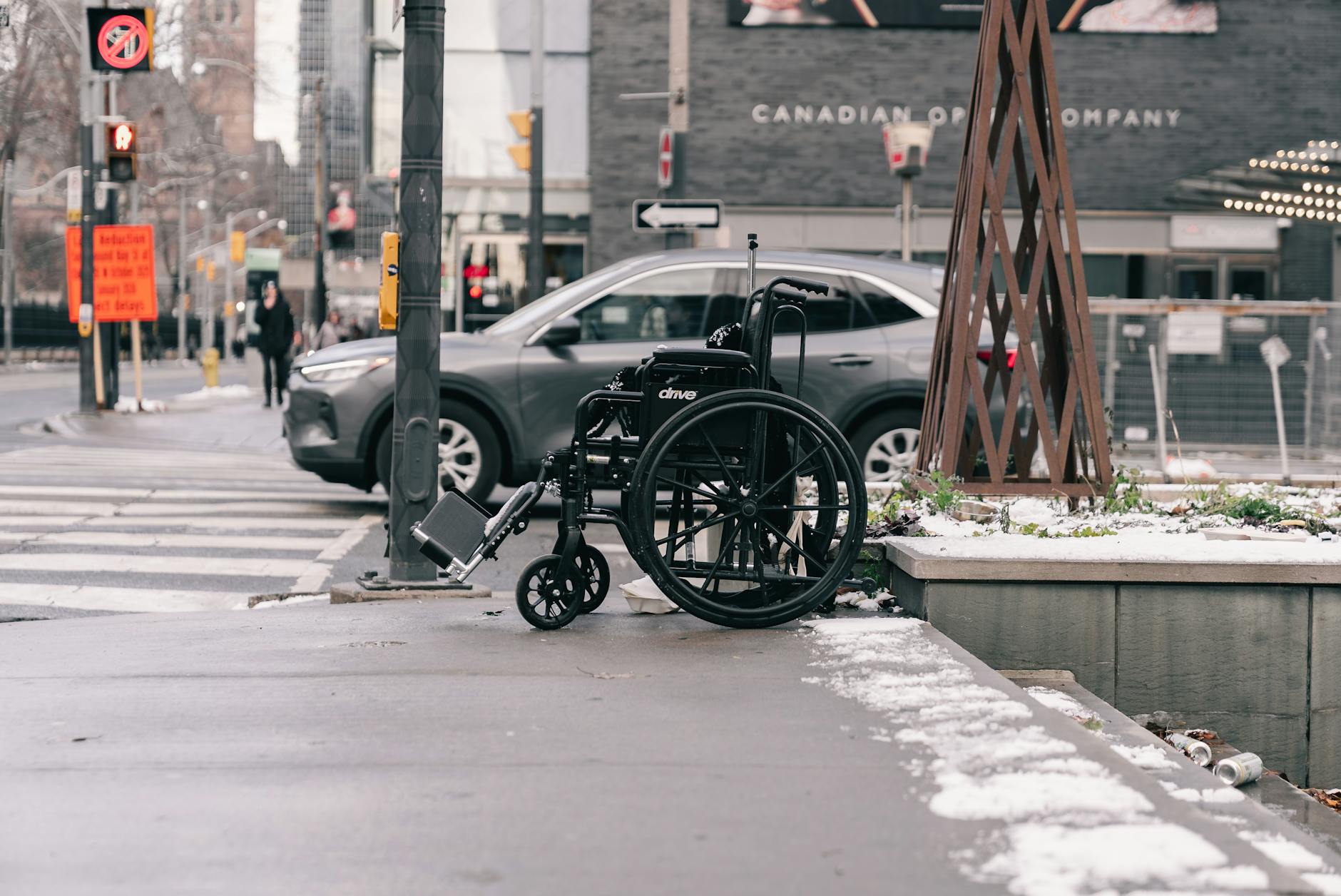
Montreal weather can affect medical comfort directly. Winter cold, slush, ice, wind, rain, humidity, and temperature shifts can affect breathing, pain, fatigue, balance, skin, circulation, medication storage, and how far the traveler can walk. The itinerary should change with the forecast, not merely add an umbrella or coat.
In difficult weather, the traveler may need shorter routes, taxis, indoor attractions, hotel rest, more time to dress, and fewer evening commitments. A safe day is not a failed day because it contains fewer stops.
- Adjust walking, clothing, taxis, indoor stops, and rest around cold, rain, slush, ice, heat, and wind.
- Protect medication and devices from temperature and moisture issues when relevant.
- Cut optional plans when weather begins to affect symptoms or stamina.
Be exact about stairs, sidewalks, and transit
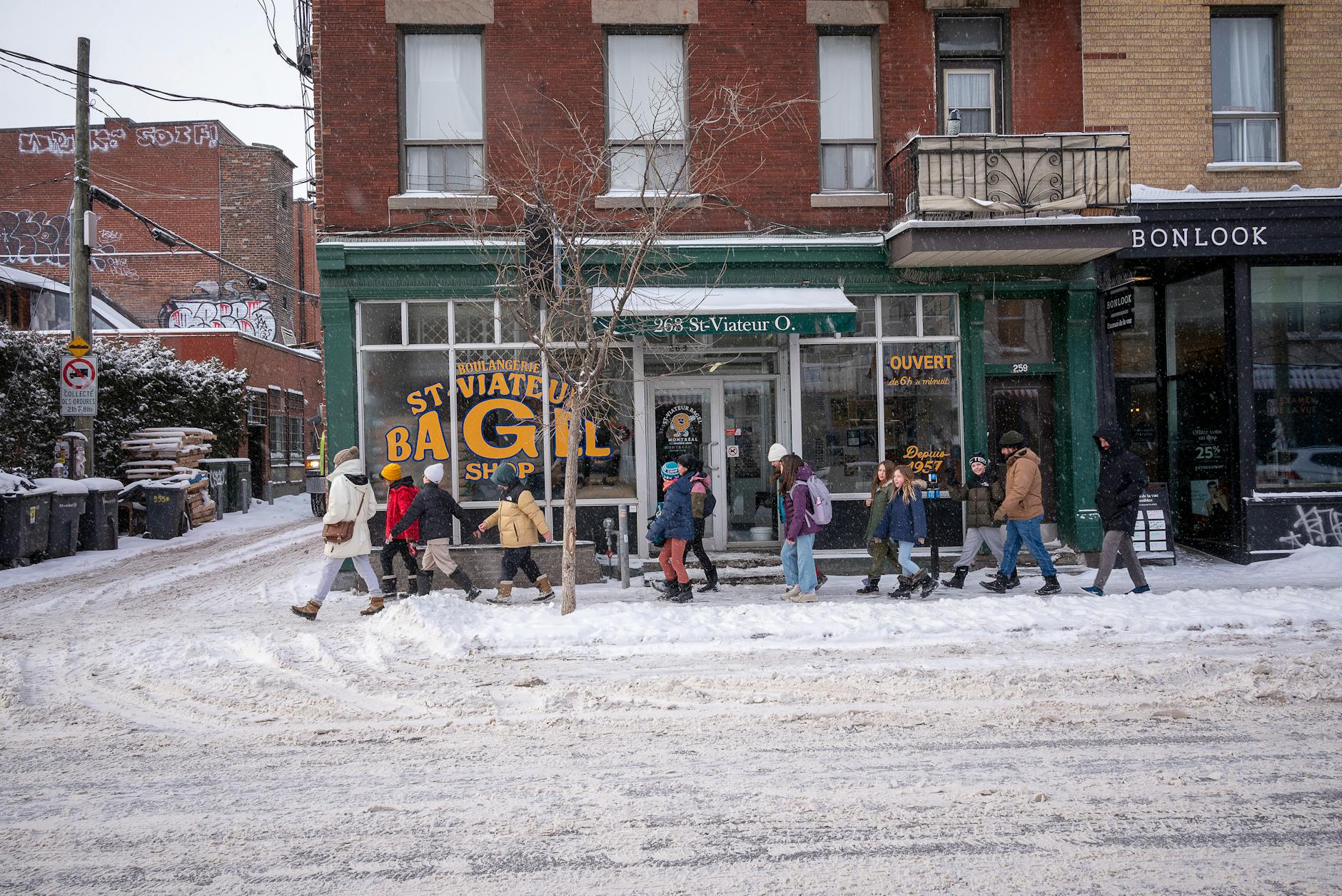
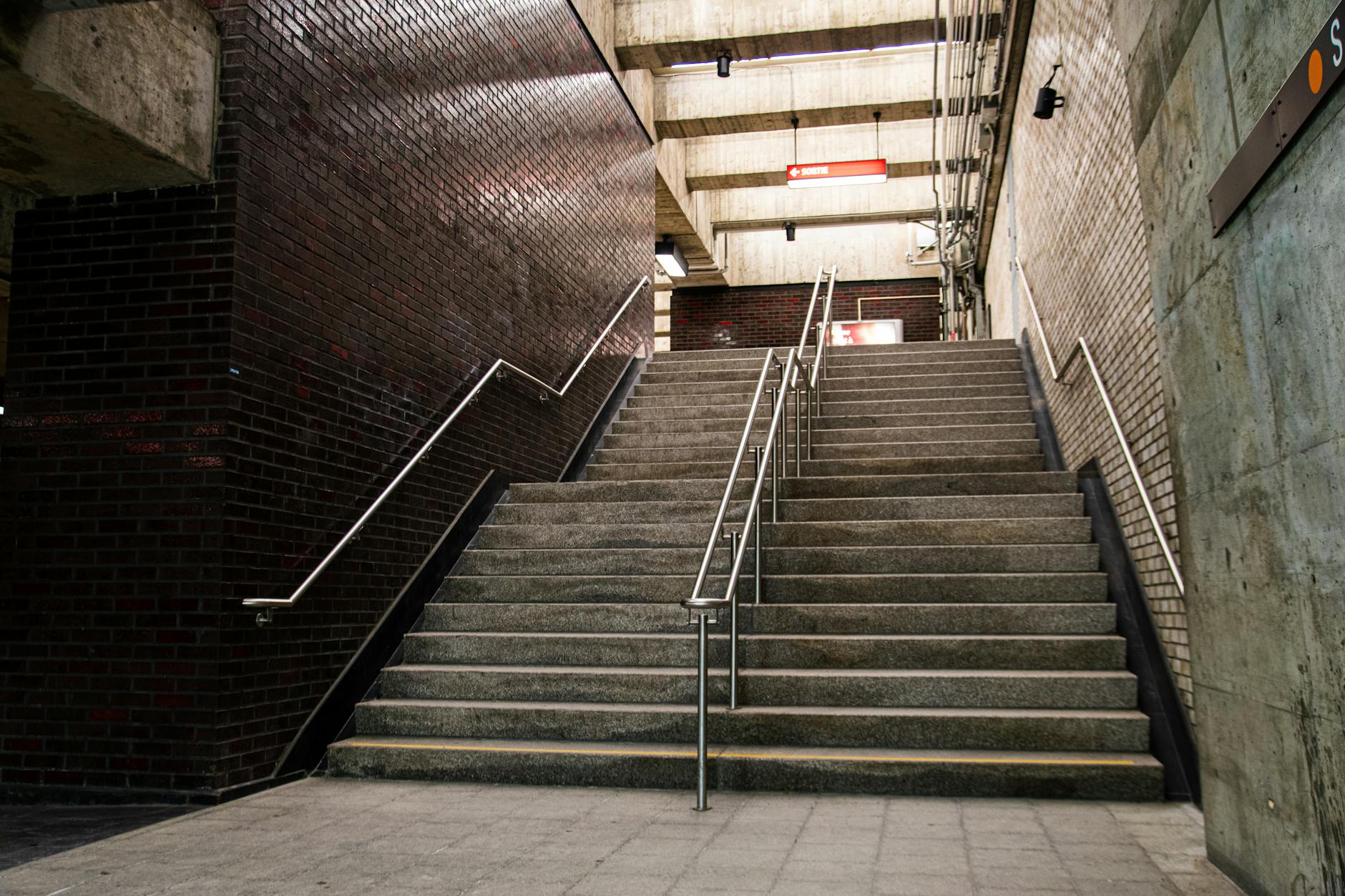
Medical constraints often turn small route details into major trip factors. Stairs, station depth, escalators, uneven sidewalks, snowbanks, cobblestones, bathroom access, standing time, and final walking distance can all change whether a plan works. The traveler should not rely on a map that only shows distance.
The Montreal metro can be useful, but it should be checked by station and route. A taxi or shorter walk may be better when symptoms, fatigue, winter, or medication timing raise the stakes. The itinerary should include route alternatives, not just a preferred route.
- Check stairs, station access, final walking distance, sidewalks, cobblestones, and bathroom availability.
- Use taxis or shorter routes when symptoms, fatigue, or weather make transit impractical.
- Build route alternatives for days when the body does not match the original plan.
Protect food timing, rest, and exposure
Food timing matters for many medical constraints. A Montreal itinerary that relies on late dinners, long waits, unfamiliar ingredients, alcohol, or skipped meals may create avoidable risk. Dietary restrictions, blood sugar needs, medication-with-food timing, hydration, and bathroom access should be planned into the route.
Rest matters as much as food. A short visit can still include Old Montreal, a museum, a garden, or a good meal, but the plan should leave space for symptom changes, quiet hours, and a return to the hotel before the day becomes too demanding.
- Plan meals around medication, dietary needs, hydration, bathroom access, and realistic wait times.
- Use reservations, nearby backups, and hotel food options to reduce risk.
- Schedule rest as part of the itinerary, not as an afterthought.
When to order a short-term travel report
A traveler with mild, familiar constraints and a simple central plan may not need a custom Montreal report. A report becomes useful when the trip involves winter, mobility limits, medication timing, device needs, food restrictions, fatigue risk, immune concerns, airport timing, several neighborhoods, a conference, older relatives, or uncertainty about whether the hotel, route, and daily pace are realistic.
The report should test hotel access, arrival transfer, medication and meal timing, pharmacy and care contingencies, weather exposure, transit and taxi choices, rest windows, bathroom access, evening returns, and what to cut if symptoms change. The value is not medical advice; it is a travel plan that respects the medical facts the traveler already has.
- Order when winter, mobility, medication, diet, fatigue, immune risk, or route access affects the trip.
- Provide medical constraints, clinician limits, hotel candidates, flight times, medication needs, food restrictions, and must-see priorities.
- Use the report to align Montreal logistics with the traveler's existing medical plan.