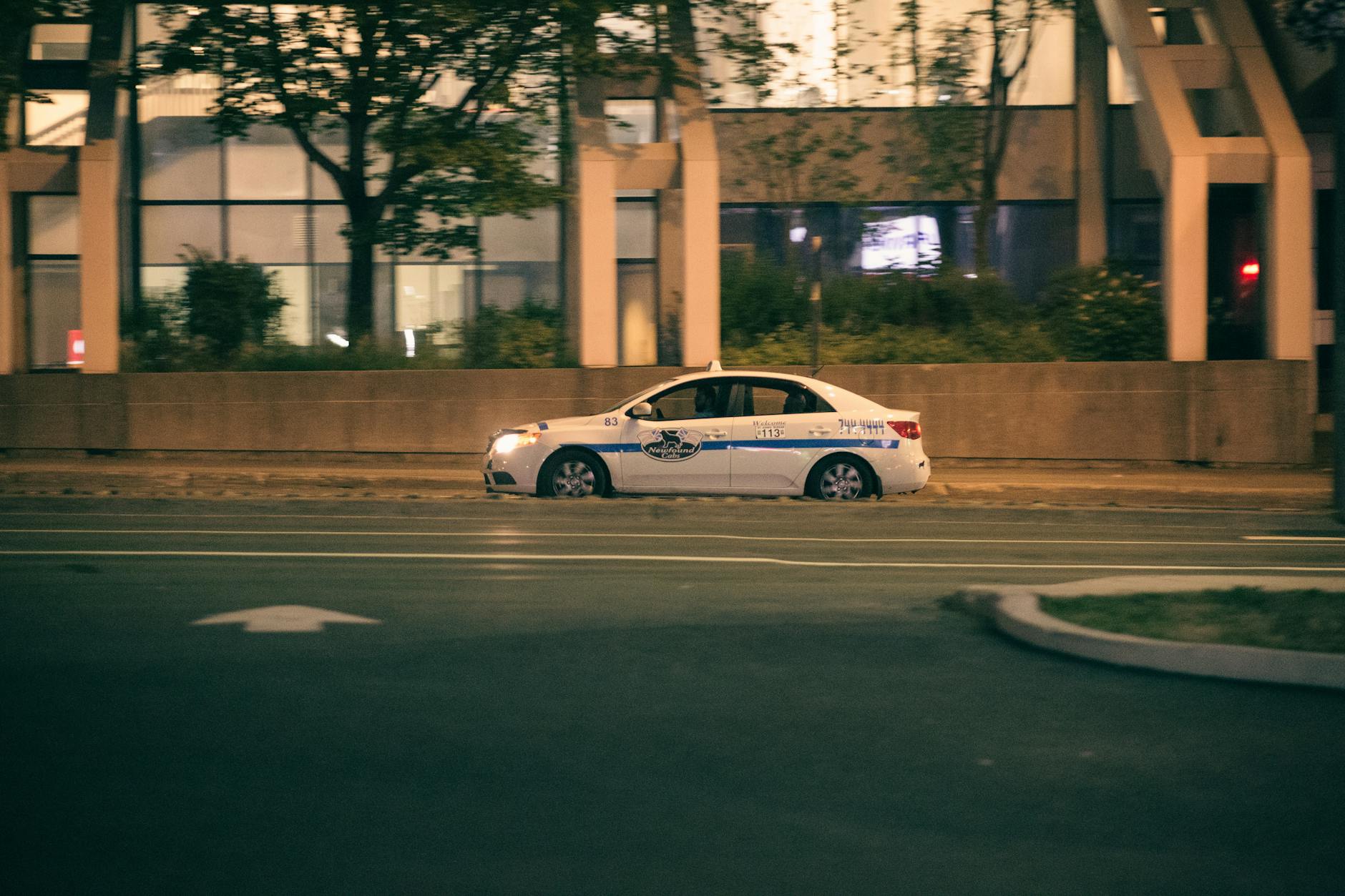
Montreal can be a rewarding stopover city because a traveler with enough time can turn a connection into a real taste of the city: Old Montreal, a proper meal, a market, a park, a downtown walk, or a controlled overnight before moving on. It can also punish optimism. YUL timing, immigration, baggage, traffic, winter weather, hotel location, and the next flight or train all matter more than the traveler's desire to squeeze in one more stop. The stopover traveler should not ask, 'What can I see in Montreal?' until the connection math is honest. The better question is how much city time remains after arrival risk, transfer time, luggage handling, security, return buffer, food, and rest are protected.
Do the connection math before choosing sights
A Montreal stopover starts with timing, not attractions. The traveler should count arrival delay risk, immigration or domestic arrival process, baggage, transfer time, hotel check-in, meal needs, return-to-airport buffer, security, and the next departure. Only the time left after those pieces should be treated as usable city time.
This is especially important in winter or with a late-night arrival. A short stopover can still be satisfying, but it should be built around one controlled city block rather than a fantasy of crossing Montreal several times.
- Subtract arrival, baggage, immigration, transfer, hotel, security, and return-buffer time before planning the city.
- Use one controlled city block when the layover is short or weather is difficult.
- Avoid judging the stopover by map distance alone.

Choose airport, downtown, or Old Montreal on purpose
The hotel base should match the stopover's real purpose. An airport hotel may be right for an early departure, weak weather, or a traveler who needs sleep more than sightseeing. A downtown base can work when transit, business, rail, or a single meal is the goal. Old Montreal can be excellent for a longer overnight with enough margin, but it may be wrong for a tight morning flight or heavy luggage.
The traveler should not choose the prettiest base by default. A stopover hotel is a timing tool first and an atmosphere decision second.
- Use an airport hotel for early departures, weak weather, fatigue, or tight margins.
- Use downtown or Old Montreal only when the connection window supports the extra movement.
- Check luggage storage, late arrival, breakfast, checkout, and transfer reliability before booking.
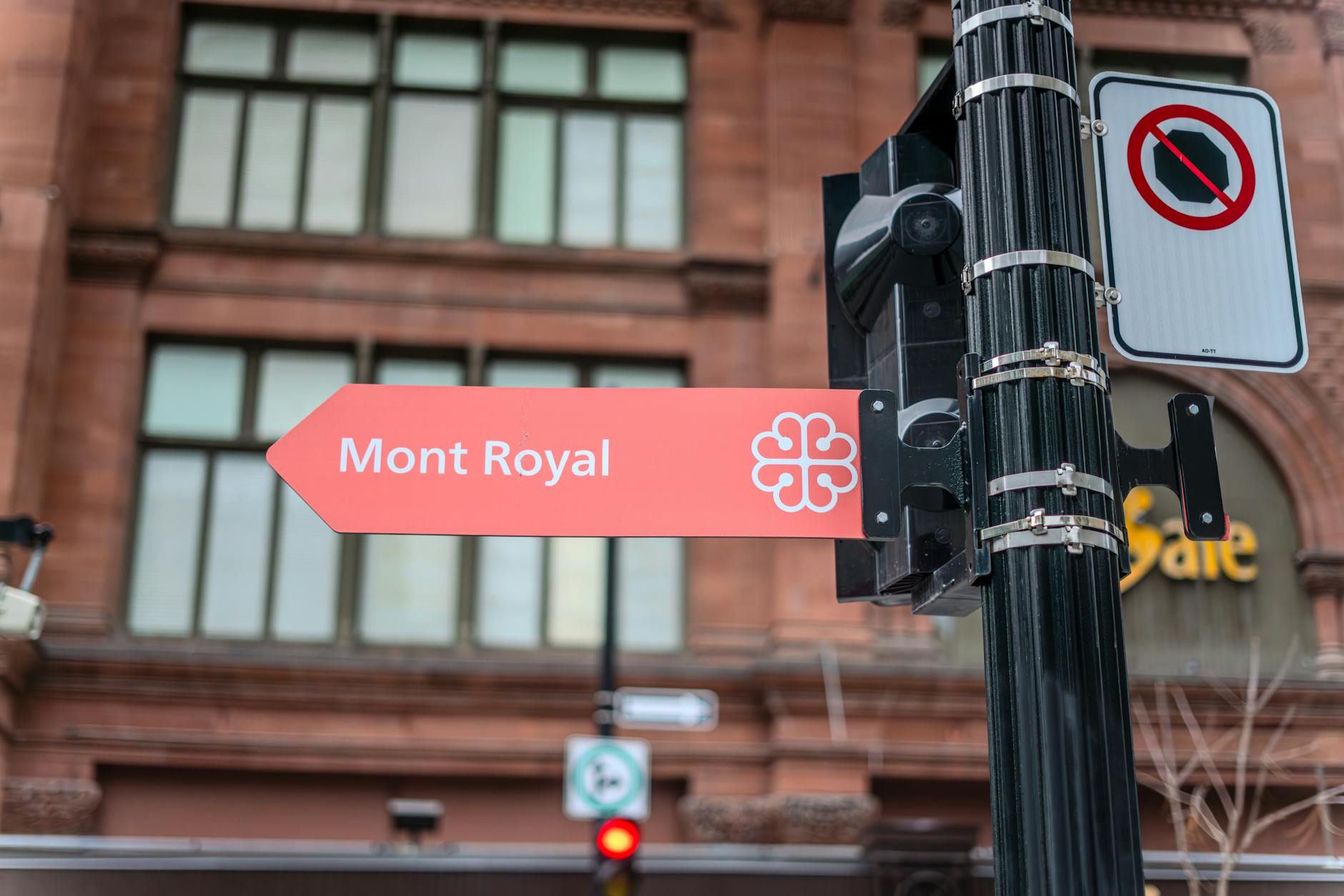
Control luggage before leaving the airport or hotel
Luggage is the stopover variable that quietly ruins good plans. A carry-on, winter coat, laptop bag, stroller, sports gear, or checked-bag uncertainty can change whether a city meal, metro ride, or cobblestone walk is sensible. The traveler should know what can be stored, what must stay with them, and what cannot be risked during a quick outing.
If luggage storage is uncertain, the city plan should become simpler. A stopover should not turn into a baggage-management problem disguised as sightseeing.
- Confirm bag storage before committing to city movement.
- Keep passports, medication, devices, chargers, documents, and essential valuables under control.
- Shorten the city route when bags, coats, children, or equipment make movement awkward.
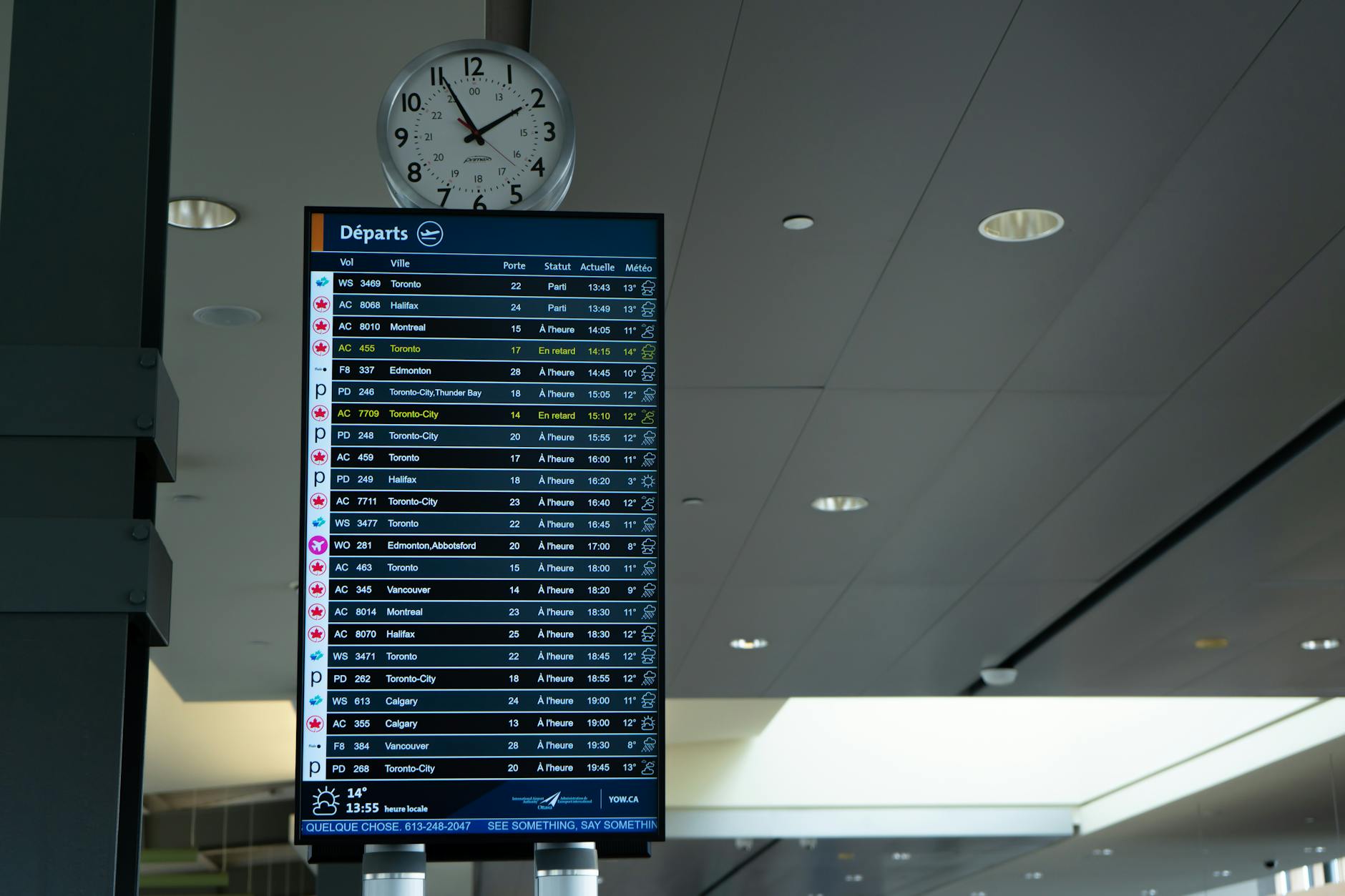
Pick one stopover win
The best Montreal stopovers usually choose one win: a good meal, Old Montreal, a short waterfront walk, a market, a downtown business meeting, a quiet hotel recovery, or a simple neighborhood route. Trying to combine several wins can leave the traveler with rushed food, weak photos, and anxiety about the next departure.
If the traveler has only a few hours, the route should stay near one district. If there is an overnight, the plan can add a second block, but the next morning's departure should still govern the evening.
- Choose one clear stopover goal instead of scattering attention across the city.
- Keep short layovers in one district and protect the return path.
- Let an overnight add a second block only if the next departure remains comfortable.
Respect winter, rain, and late arrivals
Weather matters more on a stopover than on a normal city trip because there is less room to recover. Snow, slush, rain, cold, heat, and wind can slow transfers, make walking less pleasant, and turn a clever route into an obligation. Late arrivals add fatigue and reduce the number of sensible options.
The traveler should set weather thresholds before arrival. If sidewalks, traffic, or fatigue make the city plan weaker than the hotel plan, the better stopover may be dinner, sleep, and a clean departure.
- Adjust transfer, walking, and meal plans for snow, slush, rain, cold, heat, and late arrivals.
- Use a hotel-focused stopover when weather or fatigue makes the city route too fragile.
- Do not let a short connection depend on perfect conditions.

Protect the onward leg
A stopover is successful only if the onward leg remains protected. The traveler should avoid late dinners, long cross-city walks, alcohol, shopping, or extra meetings when those choices threaten sleep, packing, check-in, security, or an early departure. A memorable Montreal evening is not worth a damaged next day.
The plan should include an alarm strategy, documents, charging, breakfast, transport booking if needed, and a hard return time. Stopover travel rewards discipline because the schedule has no spare day to absorb mistakes.
- Protect sleep, charging, documents, packing, breakfast, and the departure transfer.
- Set a hard return time for meals, walks, meetings, or nightlife.
- Avoid adding activities that create risk for the next flight, train, or drive.

When to order a short-term travel report
A traveler with a long overnight, no bags, and a flexible next departure may not need a custom Montreal report. A report becomes useful when the stopover has tight timing, international arrival uncertainty, checked luggage, winter weather, family or mobility needs, a business meeting, an early departure, or a desire to use Montreal without risking the onward leg.
The report should test YUL arrival and departure timing, transfer choices, hotel base, luggage handling, one-district city routes, meal timing, weather substitutions, return buffers, and what to cut if the connection tightens. The value is a stopover that uses Montreal only as much as the schedule can support.
- Order when connection timing, luggage, winter, hotel base, meetings, family needs, or onward travel risk affects the stopover.
- Provide flight or rail times, luggage status, hotel candidates, must-do priority, constraints, and risk tolerance.
- Use the report to decide whether to enter the city, stay near the airport, or keep the stopover deliberately small.