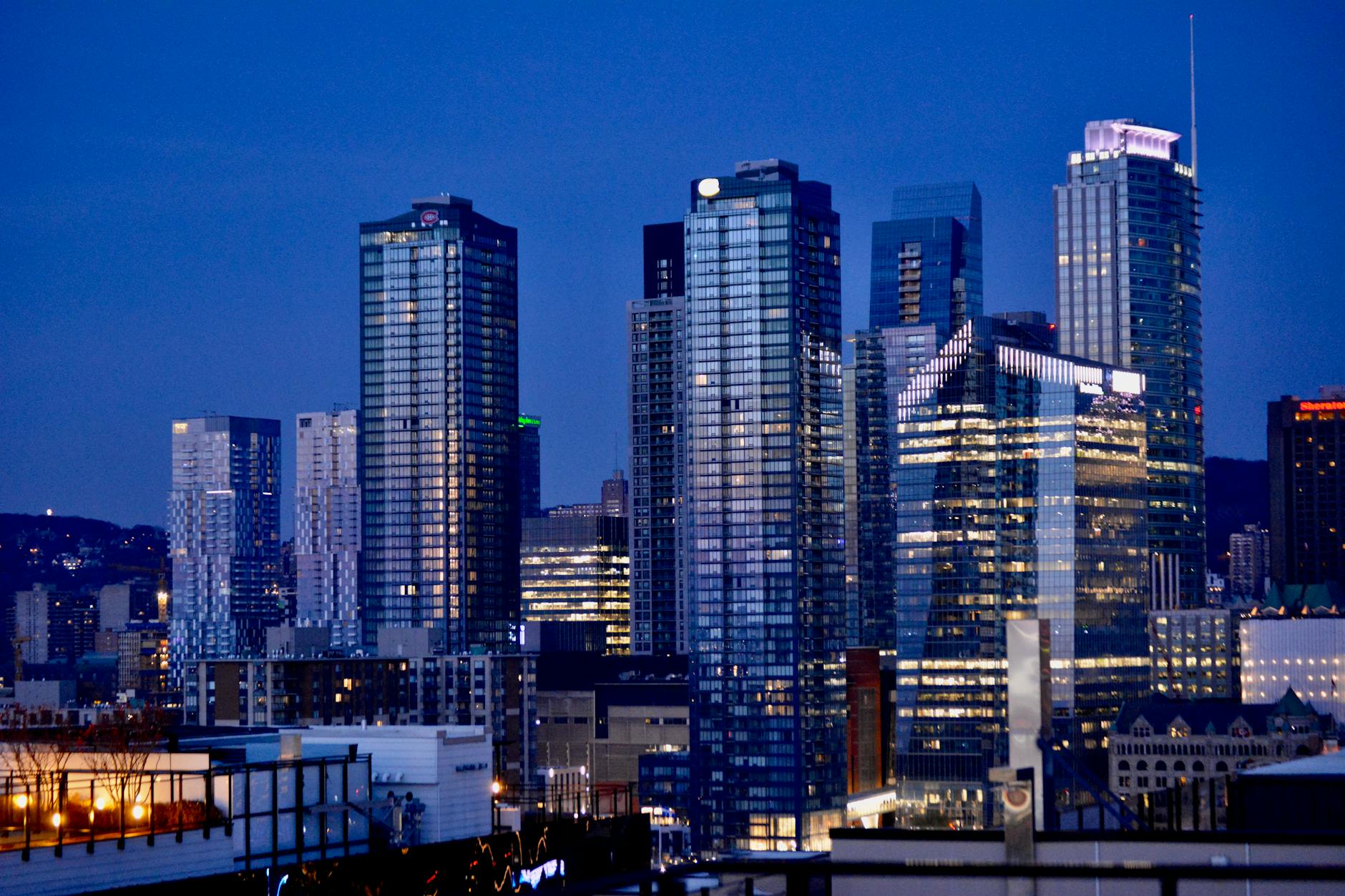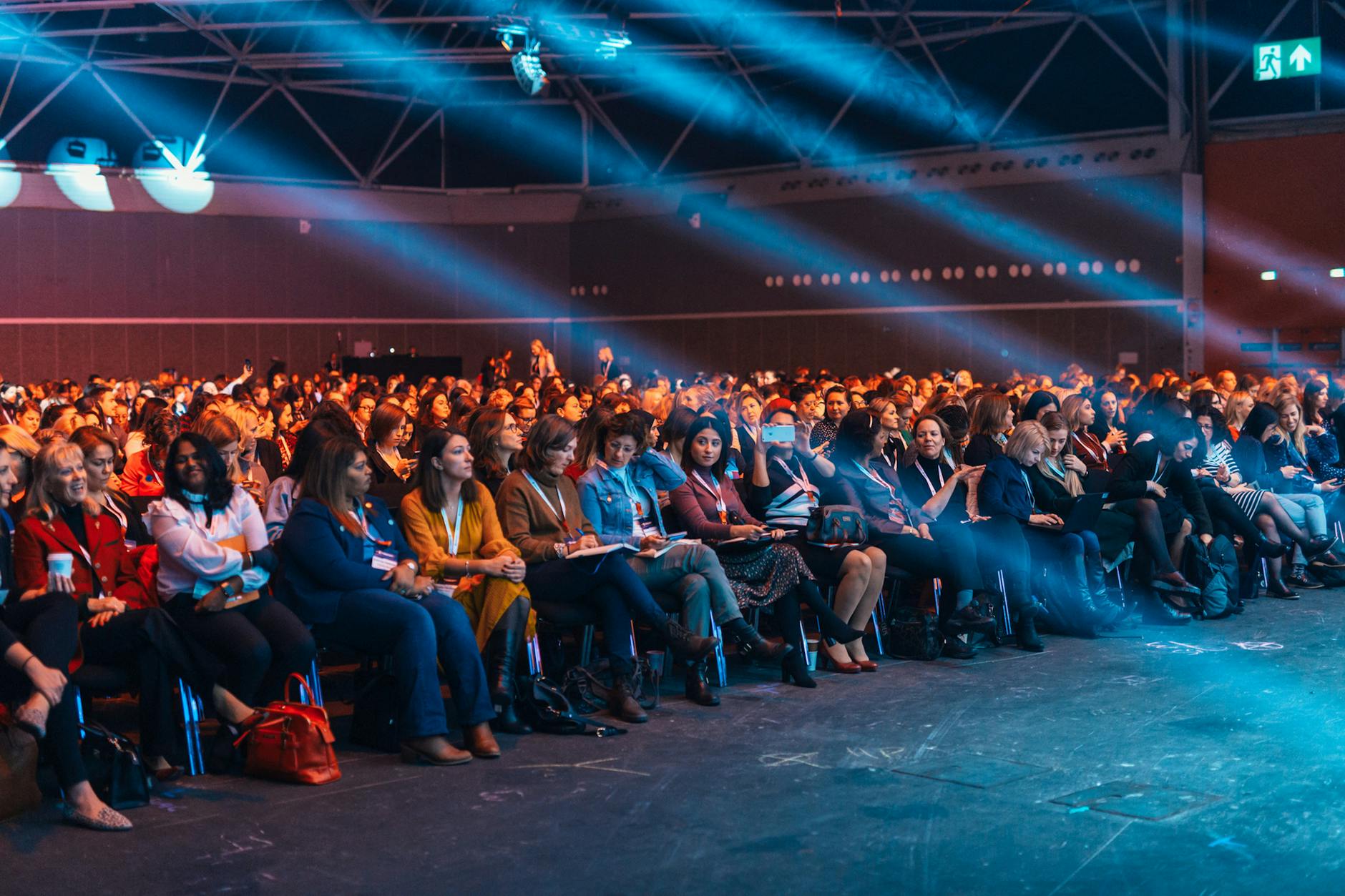
A Montreal trade-show trip has more moving parts than a standard conference visit. The attendee may be dealing with booth materials, samples, shipping windows, badges, client meetings, private demos, team schedules, dinners, venue load-in rules, and a hotel choice that affects both sales performance and daily fatigue. The city can support the trip well, but only if the event footprint is treated as the center of the plan. The trade-show attendee should not rely on general tourist logic. A good Montreal plan protects arrival timing, materials, team coordination, weather-adjusted movement, and the client-facing moments that justify the trip. Leisure and food can still be excellent, but they should not make the commercial day harder.
Map the event footprint and load-in reality
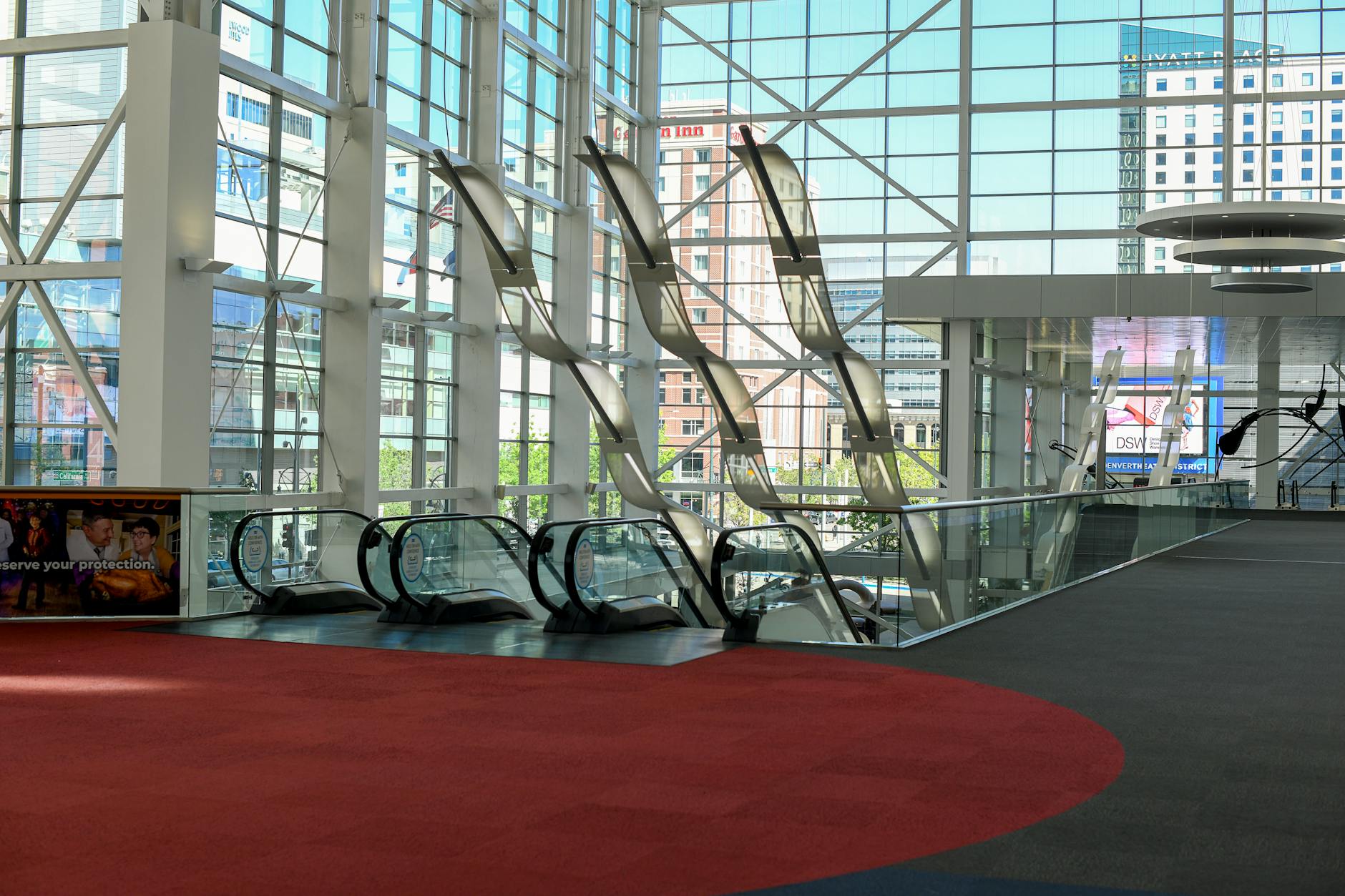
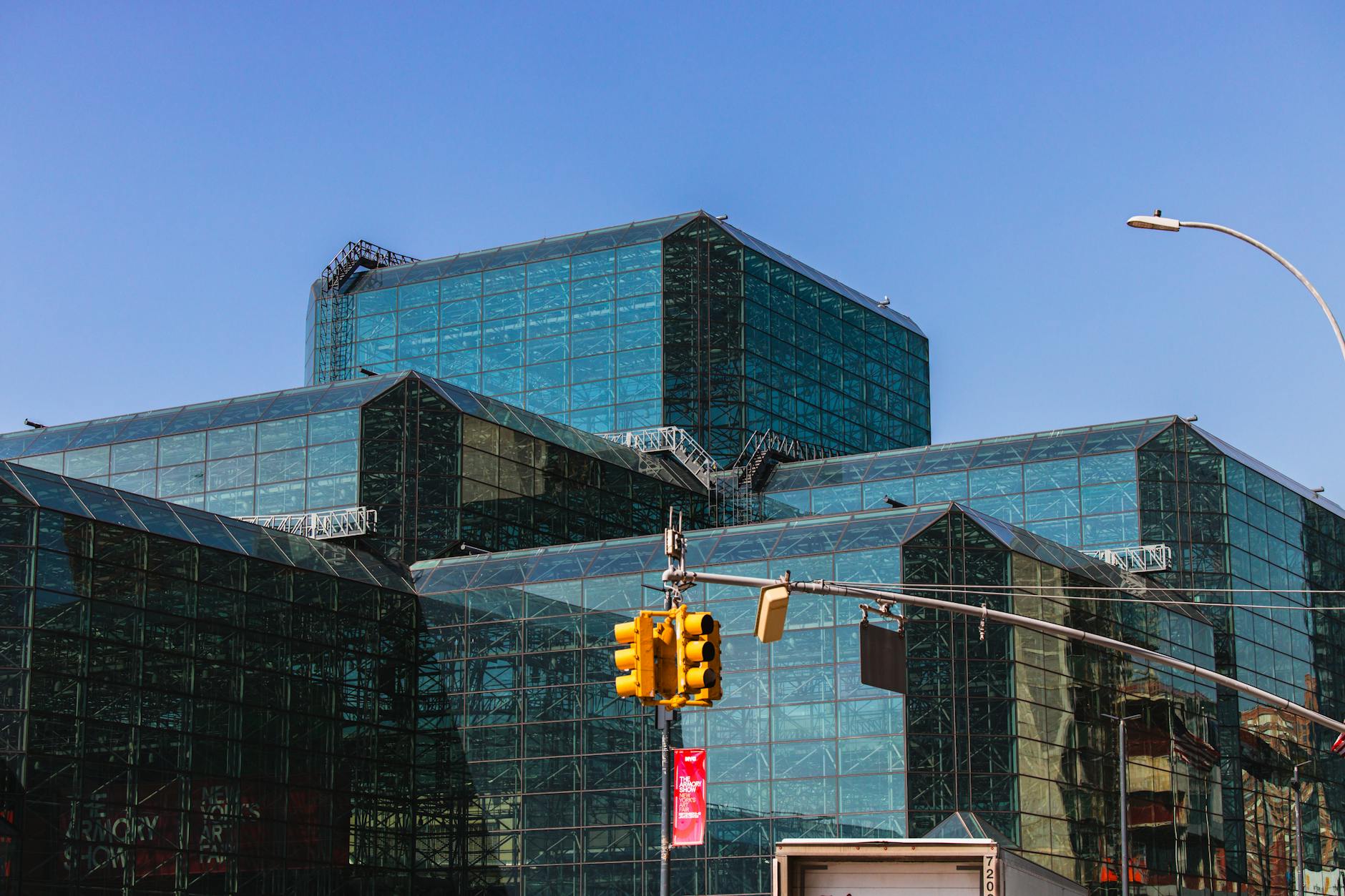
The attendee should map the venue, registration desk, exhibit hall, loading instructions, storage options, badge pickup, hotel block, client meeting points, and evening events before choosing a base. A hotel that works for a tourist may be wrong for a trade-show team carrying samples, signage, laptops, or demo equipment.
Load-in and teardown deserve real attention. Shipping deadlines, courier rules, booth access, storage, and after-hours policies can affect the whole trip. The traveler should not discover these details after landing at YUL.
- Map venue, exhibit hall, registration, loading rules, storage, hotel block, meetings, and evening events.
- Confirm shipping, courier, booth access, teardown, and after-hours policies before departure.
- Choose the hotel by trade-show function, not just rate or atmosphere.
Protect arrival day from false optimism
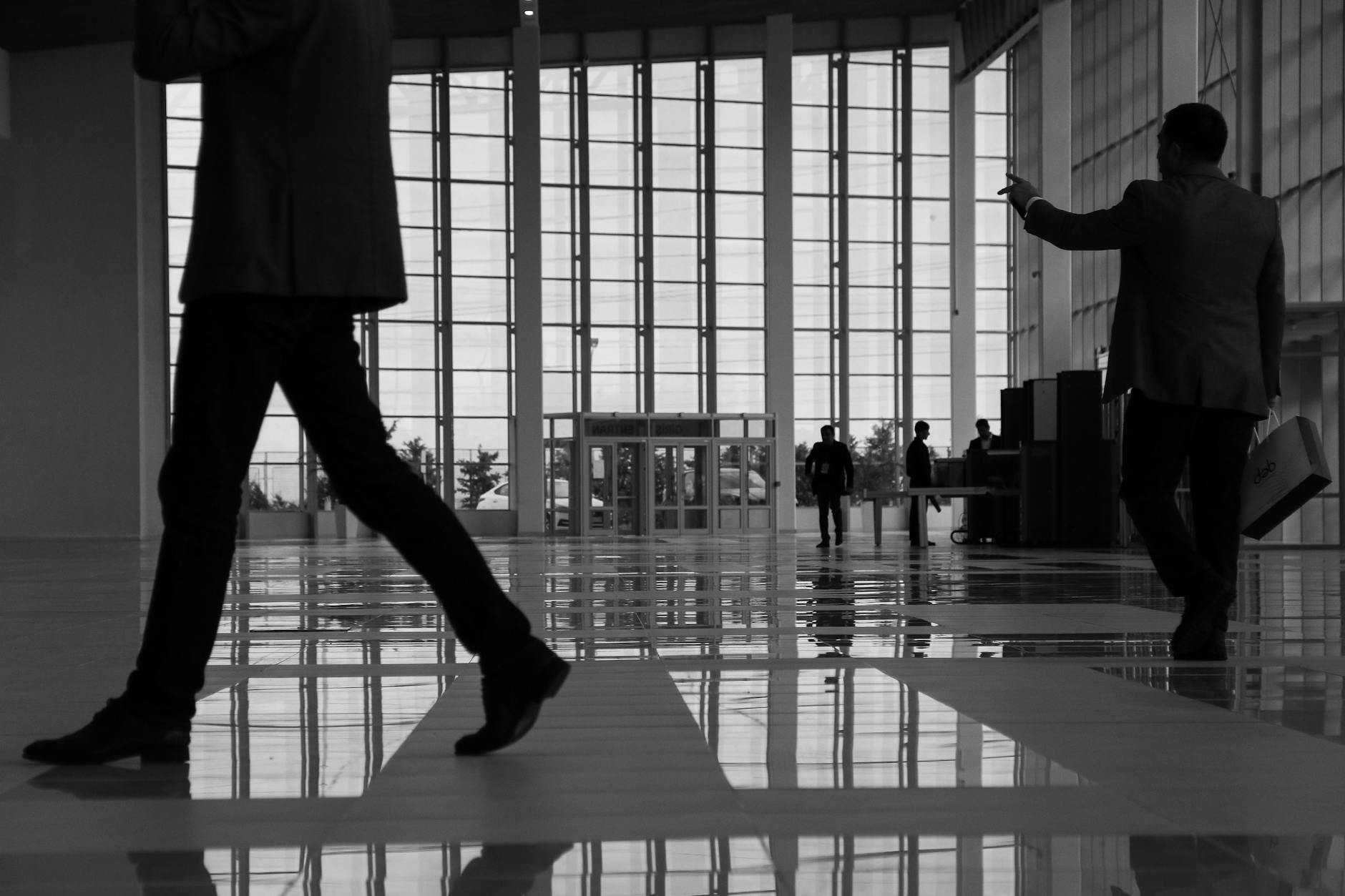
Trade-show arrival often has too many tasks compressed into too few hours: YUL landing, baggage, hotel check-in, booth materials, badge pickup, setup, first meetings, team briefing, device charging, and dinner. If a flight arrives close to setup or a reception, the plan should be clear about what can slip and who owns the backup.
The first day should separate critical setup from nice-to-have activity. A smooth evening in Montreal is useful, but only after the booth, materials, and next morning are under control.
- Add buffer for YUL arrival, baggage, check-in, badge pickup, setup, materials, and team briefing.
- Assign ownership for booth, samples, devices, documents, and first client contacts.
- Do not schedule the first high-value meeting against an optimistic transfer.
Choose the hotel for booth days
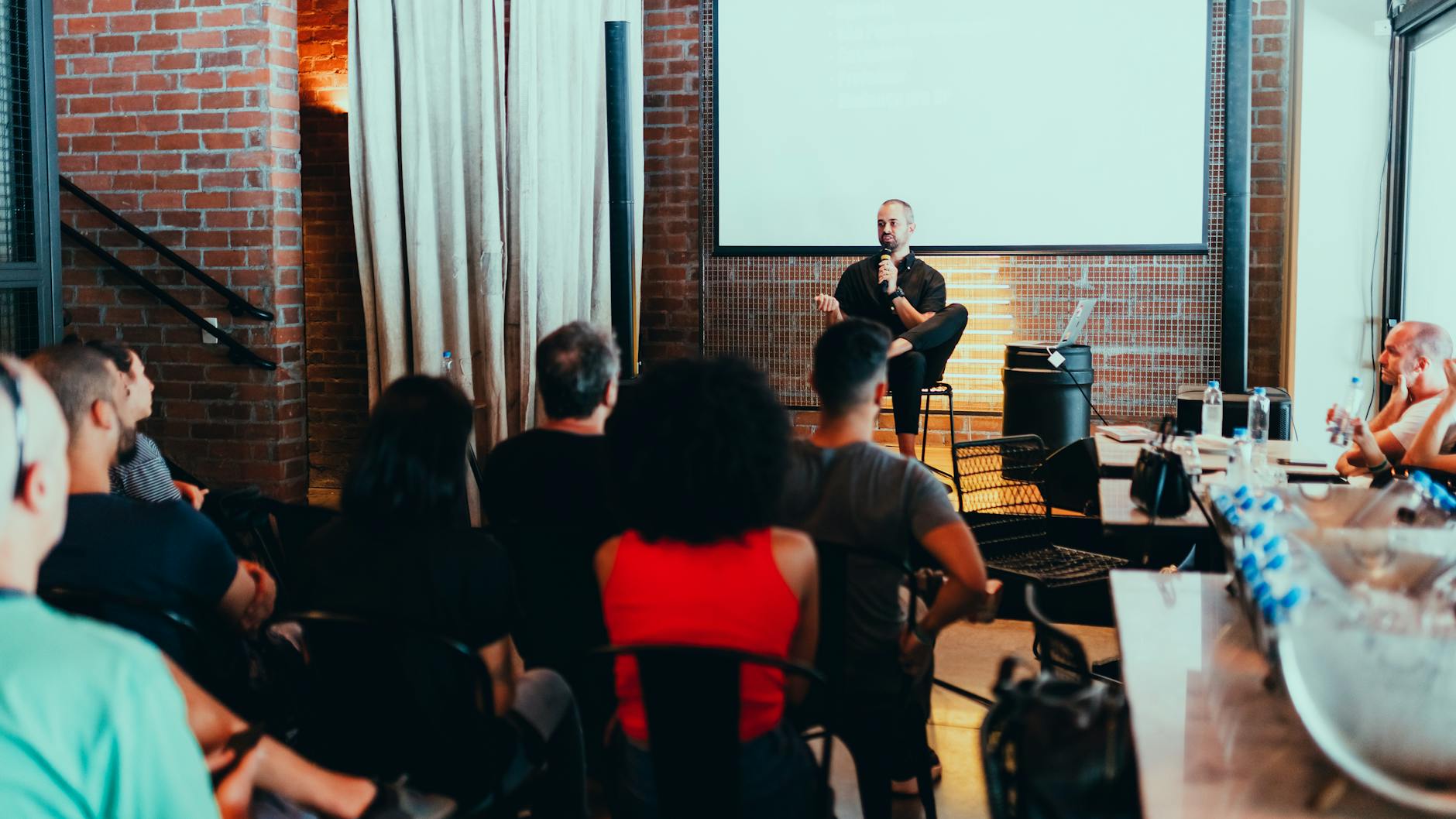
The best hotel for a Montreal trade show is the one that makes booth days easier. Early access, reliable taxis, short routes, breakfast, quiet rooms, room to repack samples, laundry or pressing, luggage storage, and nearby late food can matter more than charm. If the team splits across hotels, coordination becomes harder each morning.
Some attendees benefit from staying near the venue. Others need a downtown or Old Montreal base because client dinners and side meetings drive the trip. The right choice depends on where the commercial value is created.
- Choose lodging by booth access, taxi reliability, breakfast, quiet, storage, and sample handling.
- Keep the team close enough to coordinate morning departures and evening debriefs.
- Use venue-adjacent, downtown, or Old Montreal lodging for different trade-show priorities.
Plan client meals and side meetings carefully
Client meals are not generic dining decisions. A trade-show dinner may need privacy, a controllable noise level, a reservation that survives delays, a route that works in winter, and a return plan that protects the next morning. Montreal has strong restaurants, but a famous room is not useful if it undermines the business purpose.
Side meetings should be grouped by district when possible. A rushed coffee across town between exhibit shifts can burn more time than it creates value. The attendee should use meals and meetings as extensions of the event strategy.
- Choose restaurants by privacy, noise, timing, weather exposure, and return route.
- Group coffees, demos, and side meetings near the venue or hotel when possible.
- Keep a venue-adjacent fallback for delayed exhibit days.
Manage devices, samples, and confidential material
Trade shows create messy information environments. Laptops, badges, lead scanners, printed pricing, samples, prototypes, contracts, and private notes move between booths, hotels, restaurants, taxis, and receptions. The attendee should decide what is carried, what is locked, what is shipped, and what is never left in a public place.
Device power and connectivity also matter. A dead phone, missing adapter, failed demo file, or unsecured presentation can damage a day that was otherwise well planned. The practical kit should be checked before the first booth hour.
- Control laptops, badges, samples, pricing, contracts, lead data, and demo equipment.
- Prepare chargers, adapters, batteries, offline files, and backup presentation paths.
- Decide what gets carried, locked, shipped, or left at the hotel.
Respect weather, standing time, and team fatigue
Montreal weather and trade-show fatigue can compound each other. Long booth hours, winter coats, wet shoes, slush, delayed taxis, late dinners, and early meetings can make a short trip feel much heavier than expected. The team should plan clothing, footwear, coat check, meal timing, and recovery windows with the exhibit schedule in mind.
Standing all day also changes evening decisions. A valuable dinner may be worth it. A vague late outing may not be. The strongest plan protects the next day's commercial performance.
- Plan footwear, coats, winter routes, meals, and recovery around booth hours.
- Use taxis, shorter walks, and nearby meals when weather and fatigue accumulate.
- Cut low-value evening plans before they damage the next trade-show day.
When to order a short-term travel report
A solo attendee with no materials and a venue hotel may not need a custom Montreal report. A report becomes useful when the trip involves booth freight, samples, demos, a team, winter weather, multiple client dinners, side meetings, confidential material, mobility constraints, or uncertainty about whether the hotel and venue geography will support the business goal.
The report should test venue access, hotel base, YUL transfer, load-in timing, booth-day routes, client meal strategy, materials handling, team movement, weather substitutions, evening returns, and what to cut if the schedule is too dense. The value is a trade-show trip that keeps commercial attention where it belongs.
- Order when booth materials, team logistics, winter, client dinners, side meetings, or venue geography affects the outcome.
- Provide venue details, event schedule, hotel candidates, flight times, booth needs, meeting list, and constraints.
- Use the report to protect sales and relationship work before adding leisure.