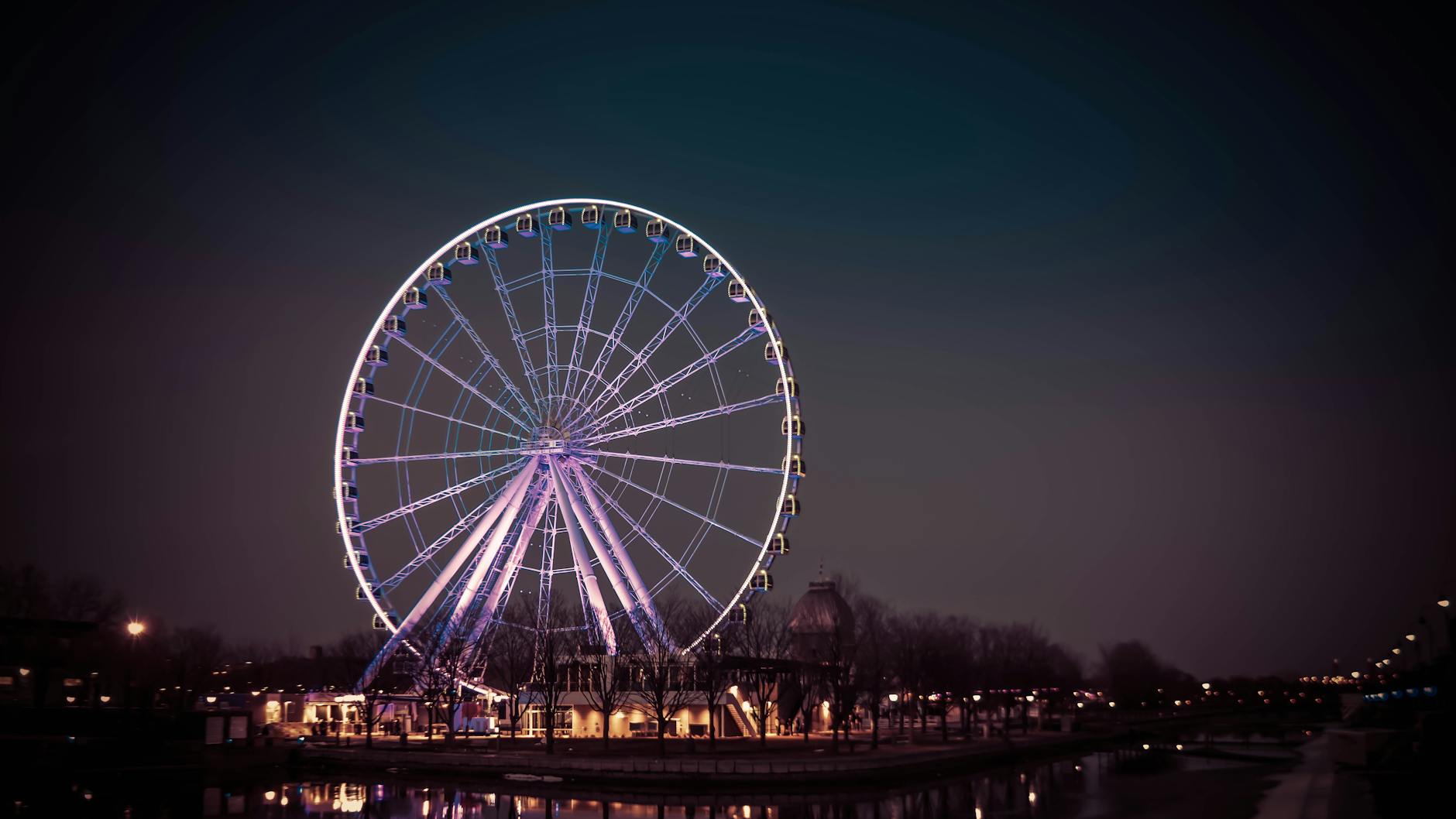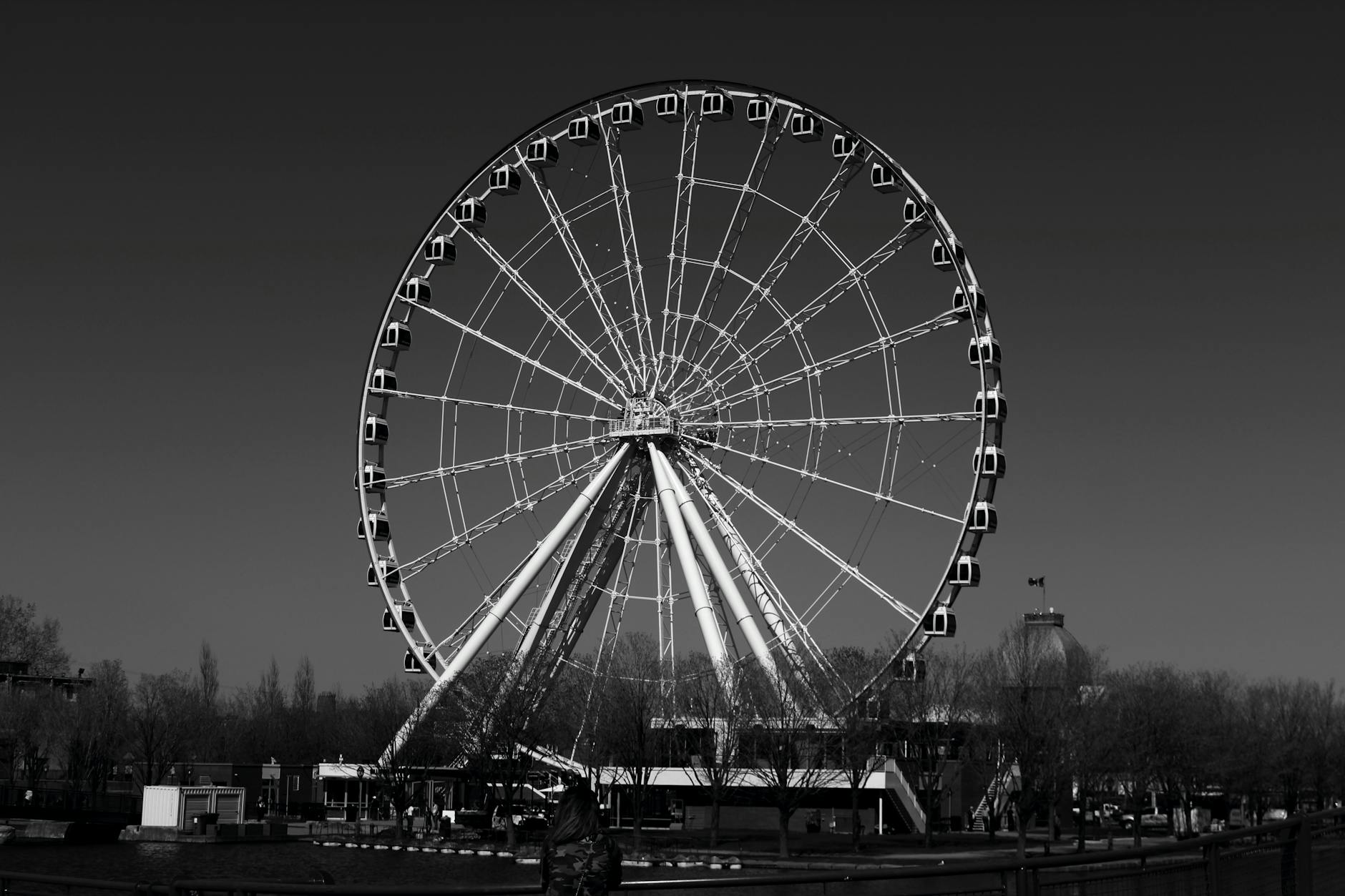
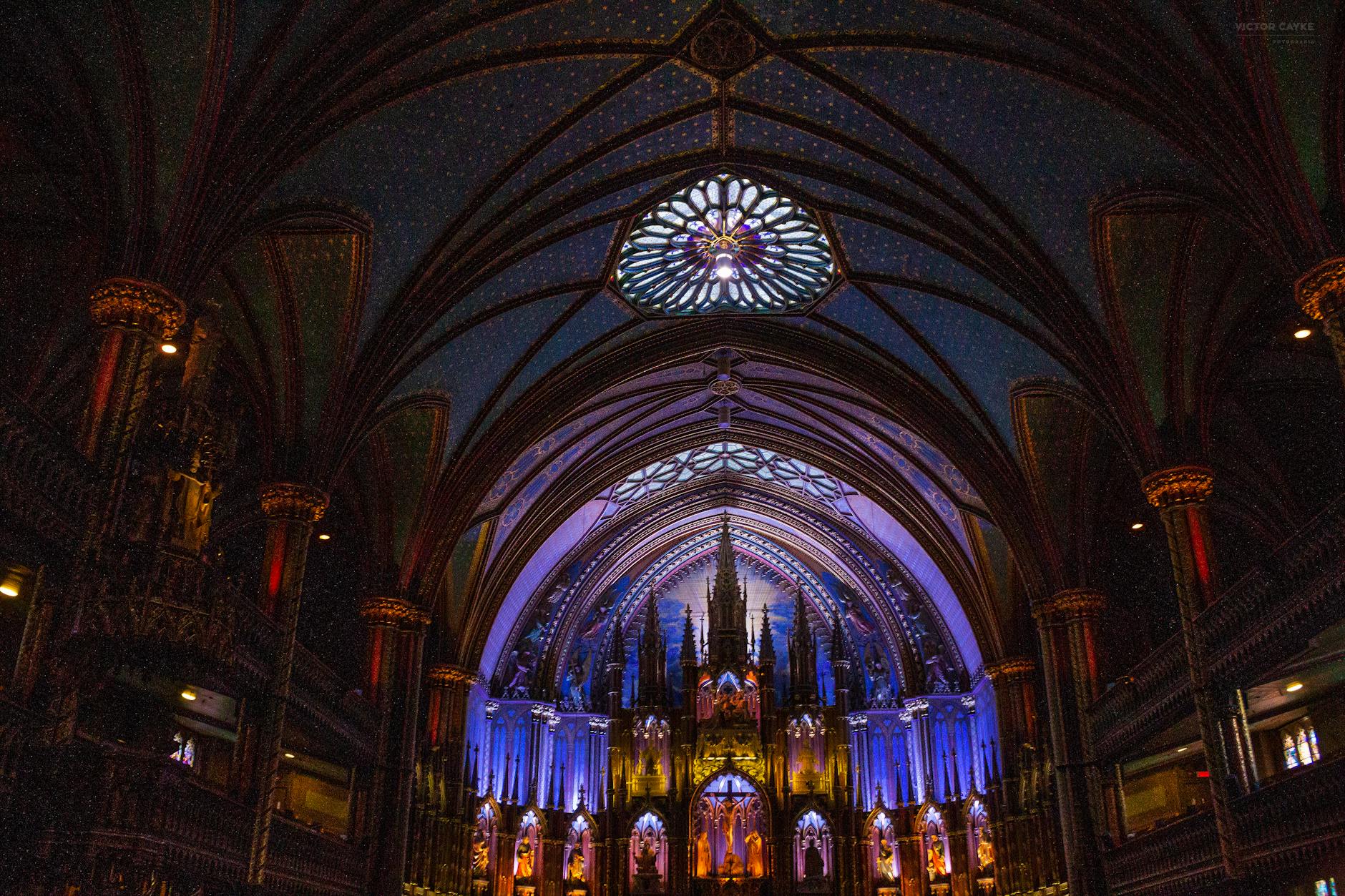
Montreal gives tourists a strong first layer: Old Montreal, the Old Port, Notre-Dame Basilica, Mount Royal, museums, gardens, markets, food streets, festivals, and neighborhoods with enough personality to make even a short stay feel distinct. The challenge is not finding things to do. The challenge is deciding which Montreal the trip is actually trying to experience. A tourist who treats the city as a checklist can spend the whole visit crossing town, waiting in lines, misjudging weather, and eating at the wrong time. A better plan groups the city into a few coherent days, gives enough time for walking and meals, and accepts that Montreal is more rewarding when the traveler lets neighborhoods breathe.
Decide which first Montreal matters most
A tourist can build several different short trips in Montreal. One version is heritage-heavy, with Old Montreal, Notre-Dame Basilica, the Old Port, cobbled streets, and riverfront views. Another is food-and-neighborhood focused, moving through Plateau, Mile End, Little Italy, markets, bakeries, and casual restaurants. Another uses museums, gardens, Mount Royal, and downtown as the main frame.
Those versions can overlap, but they should not all compete equally in a two- or three-day stay. The visitor should choose the trip's center of gravity first, then add supporting stops that fit the route. Montreal is much stronger when it feels like a city being inhabited for a moment, not a list being exhausted.
- Choose whether the trip is led by heritage, food neighborhoods, museums, gardens, or city views.
- Group attractions by area instead of crossing town for disconnected highlights.
- Leave enough unclaimed time for walking, meals, weather delays, and spontaneous stops.
Use Old Montreal without letting it take over
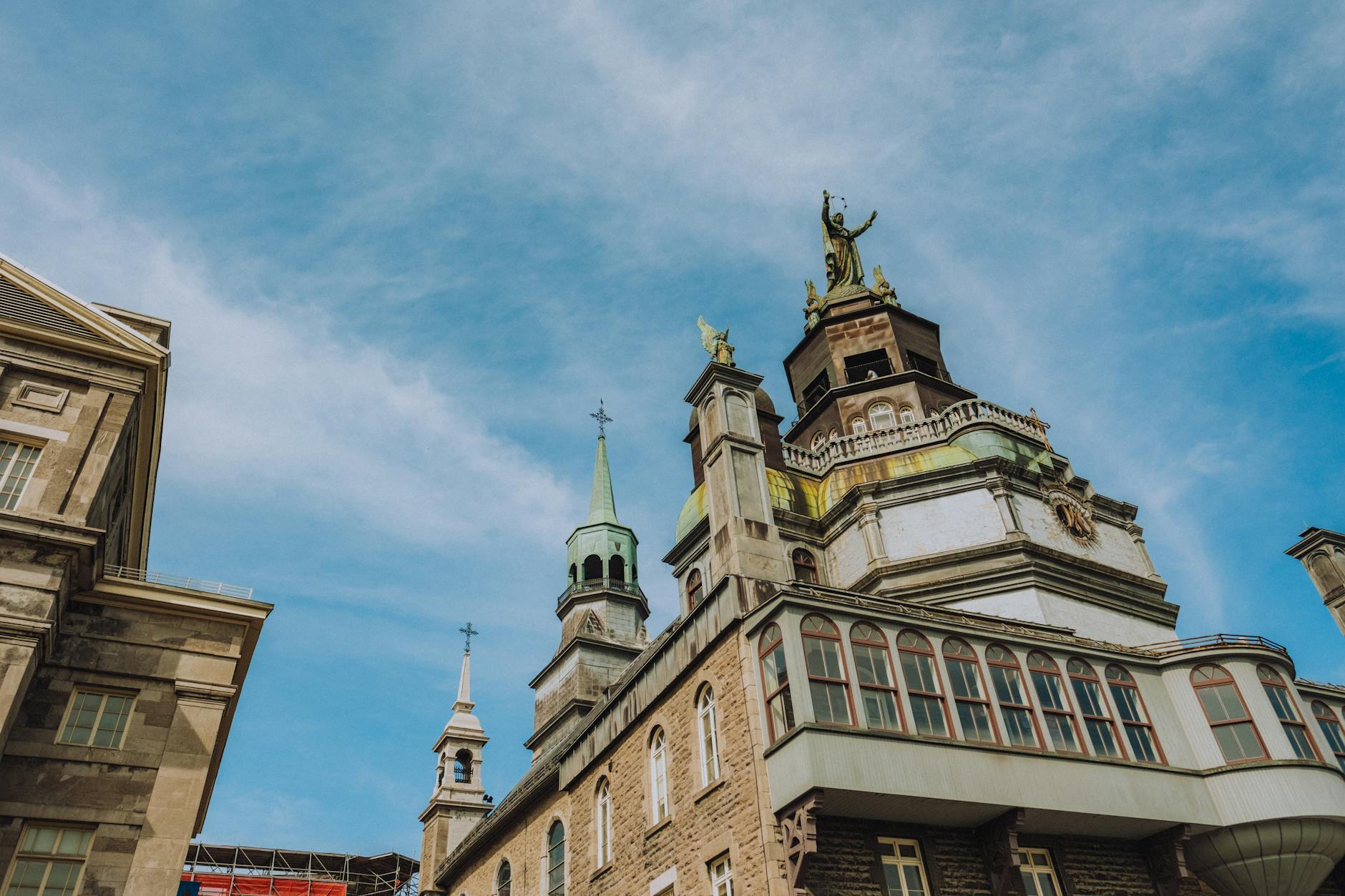
Old Montreal is the obvious tourist anchor, and it earns that role. The basilica, stone streets, Old Port, chapel views, restaurants, waterfront attractions, and evening atmosphere all make it one of the easiest places to feel that the trip has started. It also attracts crowds, has uneven surfaces, and can absorb more time than expected if the visitor keeps adding one more lane, shop, or photo stop.
The tourist should decide whether Old Montreal is a half-day, an evening, or the hotel base. Each choice changes meals, shoes, transit, winter comfort, and how much energy remains for the rest of the city.
- Treat Old Montreal as a planned block, not an endless overflow zone.
- Account for crowds, cobblestones, winter surfaces, tickets, and restaurant timing.
- Pair Old Montreal with the Old Port or a nearby dinner instead of adding unrelated cross-city stops.
Plan Mount Royal by weather and stamina
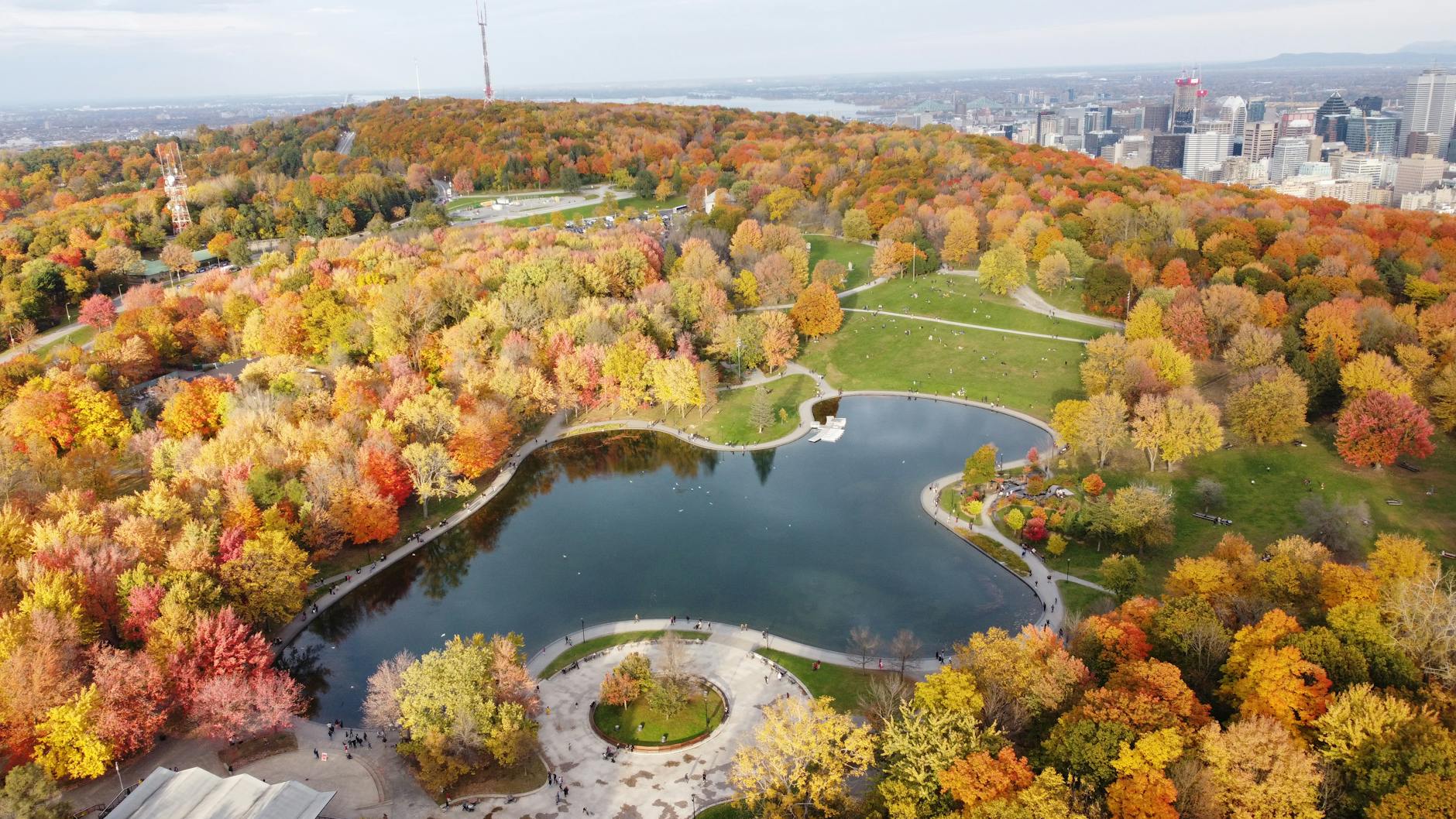
Mount Royal can be one of the best tourist decisions in Montreal because it gives the city shape. The view, park paths, fall color, winter atmosphere, and sense of scale help a visitor understand where the neighborhoods sit. It is also a stop that depends heavily on weather, footwear, daylight, and the traveler's appetite for walking uphill or arranging a simpler access route.
The mistake is adding Mount Royal as a casual spare-hour item after a heavy day. If the view matters, give it a proper place in the itinerary. If the weather is poor, replace it with a museum, market, or indoor route rather than forcing the plan.
- Use Mount Royal for orientation, views, park time, and seasonal atmosphere.
- Check daylight, weather, footwear, walking effort, and route access before committing.
- Move the visit earlier in the day if the view is a real priority.
Match gardens and museums to the season
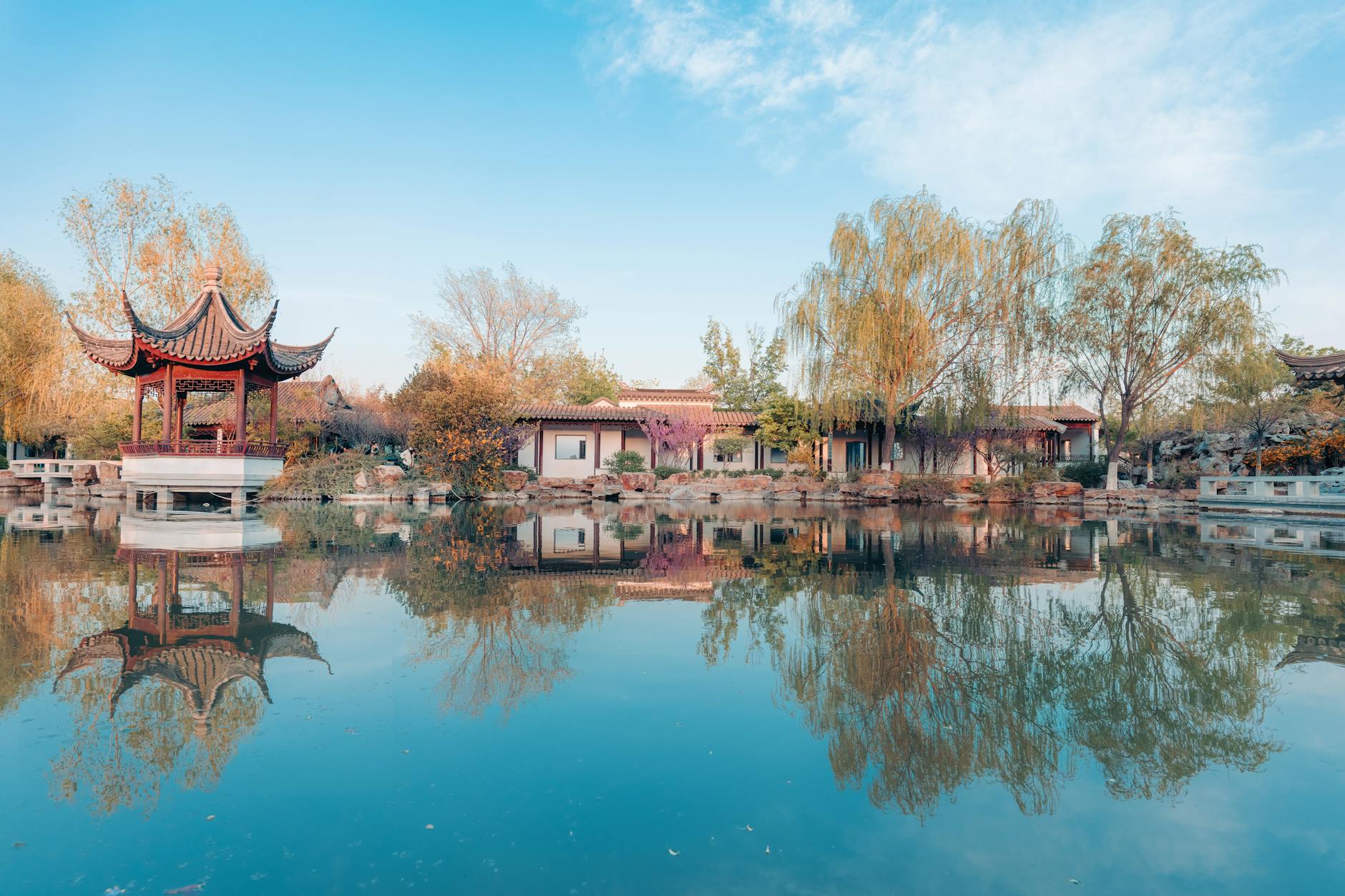
Montreal's gardens and museums can rescue a short trip from becoming only streets, meals, and views. The Botanical Garden, museum districts, exhibitions, and indoor cultural stops are especially valuable when the weather is hot, wet, icy, or too cold for long outdoor wandering. They also help families, older travelers, and first-time tourists slow the pace without losing quality.
These stops should be chosen by season and location. A garden-heavy day in good weather is different from an indoor museum afternoon in February. The visitor should not treat every cultural stop as interchangeable just because it appears on a tourism list.
- Use gardens and museums to balance outdoor touring, food stops, and weather exposure.
- Choose cultural stops by season, opening hours, district, and travel party stamina.
- Do not stack too many ticketed visits into a short Montreal stay.
Make food part of the route
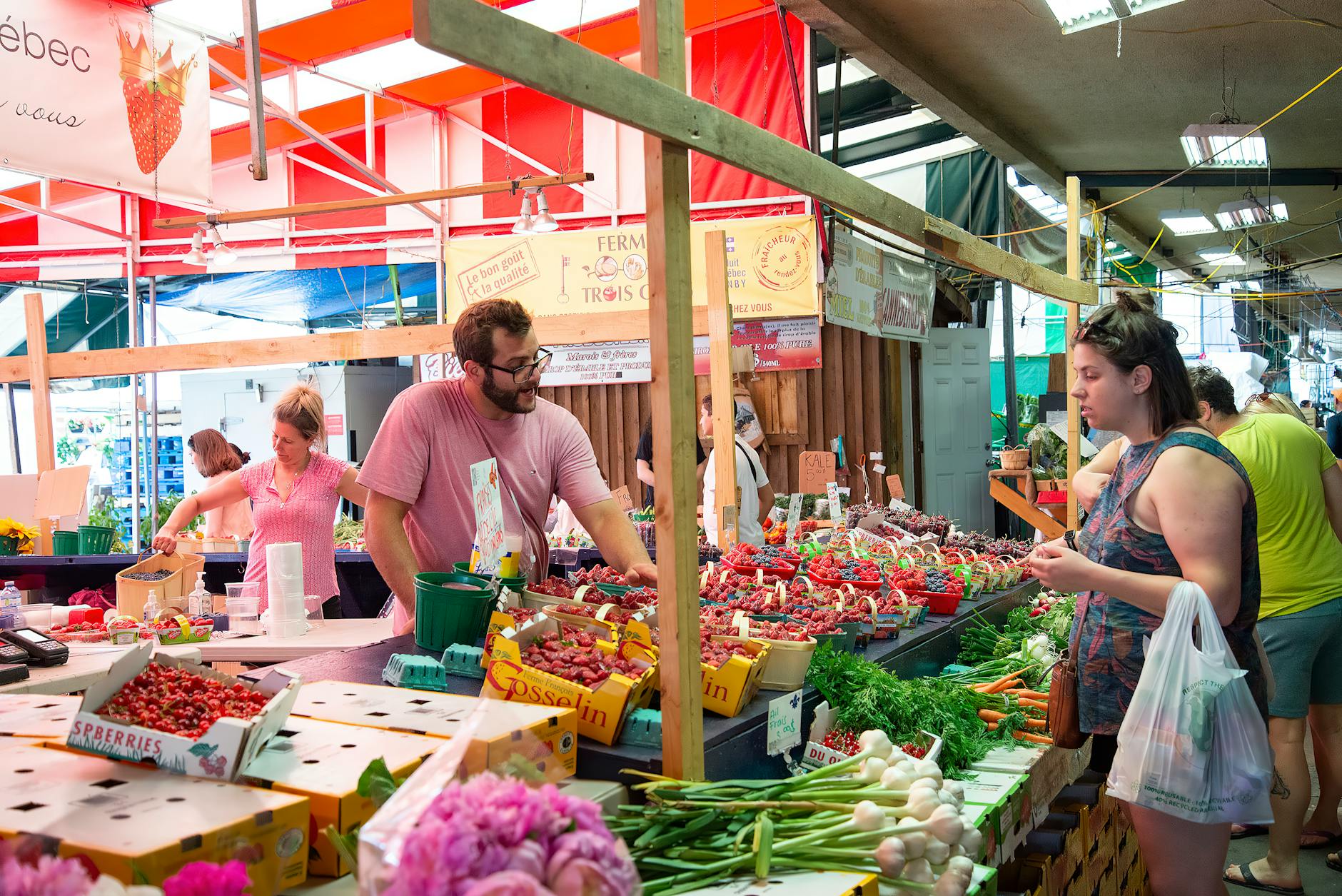
Food is one of Montreal's strongest tourist reasons, but it works best when it is routed intelligently. Bagels, markets, bakeries, smoked meat, wine bars, cafes, neighborhood restaurants, Chinatown, Little Italy, Plateau, Mile End, and Old Montreal can all compete for attention. The visitor should decide which meals are destinations and which are simply fuel.
A good food plan avoids long waits when the day is already tight, keeps a few backup meals near the hotel, and does not send the traveler across the city for one famous bite at the cost of the whole afternoon. Montreal rewards eating well, not eating chaotically.
- Separate destination meals from practical meals before the trip begins.
- Group markets, bakeries, cafes, and restaurants by neighborhood route.
- Keep hotel-near and weather-safe meal backups for tired evenings or crowded days.
Handle transit, weather, and language basics
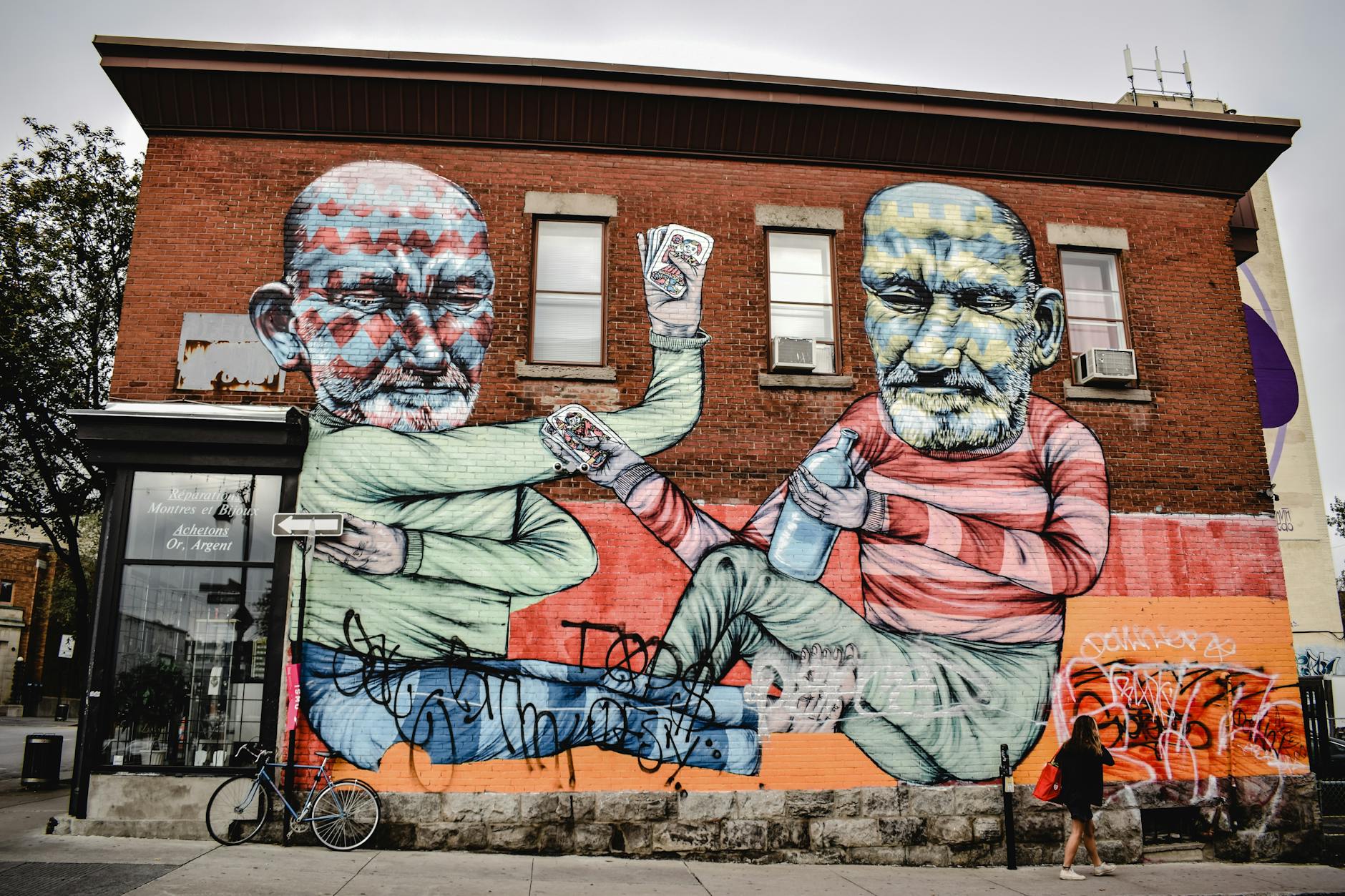
Montreal is not difficult for tourists, but small practical gaps can lower the quality of the visit. The traveler should understand the metro route for each day, where taxis or ride pickup make more sense, how winter or rain changes walking, and when a route that looks simple on a phone becomes awkward with bags, fatigue, or children.
Basic French courtesies are useful, even when English is widely available in many visitor settings. The point is not linguistic perfection. It is respect and smoother entry into shops, cafes, markets, and neighborhoods that are not built solely around tourists.
- Check metro routes, final walking distances, taxi alternatives, and weather exposure for each day.
- Use basic French greetings and courtesies in service settings.
- Keep the plan flexible enough to absorb winter, rain, crowds, or tired travelers.
When to order a short-term travel report
A tourist with a central hotel, mild weather, and a flexible plan may not need a custom Montreal report. A report becomes useful when the traveler has only a short window, is choosing between Old Montreal and downtown, wants strong food planning, is visiting in winter, has family or mobility constraints, or is trying to combine classic sights with neighborhoods without turning the trip into a forced march.
The report should test hotel base, arrival transfer, Old Montreal timing, Mount Royal access, gardens and museums, food routing, metro and taxi choices, weather substitutions, and what to cut if the plan is too ambitious. The value is a Montreal tourist trip that feels full because it is disciplined.
- Order when timing, hotel base, winter weather, food routing, constraints, or attraction overload affects the trip.
- Provide hotel candidates, travel dates, must-see sights, food priorities, arrival time, constraints, and pace preferences.
- Use the report to decide what belongs in the trip and what should be left for another visit.