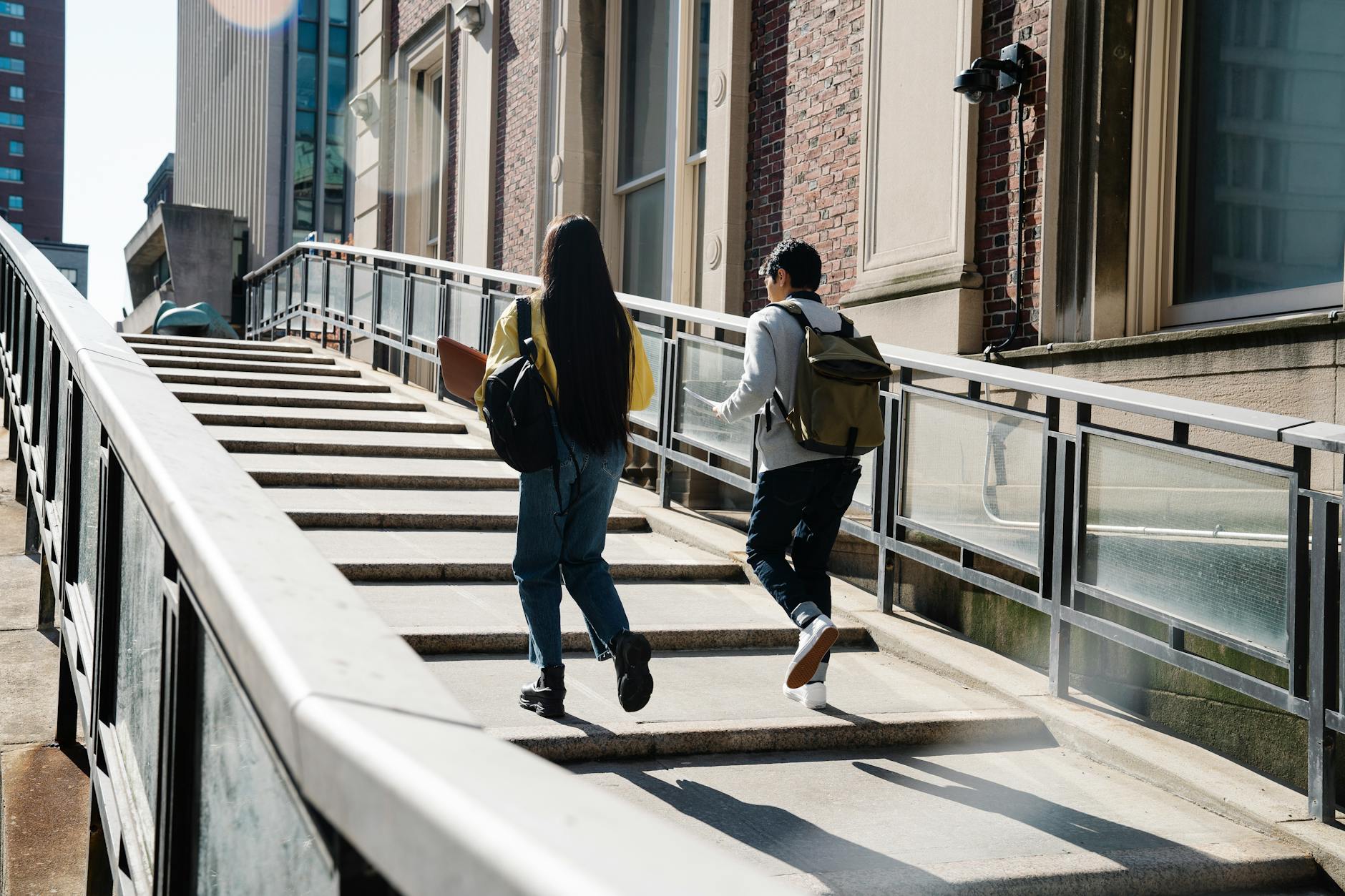
Montreal can be a strong city for a short academic, language, summer, exchange, or professional program because it combines major universities, bilingual culture, public transit, neighborhood life, cafes, parks, museums, and enough independence to feel like a real city experience. It also asks more planning from students than a campus brochure may imply. Housing location, winter clothing, transit, phone setup, food costs, late returns, and program obligations all matter. A good student plan is practical without becoming anxious. The student should know how to reach campus, where to eat affordably, what the first night looks like, how much independent time is realistic, and which parts of Montreal fit the program rather than distract from it.
Understand the campus and housing geography
The student should map the program location, housing, transit stops, grocery options, pharmacy, laundry, first-day check-in, and any required orientation meeting before arrival. Montreal's student experience changes depending on whether the program sits near downtown, a university campus, a language school, a residence, or a neighborhood apartment. A housing choice that looks affordable may create daily stress if the route is awkward or unsafe late at night.
Parents, program coordinators, and students should all be honest about independence level. A student who is new to urban transit, winter, or international travel needs a simpler first week than a student who already manages city life well.
- Map program site, housing, transit, groceries, pharmacy, laundry, and orientation location before arrival.
- Check the daily route in daylight, after dark, and in bad weather.
- Match housing independence to the student's actual travel experience.
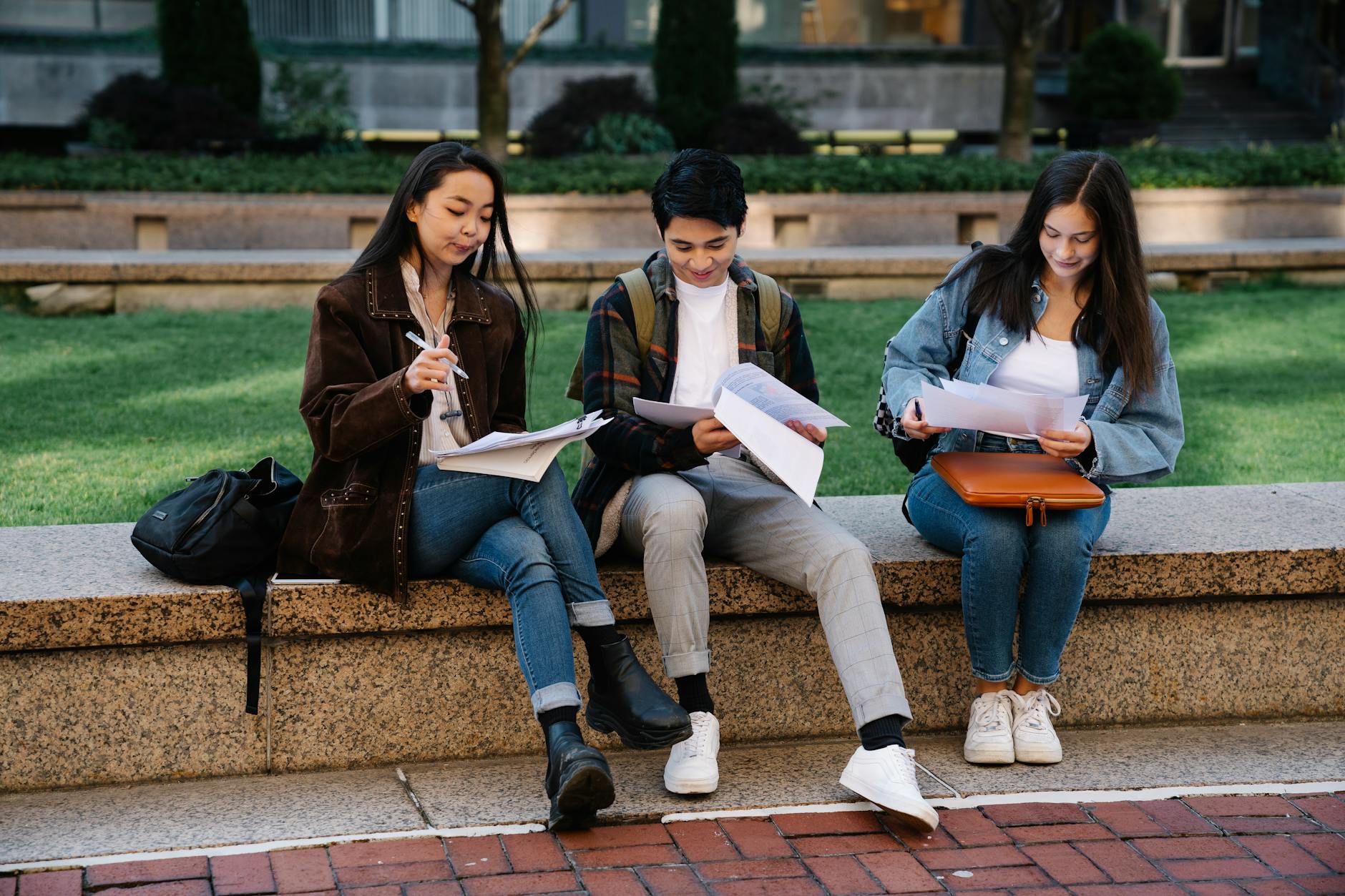
Make the first 24 hours boring on purpose
The first day should be simple: reach housing, check in, confirm Wi-Fi and phone access, buy essentials, identify the route to the program site, eat properly, and sleep. Montreal will still be there after the student is oriented. A first night built around wandering, late food, or complicated transit can create unnecessary risk and exhaustion.
The student should have offline addresses, program contacts, payment backup, a working phone plan, and a clear arrival route from YUL or the train station. The goal is not to make the trip dull. It is to make independence start cleanly.
- Keep arrival focused on housing, phone access, essentials, food, rest, and the route to class.
- Store addresses, contacts, payment backup, and arrival instructions offline.
- Delay ambitious city exploration until the student understands the base.
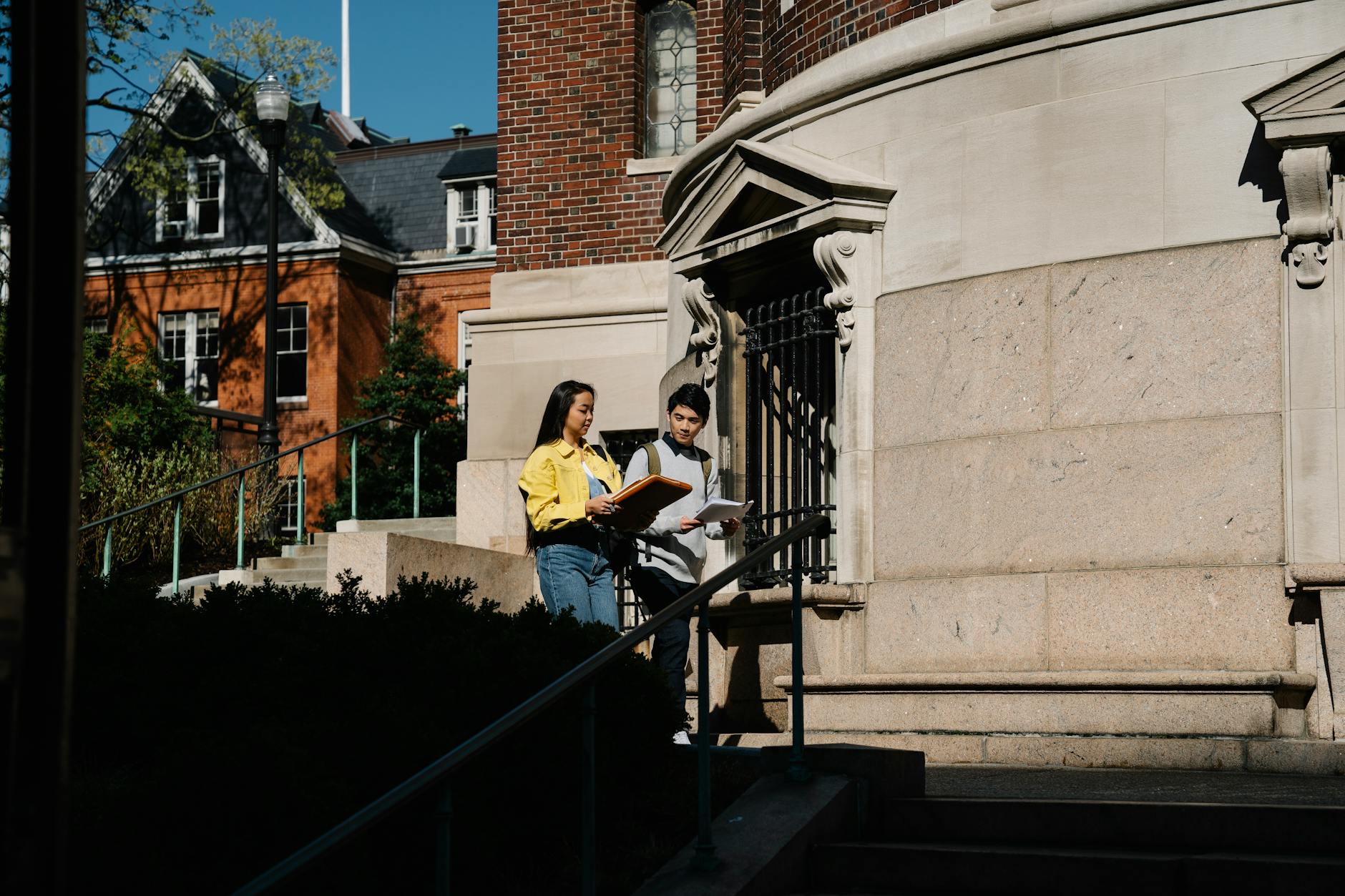
Use transit like part of the curriculum
For many short-program students, Montreal transit is part of the real learning curve. The student should understand the route to class, station exits, transfers, late-return options, pass value, and what changes in winter or after evening activities. A route that feels easy on a map can be confusing when the student is tired, carrying books, or arriving after dark.
The student should practice the key route before the first required session if possible. They should also know when to take a taxi or ride rather than defending a cheap option that no longer feels practical.
- Learn the route to class, station exits, transfers, late options, and pass logic before the program begins.
- Practice the first required route before it matters.
- Set a taxi threshold for late nights, bad weather, fatigue, or uncertainty.
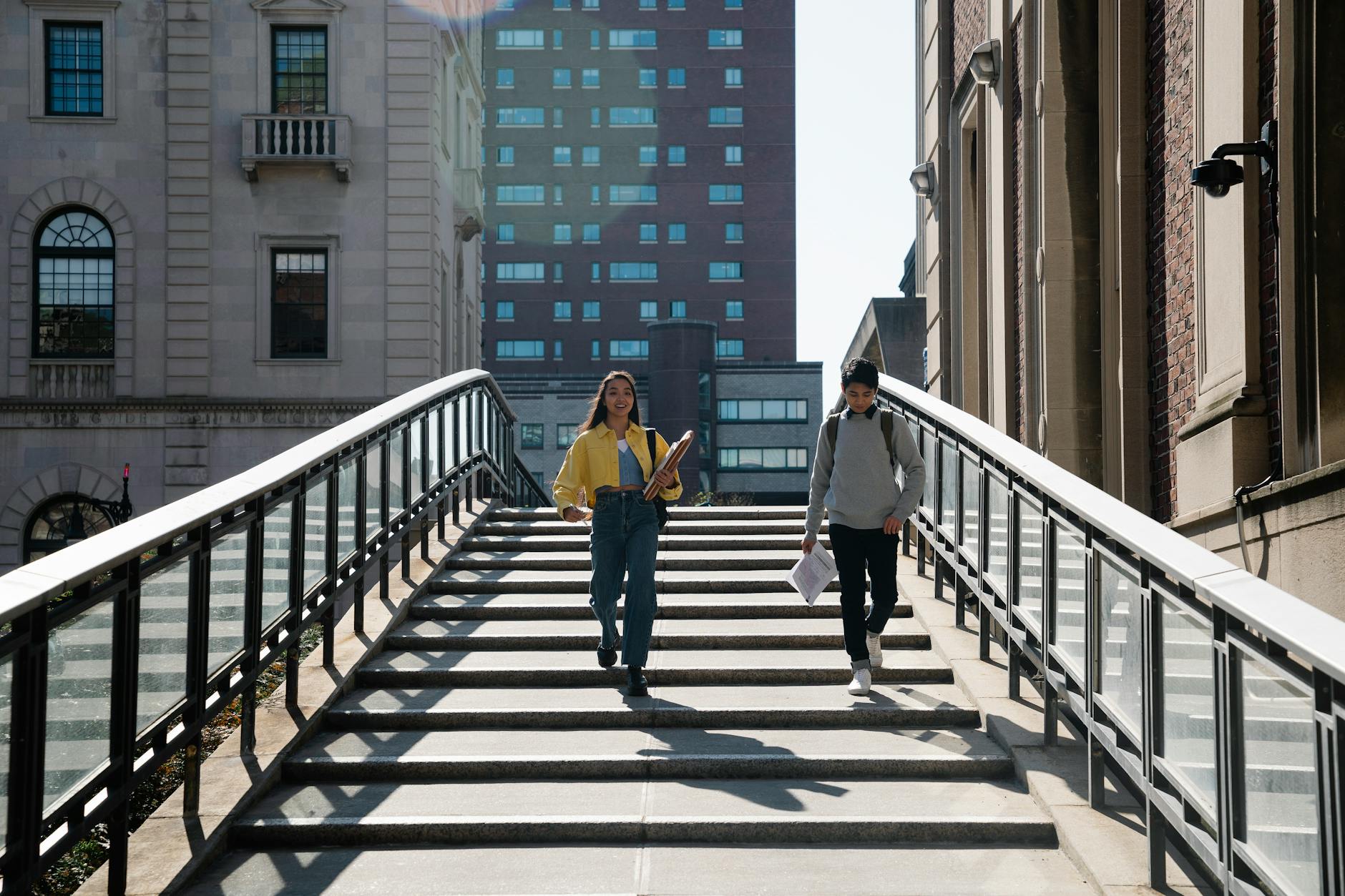
Plan winter clothing and daily stamina
Montreal winter can be a serious variable for short-program students. The student may need real boots, coat, gloves, hat, layers, and a plan for slush, ice, wind, and indoor overheating. Underpacking for winter does not create adventure. It creates daily friction, missed activities, and avoidable spending after arrival.
Even outside winter, the program schedule can create fatigue. Classes, site visits, assignments, social events, and independent exploration should not all be treated as equal energy demands. The student needs rest windows if they are expected to learn and enjoy the city.
- Pack for actual Montreal winter when dates require it, including footwear and layers.
- Plan for slush, ice, wind, indoor heat, and longer transition times.
- Protect rest windows between classes, site visits, assignments, and social activity.

Build a food and money routine
Short-program students often overspend because every meal becomes improvised. Montreal can be manageable on a student budget when the student identifies grocery stores, affordable cafes, campus food, bakeries, markets, quick dinners, and a few worthwhile splurge meals. The routine should be realistic enough to survive busy class days.
Money planning should include transit, phone service, laundry, winter gear, program supplies, museum or event costs, and emergency transport. A budget that only counts meals and lodging is not a working student budget.
- Identify groceries, campus food, bakeries, cafes, markets, and quick meals near housing and class.
- Budget for transit, phone, laundry, supplies, winter gear, activities, and emergency rides.
- Choose a few worthwhile splurges rather than overspending through daily improvisation.

Balance independence with program obligations
Montreal gives students enough freedom to make the trip feel larger than the program. That is part of its value. The student should still separate required sessions, assignments, group rules, curfews if applicable, insurance conditions, and conduct expectations from optional exploration. A missed class, late return, or poor group decision can change the program experience quickly.
Independent time should be planned in daylight and in coherent neighborhoods at first. Old Montreal, Mount Royal, museums, markets, cafes, and student-friendly areas can be excellent when the route back is understood. The student earns more freedom by using the first few days well.
- Separate required sessions, assignments, rules, insurance conditions, and optional exploration.
- Start independent outings in daylight and in coherent neighborhoods.
- Use clear return routes and group communication for evening activity.

When to order a short-term travel report
A confident student with supervised housing, a clear campus route, and mild weather may not need a custom Montreal report. A report becomes useful when the student is younger, new to international or urban travel, arriving in winter, choosing independent housing, managing medical or mobility constraints, balancing a tight program schedule, or needing a practical plan for food, transit, phone setup, and safe independent time.
The report should test housing location, arrival transfer, program route, transit pass logic, winter clothing, food routine, budget leaks, health and safety contingencies, independent outing options, and what to cut if the schedule is too full. The value is a Montreal student stay that supports learning, independence, and basic control.
- Order when age, winter, independent housing, transit, constraints, budget, or program schedule raises the stakes.
- Provide program address, housing candidates, arrival details, schedule, student experience level, budget, and constraints.
- Use the report to make the short program easier to manage before the student starts exploring.