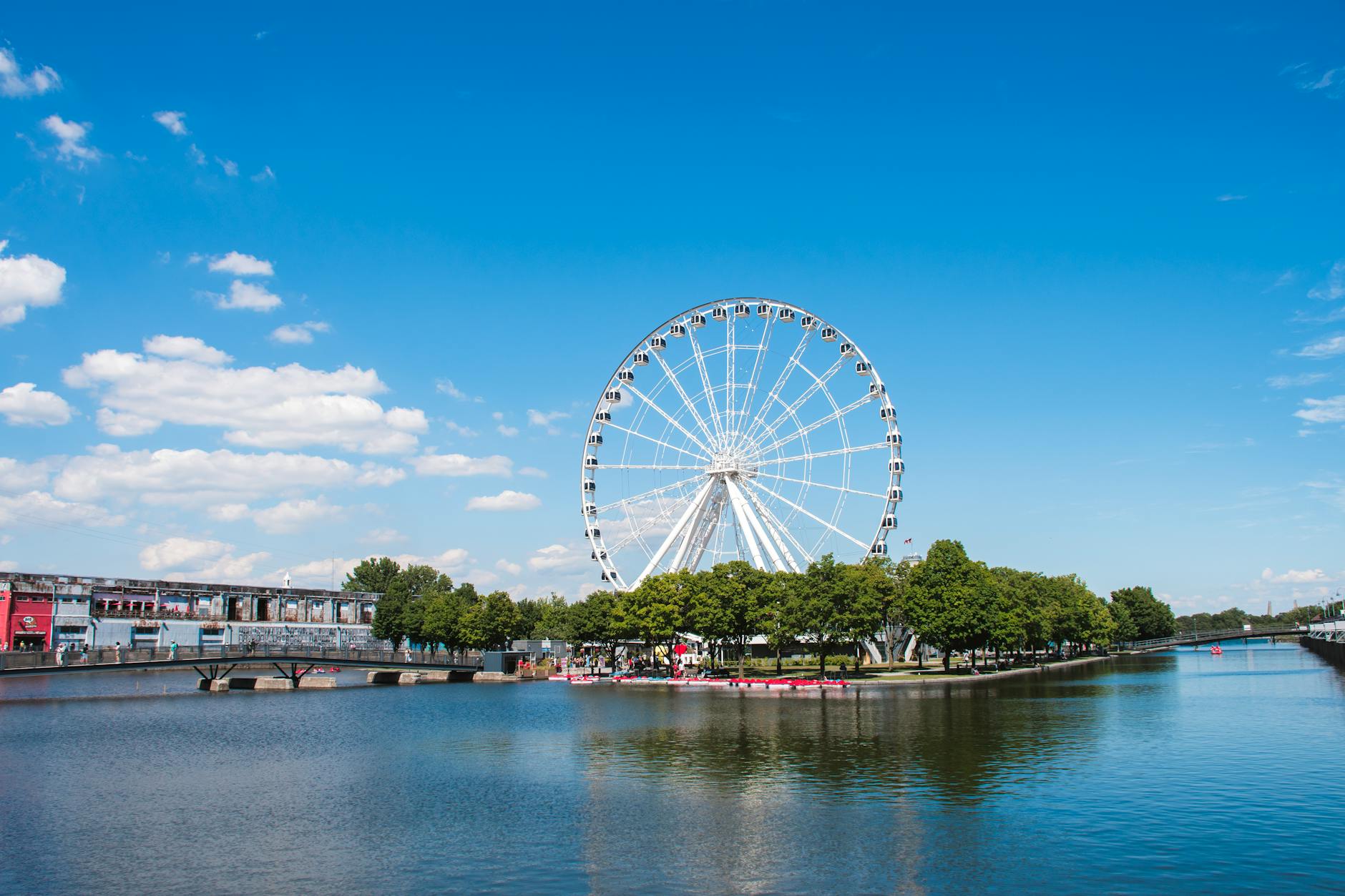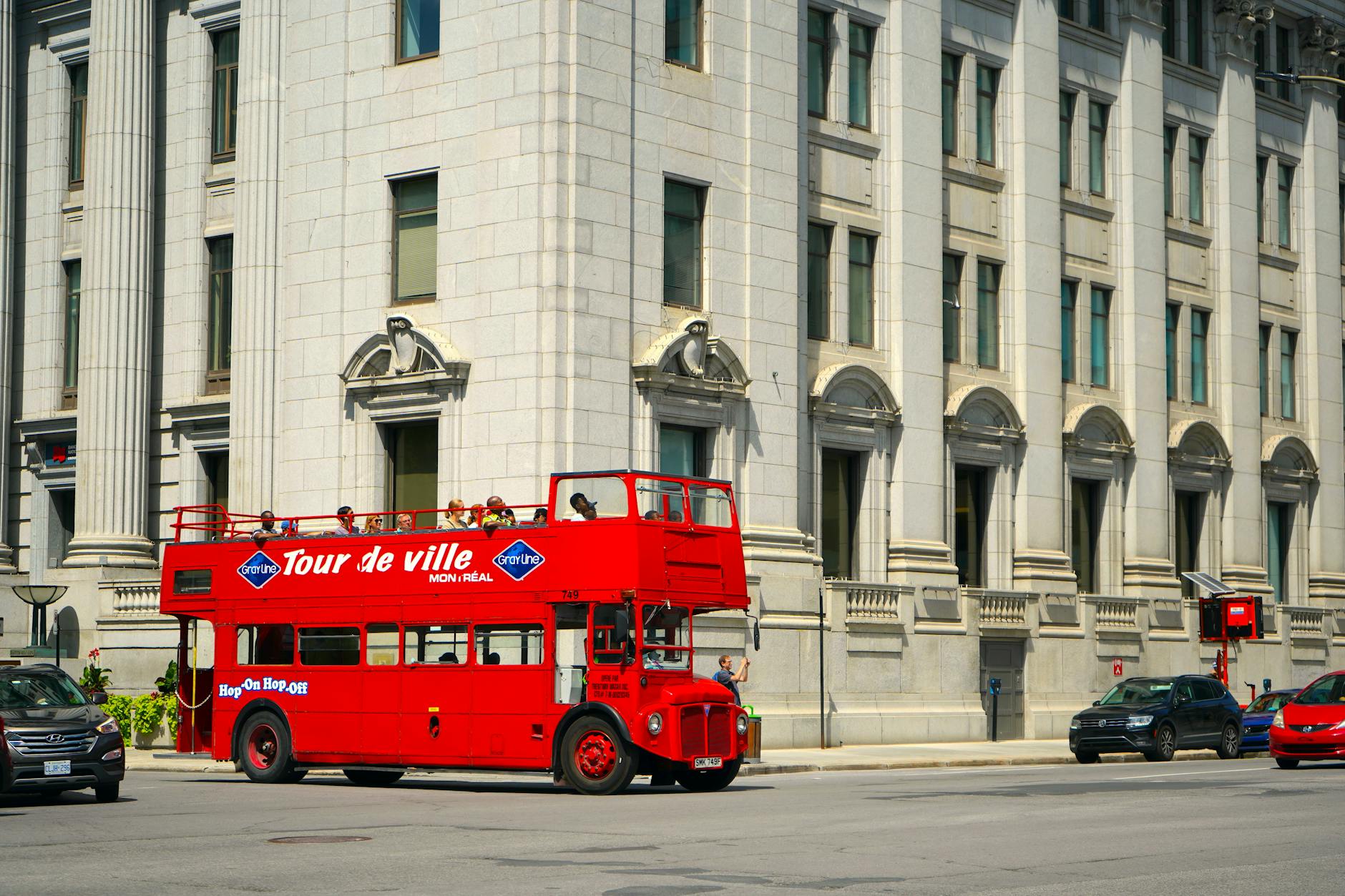
Montreal can be an excellent solo city because it gives the traveler museums, cafes, food neighborhoods, riverfront walks, metro access, parks, bookstores, galleries, music, and enough street life to avoid feeling isolated. It also asks for judgment. A solo traveler needs to think about arrival timing, hotel district, winter conditions, late-night movement, phone battery, language basics, and how much solitude versus social contact the trip should contain. The best solo Montreal plan is not defensive or overpacked. It is clear. The traveler should know which neighborhoods feel right for daytime wandering, which routes are easy after dark, where meals will feel comfortable alone, and when a taxi is smarter than a longer walk or unfamiliar metro connection.
Choose a base that makes solo movement easy
A solo traveler should choose the Montreal hotel by daily movement, not only by personality. Old Montreal can be atmospheric and satisfying, but late returns, quiet streets, winter surfaces, and meal timing should be considered. Downtown can make transit, museums, shopping, and taxis easier. Plateau and Mile End can be excellent for cafes and food, but the traveler should understand routes back at night.
The best base gives the traveler options: a nearby simple meal, an easy taxi pickup, a route that feels comfortable after dark, and enough nearby activity that the first evening does not require a complicated plan.
- Choose the hotel by evening return, transit, nearby meals, and weather practicality.
- Use Old Montreal, downtown, Plateau, and Mile End for different solo trip styles.
- Keep the first evening simple when arriving tired or late.
Make arrival and the first night low-risk
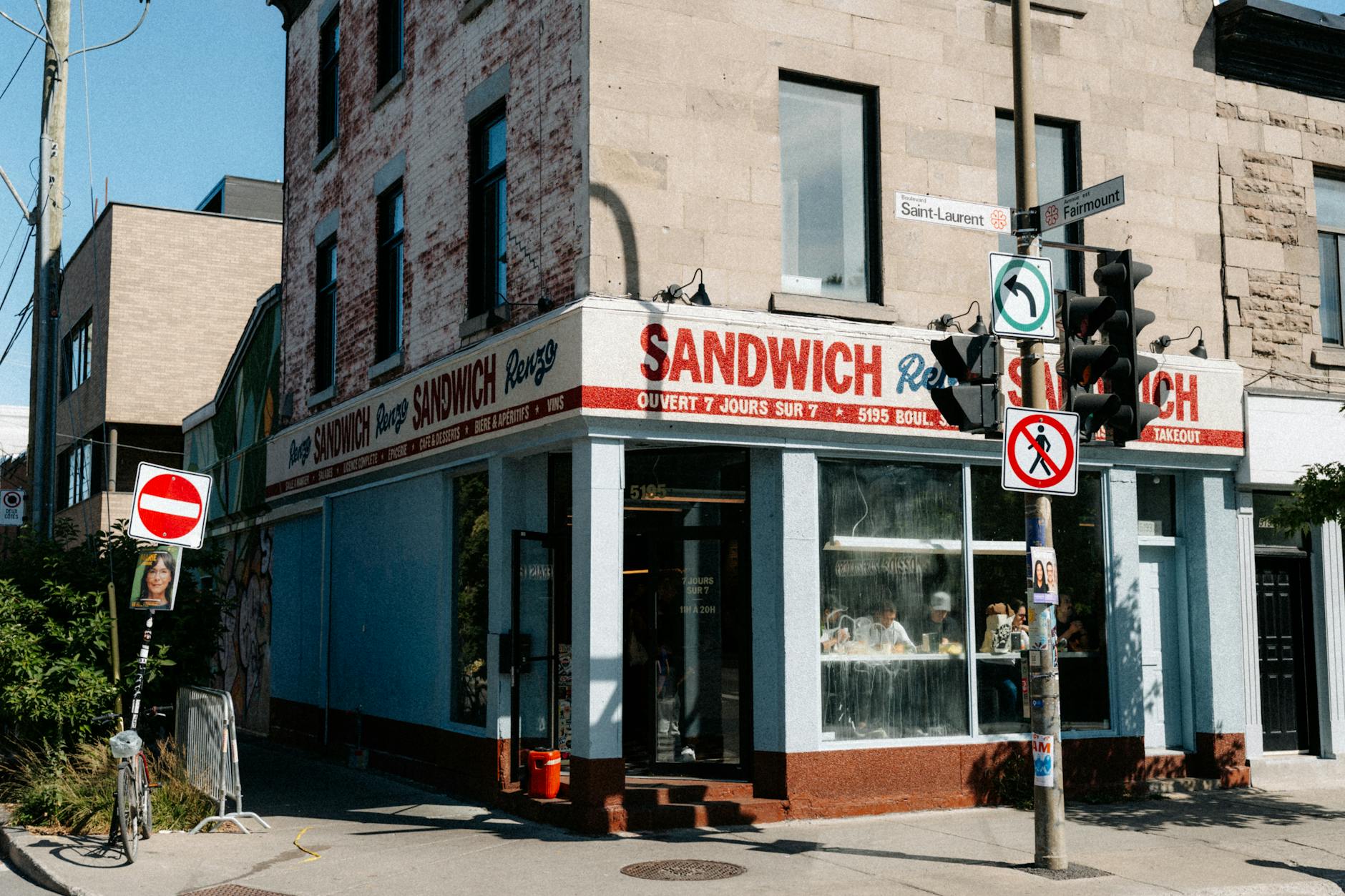
Solo arrival deserves a clean plan. The traveler should know how they will get from YUL to the hotel, how late check-in works, what the first meal will be, and whether they will need cash, a transit card, a taxi, or a ride app. A solo traveler should not be making every first-night decision while tired, hungry, and carrying luggage.
The first night can still include a good dinner or short walk, but it should not require an unfamiliar cross-city route. Montreal is more enjoyable when the traveler uses the first evening to settle into the base rather than prove independence.
- Plan airport transfer, hotel check-in, first meal, and payment backup before arrival.
- Avoid complex first-night routing when tired or carrying luggage.
- Use the first evening to establish the neighborhood and recover for the next day.
Use transit with clear boundaries
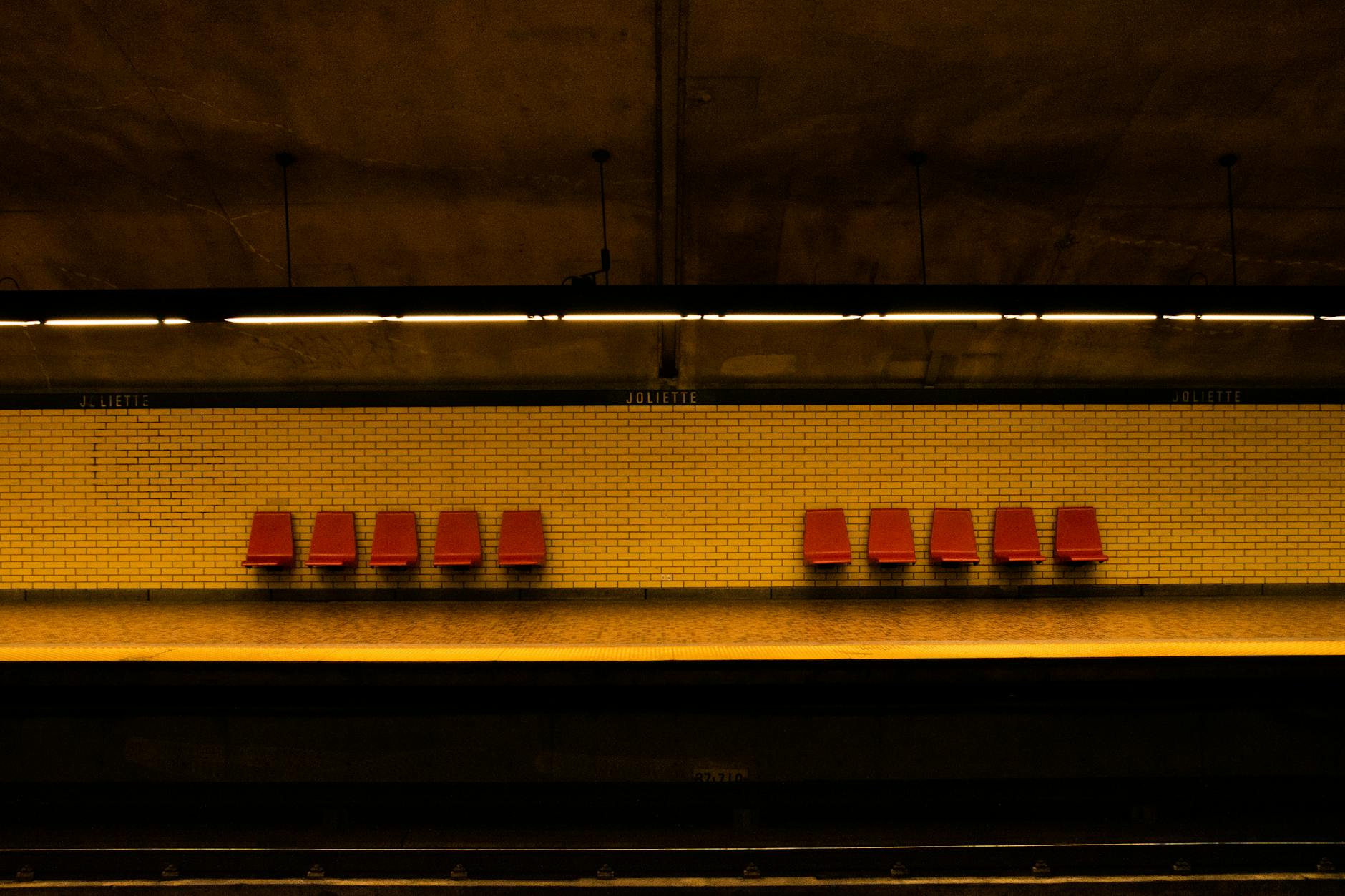
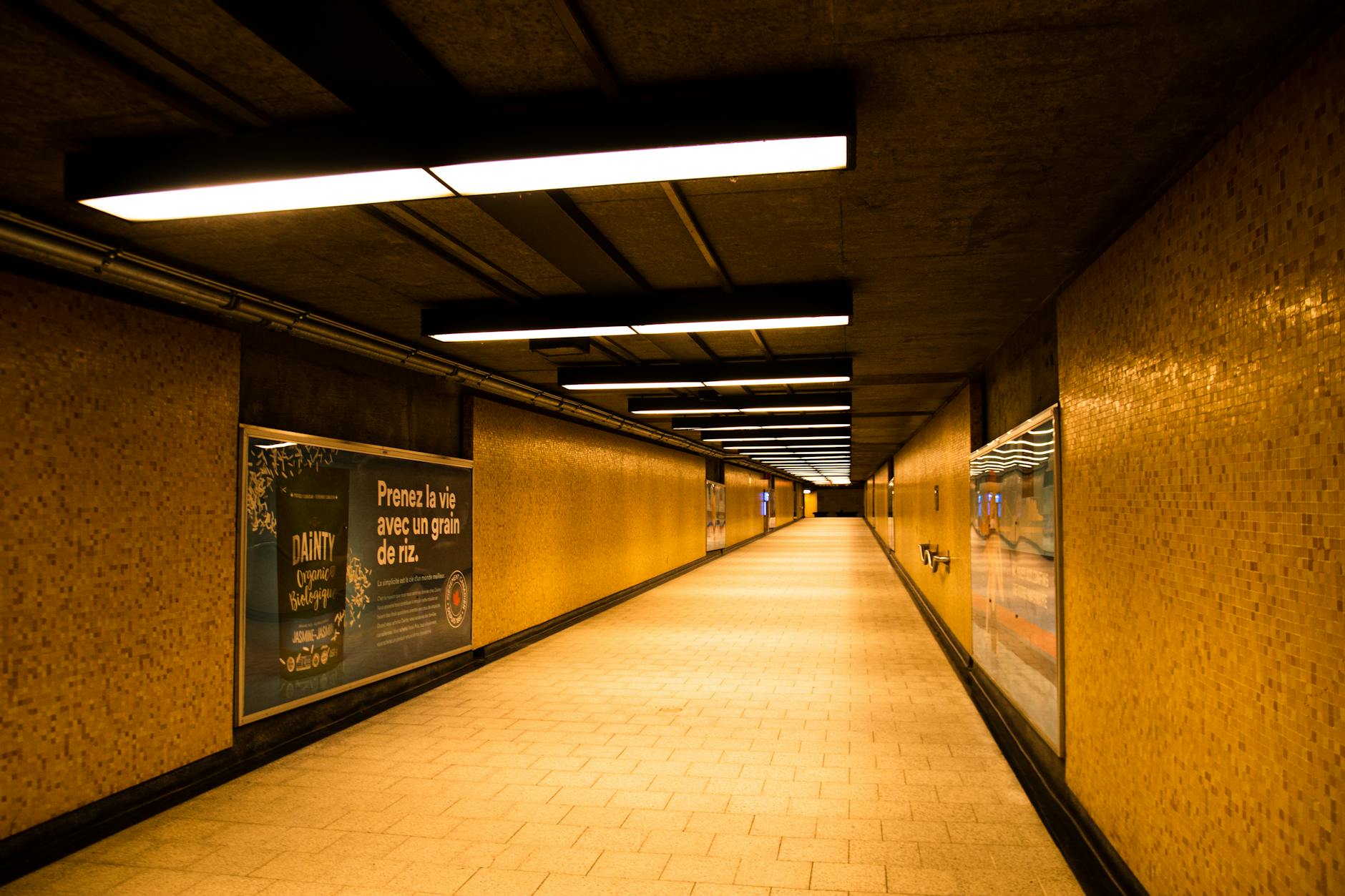
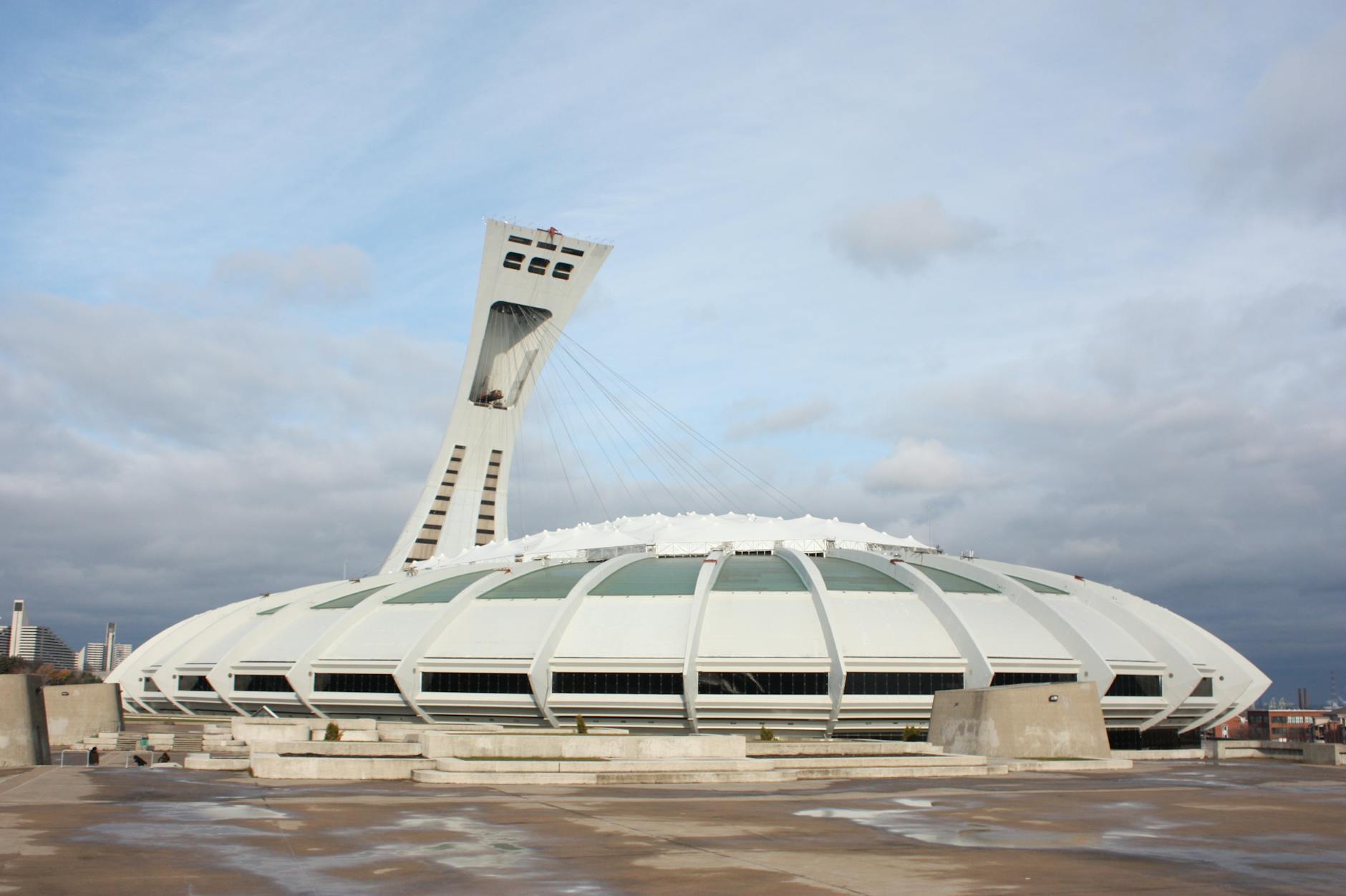
The metro can make solo Montreal travel efficient, especially for downtown, Olympic Park, museums, neighborhoods, and weather avoidance. It should still be used with boundaries. The traveler should know the station, transfer, exit, final walking segment, and whether the same route feels acceptable after dark or in winter conditions.
Solo travelers should keep phone battery, offline hotel address, payment backup, and a taxi alternative ready. Transit can be part of a confident trip without being the only way back.
- Know the station, transfer, exit, final walk, and after-dark comfort before using a route.
- Keep phone battery, offline addresses, payment backup, and taxi alternatives ready.
- Do not let a cheap route override weather, fatigue, or personal comfort.
Build meals that feel good alone
Montreal can be friendly to solo dining if the traveler plans for it. Cafes, counters, bakeries, markets, casual restaurants, hotel bars, wine bars, and earlier dinner reservations can all work. The mistake is chasing famous food stops that create long waits, awkward seating, or late returns that the traveler does not want.
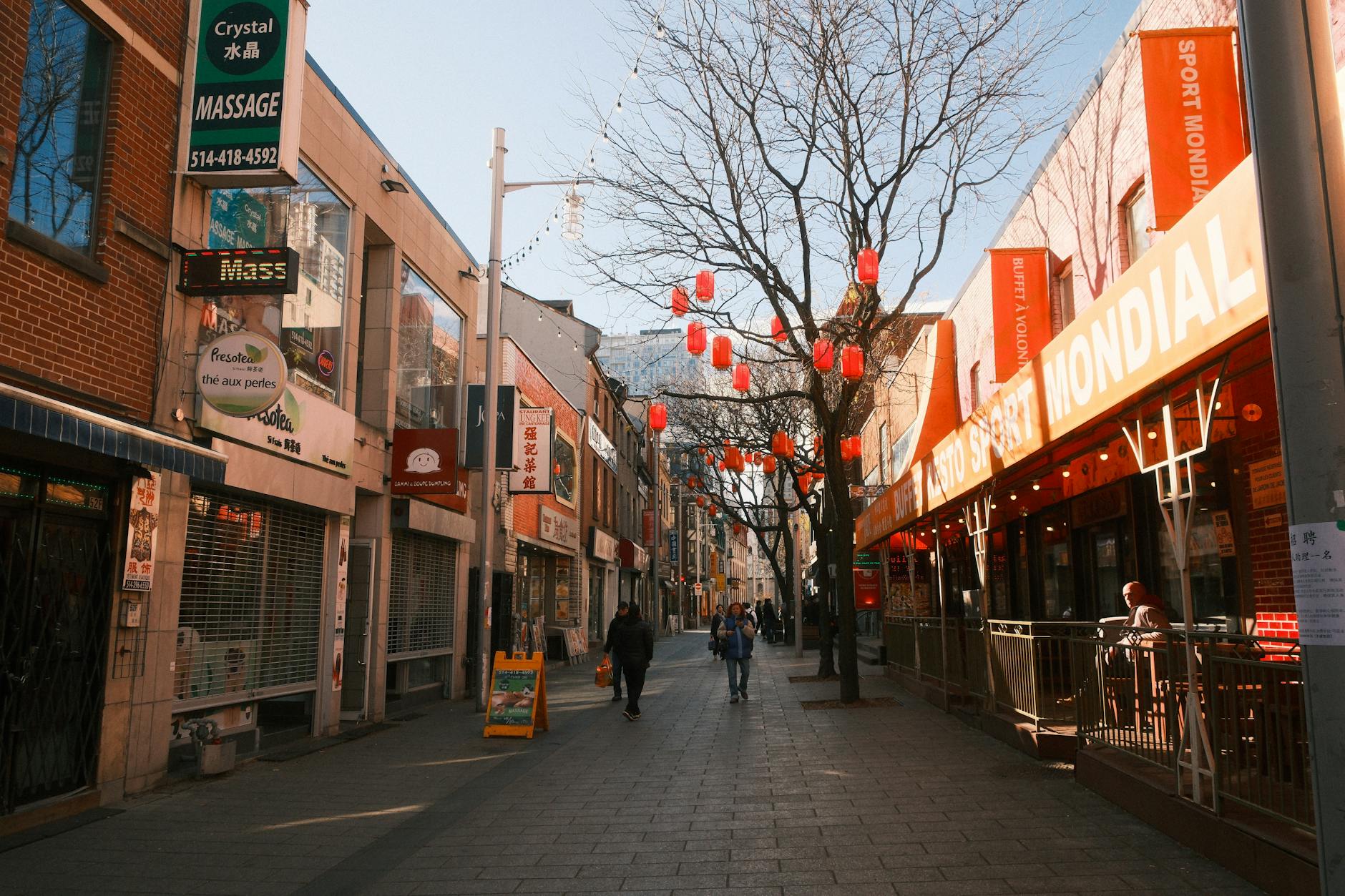
Food neighborhoods such as Plateau, Mile End, Old Montreal, downtown, Chinatown, and Little Italy should be grouped by the day's route. A solo traveler often gets more pleasure from one good neighborhood food loop than from crossing the city for a single name.
- Use cafes, counters, markets, hotel bars, and earlier reservations for comfortable solo meals.
- Group food stops by neighborhood instead of chasing names across town.
- Choose dinner locations with the return route already solved.
Balance solitude with visible public spaces
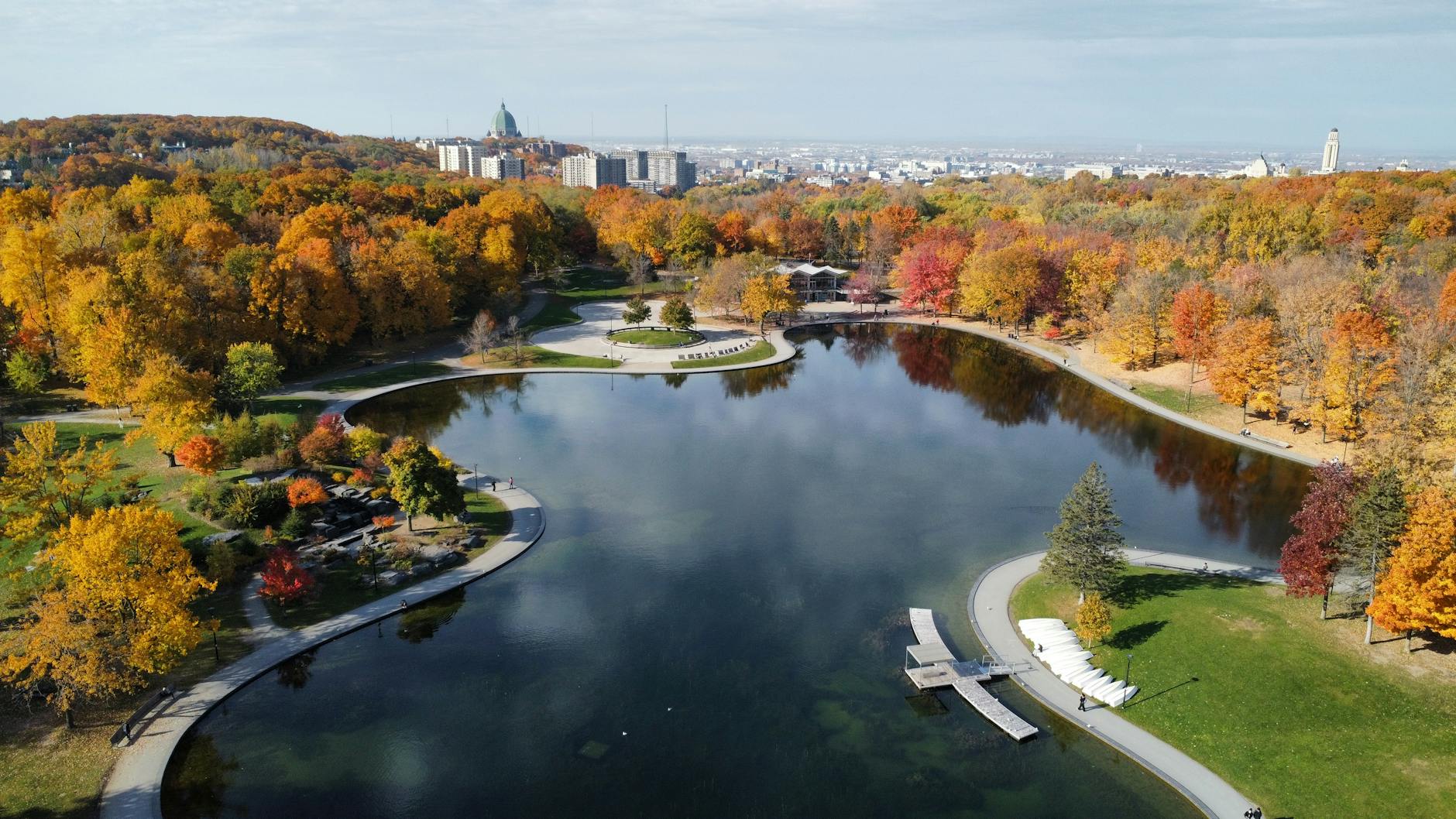
Solo travel does not have to mean constant caution, but the itinerary should include places where being alone feels natural: museums, parks in daylight, waterfront areas, cafes, bookstores, markets, and guided tours. Montreal gives the solo traveler many ways to be independent without feeling exposed.
The traveler should be more selective after dark. A solo evening in Old Montreal, downtown, a concert district, or a restaurant area can be enjoyable, but the route back should be clear. Wandering is better in daylight; late-night movement should be more deliberate.
- Use museums, cafes, parks, waterfront areas, markets, and tours as natural solo spaces.
- Keep daylight wandering and late-night movement as different planning categories.
- Choose evening districts with clear routes back to the hotel.
Plan winter, valuables, and communication
Winter can make solo logistics more important. Cold, ice, snow, slush, and wind affect walking speed, phone use, battery life, clothing, and whether a route still feels comfortable. The traveler should carry fewer loose items, protect documents, and avoid overloading themselves with bags, purchases, and camera gear.
Communication matters too. A solo traveler should have lodging details offline, a charged phone, backup payment, emergency contacts, and a realistic sense of when to take a taxi. Montreal can be easy, but solo travel works best when small failures have backups.
- Plan winter clothing, footwear, phone battery, and shorter routes around the forecast.
- Keep documents, cards, and valuables simple and controlled.
- Store hotel details offline and keep a taxi threshold for fatigue or weather.
When to order a short-term travel report
A solo traveler with a central hotel, mild weather, and a relaxed plan may not need a custom Montreal report. A report becomes useful when the traveler is deciding between neighborhoods, arriving late, visiting in winter, planning nightlife, managing medical or mobility constraints, wanting social activities without losing independence, or combining several districts in a short stay.
The report should test hotel base, arrival plan, daylight and evening routes, metro and taxi choices, food geography, winter exposure, valuables handling, personal comfort thresholds, and what to cut if the trip becomes too spread out. The value is a solo Montreal visit that feels free because the basics are already controlled.
- Order when neighborhood choice, late arrival, winter weather, nightlife, constraints, or solo comfort changes the trip.
- Provide hotel candidates, arrival time, must-see areas, food interests, evening plans, and personal boundaries.
- Use the report to keep the trip independent without leaving every decision to the moment.