
A Montreal sales trip is usually won or lost in the spaces between the meetings: the airport transfer, the hotel choice, the route to the client's office, the dinner that needs the right tone, the quiet hour for follow-up, and the decision not to overfill a day that still has a proposal to sharpen. Montreal can support a strong sales visit, but it should be planned as a working trip rather than a pleasant city break with appointments attached. The sales traveler needs a base that protects punctuality, a route plan that accounts for weather and client locations, and a clear distinction between prospecting, relationship maintenance, closing activity, and administrative recovery. The city can add warmth and character to the trip, but the commercial purpose has to remain the organizing logic.
Map the account geography first
The sales traveler should map every account, prospect, dinner, hotel candidate, and airport movement before choosing a base. Montreal meetings may cluster downtown, near the Quartier international, in suburban office parks, around industrial areas, or across several parts of the island. A hotel that looks central can still create weak territory coverage if the real accounts sit elsewhere.
The day should be built around realistic travel time, weather, and the value of each meeting. A high-potential account may justify a dedicated route. A low-value courtesy call may not justify crossing the city and weakening a better opportunity.
- Map accounts, prospects, hotel candidates, dinners, and YUL movement before booking.
- Choose the base by account geography rather than by tourist appeal.
- Rank meetings by commercial value before filling the day with cross-city movement.

Make arrival support the sales day
A sales visit should not begin with the traveler landing at YUL, rushing through baggage, discovering that the room is unavailable, and then walking into the first client conversation underprepared. Arrival timing should leave room for check-in, clothing changes, device charging, CRM review, proposal updates, and a calm reset before the first meaningful contact.
If the first meeting cannot move, the flight should move. If the flight cannot move, the first meeting should be lower-risk. Montreal is workable, but it does not reward a sales schedule built on perfect airport assumptions.
- Build buffer for YUL arrival, baggage, hotel check-in, device charging, and account review.
- Avoid placing the highest-value meeting immediately after a tight flight.
- Keep first-day obligations realistic enough to preserve confidence and preparation.

Choose restaurants by sales purpose
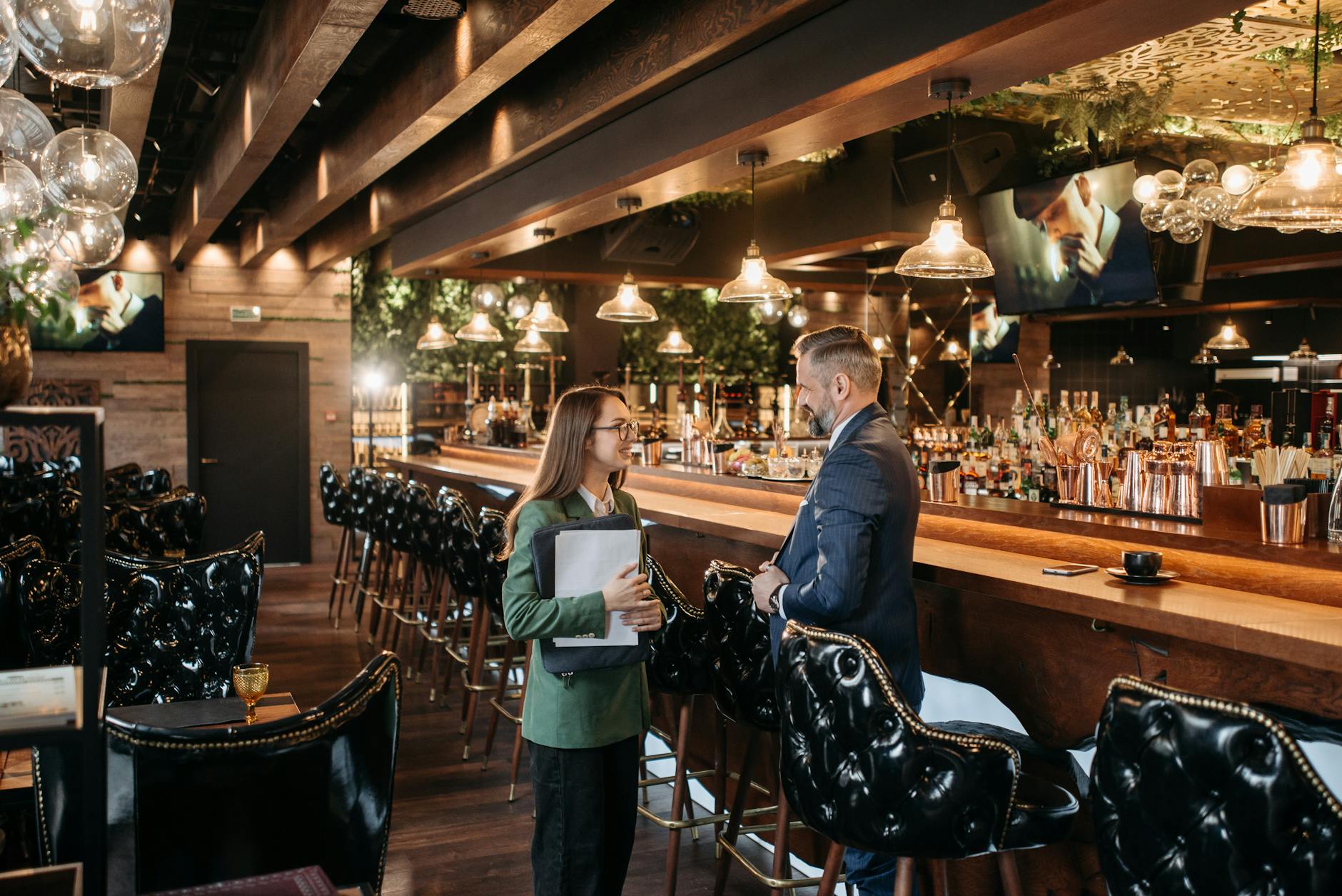
Montreal can be excellent for client meals, but a sales dinner should be chosen for the account objective. A first meeting may need a quieter, shorter meal. A relationship reset may need warmth and privacy. A closing dinner may need reliability, easy taxi access, and a room where the conversation can stay focused. The restaurant's fame matters less than whether it supports the next step.
The traveler should also plan the return. A good dinner that ends with a long cold wait, a confusing pickup point, or an overextended evening can damage the next day's sales work.
- Match meals to prospecting, relationship maintenance, negotiation, or closing goals.
- Choose restaurants by privacy, noise, timing, weather exposure, and taxi access.
- Set a clear evening boundary when the next morning contains serious sales work.
Protect materials, demos, and follow-up windows
Sales travel is document-heavy even when everything is digital. Decks, pricing, contracts, product sheets, samples, demos, credentials, notes, and CRM updates all need a plan. The traveler should know which files are available offline, what can be shown on a client screen, which documents are confidential, and when follow-up will be entered while the conversation is still fresh.
The trip should include actual follow-up windows. A day of excellent meetings can lose value if the traveler delays next steps until after the flight home, when details have blurred and competitors have moved.
- Prepare offline decks, pricing, contracts, samples, demos, credentials, and backup files.
- Separate confidential materials from casual public work.
- Schedule CRM and follow-up time before adding leisure or another low-value meeting.

Respect bilingual and local business context
Montreal sales calls can involve English, French, or both, depending on the account and sector. The traveler does not need to perform fluency they do not have, but they should be prepared for language expectations, names, titles, translated materials, and a more careful tone than a generic North American sales script may assume.
Local context also matters. A visitor who understands the account's Montreal footprint, Quebec context, procurement structure, and practical constraints will sound different from someone who simply flew in with a standard deck.
- Prepare for English, French, or bilingual business settings depending on the account.
- Check names, titles, translated materials, and local procurement context before meetings.
- Avoid treating Montreal as interchangeable with another North American sales market.

Use weather and routing to protect punctuality
Weather can affect sales credibility. Snow, slush, rain, wind, heat, and construction can change how long it takes to reach a client, how clothing looks on arrival, and whether a walking route still makes sense. A salesperson who arrives late, wet, rushed, or underdressed has made the first part of the call harder.
The traveler should use taxi buffers, practical footwear, coat planning, and shorter route clusters when the forecast is difficult. The point is not comfort alone. It is commercial control.
- Plan taxi buffers, footwear, coats, and route clusters around weather and construction.
- Keep clothing and presentation quality protected between meetings.
- Cut optional stops when weather threatens punctuality or account focus.

When to order a short-term travel report
A sales traveler with one downtown call, a central hotel, and flexible timing may not need a custom Montreal report. A report becomes useful when the trip involves several accounts, suburban client sites, winter weather, samples or demos, client dinners, bilingual context, confidential materials, tight arrival timing, or uncertainty about which hotel base will protect the commercial day.
The report should test hotel base, YUL transfer, account sequence, drive and taxi timing, restaurant strategy, weather substitutions, materials handling, follow-up windows, confidentiality risks, and what to cut if the schedule is too crowded. The value is a Montreal sales trip that makes the next step easier for every account that matters.
- Order when account geography, winter, dinners, demos, bilingual context, or tight timing affects the sales outcome.
- Provide account locations, hotel candidates, flight times, meeting priorities, dinner plans, materials, and constraints.
- Use the report to protect the commercial purpose before adding nice-to-have city time.