A repeat leisure visitor has a different Montreal problem than a first-timer. The obvious sights may already be known, but the trip still needs shape. Montreal rewards a second or third visit when the traveler stops proving that they have seen the city and starts using it more deliberately: better neighborhoods, better meals, better timing, and fewer forced moves. The repeat trip should ask a sharper question. Is this visit about food, festivals, galleries, winter atmosphere, summer walking, markets, parks, design, or simply a better hotel base and a slower rhythm? The city becomes more satisfying when the visitor chooses a theme instead of rebuilding the first trip with smaller substitutions.
Stop planning like a first-timer
The repeat visitor should be careful with nostalgia. Returning to Old Montreal, Mount Royal, a favorite restaurant, or a familiar hotel can be worthwhile, but those choices should earn their place again. A second visit is strongest when it keeps one or two anchors from the first trip and then opens a new layer of the city.
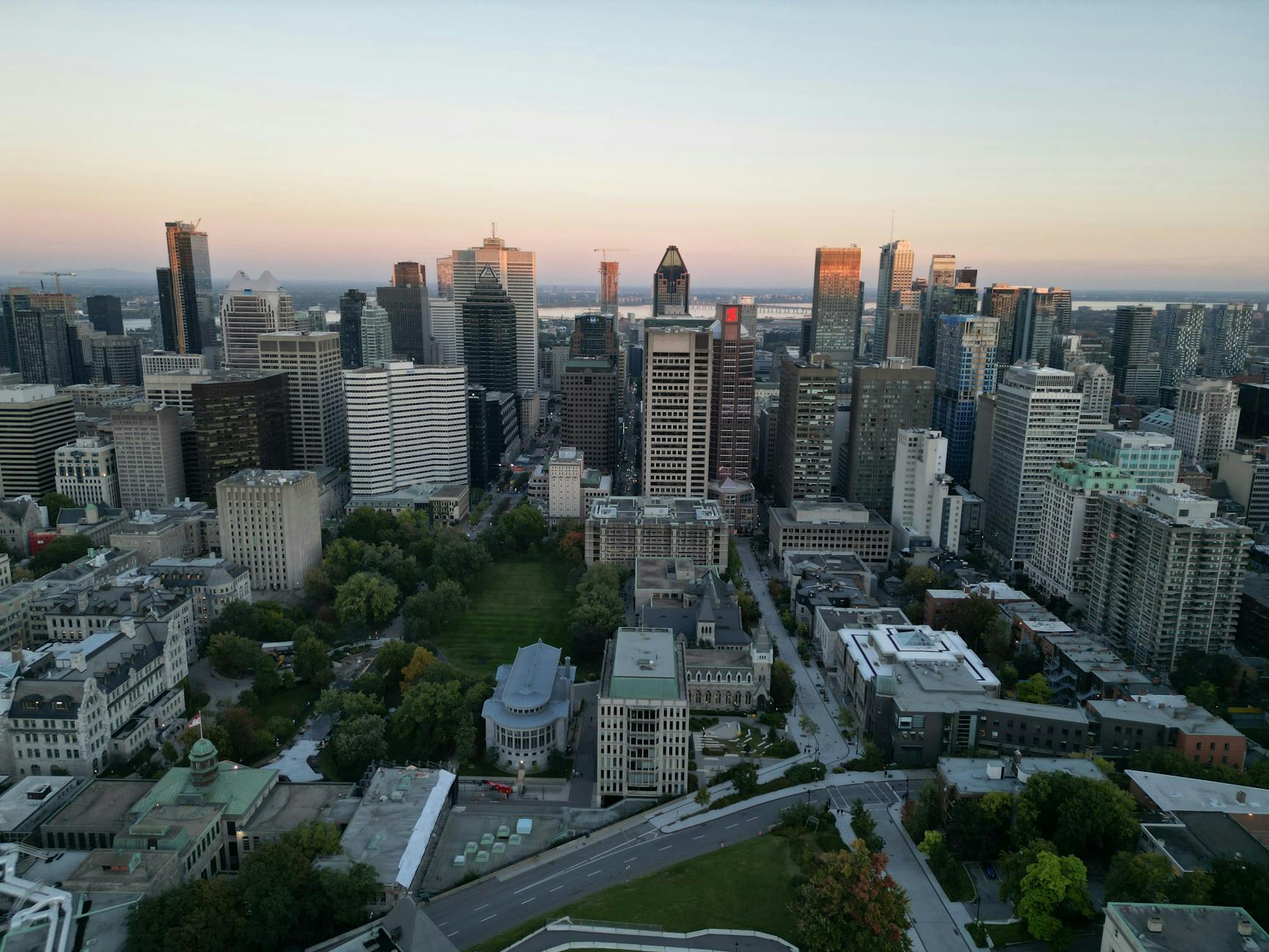
That may mean spending more time in Plateau, Mile End, Little Italy, Griffintown, the canal corridor, museums, galleries, parks, or markets. It may also mean doing less, but doing it with better timing. Montreal's repeat value comes from texture, not from a longer checklist.
- Keep only the first-trip favorites that still serve the purpose of this visit.
- Add one new neighborhood or theme rather than scattering attention everywhere.
- Let the second trip become slower, more selective, and more locally textured.
Choose the base for the visit you want now
A repeat visitor does not have to default to the same hotel district. Old Montreal may have been right for a first visit, while Plateau, downtown, Griffintown, Little Italy, or another practical base may better serve the next one. The lodging choice should match this trip's restaurants, walks, cultural plans, and weather reality.
The base also shapes how spontaneous the visit can feel. If the traveler wants easy cafe mornings, late dinners, canal time, shopping, or museum afternoons, the hotel should make those things easier without forcing constant taxis or long metro rides.
- Rechoose the hotel district instead of repeating last time's base by default.
- Match lodging to restaurants, walks, cultural plans, weather, and evening returns.
- Use the base to create ease, not only atmosphere.
Use markets and food with more intention
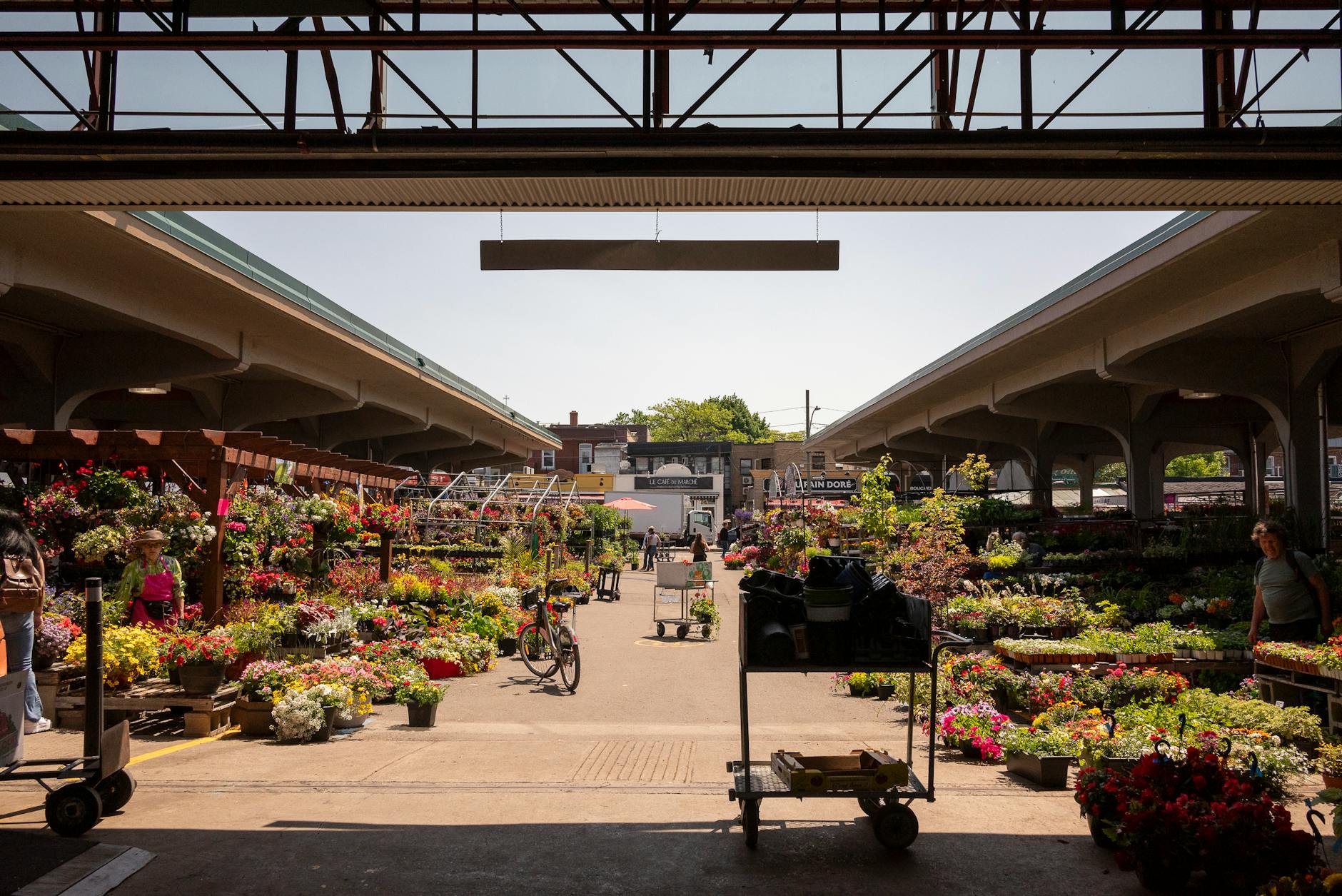
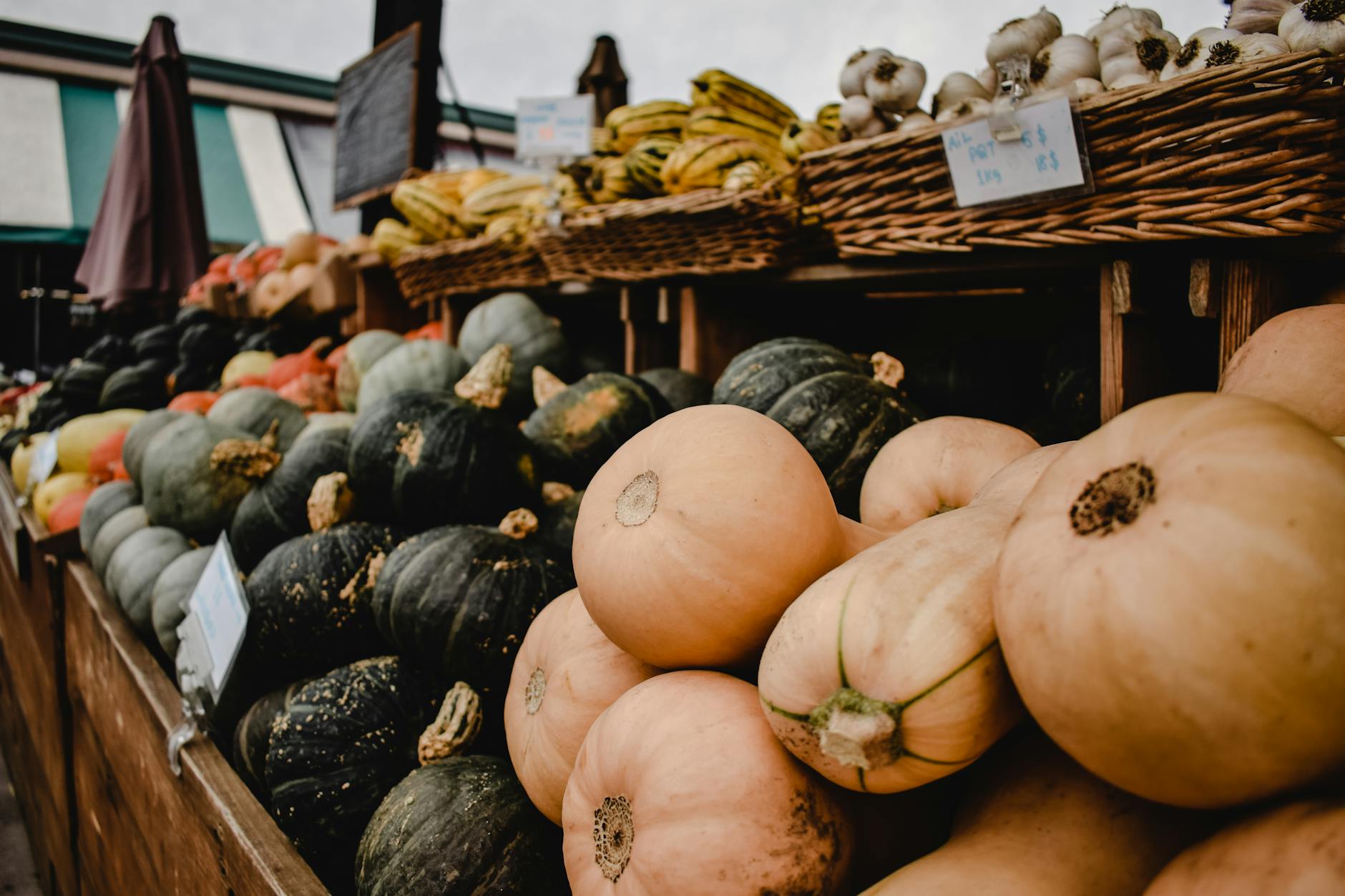
Food is often the reason people come back to Montreal, but repeat visitors should avoid turning the trip into a chase for famous names. Markets, bakeries, casual counters, seasonal produce, small restaurants, wine bars, and neighborhood cafes can create a better visit than a rigid reservation list. The question is whether the meal supports the day around it.
A market morning can lead into a park, museum, or neighborhood walk. A serious dinner may need a quieter afternoon beforehand. A repeat visit should let food shape the rhythm without letting it dominate every decision.
- Use markets, bakeries, cafes, and restaurants as route anchors, not isolated errands.
- Balance high-value reservations with simpler meals that protect time and energy.
- Plan food by neighborhood and season rather than by reputation alone.
Add the quieter outdoor layer
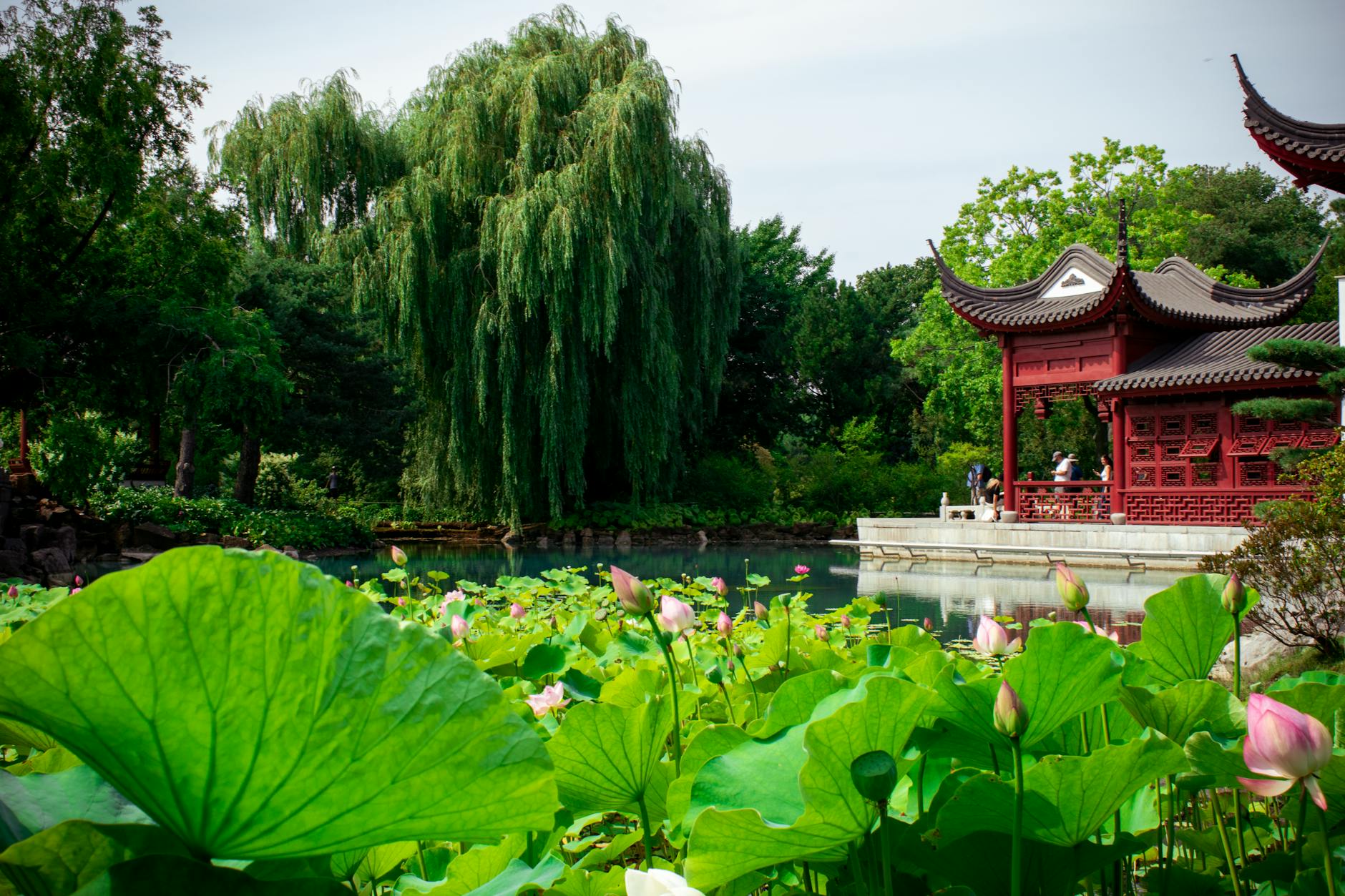
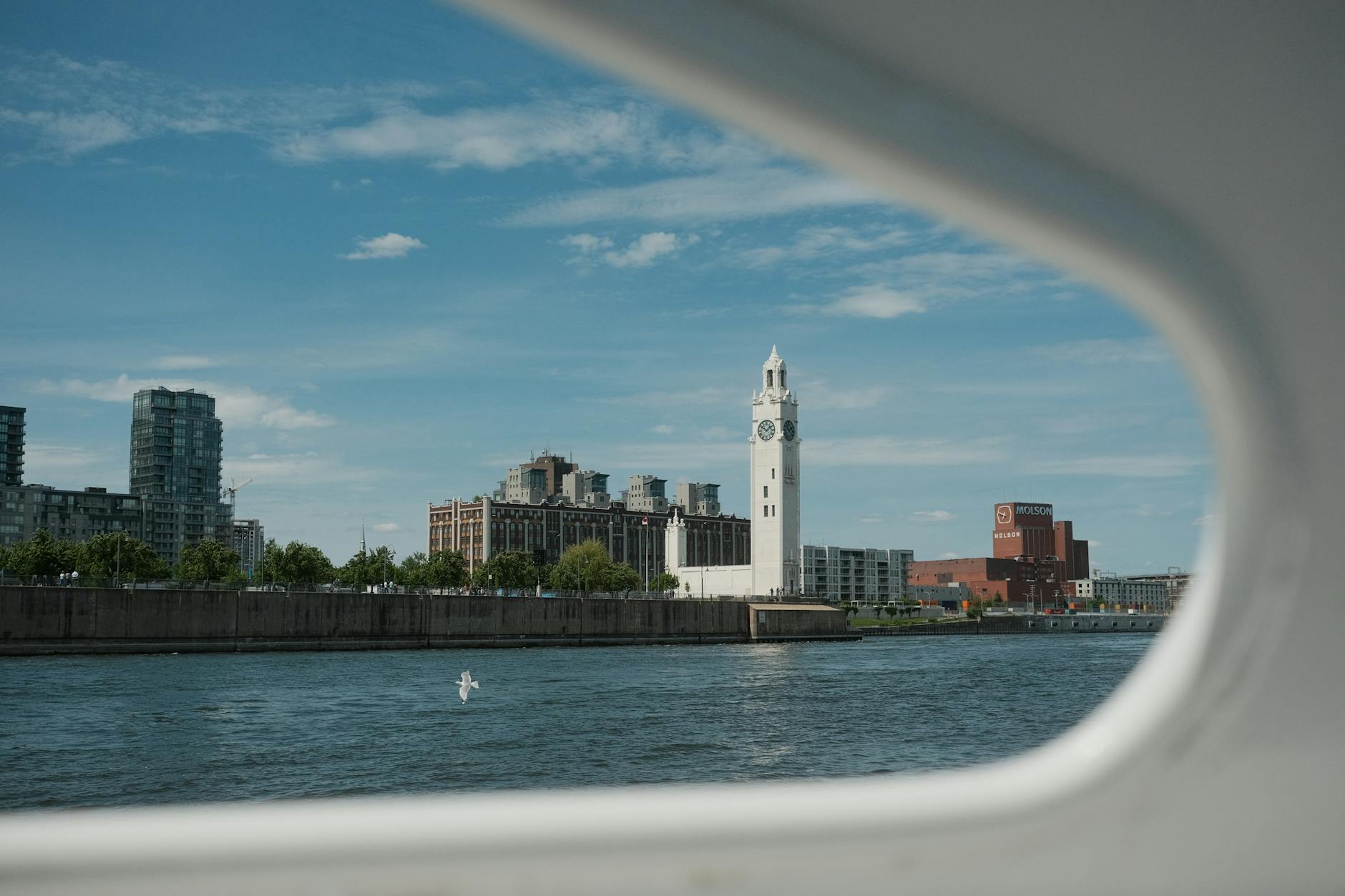
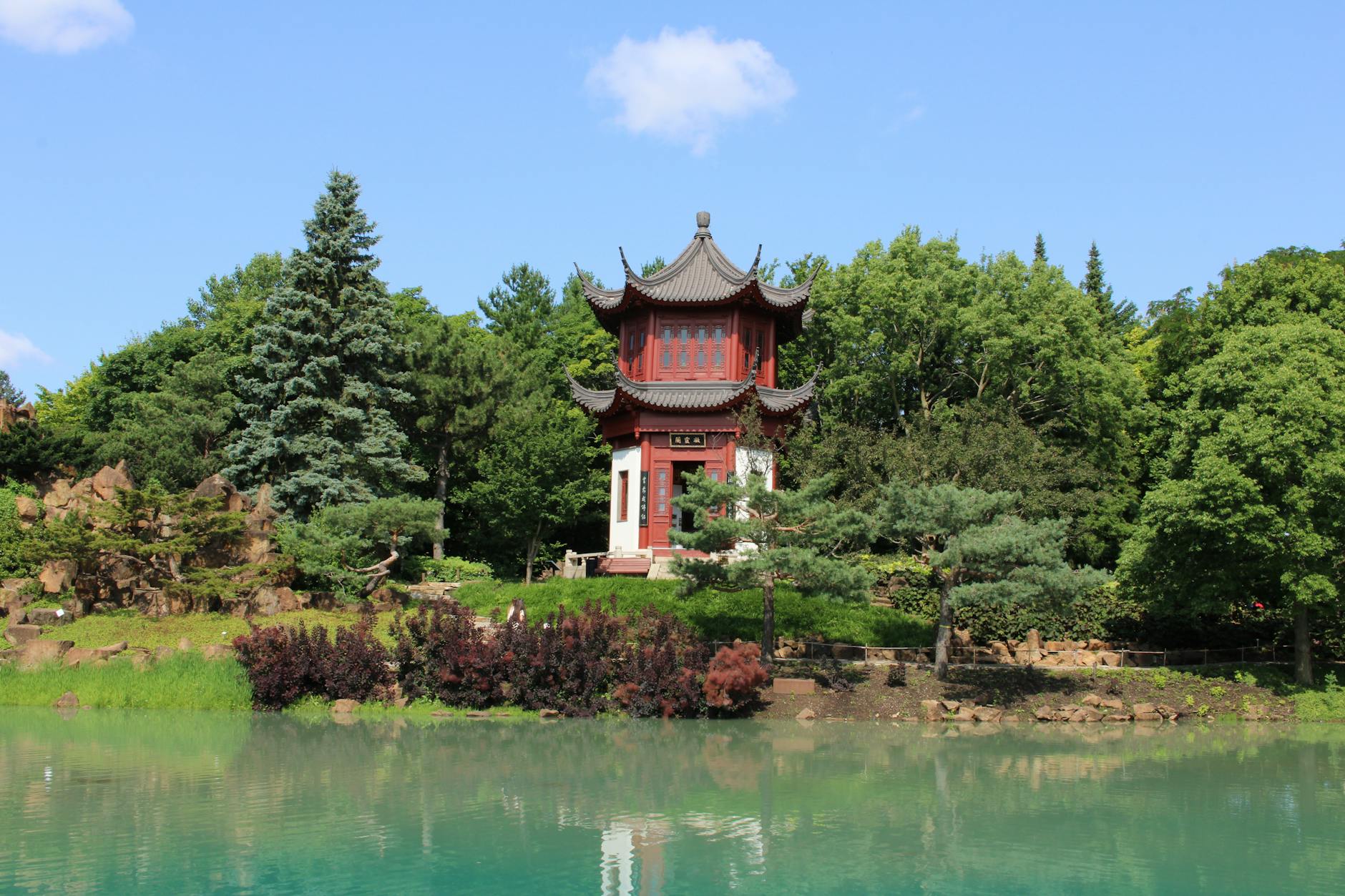
Repeat leisure visitors are often ready for the softer outdoor Montreal: canal walks, river views, parks, gardens, waterfront edges, and seasonal streets that may not have fit into the first trip. These are not filler. They are part of how the city becomes more livable and less attraction-driven on a return visit.
The outdoor layer should still be weather-aware. A beautiful canal plan can fail in hard rain, slush, or bitter wind. A garden or park can be the highlight in the right season and the wrong answer in the wrong conditions. Build substitutions before the day arrives.
- Use canal walks, waterfront edges, parks, and gardens to make the second visit less checklist-driven.
- Match outdoor plans to season, footwear, daylight, and weather.
- Prepare indoor substitutions so poor weather does not flatten the day.
Use culture beyond the headline stops
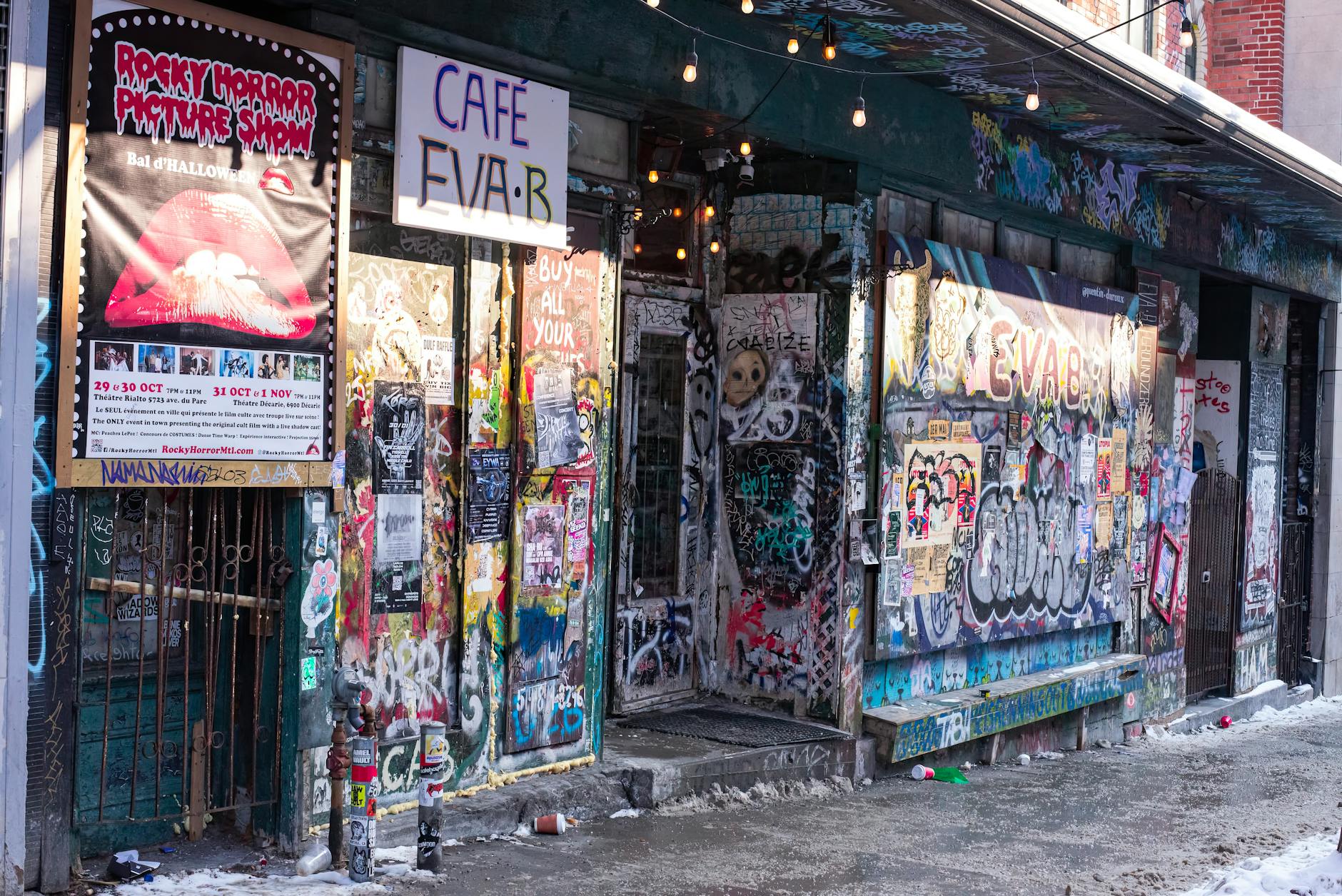
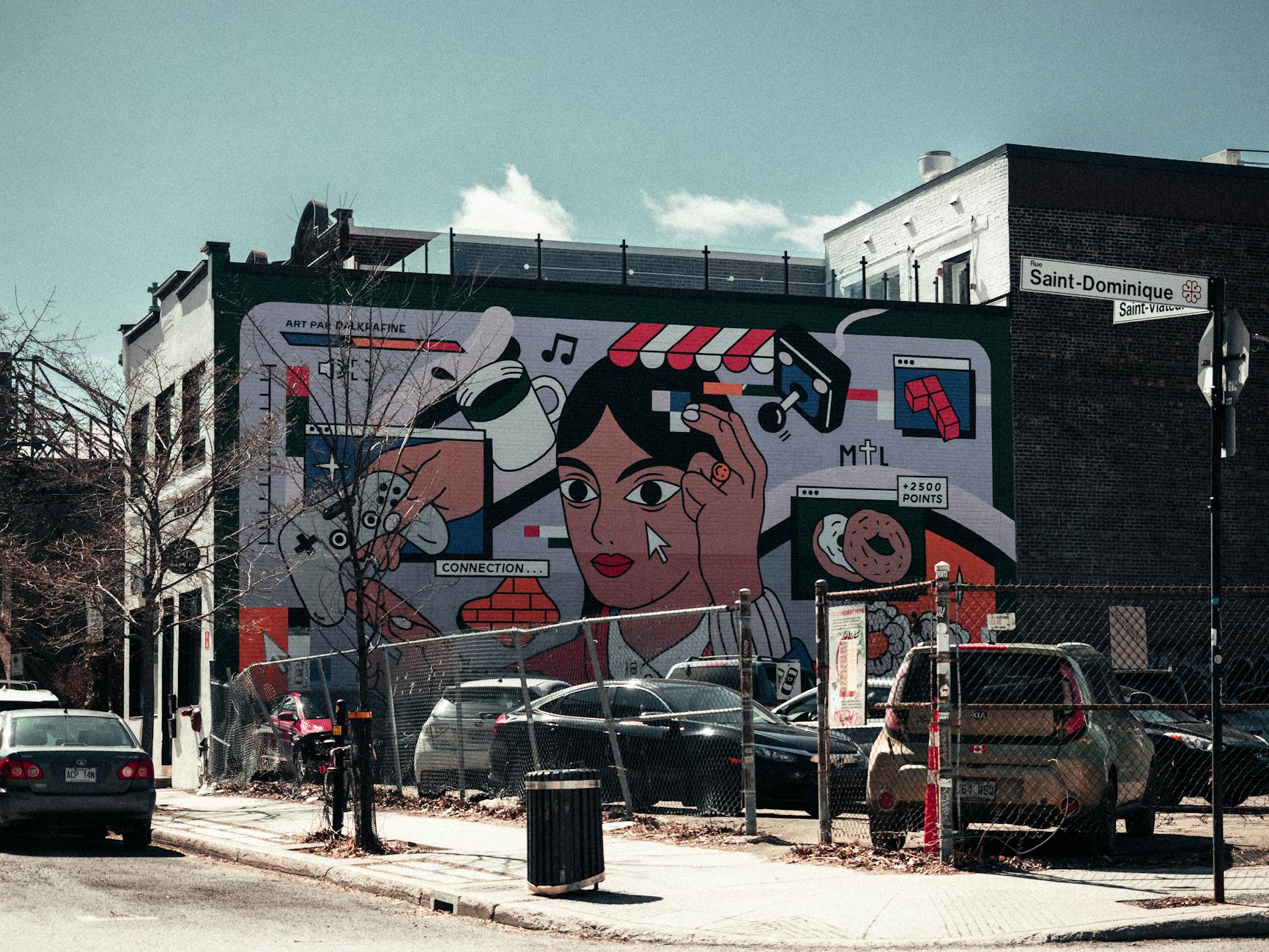
A repeat visitor can use Montreal's cultural side more precisely: smaller galleries, design shops, neighborhood murals, exhibitions, bookstores, music, film, festivals, and museums chosen for current interest rather than first-trip obligation. The city is strong when culture is woven into a day instead of parked in one overloaded block.
Current programming matters. A return trip should check what is actually on during the travel dates, how late it runs, and whether it sits near dinner, hotel, or transit. The best cultural plan feels discovered, but it is usually the result of a little discipline.
- Choose galleries, murals, museums, festivals, music, or design stops by current interest.
- Check dates, hours, neighborhood fit, and evening return before committing.
- Let culture support the day's rhythm instead of becoming a disconnected obligation.
Protect the pleasure of an easy return
The repeat visitor often wants Montreal to feel easy because the city is no longer unfamiliar. That is reasonable, but ease still needs structure. Evening returns, winter clothing, late meals, phone battery, transit closures, and hotel location can all affect whether the visit feels like a graceful return or a tired rerun.
The traveler should avoid overconfidence. Knowing Montreal a little is not the same as knowing how this exact weekend will work. A repeat trip improves when the obvious basics are quietly handled and the visitor is free to enjoy the less obvious parts.
- Do not let familiarity remove planning for weather, transit, meals, and evening returns.
- Keep enough structure to make the trip feel easy without making it rigid.
- Use the return visit to improve the city, not merely repeat it.
When to order a short-term travel report
A repeat visitor with one familiar neighborhood and a flexible weekend may not need a custom Montreal report. A report becomes useful when the traveler wants the next layer of the city, is choosing a different hotel base, is traveling in a difficult season, is building the trip around food or culture, or wants to avoid spending money on a return that feels too similar to the first visit.
The report should test hotel district, neighborhood sequence, current events, markets, restaurants, outdoor routes, weather substitutions, evening returns, and what to skip because it belongs to a first-timer's itinerary. The value is a repeat Montreal stay that feels more specific than the last one.
- Order when the trip needs a new neighborhood layer, different base, food plan, cultural focus, or seasonal strategy.
- Provide previous-visit notes, hotel candidates, interests, restaurant priorities, travel dates, and pace preferences.
- Use the report to make the return visit sharper, not merely busier.