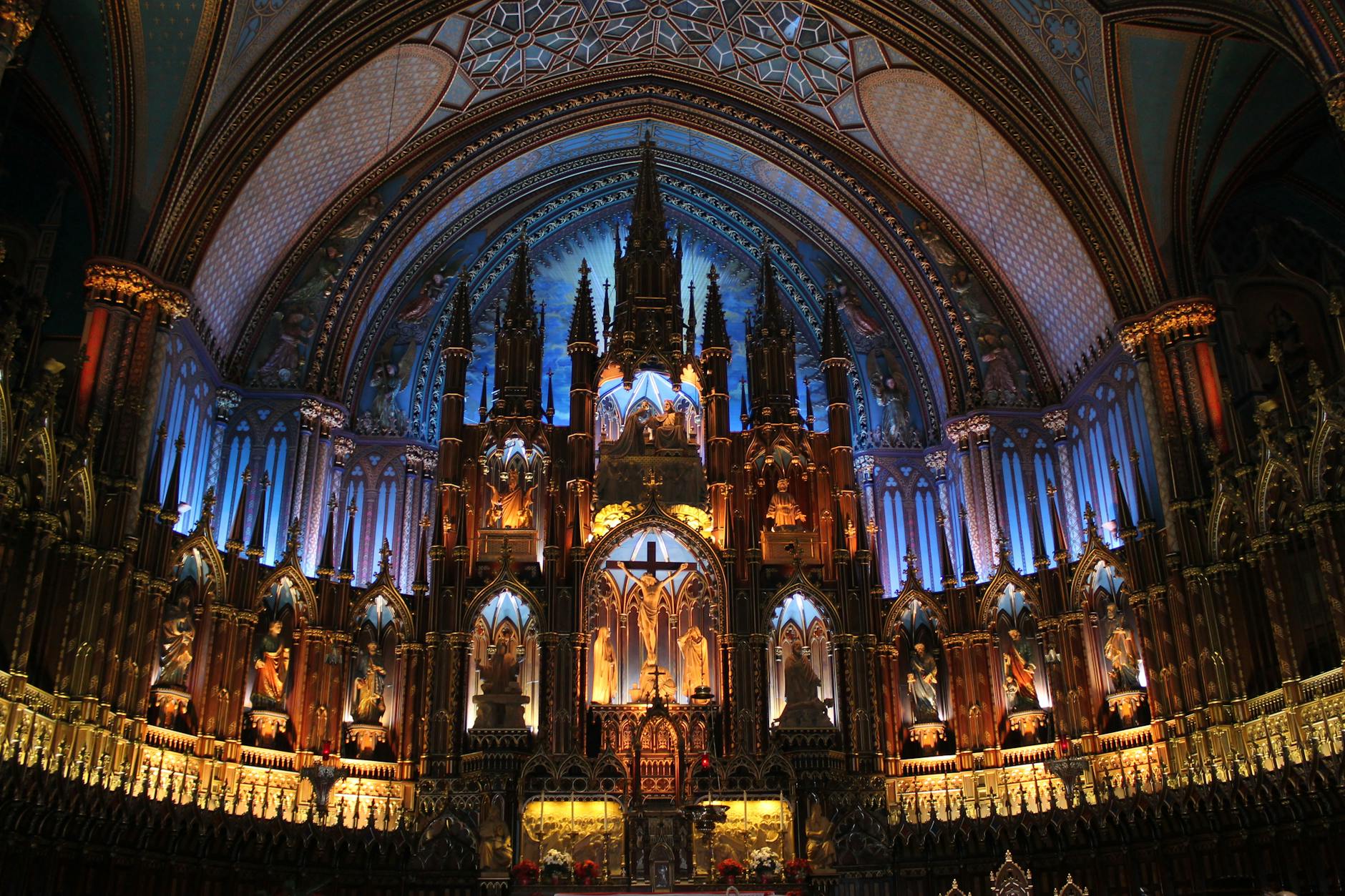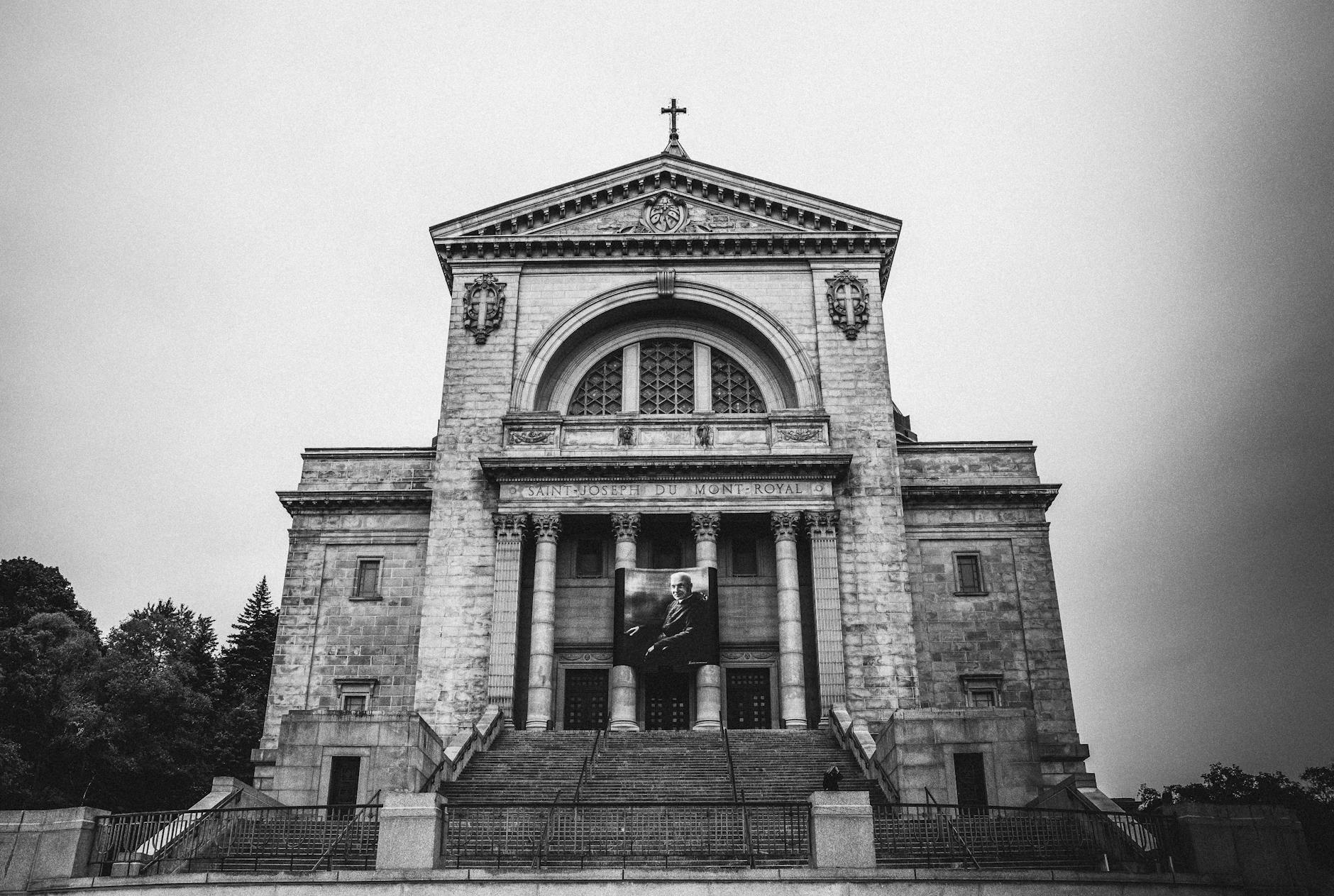
Montreal can be a meaningful short-term destination for a religious or pilgrimage traveler because sacred space sits close to the city's broader cultural texture. Notre-Dame Basilica, Saint Joseph's Oratory, Notre-Dame-de-Bon-Secours Chapel, Mary Queen of the World Cathedral, parish churches, religious art, music, cemeteries, interfaith communities, and quiet neighborhood worship spaces can all matter depending on the traveler. The challenge is deciding what is pilgrimage, what is heritage, and what is ordinary sightseeing. The religious traveler should plan Montreal with reverence and logistics together. Opening hours, services, visitor rules, photography, winter surfaces, hills, group pace, language, meals, and emotional fatigue can all change whether the visit feels grounded or rushed.
Separate worship, pilgrimage, and heritage
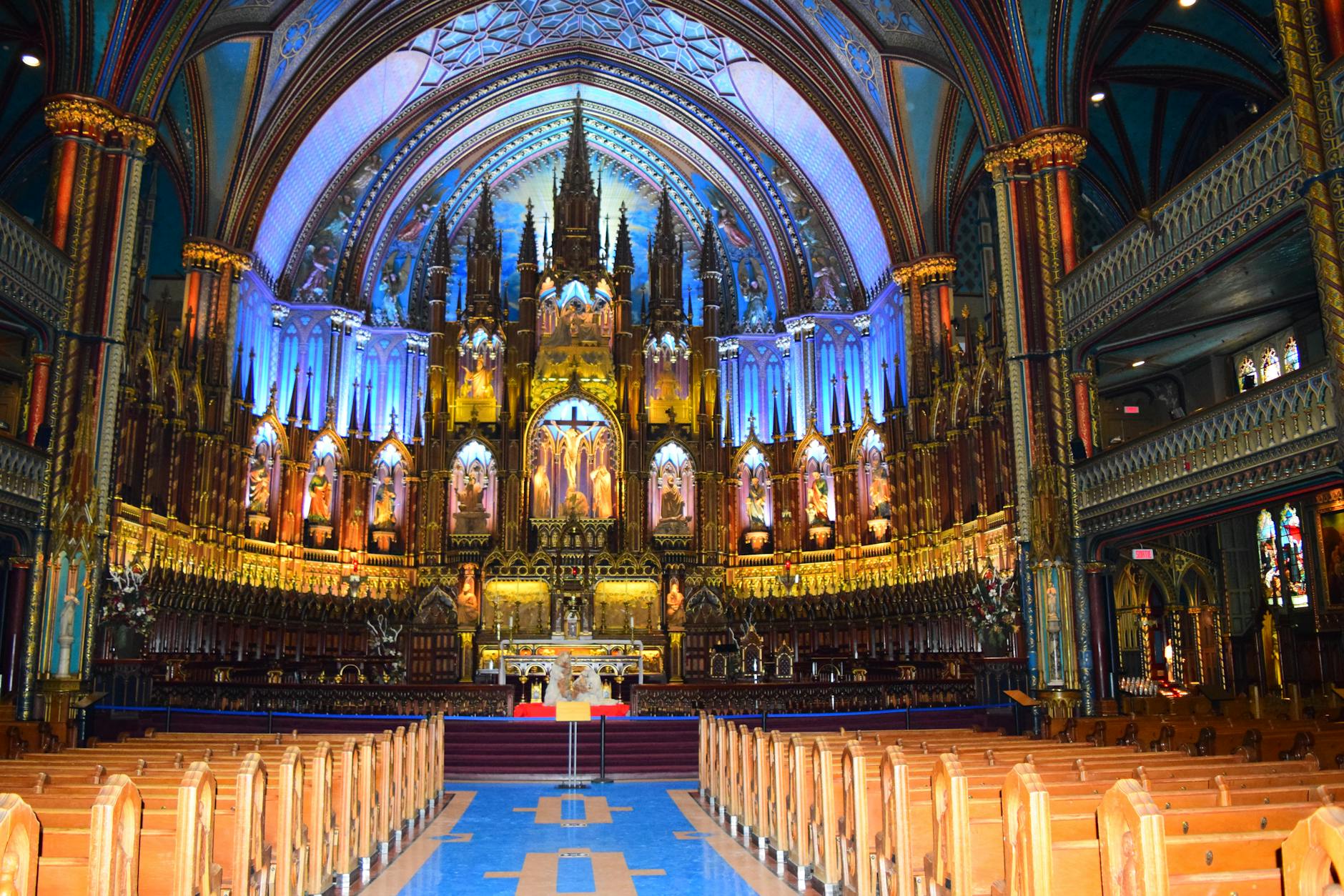
A Montreal religious trip can become confused if every sacred site is treated the same way. Notre-Dame Basilica may be a place of prayer, a historic interior, a ticketed visitor experience, a concert setting, and a major Old Montreal landmark. Saint Joseph's Oratory may carry a stronger pilgrimage purpose for some travelers, with a slower rhythm and more time needed on site. Smaller churches and community worship spaces may matter because they match the traveler's own faith practice.
The traveler should identify which stops require prayer, which require silence, which are heritage visits, and which are optional. That prevents the trip from turning into a church circuit with too little attention for the sites that carry the real purpose.
- Define which Montreal sites are for worship, pilgrimage, art, family memory, or general heritage.
- Do not treat Notre-Dame Basilica, Saint Joseph's Oratory, chapels, and neighborhood worship spaces as interchangeable.
- Protect quiet time for the places that matter spiritually rather than only architecturally.
Check service times and visitor access
Sacred sites in Montreal do not run on one tourist schedule. Some spaces have ticketed areas, worship times, special events, concerts, security controls, school groups, private ceremonies, or seasonal changes. A traveler who assumes that a church will be open, quiet, and available at any hour can lose the most important part of the day.
The plan should separate service attendance from visitor viewing. If the traveler wants Mass, prayer, confession, music, a guided visit, or a specific chapel, those needs should be checked before building meals and transport around them.
- Confirm current service times, ticket rules, visitor hours, events, closures, and photography policies.
- Separate worship attendance from sightseeing so neither one crowds out the other.
- Leave margin around major sites instead of placing sacred visits between unrelated appointments.
Choose a base that respects the route
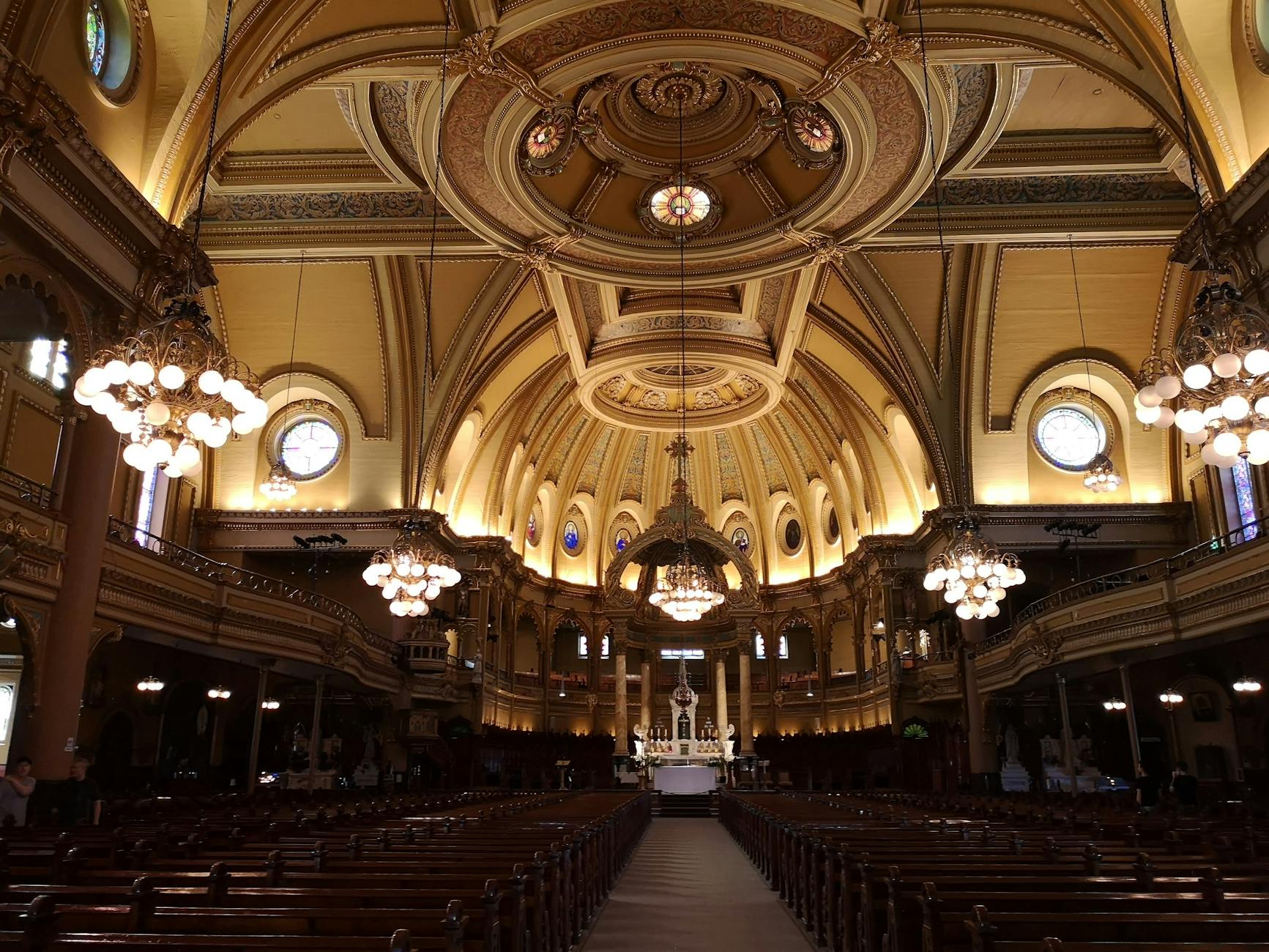
A religious traveler should choose lodging by sacred geography, not only by general centrality. Old Montreal makes Notre-Dame Basilica and the chapel layer easier, but it can involve crowds, cobblestones, and tourist pricing. A base closer to downtown or the mountain may better support Saint Joseph's Oratory, cathedral visits, transit, and quieter returns. A parish group or older pilgrim may need an even more practical base with taxis, elevators, breakfast, and rest close at hand.
The correct base depends on the trip's center of gravity. A hotel that is attractive for a first-time tourist may be less suitable for someone trying to attend early worship, move slowly, or return after an evening concert or service.
- Choose lodging by sacred-site route, early services, taxi access, rest needs, and group movement.
- Check elevators, room quiet, breakfast timing, winter walking, and late return routes.
- Avoid a base that makes the main religious site feel like a difficult side trip.
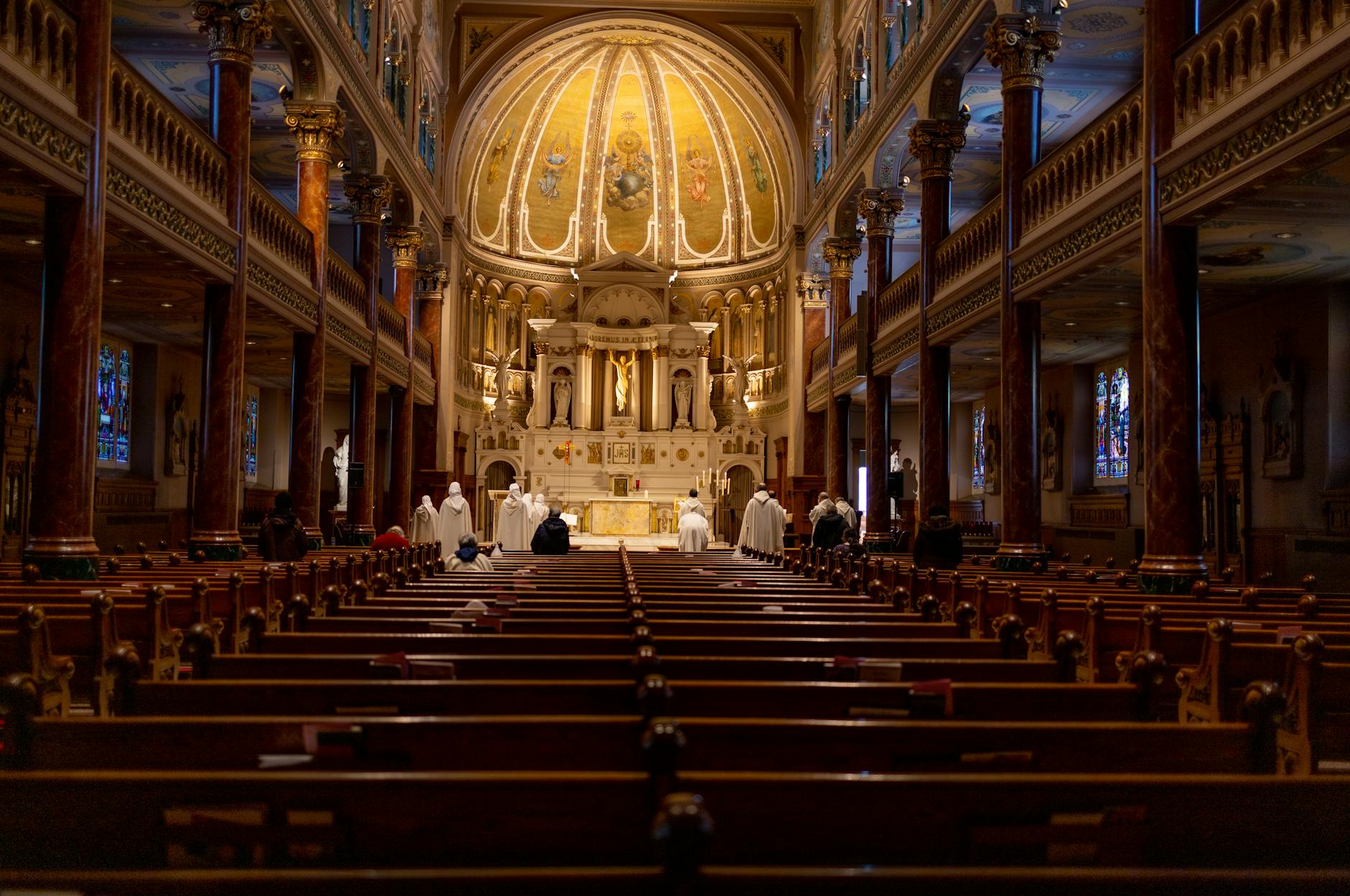
Treat sacred conduct as logistics
Sacred conduct is not only a matter of good manners after arrival. It should be part of the travel plan. Dress, silence, phone use, photography, food, group commentary, children, and movement through worship areas all need attention. Montreal's most famous sacred interiors are also visitor attractions, which makes the traveler's conduct more important rather than less.
Mixed groups should agree before entering. Some travelers may want to pray, some may want to photograph, and some may see the stop as architecture. The plan should give each person a respectful role without letting phones and commentary overwhelm the space.
- Plan dress, silence, phone use, photography, food, and worship-area behavior before entering.
- Give prayer time and visitor time separate places in the schedule.
- Set group expectations so casual visitors do not damage the purpose for pilgrims.
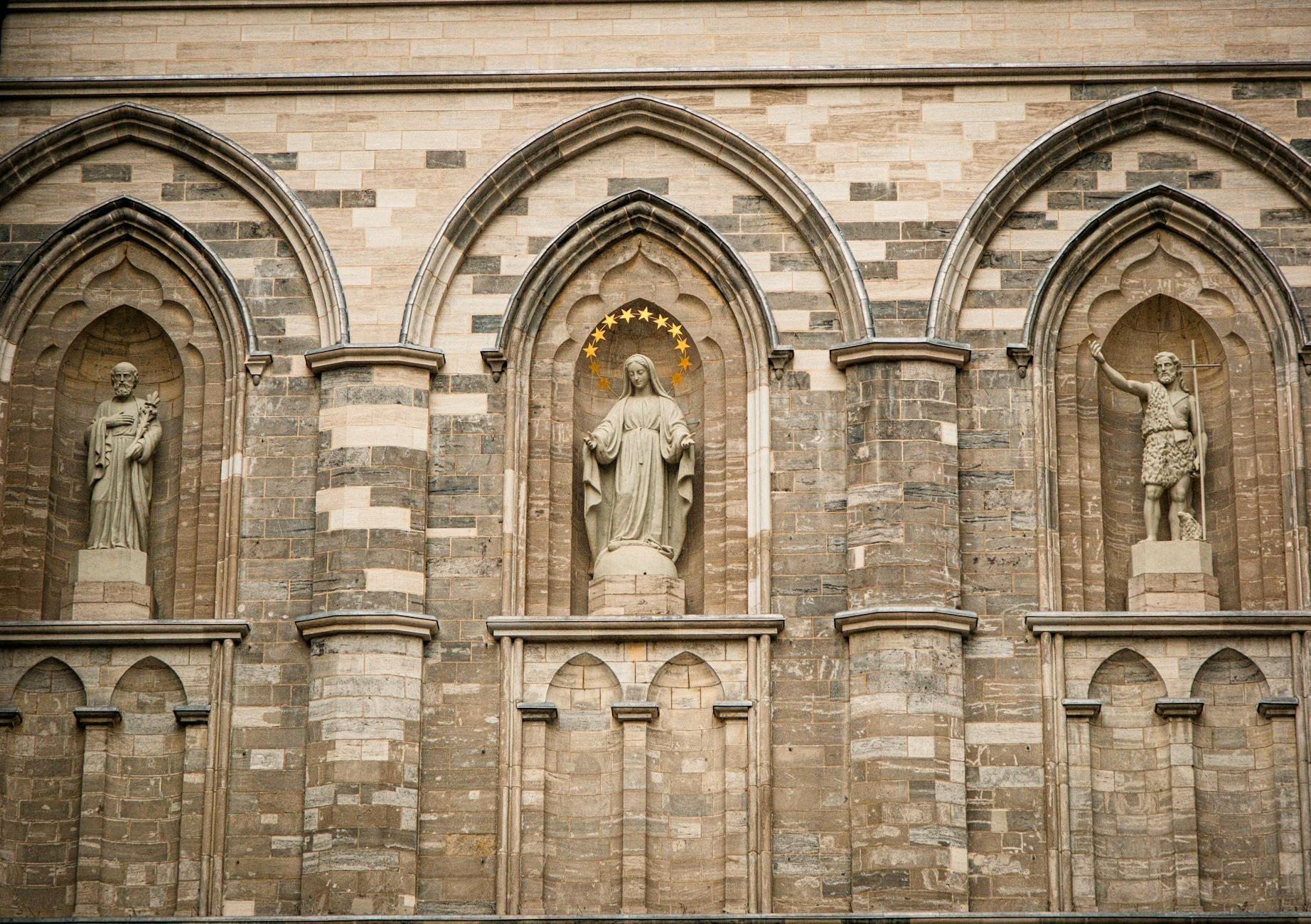
Plan honestly for hills, winter, and fatigue
Montreal can be physically demanding for religious travelers. Saint Joseph's Oratory, Mount Royal geography, Old Montreal surfaces, winter sidewalks, stairs, standing time, security lines, and long indoor visits can all affect the day. The traveler should not assume that a sacred itinerary is gentle because the distances look short on a map.
This matters especially for older pilgrims, family groups, mobility-limited travelers, and anyone managing medical constraints. Taxis, shorter visit blocks, indoor meal breaks, and partial visits can protect the spiritual purpose of the trip better than forcing every planned stop.
- Assess hills, stairs, cobblestones, winter surfaces, standing time, bathrooms, and rest points.
- Use taxis, shorter routes, and partial visits when fatigue would undermine the visit.
- Build indoor pauses around meals and weather rather than treating rest as a failure.
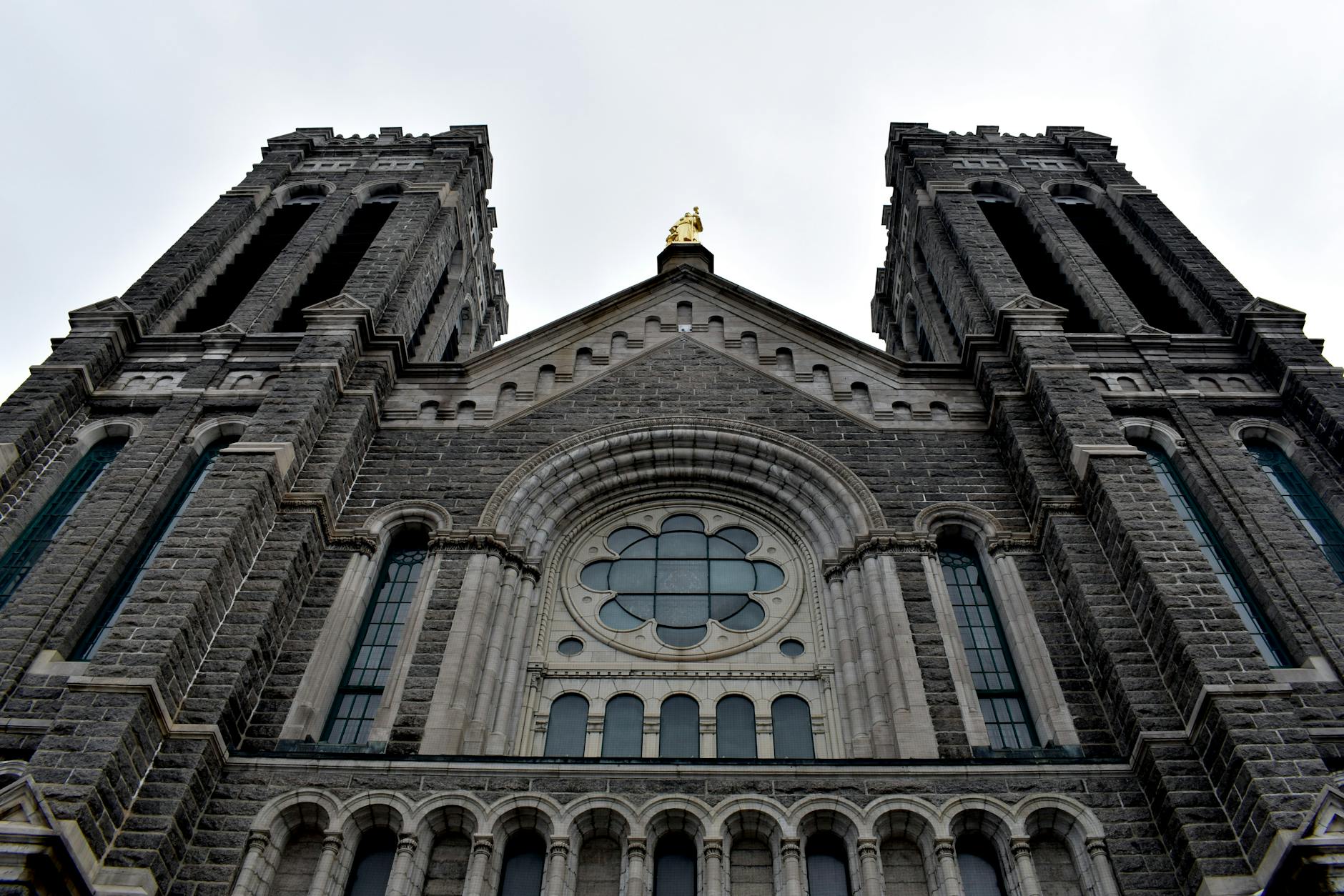
Handle interfaith and community visits carefully
Some religious travelers come to Montreal for a specific Catholic or Christian itinerary. Others may be seeking a synagogue, mosque, temple, meditation center, cemetery, family history site, interfaith meeting, or community event. Those visits require more care than dropping into a major tourist landmark. The traveler should verify access, language, security, visitor expectations, and whether advance contact is appropriate.
Community religious spaces are not attractions simply because a traveler is interested in them. A respectful plan protects privacy, avoids intrusive photography, and gives the traveler enough time to arrive calmly and behave as a guest.
- Verify access, language, visitor expectations, and security before community faith visits.
- Avoid intrusive photography, unannounced group arrivals, or treating worshippers as scenery.
- Use advance contact when a visit depends on a service, meeting, cemetery, or community event.
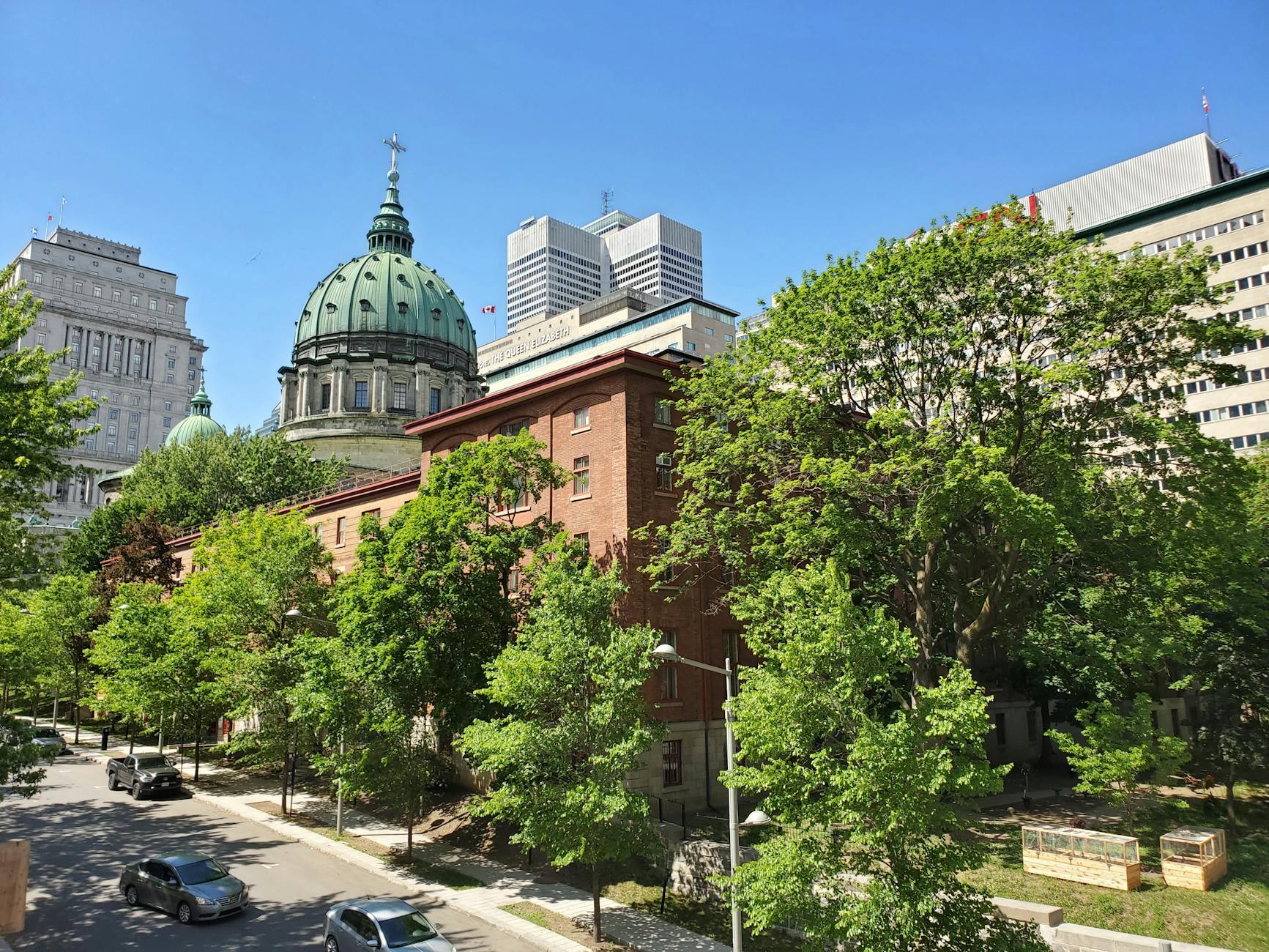
When to order a short-term travel report
A traveler with one flexible church visit may not need a custom Montreal report. A report becomes useful when the trip includes Notre-Dame Basilica, Saint Joseph's Oratory, several faith sites, a parish group, older relatives, mobility limits, winter travel, specific worship obligations, interfaith visits, family history, or a short stay where too many sacred and tourist priorities compete.
The report should test hotel base, sacred-site sequence, worship and visitor timing, access and fatigue, winter conditions, group movement, meal placement, respectful conduct, and what to cut if the plan is too crowded. The value is a religious Montreal trip that remains calm enough for its purpose.
- Order when worship timing, sacred-site geography, group movement, accessibility, winter, or faith-community access affects the trip.
- Provide site priorities, service needs, hotel candidates, group size, mobility concerns, dates, and preferred pace.
- Use the report to protect reverence, not merely to fit more churches into the day.