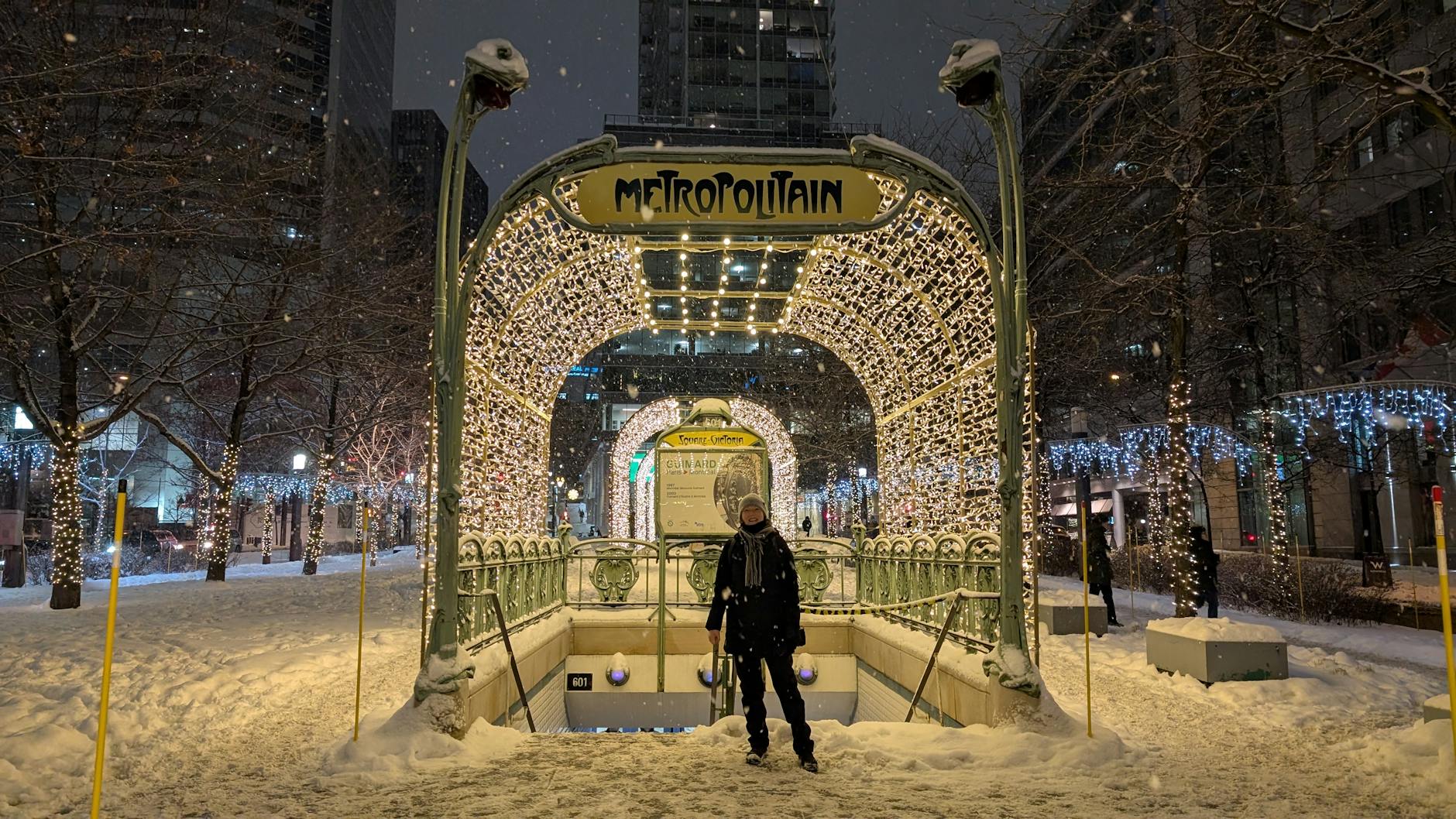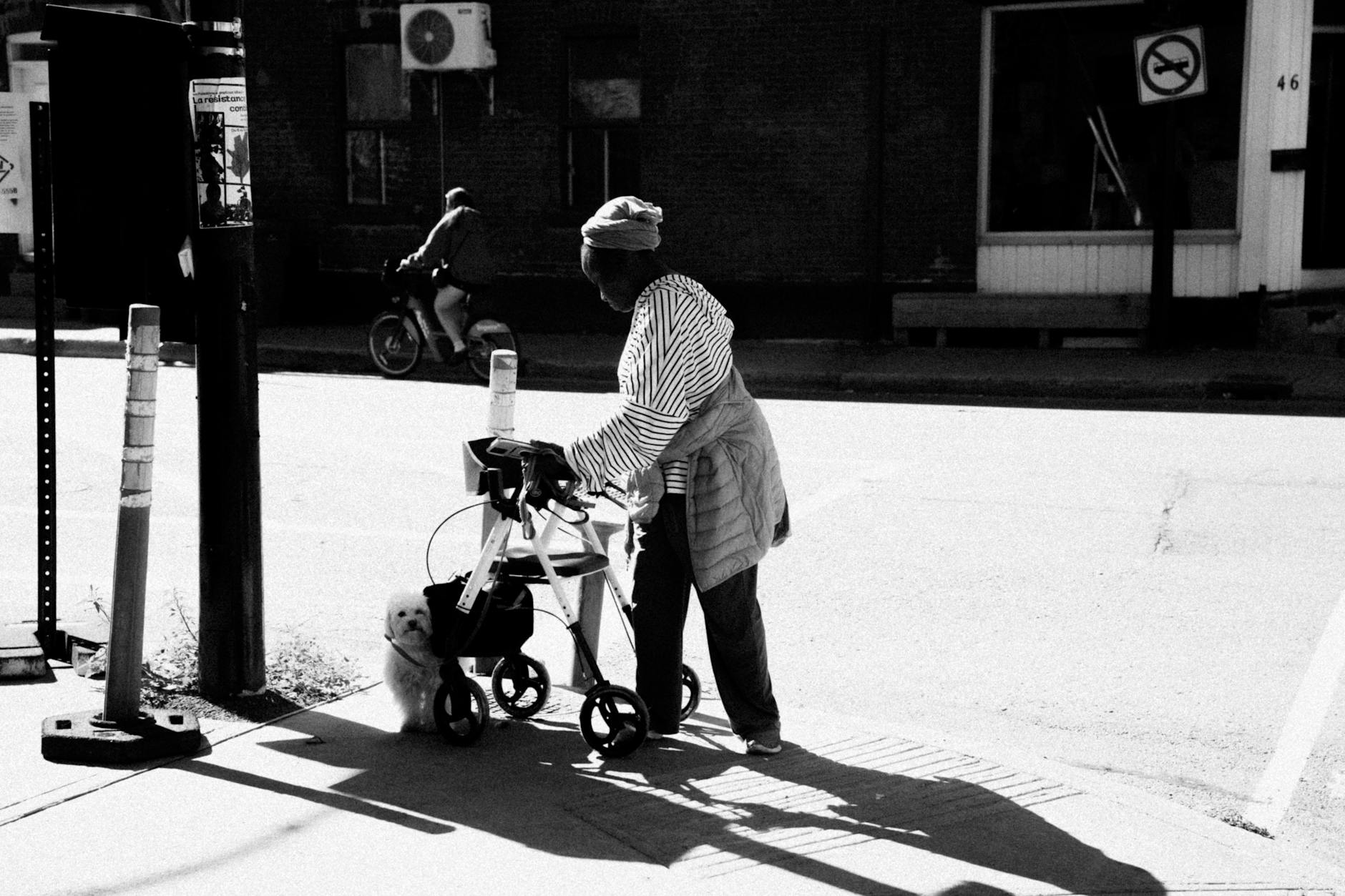
Montreal can work very well for older travelers when the trip is paced around real movement rather than a generic visitor checklist. The city offers historic streets, good food, museums, parks, river views, hotels, taxis, and a metro system that can be useful in the right circumstances. It also has winter weather, uneven old streets, hills, stairs, construction, and neighborhood distances that can turn a short visit into unnecessary strain. The planning goal is not to avoid Montreal's most rewarding areas. It is to decide which parts fit the traveler, the season, the hotel, and the available energy. An older traveler should know where walking will be pleasant, where it will be tiring, when a taxi is smarter, and how medical routines, rest, meals, and evening returns fit the day.
Start with stamina, surfaces, and season
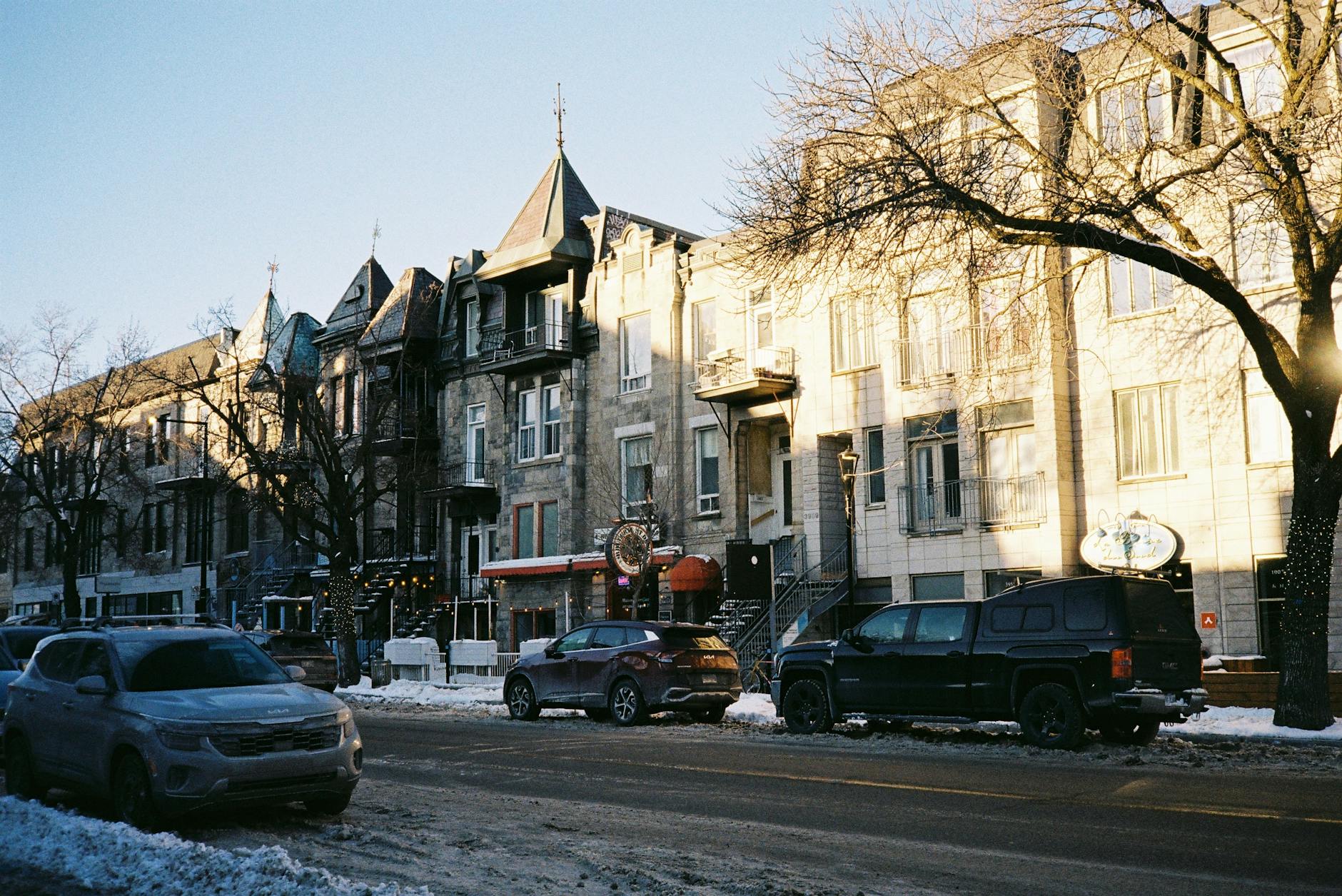
Older travelers should plan Montreal around how the day will feel underfoot. Old Montreal can be beautiful but may involve cobblestones, uneven surfaces, curbs, crowds, and winter ice. Plateau and Mile End can be rewarding but may require more walking than expected. Downtown can be practical, but construction, wind, and busy sidewalks can still matter.
Season should shape the entire trip. Winter trips need careful footwear, coats, taxi plans, indoor breaks, and shorter outdoor loops. Summer trips may require shade, hydration, and rest. The best Montreal itinerary is not the longest one; it is the one that leaves the traveler with energy for dinner and the next day.
- Assess walking surfaces, curbs, hills, crowds, construction, and weather before choosing daily routes.
- Plan winter footwear, coats, taxi use, indoor breaks, and shorter outdoor loops.
- Protect energy for meals, evenings, and the next morning rather than maximizing stops.
Choose the hotel for access, not just charm
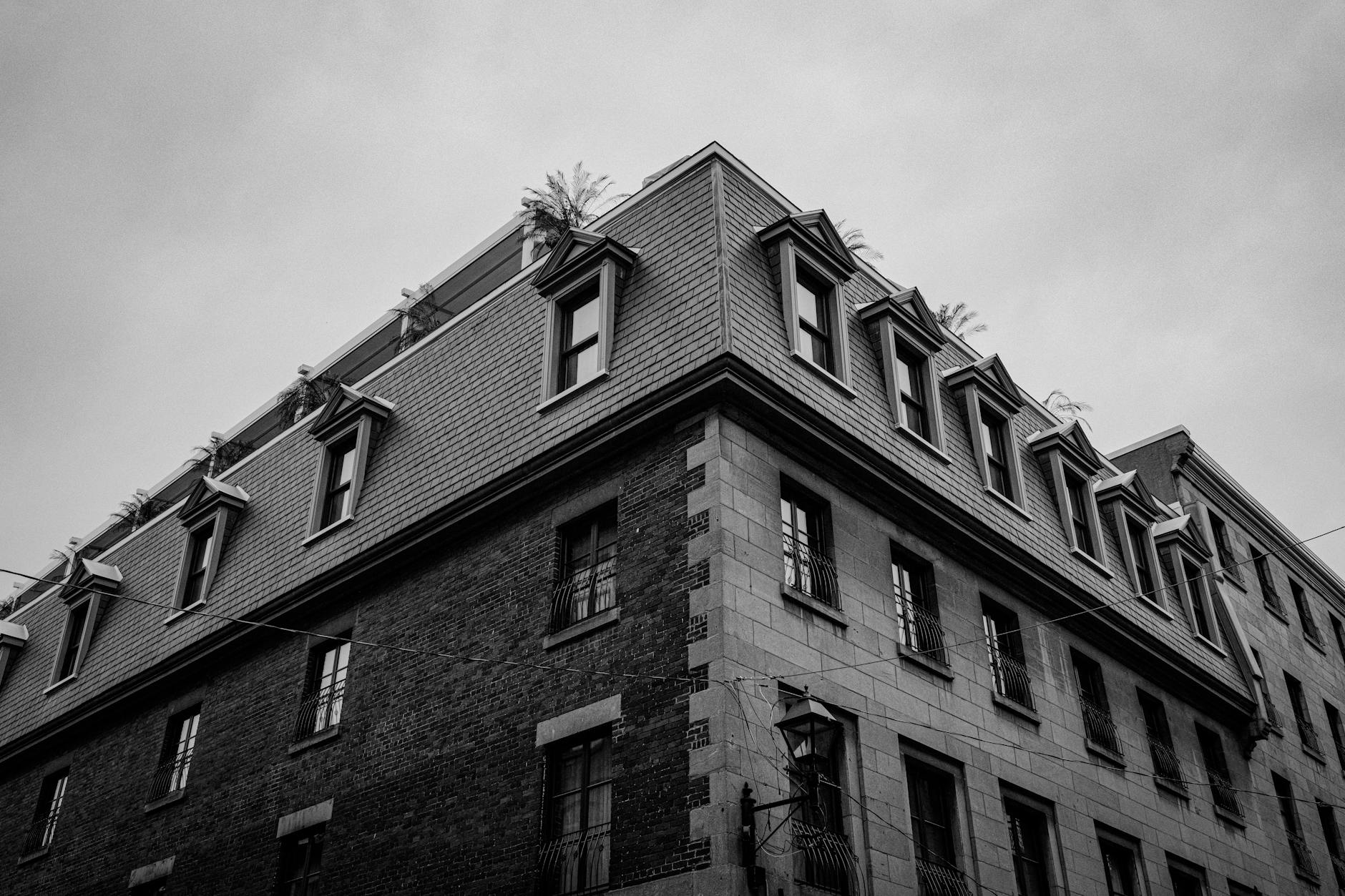
The hotel decision has more weight for an older traveler. Elevator reliability, step-free entry, taxi pickup, room quiet, bathroom layout, breakfast timing, nearby food, weather exposure, and the route back from dinner can matter more than a famous neighborhood. A charming hotel with difficult stairs or awkward vehicle access may weaken the whole trip.
Old Montreal can still be a good base if the hotel is practical and the traveler wants historic atmosphere. Downtown may be better for taxis, museums, the underground city, shopping, and easier movement. Airport-area hotels may make sense for early flights or limited energy. The base should reduce friction.
- Check elevators, step-free entry, taxi pickup, room quiet, bathroom layout, breakfast, and nearby meals.
- Use Old Montreal for atmosphere only when the specific hotel is operationally comfortable.
- Consider downtown or airport-side lodging when weather, transfers, or early departures matter more.
Make winter an itinerary constraint
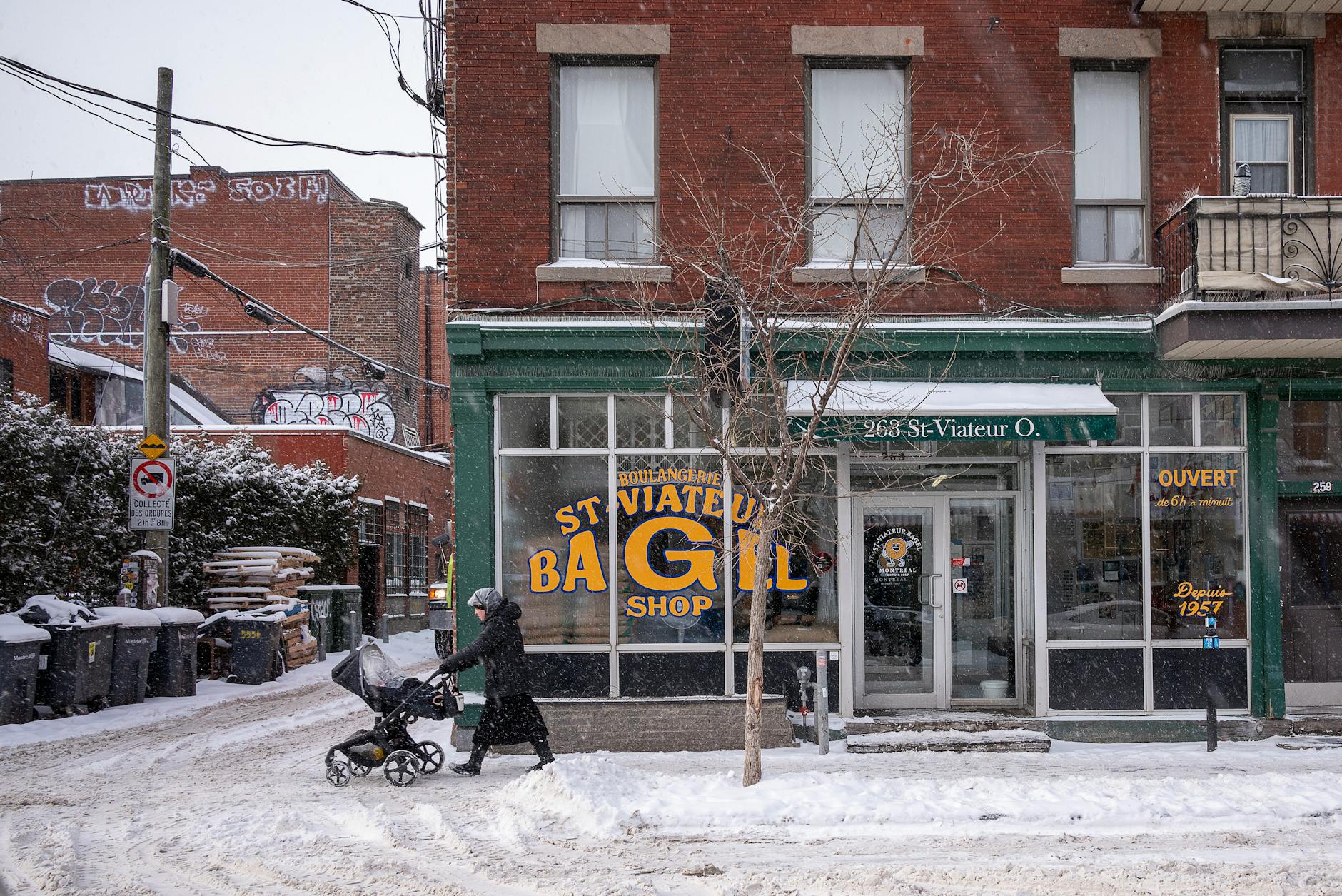
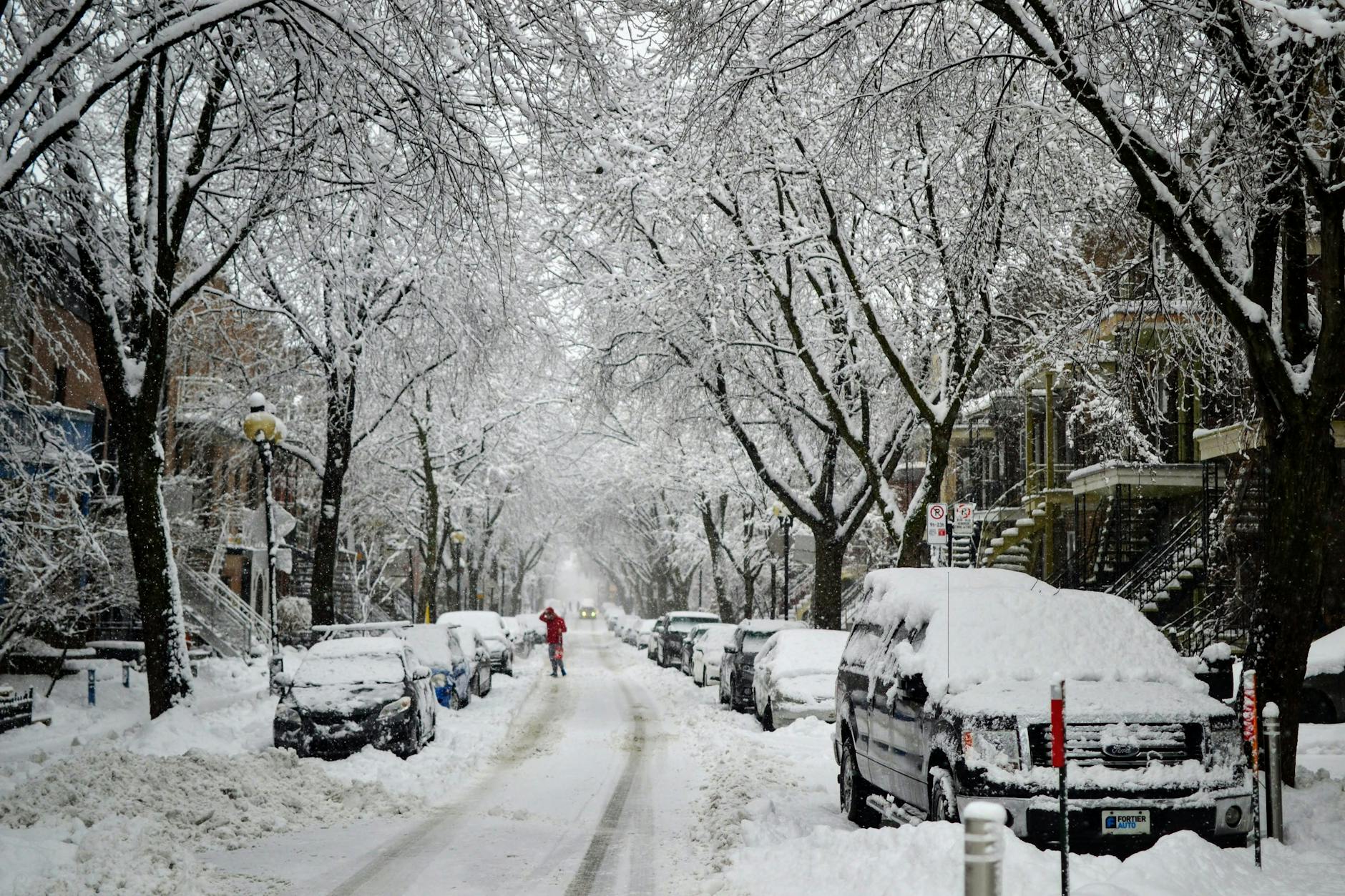
Montreal winter can be part of the attraction, but it should not be treated casually. Cold, snow, slush, ice, wind, and shortened daylight can affect every transfer. Older travelers may need more time to dress, move, wait for rides, handle gloves and phones, and recover after outdoor exposure. A winter itinerary should have fewer outdoor assumptions.
The practical plan should include taxi thresholds, indoor alternatives, direct routes, warm breaks, and a willingness to skip a stop that would be pleasant in another season. The trip can still be excellent; it just needs a winter version.
- Treat cold, snow, slush, ice, wind, and daylight as core planning variables.
- Set taxi thresholds and indoor alternatives before the day begins.
- Use fewer outdoor stops in winter and protect recovery time.
Use the metro carefully, not automatically
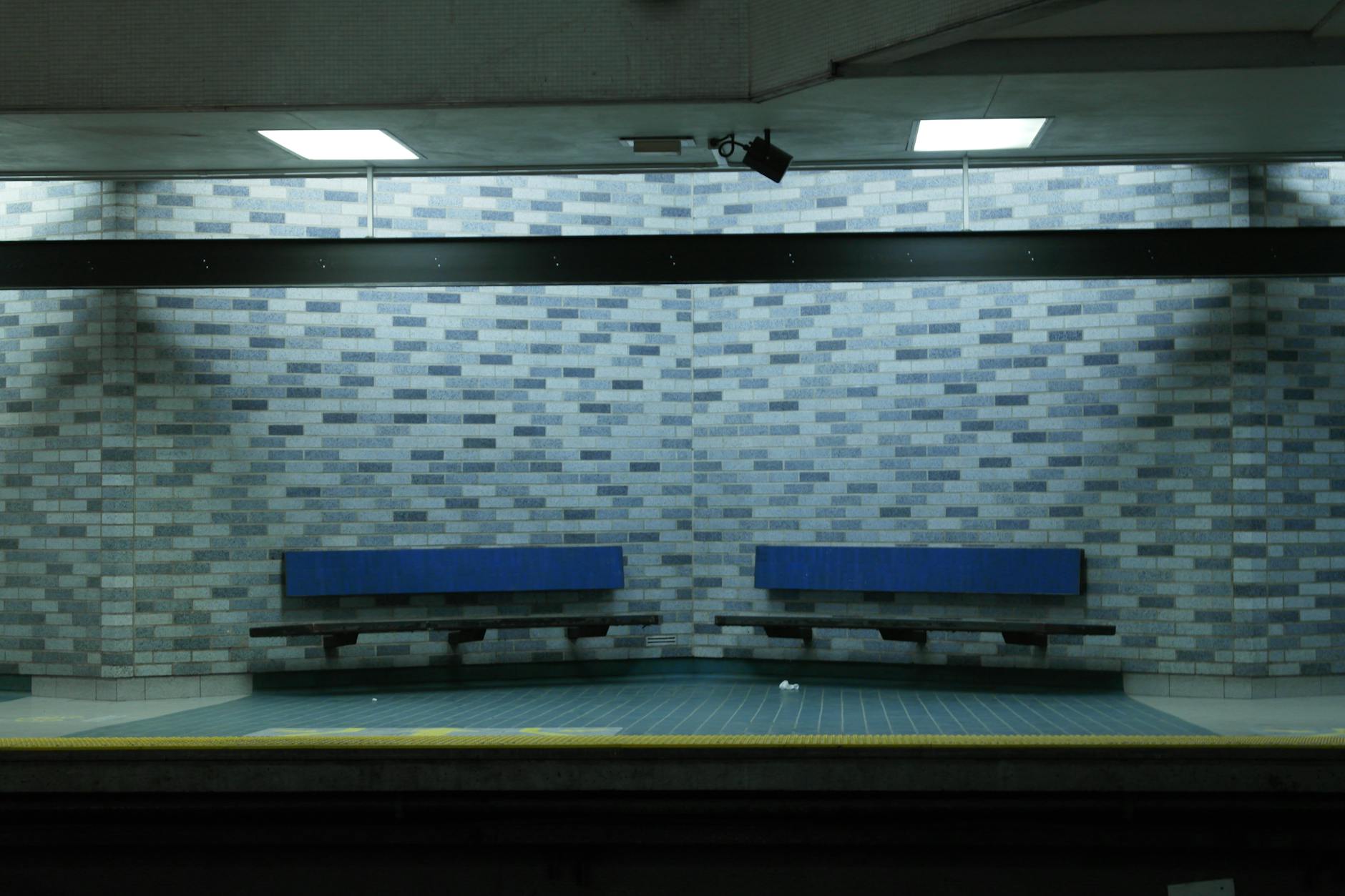
The Montreal metro can help older travelers avoid traffic and weather, but it is not always the easiest choice. Stairs, escalators, station depth, walking inside stations, crowding, platform waits, and the distance from the final exit to the destination can reduce the benefit. A taxi or short ride may be smarter for some trips.
When the metro does make sense, the traveler should know the exact station, exit, transfer, and walking segment. This is especially important with luggage, canes, walkers, winter boots, medication schedules, or fatigue after dinner.
- Check station access, stairs, escalators, transfers, walking distance, and final exit before relying on the metro.
- Use taxis when fatigue, weather, luggage, or evening timing makes transit impractical.
- Keep routes simple enough to repeat if the traveler becomes tired.
Choose lower-friction sights and neighborhoods
Older travelers often do better with fewer, better-chosen Montreal stops. A museum, a comfortable Old Montreal walk, a short waterfront visit, a garden, a scenic drive, or a carefully placed meal can be more satisfying than a packed route across the city. The itinerary should create moments of rest, not constant transitions.
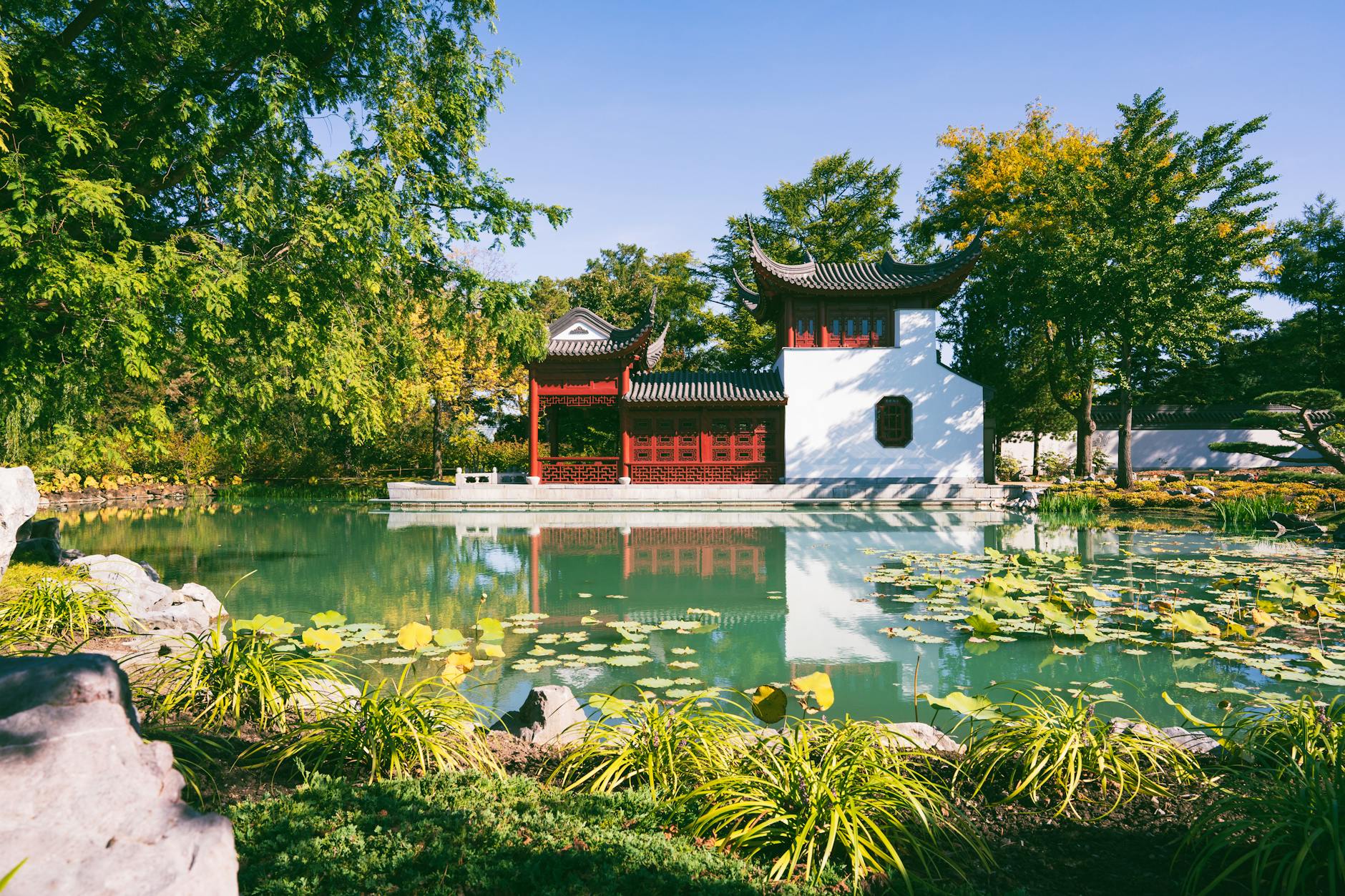
Botanical Garden areas, museum districts, river views, hotel-adjacent restaurants, and limited Mount Royal viewpoints can work well when matched to weather and stamina. The point is to select experiences that fit the traveler instead of forcing the traveler to fit the list.
- Favor fewer sights with better access over a crowded city checklist.
- Match gardens, museums, waterfront areas, meals, and viewpoints to weather and stamina.
- Plan seated breaks and indoor pauses as part of the itinerary, not as failures.
Protect meals, medication, and evenings
Meal timing can determine whether an older travel day works. Montreal's food scene is a strength, but famous restaurants, lines, late reservations, loud rooms, stairs, and winter returns can make meals more demanding than expected. A comfortable early reservation near the hotel may be better than a famous table across town.
Medication schedules, hydration, rest, temperature control, and bathroom access should be explicit in the plan. Evening returns need special care: the traveler should know how they will get back before dinner begins, especially in winter or after a long day.
- Choose restaurants by comfort, timing, noise, access, weather, and return route as well as food quality.
- Keep medication, hydration, rest, temperature, and bathroom needs visible in the schedule.
- Plan the ride back before evening meals or performances begin.
When to order a short-term travel report
An older traveler with a central hotel, mild weather, and a simple schedule may not need a custom Montreal report. A report becomes useful when the trip involves winter, mobility limits, medical routines, fatigue concerns, several neighborhoods, family coordination, a tight YUL arrival, an early departure, or uncertainty about whether Old Montreal, downtown, Mount Royal, gardens, and restaurants can fit comfortably.
The report should test hotel access, walking surfaces, winter exposure, taxi and metro choices, meal timing, medical needs, rest windows, evening returns, attraction access, and what to cut if the plan is too strenuous. The value is a Montreal trip that preserves dignity, energy, and enjoyment.
- Order when winter, walking surfaces, mobility, medical routines, fatigue, or family coordination affect the trip.
- Provide hotel candidates, flight times, mobility details, medication needs, meal preferences, and must-see priorities.
- Use the report to make Montreal comfortable before making it ambitious.