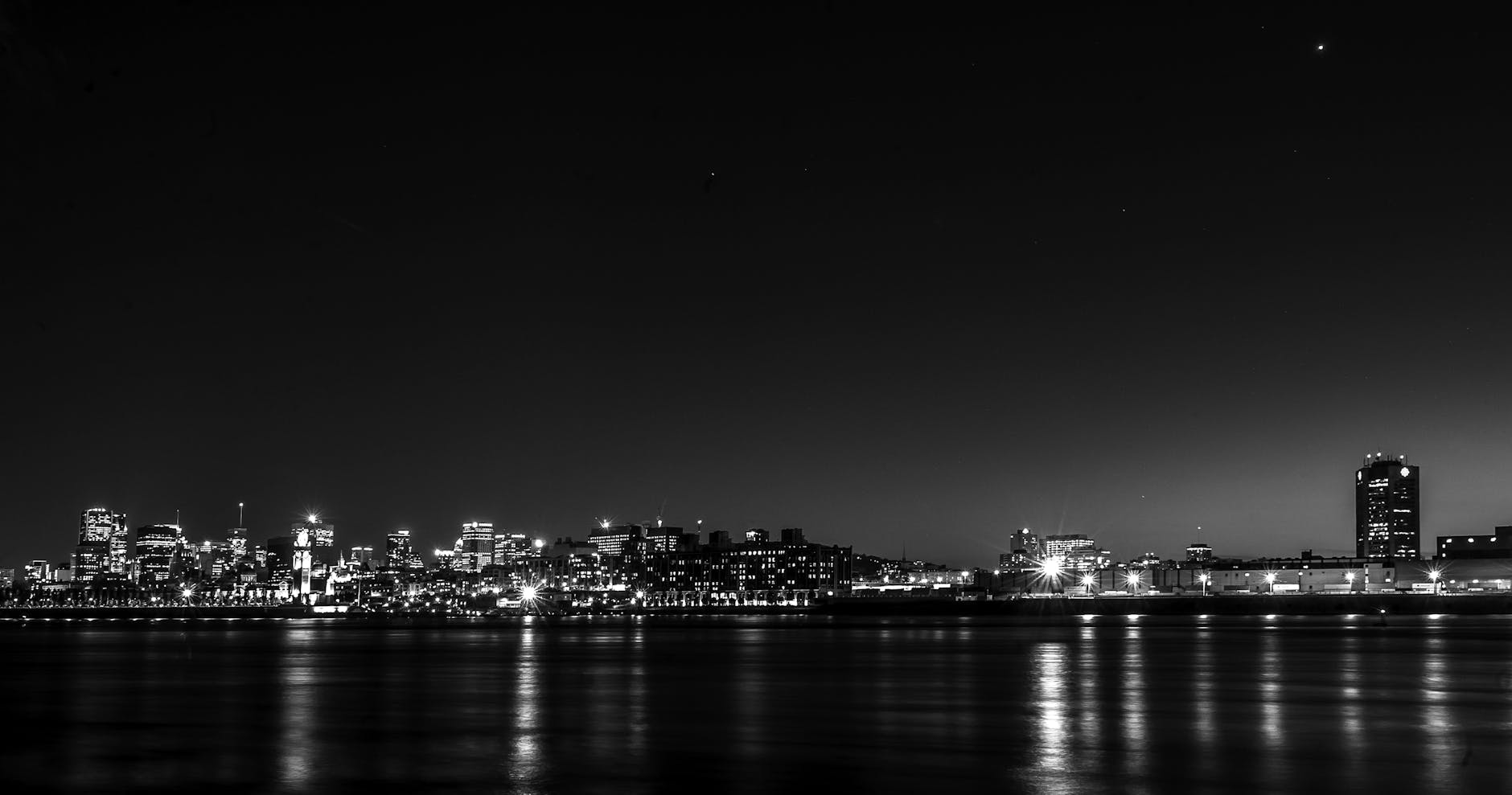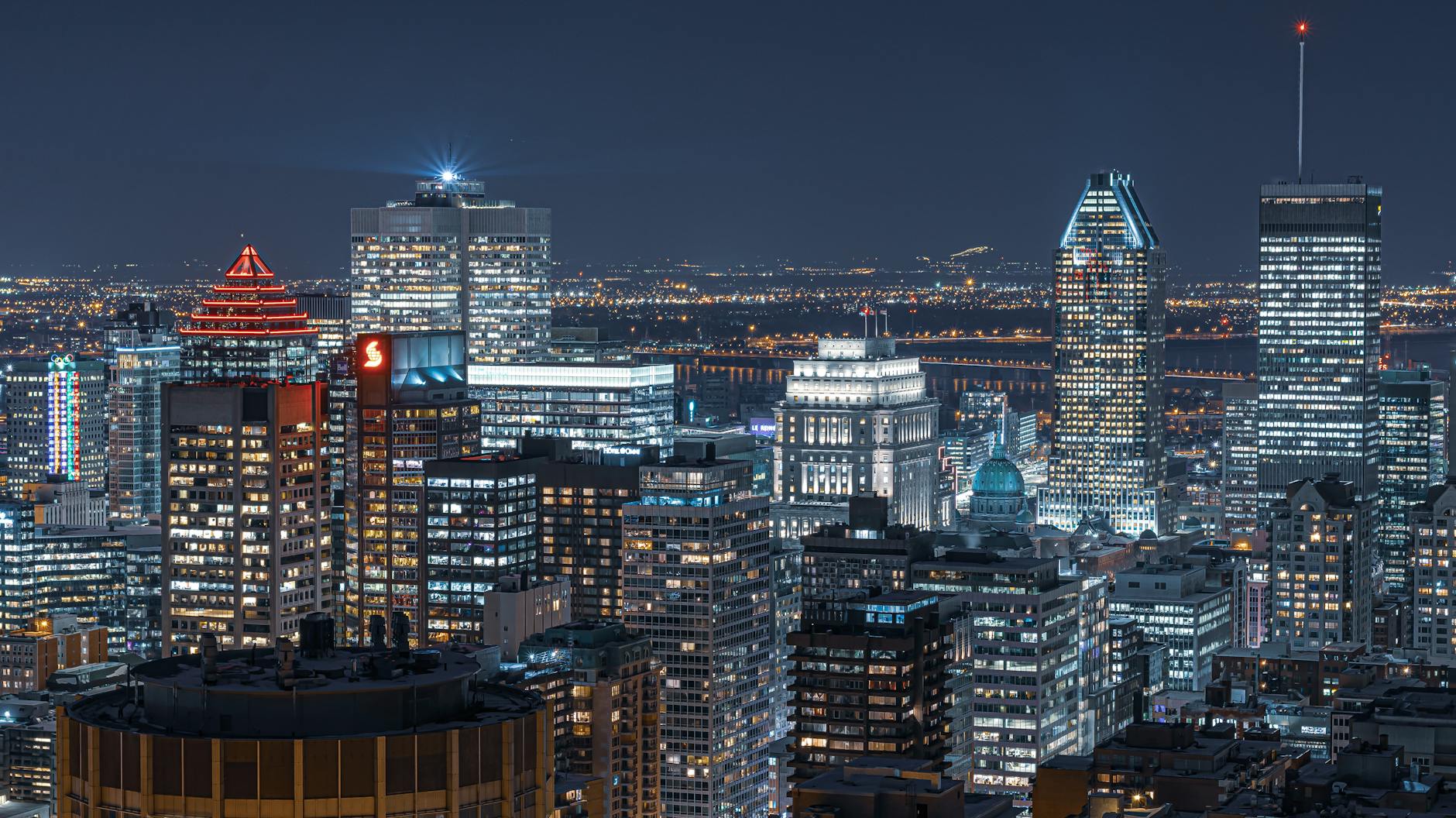
Montreal can be excellent for a nightlife-focused traveler because the city has several evening personalities rather than one simple going-out district. A night can mean Plateau bars, Mile End restaurants, downtown clubs, Quartier des spectacles events, Old Montreal cocktails, Gay Village energy, late festivals, live music, summer terraces, winter lights, or a food-led evening that never becomes a club night. The traveler should decide which version of nightlife they actually want. The practical risks are ordinary but important: choosing the wrong hotel base, assuming late transport will solve itself, carrying visible valuables, drinking past the next day's capacity, underestimating winter, or treating every lively area as equally easy to leave after midnight.
Choose the nightlife style first
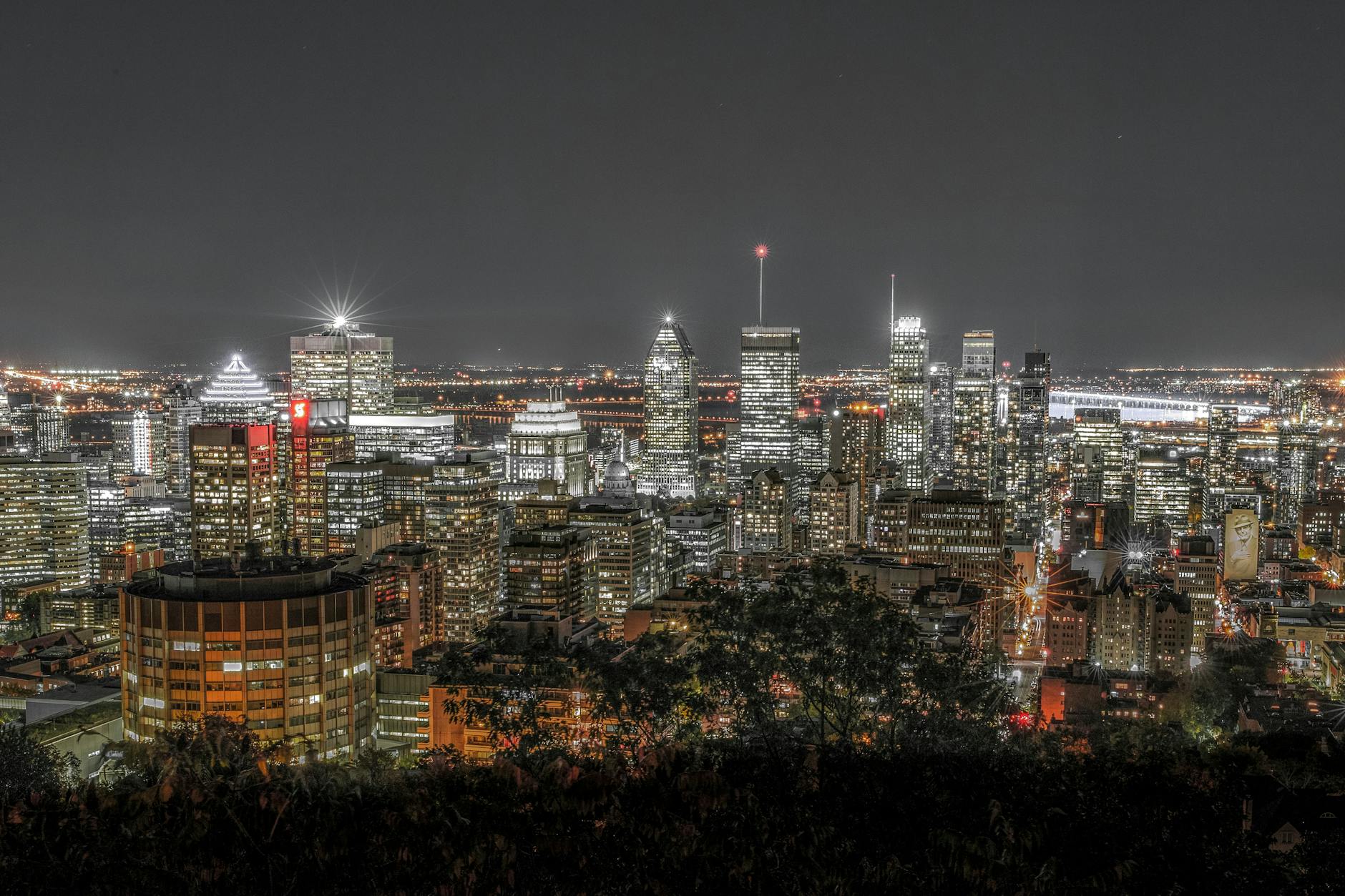
A nightlife traveler should not plan Montreal as one generic late-night map. Plateau, Mile End, Old Montreal, downtown, Griffintown, Quartier Latin, Quartier des spectacles, and the Gay Village can all support different evenings. Some nights are about food and wine. Some are about live music, clubs, festivals, cocktails, terraces, queer nightlife, or simply seeing the city after dark.
The hotel, restaurant timing, transport, clothing, and risk profile all change depending on that choice. A polished Old Montreal cocktail night and a late club night do not need the same plan.
- Separate food-led evenings, cocktails, live music, clubs, festivals, queer nightlife, and late sightseeing.
- Choose neighborhoods that match the desired night instead of chasing every busy district.
- Use the first decision to guide hotel base, clothing, transport, and recovery.
Pick lodging for the return route
Nightlife hotel choice is mostly about the return. A base that feels convenient in daylight can be less attractive after midnight if the traveler must wait outside in cold, cross the city while tired, or walk through quiet streets with a phone in hand. Staying closer to the preferred evening zone may reduce friction, but it can also increase noise or weaken next-day recovery.
The traveler should check late reception, room quiet, taxi pickup, winter walking, street lighting, and whether the hotel block feels manageable after the specific kind of night being planned.
- Choose lodging by late return route, taxi access, street lighting, reception, room quiet, and winter conditions.
- Balance proximity to nightlife against sleep and next-day recovery.
- Do not rely on a vague central location if most nights end in a different district.
Plan dinner, bars, and events as one sequence
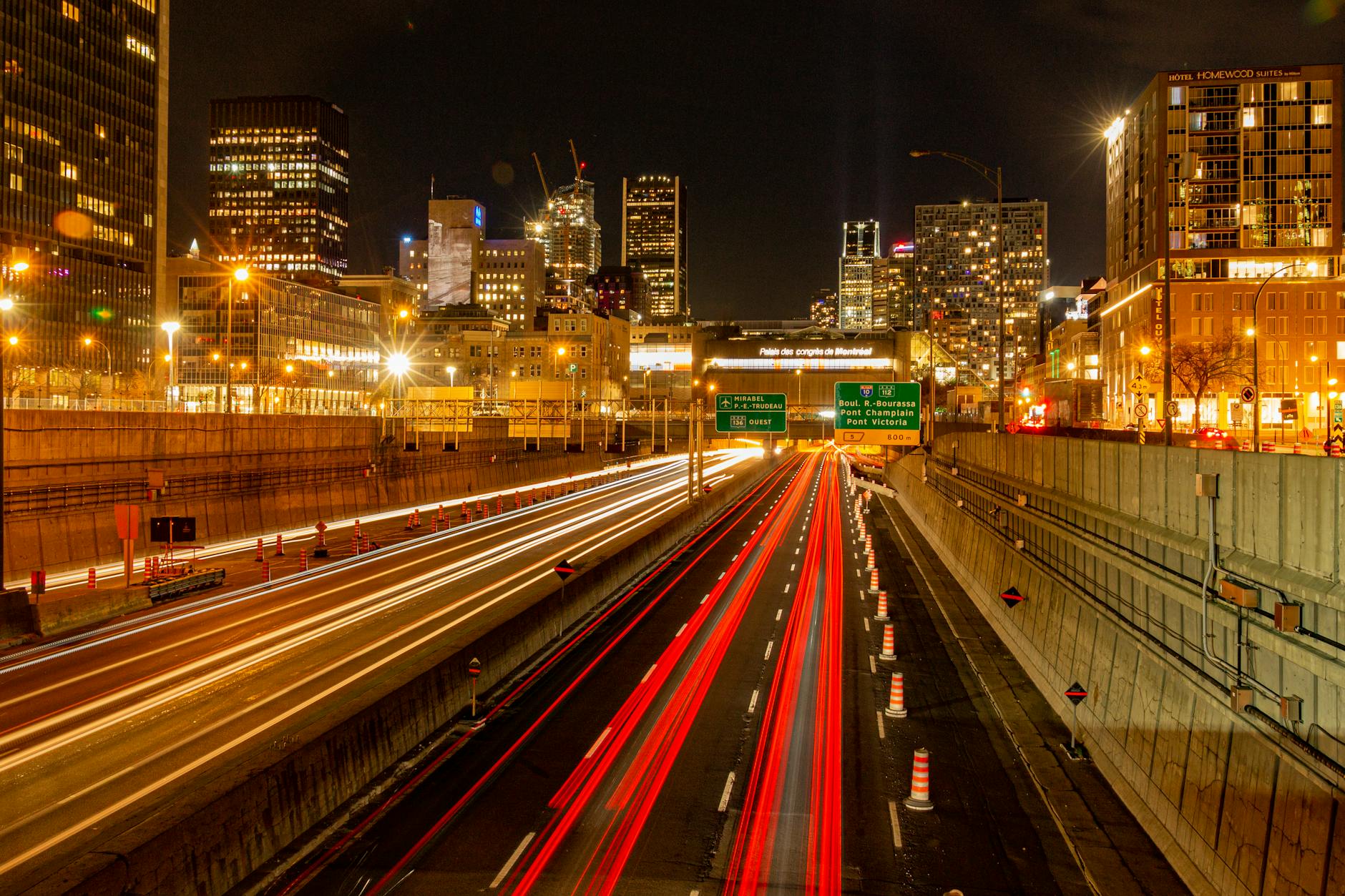
Montreal nightlife often begins with dinner or drinks rather than a single late destination. Restaurants, bars, music rooms, festival programming, and clubs may sit in different neighborhoods, and moving between them can cost time and energy. A traveler who leaves dinner vague may spend the best part of the evening waiting, backtracking, or accepting a weak meal in a crowded area.
The plan should decide which meal matters, when reservations are useful, which event is fixed, and where flexibility belongs. Good nightlife often feels spontaneous because the hard points have already been controlled.
- Sequence dinner, drinks, shows, festivals, clubs, and late transport before the evening starts.
- Use reservations when food quality, group size, or timing matters.
- Leave flexibility around the parts of the night that can actually absorb change.
Respect winter and festival pressure
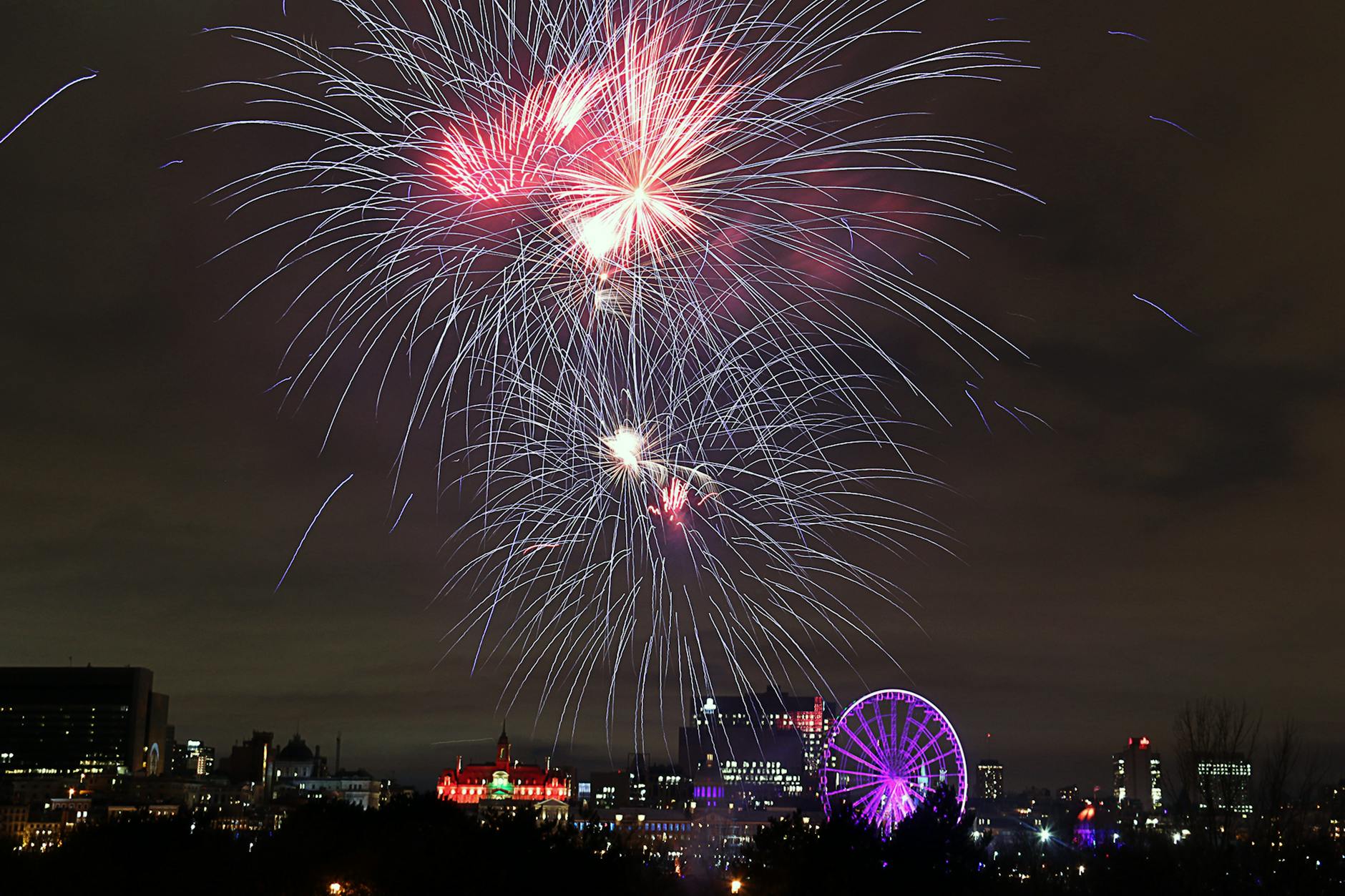
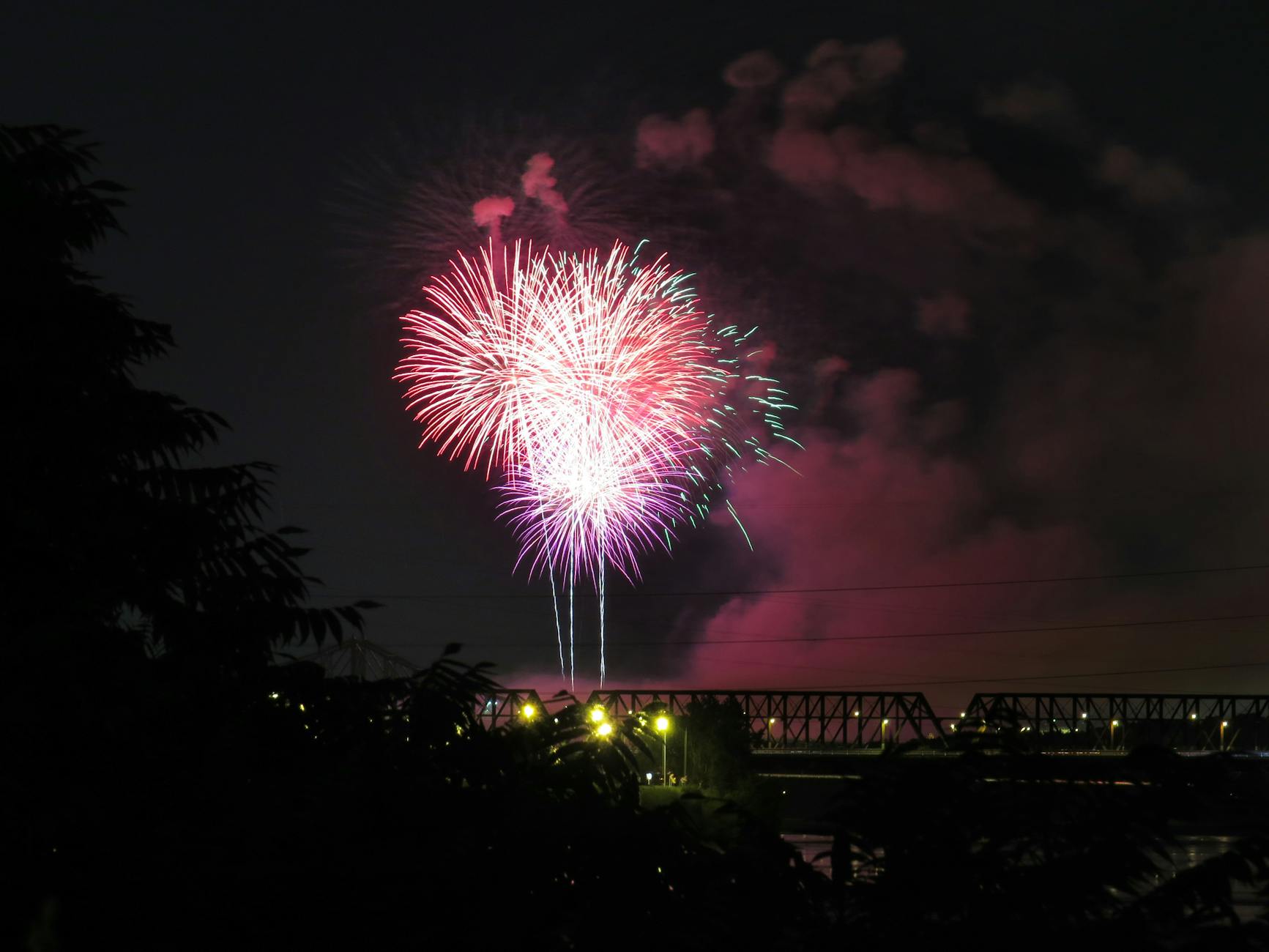
Montreal evenings change sharply by season. Summer terraces, festivals, and waterfront nights create one kind of trip. Winter lights, snow, cold sidewalks, coat checks, and shorter outdoor tolerance create another. The traveler should plan clothing, shoes, waiting time, and transport around the actual season rather than the mood of the venue.
Festival pressure also matters. Big event nights can distort hotel prices, restaurant availability, taxi demand, crowd density, and walking routes. A nightlife trip built around events should treat the event as infrastructure, not just entertainment.
- Adjust nightlife plans for summer terraces, winter cold, snow, footwear, coat checks, and outdoor waits.
- Check festival and event pressure before relying on restaurants, taxis, or hotel rates.
- Build a weather-safe night rather than forcing the same plan in every season.
Control valuables, phones, and group drift
Most nightlife problems are not dramatic; they are practical. A phone left on a table, a bag on a chair, a wallet in an easy pocket, a group splitting without a meeting point, or a traveler using navigation with low battery can all turn an otherwise good night into a problem. Montreal's lively districts still require normal city discipline.
The traveler should carry less, separate payment backups, keep the hotel address offline, and agree on a return rule with companions. The more alcohol, winter clothing, crowds, or valuables are involved, the simpler the end of the night should be.
- Control phones, wallets, bags, coats, documents, cameras, and backup payment in crowded night settings.
- Set meeting points and return rules before the group separates.
- Use simpler transport when alcohol, weather, valuables, or fatigue raise exposure.
Protect the morning after
A nightlife-focused trip still has mornings. A late night before a flight, train, family day, business meeting, museum ticket, outdoor plan, or long drive is a real tradeoff. The traveler should decide which night is allowed to run late and which nights need a controlled finish.
Recovery is part of the trip design. Hydration, food, sleep, packing, transfer timing, and realistic checkout plans matter. Montreal nightlife is more enjoyable when it does not quietly steal the trip's best daylight hours.
- Choose the main late night instead of letting every evening drift.
- Avoid heavy nightlife before flights, trains, work, family obligations, or fixed tickets.
- Plan hydration, food, sleep, packing, checkout, and transfer timing around late evenings.
When to order a short-term travel report
A traveler with one simple dinner and a central hotel may not need a custom Montreal report. A report becomes useful when the trip includes several late nights, festivals, clubs, solo travel, a group with different comfort levels, winter conditions, visible valuables, tight next-day obligations, or uncertainty about which neighborhood fits the kind of nightlife the traveler wants.
The report should test hotel base, nightlife district fit, dinner and event geography, late transport, crowd and valuables exposure, winter substitutions, group return rules, recovery time, and what to cut if the plan is too ambitious. The value is a Montreal after-dark trip that feels freer because the return plan is already clear.
- Order when district choice, late transport, festivals, winter, valuables, solo travel, or group movement raises the stakes.
- Provide hotel candidates, evening goals, dates, group size, reservation ideas, comfort limits, valuables, and next-day obligations.
- Use the report to enjoy Montreal after dark without letting the last hour of the night control the trip.