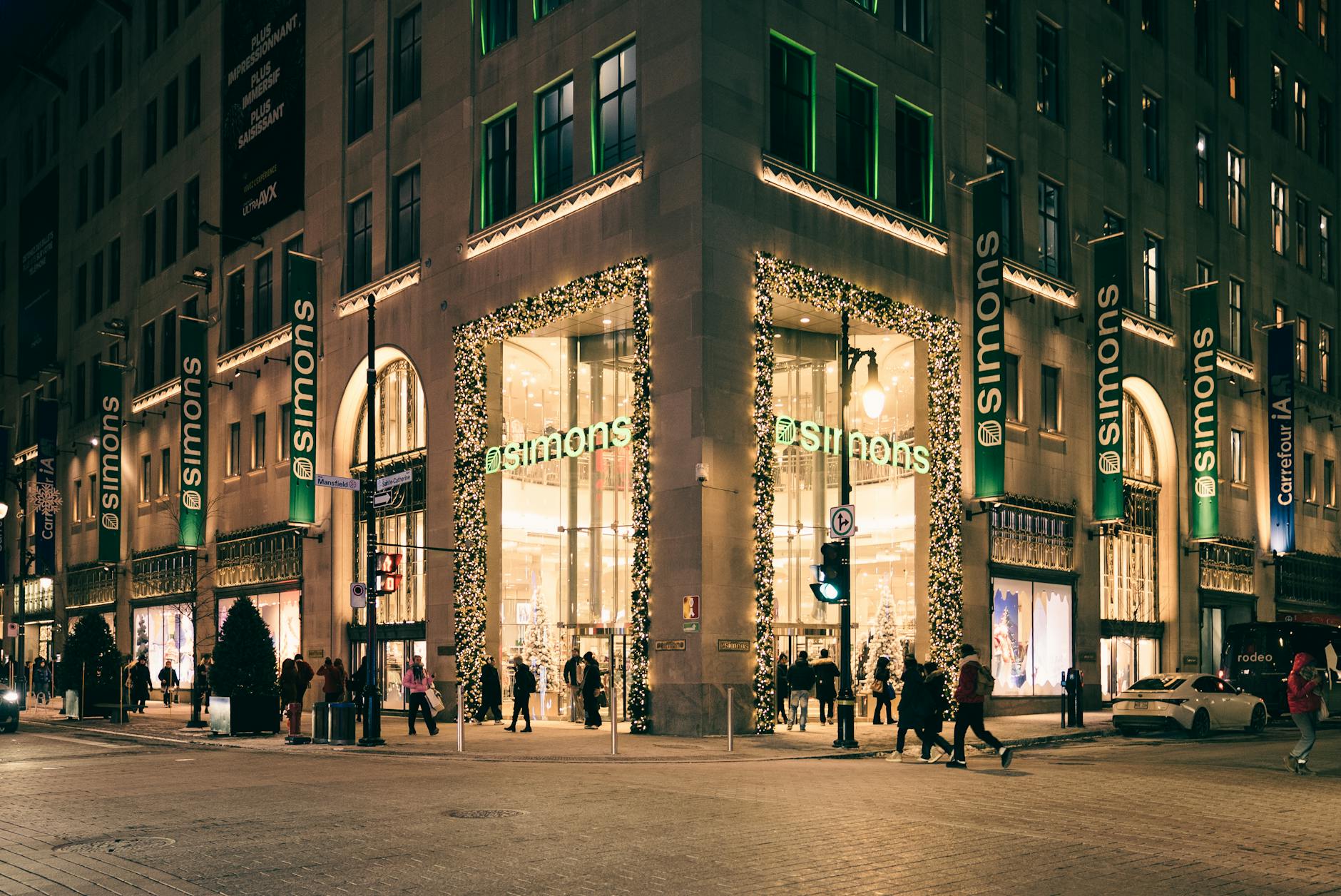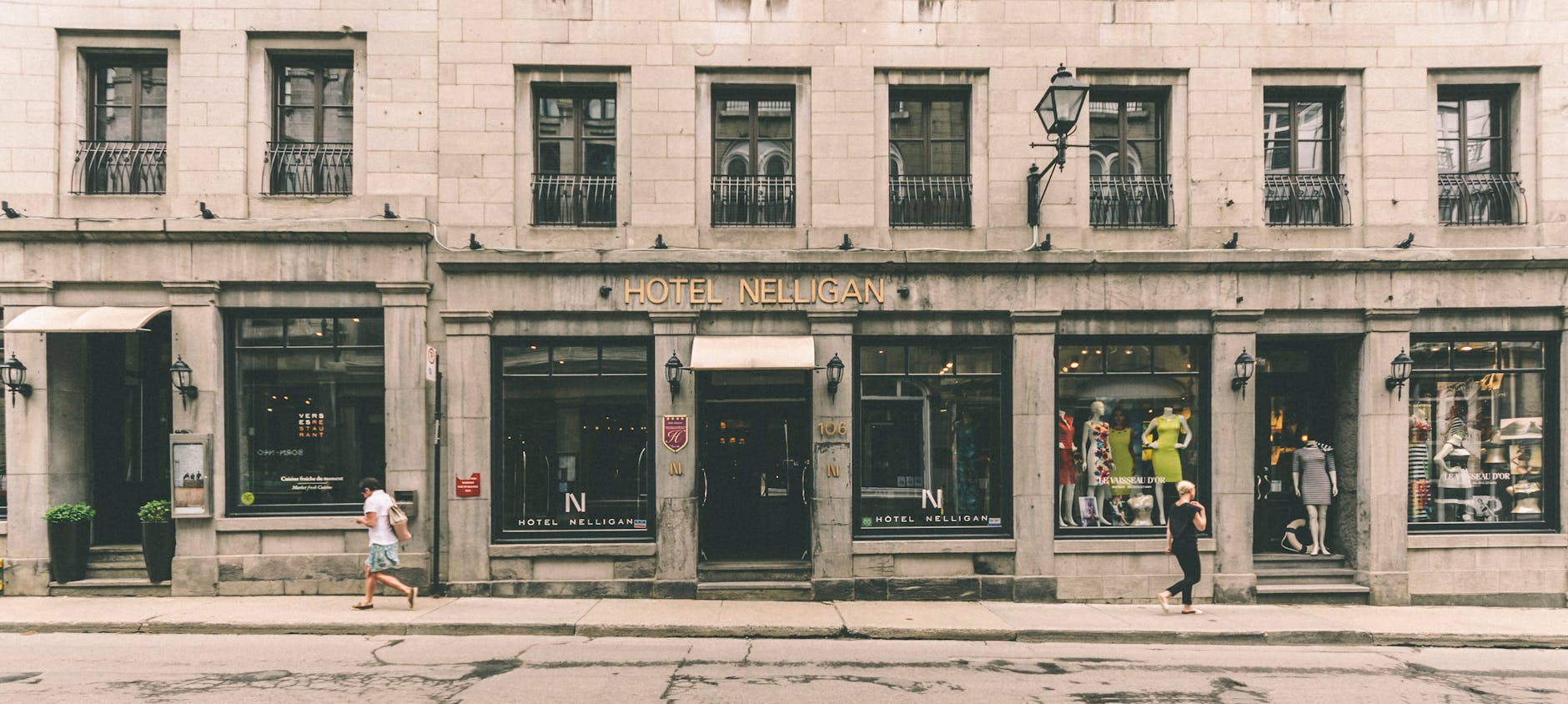
Montreal luxury travel works best when it is treated as a controlled city experience, not just a higher hotel category. The city can offer historic hotels, polished restaurants, design-forward neighborhoods, private dining rooms, galleries, shopping, waterfront views, and cultural evenings. It can also create friction when the traveler underestimates winter weather, books the wrong district, spreads reservations too far apart, or assumes every transfer will feel effortless. The core choice is what kind of luxury matters: Old Montreal atmosphere, downtown convenience, Golden Square Mile polish, a food-led weekend, a private cultural itinerary, or a quiet high-service stay with minimal movement. A short Montreal trip should protect arrival, hotel access, restaurant timing, privacy, and weather-adjusted transfers before adding more stops.
Define luxury by friction removed
A Montreal luxury trip should begin by defining what friction must disappear. For some travelers, that means a hotel where the car can pull up cleanly, luggage is handled quickly, and restaurants are close. For others, it means atmospheric Old Montreal, a serious dining plan, a private cultural guide, or enough quiet time to avoid feeling over-scheduled. The price of the room does not solve the trip by itself.
The traveler should decide which parts of Montreal need to feel seamless and which can remain exploratory. A luxury visit can still include walking, markets, cafes, and neighborhoods, but the route should not depend on guesswork in bad weather or after a late dinner.
- Define whether the trip is hotel-led, food-led, culture-led, shopping-led, or privacy-led.
- Use service quality to reduce transfer, luggage, weather, dining, and decision friction.
- Keep exploratory time deliberate rather than letting it compete with high-value reservations.
Choose the hotel district with precision
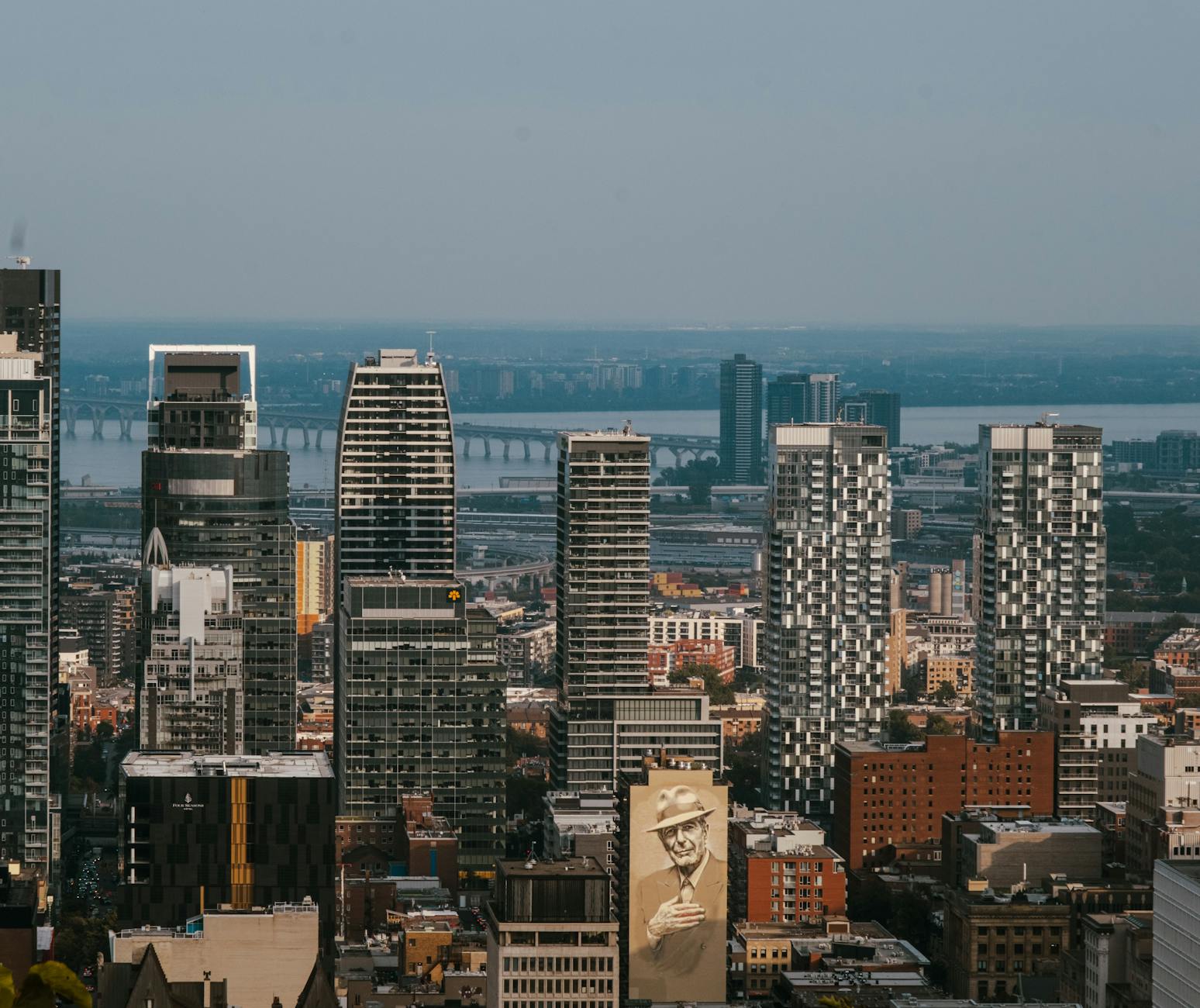
Old Montreal can be excellent for atmosphere, historic streets, waterfront access, and romantic or dining-focused weekends. Downtown and the Golden Square Mile can be stronger for shopping, museums, business add-ons, taxis, and winter practicality. Griffintown, Plateau, Mile End, and other districts may support specific restaurants or design interests, but they should not be chosen without understanding transfer tradeoffs.
A luxury hotel should be assessed by vehicle access, room quiet, concierge strength, winter entry, elevator reliability, breakfast, spa or recovery options, and how the immediate block feels after dinner. The best base is the one that supports the whole itinerary.
- Use Old Montreal for atmosphere and central historic walking when the specific hotel is practical.
- Use downtown or Golden Square Mile bases for shopping, museums, taxis, and winter resilience.
- Check vehicle access, room quiet, concierge capacity, winter entry, and nearby dining before booking.
Make YUL arrival feel controlled
A luxury trip can lose tone at the airport if arrival is treated casually. The traveler should decide in advance whether a taxi, prearranged car, hotel transfer, or self-arranged ride best matches luggage, weather, arrival time, and privacy needs. Winter, late arrivals, family members, formal clothing, and restaurant reservations all make the first transfer more consequential.
The arrival plan should include hotel check-in timing, baggage handling, first meal, clothing change, and whether the traveler needs a quiet hour before the evening. A polished Montreal weekend starts with the first hour after landing.
- Choose taxi, private car, hotel transfer, or another arrival method before landing.
- Account for luggage, weather, privacy, restaurant timing, and hotel check-in.
- Protect a buffer before the first important dinner, meeting, or performance.
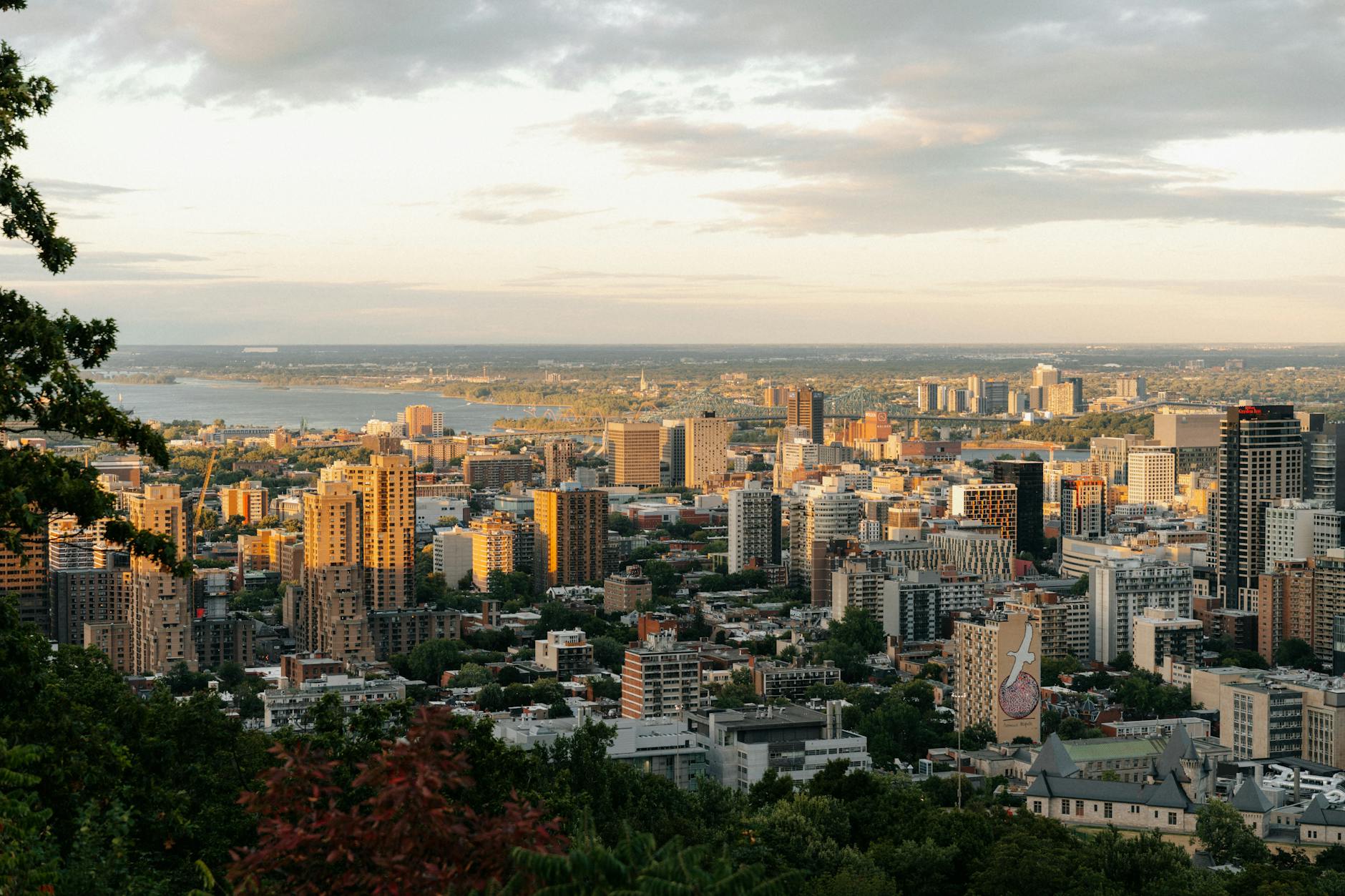
Plan restaurants around route and tone
Montreal rewards food-focused travelers, but the restaurant plan should be more than a list of names. The traveler should balance tasting-menu intensity, bistros, wine bars, hotel restaurants, Old Montreal rooms, Plateau or Mile End meals, privacy, noise, and the route back. A famous reservation across town may be worth it, but only if the evening transfer and next morning still work.
Reservation timing matters in a short luxury trip. Late seating, winter coats, wine, jet lag, and a morning departure can weaken the next day. The strongest dining plan usually pairs one or two high-value meals with easier meals that support recovery.
- Choose restaurants by tone, privacy, noise, route, weather, and next-day schedule.
- Do not stack ambitious meals so tightly that they erase recovery time.
- Keep return transportation and coat handling solved before dinner begins.
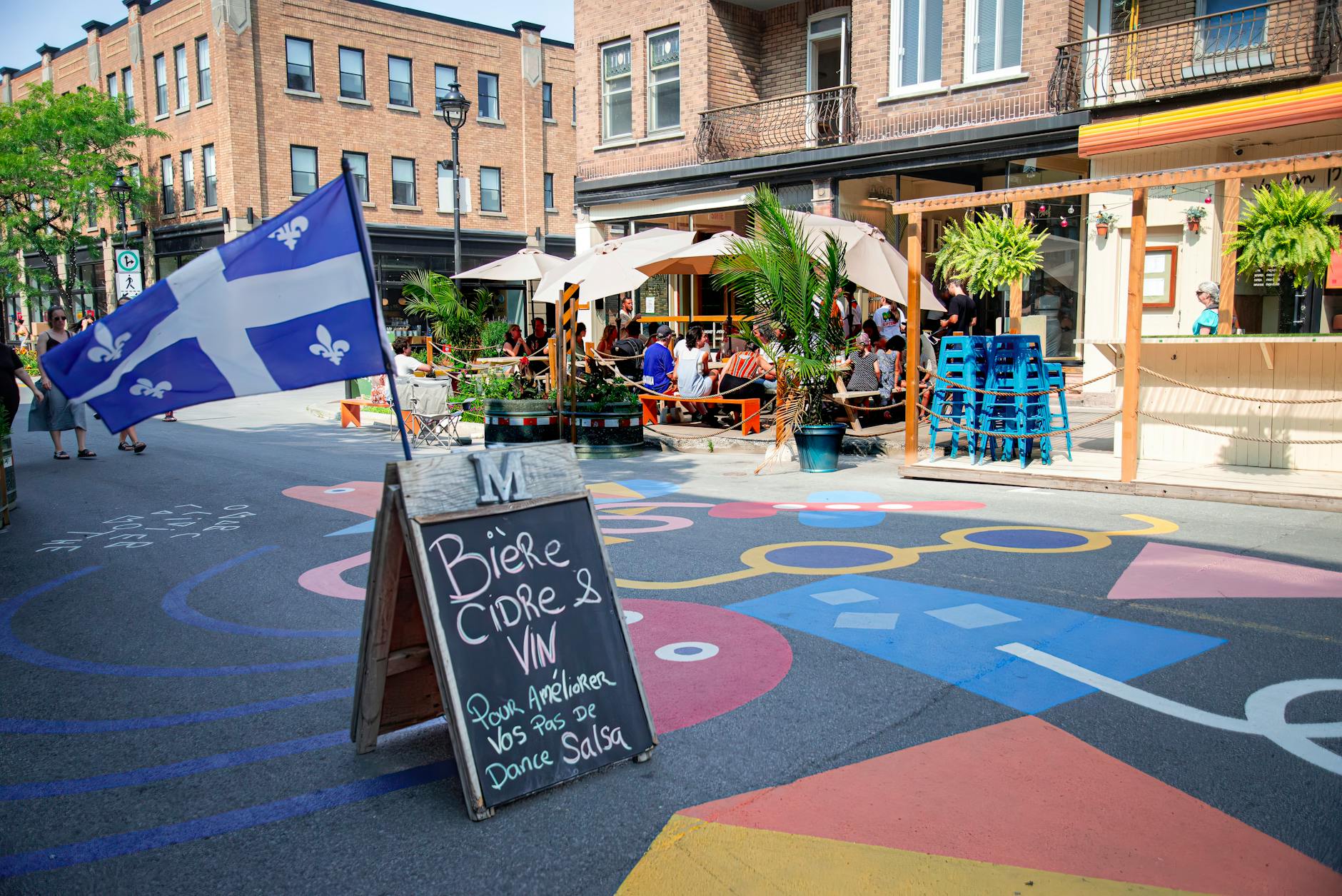
Use shopping and galleries selectively
Luxury travelers can use Montreal for fashion, design, galleries, boutiques, department stores, and local makers, but shopping should be placed carefully. Downtown shopping, Les Cours Mont-Royal, Old Montreal boutiques, Plateau and Mile End design stops, and gallery visits all create different walking patterns. Weather and purchase handling matter.
The traveler should also decide whether shopping is a main purpose or a supporting activity. Serious shopping needs time for sizing, packing, tax considerations, shipping questions, and returns to the hotel. Casual browsing belongs in a neighborhood walk.
- Match shopping to district: downtown, Old Montreal, Plateau, Mile End, galleries, or local design.
- Plan purchase handling, shipping questions, packing, and return-to-hotel timing.
- Do not let shopping sprawl across the city unless it is the main purpose.
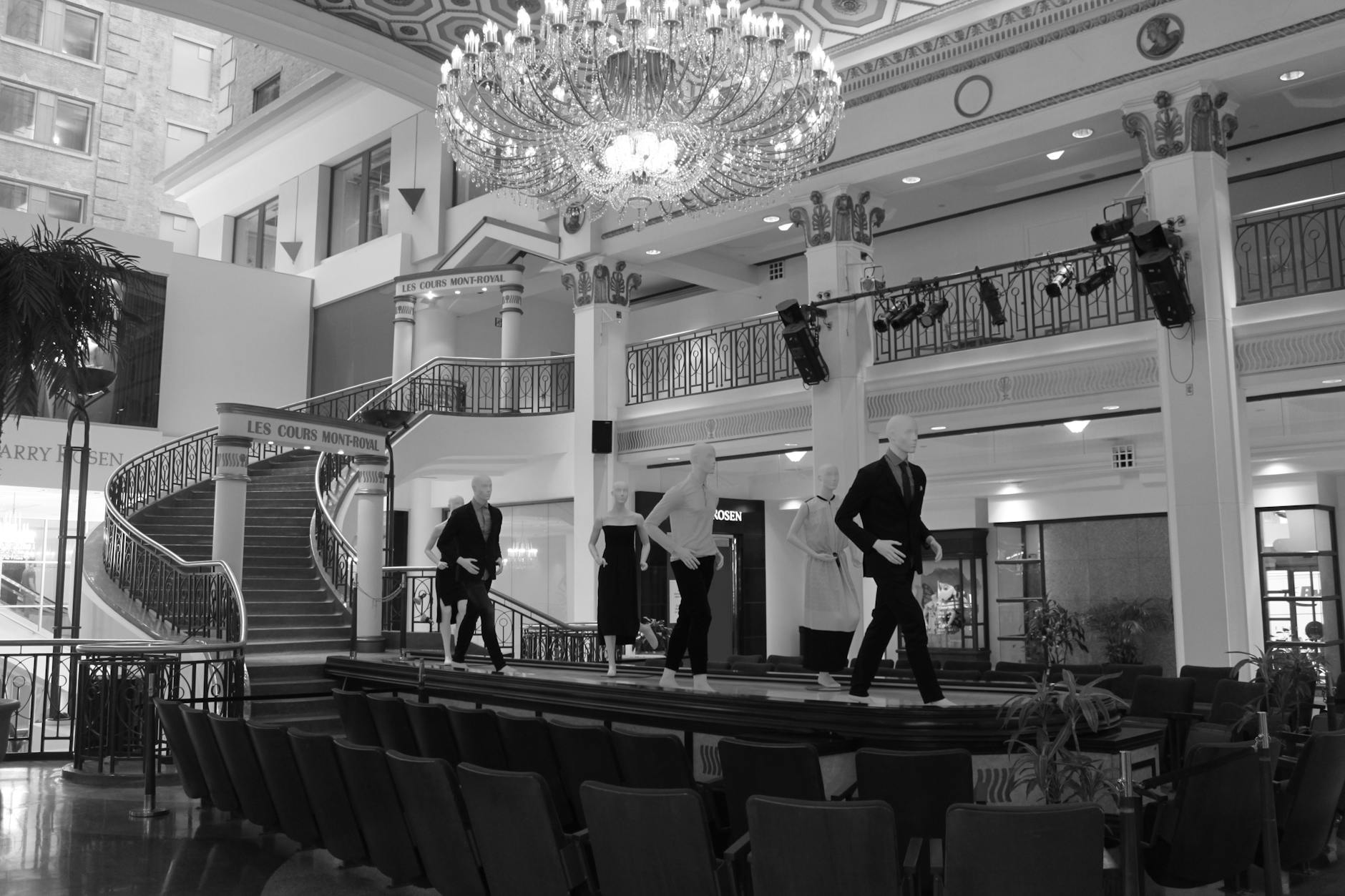
Protect privacy, weather comfort, and late returns
Montreal evenings can be excellent for dinners, bars, concerts, galleries, and waterfront atmosphere. The luxury traveler should decide how much public visibility, late walking, winter exposure, and ride uncertainty are acceptable. A beautiful evening can feel less polished if the traveler is waiting outside in slush, carrying shopping bags, or trying to summon a ride after a crowded event.
Privacy needs vary. Some travelers want a low-key weekend; others need discreet arrival, quiet tables, or separation between business and personal time. The itinerary should respect those preferences before committing to crowded restaurants or exposed late-night movement.
- Plan evening transportation, winter clothing, bag handling, and pickup points before going out.
- Choose restaurants and events by privacy, noise, visibility, and return comfort.
- Use shorter evening routes when weather or public visibility matters.
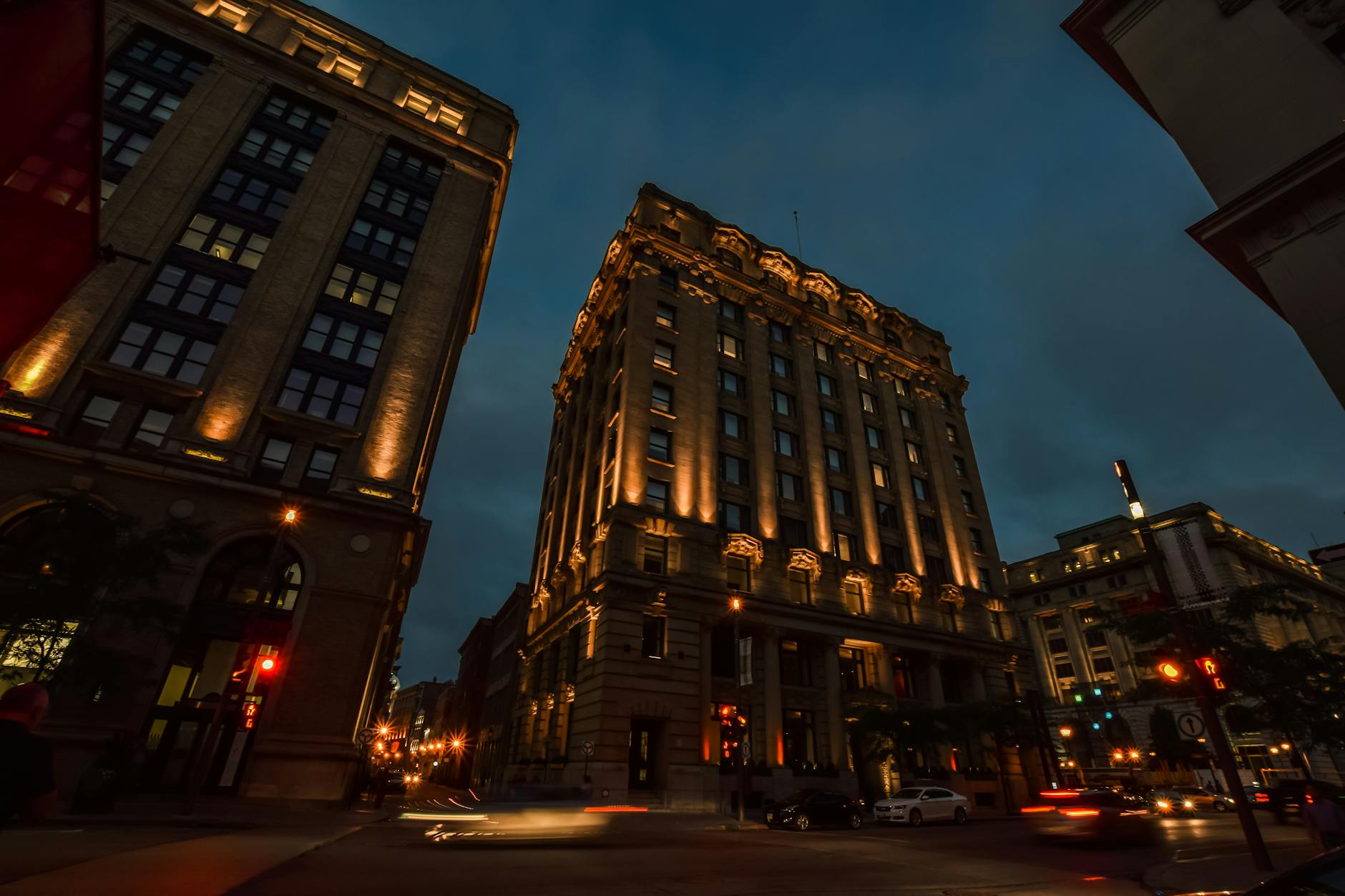
When to order a short-term travel report
A luxury traveler with a simple hotel weekend and flexible schedule may not need a custom Montreal report. A report becomes useful when the traveler is choosing between Old Montreal, downtown, Golden Square Mile, and neighborhood hotels; coordinating high-value restaurant reservations; traveling in winter; needing privacy; combining business and leisure; or trying to decide whether shopping, culture, food, and recovery can fit into a short stay.
The report should test hotel district, arrival transfer, restaurant routing, service expectations, shopping geography, weather exposure, evening returns, privacy needs, and what to cut if the trip is too full. The value is a Montreal luxury trip that feels intentional rather than merely expensive.
- Order when hotel district, winter logistics, restaurants, privacy, shopping, or business-leisure overlap raises the stakes.
- Provide hotel candidates, arrival details, reservation priorities, privacy needs, shopping interests, and pace preferences.
- Use the report to remove friction before adding more luxury experiences.