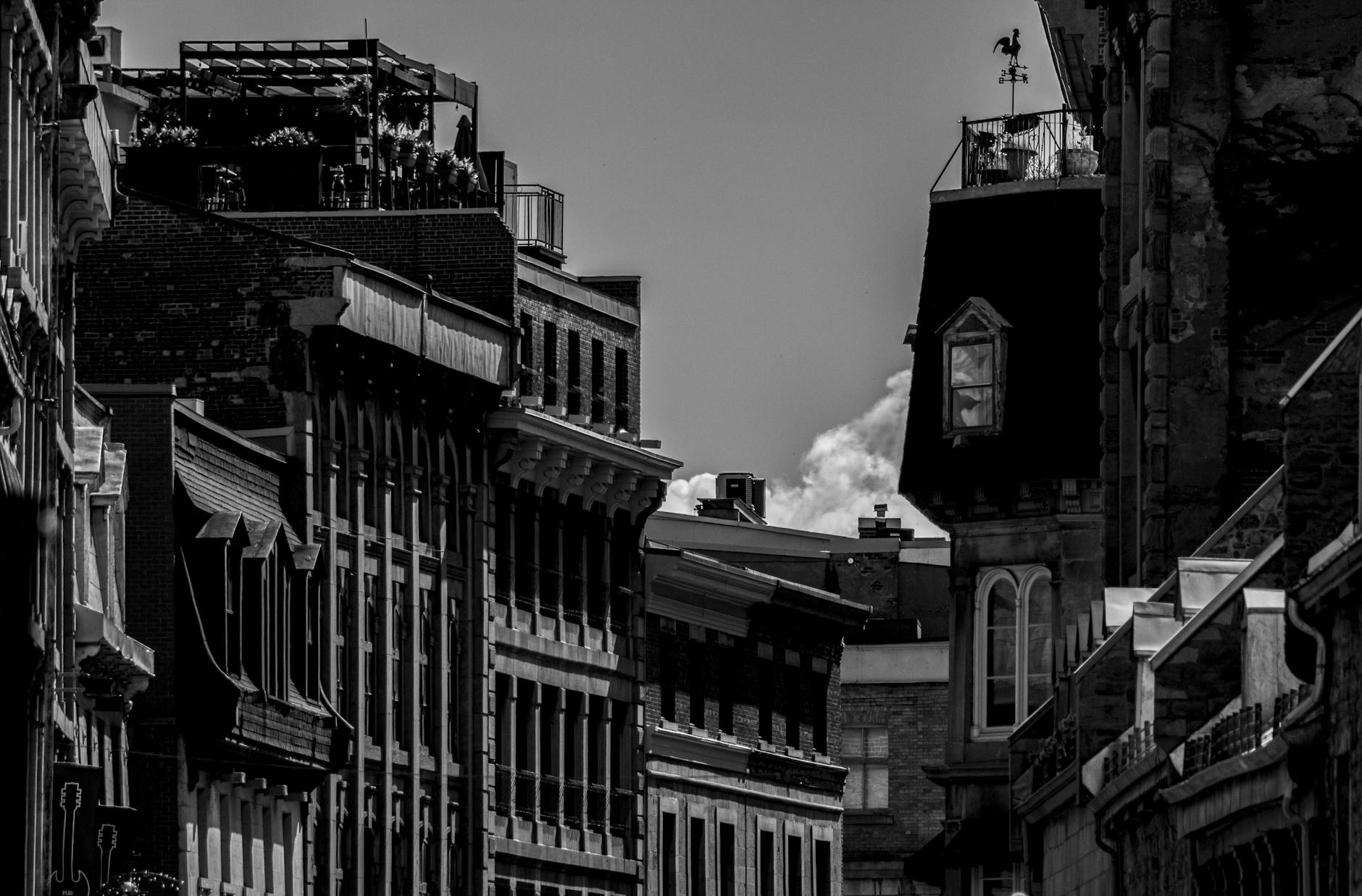
A journalist's Montreal trip should be planned around the assignment, not around general visitor convenience. The traveler may need to move between interviews, public spaces, archives, courts, campuses, neighborhoods, events, hotels, and a quiet place to file. Montreal's bilingual context, winter weather, neighborhood differences, and dense cultural life can all matter depending on the story. The strongest journalism trip protects access, timing, equipment, source relationships, and filing windows. A good plan leaves room for reporting surprises without leaving the basics to chance.
Map the assignment before the city
The journalist should map interviews, locations, documents, public meetings, archives, event venues, neighborhoods, hotel, airport route, and filing location before choosing a base. A hotel that works for a leisure trip may be wrong if the assignment requires early access to a courthouse, campus, community site, business district, or evening event.
The map should also distinguish confirmed access from hoped-for access. A story can change quickly when a source cancels, a location restricts filming, or weather slows movement. The itinerary needs alternate reporting paths, not just a preferred schedule.
- Map interviews, locations, documents, venues, hotel, airport route, and filing space before booking.
- Choose the base by assignment geography rather than visitor appeal.
- Separate confirmed access from hoped-for access and build alternate reporting paths.
Prepare for bilingual reporting context
Montreal reporting can involve English, French, or bilingual settings, and the journalist should not treat language as a decorative detail. Source comfort, exact wording, translation, signage, public records, quotes, and community nuance can all affect the work. If the journalist does not work confidently in French, the plan should include translation support, extra time, or sources who can work accurately in English.
Bilingual context also affects trust. A journalist who arrives with basic respect for language and local political context will usually ask better questions than one who treats Montreal as interchangeable with another North American city.
- Plan for English, French, or bilingual interviews, records, signage, and quote handling.
- Arrange translation support or extra time when language precision matters.
- Treat local political and cultural context as part of reporting accuracy.

Protect sources and sensitive notes
Journalists often carry source names, recordings, unpublished notes, photos, credentials, legal material, and editorial communications. Montreal cafes, hotel lobbies, taxis, event corridors, and shared workspaces are not private simply because they feel calm. The traveler should decide where source calls happen, how notes are stored, and what material should not be visible on a laptop in public.
If the story involves vulnerable people, community conflict, labor issues, health, policing, politics, or litigation, source protection should be planned before the first interview. Operational care is part of ethical reporting.
- Protect source names, recordings, notes, photos, credentials, and editorial communications.
- Use private locations for sensitive calls, note review, and source follow-up.
- Plan source-protection practices before reporting on vulnerable or contested subjects.
Handle equipment and filming rules
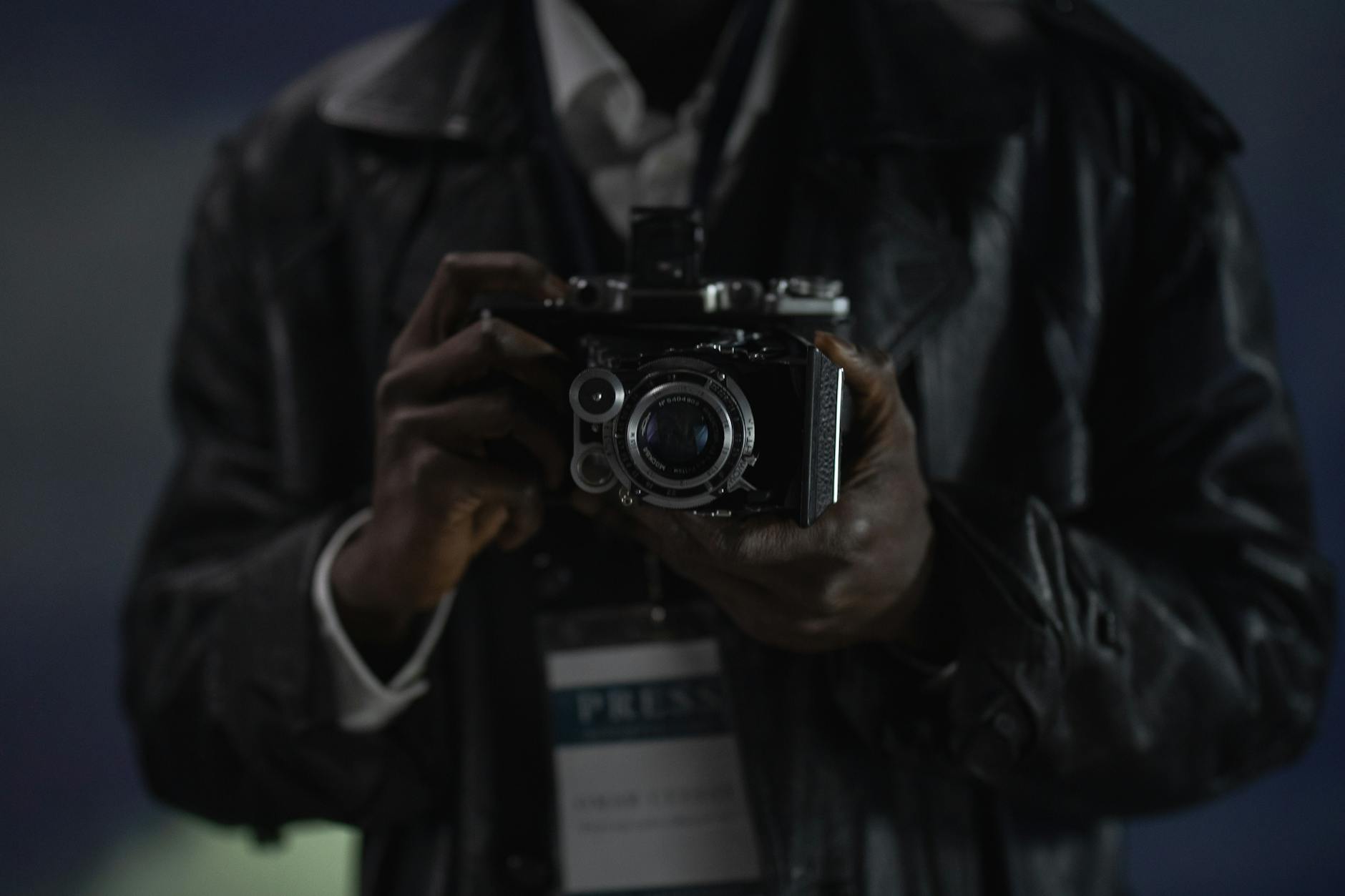
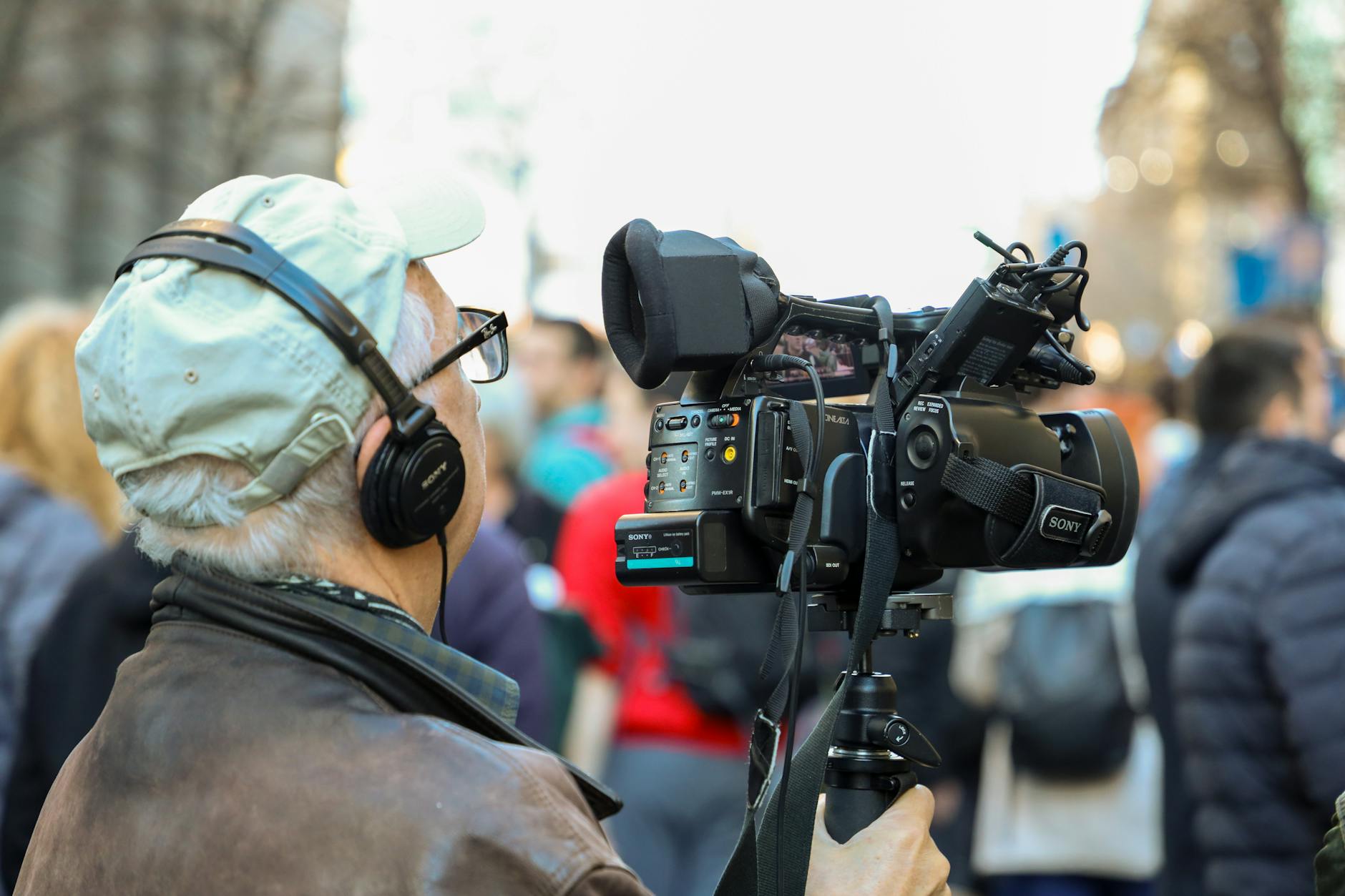
Camera gear, audio equipment, laptops, batteries, tripods, press credentials, lighting, microphones, release forms, and storage cards all need a movement plan. The journalist should know what can be carried comfortably, what can be left at the hotel, what requires permission, and how weather affects equipment use. Montreal winter can be hard on batteries, hands, lenses, and outdoor interview timing.
Rules matter. Filming in private buildings, transit settings, events, campuses, courts, museums, and community spaces may require permission. A rushed assumption can lose access or damage trust.
- Plan camera, audio, laptop, battery, tripod, credential, release-form, and storage-card handling.
- Check filming permission for private buildings, transit, events, campuses, courts, and museums.
- Protect gear and interview quality from cold, rain, wind, and long outdoor waits.
Build travel time around reporting uncertainty
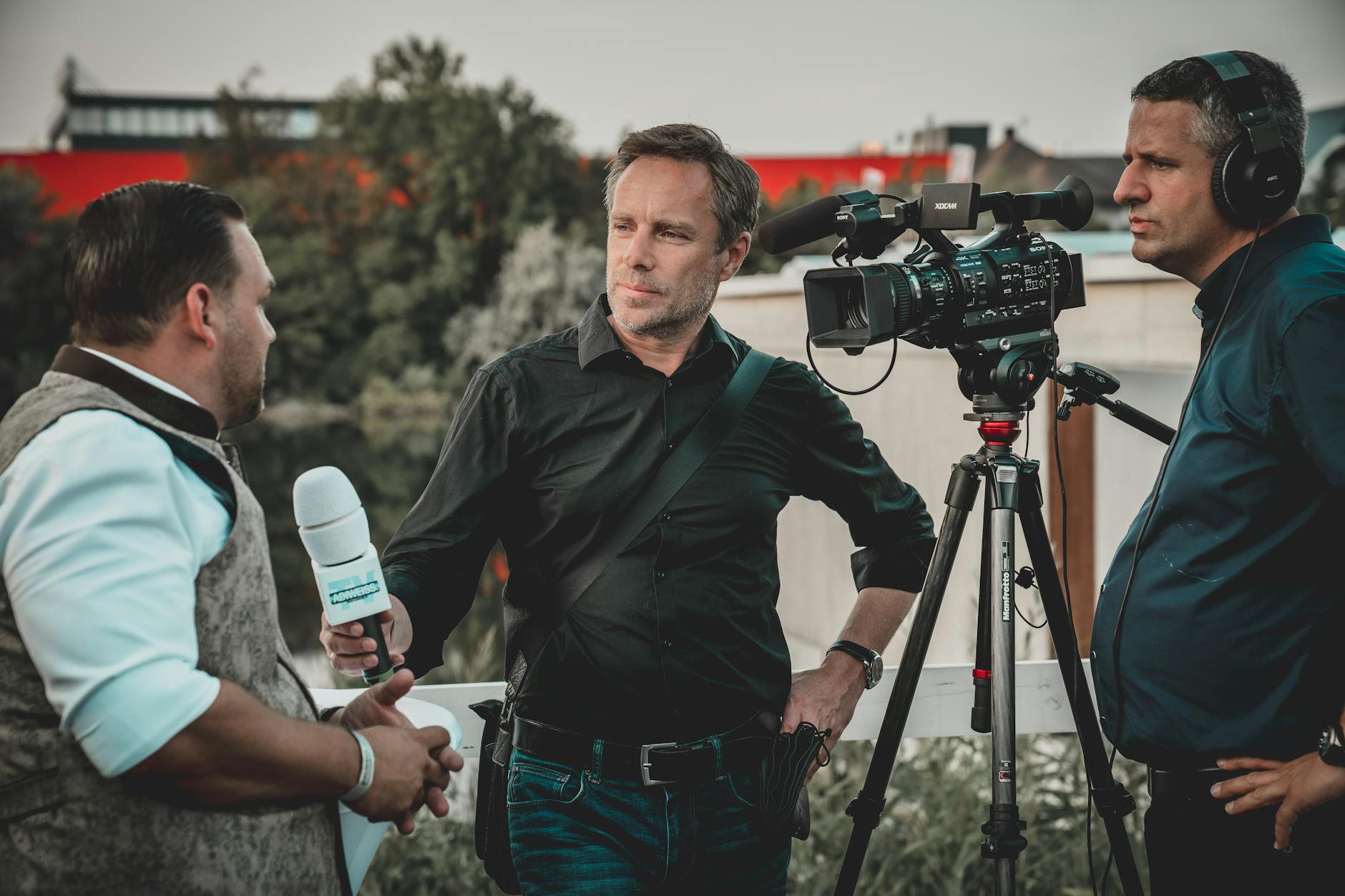
Reporting rarely moves with perfect timing. Interviews run long, sources hesitate, weather changes, a second location appears, and the best material may require staying in place longer than planned. The journalist should route the day with buffers rather than treating every interview as a calendar block that ends cleanly.
Montreal transit and taxis can both be useful, but the choice depends on equipment, weather, location, time pressure, and source sensitivity. A long public transfer with visible gear may be wrong even when it is cheap.
- Use buffers for interviews, source delays, location changes, and unexpected reporting leads.
- Choose transit, taxi, or walking by equipment, weather, time pressure, and source sensitivity.
- Avoid routing that leaves no time to verify, listen back, or adjust the story.
Protect filing windows and editorial contact
A journalist needs a place to file, not just a place to sleep. The hotel should be checked for quiet, desk space, Wi-Fi reliability, late food, coffee, power, and whether a lobby or cafe can handle low-risk work. Filing from a noisy room after a late interview is possible, but it should not be the only plan.
The traveler should also schedule editor check-ins, transcription time, photo backup, and verification. A day of strong reporting can still weaken if the material is not secured and shaped while details are fresh.
- Choose lodging with quiet, desk space, Wi-Fi, power, coffee, and late food options.
- Schedule editor check-ins, transcription, photo backup, and verification time.
- Separate low-risk public work from sensitive writing and source handling.
When to order a short-term travel report
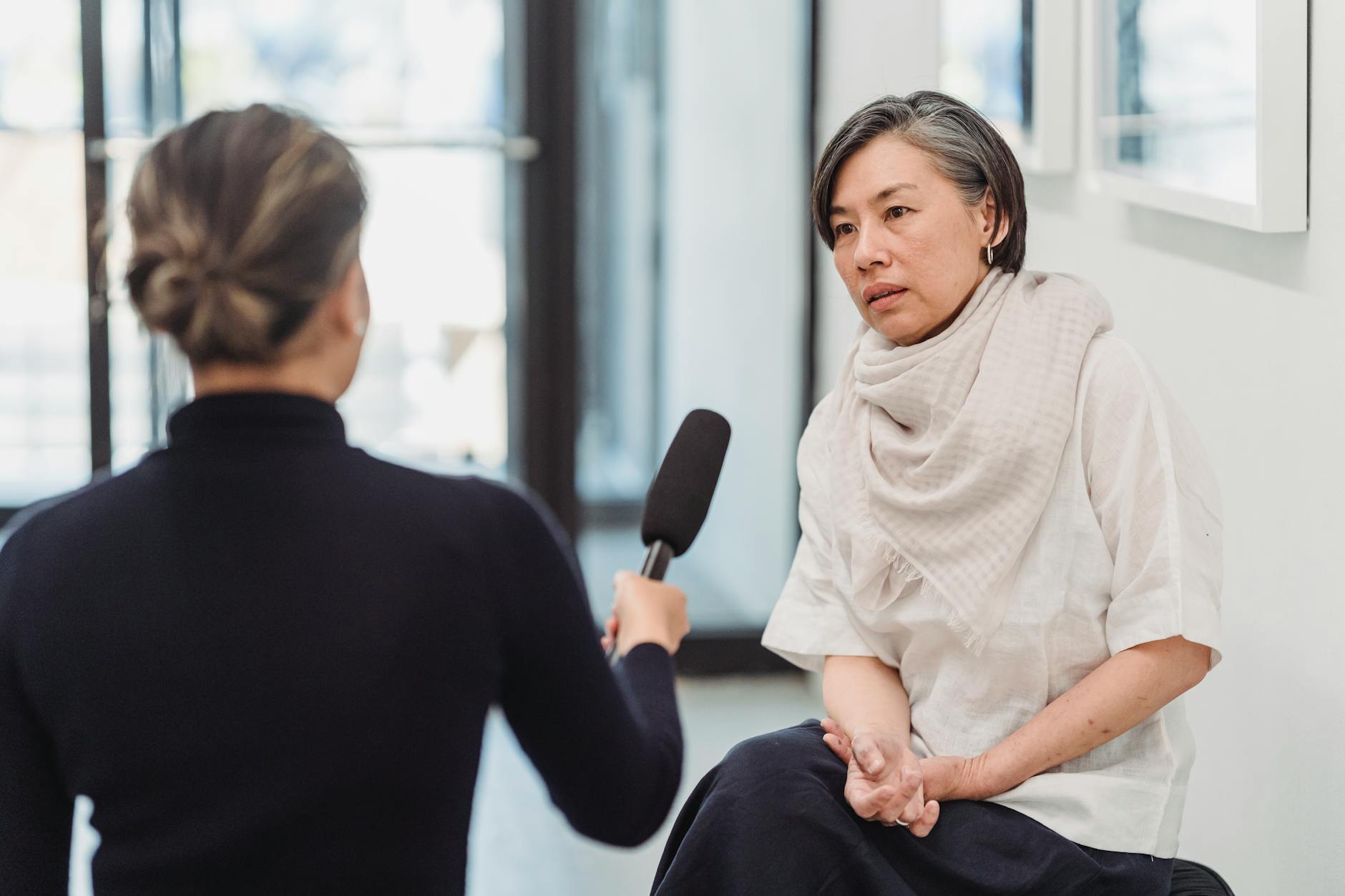
A journalist with one simple interview and a flexible deadline may not need a custom Montreal report. A report becomes useful when the assignment involves multiple neighborhoods, winter weather, sensitive sources, bilingual interviews, camera gear, filming permissions, public records, tight filing deadlines, or uncertainty about which hotel base will protect the story work.
The report should test interview geography, hotel base, YUL transfer, transit and taxi choices, permission risks, source-protection needs, equipment handling, filing windows, weather substitutions, and what to cut if reporting leads change the day. The value is a Montreal reporting trip that leaves more attention for the story.
- Order when sources, equipment, bilingual context, weather, permissions, or deadlines affect the assignment.
- Provide interview locations, story type, hotel candidates, travel times, gear list, language needs, and filing deadlines.
- Use the report to protect access, source care, and filing quality.