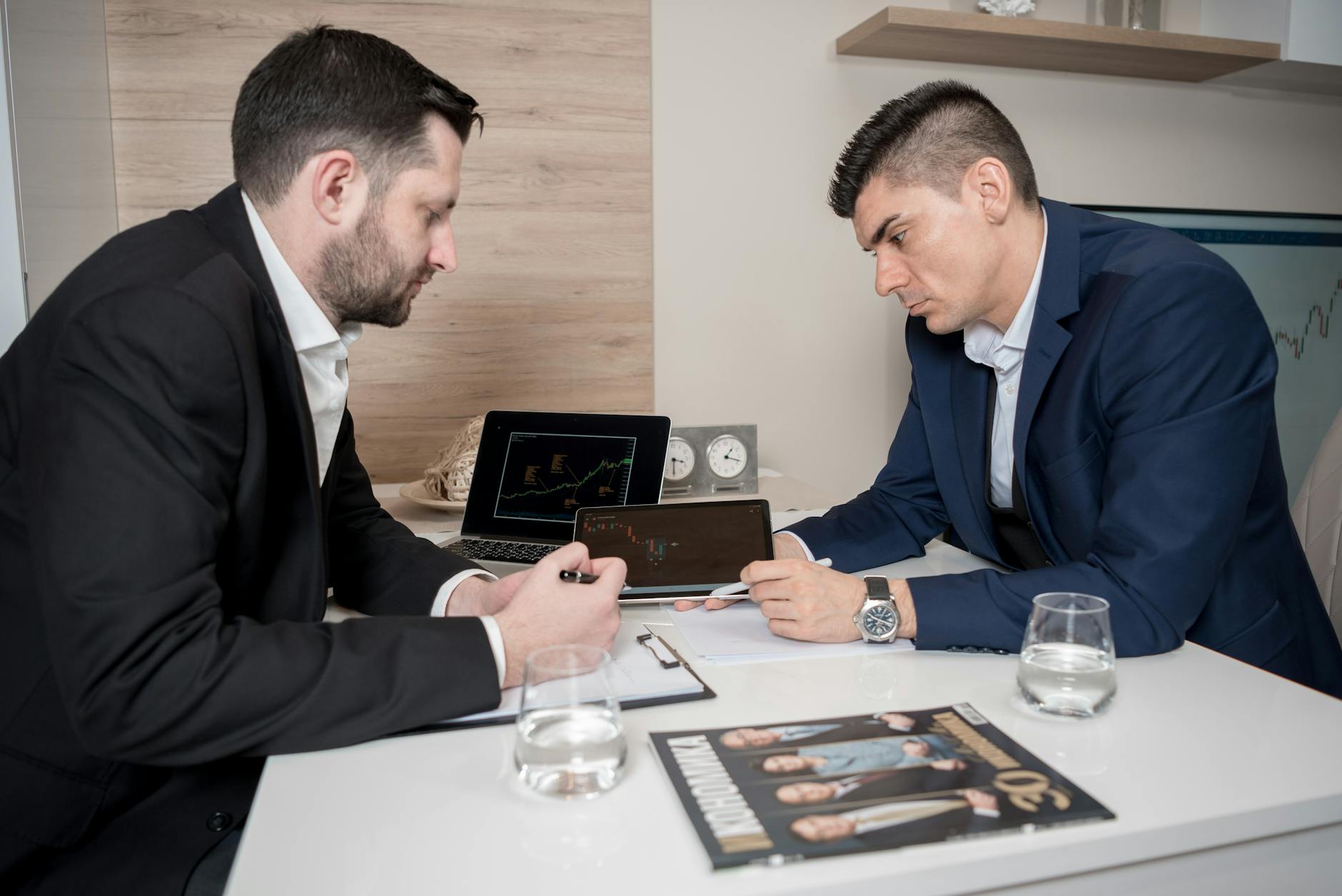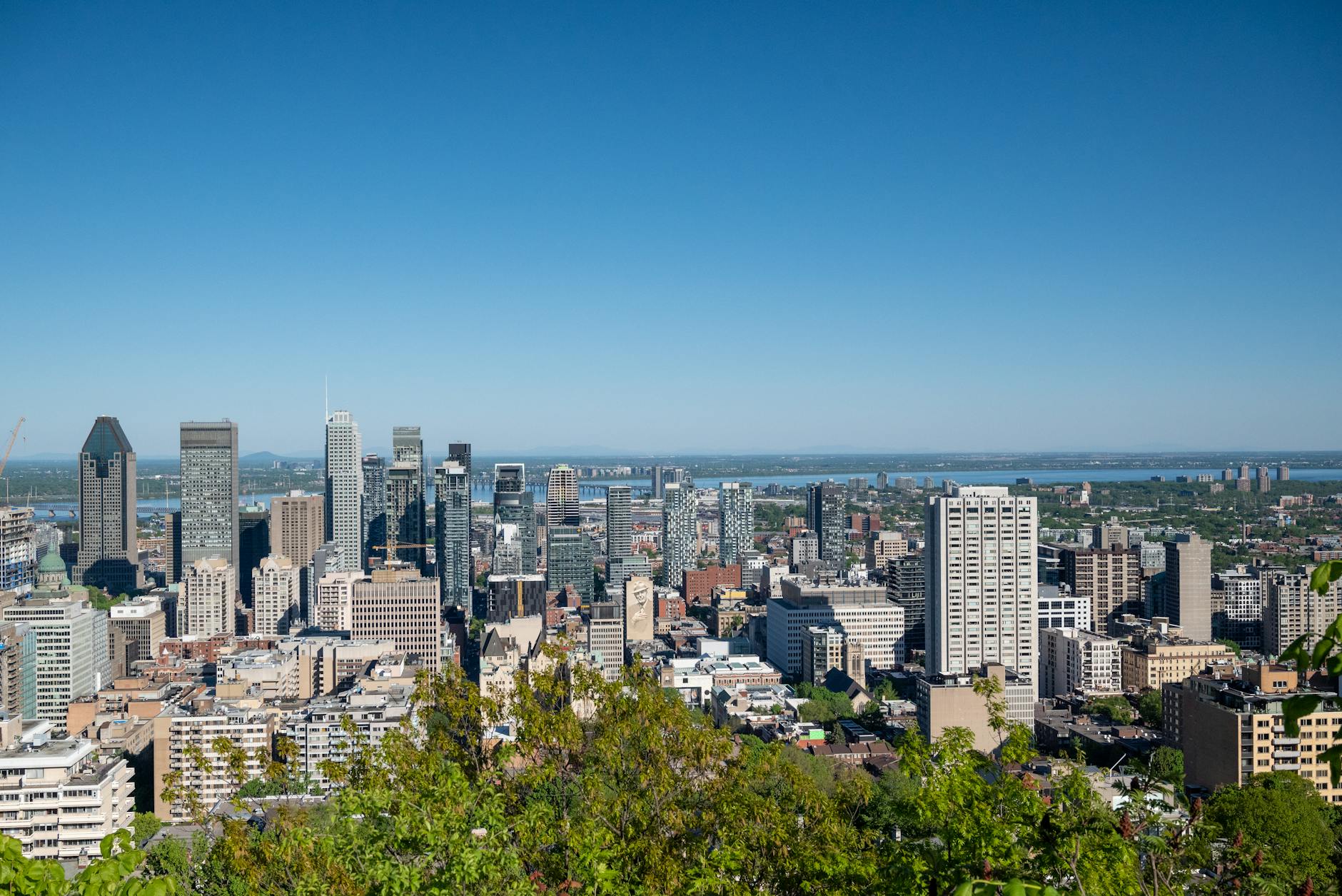
A Montreal deal trip is not a normal business visit with a nicer dinner. The traveler may be carrying confidential material, moving between founders, management teams, bankers, lawyers, investors, site visits, dinners, and hotel work sessions. The trip needs to protect judgment, pace, confidentiality, and the ability to synthesize information quickly after meetings. Montreal can be a productive deal city because it combines downtown business infrastructure with strong university, technology, creative, real estate, and industrial ecosystems. That same variety means the itinerary has to be exact. The wrong hotel, rushed transfer, exposed conversation, or overfilled evening can reduce the quality of the decision the trip is meant to support.
Map the deal footprint precisely
The deal team should map the target office, management meetings, advisor offices, site visits, hotel, airport route, dinner venues, and workroom options before booking. Montreal's useful deal geography may be downtown, near a university ecosystem, in a suburban technology corridor, around industrial assets, or across several sites. The hotel should be chosen around the actual diligence map.
A short deal trip has little room for route waste. If the team is trying to see management, inspect an asset, meet counsel, and debrief in one day, every transfer has to earn its place.
- Map target, advisors, site visits, dinners, hotel, airport route, and workroom options before booking.
- Choose the hotel around the diligence geography, not the general city center.
- Treat transfer time as part of the deal schedule, not empty space.
Protect confidential materials and conversations
Deal travel creates confidentiality risk in ordinary places: airport lounges, hotel lobbies, taxis, restaurants, elevators, cafes, and open workspaces. The team may be carrying valuation material, non-public operating data, draft term sheets, diligence notes, legal comments, board material, or competitive analysis. The itinerary should specify where sensitive work can happen and where it cannot.
The same applies to verbal debriefs. Montreal may feel relaxed after a strong meeting, but public calm is not privacy. A disciplined team saves the real synthesis for rooms, calls, and settings that match the material.
- Control valuation data, diligence notes, legal comments, term sheets, board material, and credentials.
- Avoid sensitive calls and debriefs in lobbies, taxis, restaurants, and lounges.
- Identify private work locations before the first meeting.

Use arrival timing to protect judgment
Investors and deal teams should be careful about first-day compression. A delayed YUL arrival, unavailable room, missing file, or rushed transfer can put the team into a major management meeting without enough preparation. That is not just inconvenient; it can affect the quality of questions asked and signals noticed.
If the first meeting is important, the travel plan should arrive with margin. If the schedule cannot provide margin, the first commitment should be lower-stakes or designed as a brief orientation rather than a decisive diligence session.
- Build arrival buffer for YUL, baggage, hotel access, file review, and team alignment.
- Avoid making the first major meeting dependent on perfect flight timing.
- Use early low-stakes meetings only when the arrival day is uncertain.
Separate diligence, relationship, and synthesis time
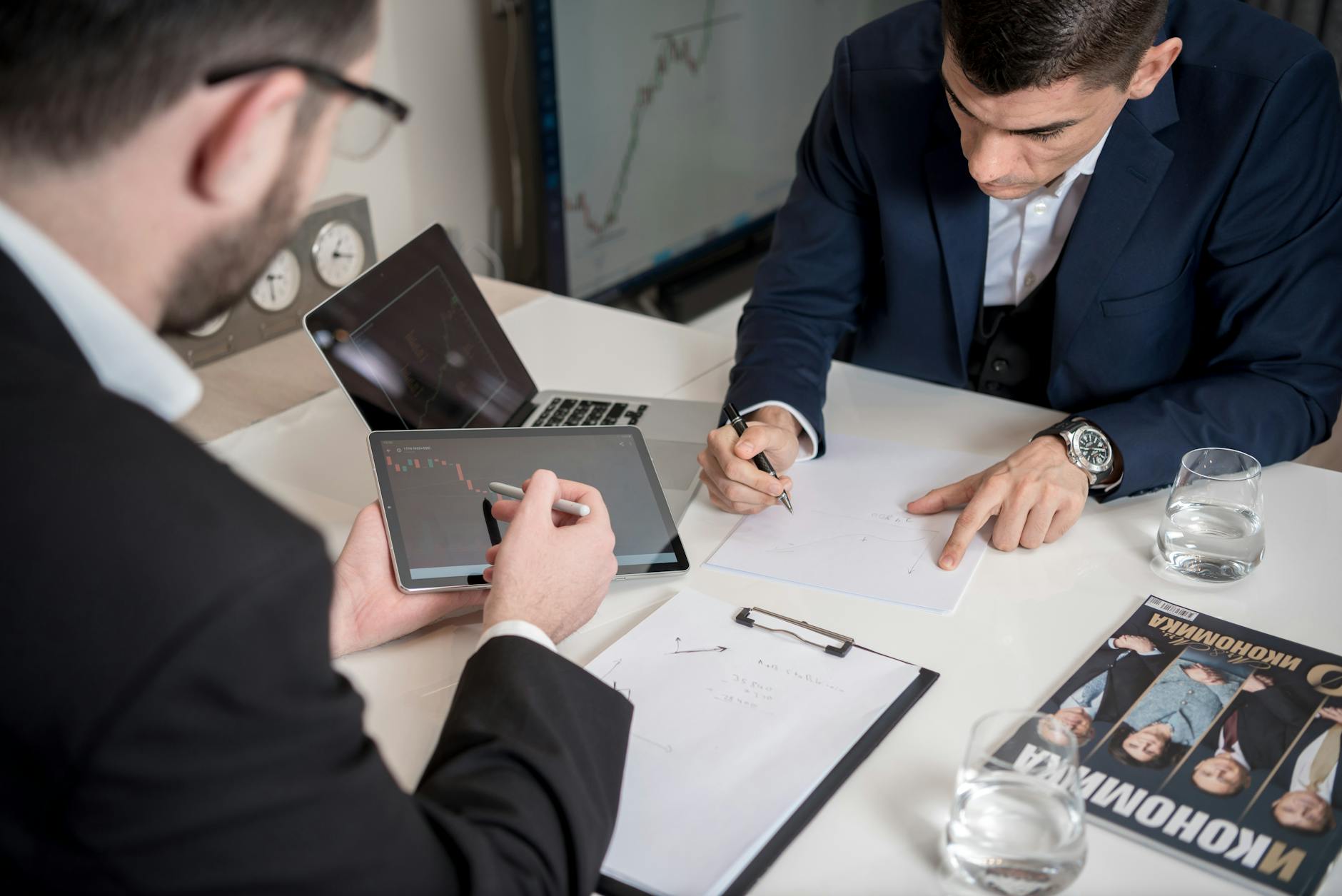
A deal itinerary should distinguish between information gathering, relationship building, and analysis. Management meetings, facility visits, advisor sessions, founder dinners, lender conversations, and internal debriefs all do different work. If they are stacked without synthesis time, the team may collect more information while understanding less.
Montreal dinners can be valuable, but they should not eliminate the private hour needed to turn notes into questions for the next day. The strongest deal trips leave space for the team to disagree, revise assumptions, and decide what must be verified.
- Separate management meetings, site visits, advisor sessions, dinners, and internal debriefs.
- Schedule synthesis time before the next major diligence block.
- Do not let relationship meals erase the team's private analysis window.
Choose meals and hotels by signal quality
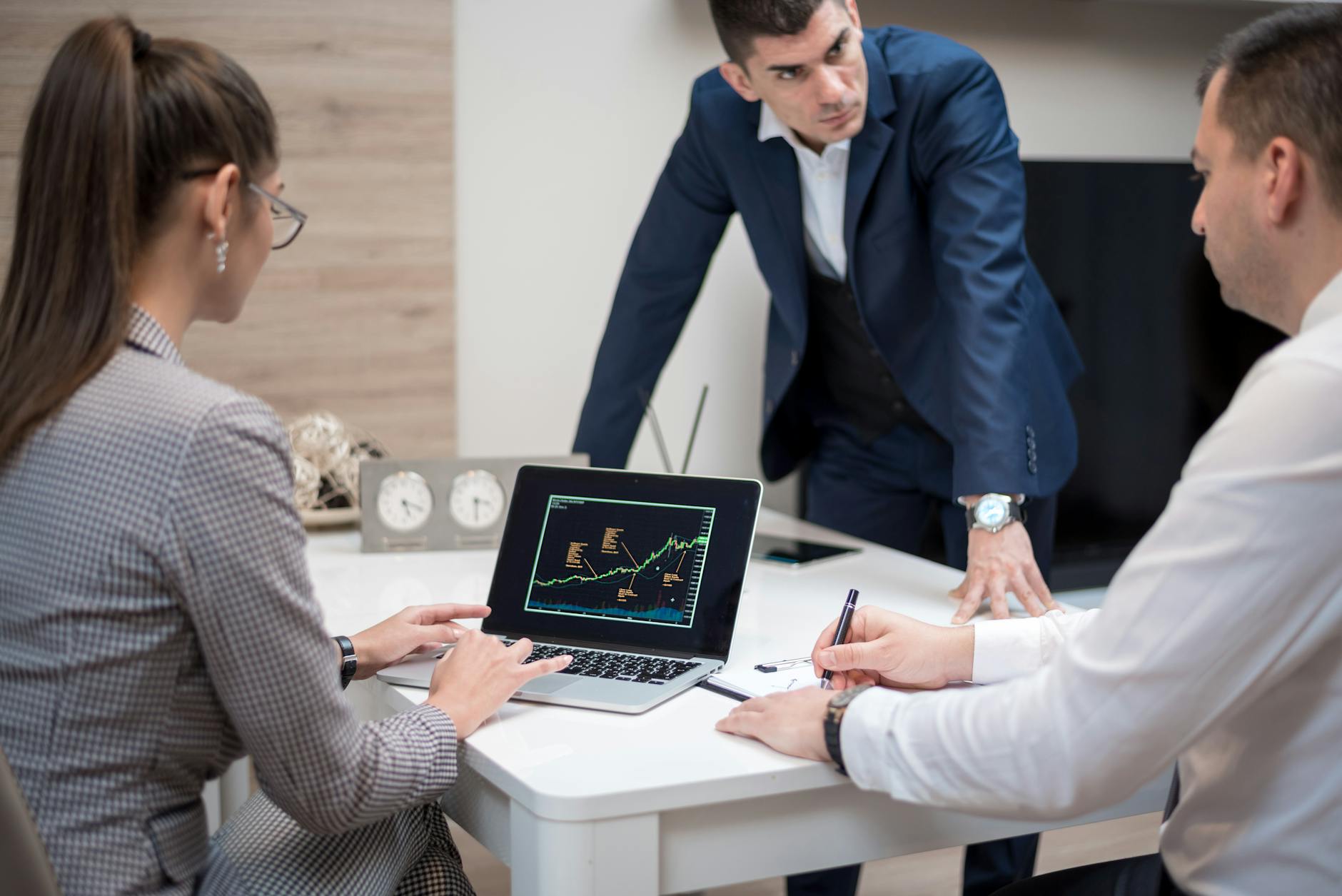
The hotel and meals should support judgment. A quiet room with strong workspace, reliable Wi-Fi, breakfast control, taxi access, and meeting proximity may matter more than a more atmospheric property. A dinner venue should fit the counterparty and conversation: private enough for substance, convenient enough to avoid fatigue, and not so loud that the team loses the signal it came to hear.
Some deal meals are about relationship. Others are information-rich. The traveler should know which is which before choosing the room, timing, and seating.
- Choose hotels by workspace, quiet, Wi-Fi, breakfast control, taxi access, and meeting proximity.
- Choose dinners by privacy, noise, counterparty tone, and next-day schedule.
- Know whether a meal is relationship-focused, diligence-focused, or simply logistical.
Plan weather and site visits with discipline
Montreal weather can affect site visits, punctuality, clothing, and the team's energy. Snow, slush, rain, heat, and wind may change whether a walking transfer is sensible, whether a facility visit needs different footwear, and whether a taxi buffer is adequate. A deal team should not arrive at a management meeting looking like the weather surprised it.
Site visits should also be planned for access, safety, photos, note-taking, confidentiality, and the return route. The purpose is not to see the asset vaguely. It is to observe specific facts under controlled conditions.
- Plan weather, footwear, coats, taxi buffers, and facility access into diligence days.
- Define what should be observed during each site visit before arrival.
- Protect notes, photos, and confidential observations after the visit.
When to order a short-term travel report
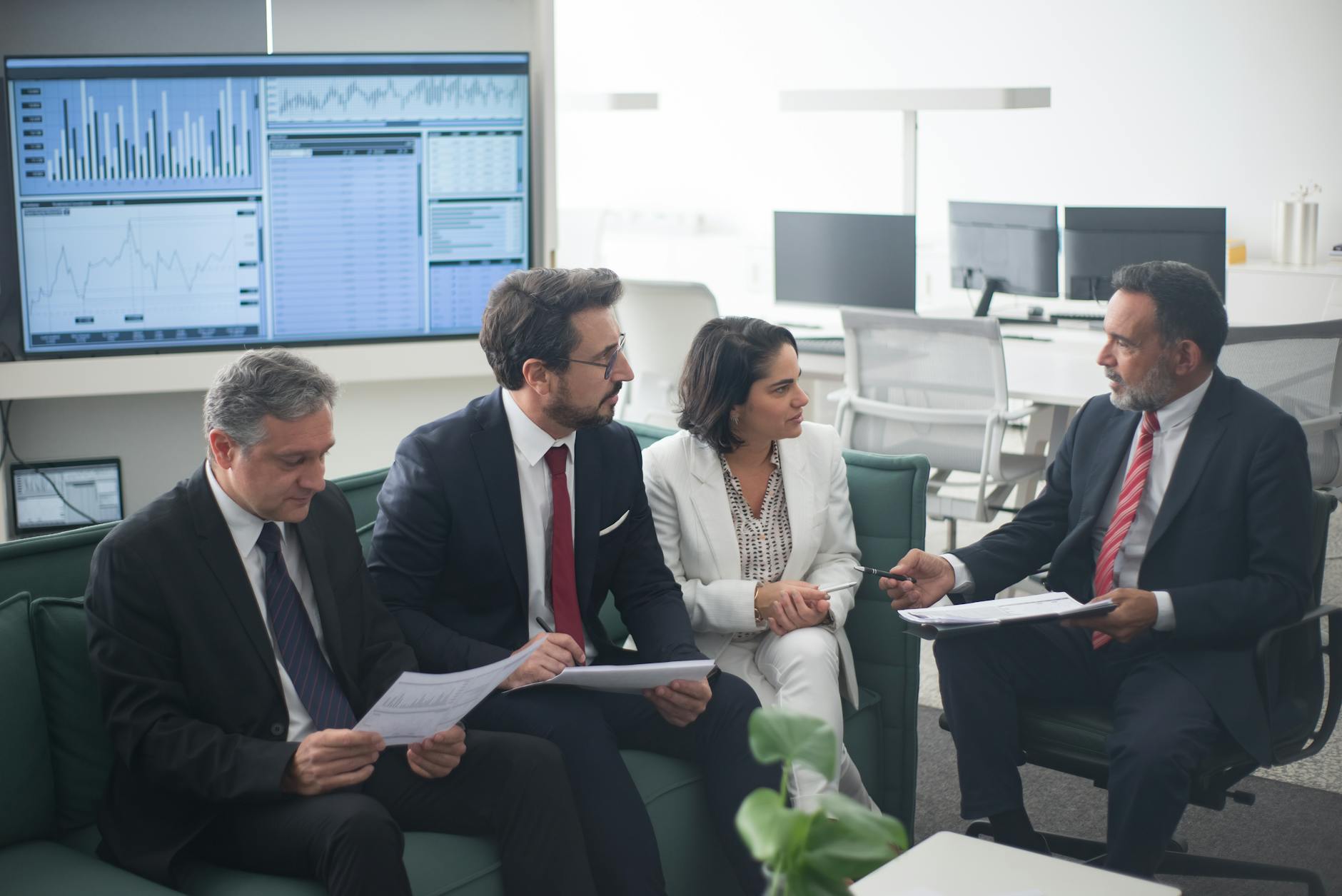
An investor with one downtown meeting and flexible timing may not need a custom Montreal report. A report becomes useful when the trip involves several counterparties, site visits, confidential materials, tight arrival timing, winter weather, private dinners, advisor offices, mobility constraints, or uncertainty about which hotel base will keep the deal day under control.
The report should test hotel base, YUL transfer, meeting sequence, site-visit routing, private work locations, confidentiality risks, dinner strategy, weather substitutions, internal debrief windows, and what to cut if the schedule is too dense. The value is a Montreal deal trip that protects the quality of the decision.
- Order when counterparties, site visits, confidentiality, winter, dinners, or hotel geography affects the deal work.
- Provide meeting locations, hotel candidates, flight times, site-visit needs, dinner plans, materials, and constraints.
- Use the report to protect judgment before adding extra meetings or leisure.