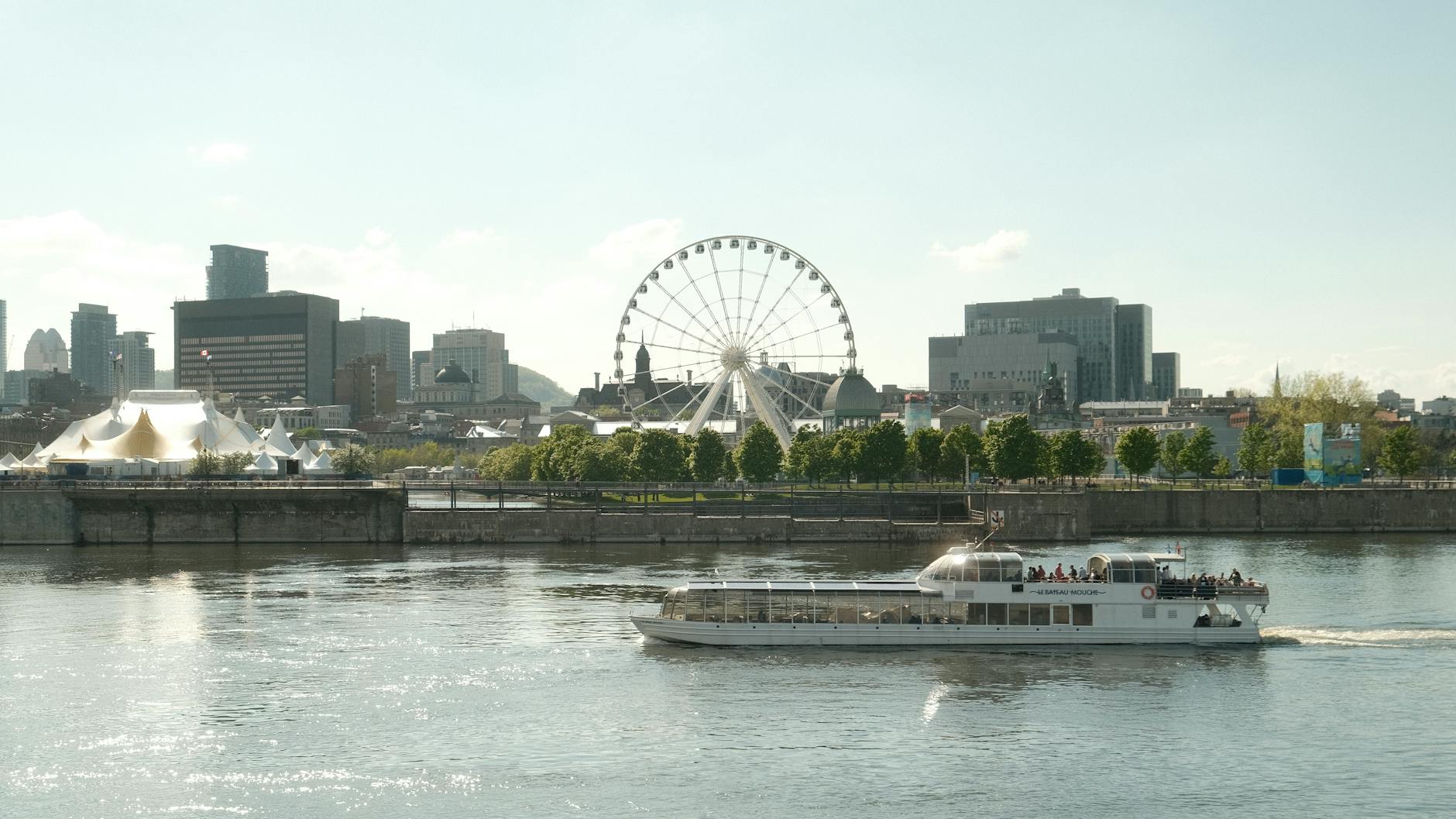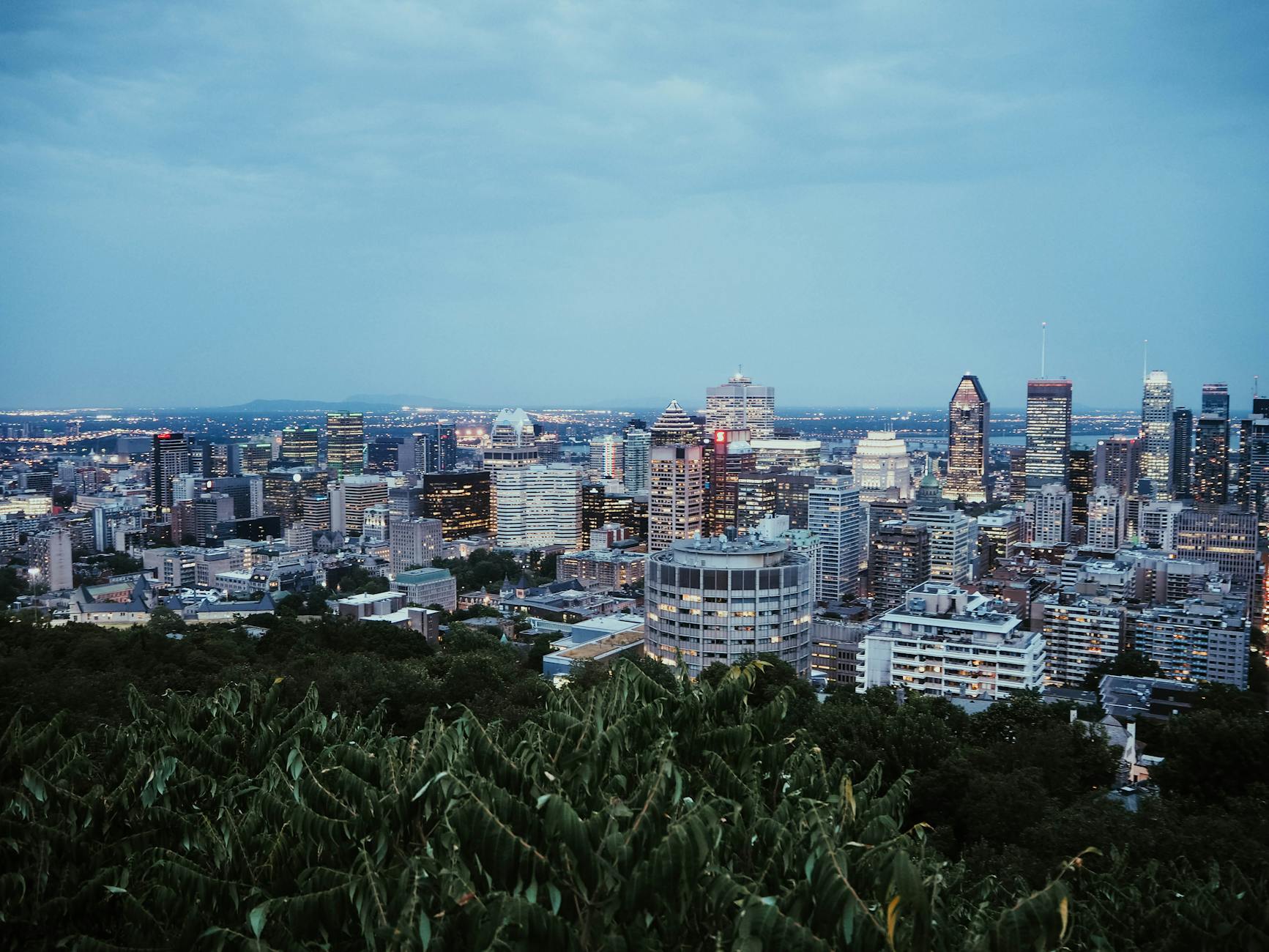
Montreal is rewarding for a first visit because it can feel familiar and unfamiliar at the same time: North American in scale, French-influenced in language and rhythm, historic in Old Montreal, lively in Plateau and Mile End, practical downtown, and surprisingly weather-sensitive. A first-time visitor can have an excellent short trip if they choose a clear frame instead of trying to sample every version of the city. The main planning question is what kind of Montreal the traveler wants first. Old stone streets, Notre-Dame Basilica, Mount Royal views, smoked meat and bagels, museums, nightlife, shopping, family-friendly waterfront time, and winter atmosphere are all valid. They do not all fit gracefully into a short stay unless the traveler controls geography, weather, meal timing, and energy.
Choose one first-Montreal frame
A first-time visitor should decide whether the trip is centered on Old Montreal and the waterfront, downtown museums and shopping, Plateau and Mile End food, Mount Royal and parks, or a broader sampler. The city is not impossible to move through, but each added district changes the day. A short visit works better when the traveler knows what the first impression should be.
Old Montreal is often the obvious first anchor because it gives the city an immediate identity. It is also not the whole city. A visitor who spends every hour there may miss Montreal's neighborhoods, food culture, universities, parks, and everyday street life. The first trip should be balanced, not scattered.
- Pick a first-trip frame: Old Montreal, downtown, Plateau and Mile End, Mount Royal, museums, or food.
- Use Old Montreal as an anchor without pretending it represents the whole city.
- Limit district changes when the visit is short or weather is difficult.
Give Old Montreal enough time but clear limits
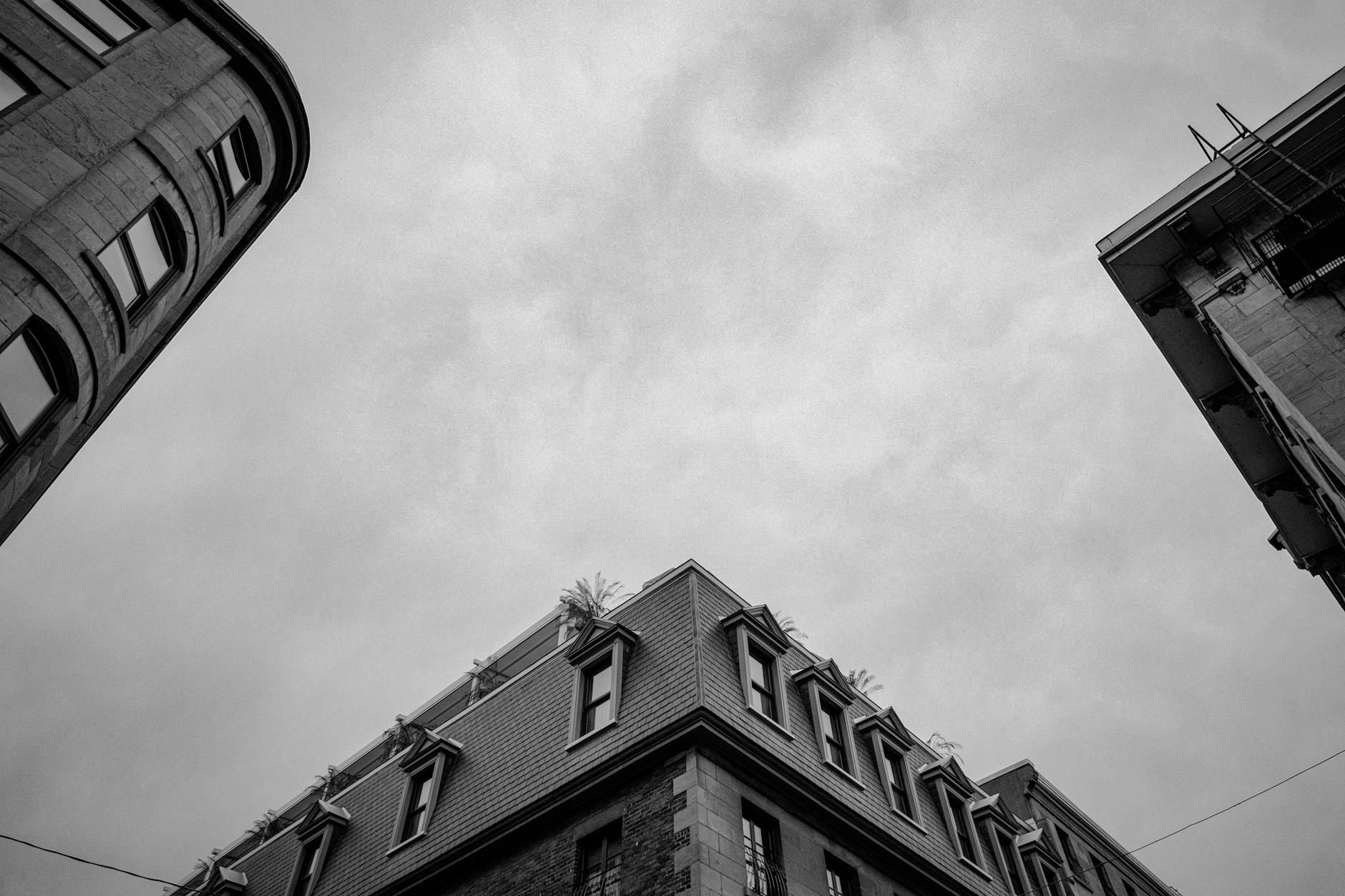
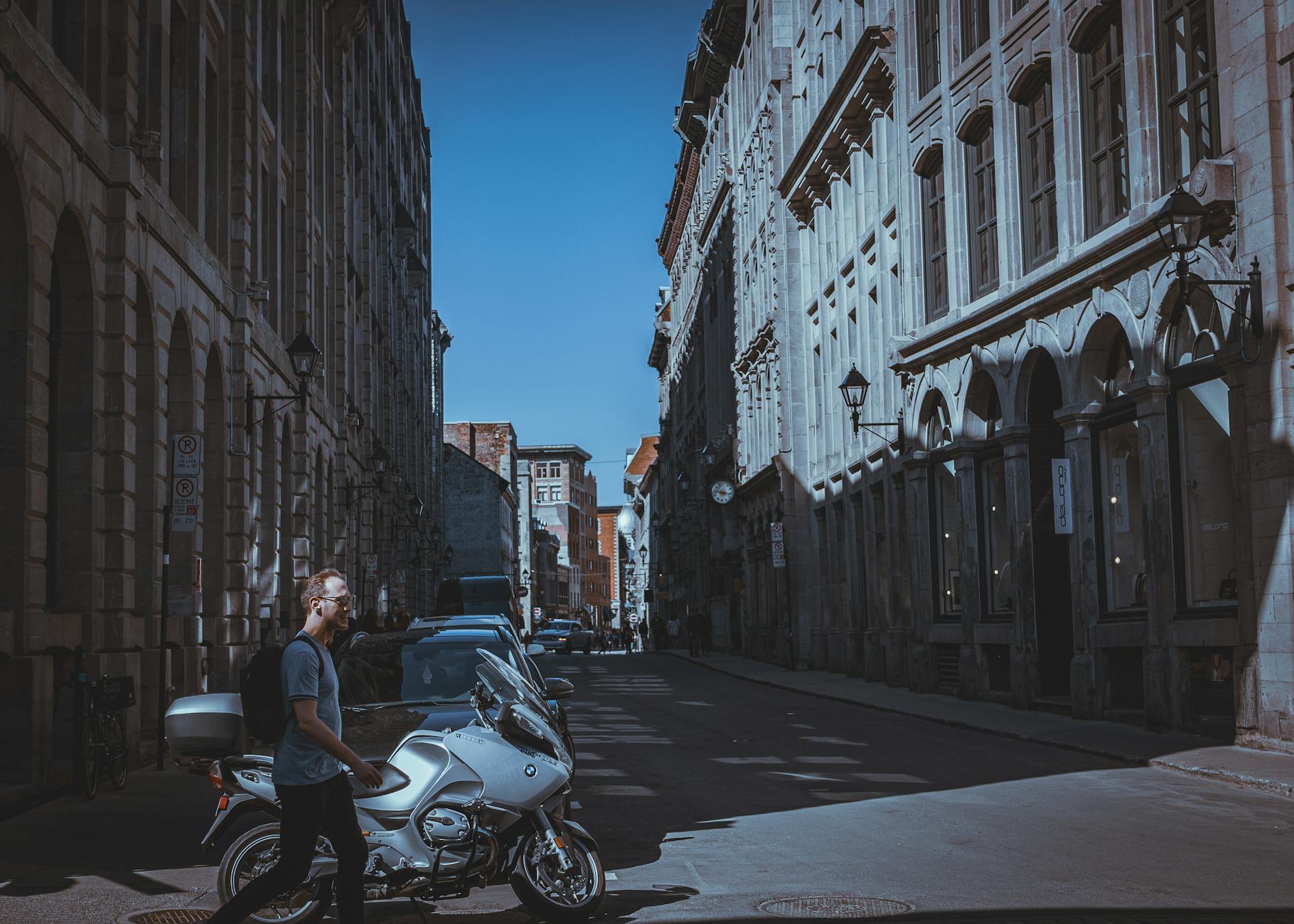
Old Montreal deserves more than a quick photograph. The streets, squares, churches, cafes, galleries, waterfront, and evening atmosphere are central to many first visits. The traveler should give it a real window, especially if Notre-Dame Basilica, the Old Port, a museum, or a dinner reservation is part of the plan.
The limit matters too. Cobblestones, winter ice, crowds, parking difficulty, and restaurant timing can slow the area down. A first-time visitor should not stack Old Montreal, Mount Royal, Mile End, a museum, and a formal dinner into one day unless the route has been checked carefully.
- Give Old Montreal a real window for streets, squares, waterfront, churches, cafes, and dinner.
- Account for cobblestones, winter surfaces, crowds, and slower walking.
- Avoid combining too many far-apart first-trip anchors into one day.
Decide how Notre-Dame fits the day
Notre-Dame Basilica is one of Montreal's most recognizable first-visit stops, but it should be planned like a timed attraction rather than a casual walk-by if the interior or a specific program matters. Hours, ticketing, services, evening shows, crowds, and nearby dining can all affect the day. The visitor should verify current details before building around it.
The basilica also changes the tone of the trip. Some travelers want the architecture and photos. Others want a quieter religious or historic visit. Others only need the exterior as part of an Old Montreal walk. The itinerary should match the actual purpose.
- Check current hours, tickets, services, programs, and crowd patterns before relying on an interior visit.
- Choose whether Notre-Dame is an architectural, religious, historic, or exterior-only stop.
- Place nearby meals and Old Montreal walking time around the basilica window.
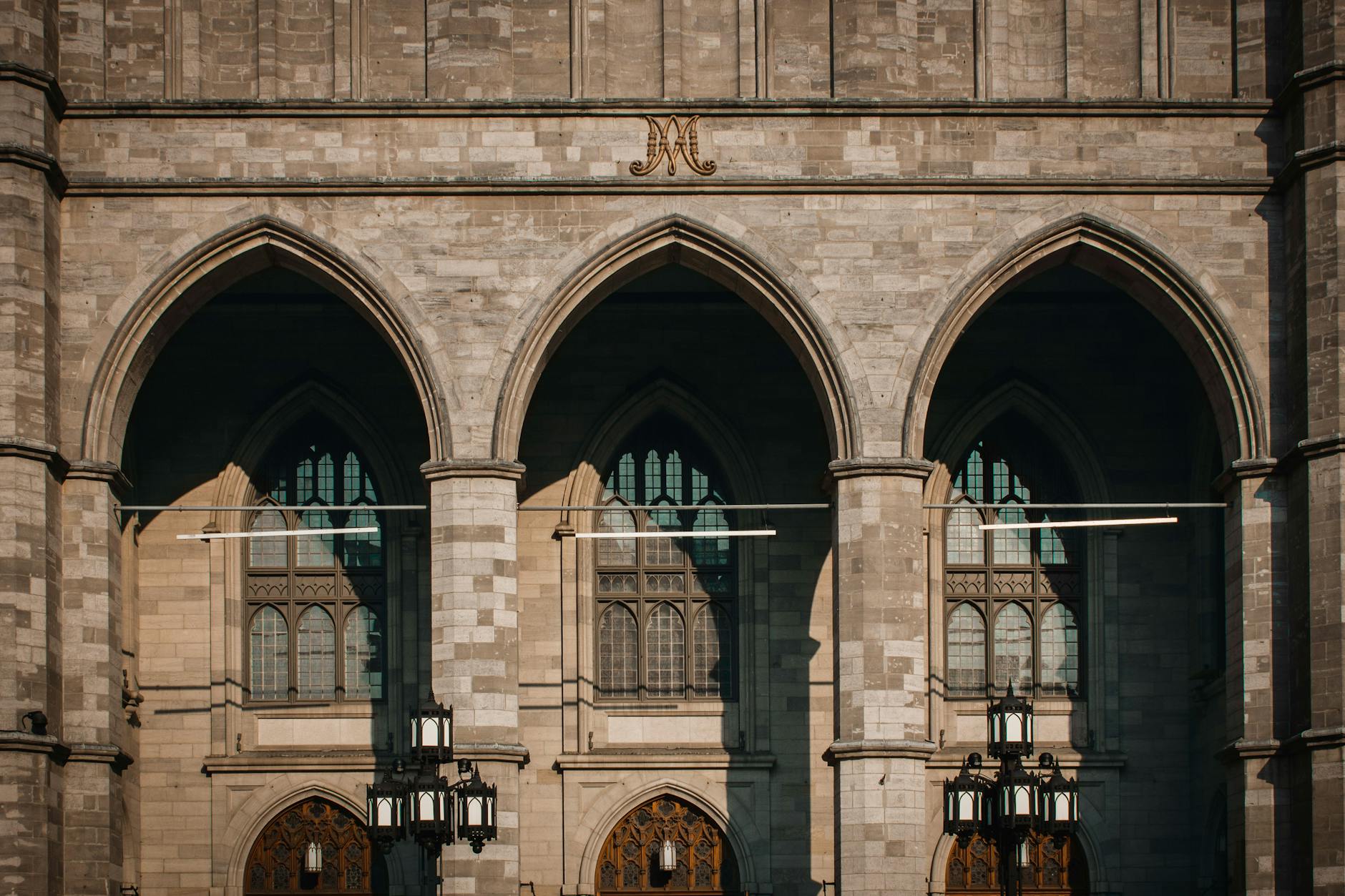
Use Mount Royal for orientation and pacing
Mount Royal can give a first-time visitor the city in one view, but it still requires a pacing decision. Walking up, using transit, taking a taxi, visiting in winter, or pairing it with downtown or Plateau plans each creates a different amount of effort. The viewpoint is valuable only if the traveler has the time and stamina to enjoy it without damaging the rest of the day.
Season changes the choice. Autumn can be beautiful, winter can be icy, summer can be hot, and shoulder seasons can be muddy or windy. Footwear, daylight, and return transport matter more than many first-time visitors expect.
- Treat Mount Royal as a real movement decision, not just a map pin.
- Plan footwear, daylight, weather, walking effort, and return transport.
- Use the viewpoint to orient the trip without exhausting the first day.
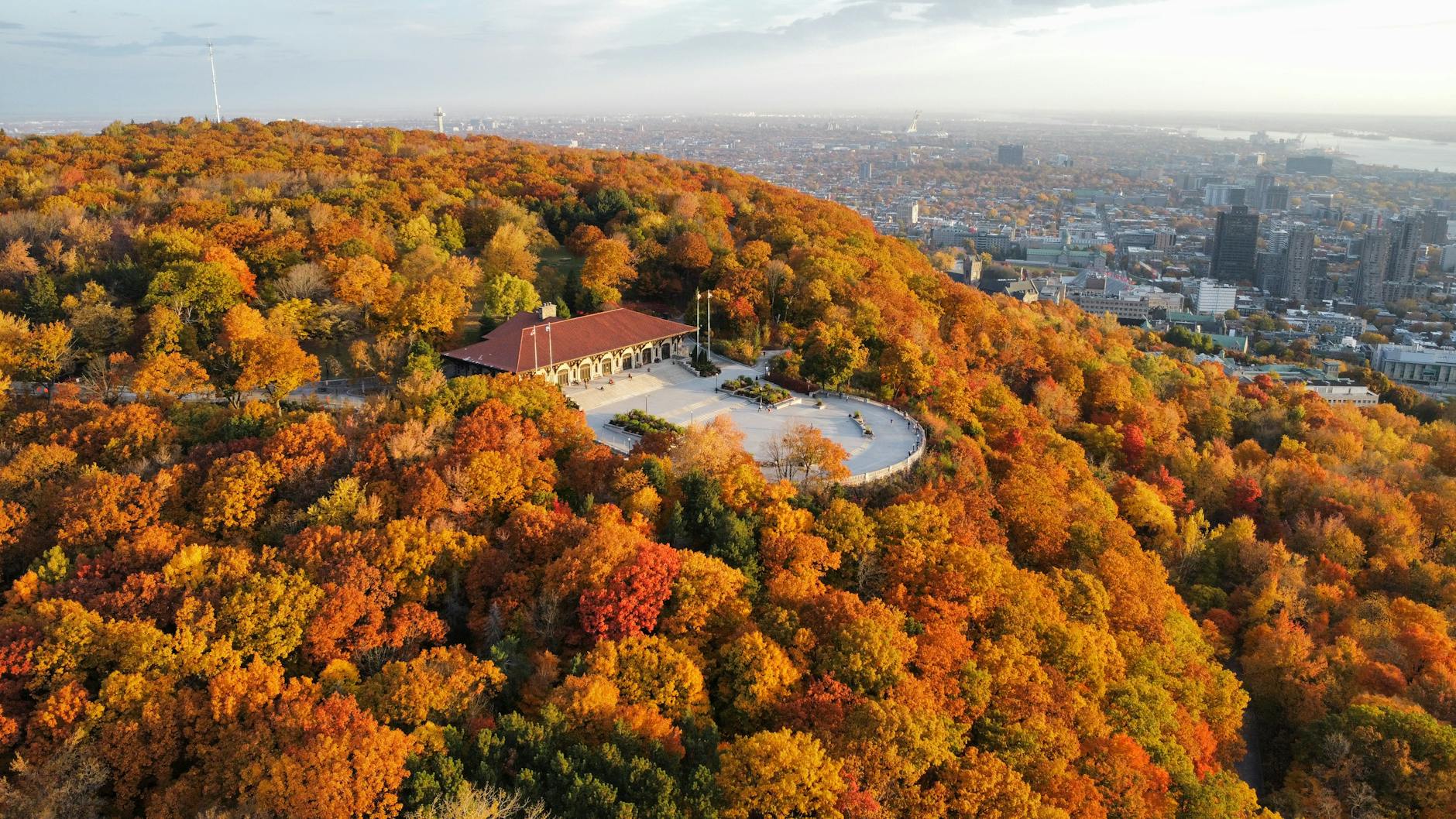
Plan food as geography, not just a list
Montreal food planning can become a list of names: bagels, smoked meat, markets, bakeries, bistros, wine bars, and restaurants in Old Montreal, downtown, Plateau, Mile End, Little Italy, and beyond. The better approach is geographic. A meal should support the route rather than forcing the traveler across town at the wrong hour.
Reservations, lines, winter clothing, dietary needs, children, older travelers, and late arrivals can all affect whether a famous stop is worth it. A first visitor may be happier with one excellent neighborhood food plan than with a forced checklist.
- Group food goals by neighborhood instead of chasing every famous stop.
- Check reservations, lines, dietary needs, winter clothing, and arrival time.
- Let meals support the route rather than pulling the day apart.
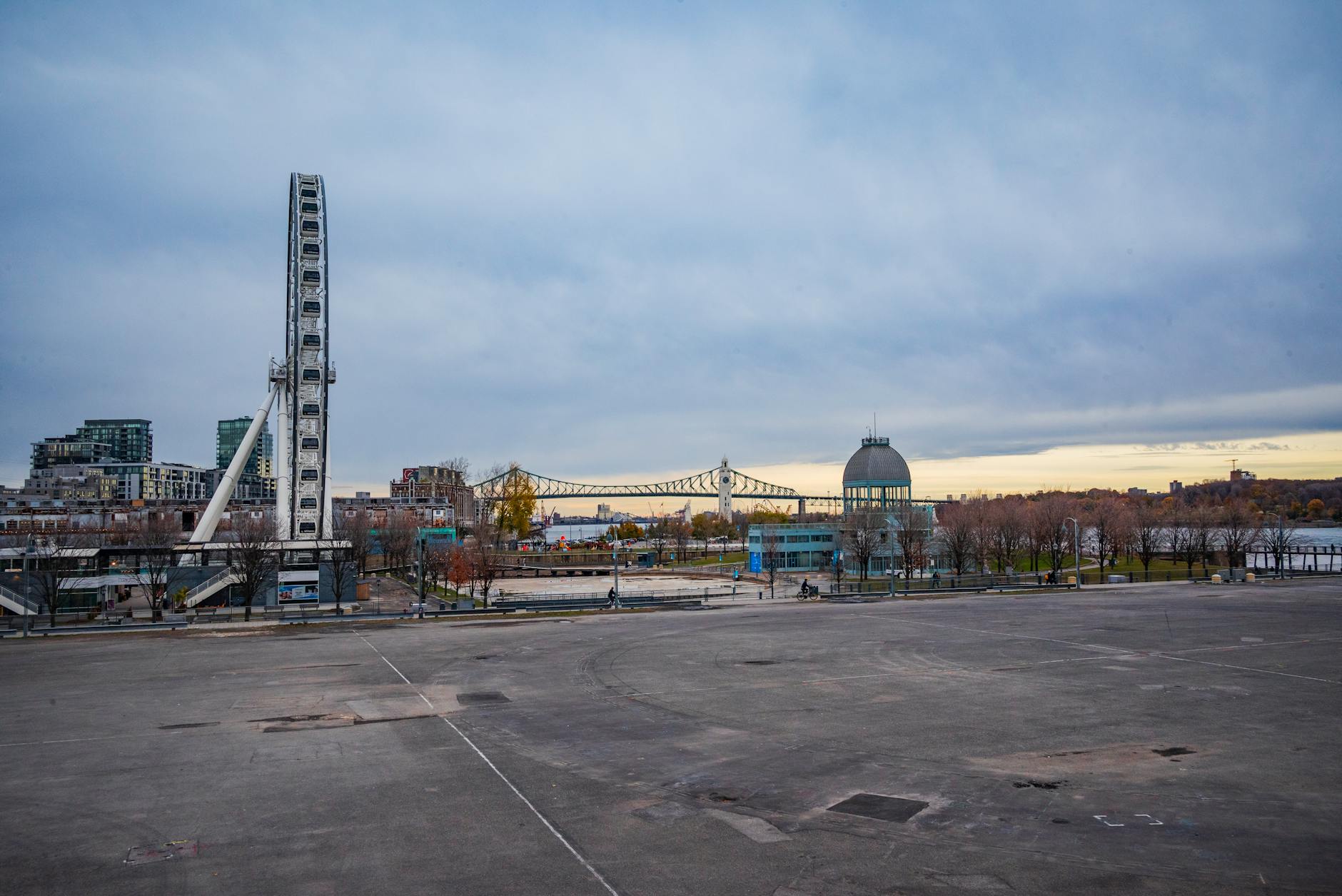
Prepare for weather, transit, and language basics
First-time visitors should treat weather as a core Montreal planning factor. Winter cold, snow, slush, ice, rain, summer humidity, and wind can change walking time, clothing, footwear, taxi demand, and how much outdoor sightseeing is enjoyable. The metro, taxis, indoor routes, and shorter neighborhood loops can keep the trip from becoming weather punishment.
Language is usually manageable for visitors, especially in central tourism areas, but basic French courtesy helps. The traveler should not overthink it or ignore it. Simple greetings, patience with signage, and a willingness to confirm details calmly go a long way.
- Plan coats, shoes, indoor routes, metro use, taxis, and backup sights around the forecast.
- Use basic French courtesy while expecting many central interactions to be manageable in English.
- Keep phone battery, offline addresses, payment backup, and hotel details ready.
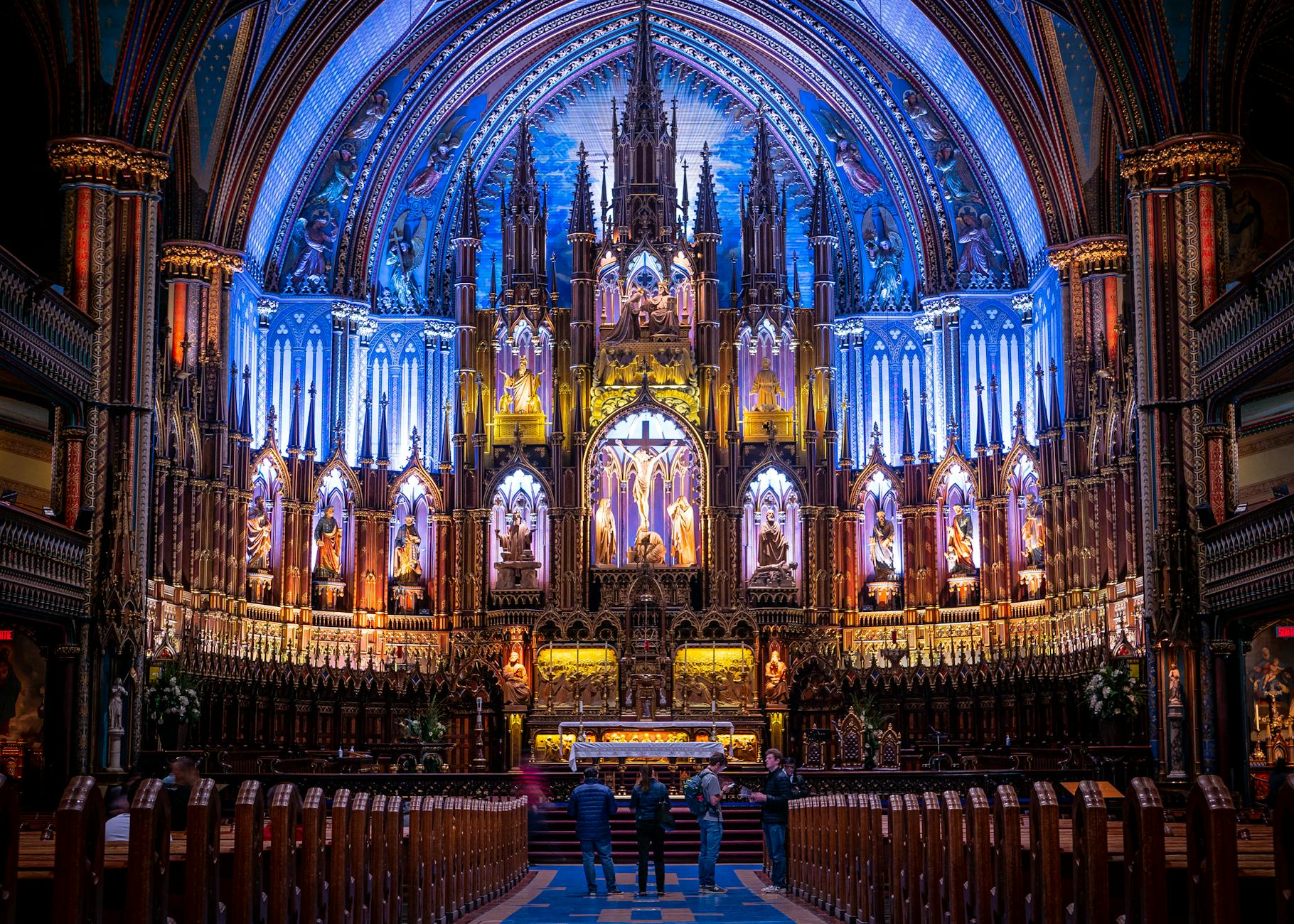
When to order a short-term travel report
A first-time visitor with a relaxed weekend, central hotel, and simple interests may not need a custom Montreal report. A report becomes useful when the traveler is deciding between neighborhoods, visiting in winter, traveling with family or older relatives, managing mobility or medical constraints, trying to combine Old Montreal, Mount Royal, food neighborhoods, museums, nightlife, and airport timing, or deciding whether the trip should be slower than the wish list.
The report should test hotel base, day-by-day geography, weather-adjusted walking, metro and taxi choices, food timing, attraction windows, language considerations, evening returns, and what to cut if the itinerary is too ambitious. The value is a first Montreal trip that feels rich without being overstuffed.
- Order when neighborhood choice, winter weather, family needs, mobility, medical constraints, or ambitious sightseeing make the trip fragile.
- Provide hotel candidates, arrival details, must-see priorities, food interests, mobility limits, and trip pace.
- Use the report to make the first visit coherent before adding more stops.