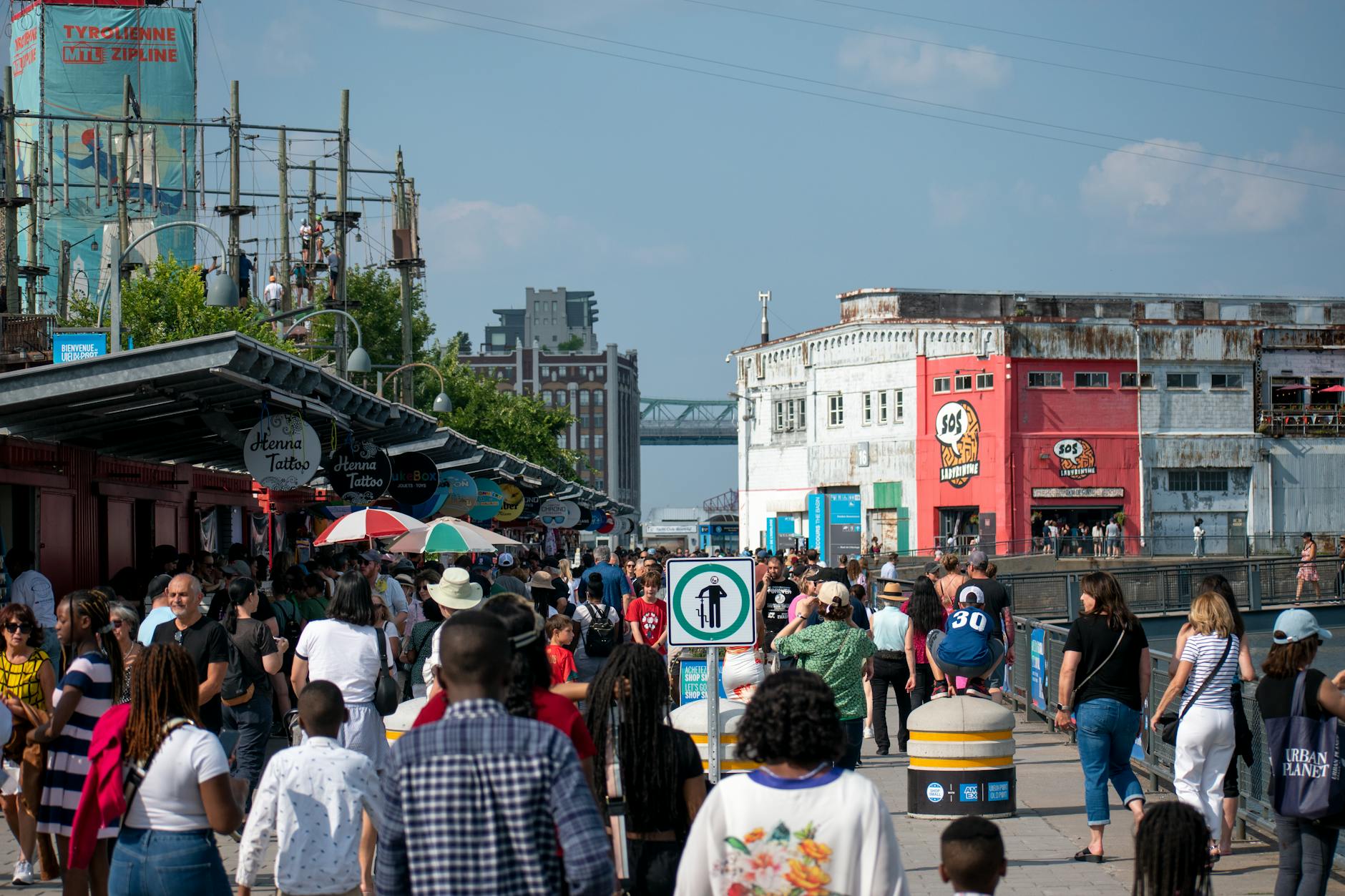
Montreal can be a strong family destination because it offers Old Port activities, waterfront walks, gardens, museums, parks, food that can satisfy adults and children, and neighborhoods that reward slower exploration. It can also become harder than expected when families underestimate winter, cobblestones, stairs, meal timing, stroller needs, or the amount of walking between attractions. A good family trip to Montreal should be designed around energy, weather, and transitions. The family does not need to see everything. It needs a hotel that supports rest, a route that avoids unnecessary backtracking, meals that do not collapse into long waits, and a few experiences that feel distinctly Montreal without exhausting everyone.
Choose the hotel around child energy
Family lodging in Montreal should be chosen around naps, meals, weather, and transfer effort. Old Montreal can be memorable for families that want waterfront access and historic streets, but cobblestones, crowds, and winter surfaces can matter. Downtown can be more practical for taxis, museums, shopping, indoor routes, and easier food backup. An airport-side hotel may make sense for a late arrival or early departure.
The hotel should be checked for room size, elevator access, breakfast, nearby quick meals, stroller storage, parking or taxi pickup, laundry needs, and how easy it is to return for a rest. The family base should reduce daily negotiation.
- Choose the base by naps, meals, weather, stroller needs, and return-to-room ease.
- Use Old Montreal, downtown, or airport-side hotels for different family priorities.
- Check room size, elevators, breakfast, nearby food, taxi access, and laundry needs.

Use the Old Port without overloading it
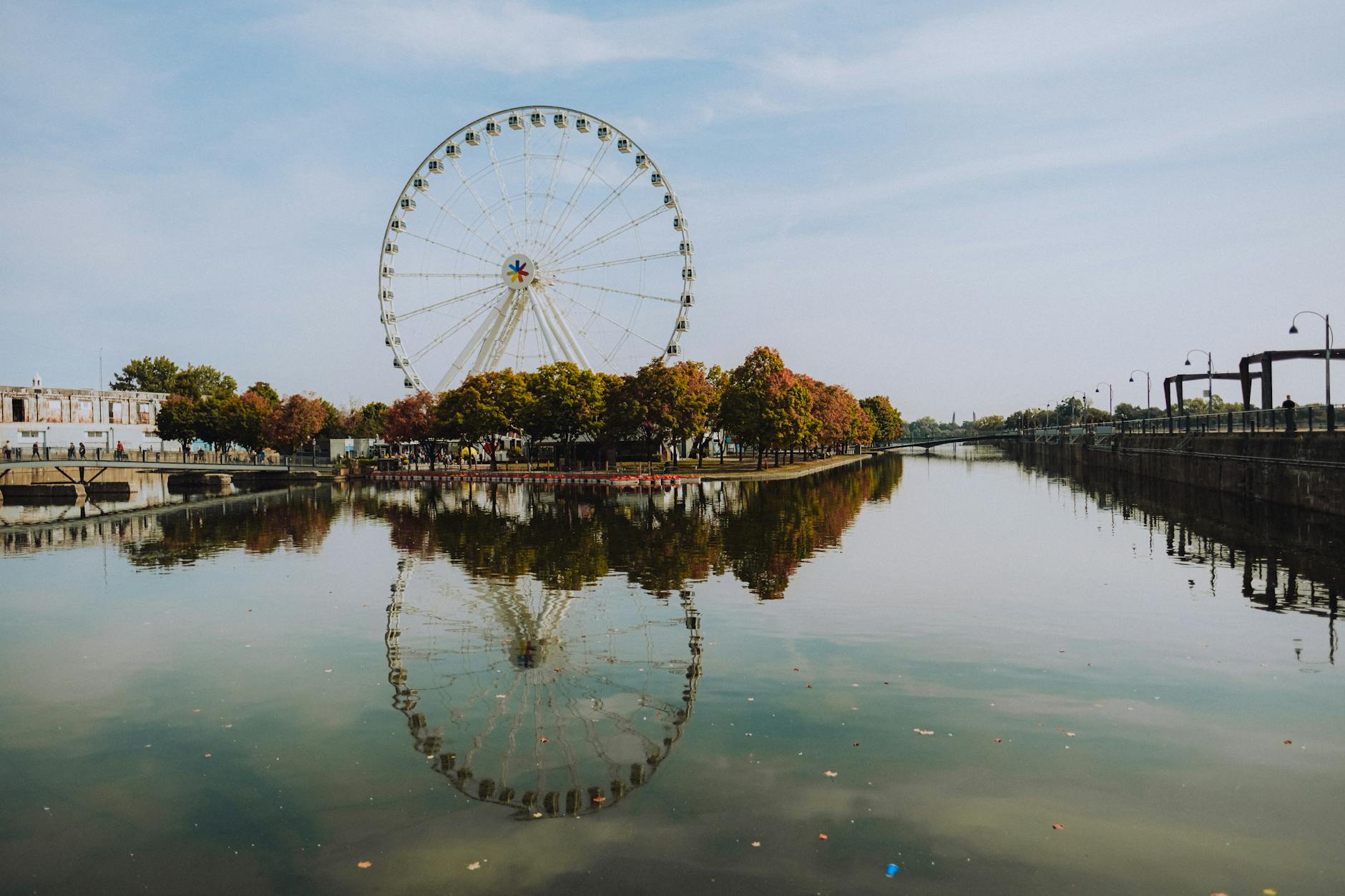
The Old Port can be one of the easiest family anchors in Montreal because it gives children space, river views, seasonal activities, the Ferris wheel area, snacks, and a clear sense of place. The risk is trying to combine too many Old Port and Old Montreal stops into one block without accounting for walking speed, bathroom stops, ticket timing, weather, and fatigue.
Families should choose the Old Port plan by season and age. A summer waterfront visit, a winter activity, a simple walk, or a timed attraction can each work. The day should leave enough energy for the return route and meal.
- Use the Old Port as a family anchor for space, views, activities, snacks, and a clear sense of place.
- Plan walking speed, bathrooms, tickets, weather, and fatigue before adding Old Montreal stops.
- Choose one or two Old Port priorities instead of treating the area as an unlimited playground.
Pick museums and gardens by attention span
Montreal gives families strong indoor and outdoor options, but each should be matched to age and attention span. The Botanical Garden, Biodome area, Biosphere, museums, and waterfront attractions can be excellent, yet they sit in different parts of the city and may require transit, taxis, weather planning, and ticket checks.
The best family day often uses one major attraction and one smaller neighborhood or meal plan. Trying to stack a garden, museum, Old Port, Mount Royal, and dinner in one day can make the city feel harder than it needs to be.
- Match gardens, museums, Biosphere, and waterfront attractions to age, season, and attention span.
- Check tickets, hours, transit, taxi access, weather, and meal options before committing.
- Use one major attraction plus one smaller plan for a stronger family day.

Treat winter as a family logistics problem
Winter Montreal can be beautiful for families, but it changes the entire trip. Children need more time to dress, move, warm up, handle gloves, and recover from outdoor exposure. Strollers may be harder on snow, slush, and curbs. Taxis may be more useful, and indoor backup plans become essential.
The family should not build a winter itinerary as if it were a summer route with coats added. It should be shorter, warmer, and more flexible. One good outdoor moment paired with a warm indoor stop may be better than a full day outside.
- Plan winter clothing, stroller practicality, warm breaks, taxi use, and indoor backups.
- Shorten outdoor routes when snow, slush, ice, wind, or cold changes walking speed.
- Use one strong outdoor moment rather than forcing a full outdoor day.

Keep meals realistic
Montreal food is a family advantage if it is planned realistically. Bagels, markets, bakeries, casual restaurants, hotel breakfasts, and neighborhood meals can work very well. Long waits, late dinners, loud rooms, formal tasting menus, and restaurants far from the hotel may not. The family should decide which meals are experiences and which are simply fuel.
Dietary needs, picky eating, stroller access, high chairs, reservation timing, and bathroom access should be checked before the day is built around a famous stop. A reliable backup meal near the hotel can save the evening.
- Separate experience meals from practical meals before planning the day.
- Check reservations, wait times, child seating, dietary needs, stroller access, and bathrooms.
- Keep a reliable food backup near the hotel or main route.

Make transit and strollers explicit
Families should decide how they will move before each day begins. The metro can be useful, but station access, stairs, escalators, transfers, stroller handling, tired children, and the final walk all matter. Taxis or rides may be better for some routes, especially in winter or after dinner. Walking can be excellent in compact areas but should not be assumed across the whole city.
Parents should also keep phone battery, offline addresses, snacks, water, layers, and bathroom plans ready. Montreal is manageable, but families need more margin than solo adults.
- Check metro access, transfers, stairs, stroller handling, and final walking distance before relying on transit.
- Use taxis or rides when winter, fatigue, luggage, or evening timing changes the equation.
- Carry snacks, water, layers, offline addresses, and bathroom plans.
When to order a short-term travel report
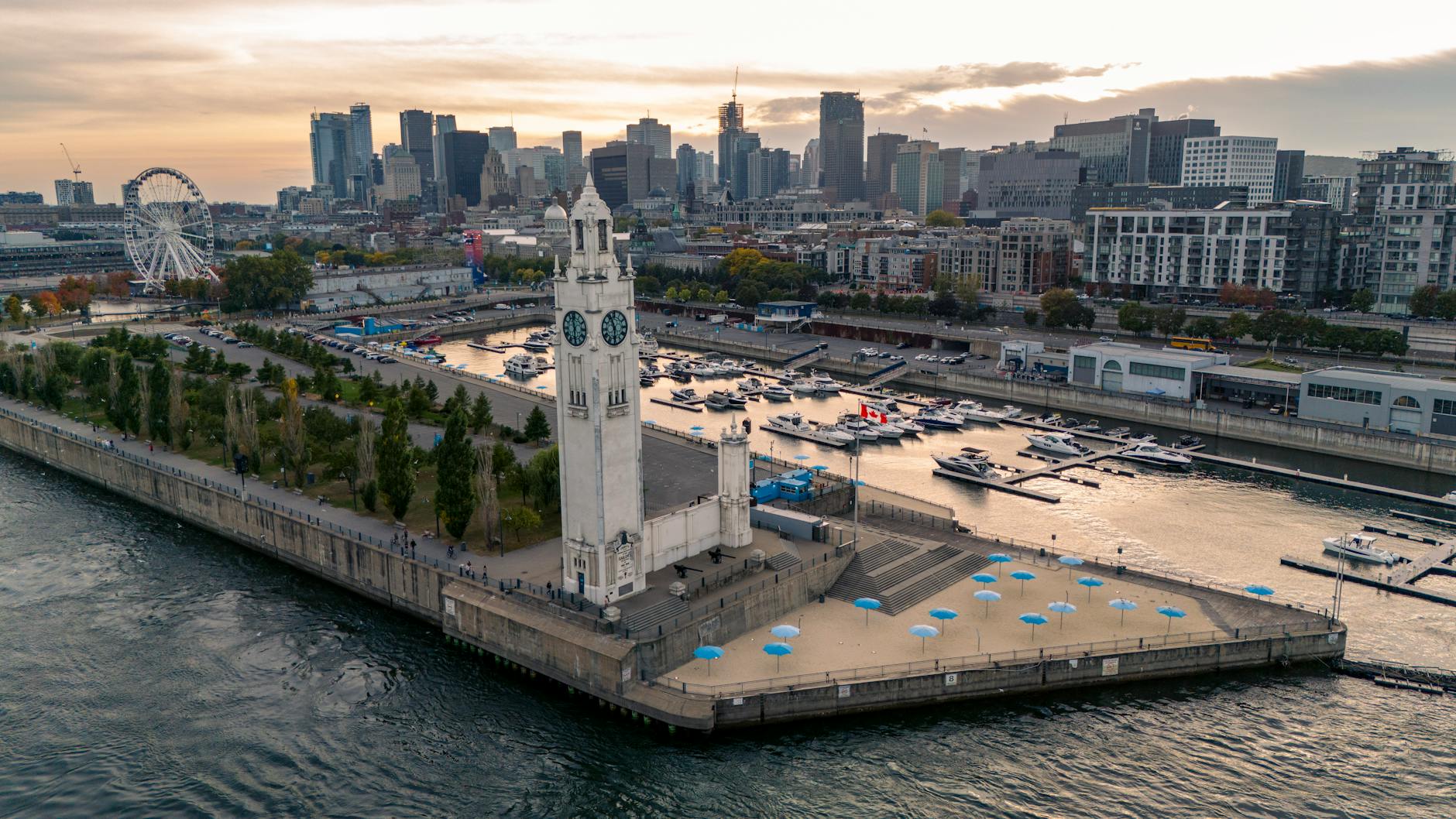
A family with older children, mild weather, and a relaxed central plan may not need a custom Montreal report. A report becomes useful when the family is visiting in winter, traveling with small children, managing stroller or mobility needs, coordinating grandparents, trying to combine Old Port, gardens, museums, Mount Royal, and food neighborhoods, or deciding whether the hotel base should be Old Montreal, downtown, airport-side, or closer to a specific attraction.
The report should test hotel base, child pacing, stroller practicality, winter routes, meal timing, tickets, bathroom breaks, taxi and metro choices, rest windows, and what to cut if the trip is too full. The value is a Montreal family visit that gives everyone enough energy to enjoy the city.
- Order when winter, small children, strollers, grandparents, mobility, meals, or ambitious sightseeing affects the trip.
- Provide ages, hotel candidates, arrival times, stroller needs, food constraints, must-see priorities, and pace limits.
- Use the report to keep the family itinerary realistic before adding more attractions.