Montreal is a different cruise decision from a classic coastal port call. It can function as an embarkation city, disembarkation city, St. Lawrence river-cruise stop, pre-cruise extension, post-cruise recovery day, or inland add-on tied to flights and rail. The city has strong rewards for cruise travelers: Old Montreal, the Old Port, waterfront views, Notre-Dame Basilica, food neighborhoods, markets, and a compact enough core for a disciplined short stay. It also has real friction if the traveler treats it as a simple ship-to-sightseeing walk. The cruise traveler should know exactly how Montreal fits the larger itinerary. A same-day flight, an overnight before boarding, a luggage-heavy disembarkation, and a relaxed post-cruise stay all require different choices about hotel base, transfer mode, meal timing, and how much of the city to attempt.
Define the cruise role Montreal is playing
The first decision is whether Montreal is the port, the airport city, the overnight buffer, or the reward after the ship. A traveler boarding in Montreal needs a calm arrival and a reliable path to the terminal. A traveler leaving the ship needs luggage handling, hotel timing, and a plan for the hours before a flight. A river-cruise visitor needs a tight city route that respects boarding time. A pre- or post-cruise traveler may have enough space to use Montreal properly.
Those are not the same trip. The city can feel easy or punishing depending on whether the traveler matches the plan to the cruise timing instead of trying to force a normal tourist itinerary into a port day.
- Decide whether Montreal is an embarkation city, disembarkation city, river-cruise stop, or cruise extension.
- Build the day around ship timing, flight timing, hotel access, and luggage constraints.
- Avoid using a normal tourist checklist when the cruise schedule is the real constraint.
Treat the port transfer as a controlled movement
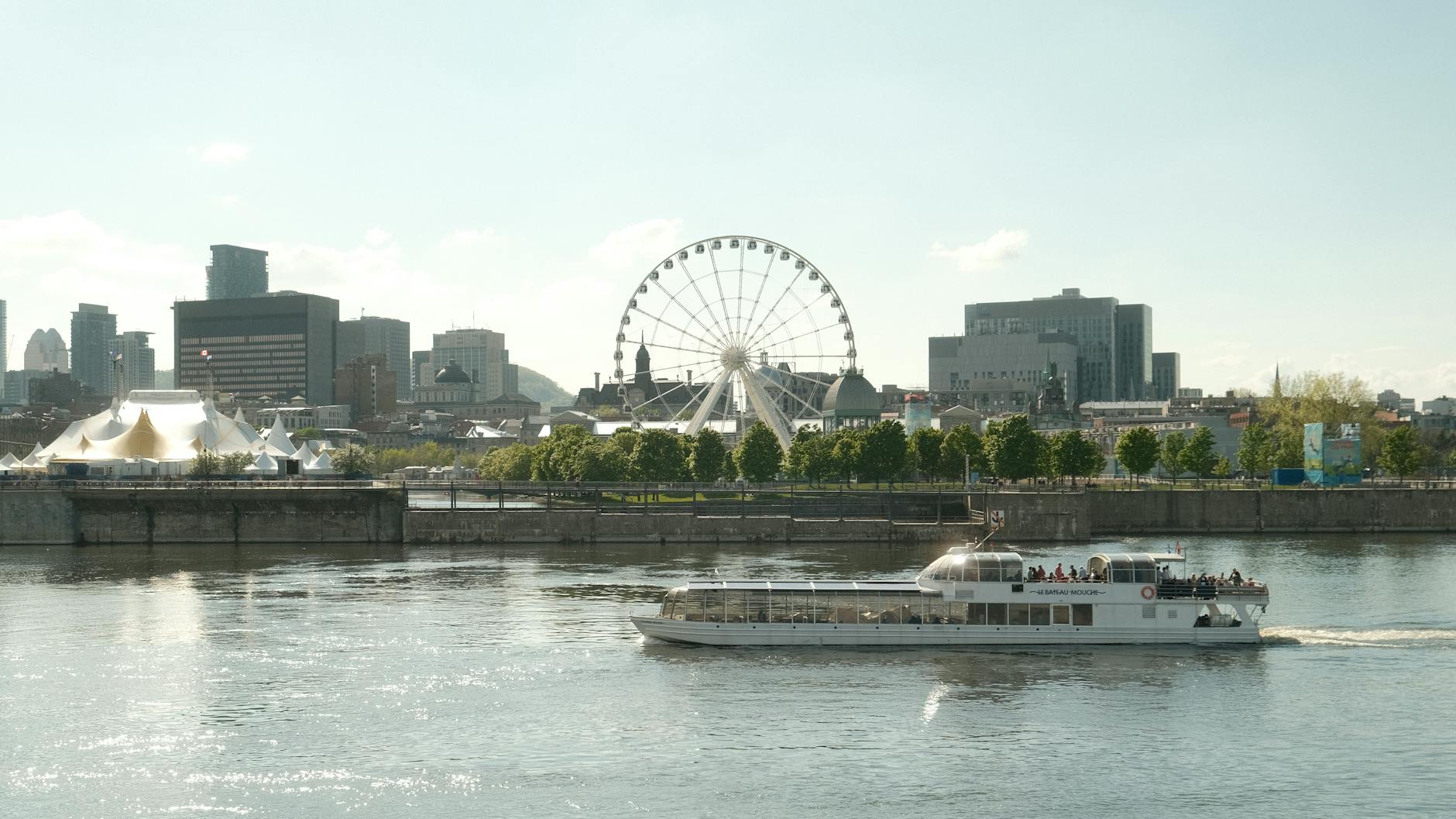
Cruise travelers often underestimate transfer complexity because the city center and waterfront look close on a map. The problem is not only distance. It is luggage, weather, boarding windows, traffic, hotel check-in, taxi availability, and whether the traveler is tired from a flight or from disembarkation. A short transfer can still become stressful if the traveler has no buffer.
The plan should identify the primary transfer, backup transfer, meeting point, luggage rule, and cutoff time. If the traveler is connecting from YUL, rail, or a hotel, the route should be chosen for reliability rather than elegance.
- Plan the ship, hotel, airport, or rail transfer with luggage and timing as the core variables.
- Use a backup transfer and cutoff time rather than relying on last-minute improvisation.
- Choose reliability over scenic routing on boarding and flight days.
Do not overbuild a port day
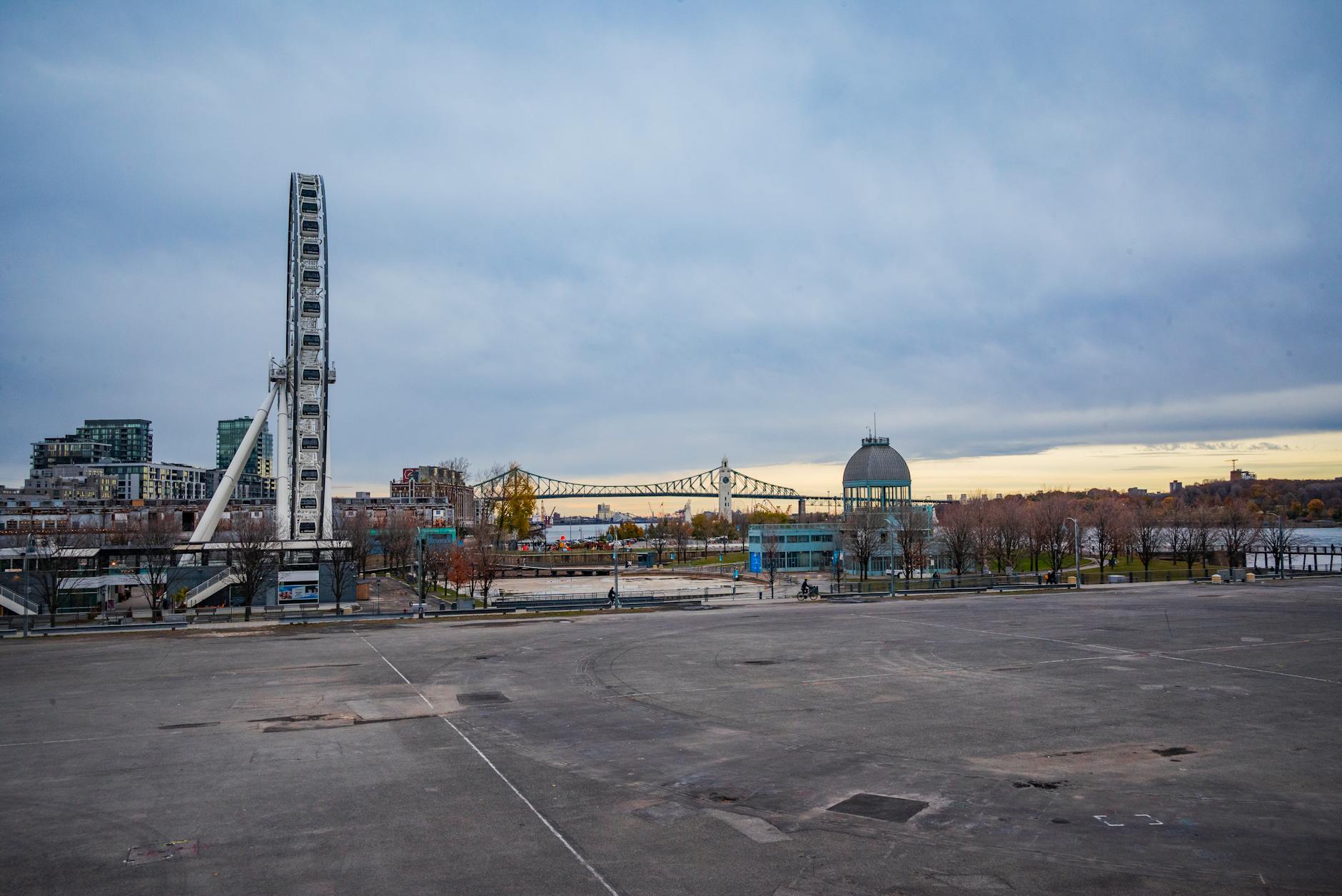
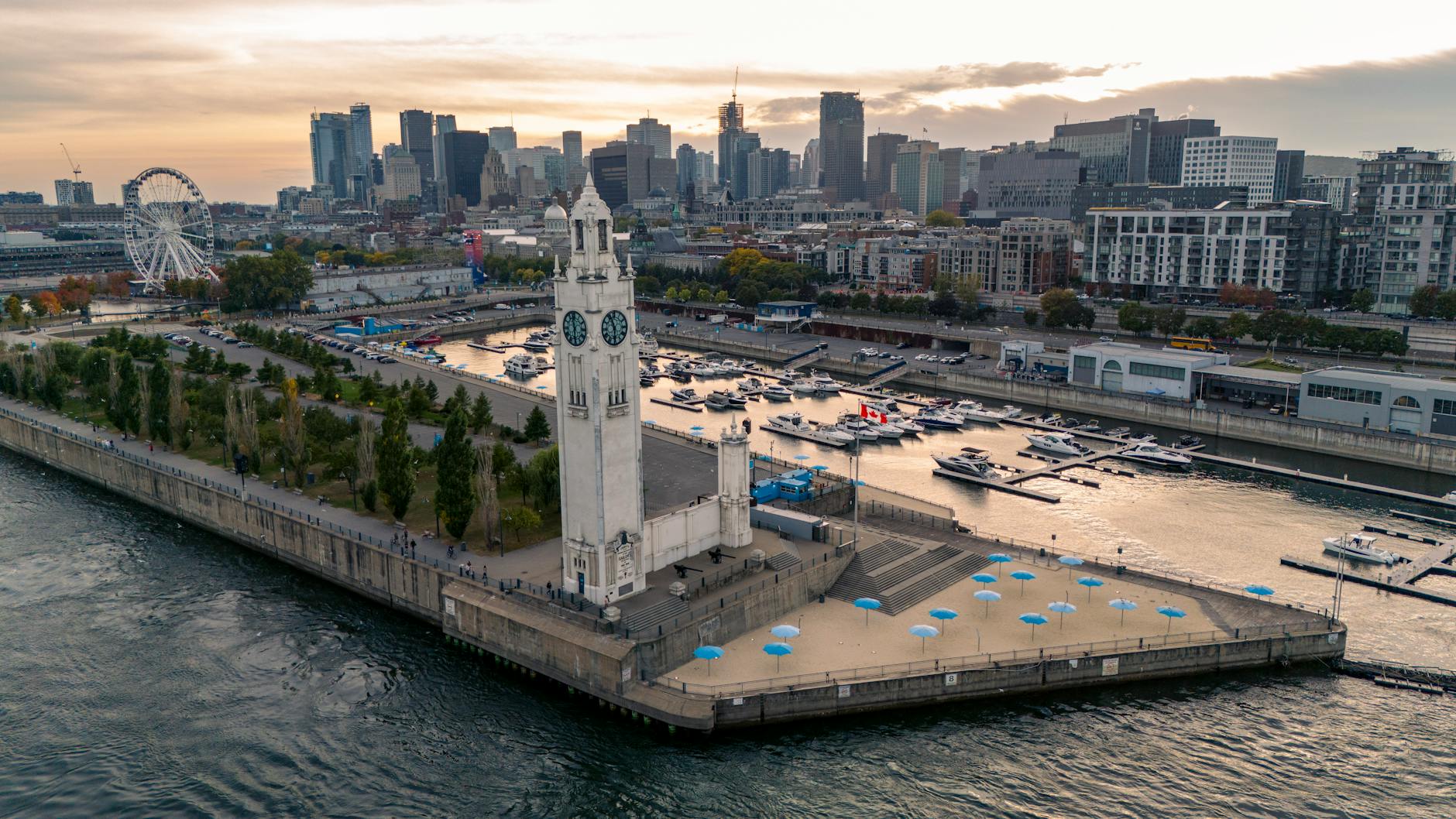
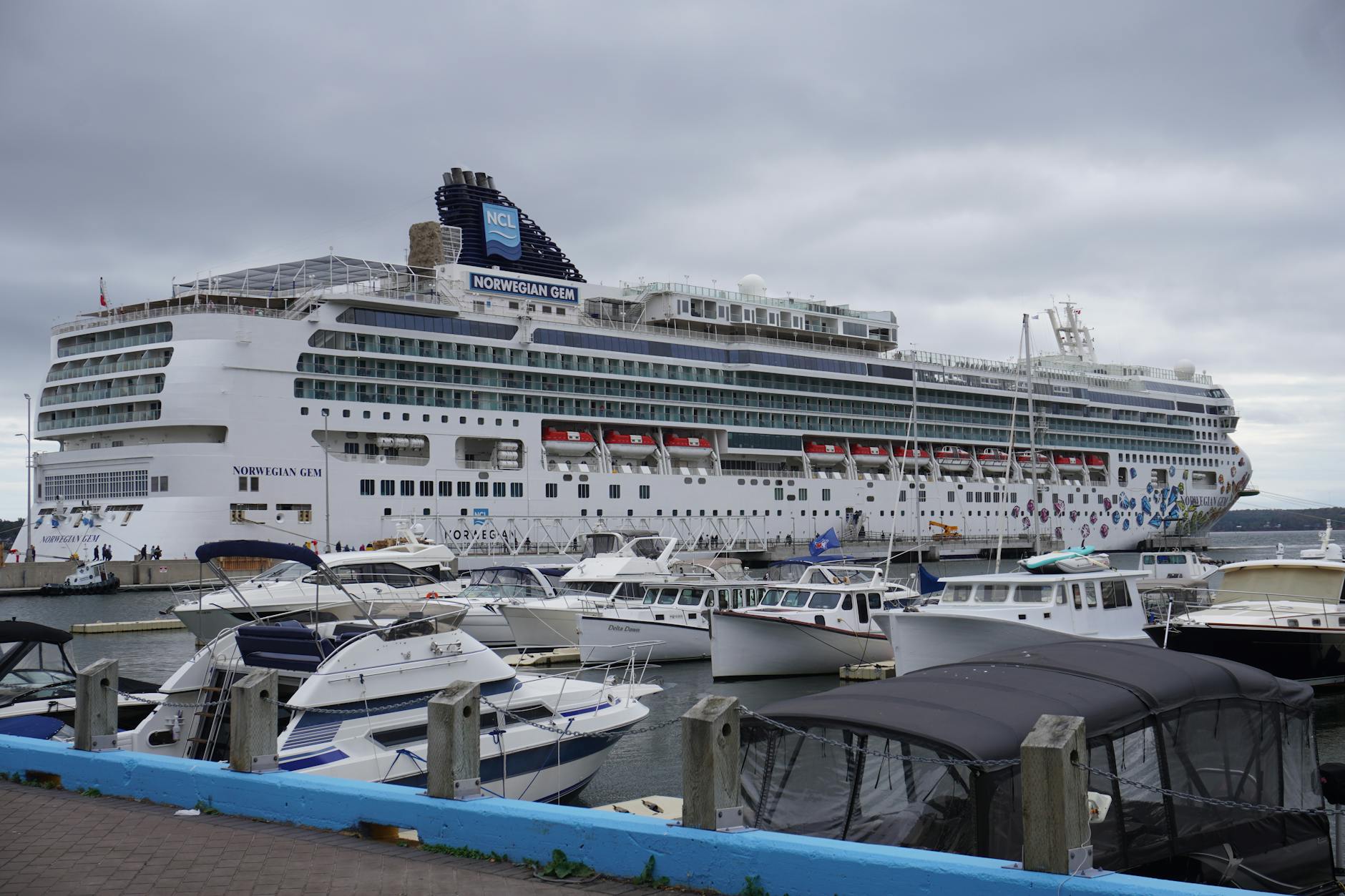
A Montreal port day should be compact unless the schedule is genuinely generous. Old Montreal, the Old Port, Notre-Dame Basilica, a meal, a market, and a waterfront walk can all sound nearby, but security, lines, weather, photos, uneven surfaces, and slow meals quickly consume the usable window. The cruise traveler should choose a small number of high-value stops rather than treating the city like an open weekend.
If the ship timing is tight, one strong Old Montreal block with a planned meal may be better than a rushed attempt to add Mount Royal, markets, and multiple neighborhoods. The goal is to return on time without making the day feel like a countdown.
- Keep port-day sightseeing compact around Old Montreal, the Old Port, or one chosen neighborhood.
- Account for lines, meals, weather, walking surfaces, and the return-to-ship margin.
- Cut distant additions before the day starts instead of cutting them in panic later.
Choose the hotel by sequence, not atmosphere
For a pre- or post-cruise stay, the hotel should solve the travel sequence first. A charming Old Montreal base may be excellent if the traveler wants heritage streets, restaurants, and waterfront access. A downtown base may work better for rail, airport transfer, shopping, or a more practical next morning. The correct answer depends on boarding time, disembarkation time, luggage, walking tolerance, weather, and the final flight or train.
The traveler should check early luggage storage, elevator access, taxi pickup, breakfast hours, late arrival, and whether the immediate streets are manageable with bags. A cruise extension fails quickly when the hotel is beautiful but awkward.
- Choose lodging by ship timing, airport or rail connection, luggage storage, taxi access, and walking tolerance.
- Check early bag drop, elevators, breakfast, late arrival, and winter access before booking.
- Use atmosphere as a bonus after the hotel solves the sequence.
Protect luggage, documents, and medication
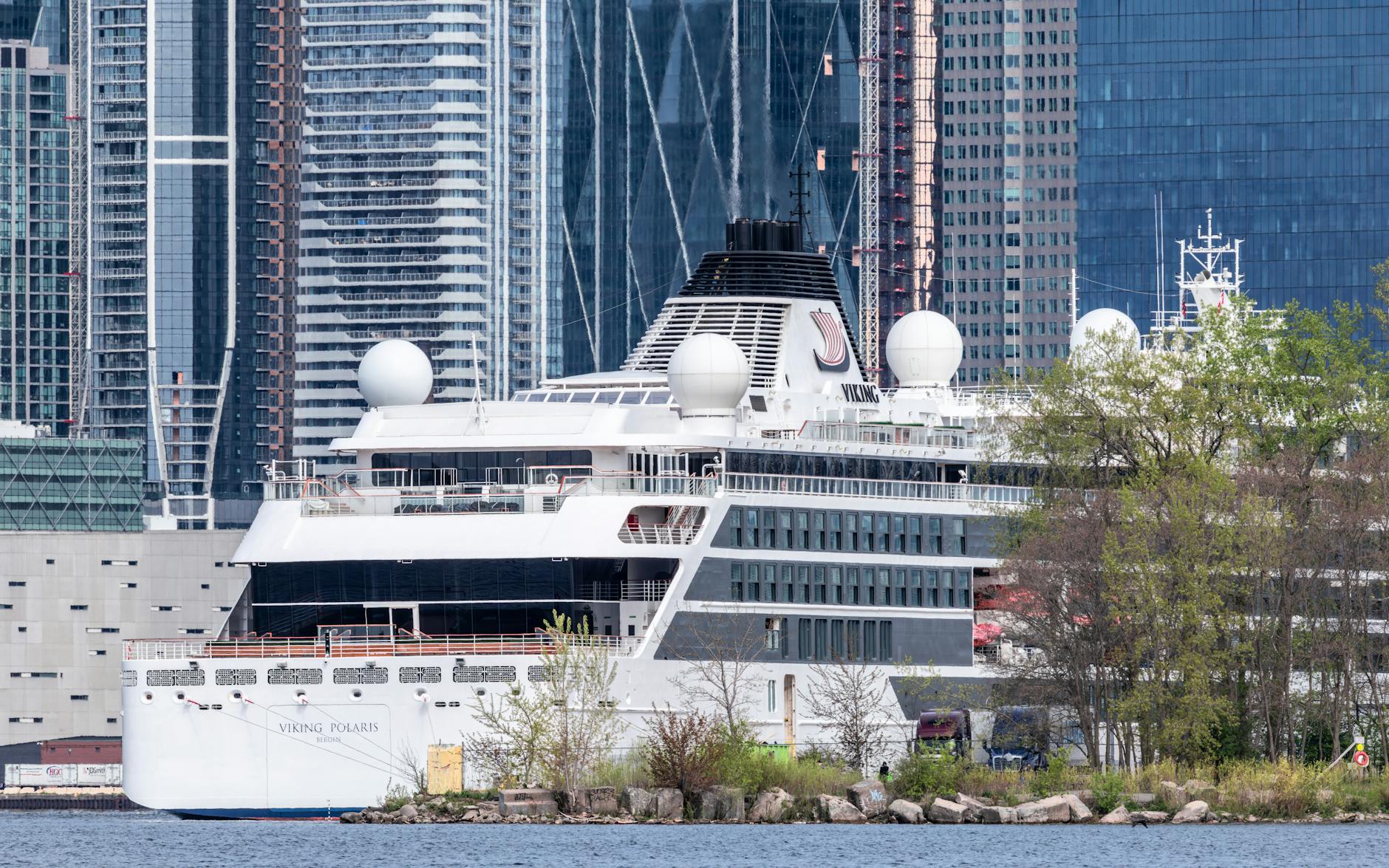
Cruise travelers often carry more than a city visitor: larger bags, formal clothing, medication, documents, tags, electronics, and sometimes purchases from earlier legs of the trip. Montreal sightseeing should not require dragging all of that through cobblestones, stairs, restaurants, or crowded attractions. The luggage plan should be settled before the first meal or walk.
Documents and medication need a separate rule. The traveler should know what stays with them, what can be stored, and what cannot be left in a checked bag or unattended hotel lobby. A pleasant port day is easier when the essential items are boringly under control.
- Plan bag storage before sightseeing, meals, or late checkout gaps.
- Keep passports, cruise documents, medication, chargers, and essential valuables under direct control.
- Avoid routes that put large luggage on cobblestones, stairs, crowded restaurants, or long walks.

Let weather and mobility shape the day
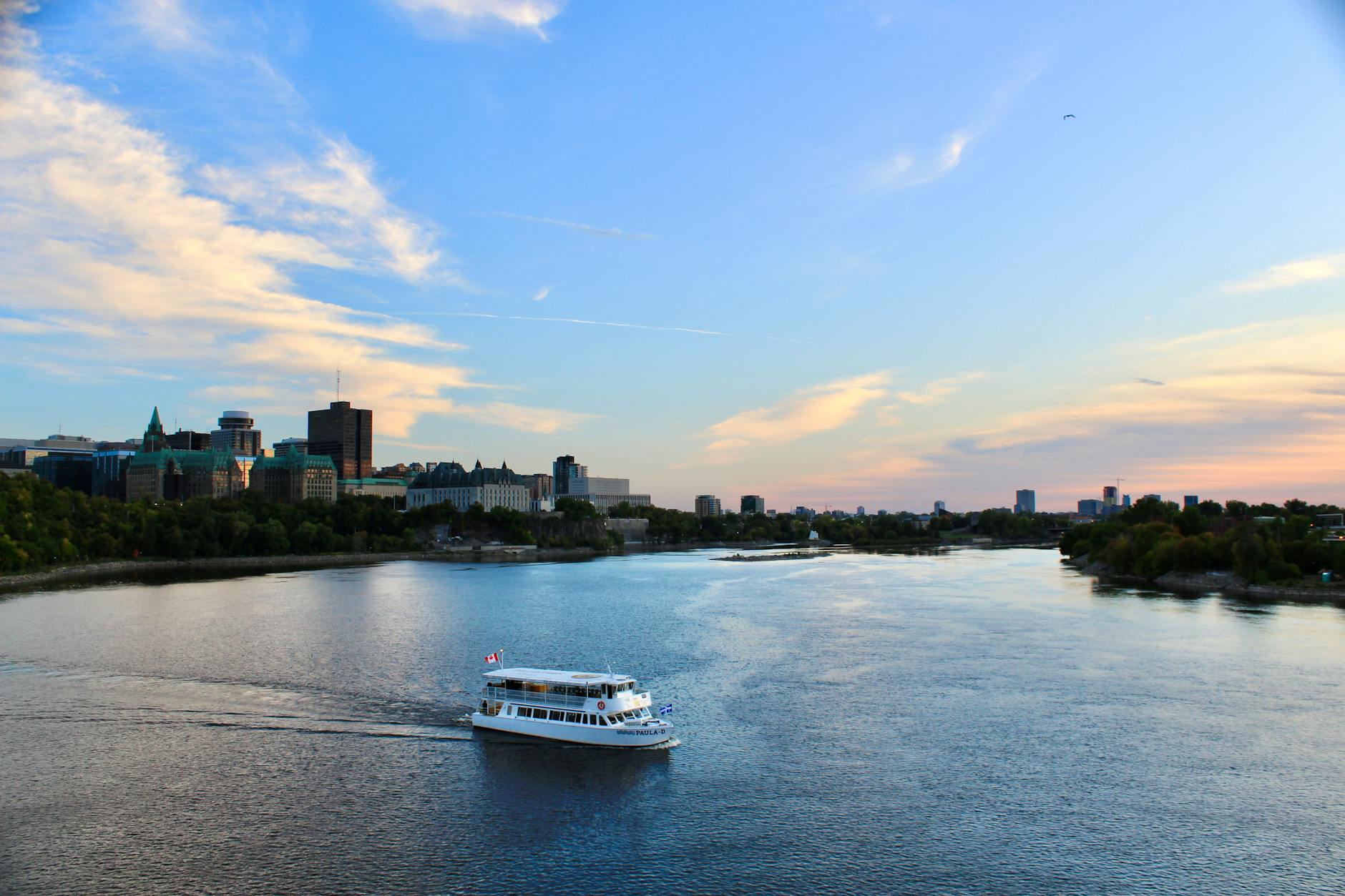
Montreal weather can change the cruise plan more than expected. Rain, cold, snow, slush, heat, and wind affect luggage movement, cobblestones, waterfront comfort, and how much time a traveler wants to spend outside. Older travelers, families, and anyone with mobility limitations should be especially careful with Old Montreal surfaces and winter walking.
The plan should include a weather-safe route, indoor meal option, taxi threshold, and a clear decision point for cutting the day shorter. The cruise schedule does not leave much room for heroic travel choices.
- Adjust Old Montreal, waterfront, and transfer plans for rain, snow, ice, heat, wind, and luggage.
- Use indoor meals and taxis sooner when weather or mobility makes walking expensive.
- Set a decision point for shortening the day before the return margin disappears.
When to order a short-term travel report
A cruise traveler with a ship-arranged transfer and no independent plans may not need a custom Montreal report. A report becomes useful when the traveler is arranging their own port transfer, flying in the same day, disembarking with luggage, adding a pre- or post-cruise stay, managing mobility or medical constraints, traveling in winter, or trying to fit meaningful sightseeing into a narrow ship window.
The report should test ship timing, airport or rail connection, hotel base, luggage storage, Old Montreal routing, meal placement, weather substitutions, transfer backups, and what to cut if the window is too tight. The value is a Montreal cruise stop that feels controlled instead of improvised.
- Order when port transfers, luggage, winter, flight timing, mobility, or independent sightseeing affect the cruise plan.
- Provide ship timing, terminal details if known, flight or rail schedule, hotel candidates, luggage needs, constraints, and must-see priorities.
- Use the report to protect the ship and flight schedule while still getting a real Montreal experience.