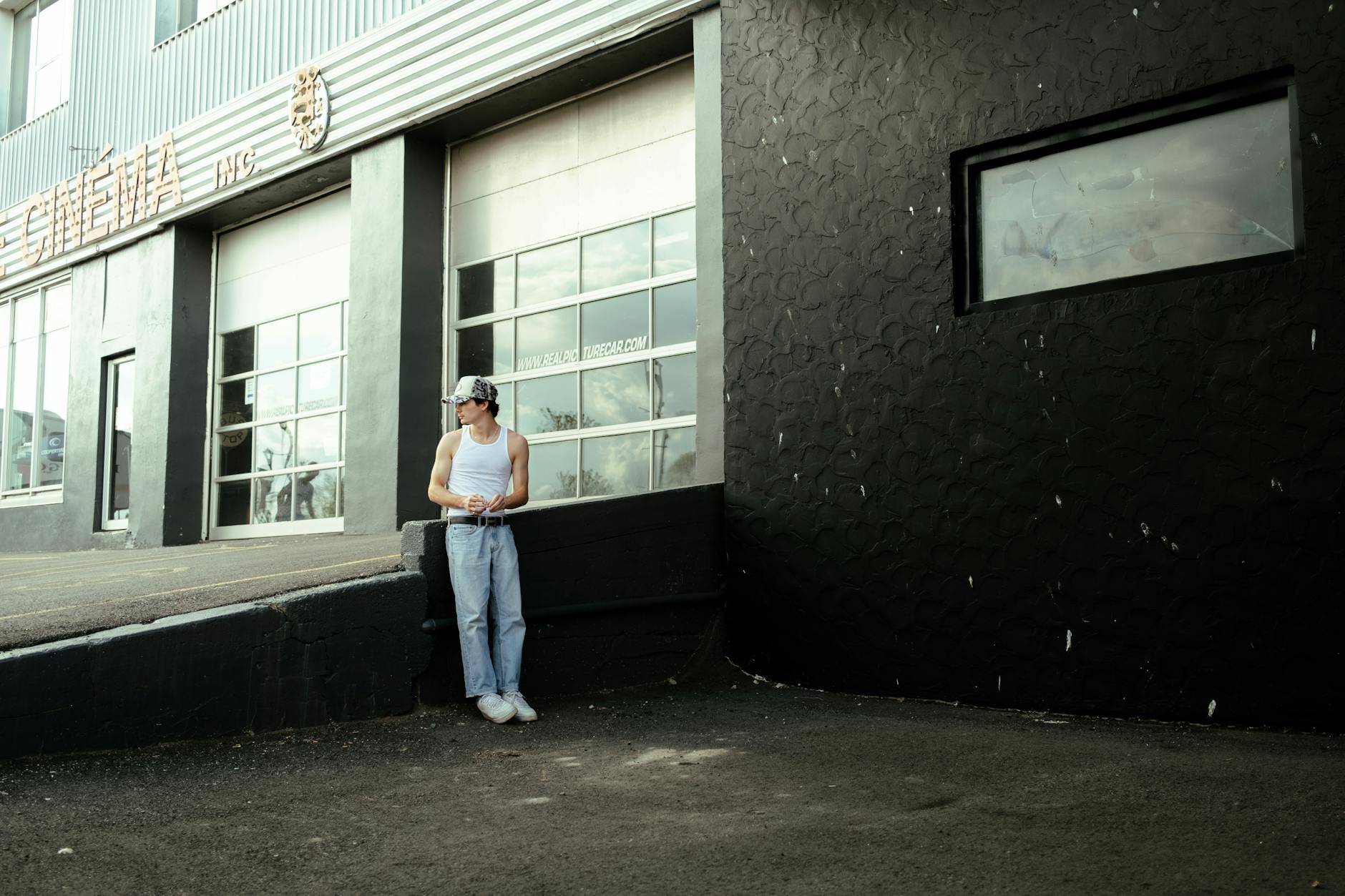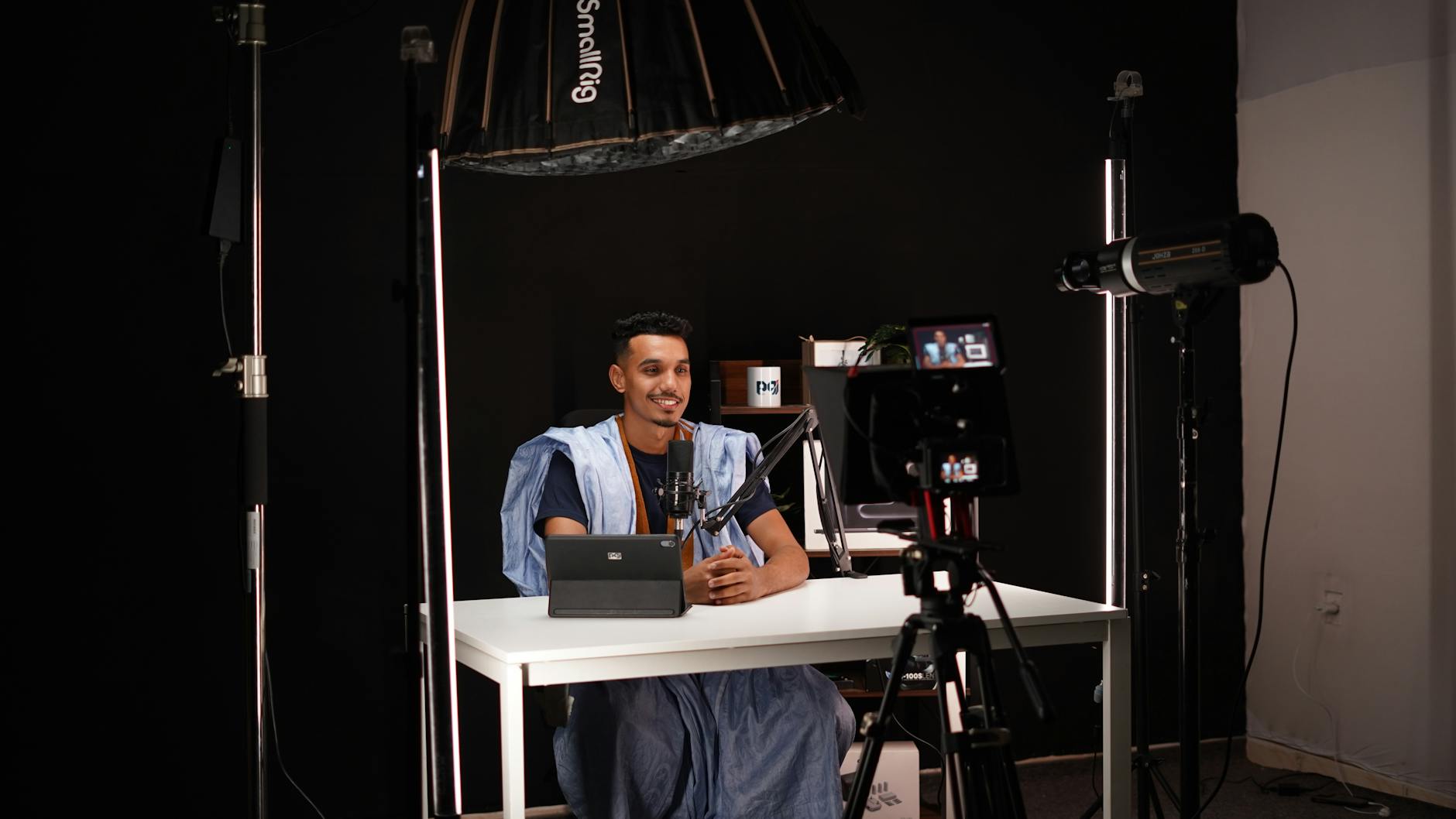
Montreal can be highly productive for a content creator because it offers old stone streets, murals, cafes, markets, skyline views, festivals, parks, winter atmosphere, waterfront scenes, and bilingual cultural texture. It can also waste a creator's time if the trip is planned around vague aesthetics instead of shot logic. Good content needs light, routing, permissions, backup weather plans, rest, editing time, and a clear reason each location belongs in the story. The creator should decide what Montreal is meant to be on this trip: food city, winter city, design city, student city, nightlife city, heritage city, or a personal travel narrative. A stronger concept makes the city easier to shoot and harder to reduce to recycled postcard angles.
Choose a concept before choosing locations
Montreal gives creators too many usable backdrops. Old Montreal, murals, cafes, markets, Mount Royal, the Old Port, festivals, museums, winter streets, and neighborhood storefronts can all compete for attention. The creator should choose a concept first, then select locations that support it. Otherwise the trip becomes a collection of attractive fragments with no reason to watch past the first clip.
The concept should match audience and format. A food creator, urban photographer, family travel creator, luxury creator, student creator, and short-form video creator all need different routes, light windows, captions, and pacing.
- Define the Montreal story before building the shot list.
- Choose locations that support the format, audience, and platform.
- Avoid collecting disconnected backdrops just because they are attractive.
Route neighborhoods by light and efficiency
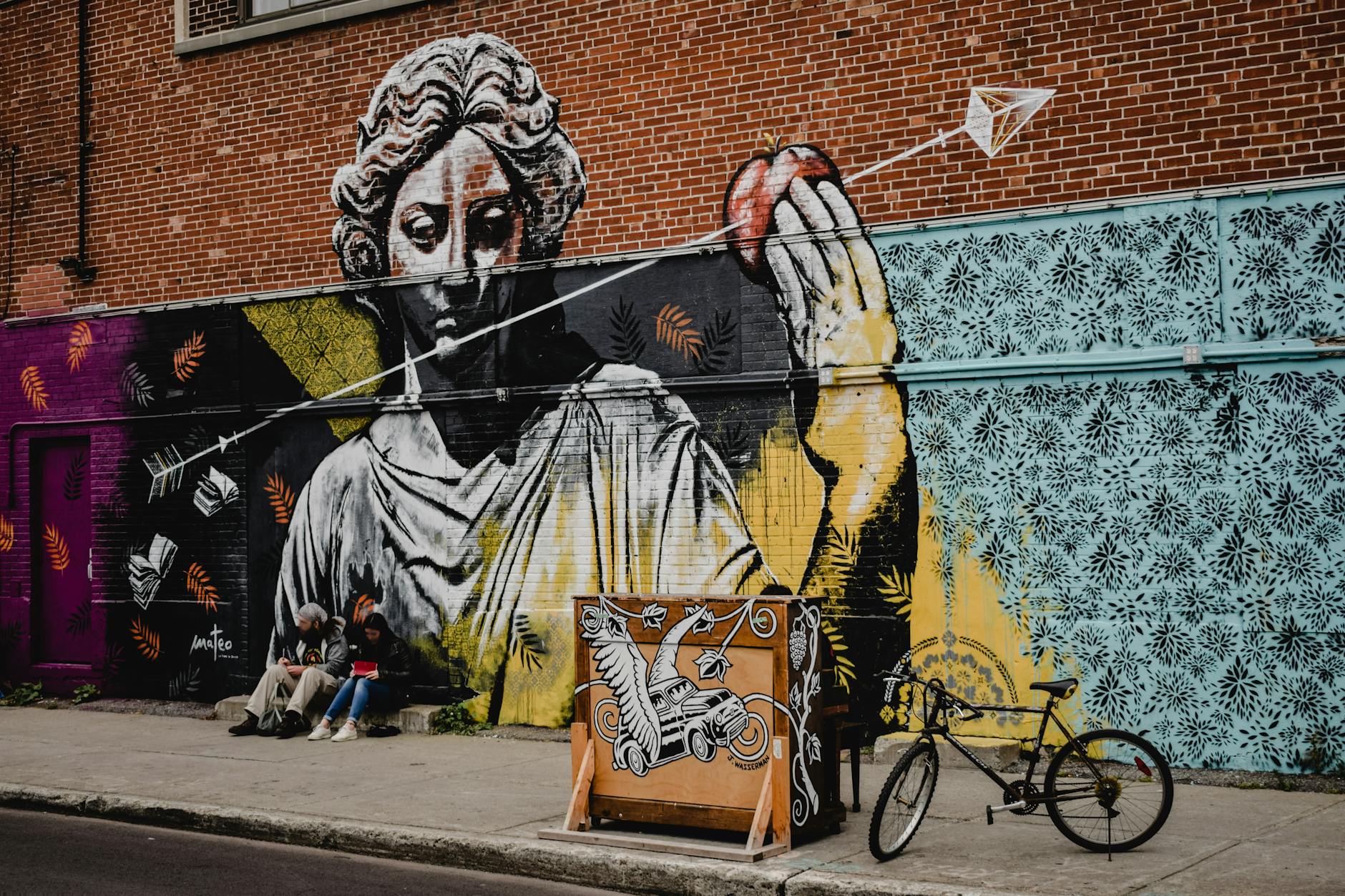
Creators should route Montreal by light, distance, weather, battery life, and outfit or gear changes. A morning cafe sequence, midday market, afternoon mural walk, sunset skyline, and evening Old Port shot may sound efficient until transit, meals, crowds, and weather are added. The city rewards tighter neighborhood blocks.
Old Montreal, Plateau, Mile End, Little Italy, downtown, and the waterfront should each be treated as a production zone with its own timing. Moving less often usually creates better work because the creator can wait, observe, and reshoot.
- Plan shot blocks by light, weather, distance, battery life, and gear needs.
- Treat each neighborhood as a production zone rather than a quick backdrop.
- Move less often when waiting or reshooting will improve the result.
Check permissions and avoid lazy extraction
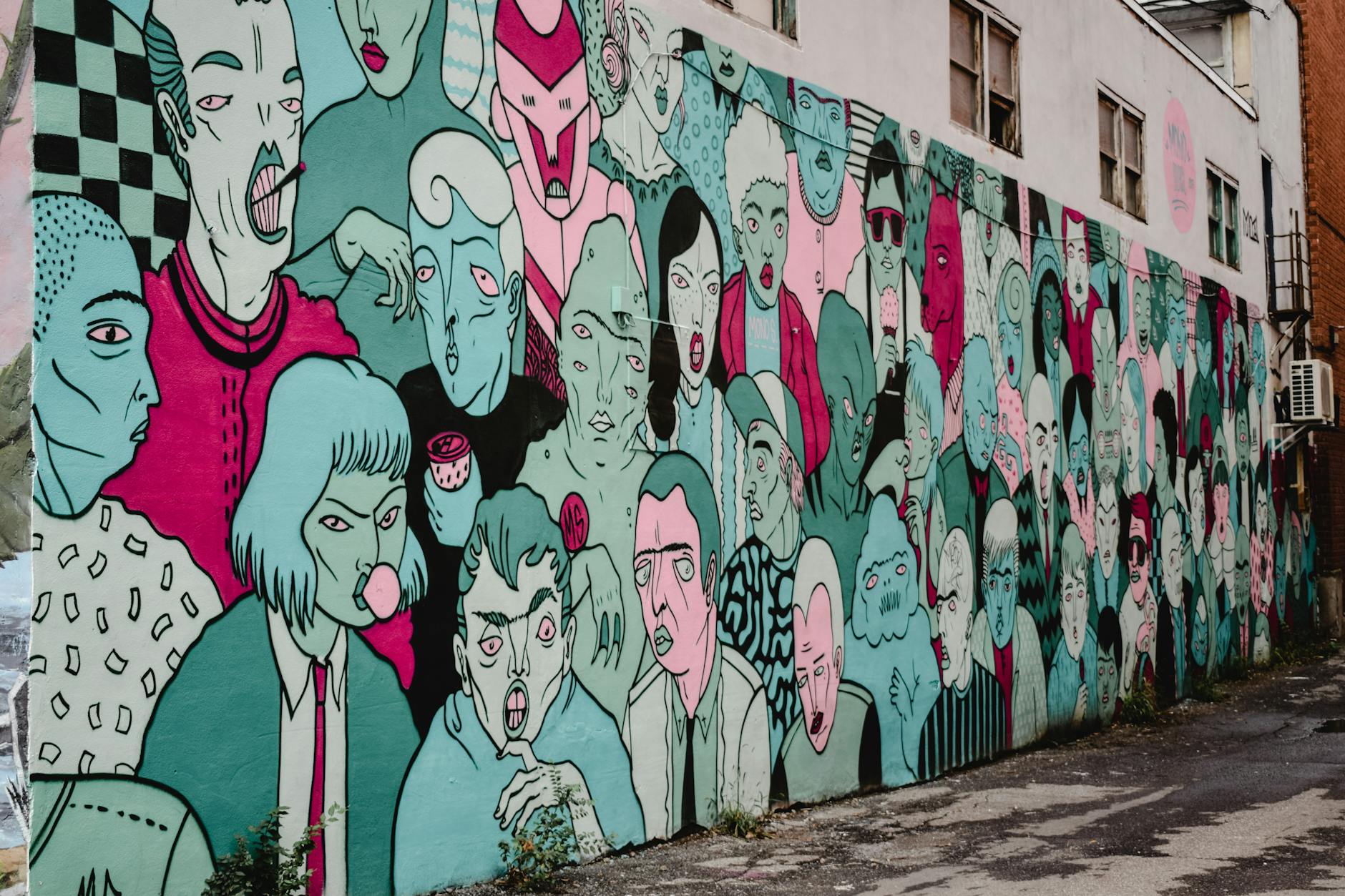
Content work can cross boundaries quickly. Filming in restaurants, shops, markets, museums, religious spaces, private buildings, transit settings, events, and community sites may require permission. Even when permission is not formal, consent and respect still matter. Montreal is not just a set of props for a visitor's feed.
Creators should be especially careful with residents, workers, children, vulnerable people, and cultural or religious settings. The more public-facing the platform, the more important it is to decide what should not be filmed, posted, geotagged, or monetized.
- Check filming rules for restaurants, shops, museums, markets, transit, events, and private buildings.
- Ask consent before centering identifiable people in content.
- Decide what should not be filmed, geotagged, posted, or monetized.
Plan gear for weather and movement
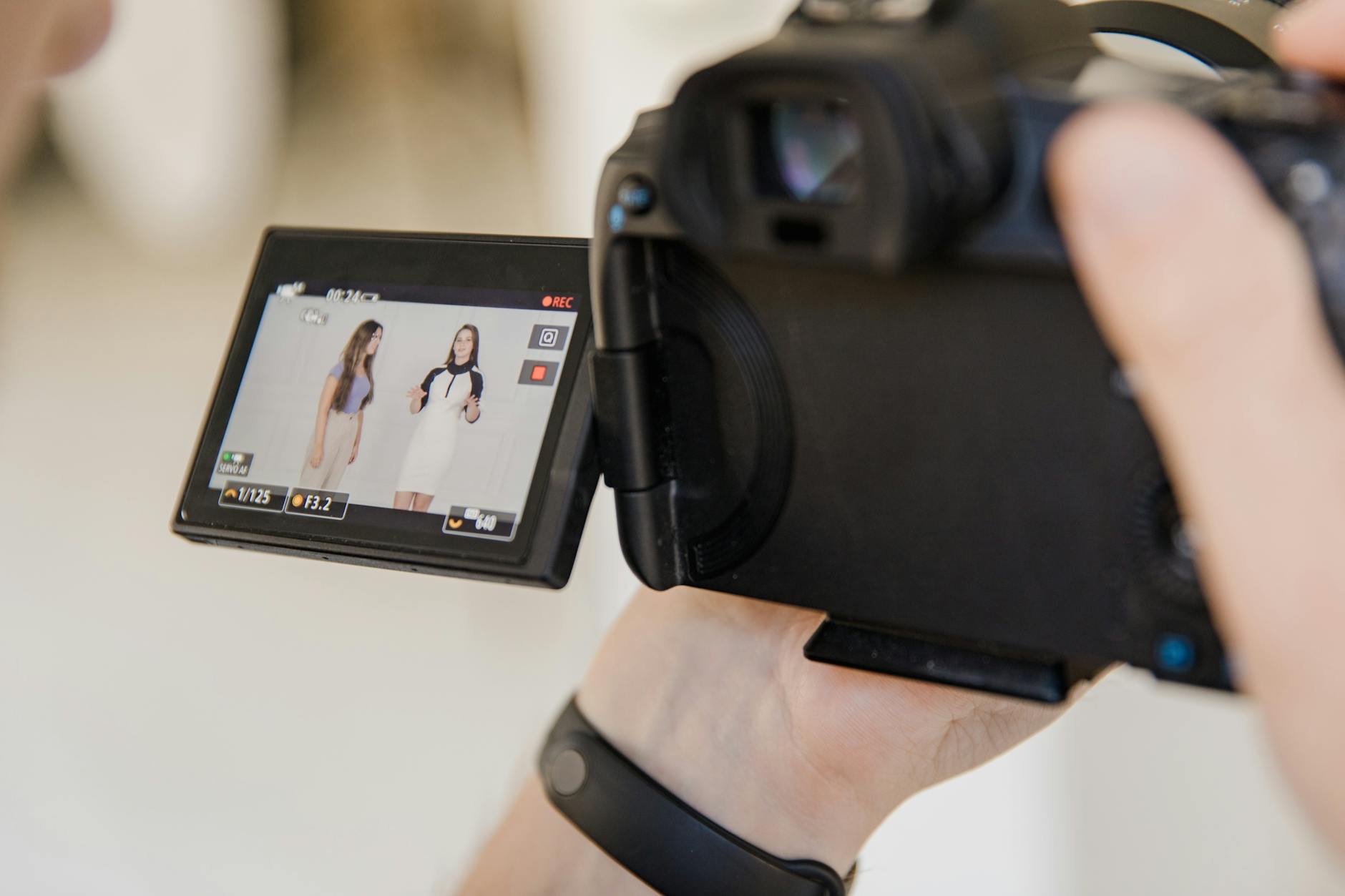
Montreal weather can affect cameras, phones, batteries, microphones, lenses, clothing, makeup, and the creator's ability to keep shooting. Winter cold drains batteries and stiffens hands. Rain and slush complicate tripods, gimbals, footwear, and bags. Summer heat can make long shooting blocks look worse on camera than they felt in planning.
The creator should decide what gear actually earns its weight. A lighter kit may produce more than a full kit if the route involves metro stairs, snow, crowded cafes, or long walking days.
- Pack batteries, microphones, lens protection, bags, footwear, and layers for actual weather.
- Choose gear by route difficulty, not by ideal studio conditions.
- Keep backup storage and charging options ready before the first shoot block.
Protect editing and posting windows
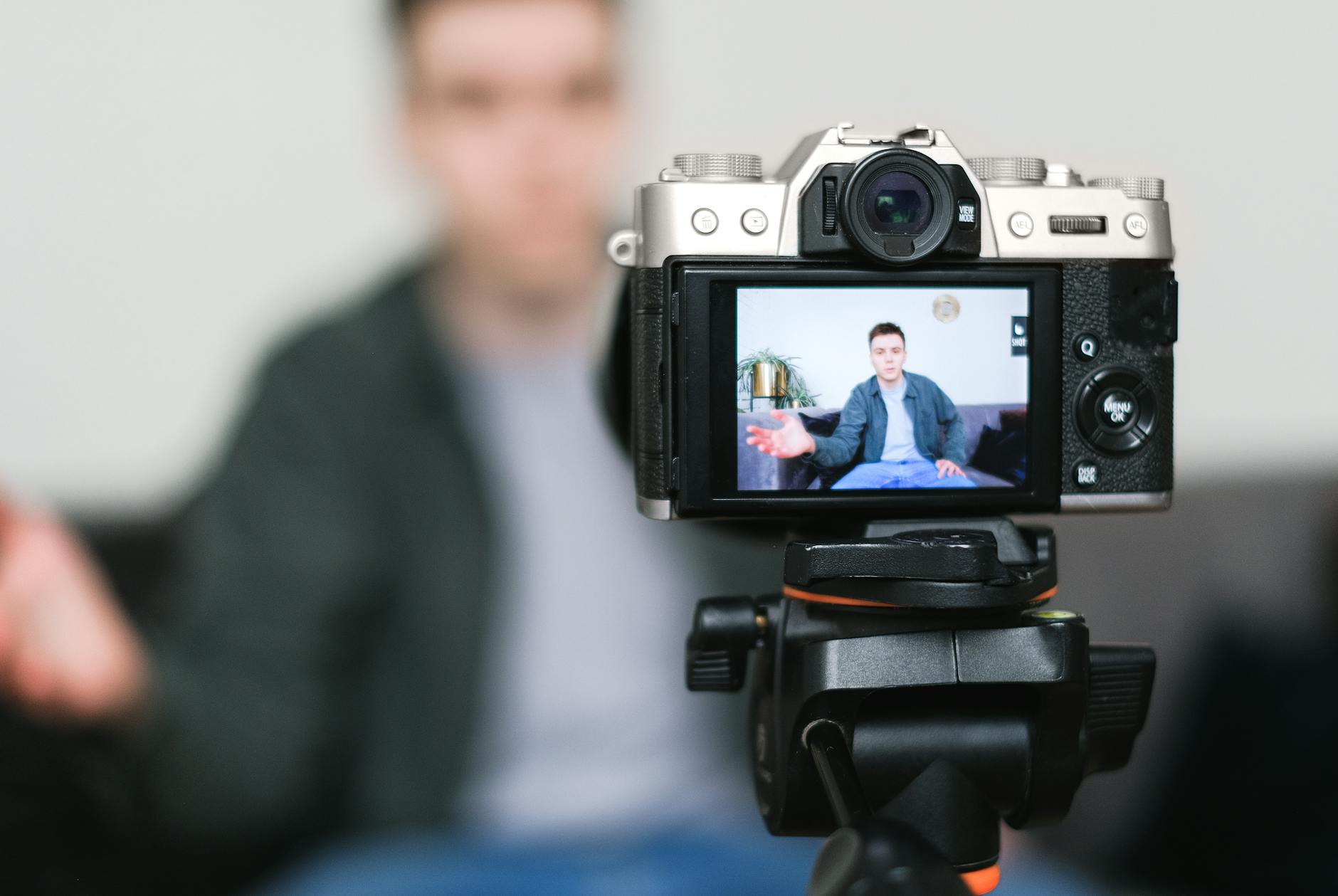
A creator who fills every hour with shooting may return with more footage and weaker output. The itinerary should include time to review, back up, edit, caption, send drafts, answer brand messages, and adjust the next day's shot list. Montreal cafes and hotel rooms can support this, but the workspace should be chosen intentionally.
Posting cadence matters too. If the trip has deliverables, embargoes, sponsor requirements, or time-zone considerations, the creator should plan the publishing workflow before arrival. A beautiful trip can still fail commercially if the work is not delivered cleanly.
- Schedule review, backup, editing, captions, brand communication, and shot-list revision.
- Choose hotel and cafe workspaces by Wi-Fi, quiet, power, and content security.
- Plan deliverables, embargoes, sponsor requirements, and posting cadence before the trip.
Balance recognizable Montreal with original work
Creators need some recognizable Montreal signals, but not every piece of content has to repeat the same obvious frame. Old Montreal, the Old Port, murals, cafes, winter streets, markets, and skyline views can anchor the audience. The more interesting work comes from sequencing them with observations, practical context, and a point of view.
The creator should also avoid making the city look falsely effortless. Weather, costs, language, transit, and neighborhood choice are part of the story for many audiences. Useful content often converts better than content that only tries to look frictionless.
- Use recognizable Montreal signals without relying only on postcard angles.
- Add practical context, neighborhood choices, and point of view to visual content.
- Let weather, cost, language, and transit reality inform the story when relevant.
When to order a short-term travel report
A creator with a flexible weekend and no deliverables may not need a custom Montreal report. A report becomes useful when the trip involves brand obligations, tight weather windows, several neighborhoods, winter shooting, permissions, paid partnerships, mobility or medical constraints, restaurant filming, or a need to convert a vague content idea into a workable production plan.
The report should test hotel base, shot geography, light windows, weather substitutions, transit and taxi choices, permission risks, gear movement, editing windows, audience fit, and what to cut if the schedule is too ambitious. The value is a Montreal content trip that produces stronger work because the operating plan is already clear.
- Order when deliverables, weather, neighborhoods, permissions, gear, or brand obligations affect the shoot.
- Provide content goals, platforms, hotel candidates, travel dates, shot needs, equipment, constraints, and posting deadlines.
- Use the report to make the creative plan specific enough to execute.