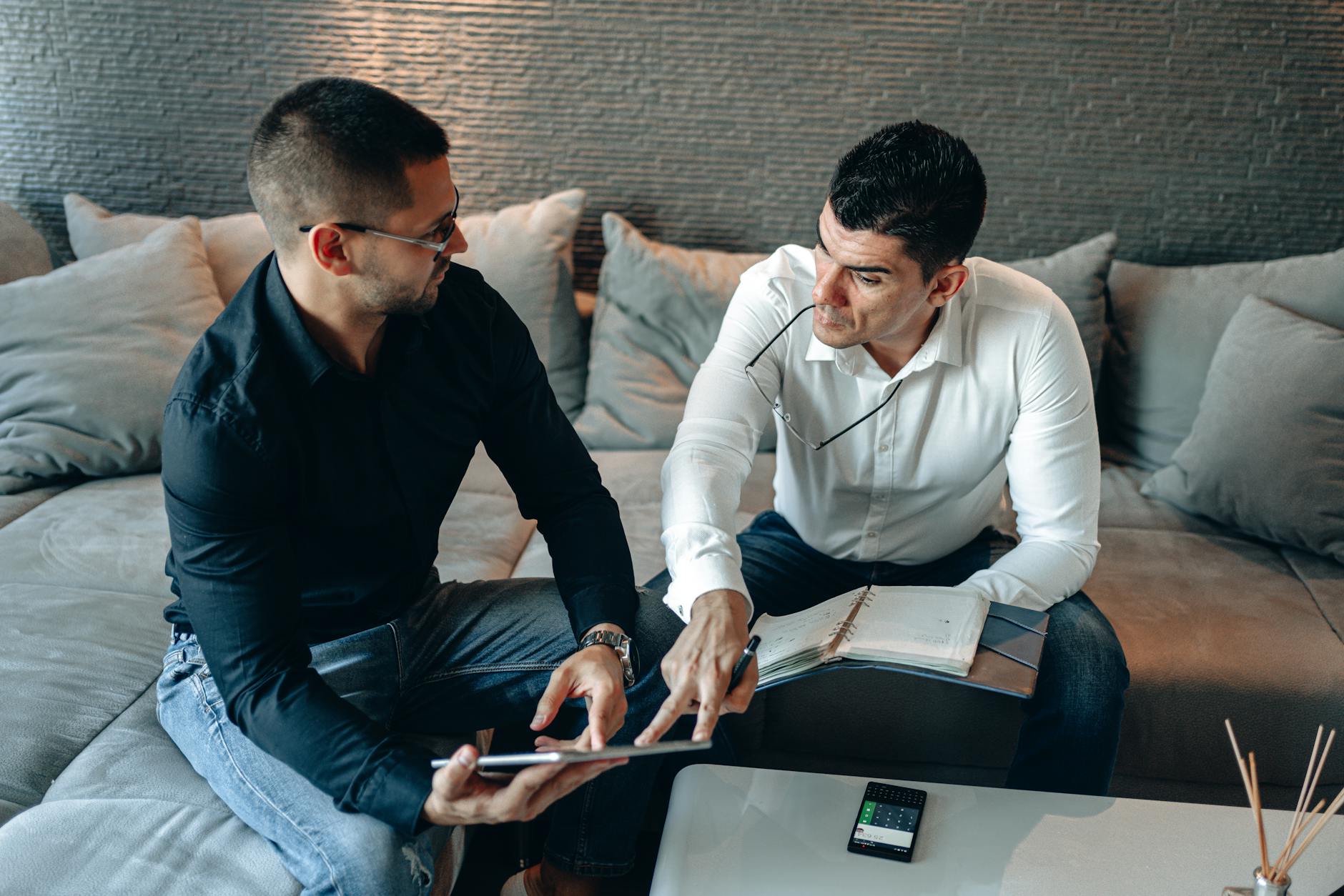
A consultant's Montreal trip is usually judged by whether the work runs cleanly, not by whether the city was pleasant in the abstract. The traveler may need to move between a client office, hotel, dinner, airport, workspace, and perhaps a second stakeholder meeting. Weather, language context, traffic, transit, room noise, device setup, and meal timing can all affect the quality of the engagement. Montreal can be easy for consultants when the trip is built around the client day. The strongest plan protects arrival readiness, meeting punctuality, quiet work time, confidential materials, and a practical evening. The city can still add value, but the work rhythm should lead.
Map the client day before booking
The consultant should map the client office, hotel, airport route, dinner location, backup workspace, and any secondary meeting before choosing where to stay. A room that looks attractive for leisure may create late arrivals, weak morning control, or awkward returns after a client dinner. The right base depends on where the work happens.
If the engagement is downtown, hotel choice can be straightforward. If the client site is outside the core, the consultant should examine commute time, taxi reliability, weather exposure, and whether a car or driver is more sensible than transit.
- Map client site, hotel, airport route, dinners, backup workspace, and secondary meetings before booking.
- Choose the base by work geography rather than leisure appeal.
- Check commute reliability, taxi access, weather exposure, and final walking distance.
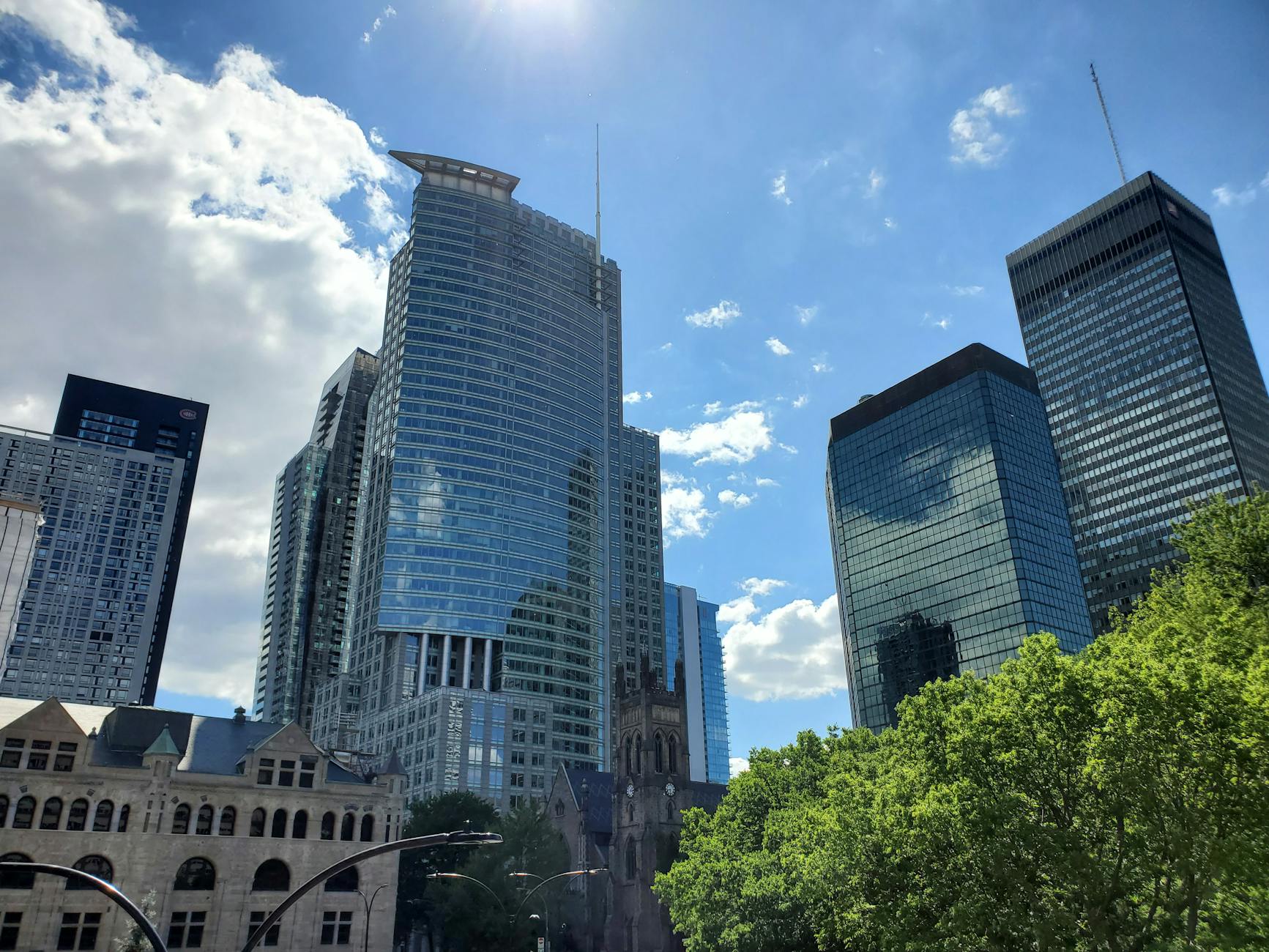
Make arrival support the first meeting
Consulting trips often fail quietly on arrival day. The traveler lands at YUL, handles baggage, reaches the hotel, checks in, reviews materials, joins a call, and prepares for a dinner or next-morning workshop. If the flight is delayed or the room is not ready, the whole trip can start under pressure.
The first meeting should not depend on ideal airport timing. The consultant should build buffer, know where they can work if the room is unavailable, and separate travel recovery from client-facing performance.
- Add buffer for YUL arrival, baggage, transfer, check-in, work setup, and first client contact.
- Identify a backup workspace if the hotel room is not ready.
- Avoid placing high-value client work against optimistic arrival timing.
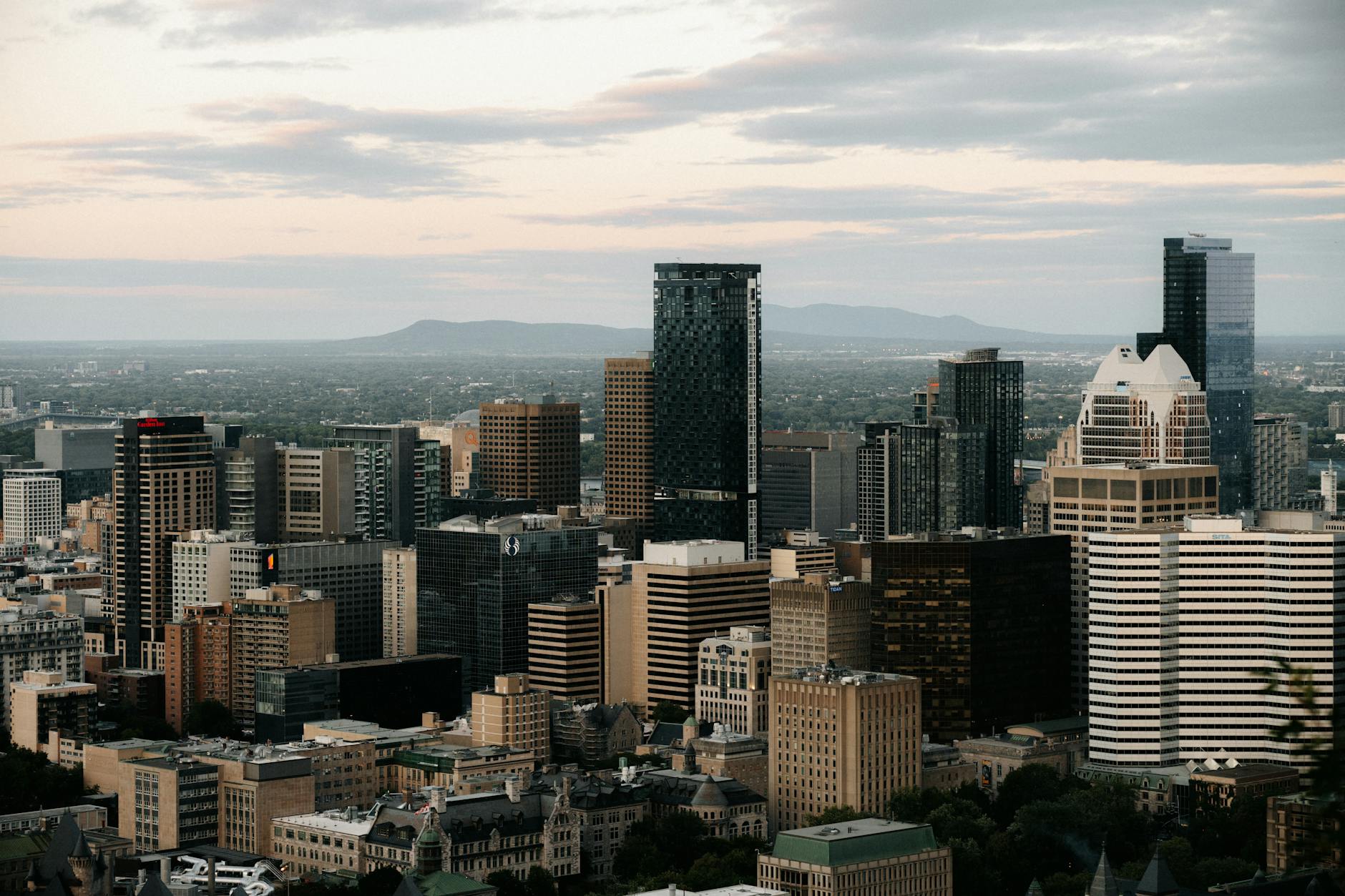
Protect confidential work in public spaces
Consultants often carry sensitive material: client documents, pricing, interview notes, strategic decks, credentials, contract drafts, and internal analysis. Montreal cafes, hotel lobbies, airport lounges, taxis, and restaurant tables are not private just because they feel calm. The traveler should decide where real work can happen and where only low-risk tasks belong.
The same discipline applies to calls. A quick hallway update can disclose more than intended. The consultant should bring headphones, screen privacy, offline files, secure storage, and a rule for what is never discussed in public.
- Separate low-risk admin from confidential client work before using public spaces.
- Protect documents, credentials, notes, decks, and pricing from casual exposure.
- Use headphones, screen privacy, secure storage, and private call locations.

Plan meeting rooms, meals, and work windows
A consultant's day needs more than meeting addresses. It needs room readiness, presentation setup, coffee timing, lunch structure, quiet debrief space, and enough time after the client session to turn notes into next steps. Montreal offers good meals and cafes, but the schedule should distinguish between client relationship time and actual work time.
If the consultant is leading a workshop, the room and equipment deserve early confirmation. If the day depends on interviews, the route between sessions should not eat the margin needed for synthesis.
- Confirm meeting rooms, display setup, Wi-Fi, coffee timing, lunch plan, and debrief space.
- Separate relationship meals from quiet work windows.
- Protect post-meeting synthesis time before adding city plans.

Use dinners without losing control of the next day
Client dinners can be valuable in Montreal, but they should be chosen for the business purpose. A dinner may need quiet seating, easy taxi access, dietary fit, manageable length, and a return route that does not leave the consultant exposed to winter weather or a late-night scramble. The best restaurant is the one that supports the conversation and the next morning.
The consultant should also decide how much of Montreal to add after dinner. A short walk or drink may help a relationship. A vague late night can damage the work product. The next day's obligations should set the boundary.
- Choose client dinners by privacy, noise, timing, dietary fit, taxi access, and next-day schedule.
- Set the evening boundary before the night begins.
- Avoid letting hospitality undermine the next day's work.
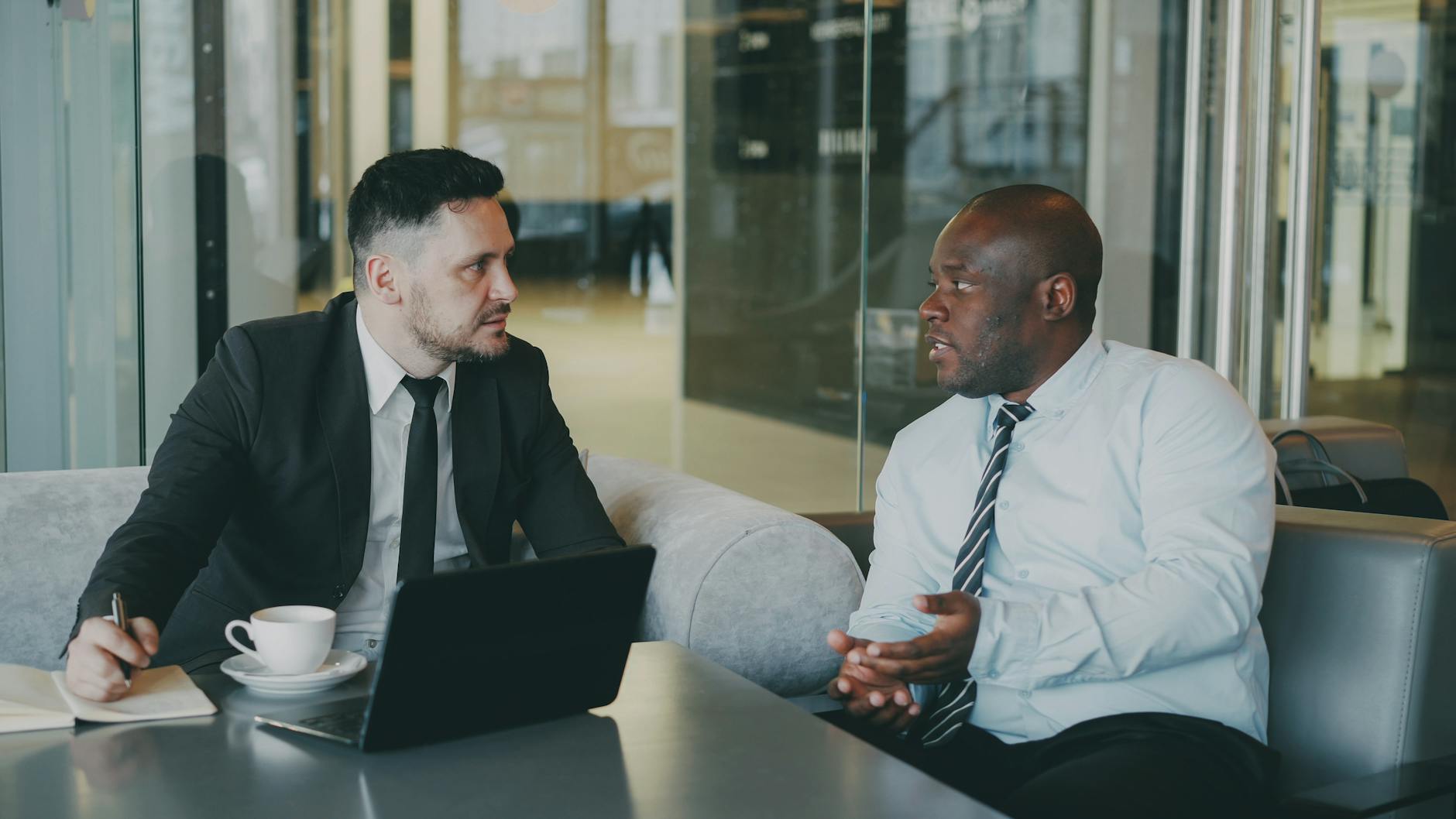
Treat weather as a punctuality risk
Montreal weather can affect consulting trips directly. Snow, slush, rain, wind, and heat can change transfer time, footwear, coat handling, presentation attire, and whether walking to the client site still makes sense. A consultant who arrives visibly rushed, wet, overheated, or underdressed has already lost some control of the room.
The itinerary should include weather-adjusted routes, taxi buffers, practical clothing, and a backup plan for meals or work if the day becomes harder than expected. Weather is not an excuse; it is an operating condition.
- Plan clothing, footwear, taxi buffers, and route choices around the forecast.
- Use weather-adjusted movement to protect punctuality and presentation quality.
- Keep work and meal backups near the client site or hotel.
When to order a short-term travel report
A consultant with one downtown meeting, a central hotel, and mild weather may not need a custom Montreal report. A report becomes useful when the trip involves tight arrival timing, a client site outside the core, winter weather, multiple stakeholder meetings, confidential material, client dinners, workshop logistics, mobility constraints, or uncertainty about where to stay.
The report should test hotel base, YUL transfer, client-site commute, meeting-room readiness, quiet work windows, dinner routing, confidentiality risks, weather substitutions, evening returns, and what to cut if the schedule is too dense. The value is a Montreal consulting trip that protects judgment, punctuality, and client trust.
- Order when arrival timing, client geography, winter, confidentiality, dinners, or workshop logistics affects the engagement.
- Provide client-site addresses, hotel candidates, meeting schedule, flight times, dinner plans, work needs, and constraints.
- Use the report to keep the client outcome in control before adding leisure.