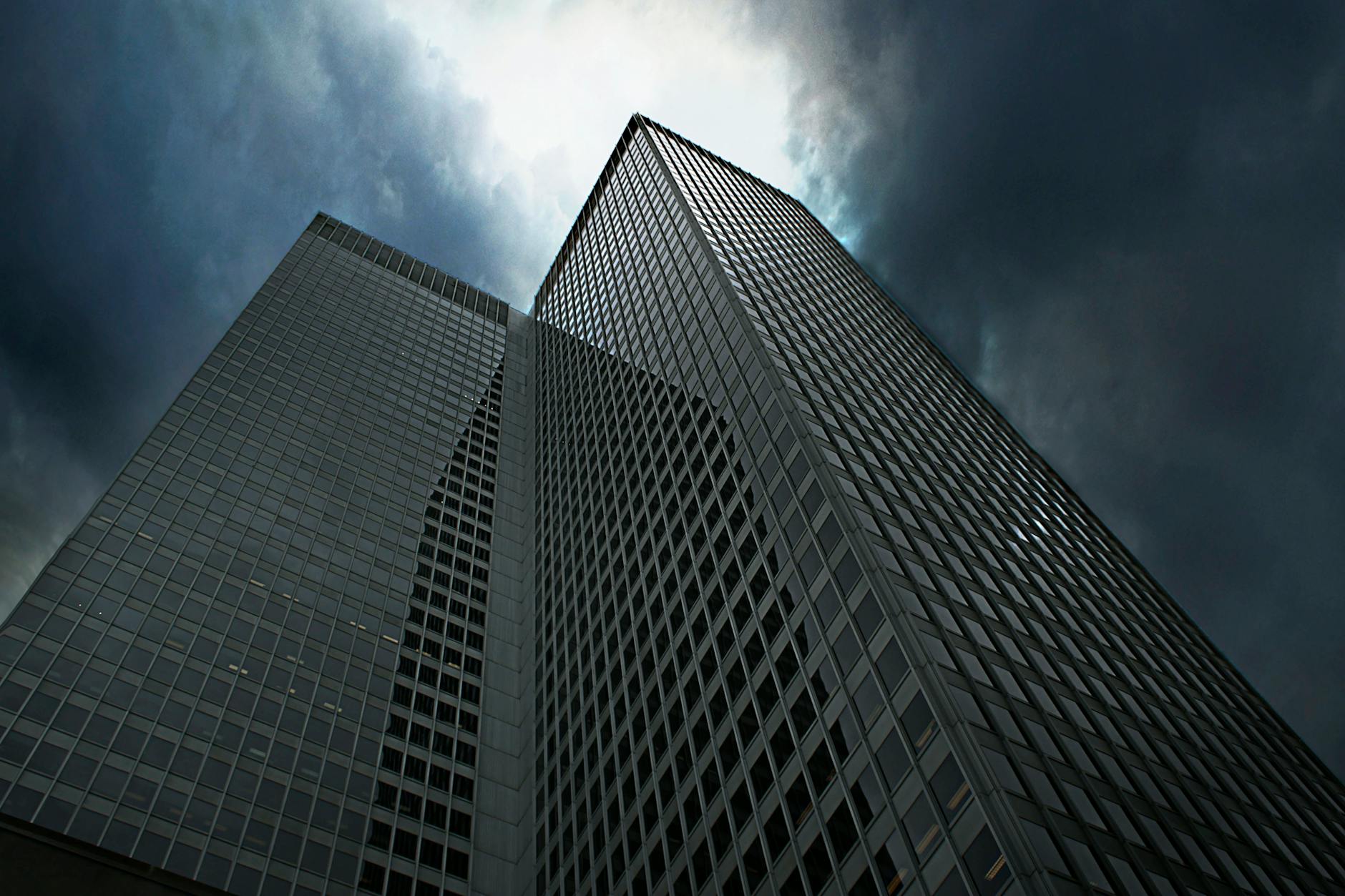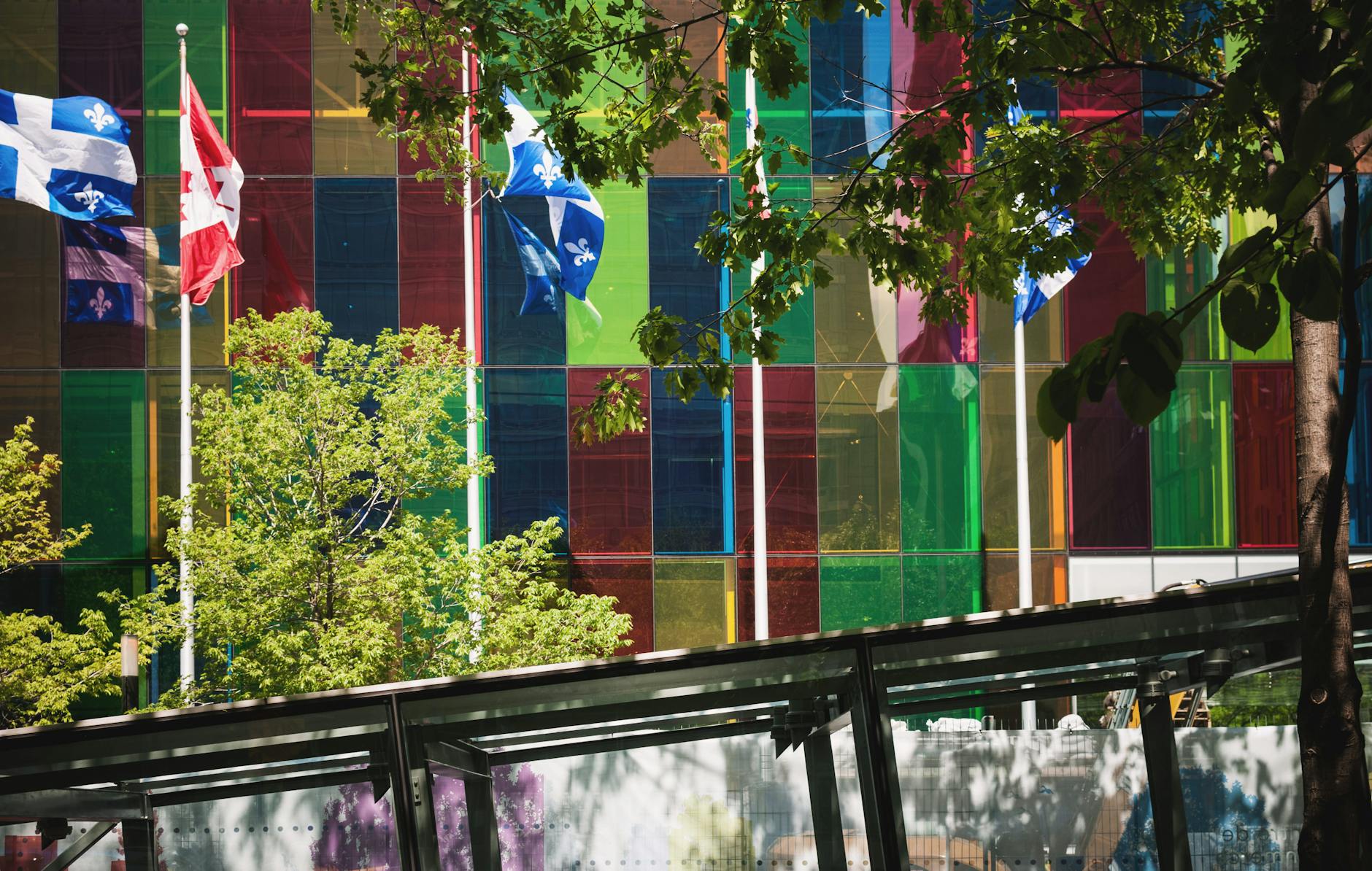
Montreal is a strong conference city when the trip is organized around the actual event footprint. A visitor may be moving between the Palais des congres area, Quartier international, downtown hotels, Old Montreal receptions, business-district meetings, restaurants, and YUL. Those distances can be easy or annoying depending on weather, hotel base, badge pickup, luggage, and the time of day. The conference attendee's goal is not to see all of Montreal in the gaps. The goal is to arrive prepared, reach sessions on time, preserve energy for networking, keep devices and documents working, and use the city intelligently around the event. A good plan makes the conference function first and turns the remaining time into a useful bonus.
Map the event footprint before booking
The attendee should map the venue, registration desk, exhibit hall, breakout rooms, hotel block, receptions, sponsored dinners, and any side meetings before choosing where to stay. Montreal can feel compact when the conference is central, but a hotel that looks close on a map may still create awkward walking, weather exposure, or late-night returns.
The right hotel depends on the event pattern. A venue-adjacent hotel protects early sessions and badge pickup. Old Montreal can make receptions and dinners easier. Downtown may be stronger for taxis, shopping, business meetings, and winter movement. The base should match the conference, not just the city.
- Map venue, registration, exhibits, breakout rooms, receptions, dinners, hotel block, and side meetings before booking.
- Choose venue-adjacent, Old Montreal, or downtown lodging for different conference patterns.
- Account for weather exposure and evening returns, not only map distance.
Treat arrival and badge pickup as real tasks
Conference arrival often gets squeezed. The traveler may land at YUL, wait for baggage, reach the hotel, check in, collect a badge, attend a welcome reception, and still need to eat, charge devices, and prepare materials. If the flight arrives close to the first event, the schedule should be honest about what can fail.
Badge pickup, coat check, bag rules, exhibit setup, app login, and first-session location should be confirmed before the traveler is standing in a line with luggage. The first day should have enough buffer to avoid starting the conference already behind.
- Add buffer for YUL arrival, baggage, hotel check-in, badge pickup, app login, and first-session movement.
- Confirm bag rules, coat check, exhibit access, and registration hours before arrival.
- Avoid scheduling the first high-value meeting against an optimistic airport transfer.
Prepare devices, documents, and clothing
Conference travel is device-heavy. The attendee may need a laptop, charger, adapters, badge, QR codes, presentation files, portable battery, business cards, samples, contract documents, or private notes. Montreal weather then adds coats, boots, umbrellas, and possibly a second pair of shoes. The packing plan should reflect the event day, not only the flight.
Clothing should handle both professional rooms and outdoor movement. A polished outfit that fails in snow, slush, rain, or a long walk between venues can create avoidable stress. The attendee should decide what gets carried, what stays at the hotel, and what belongs in coat check.
- Prepare laptop, chargers, adapters, badge, QR codes, files, batteries, and presentation backups.
- Pack clothing and shoes for professional rooms plus Montreal weather and walking.
- Decide what is carried, stored, checked, or left at the hotel before the event day.
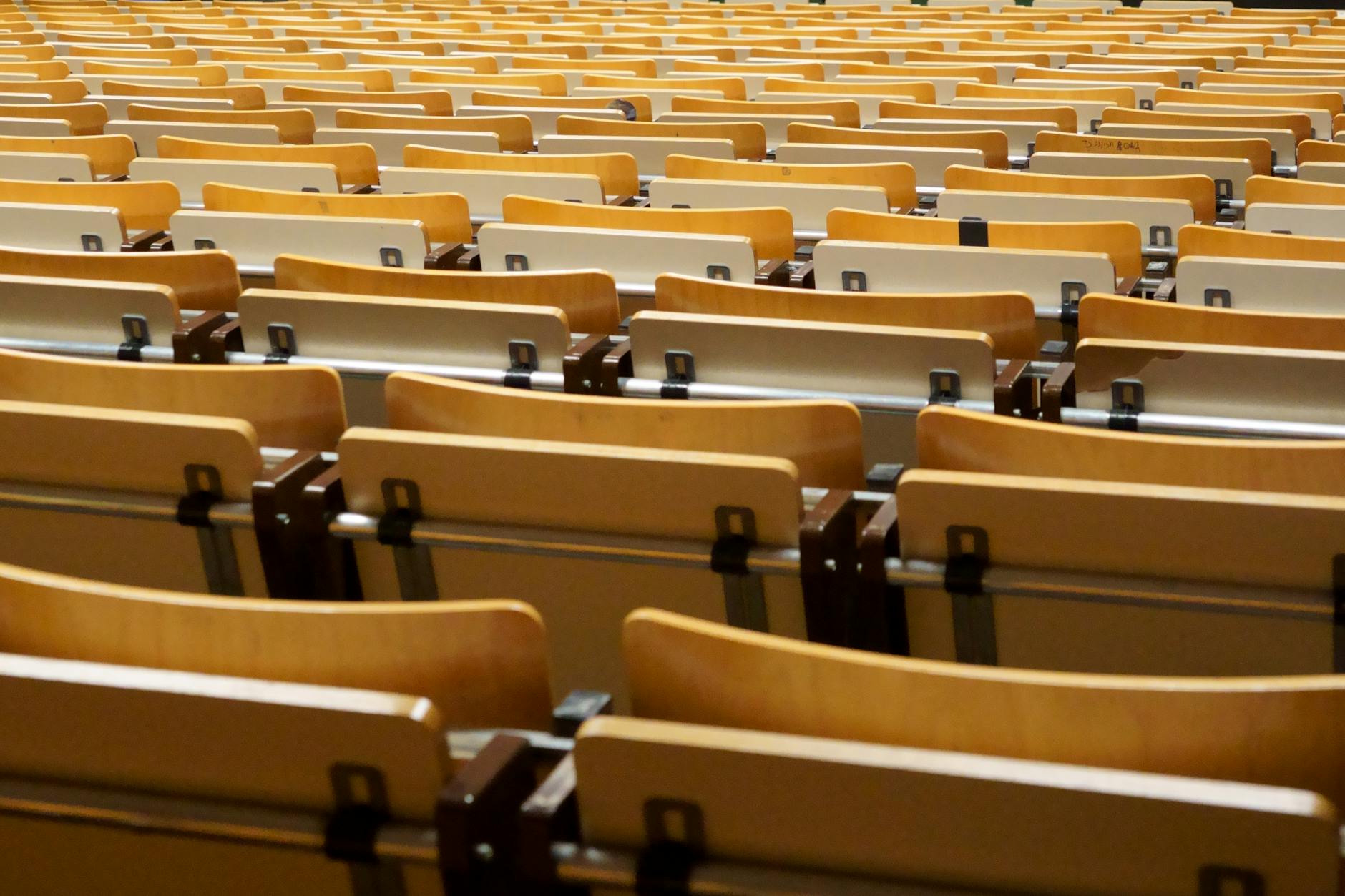
Use weather and indoor routes strategically
Montreal conference movement changes by season. Winter cold, snow, slush, ice, wind, rain, and summer humidity can all affect how far the attendee wants to walk between hotel, venue, lunch, meetings, and receptions. Indoor connections, taxis, shorter routes, and venue-adjacent meals can preserve energy when the weather is working against the schedule.
The attendee should not assume that every gap between sessions is usable city time. In difficult weather, a short reset near the venue may be more valuable than a rushed trip across town.
- Plan winter, rain, heat, and wind into route timing and clothing decisions.
- Use indoor routes, taxis, venue-adjacent meals, and shorter loops when weather is disruptive.
- Protect energy for sessions and networking before adding city excursions.
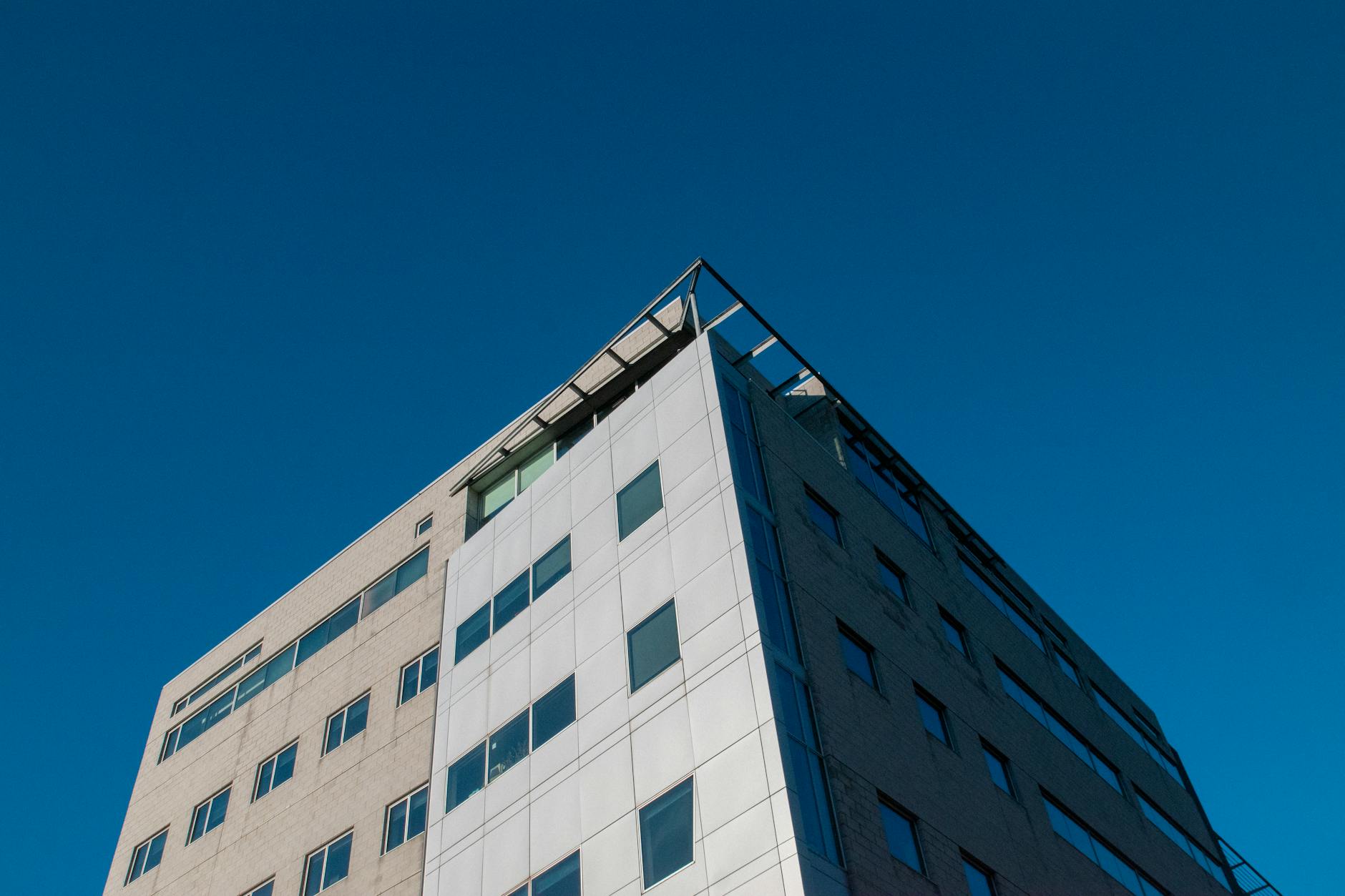
Plan networking meals by purpose
Conference meals have different jobs. Some are quick fuel between sessions. Some are private business development conversations. Some are sponsor dinners, team meals, or informal networking. Montreal can support all of them, but the location, noise level, timing, weather exposure, and return route should match the purpose.
Old Montreal, downtown, Griffintown, Plateau, hotel restaurants, and venue-adjacent rooms can each make sense. The mistake is choosing a restaurant because it is famous without checking whether it supports the conversation and the next morning.
- Separate quick meals, private meetings, sponsor dinners, team meals, and social networking.
- Choose restaurant districts by privacy, noise, timing, weather, and next-day obligations.
- Keep a venue-adjacent meal fallback for crowded or delayed conference days.
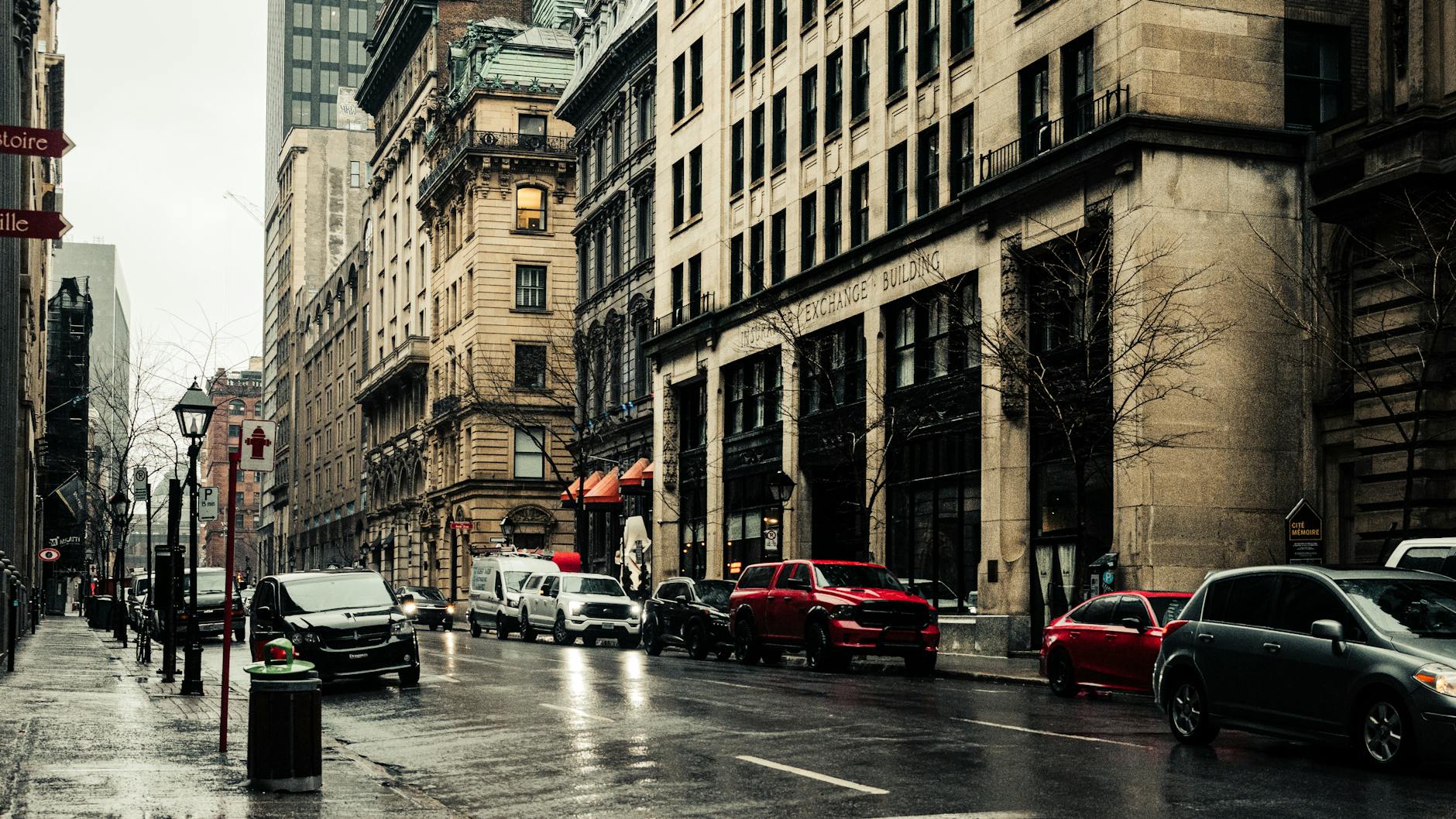
Protect evening returns and the next morning
Conference evenings can stretch. Receptions, dinners, hallway conversations, drinks, sponsor events, and client meetings can all run later than planned. The attendee should know how the evening ends before it begins: walking route, taxi pickup, coat, bag, device battery, and whether the next morning starts with a keynote, booth duty, sales meeting, or flight.
A late evening can be valuable, but it should not damage the main reason for the trip. Montreal is easier to use well when the attendee has a clear stop point.
- Plan evening return route, taxi pickup, coat, bag, phone battery, and payment backup before events begin.
- Set a stop point when the next morning has a keynote, booth duty, meeting, or flight.
- Avoid relying on a vague late-night walk after a demanding conference day.
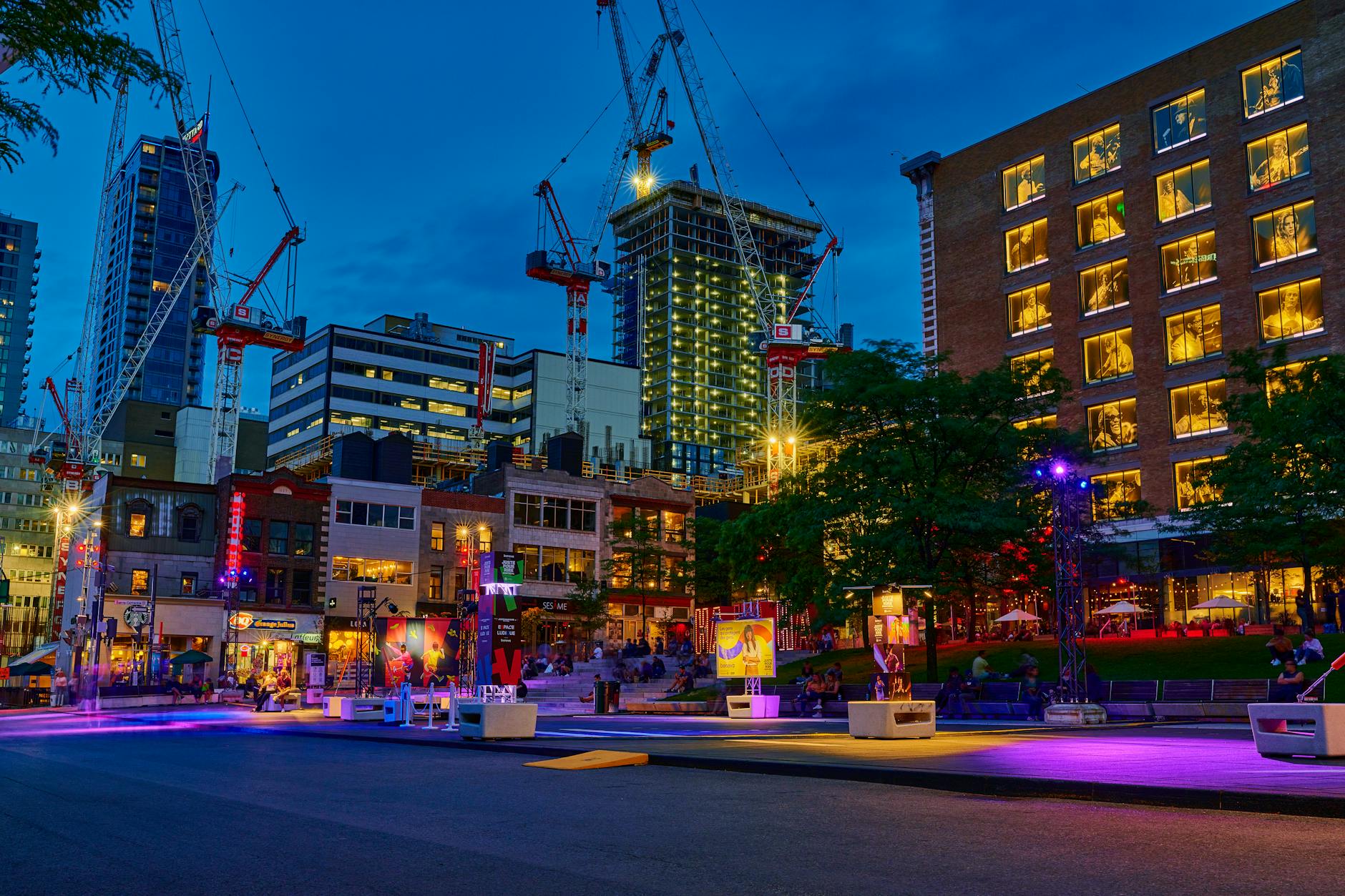
When to order a short-term travel report
A conference attendee with a central hotel, mild weather, and a simple event schedule may not need a custom Montreal report. A report becomes useful when the trip involves tight arrival timing, winter weather, several venues, exhibit or presentation materials, confidential meetings, high-value dinners, mobility or medical constraints, or uncertainty about whether to stay near the venue, downtown, Old Montreal, or by the airport.
The report should test venue geography, hotel base, YUL transfer, registration timing, equipment and bag handling, weather-adjusted movement, meal routing, evening returns, quiet work windows, and what to cut if the conference day is overloaded. The value is a Montreal conference trip that protects the event outcome first.
- Order when arrival timing, weather, venue spread, materials, dinners, constraints, or hotel choice affects the conference outcome.
- Provide venue addresses, event schedule, hotel candidates, arrival details, dinner plans, materials, and constraints.
- Use the report to make the conference function before using Montreal as leisure time.