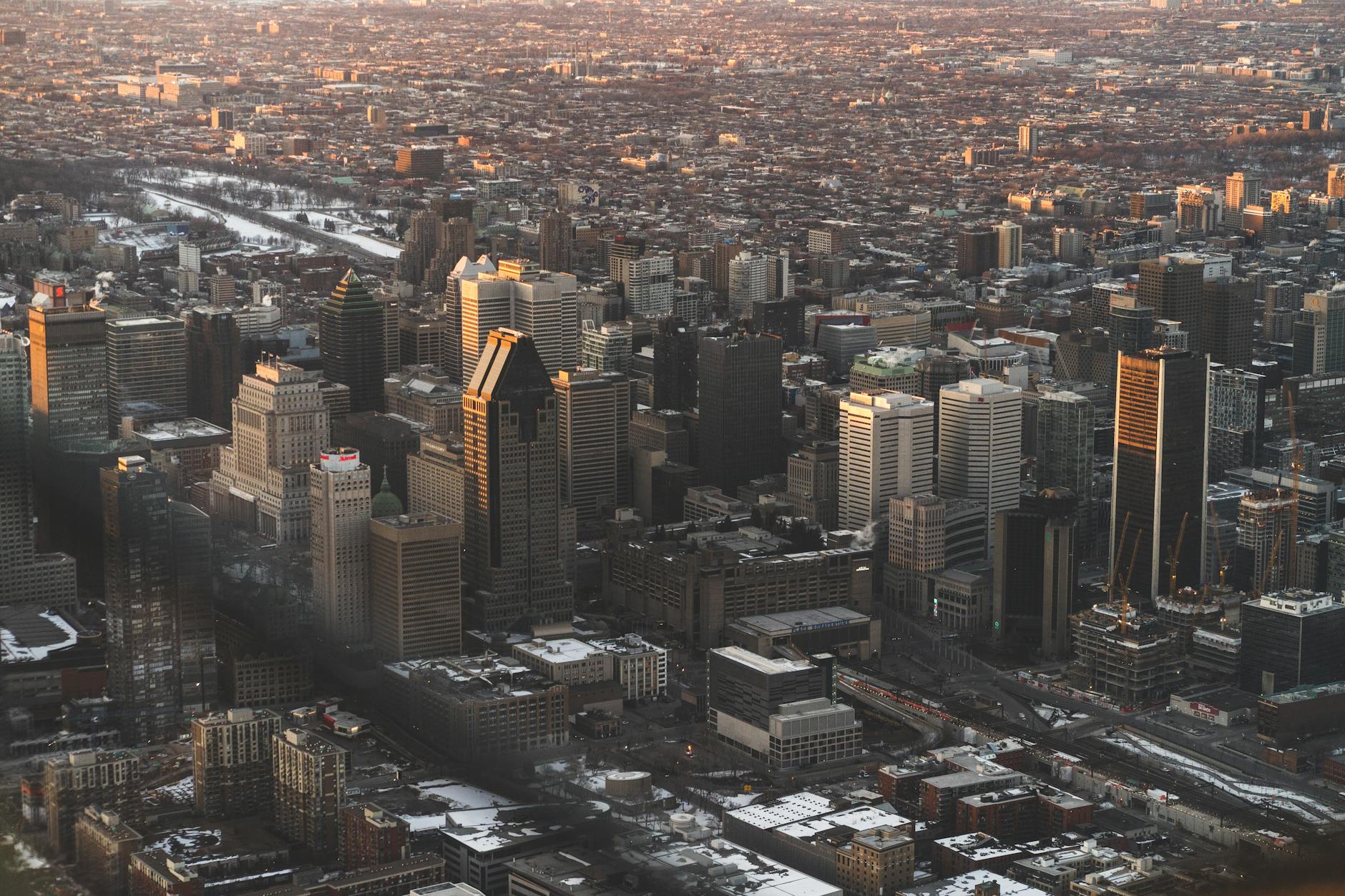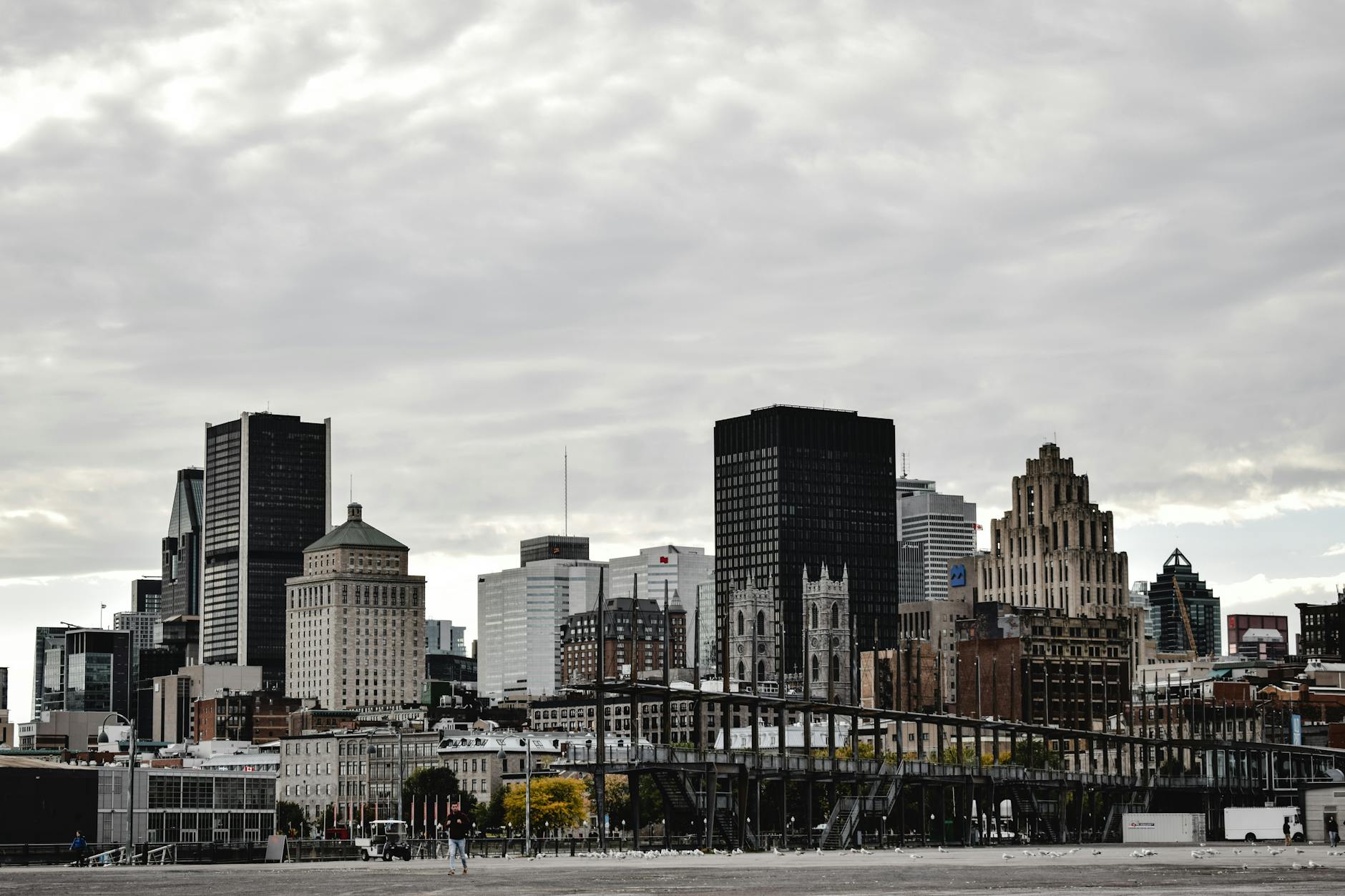
Montreal can be an excellent business destination because it combines a serious downtown, strong universities, aerospace, AI, finance, life sciences, media, events, hospitality, and a distinctive cultural setting that can make meetings feel more human than in many larger North American cities. It is also a city where business travelers make predictable mistakes: choosing the wrong base, underestimating winter, treating airport transfers as neutral, ignoring bilingual context, or spreading meetings across the island without enough margin. The goal is not to make Montreal seem difficult. The goal is to make a short business visit work cleanly. The traveler should know where meetings actually sit, how arrival from YUL will behave, which hotel protects the schedule, when weather changes movement, and how evening obligations fit the next morning.
Start with Montreal business geography
Montreal business geography is compact in some ways and surprisingly spread out in others. A visitor may have meetings downtown, in the Quartier international, Old Montreal, near universities, in Mile End or the Plateau, by the airport, in West Island aerospace corridors, or across the river. Those are different operating zones. A hotel that is perfect for one meeting pattern can be inconvenient for another.
The traveler should map every appointment before choosing the base. Downtown and Old Montreal can work well for central meetings and dinners. Airport-area hotels can make sense for early departures or suburban meetings, but they create a different city experience. The best choice is the base that protects punctuality and recovery, not the one that sounds best in isolation.
- Map downtown, Old Montreal, Quartier international, university, airport, West Island, and off-island meetings before booking.
- Choose the hotel by actual meeting geography, not by brand alone.
- Protect the first meeting and the departure movement when choosing the base.
Make YUL arrival part of the workday
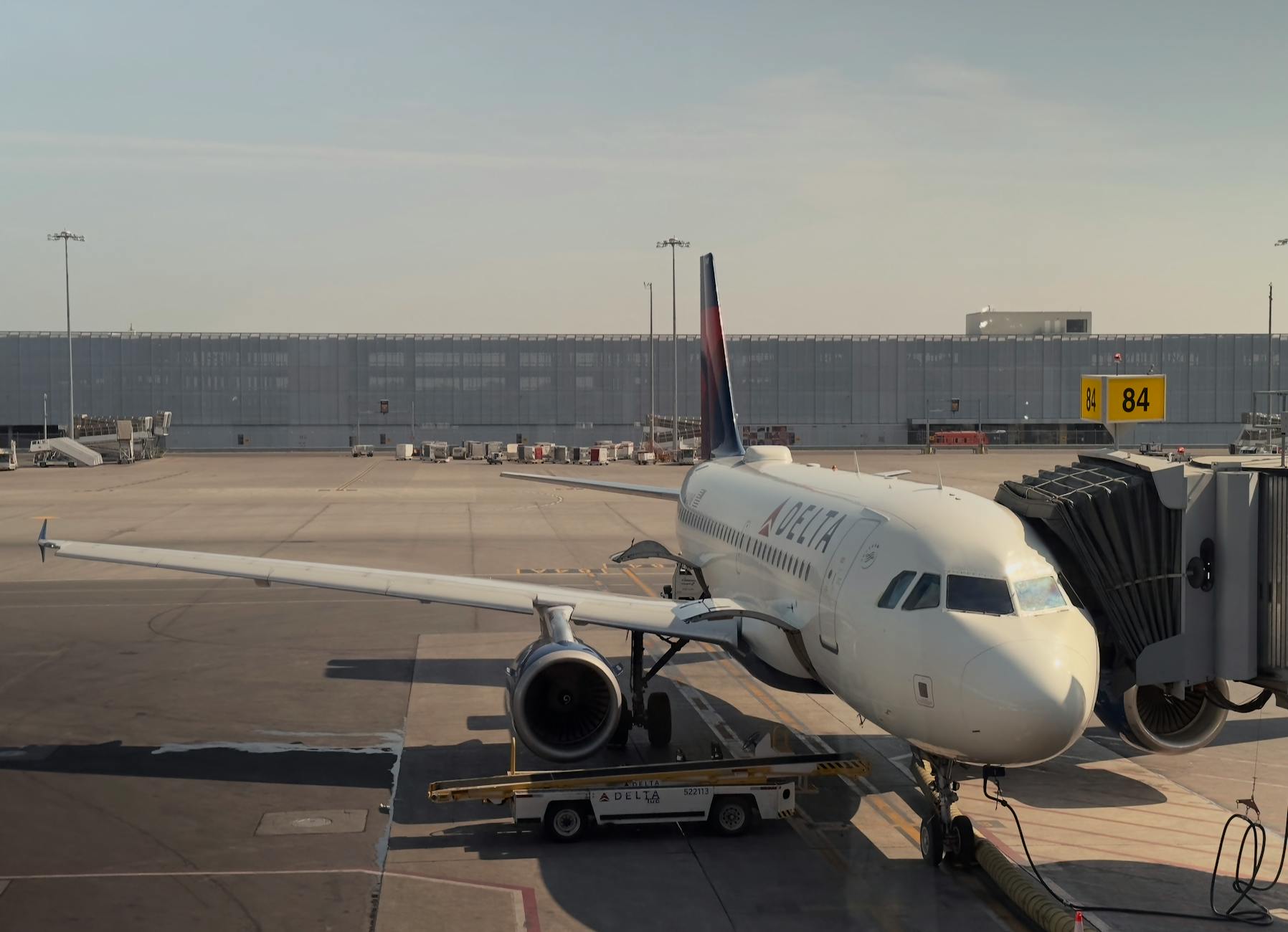
Montreal-Trudeau arrival should be planned as part of the business itinerary. Immigration or domestic arrival flow, baggage, taxi or car timing, winter weather, road traffic, and the first meeting all matter. A traveler landing close to a meeting should not assume the airport-to-downtown movement will be effortless simply because the distance looks manageable.
The first obligation should have a real buffer. If the traveler needs to change clothes, take a private call, review documents, or eat before the first meeting, that time should be explicit. A business trip starts at the airport, not at the conference table.
- Choose taxi, car, or transit based on arrival time, baggage, weather, and first-meeting pressure.
- Add buffer for documents, calls, meals, clothing changes, and hotel check-in.
- Do not schedule the first high-value meeting against an optimistic airport transfer.
Choose the hotel as an operating base
A Montreal business hotel should function as a work base. The traveler should check room quiet, desk quality, Wi-Fi, lobby function, breakfast timing, taxi access, winter entry comfort, and whether the hotel can support calls between meetings. In a short stay, the lobby, front desk, and immediate block matter more than broad neighborhood reputation.
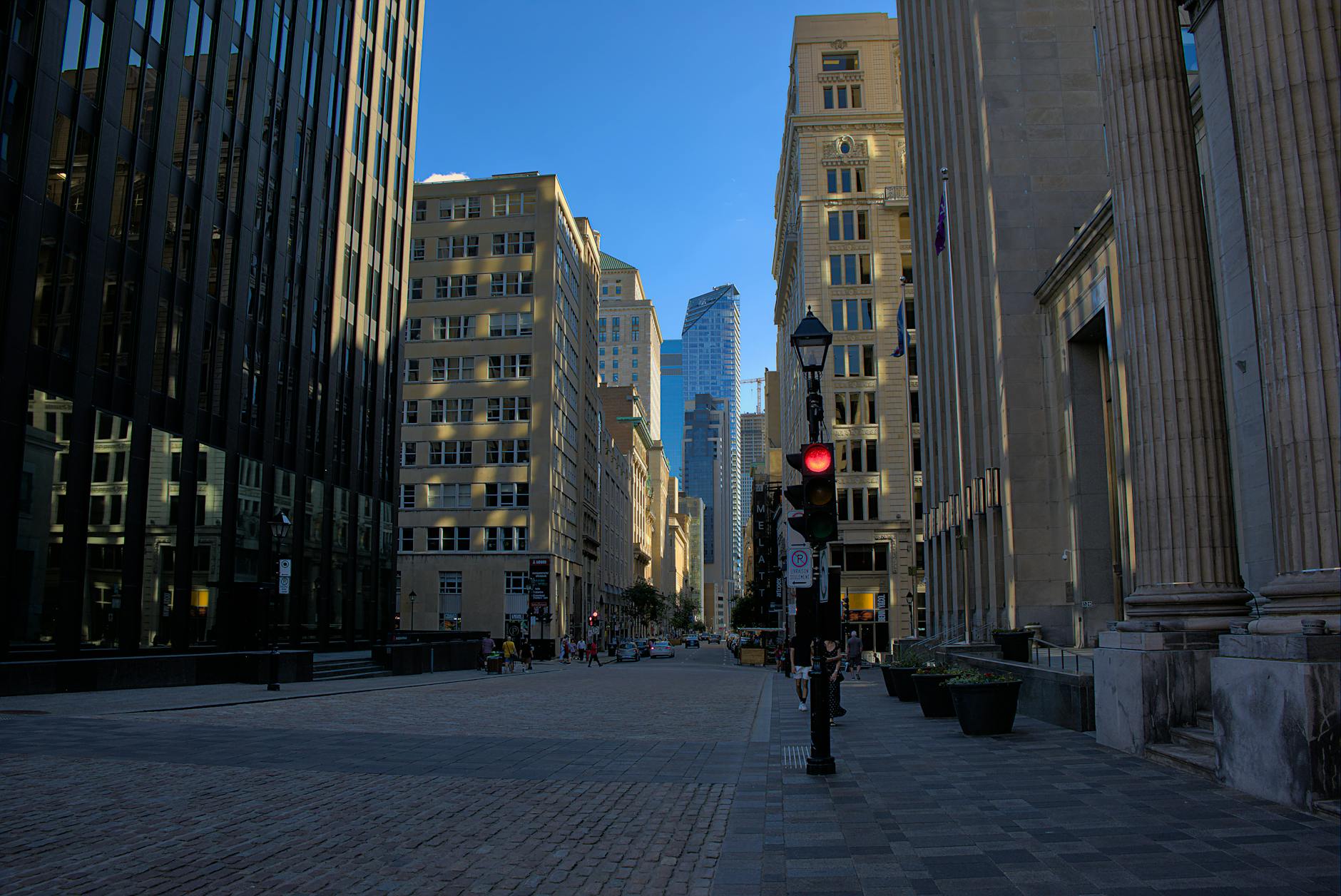
Old Montreal can be excellent for atmosphere, dinners, and central access, but streets and weather can add friction. Downtown can be more operational for office towers, metro links, and the underground city. Airport-area hotels may suit certain meeting patterns. The hotel should match the business route.
- Check room quiet, desk quality, Wi-Fi, lobby use, breakfast timing, taxi access, and winter practicality.
- Use Old Montreal, downtown, or airport-area bases for different business patterns.
- Avoid scenic hotel choices that make every meeting transfer harder.
Respect weather and winter as schedule risks
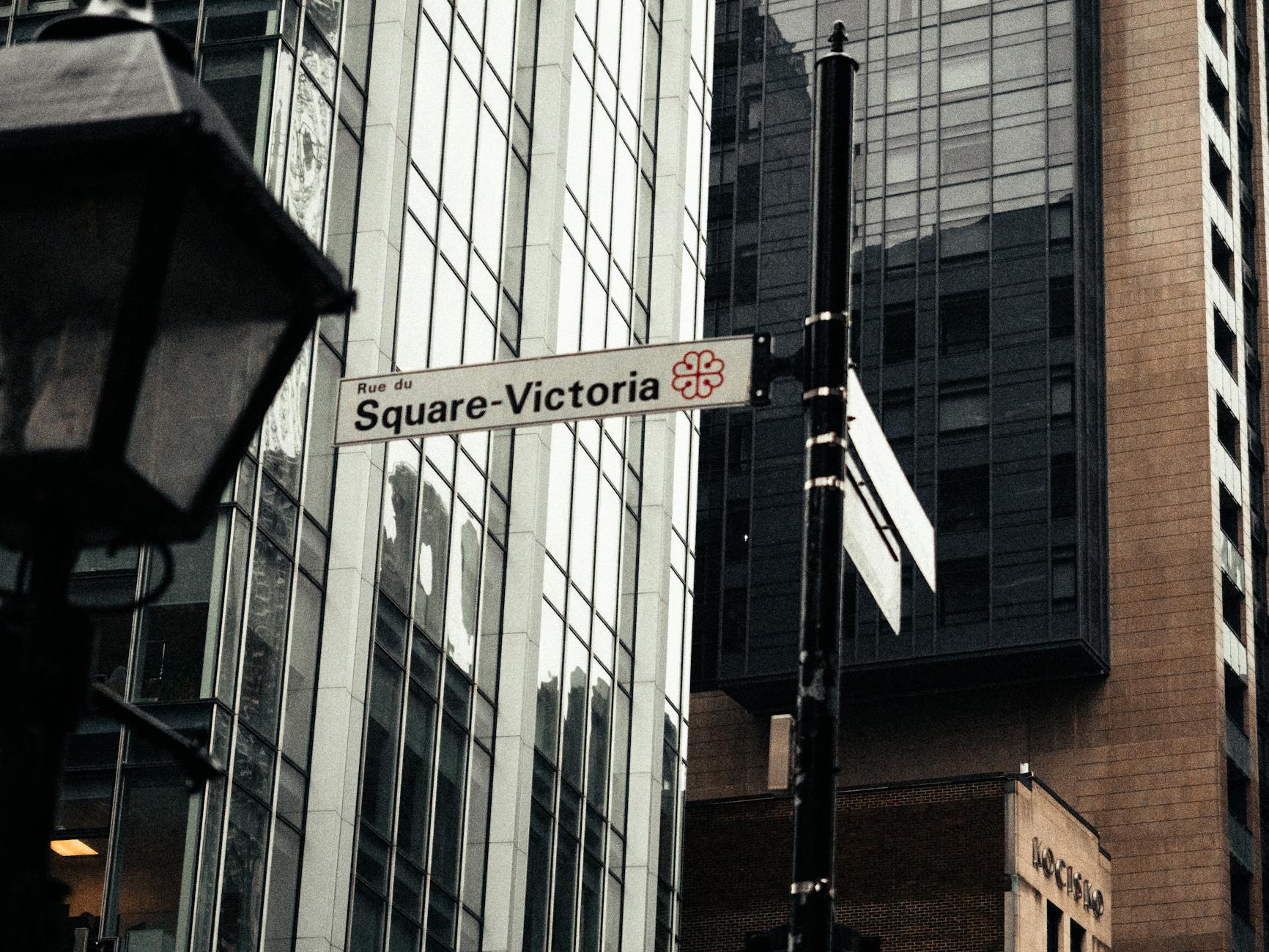
Montreal weather can be a business-travel variable, not background scenery. Winter cold, snow, slush, ice, wind, rain, summer humidity, and sudden temperature changes can affect clothing, walking time, taxi demand, airport movement, and whether a route that looked simple is still professional with a laptop bag and dress shoes. A winter trip needs a different movement plan than a mild September visit.
The underground city, metro, taxis, direct hotel access, and shorter walking routes can all help, but they should be chosen deliberately. A traveler should not learn the weather plan while standing outside late for a dinner pickup.
- Treat winter, rain, heat, ice, and wind as meeting-risk factors.
- Plan coats, shoes, bags, indoor routes, taxis, and timing around the forecast.
- Use the underground city and metro only when the route is clear enough for the traveler.
Handle bilingual context with care
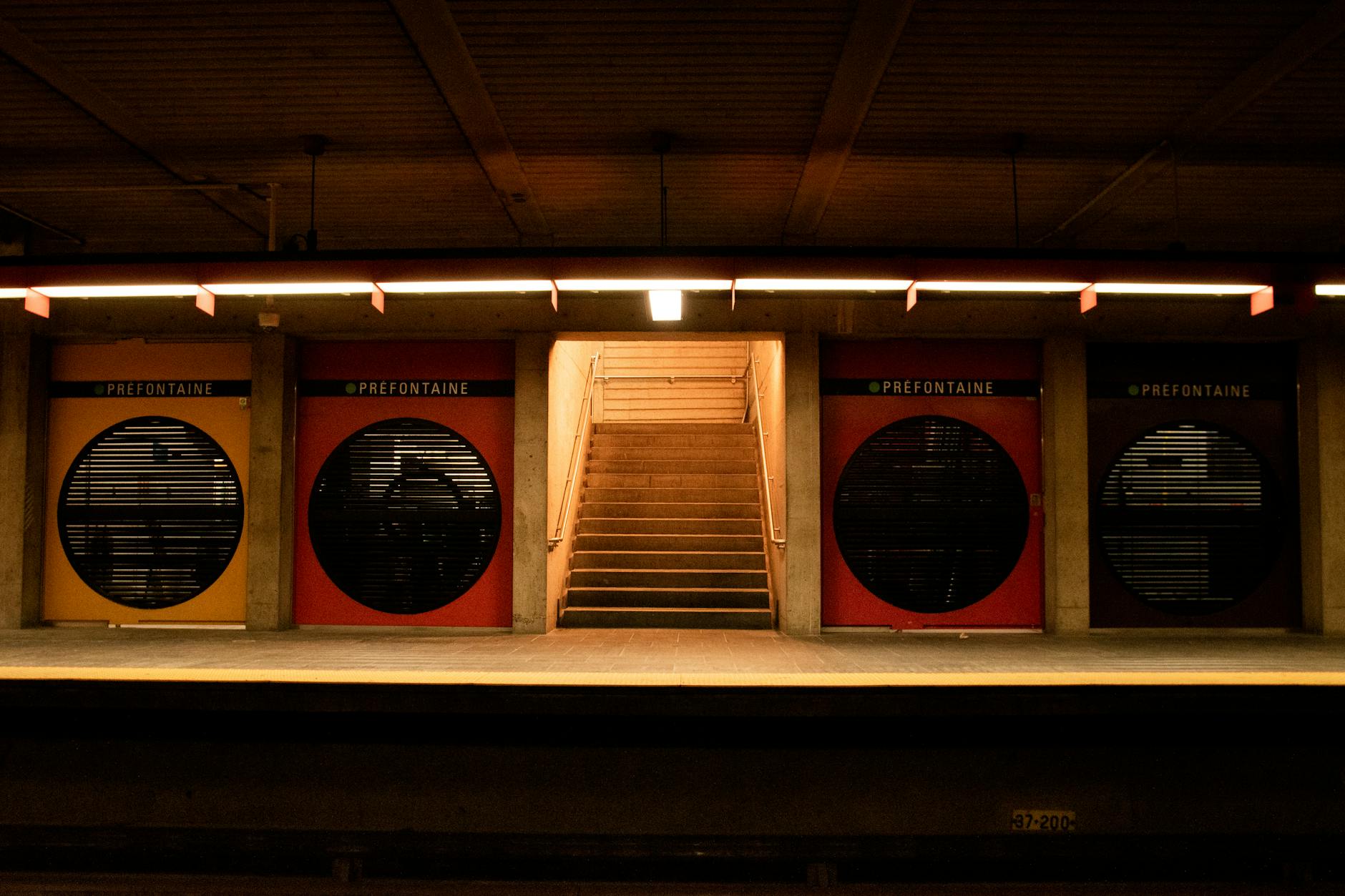
Montreal is highly workable for English-speaking business visitors, but the bilingual context should be respected. Meeting language, signage, contracts, service interactions, event materials, and social tone may move between English and French depending on the industry, host, and setting. The traveler does not need to perform fluency, but they should not behave as though language is irrelevant.
A little preparation helps: confirm meeting language, names, titles, pronunciation, written materials, and whether translation or bilingual documents are expected. Courtesy in greetings and service settings also matters. Montreal often rewards business travelers who arrive prepared rather than casually assuming the city will adjust around them.
- Confirm meeting language, documents, titles, pronunciation, and interpretation needs before arrival.
- Respect bilingual settings in offices, events, restaurants, and service interactions.
- Prepare enough French courtesy to avoid seeming careless, even if meetings are in English.
Use dinners and evening movement strategically
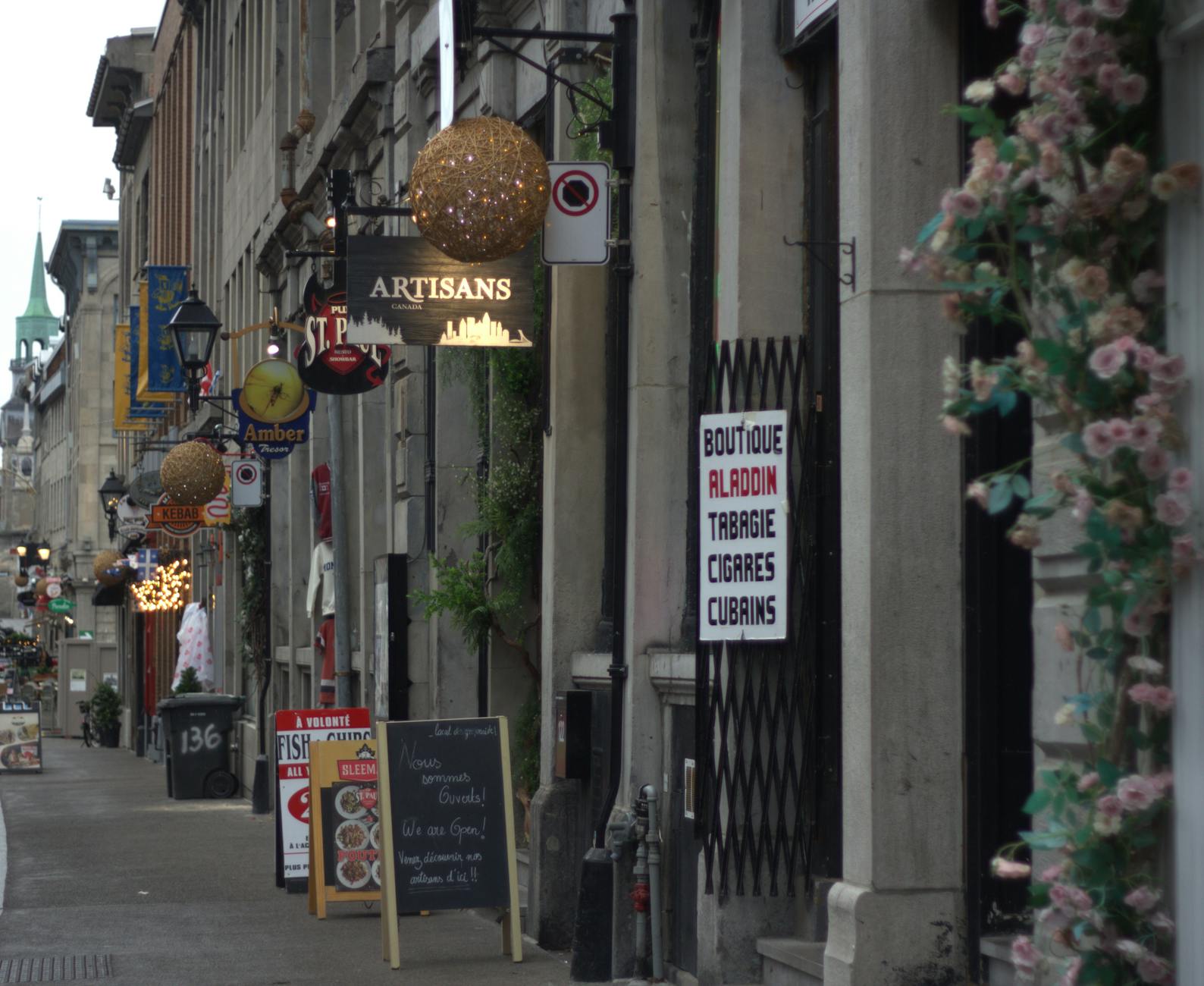
Montreal can be very good for business dinners, but the evening should fit the next day's agenda. Old Montreal, downtown, Griffintown, Plateau, Mile End, and hotel restaurants can all work for different tones. Privacy, noise, winter pickup, wine, timing, and the return route matter when the next morning includes a serious meeting, flight, or negotiation.
A dinner that is impressive but hard to leave can weaken the trip. A quieter room near the hotel or next morning's route may be better than a famous restaurant that adds weather and transport friction. Montreal dining should support the relationship and the schedule.
- Choose dinner districts by relationship purpose, privacy, noise, weather, and return route.
- Avoid late dinners that weaken early meetings, flights, or negotiations.
- Keep the hotel address, coat plan, payment backup, and ride plan ready before dinner begins.
When to order a short-term travel report
A business visitor with one central meeting, local support, and flexible timing may not need a custom Montreal report. A report becomes useful when the trip involves tight YUL arrival timing, winter weather, several meeting districts, confidential work, bilingual materials, a conference, a client dinner, medical or mobility needs, or a need to decide whether the hotel should be downtown, Old Montreal, airport-area, or closer to a specific office cluster.
The report should test meeting geography, arrival transfer, hotel base, weather-adjusted movement, language considerations, private work locations, dinner posture, document handling, evening returns, and what to cut if the schedule is too thin. The value is a Montreal business trip that works in the city as it actually operates.
- Order when arrival timing, weather, meeting geography, language, dinners, or traveler constraints materially affect the trip.
- Provide meeting addresses, hotel candidates, arrival details, language needs, dinner plans, equipment, and any constraints.
- Use the report to turn Montreal from a pleasant business city into a controlled business itinerary.