
Montreal can work well for a budget traveler because many of its pleasures are urban rather than packaged: walking neighborhoods, parks, markets, murals, bakeries, cafes, river views, metro rides, seasonal festivals, and public spaces. It can also become more expensive than expected when a cheap bed creates costly transfers, weather forces taxis, or meals are left to improvisation at the wrong hour. The budget version of Montreal should not be bare-minimum travel. It should be disciplined travel. The goal is to spend money where it changes the trip and avoid paying penalties for poor location, poor timing, bad footwear, or unrealistic daily routes.
Choose location before chasing the lowest rate
The cheapest room is not always the cheapest stay. A budget traveler should check the lodging location against airport arrival, metro access, late returns, winter walking, nearby food, luggage storage, and the actual neighborhoods they want to use. A lower rate can disappear quickly if every day requires extra transfers, taxis, or meals chosen under pressure.
Hostels, budget hotels, private rooms, and apartment-style stays all have tradeoffs. The right answer is the one that lets the traveler sleep, eat, move, and recover without spending the whole trip managing friction.
- Compare lodging by total trip cost, not only nightly rate.
- Check metro access, late return comfort, nearby food, luggage storage, and winter walking.
- Avoid saving on the room if the location creates repeated transport and meal penalties.
Use transit and walking honestly
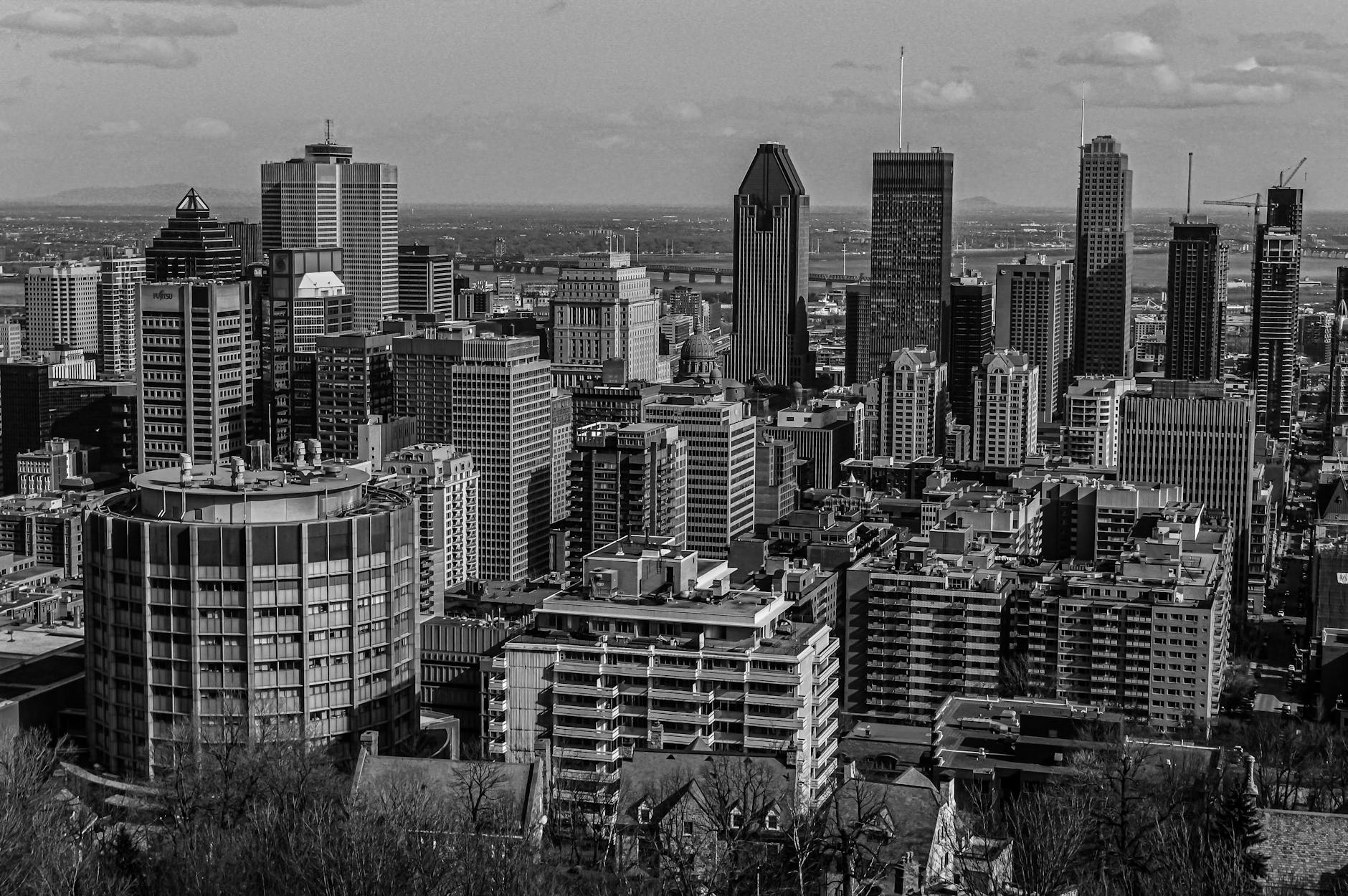
Montreal's metro and walkable neighborhoods are major budget advantages. They only stay advantageous when the traveler plans honestly around distance, weather, stairs, late-night timing, and the final walk from station to destination. A cheap plan that depends on too much walking in winter or rain can become a bad plan by midafternoon.
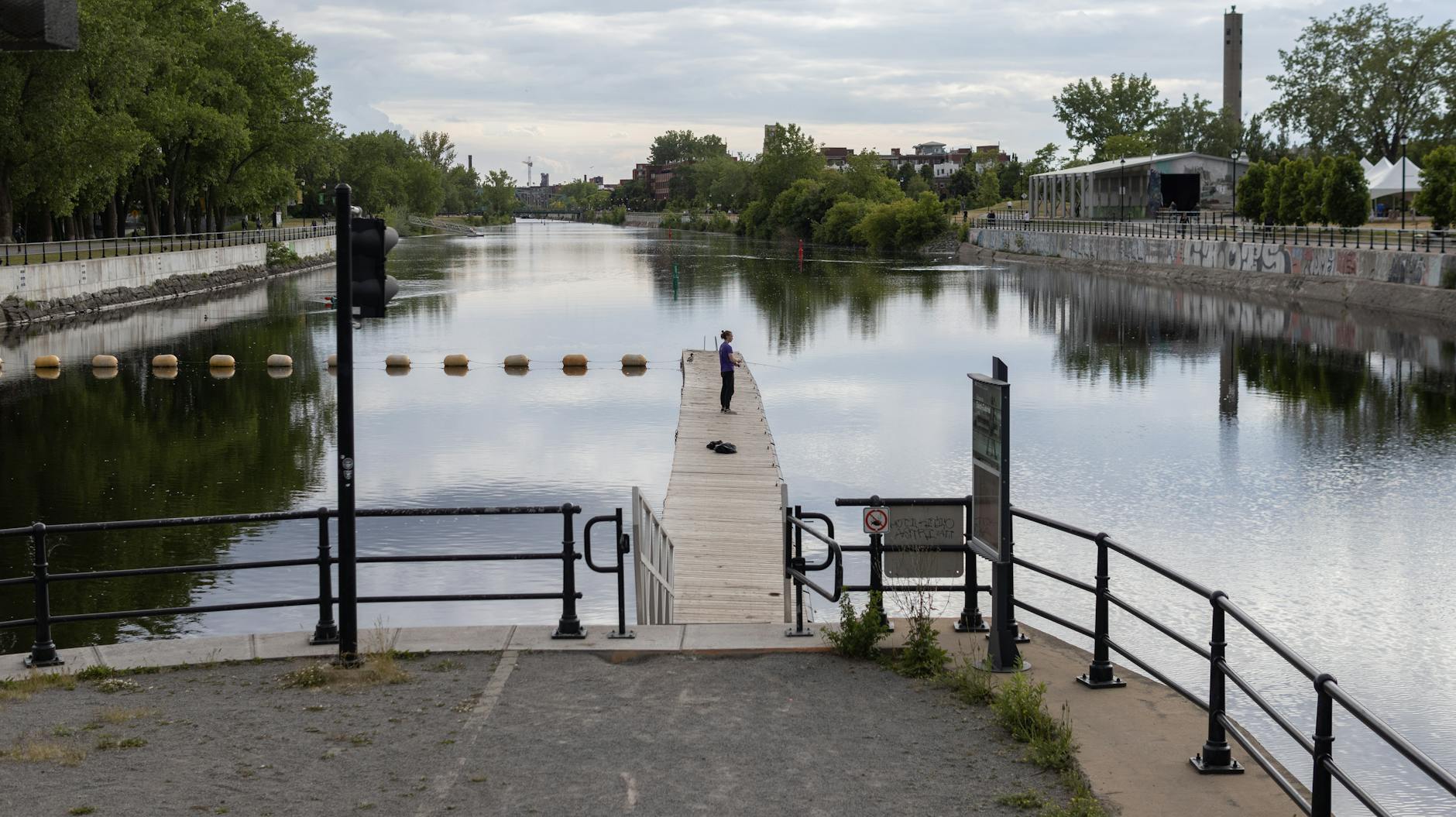
The traveler should group days by district and decide in advance when a taxi is worth paying for. A single strategic ride can protect an evening, a flight connection, or a tired traveler better than heroic walking.
- Group sights by district so transit and walking stay efficient.
- Plan around weather, station access, final walking distance, and late returns.
- Set a taxi threshold for airport timing, fatigue, snow, rain, or safety concerns.
Build a real food budget
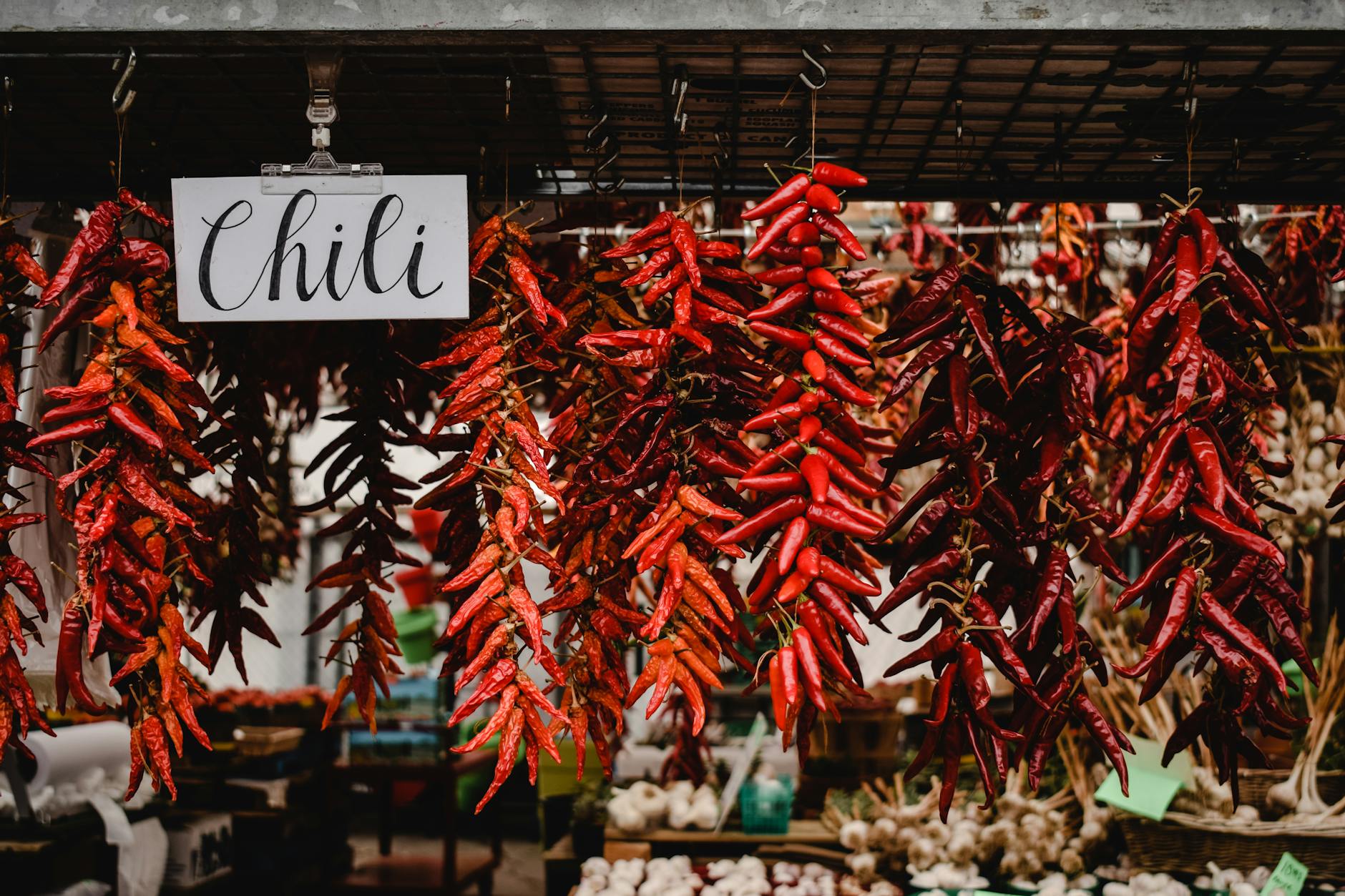
Food can either make a budget Montreal trip satisfying or quietly drain it. Markets, bakeries, casual counters, groceries, Chinatown, Little Italy, bagel shops, cafes, and lunch specials can create excellent low-cost days. The danger is arriving hungry in a tourist-heavy area with no plan and treating every meal as an emergency purchase.
A budget traveler should decide which meals deserve money and which should be simple. One paid-for dinner can be more memorable than three compromised restaurant meals. The key is to make the cheaper meals intentional rather than apologetic.
- Use markets, bakeries, groceries, casual counters, and lunch timing to control costs.
- Choose one or two meals worth spending on instead of overspending by default.
- Keep simple food options near the hotel for late arrivals and tired evenings.

Use free and low-cost Montreal well
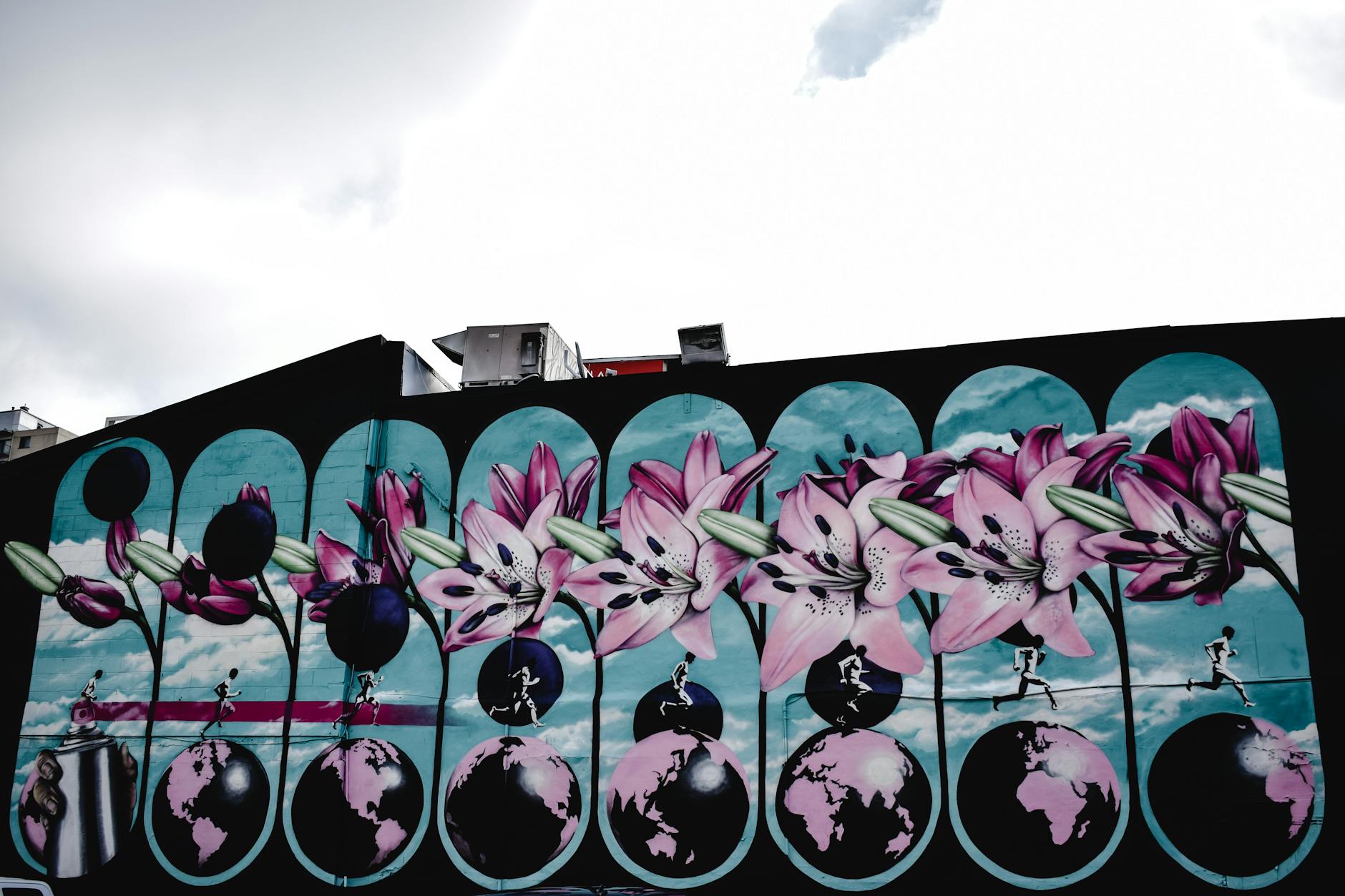
Budget Montreal should lean into what the city already gives away or sells cheaply: neighborhood walks, murals, markets, parks, waterfront edges, seasonal public events, church exteriors, university areas, viewpoints, and self-guided food routes. These can be real trip highlights if they are placed well and not treated as consolation prizes.
Free does not mean effortless. A mural walk still needs a neighborhood route. A market needs timing. A park needs weather. The budget traveler should build low-cost days with the same care that another traveler might give to ticketed attractions.
- Treat murals, markets, parks, waterfronts, viewpoints, and public events as deliberate trip assets.
- Check timing and weather before relying on free outdoor plans.
- Spend selectively on the experiences that genuinely improve the low-cost structure.
Respect weather as a budget variable
Weather can change the budget faster than the traveler expects. Winter cold, icy sidewalks, snow, slush, rain, heat, and wind affect how far a person can walk, whether cheap transit remains comfortable, how much clothing is needed, and whether a supposedly free outdoor day still works. A budget plan that ignores weather often becomes expensive in taxis, rushed meals, and replacement activities.
The traveler should pack and route for the forecast, not for the idealized version of the city. Montreal is still rewarding in difficult weather, but the budget has to include the cost of staying functional.
- Treat boots, coats, rain gear, and warm layers as budget protection, not extras.
- Prepare indoor low-cost alternatives for wet, icy, or bitterly cold days.
- Do not let a free outdoor plan force paid emergency fixes later.
When to order a short-term travel report
A budget traveler with a central stay, mild weather, and loose plans may not need a custom Montreal report. A report becomes useful when the traveler is deciding whether a cheaper hotel is actually practical, traveling in winter, trying to fit several neighborhoods into a short stay, managing limited mobility or medical needs, or wanting a strong low-cost food and transit plan without wasting money through trial and error.
The report should test lodging location, airport transfer, transit pass logic, walking routes, meal strategy, free and low-cost activities, weather substitutions, hidden costs, and where paying more is cheaper in practice. The value is not austerity. It is spending only where the trip genuinely benefits.
- Order when lodging location, winter weather, transit, food costs, constraints, or hidden expenses could change the budget.
- Provide lodging candidates, travel dates, arrival time, daily priorities, food budget, constraints, and must-pay experiences.
- Use the report to distinguish real savings from false economy.