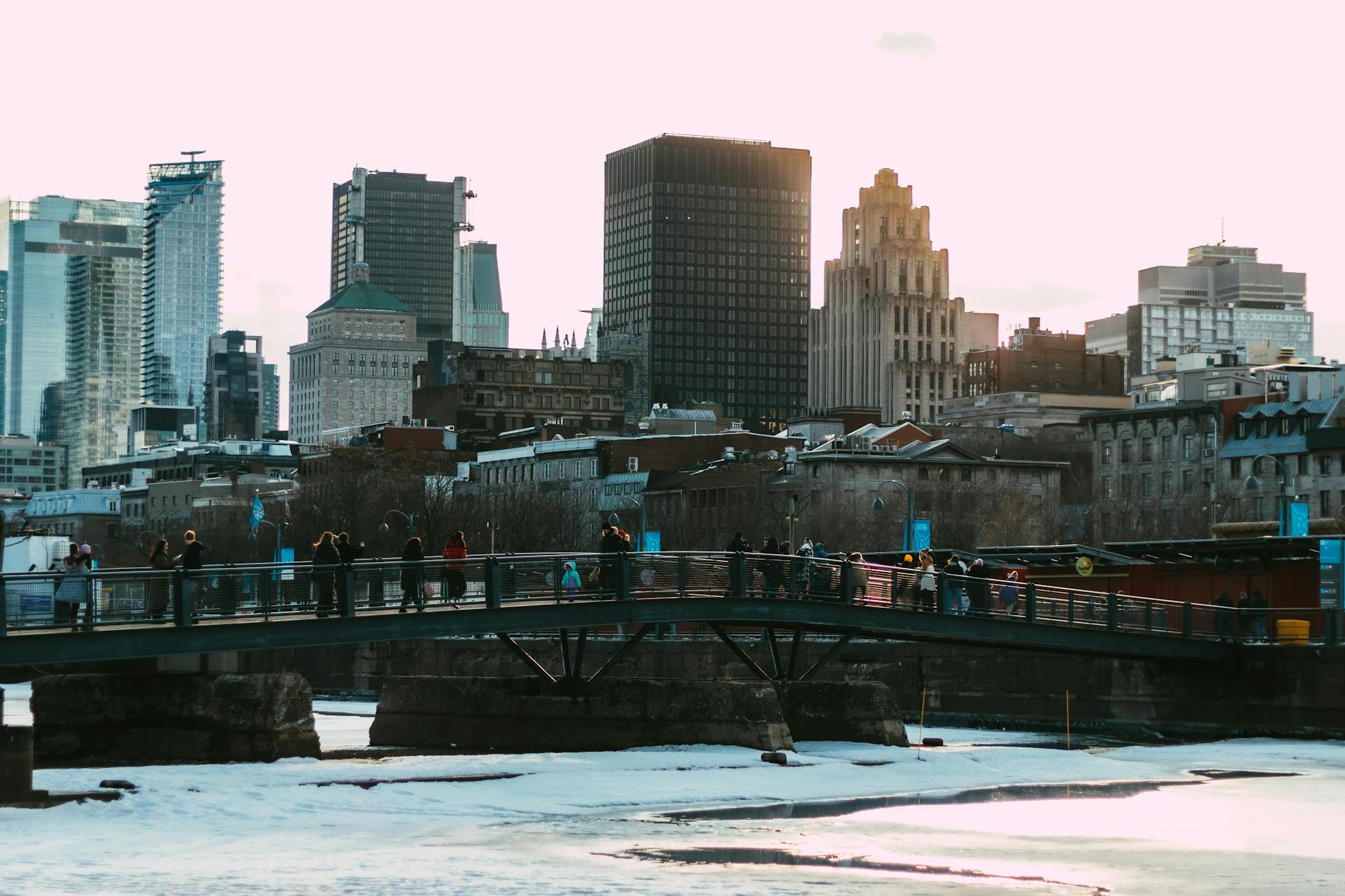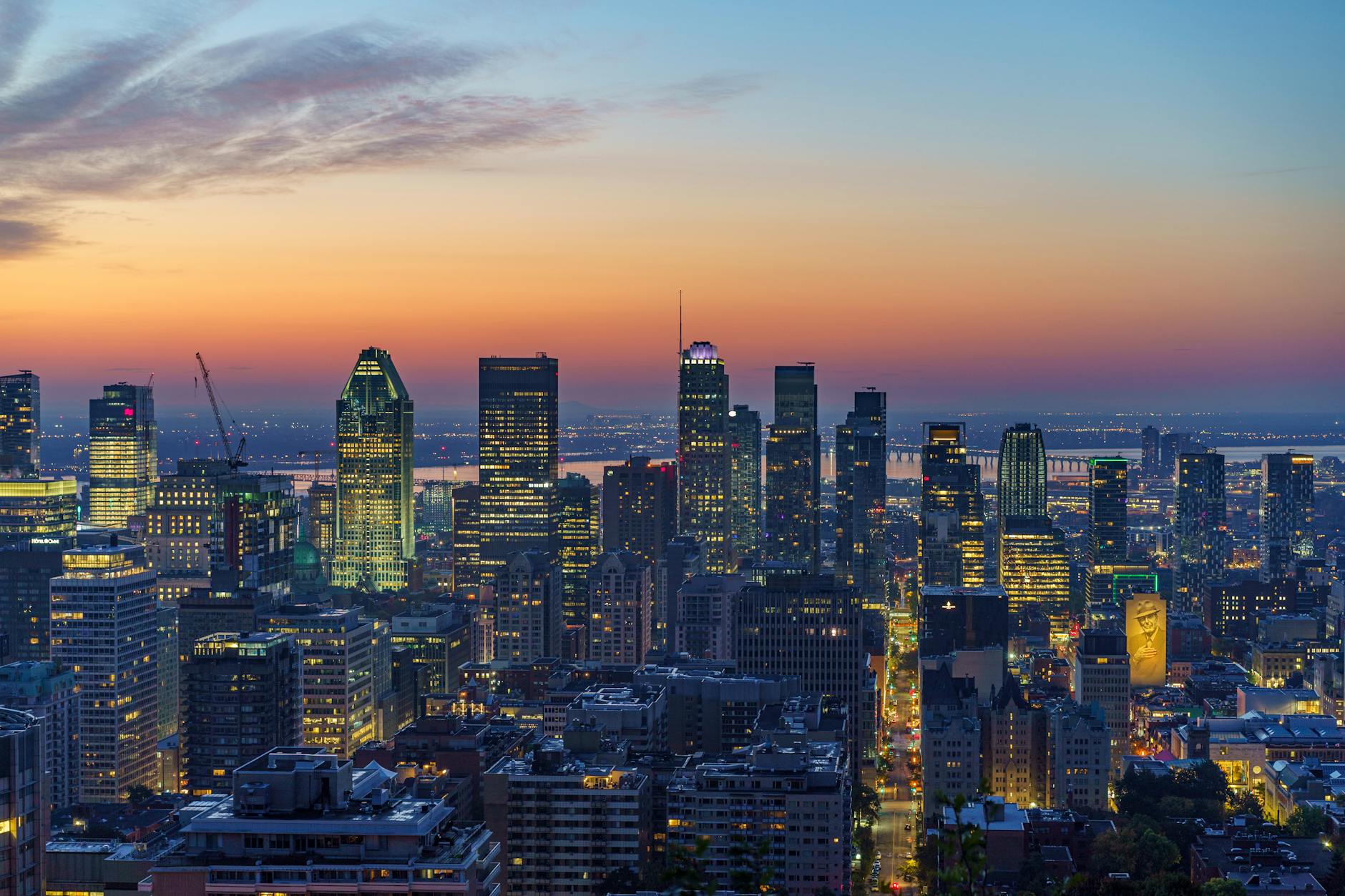
Montreal can be a strong academic conference city because it has serious universities, medical and research institutions, a concentrated downtown, large event infrastructure, walkable historic areas, and enough food and culture to make a short professional trip feel substantial. It is also a city where an academic visitor can lose time by treating the conference venue, hotel, campus meetings, Old Montreal, and airport as if they were all one simple district. The best short Montreal conference plan starts with the actual venue and academic obligations. A presentation at or near the Palais des congres, a meeting at McGill, a visit to UQAM, a dinner in Old Montreal, and a side appointment near a hospital or lab can each pull the traveler in a different direction. The trip should protect the paper, poster, panel, meeting, and departure before it tries to become a general city break.
Start with the venue, not the city name
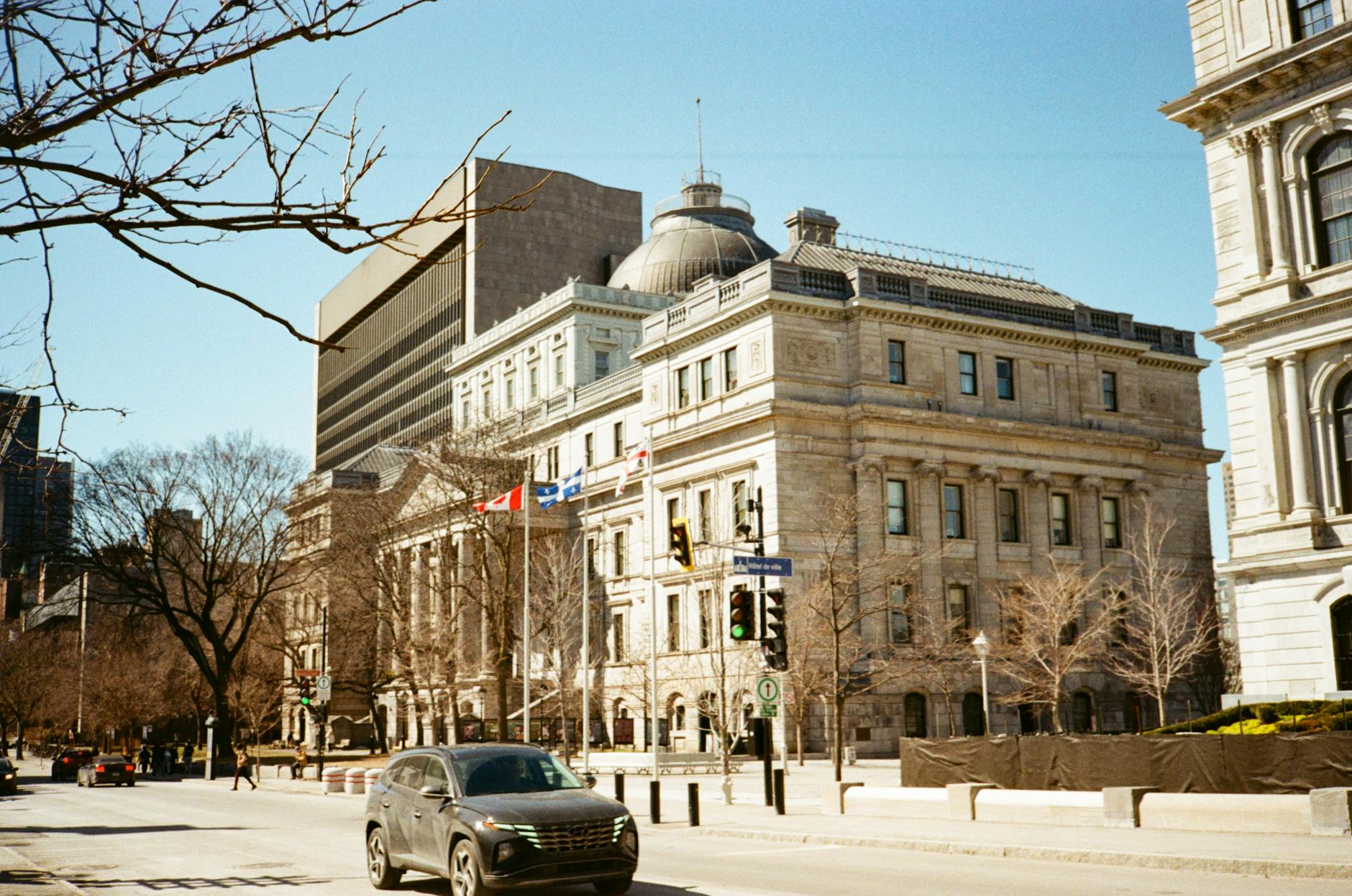
Academic visitors should first locate the actual conference venue, poster hall, registration desk, reception site, and any campus meetings. Montreal can make a downtown conference feel compact, especially when the venue is near the Quartier international, Old Montreal, or central hotels. That does not mean every academic appointment is nearby. McGill, UQAM, Universite de Montreal, hospital campuses, research institutes, and private dinner venues may require different routes and timing.
The hotel should be chosen after that geography is clear. A beautiful Old Montreal hotel may be excellent for a central conference and evening meals, while a downtown or underground-city base may work better for winter movement and office-tower logistics. The right base is the one that protects attendance, not the one that sounds most atmospheric.
- Map the conference venue, registration, poster hall, receptions, campus meetings, and dinners before booking.
- Use Old Montreal, downtown, and campus-adjacent bases for different academic patterns.
- Choose the hotel by the morning session and the most important meeting, not by scenery alone.
Treat arrival day as presentation risk
A conference trip starts before the first session. YUL arrival, immigration when relevant, baggage, weather, taxi queues, hotel check-in, badge pickup, and the first networking obligation can all compress the day. A traveler who lands close to a panel or reception should not assume there will be time to settle, print, rehearse, or eat before appearing professionally.
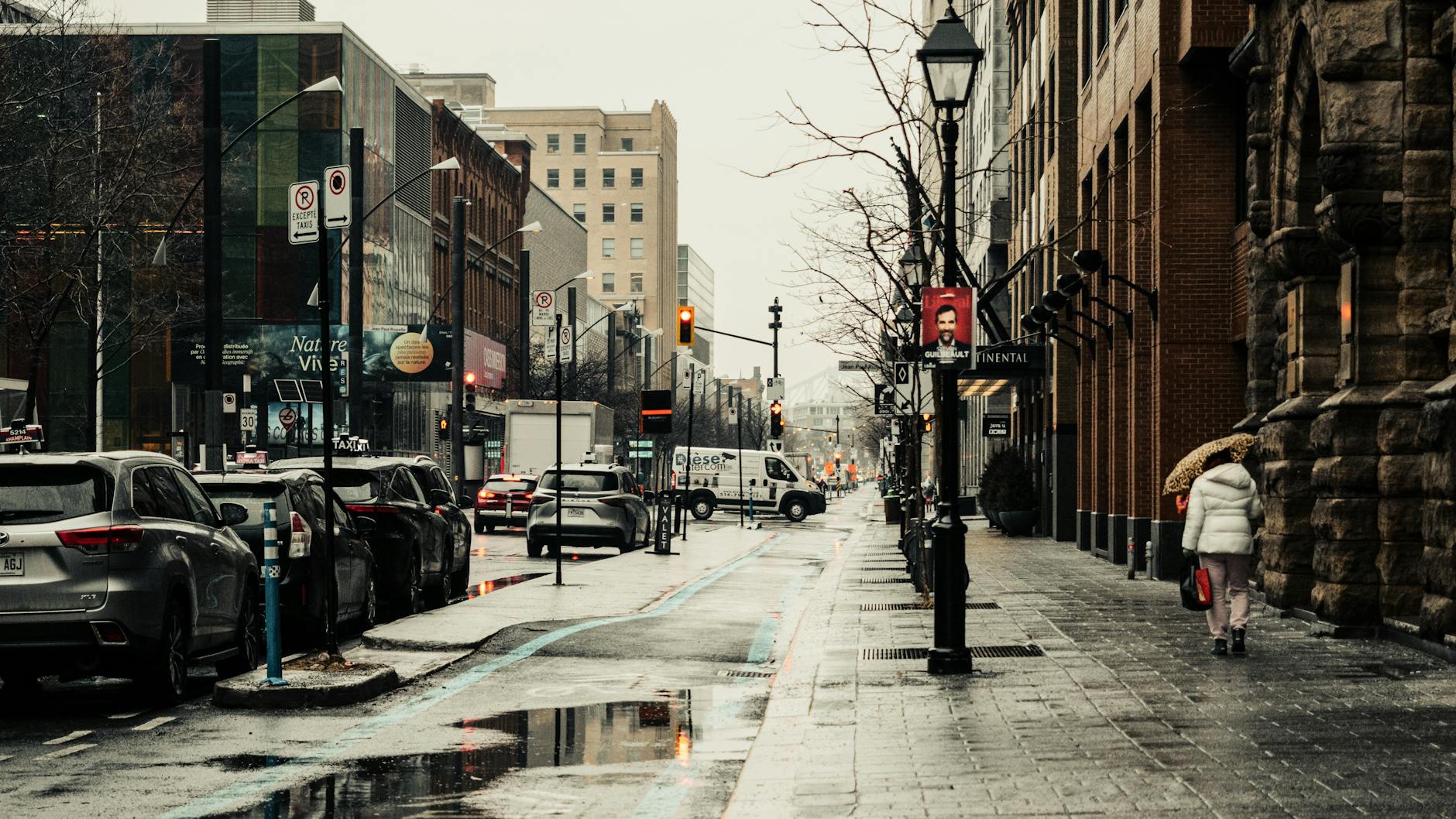
Montreal rain, snow, slush, or summer humidity can also change how arrival feels with a poster tube, laptop bag, coat, and formal shoes. The first day should include a real buffer for grooming, charging devices, checking slides, and reaching the venue without arriving visibly rushed.
- Add buffer for YUL arrival, baggage, hotel check-in, badge pickup, and first-session movement.
- Do not schedule a high-stakes presentation against an optimistic airport transfer.
- Keep laptop, adapters, poster materials, medication, and presentation clothes under direct control.
Choose a hotel that supports conference rhythm
Academic conferences create unusual hotel needs. The attendee may need a quiet desk, reliable Wi-Fi, an early breakfast, a lobby suitable for informal meetings, quick return access between sessions, late reception arrival, and a room where slides can be revised without fighting noise. In Montreal, winter entry comfort and indoor movement can matter as much as room style.
The attendee should also think about where informal academic work will happen. A cafe near the venue may be useful for an hour, but confidential calls, grant discussions, student supervision, job-market conversations, or manuscript edits may need quieter spaces. The hotel is part of the scholarly workflow.
- Check desk quality, Wi-Fi, quiet, breakfast timing, lobby usability, and route back to the venue.
- Plan where confidential calls, edits, advising, and informal meetings can happen.
- Consider indoor winter routes and taxi access when choosing between charming and operational hotels.
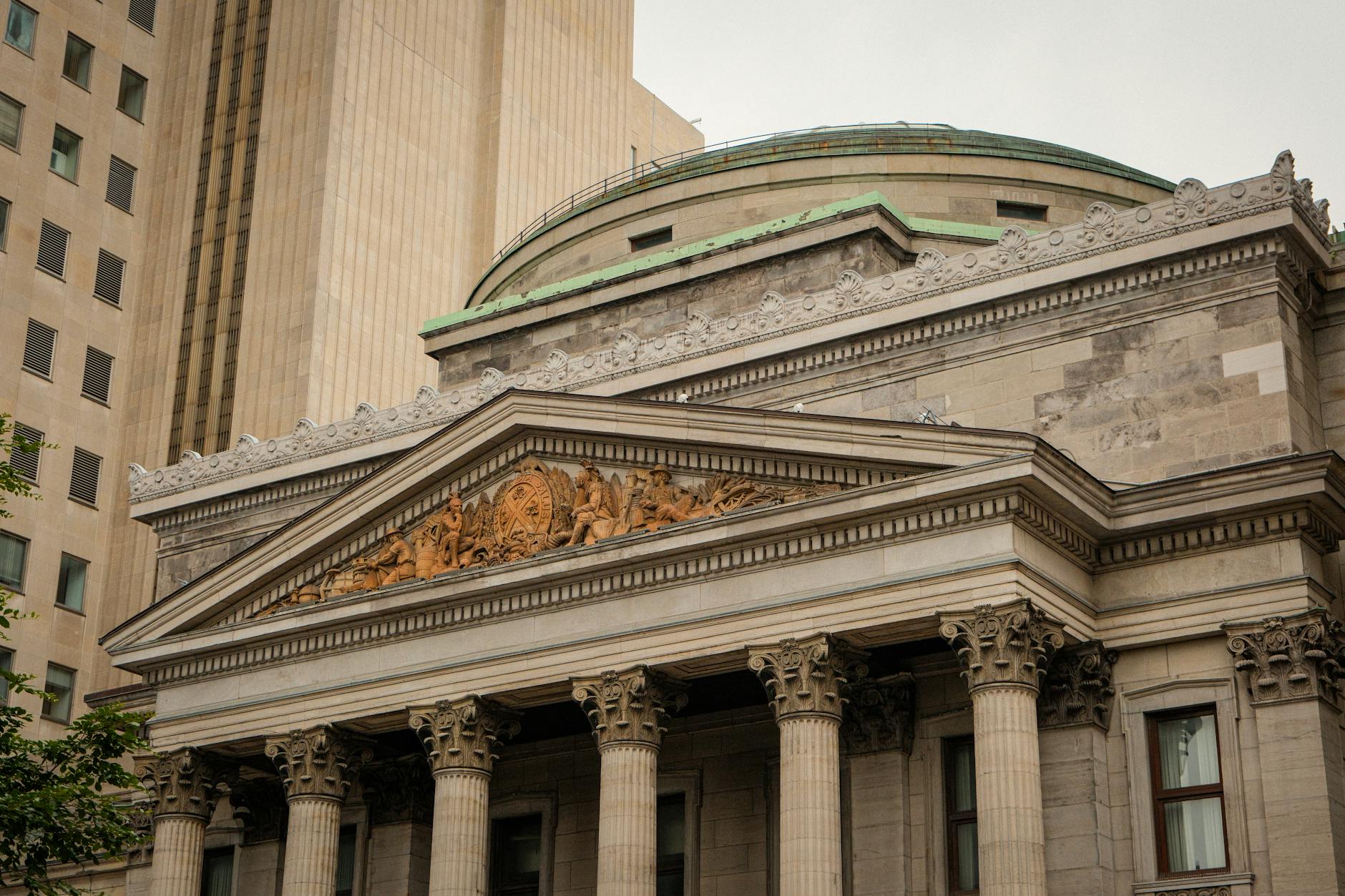
Use metro and walking routes deliberately
The Montreal metro can be very useful for conference attendees, but it should not be treated as automatic. The traveler needs to know the station, exit, walking segment, weather exposure, stairs or escalators, and how the route feels with a laptop bag, poster tube, formal clothing, or winter gear. A route that is easy after lunch may not feel easy before an 8:30 panel.
Walking can be pleasant in Old Montreal, downtown, and around campus, but surface conditions matter. Snow, ice, rain, construction, crowds, and hills can all affect punctuality. The attendee should test the route with the conference schedule in mind, not only with a map estimate.
- Check exact metro station, exit, walking segment, stairs, and weather exposure.
- Account for poster tubes, laptops, formal shoes, coats, and early-morning session pressure.
- Use taxis or shorter routes when the conference obligation matters more than saving a few minutes.
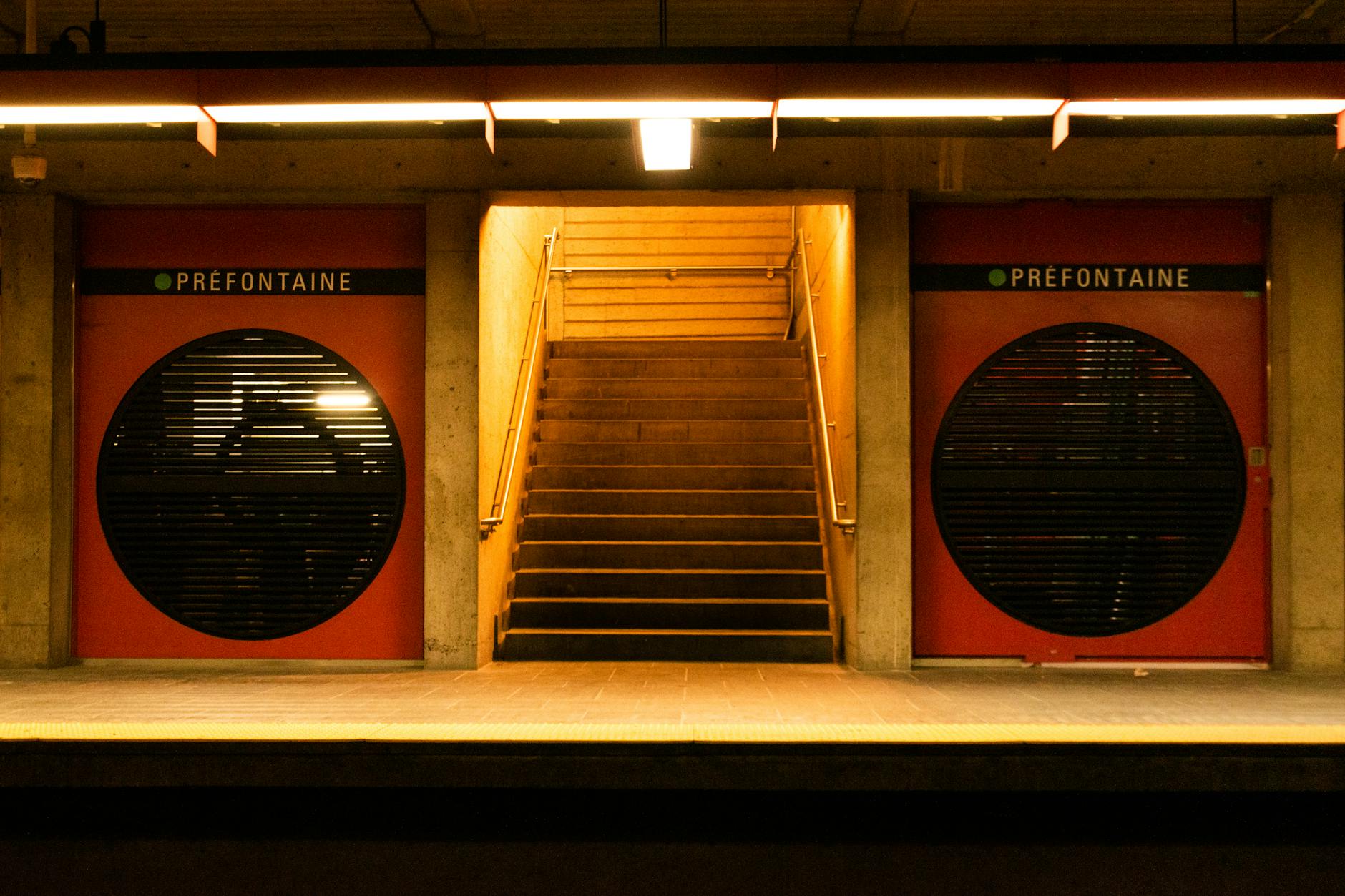
Prepare for bilingual and technical details
Montreal is workable for English-speaking academics, but the bilingual setting should be respected. Conference signage, service interactions, institutional hosts, public announcements, and printed materials may move between English and French. The attendee should confirm presentation language, session format, pronunciation, name badges, and whether bilingual abstracts, slides, or handouts are expected.
Technical preparation also deserves attention. The traveler should know whether the room uses HDMI, USB-C, a house computer, uploaded slides, poster boards, QR codes, or conference apps. Backup copies, adapters, offline files, and battery discipline matter more in a short trip because there is little recovery time.
- Confirm language expectations for sessions, abstracts, handouts, introductions, and institutional meetings.
- Prepare adapters, offline slide copies, poster supplies, app access, and QR or badge requirements.
- Use basic French courtesy in service settings even when the academic program is in English.
Protect evenings from weakening the next morning
Academic conferences often depend on dinners, receptions, and informal conversations as much as formal sessions. Montreal can support that well, with Old Montreal, downtown, Plateau, Mile End, and hotel restaurants offering very different tones. The question is whether the evening supports the next morning's work or exhausts it.
A loud dinner far from the hotel may be valuable for a collaboration or job-market conversation, but it should be chosen intentionally. The attendee should know how they will get back, whether winter clothing is sufficient, and whether the next morning requires a presentation, interview, grant meeting, or early flight.
- Choose dinners and receptions by relationship value, noise, distance, weather, and next-morning stakes.
- Keep the return route, coat, payment backup, and hotel address ready before evening events.
- Do not let social value erase sleep before a paper, panel, interview, or departure.
When to order a short-term travel report
An academic attendee with a relaxed schedule, central hotel, and local host may not need a custom Montreal report. A report becomes useful when the trip involves tight YUL timing, winter travel, several campuses or institutions, a high-stakes presentation, poster logistics, bilingual materials, confidential meetings, mobility or medical needs, or a need to decide between Old Montreal, downtown, campus-adjacent, and airport-side hotels.
The report should test venue geography, arrival timing, hotel base, campus transfers, metro and walking routes, weather exposure, technical preparation, dinner movement, quiet workspaces, and what to cut if the conference schedule is overloaded. The value is a Montreal academic trip that protects the work first.
- Order when arrival timing, venue geography, weather, presentation logistics, language, or campus transfers raise the stakes.
- Provide venue addresses, session times, hotel candidates, campus meetings, equipment needs, dinner plans, and constraints.
- Use the report to make the conference function before adding optional Montreal time.