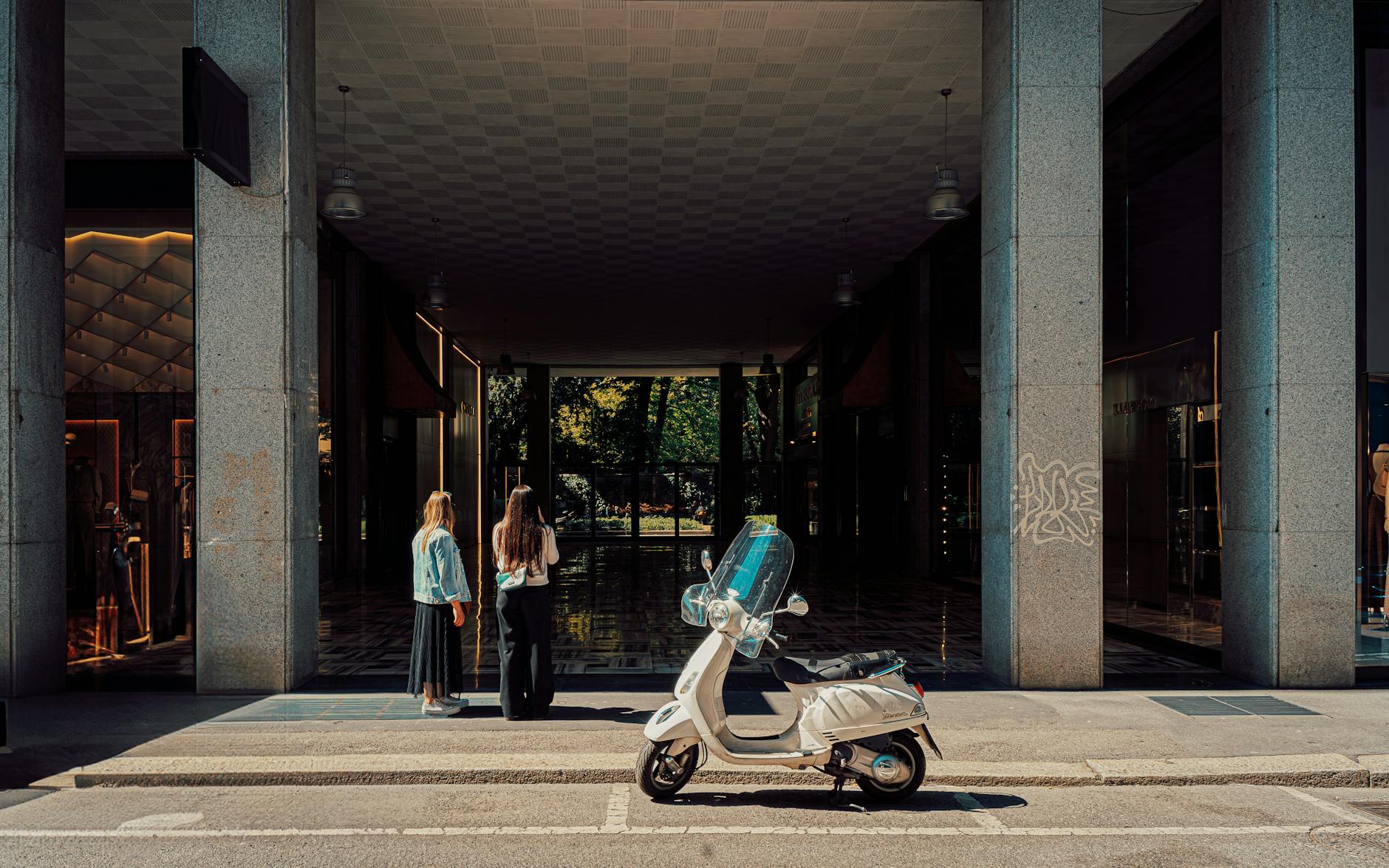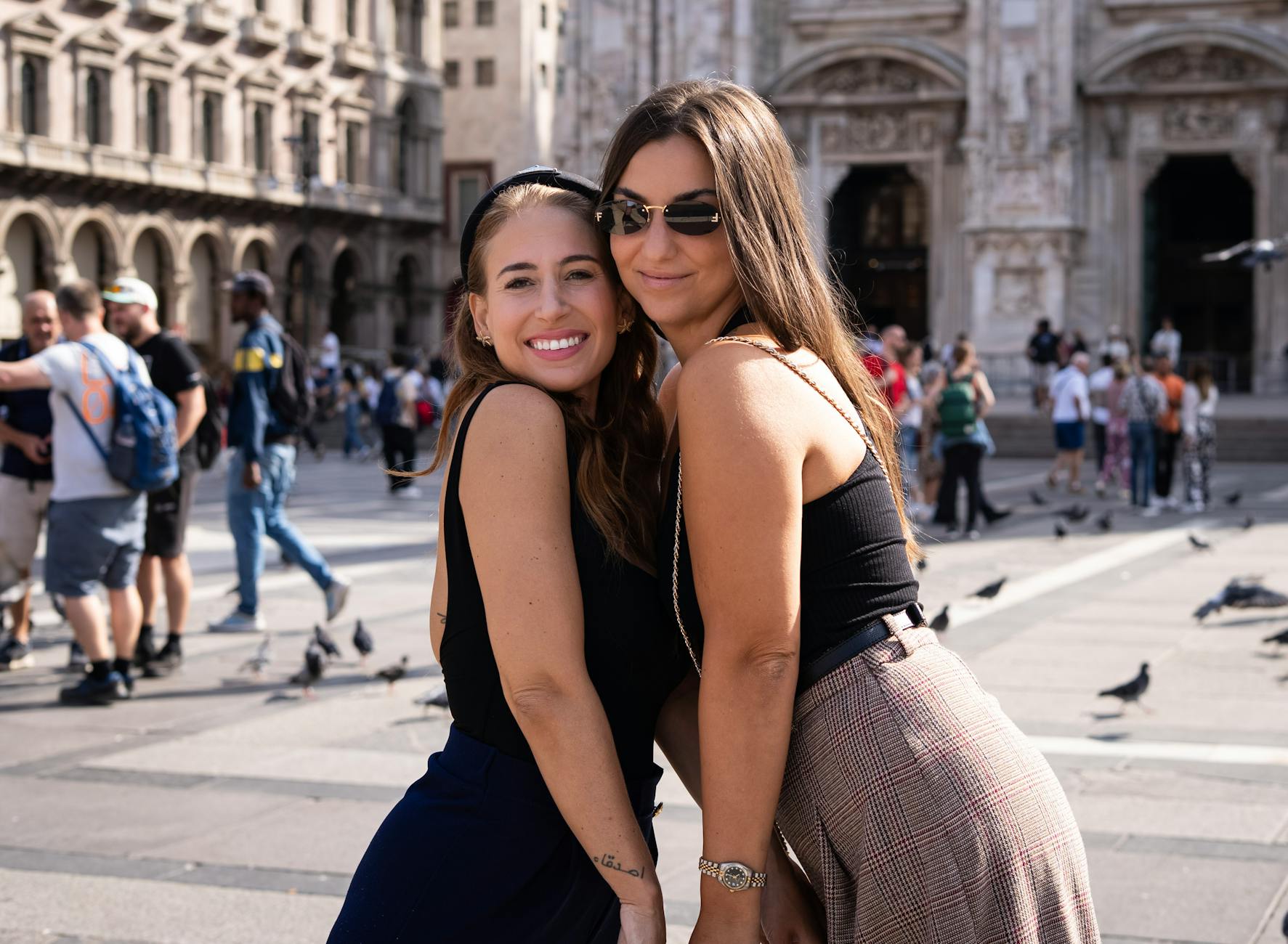
Milan can be a strong city for women traveling alone, with friends, for work, or as part of a mixed-purpose short stay. It has serious fashion, good food, major cultural sights, reliable transit in many central areas, and enough street life to make independent movement feel normal. It is also a city where the experience changes by district, hour, hotel entrance, transport choice, and how much attention the traveler draws through shopping bags, dress, phone use, or a late return. The point is not to turn Milan into a defensive trip. The point is to make the city easier to enjoy. A woman traveler should know where she is sleeping, how she will arrive, which shopping and dining routes are comfortable, how she will handle evenings, and when a taxi or hotel bar is the better choice than proving the metro is possible.
Choose a base that supports independent movement
A woman traveler should choose a Milan base by how it feels at both ends of the day. Brera, the Duomo area, Porta Nuova, Garibaldi, parts of Navigli, and some Centrale-adjacent hotels can all work, but they create different evening patterns. The hotel should have a visible entrance, reliable reception, good lighting nearby, food within a short walk, and a return route that still feels legible after dinner.
A fashionable or inexpensive hotel can be the wrong choice if it makes every late return a negotiation. The better base is often the one that lets the traveler leave the hotel without a long mental checklist and return without crossing several weak transitions.
- Choose the hotel around evening return, reception reliability, nearby food, lighting, and transit access.
- Match Duomo, Brera, Porta Nuova, Garibaldi, Navigli, or Centrale to the actual trip rhythm.
- Avoid saving money in a location that makes the final walk of the day feel fragile.
Plan arrival before fatigue sets the tone
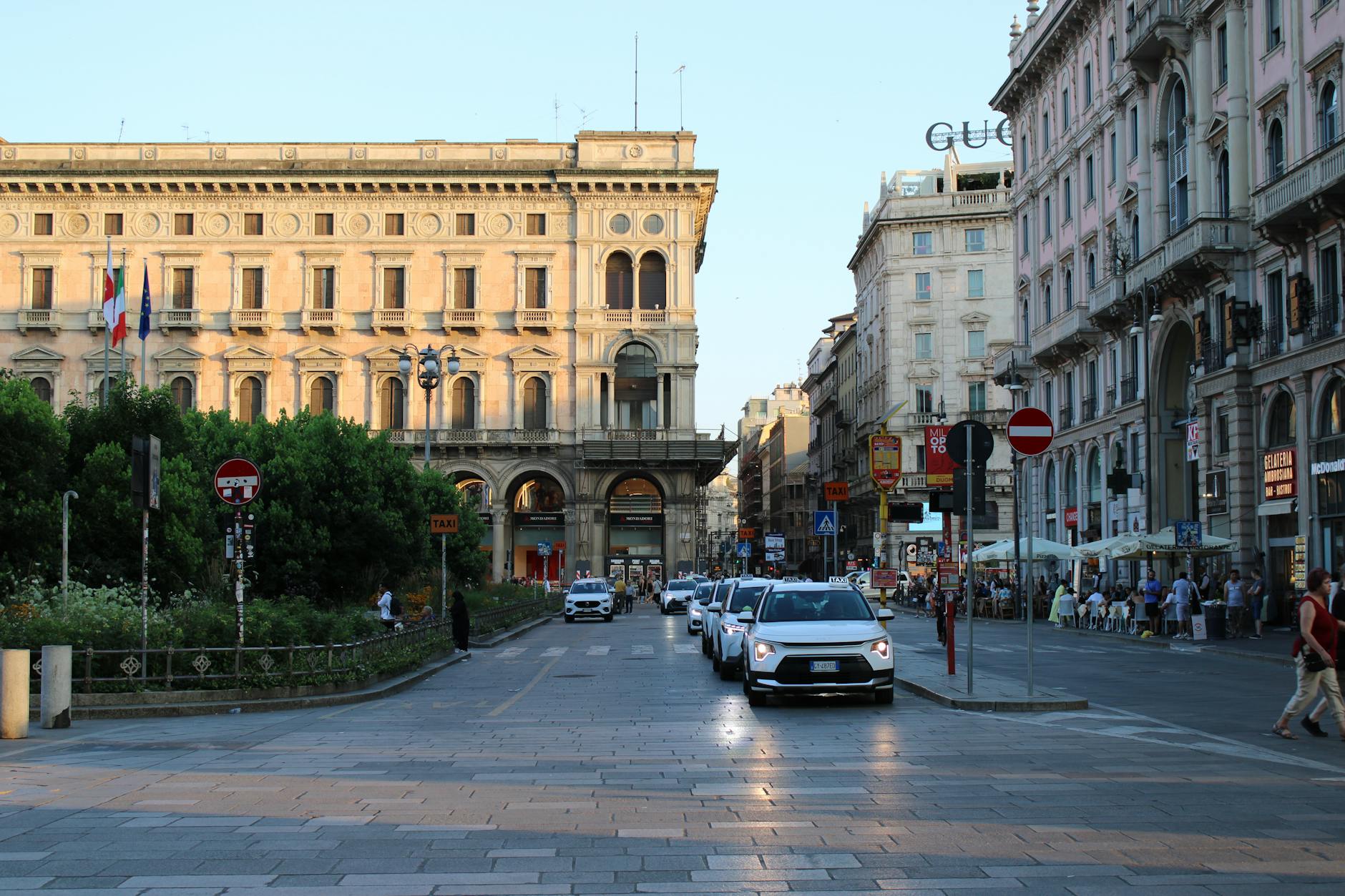
Arrival is where many short Milan trips become unnecessarily stressful. Linate can be simple for central stays, Malpensa requires a more deliberate transfer plan, Bergamo can add burden, and Milano Centrale can feel busy with bags and a tired phone. A woman traveler arriving late, alone, or after a long flight should not be deciding the hotel route in the terminal.
The arrival plan should include the exact transfer mode, hotel address offline, payment backup, phone charge, luggage strategy, and a first meal close to the hotel. If a car or taxi makes the first hour cleaner, it can be a practical choice rather than an indulgence.
- Decide the airport or station-to-hotel route before landing or arriving by rail.
- Keep the hotel address, payment backup, phone charge, luggage plan, and nearby first meal ready.
- Use a car or taxi when late timing, luggage, weather, or fatigue makes transit less resilient.
Use fashion and shopping without letting it control the day
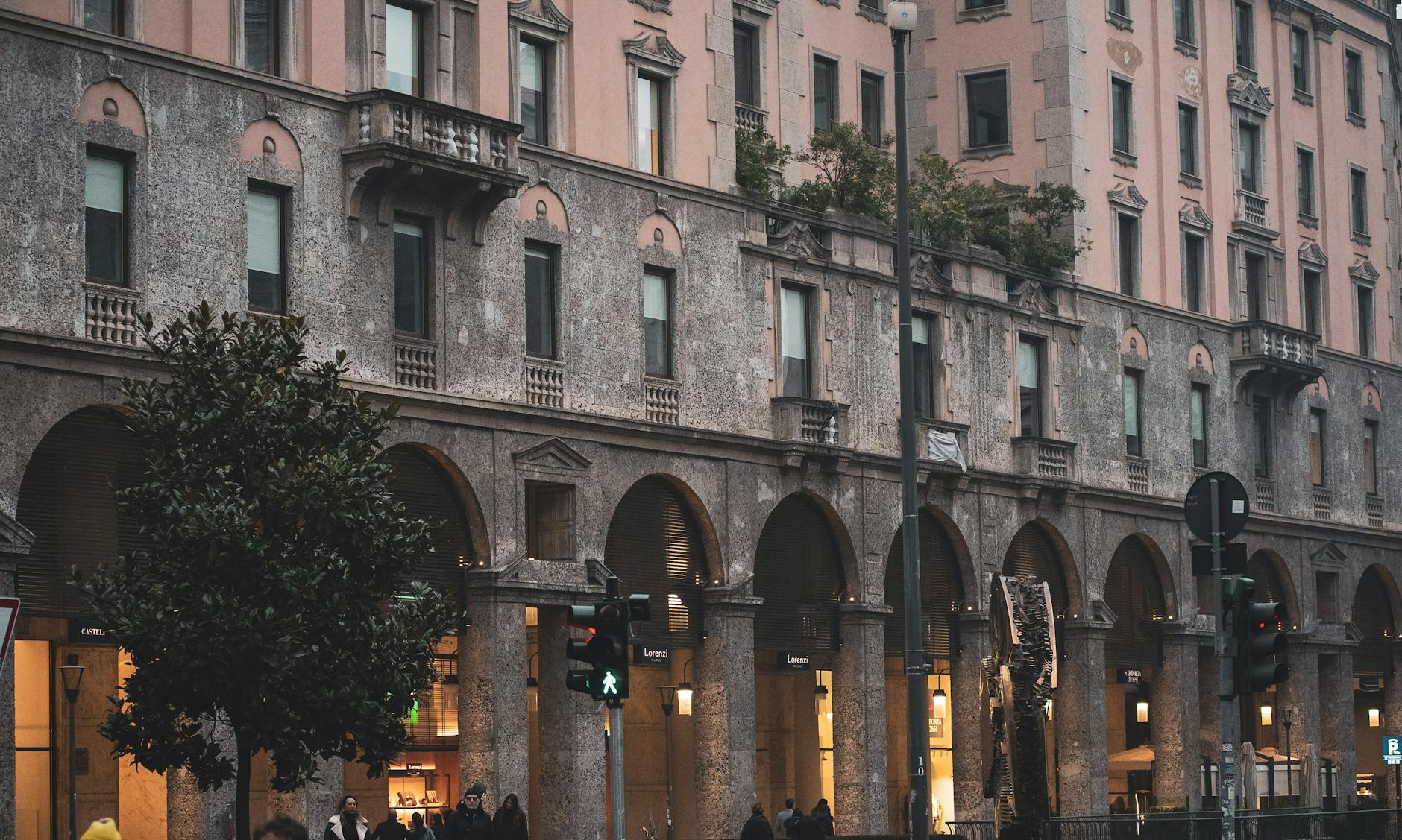
Milan shopping can be the point of the trip or an easy way to overload it. The Quadrilatero, Galleria, department stores, design shops, and smaller boutiques should be grouped by geography. A woman traveler carrying purchases, trying on clothes, managing VAT paperwork, or moving between appointments should think about bag handling and the return route before the day starts.
Shopping also affects visibility. Expensive bags, phone navigation, and distracted movement can make the traveler easier to read. The solution is not to avoid Milan's fashion life. It is to plan the route, pause points, hotel drop-off, and dinner location so the day remains controlled.
- Group fashion, Galleria, department-store, and design stops by district.
- Plan bag handling, VAT paperwork, hotel drop-off, and dinner geography before shopping starts.
- Avoid carrying visible purchases across complicated late-day routes.

Read public spaces without overcorrecting
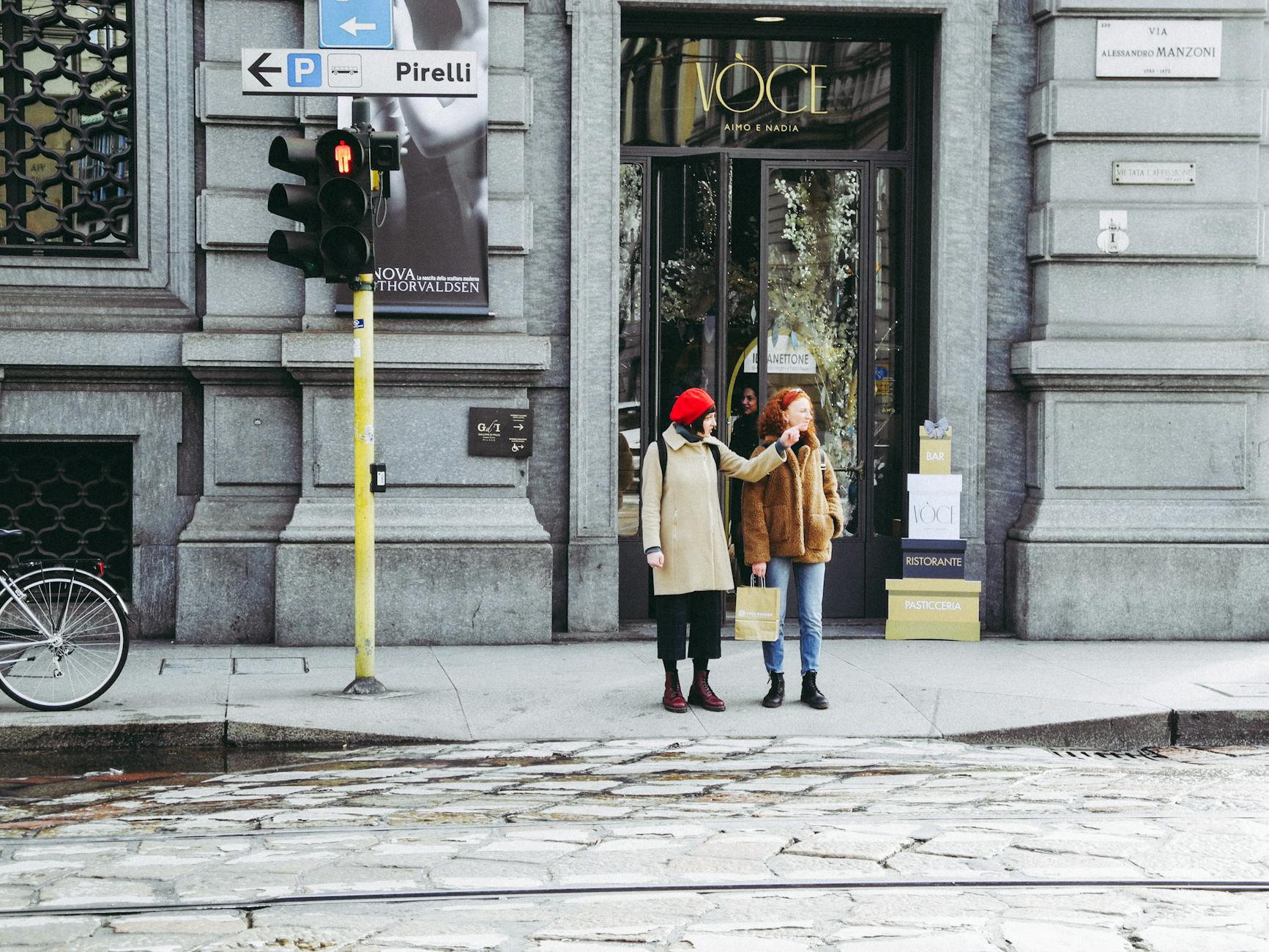
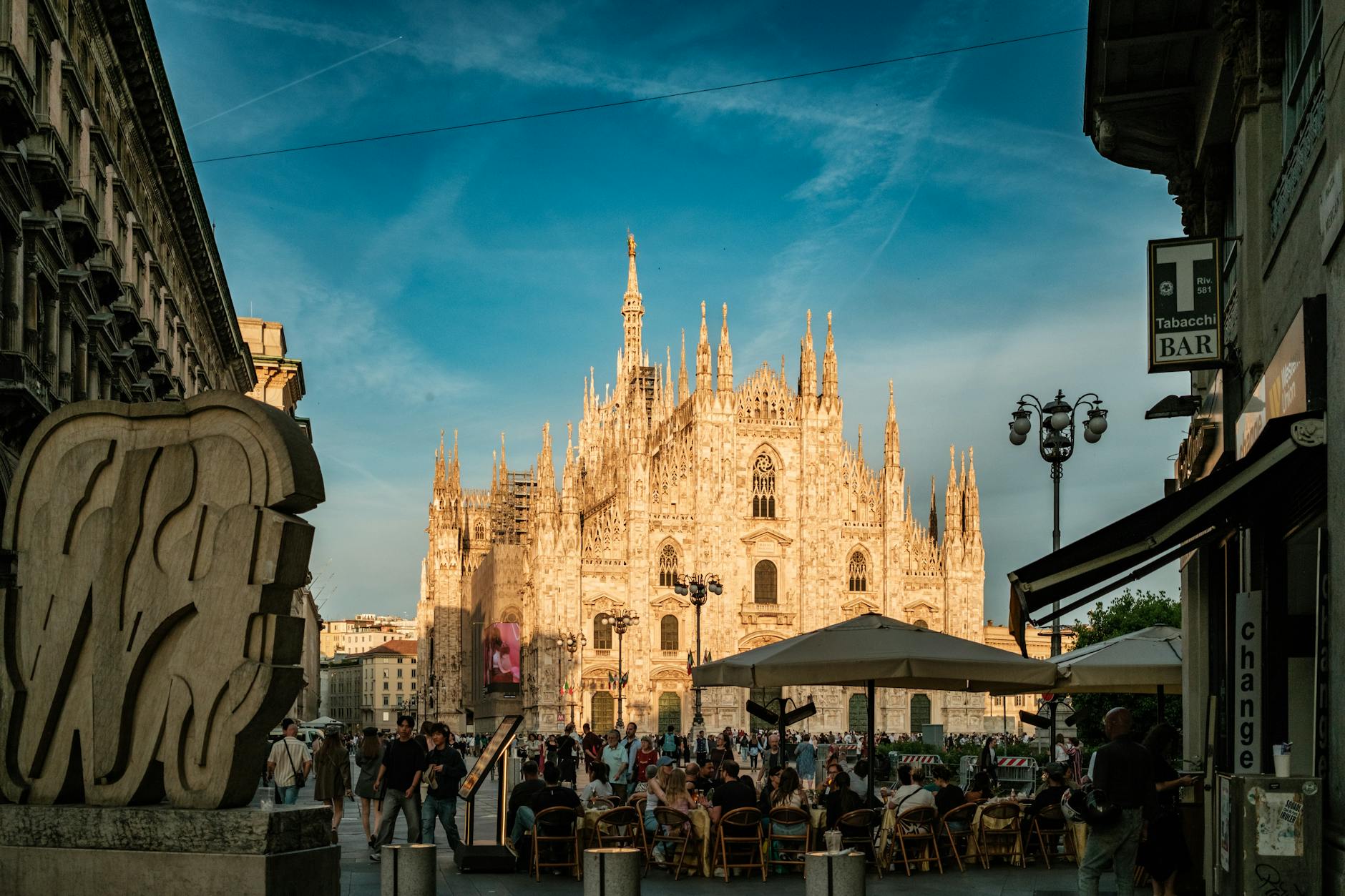
Central Milan has crowded squares, fashion streets, trams, metro platforms, cafe terraces, and station areas where a woman traveler may feel very comfortable in one block and more alert in the next. Piazza del Duomo, the Galleria, busy shopping streets, and transit nodes require basic bag, phone, and awareness discipline, especially when distracted by photos or navigation.
The traveler should avoid both extremes: acting as if every public place is risky or acting as if Milan's polish removes ordinary urban risk. A practical posture is enough: keep valuables controlled, know the next move, step aside to navigate, and simplify the route when attention or crowding feels high.
- Use normal city discipline in Duomo, Galleria, shopping streets, metro platforms, and station areas.
- Step out of traffic or crowds before navigating by phone.
- Simplify the route when crowding, attention, or fatigue starts to shape the day.
Treat evenings as route design
Milan evenings can be excellent for women travelers: Brera dinner, Navigli aperitivo, La Scala, hotel bars, Porta Nuova, and central walks can all work. The strongest evenings are planned around the return, not only the venue. A restaurant close to the hotel may be better than a more famous booking that leaves the traveler negotiating transport late, overdressed, or tired.
If the evening includes alcohol, expensive clothing, jewelry, a performance, or a new social setting, the return plan should be decided in advance. Pickup points, taxi availability, phone battery, and a backup nearby option matter more after dark than they do at lunch.
- Choose dinner, aperitivo, and performance plans around the return route.
- Know pickup points, phone battery, hotel address, and backup options before going out.
- Use hotel bars or nearby restaurants when the day already included enough movement.
Use transit with selective confidence
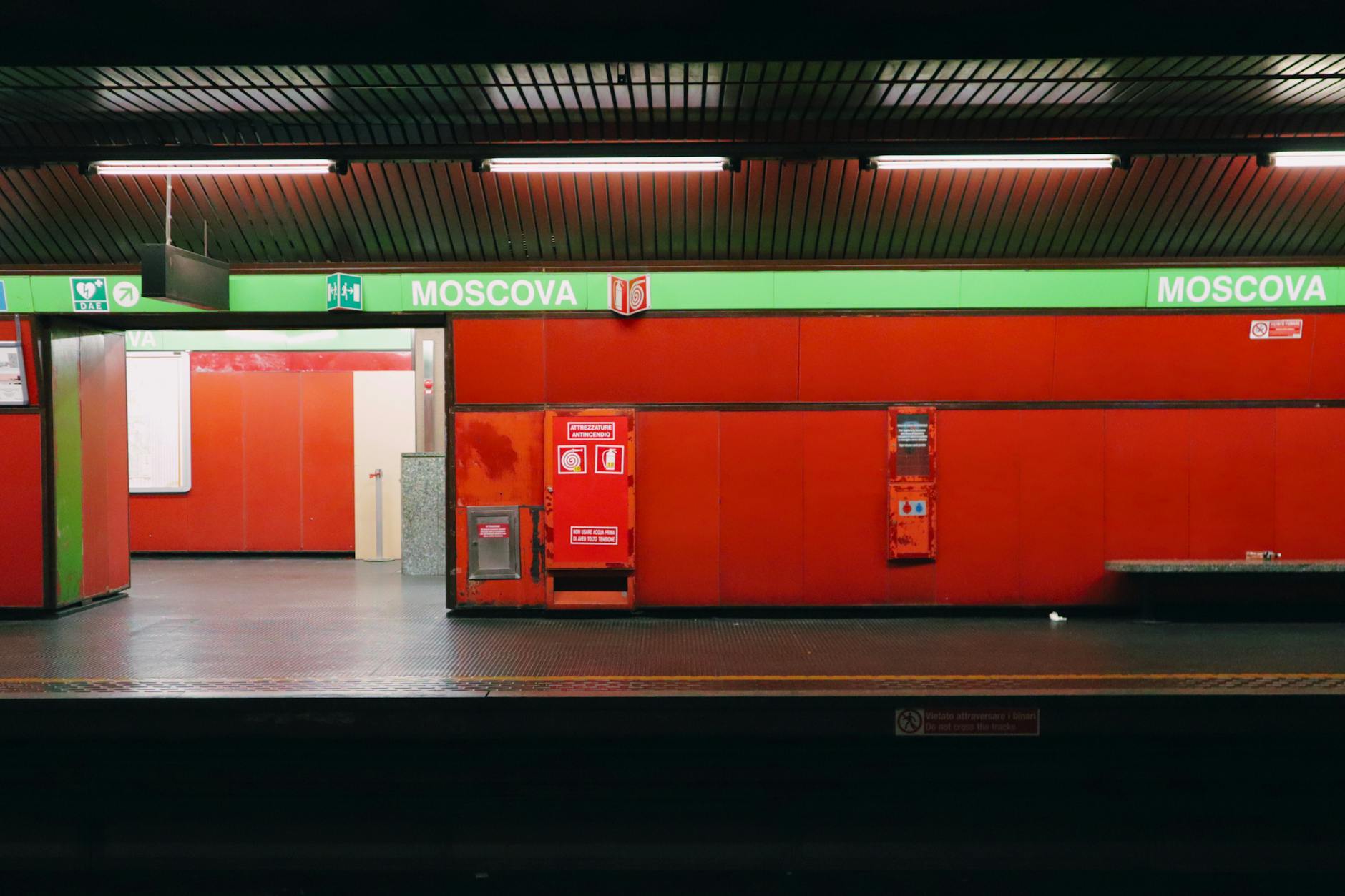
Milan's metro and trams can be useful, but a woman traveler does not need to use them for every movement. Direct metro trips can be clean and efficient. Complicated transfers, late-night station changes, heavy shopping bags, rain, or unfamiliar exits can make a taxi or rideshare the better tool.
The best transit posture is selective confidence: know which routes are easy, which stops serve the hotel, where the exits place the traveler, and when to pay for simplicity. The traveler should not turn public transit into a test of independence when the trip calls for control.
- Use metro and trams for direct, legible routes.
- Check station exits and last-walk geography, not only the line map.
- Switch to taxi or rideshare when late timing, bags, rain, or fatigue changes the risk calculation.
When to order a short-term travel report
A woman traveler with a central hotel, daytime plans, and a relaxed schedule may not need a custom report. A report becomes useful when the trip involves late arrival, solo evenings, several hotel options, fashion or jewelry shopping, event attendance, medical needs, mobility constraints, nightlife, or a need to decide whether Milan is the right stop in a wider itinerary.
The report should test hotel neighborhood, arrival transfer, shopping geography, evening return, solo meal options, transit posture, phone and document discipline, weather exposure, medical fallback, and what to cut if the day becomes too dense. The value is a Milan trip that feels independent without depending on improvisation.
- Order when late arrival, solo evenings, shopping, events, hotel uncertainty, or traveler constraints make planning consequential.
- Provide hotel candidates, arrival details, shopping goals, evening plans, budget, health needs, and preferred pace.
- Use the report to keep Milan open and enjoyable while removing avoidable friction.