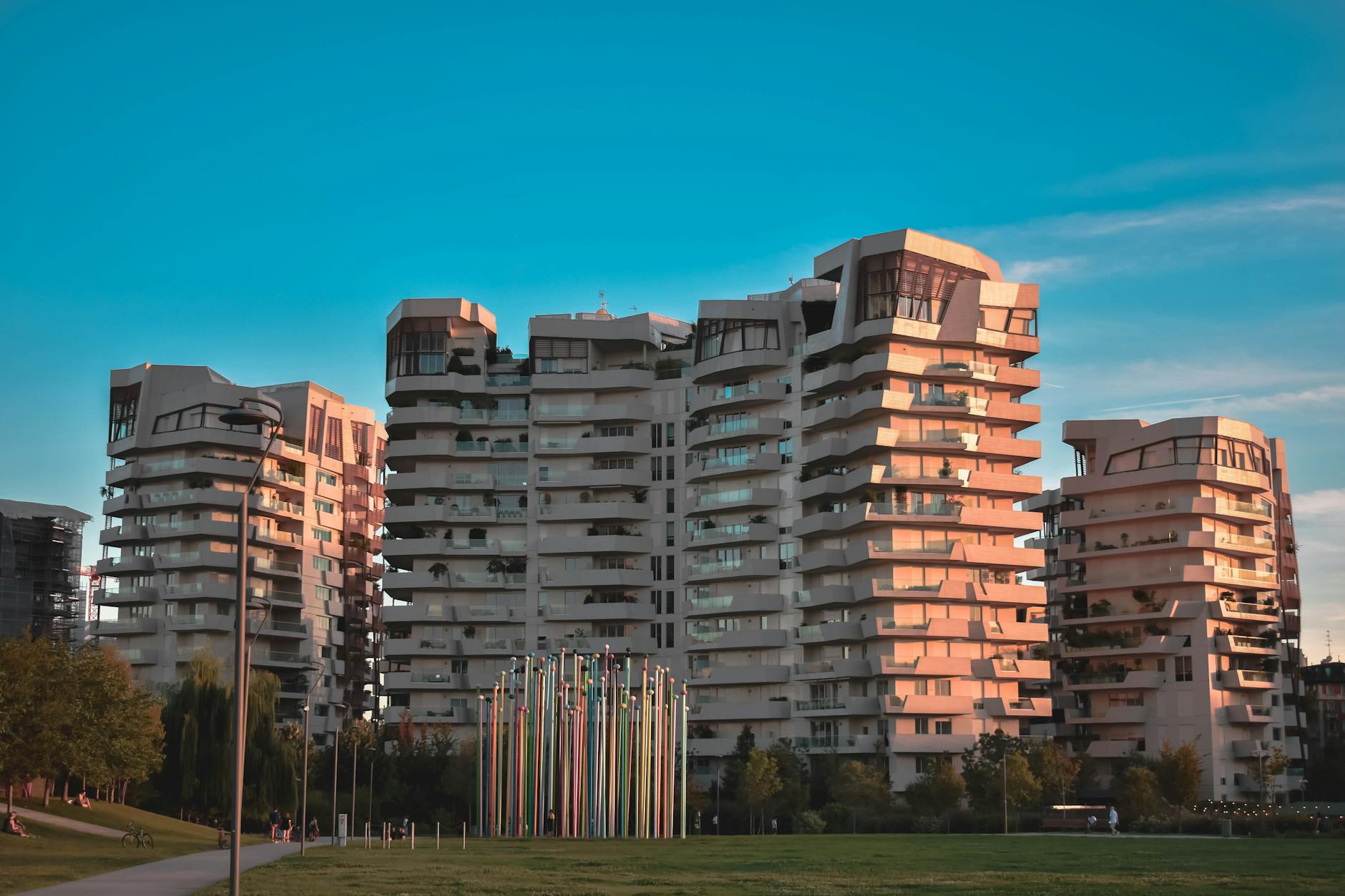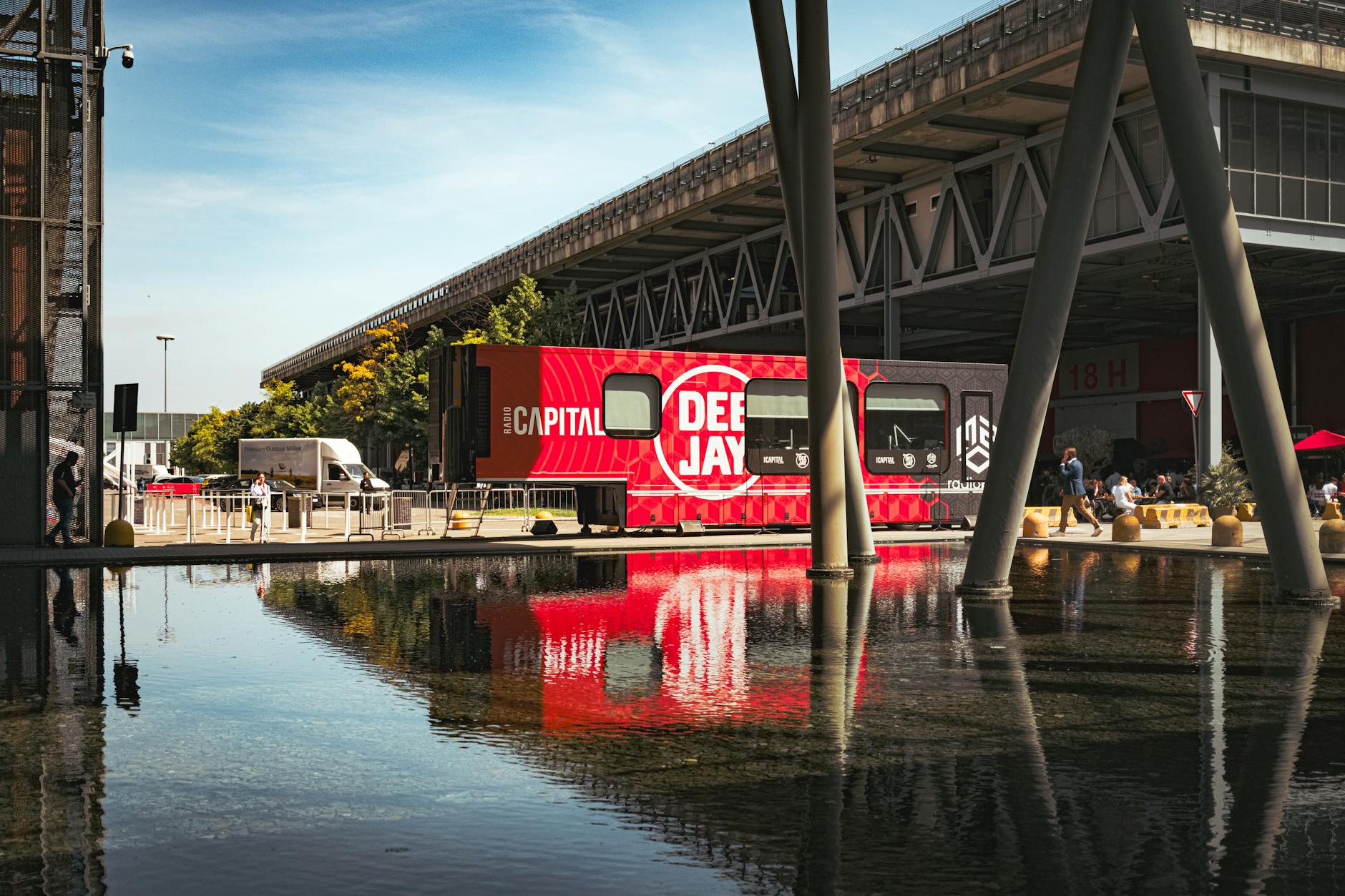
Milan is a major trade-show city, and that changes the trip. A visitor coming for an exhibition, fair, buyer meeting, design week, fashion event, or sector show is not planning an ordinary business visit. The venue may be Rho Fiera, MiCo, CityLife, a showroom district, a hotel, or a spread of receptions and appointments. Each version creates different decisions about hotel, arrival, daily transfers, dinner geography, and how much Milan can fit around the work. The trade-show attendee's real problem is stamina and logistics. The plan should protect arrival margin, badge pickup, stand or booth obligations, product or sample handling, client meetings, floor walking, food timing, after-show dinners, and the return to the hotel. Milan can be productive and enjoyable, but only if the city is organized around the show instead of competing with it.
Confirm the venue and event footprint
Milan trade-show geography can be unforgiving. Rho Fiera, MiCo, CityLife, showroom districts, central hotels, and off-site evening events all create different movement patterns. An attendee should map the main venue, registration, booth or hall location, meetings, receptions, dinners, and any supplier or client visits before choosing a hotel.
The event footprint may extend beyond the exhibition floor. Design, fashion, furniture, technology, and industry events can spread across districts. A trade-show plan should know which locations are mandatory and which are optional before the calendar fills.
- Map Rho Fiera, MiCo, CityLife, showroom, hotel, and reception locations before booking.
- Separate mandatory floor time from optional off-site events.
- Choose hotel geography around the full event footprint, not only the official venue address.
Choose the hotel by daily transfer burden
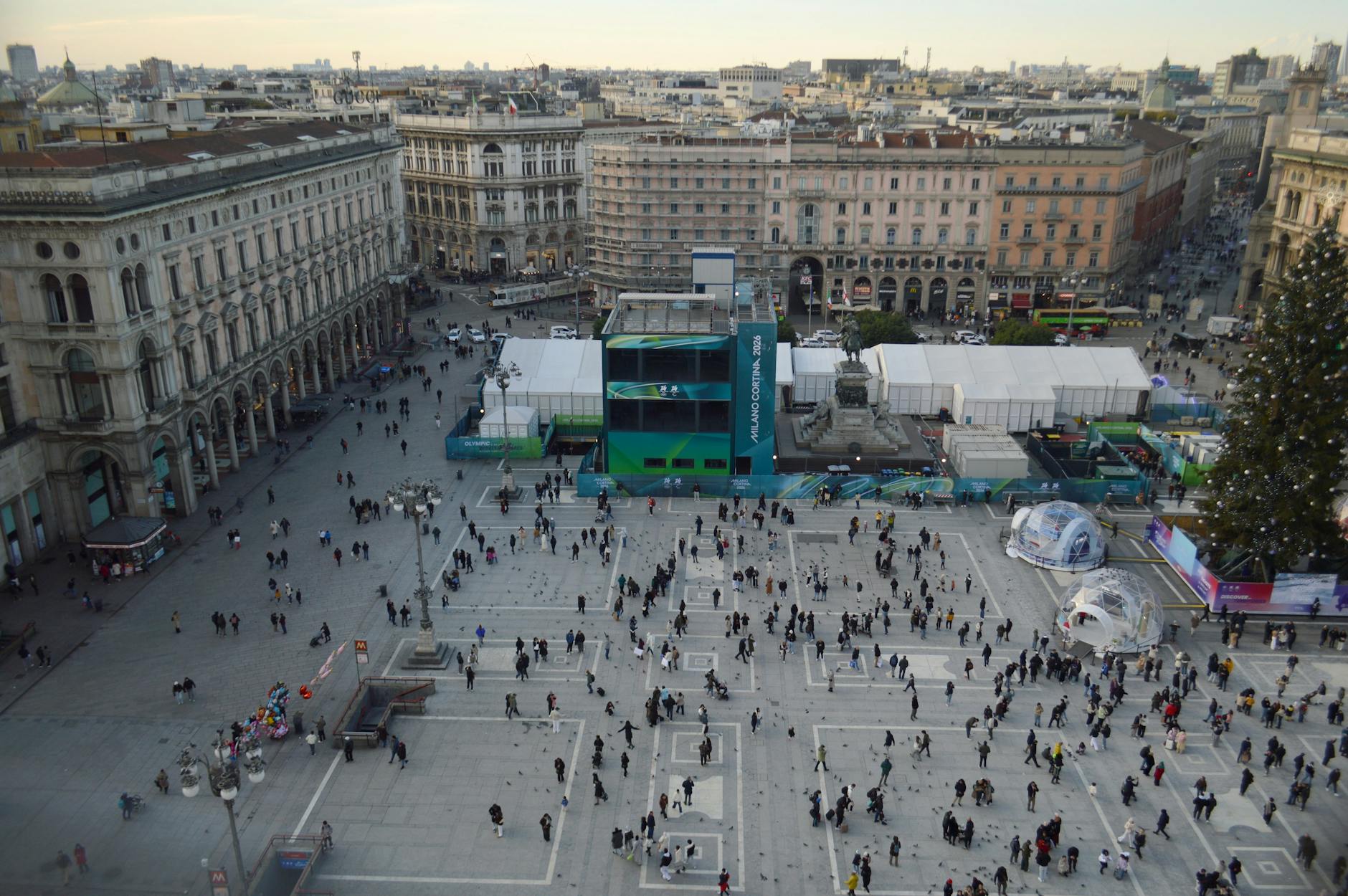
A trade-show hotel should be judged by the repeated commute, not by one good-looking booking page. A property near the venue may be useful for early starts and booth obligations. A central hotel may be better if client dinners, off-site meetings, or evening hospitality matter more. Porta Nuova, Garibaldi, CityLife, and central districts can each be right in different event scenarios.
The attendee should check breakfast hours, taxi access, quiet, room work space, laundry, package handling, storage, and the realistic door-to-door time during peak event movement. A poor commute becomes more expensive every morning.
- Choose the hotel around repeated venue transfers, not only nightly rate or brand.
- Check breakfast, work space, quiet, laundry, package handling, storage, and taxi access.
- Decide whether venue proximity or central client-dinner access matters more.
Build arrival margin around setup and badge timing
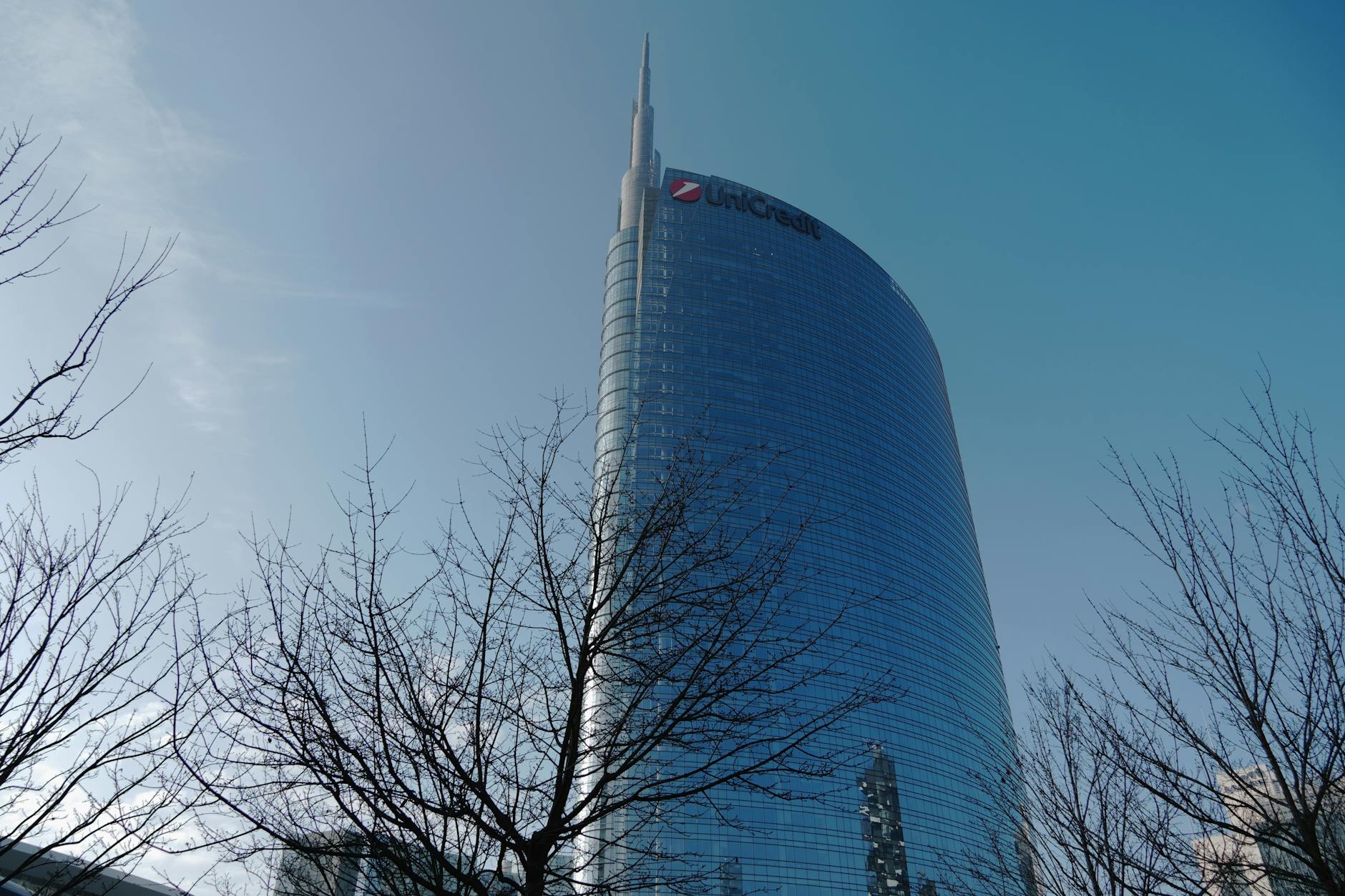
Trade-show arrival should include more margin than a normal business trip. Linate, Malpensa, Bergamo, and Milano Centrale can all work, but the right choice depends on setup duties, badge pickup, sample handling, luggage, and first meetings. A delayed arrival may not only inconvenience the traveler; it may affect a stand, team, or client appointment.
If the attendee is carrying display materials, product samples, branded clothing, or presentation gear, the transfer plan should be conservative. A private car, taxi, or direct rail choice may be less about comfort than protecting the first working block.
- Match airport or rail arrival to badge pickup, booth setup, sample handling, and first meetings.
- Build margin for delayed bags, late check-in, and event registration friction.
- Use direct transfers when materials or setup duties make arrival timing consequential.
Protect energy on the exhibition floor
A trade-show day can be physically harder than it looks. Floor walking, standing conversations, booth staffing, meeting rooms, poor seating, loud halls, queueing, and rushed food can drain the attendee before the evening begins. The traveler should decide where to sit, when to eat, where to take calls, and which meetings deserve priority.
Shoes, bag weight, water, chargers, business cards or QR tools, and calendar gaps matter. Milan's hospitality can be strong after the show, but an attendee who spends all energy by midafternoon may miss the most valuable client moments.
- Plan seating, food, water, calls, charging, and bag weight for long floor days.
- Prioritize meetings before the hall environment starts shaping decisions.
- Leave enough energy for the client conversations that happen after the formal show day.
Plan client dinners and off-site meetings by district
After-show dinners can be as important as the exhibition floor, but they need route discipline. A dinner near the venue, Brera, Porta Nuova, Navigli, Duomo, or the hotel serves different purposes. The wrong dinner geography can turn a useful evening into a late transport problem after a long day on the floor.
The attendee should separate client dinners, supplier meetings, team debriefs, and casual drinks. If the show is at Rho Fiera, central dinners require more margin. If the event is central, the attendee can place hospitality closer to the hotel and reduce late-night complexity.
- Choose dinner districts around venue, hotel, client location, and next-morning start.
- Separate client hospitality, supplier meetings, team debriefs, and casual drinks.
- Avoid late cross-city movement unless the meeting value justifies it.
Handle samples, shipping, and documents before the last day
Trade-show logistics often peak when the attendee is most tired. Samples, catalogs, booth materials, VAT paperwork, receipts, shipping labels, customs questions, and checked luggage should not be left until the final morning. The traveler should know what returns home, what ships, what stays with a local partner, and what can be discarded.
Document discipline also matters. Passport, badge, hotel folio, business cards, contracts, purchase orders, and digital backups should be managed throughout the trip. Losing paperwork or samples after the fair can undercut the value of attending.
- Decide what to carry, ship, store, discard, or hand off before the final morning.
- Protect samples, contracts, receipts, badge, passport, and digital backups.
- Leave luggage and customs margin for the departure day.
When to order a short-term travel report
A trade-show attendee with a venue hotel and simple agenda may not need a custom report. A report becomes useful when the trip involves Rho Fiera versus central Milan tradeoffs, several hotels, booth setup, sample movement, late arrival, multiple receptions, client dinners, medical or mobility needs, team coordination, or a departure that leaves little room for mistakes.
The report should test venue geography, hotel base, airport or rail arrival, transfer plan, floor stamina, meeting sequence, dinner districts, sample and shipping posture, late returns, weather exposure, and what to cut if the fair schedule expands. The value is a Milan trade-show trip that lets the attendee work the event instead of fighting the logistics.
- Order when venue geography, setup duties, samples, meetings, dinners, or traveler constraints make planning consequential.
- Provide venue, show schedule, hotel candidates, arrival details, booth duties, client plans, materials, and departure timing.
- Use the report to make Milan's event infrastructure serve the business purpose of the trip.